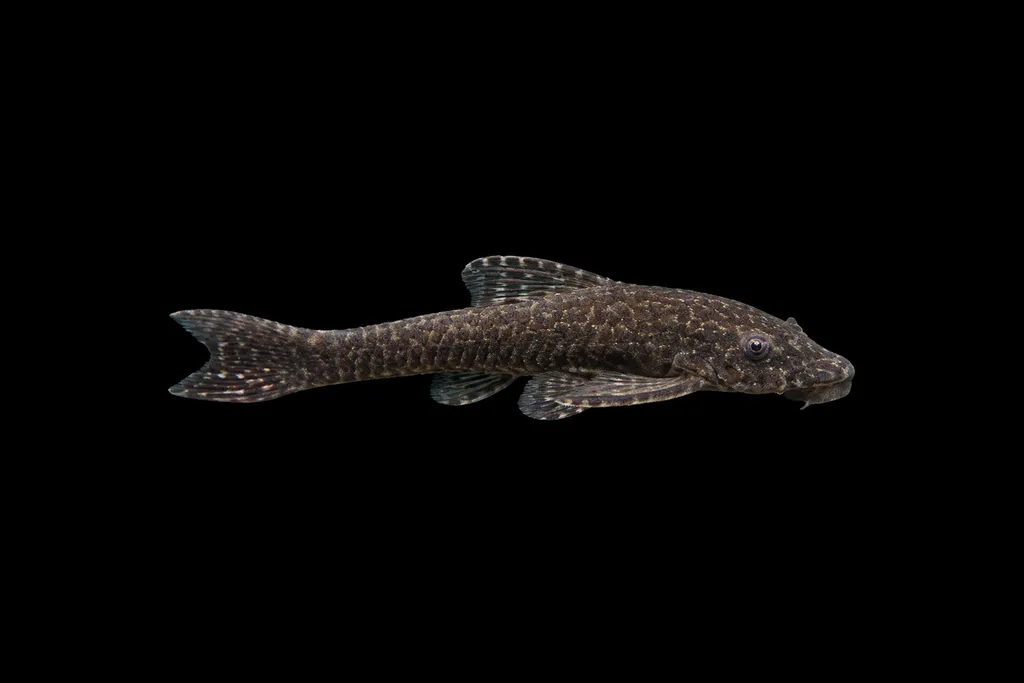
Black otocinclus
Hisonotus notatus
Also known as Notatus oto
FreshwaterFish
Care at a glance
- Temperature
- 72–81°F
- 22–27°C
- pH
- 6.0–7.5
- Adult size
- 2 in
- 5 cm
- Minimum tank
- 14 gal
- 54 L
- Temperament
- Peaceful
- Social behavior
- Social
- Swim level
- Bottom
- Diet
- Herbivore
- Difficulty
- Medium
- Breeding
- Egg depositor · Medium
- Rarity
- Rare
- Family
- Loricariidae
- Origin
- Coastal drainages, southeastern Brazil
Overview
The black otocinclus is a dusky little algae grazer for a calm, established community tank. It needs a little more care than the easiest community fish.
Did you know
The black otocinclus lives almost within sight of some of the most famous beaches in the world. Its home creeks drain the hills right behind Rio de Janeiro.
Caring for the black otocinclus
Keep black otocinclus in a mature, planted tank of at least 14 gal (54 L), which holds a starter group comfortably. Fine substrate, driftwood and shady cover suit them. Like their relatives, they are delicate on import and need a settled tank with a good surface film, not a new one.
Keep the water soft to neutral, at 72 to 81°F (22 to 27°C) and a pH of 6.0 to 7.5. Change water often to keep it clean.
A group spends the day working biofilm and soft algae off plants, wood and glass, and that film is their main food. Once the fish are settled, supplement it with blanched vegetables and gentle prepared grazing foods.
Six or more make a good group. They are gentle and easily startled, so house them only with peaceful, small community fish in a calm tank. They lay small clutches of eggs on plant leaves and hard surfaces. They have been raised in aquaria with some effort, and breeding them is moderately difficult.
Good to know
Hisonotus notatus is a small member of Loricariidae. It belongs to the same subfamily as the familiar shop otos, but it wears a darker, dusky coat. It is also sold as the notatus oto.
In the wild
The black otocinclus is native to coastal streams of southeastern Brazil, in drainages that run down to the sea. It grazes stems and stones in clear, gently moving water.
Weekly picks
Tank mates
The black otocinclus is a peaceful, social species that keeps to the bottom. These picks share a community profile with it, are safe together in both directions, and overlap on water type, temperature and pH.
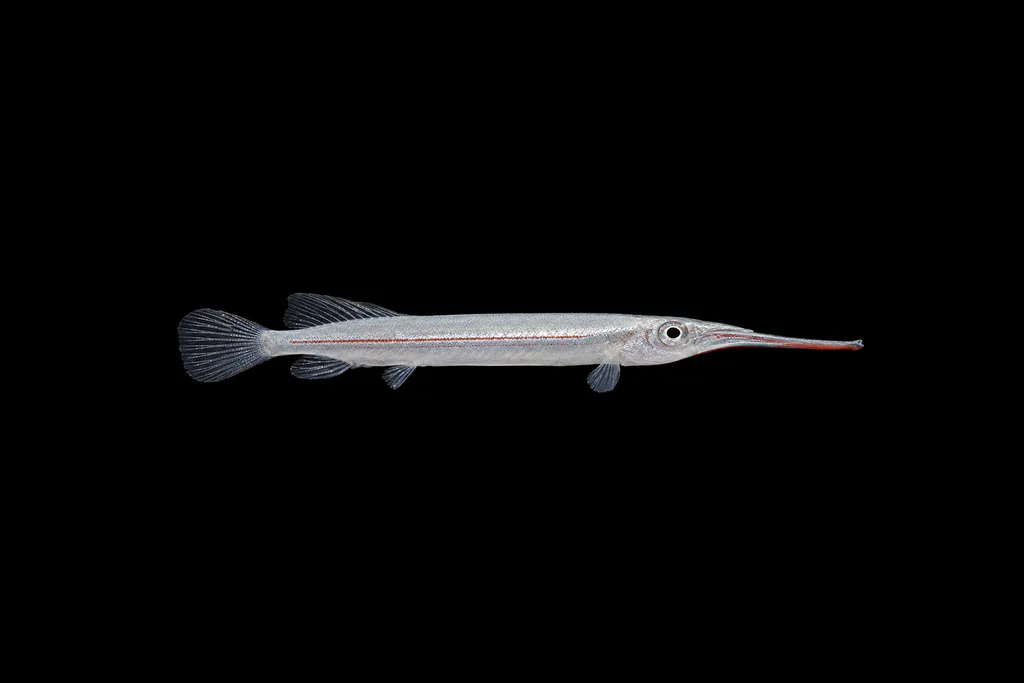
Fire halfbeak
Hemirhamphodon kapuasensis
Freshwater2.4 in (6 cm) · 14 gal (54 L)73–81°F (23–27°C)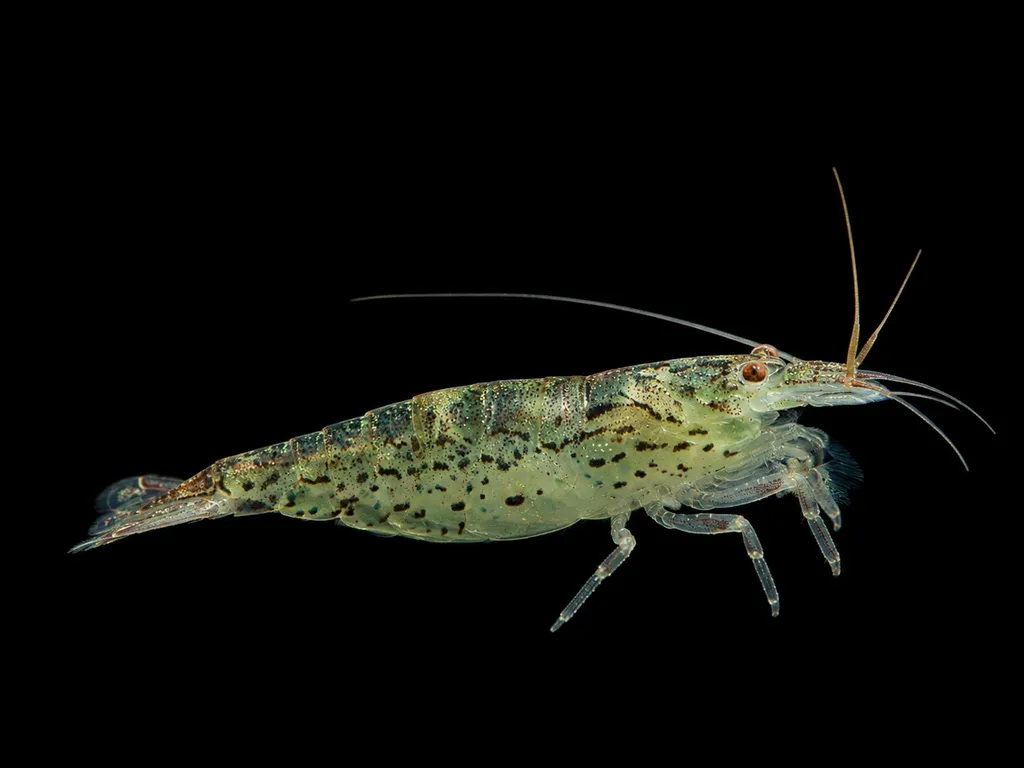
Green lace shrimp
Atyoida pilipes
Freshwater2.8 in (7 cm) · 14 gal (54 L)73–82°F (23–28°C)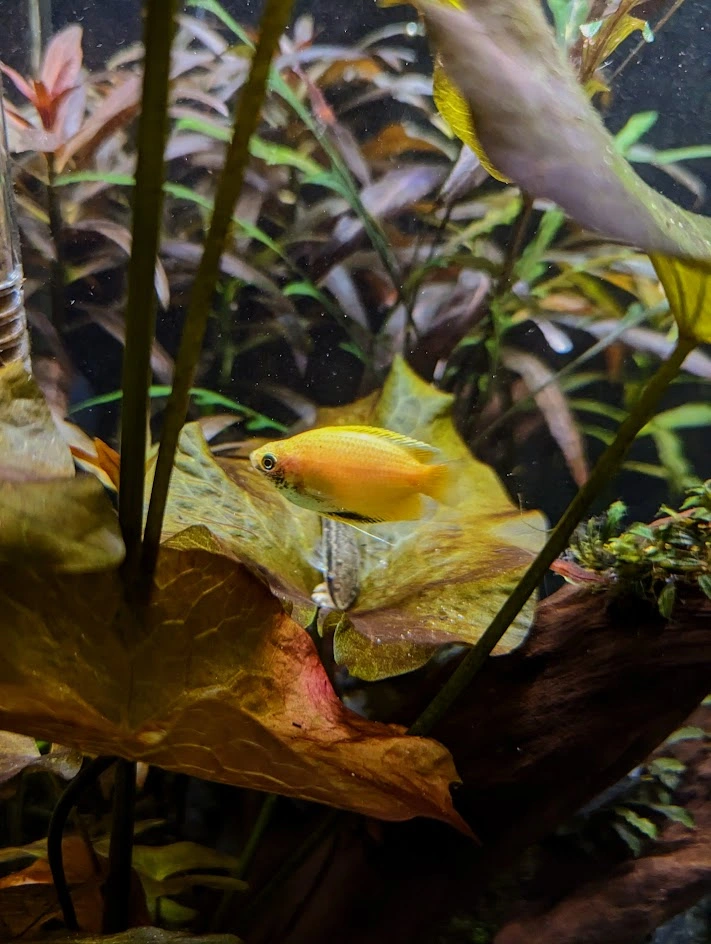
Honey gourami
Trichogaster chuna
Freshwater2 in (5 cm) · 14 gal (54 L)72–82°F (22–28°C)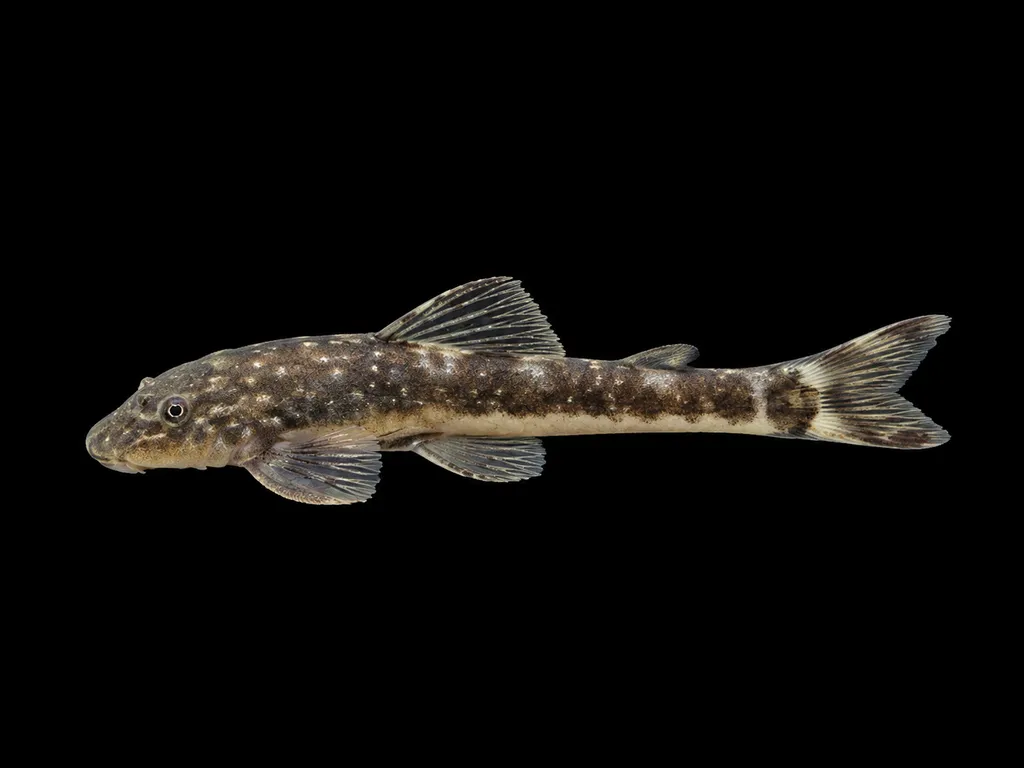
Ceará parotocinclus
Parotocinclus cearensis
Freshwater2 in (5 cm) · 14 gal (54 L)72–81°F (22–27°C)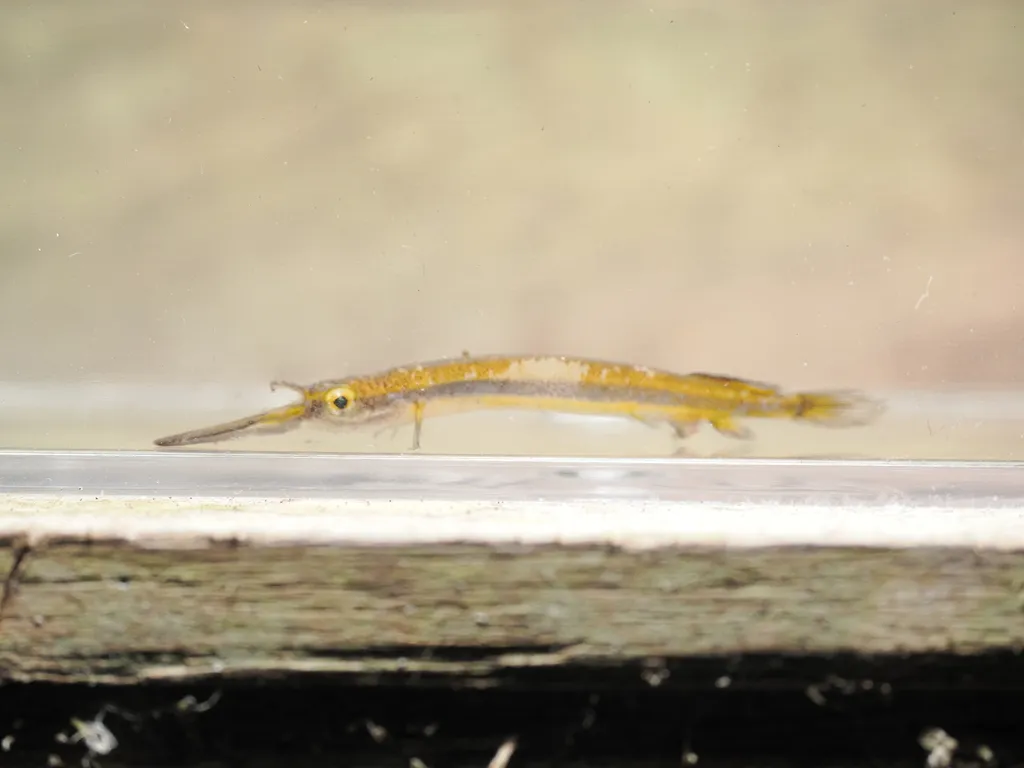
Gold-spotted halfbeak
Hemirhamphodon chrysopunctatus
Freshwater2.6 in (6.5 cm) · 14 gal (54 L)73–81°F (23–27°C)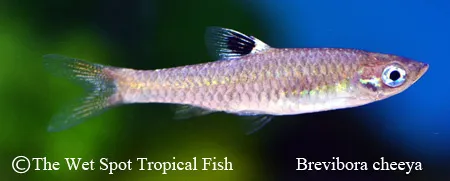
Cheeya rasbora
Brevibora cheeya
Freshwater1.3 in (3.4 cm) · 14 gal (54 L)72–81°F (22–27°C)
Common questions
What size tank does a black otocinclus need?
A black otocinclus needs at least 14 gal (54 L). It spends most of its time in the bottom.
What temperature and pH does a black otocinclus need?
A black otocinclus is comfortable at 72–81°F (22–27°C) with a pH of 6.0–7.5.
What does a black otocinclus eat?
A black otocinclus eats the biofilm and soft algae that grow on plants, wood and glass. Once it has settled, add blanched vegetables and gentle prepared grazing foods.
How big does a black otocinclus get?
An adult black otocinclus reaches about 2 in (5 cm).
How does a black otocinclus breed?
Black otocinclus spawn in small clutches, placing the eggs on plant leaves and hard surfaces. Keepers have raised them with some effort, and breeding is moderately difficult.
Related species
- 2 in (5 cm)14 gal (54 L)72–81°F (22–27°C)
Ceará parotocinclus
Parotocinclus cearensis
2 in (5 cm) · 14 gal (54 L)
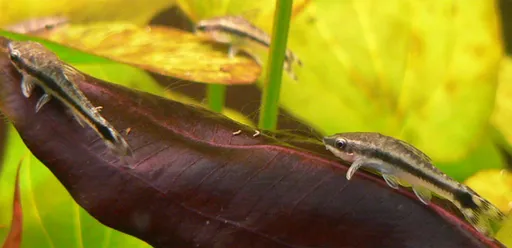 2 in (5 cm)12 gal (46 L)72–79°F (22–26°C)
Common otocinclus
Otocinclus vittatus
2 in (5 cm) · 12 gal (46 L)
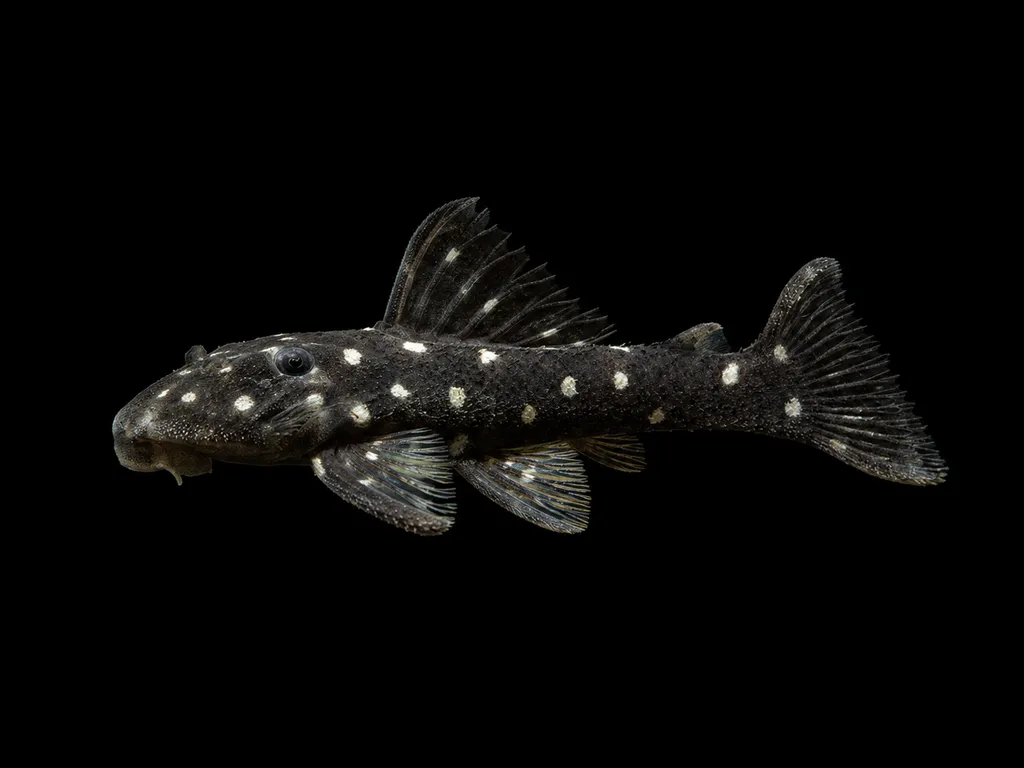 2 in (5 cm)29 gal (110 L)79–86°F (26–30°C)
Dwarf spiny pleco
Micracanthicus vandragti
2 in (5 cm) · 29 gal (110 L)
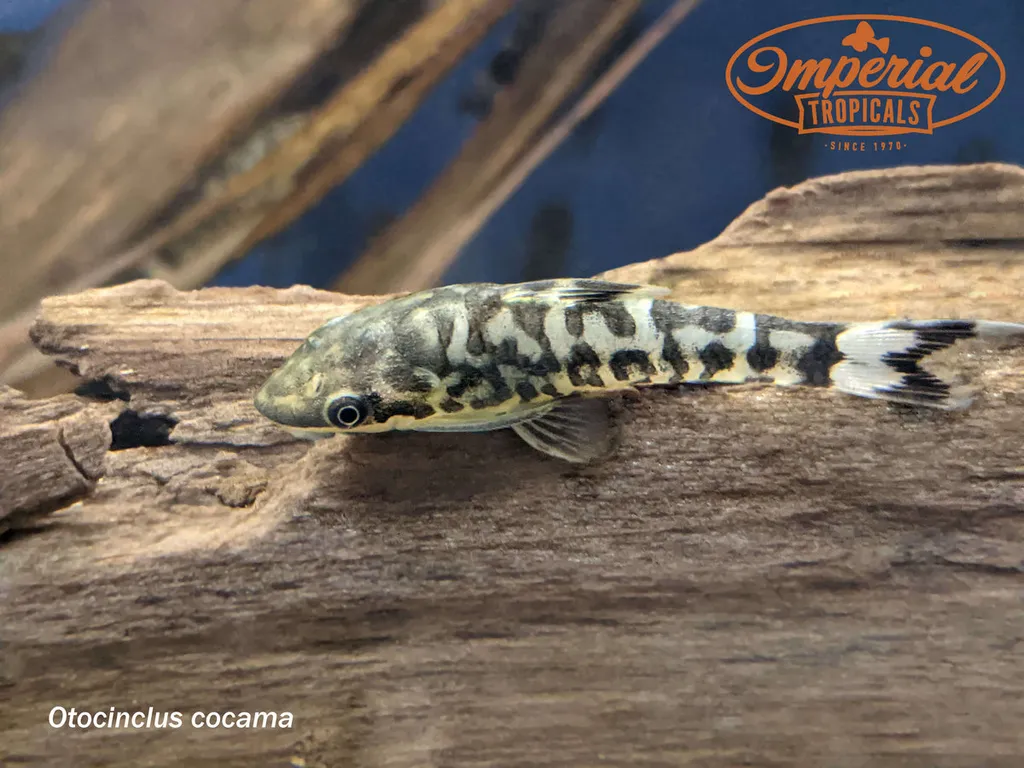 1.8 in (4.5 cm)11 gal (40 L)70–77°F (21–25°C)
Zebra dwarf sucker
Otocinclus cocama
1.8 in (4.5 cm) · 11 gal (40 L)
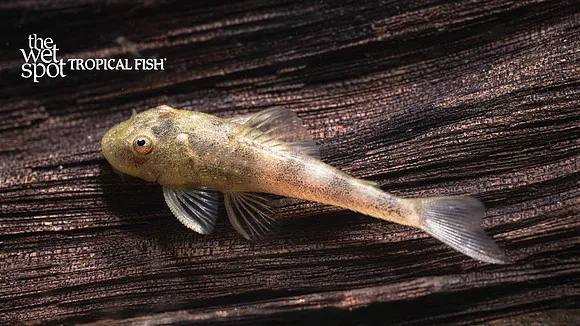 2.4 in (6 cm)14 gal (54 L)75–82°F (24–28°C)
Gold spot otocinclus
Parotocinclus spilosoma
2.4 in (6 cm) · 14 gal (54 L)
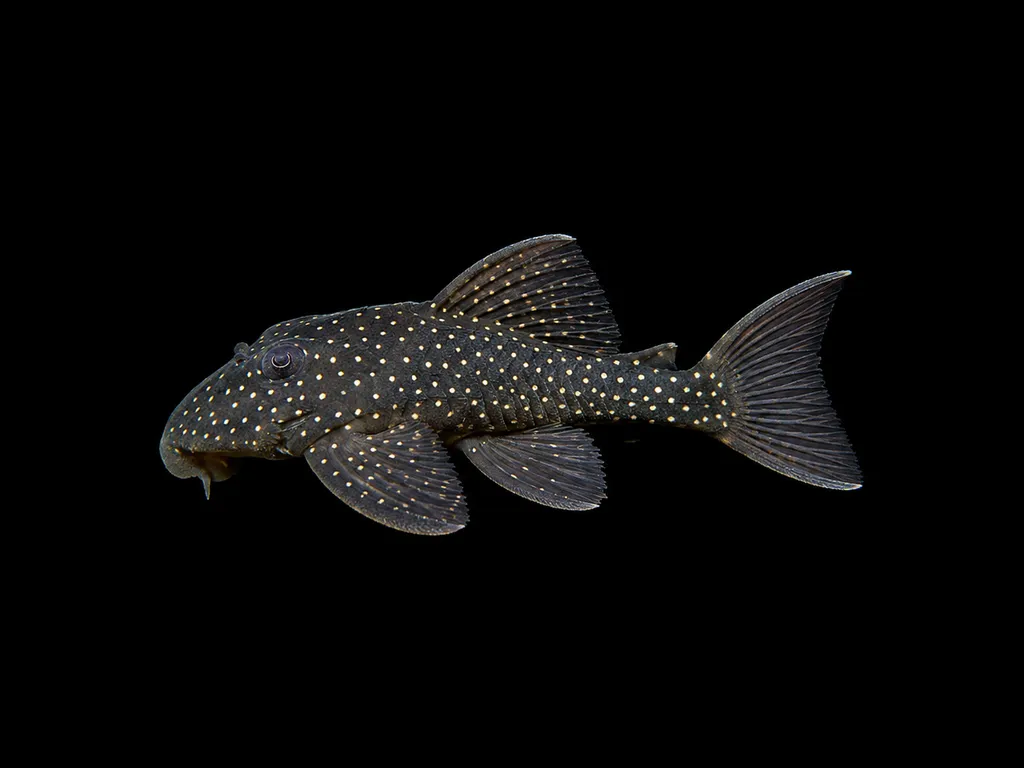 2.4 in (6 cm)42 gal (160 L)79–86°F (26–30°C)
Pearl-spotted angel pleco
Hypancistrus margaritatus
2.4 in (6 cm) · 42 gal (160 L)