Zebra dwarf sucker
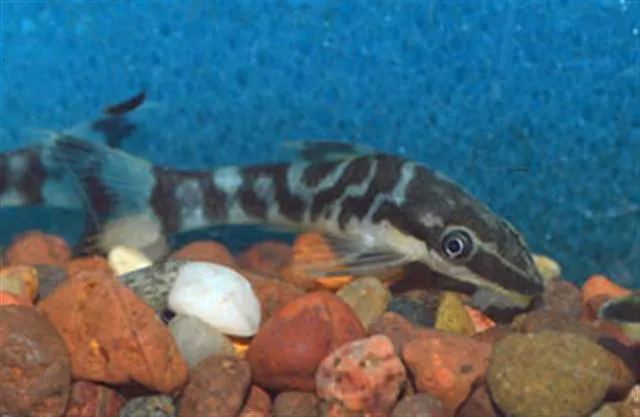
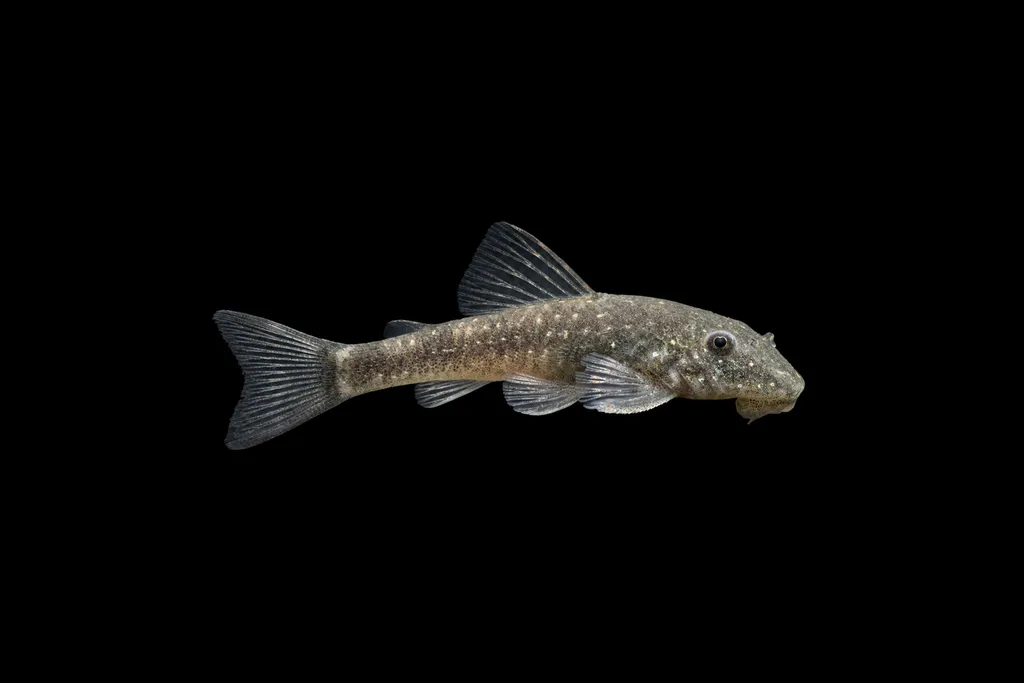
Otocinclus cocama
Also known as zebra oto
FreshwaterFish
Care at a glance
- Temperature
- 70–77°F
- 21–25°C
- pH
- 6.0–7.5
- Adult size
- 1.8 in
- 4.5 cm
- Minimum tank
- 11 gal
- 40 L
- Temperament
- Peaceful
- Social behavior
- Shoaling
- Swim level
- Bottom
- Difficulty
- Medium
- Breeding
- No record
- Rarity
- Common
- Family
- Loricariidae
- Origin
- Peru
Overview
This is a peaceful, shy bottom-dweller that should be kept in a group of six or more to feel secure. It spends its day rasping algae off glass, wood, and leaves. Because tank algae runs out fast, supplement with algae wafers, blanched vegetables like zucchini or spinach, and biofilm. It is too small and gentle for boisterous tankmates, so pair it with calm community fish.
In the wild
The zebra oto comes from clear, flowing streams in the Peruvian Amazon, where it clings to wood, rock, and plant leaves grazing algae. It wants soft, neutral to slightly acidic water, pH 6 to 7.5, and a temperature in the low to mid 20s C. Set up a mature, well-oxygenated tank with surfaces that grow a film of algae, since that is its main food and bare new tanks will starve it.
Good to know
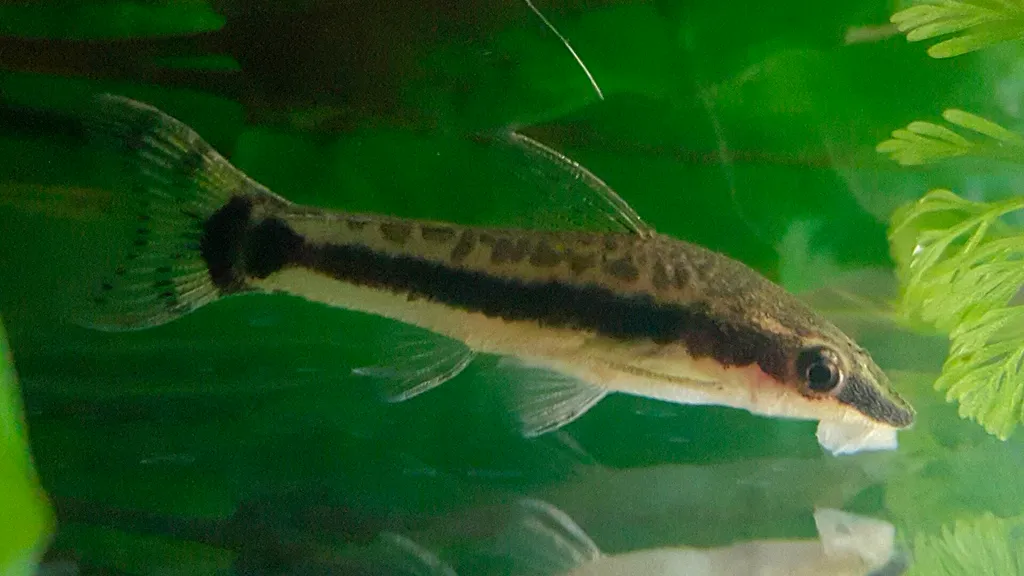
It is a small suckermouth catfish in the family Loricariidae, reaching only about 4.5 cm, with a black-and-white pattern that sets it apart from plainer otos. It uses its mouth to hold onto surfaces and rasp off biofilm. Breeding in aquariums is rarely recorded, and most fish in the trade are wild-caught.
Did you know
Its bold zebra striping made it a sought-after aquarium oto, but the pattern faded for years in shipments due to confusion and look-alikes, so true Otocinclus cocama can fetch a premium over the common olive-colored species.
Weekly picks
Tank mates
Zebra dwarf sucker is a peaceful, shoaling species that keeps to the bottom. These picks share a community profile with it, are safe together in both directions, and overlap on water type, temperature and pH.
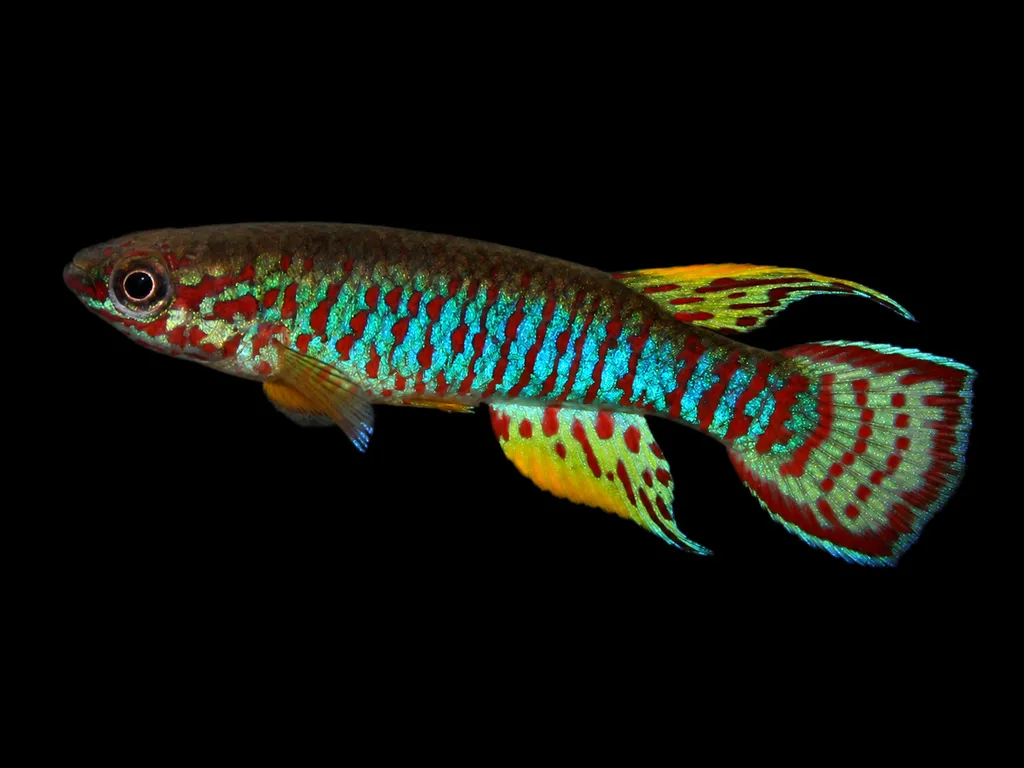
Jewel killifish
Aphyosemion exiguum
Freshwater1.6 in (4 cm) · 11 gal (40 L)68–77°F (20–25°C)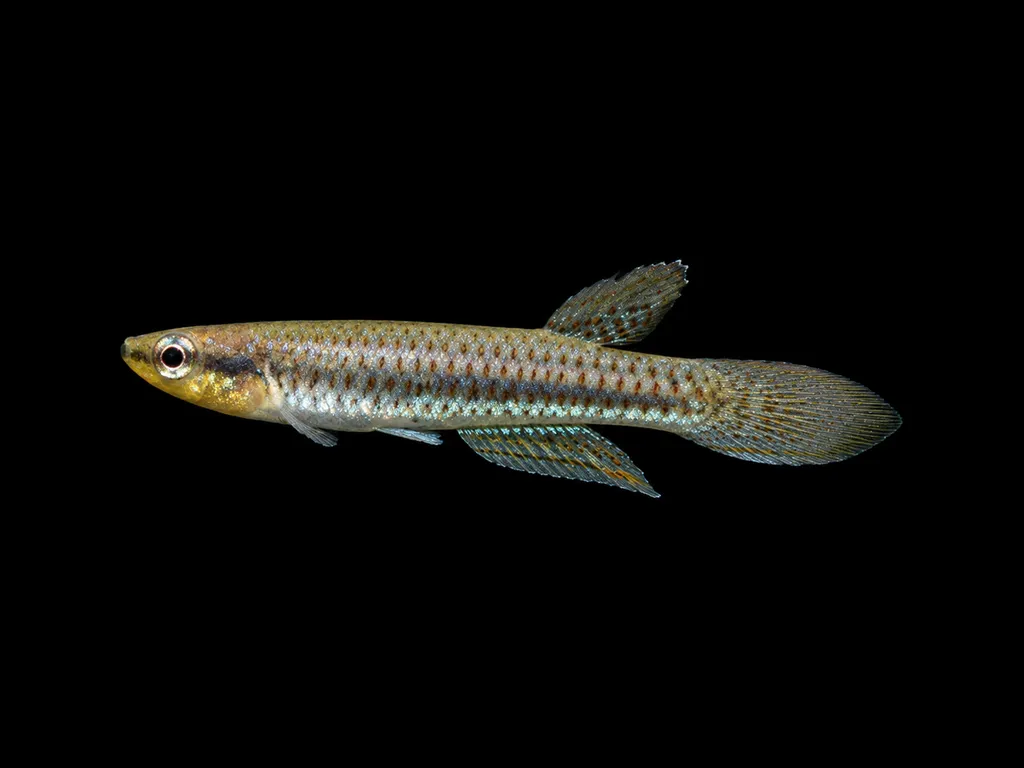
Dubois' panchax
Epiplatys duboisi
Freshwater1.4 in (3.5 cm) · 11 gal (40 L)68–77°F (20–25°C)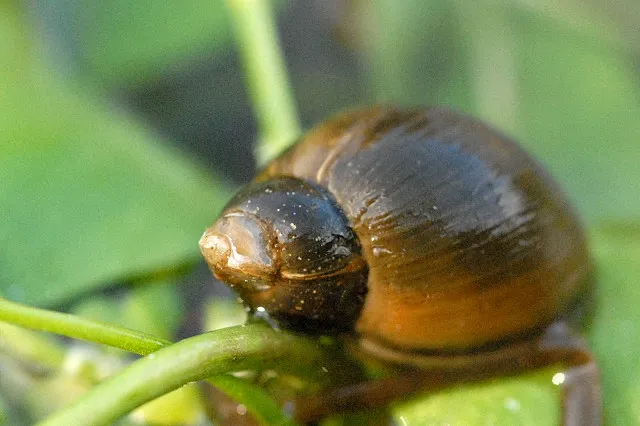
Wandering snail
Ampullaceana balthica
Freshwater0.8 in (2 cm) · 11 gal (40 L)50–84°F (10–29°C)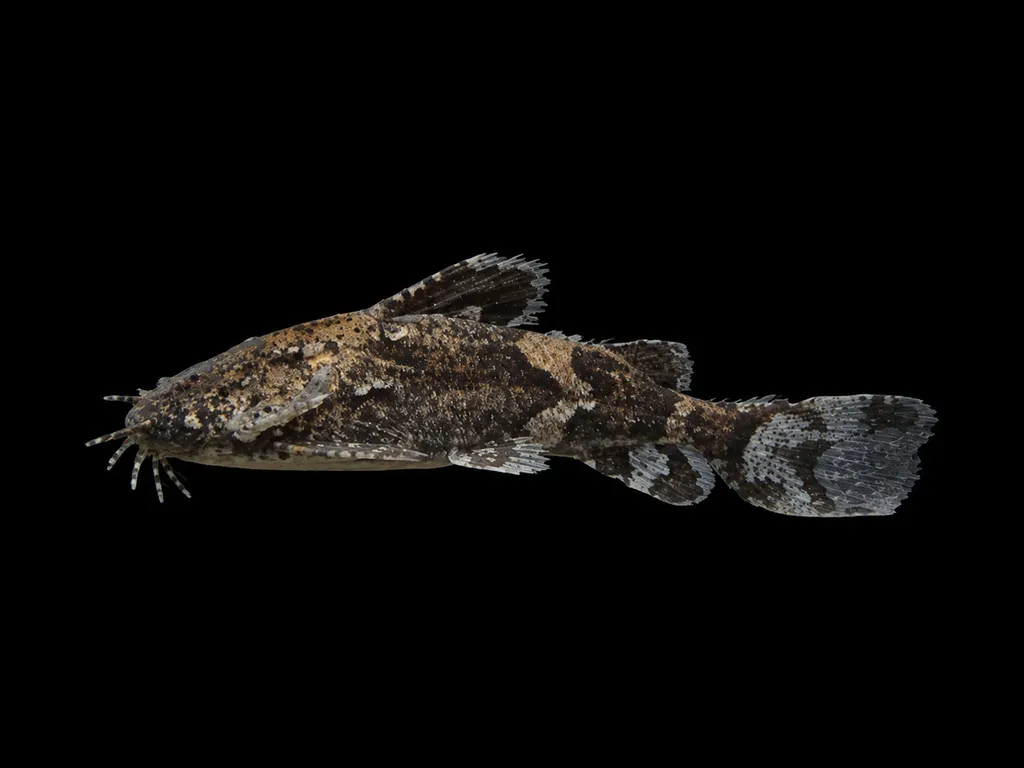
Burmese mini moth catfish
Hara minuscula
Freshwater1.2 in (3 cm) · 11 gal (40 L)68–79°F (20–26°C)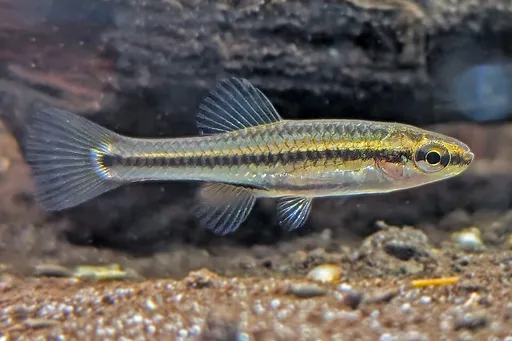
Bluefin killifish
Lucania goodei
Freshwater2 in (5 cm) · 11 gal (40 L)64–77°F (18–25°C)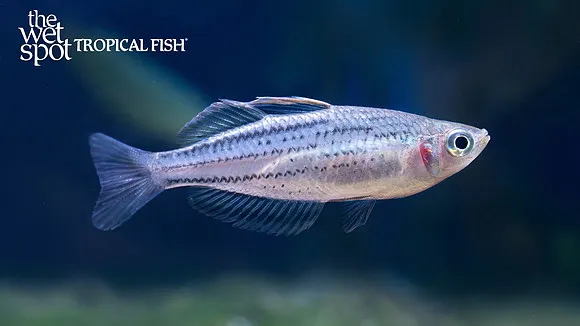
Green panchax
Aplocheilus blockii
Freshwater2 in (5 cm) · 11 gal (40 L)72–82°F (22–28°C)
Common questions
What size tank does a Zebra dwarf sucker need?
A Zebra dwarf sucker needs at least 11 gal (40 L). It spends most of its time in the bottom.
What temperature and pH does a Zebra dwarf sucker need?
A Zebra dwarf sucker is comfortable at 70–77°F (21–25°C) with a pH of 6.0–7.5.
How big does a Zebra dwarf sucker get?
An adult Zebra dwarf sucker reaches about 1.8 in (4.5 cm).
Does a Zebra dwarf sucker need a group?
Yes. A Zebra dwarf sucker is a shoaling species and should be kept in a group, not singly.
Related species
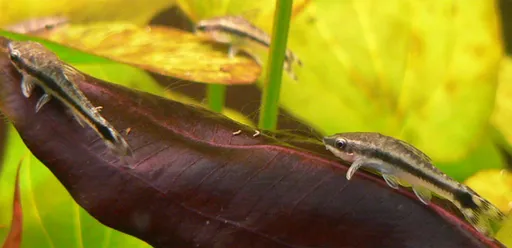 2 in (5 cm)20 gal (75 L)72–79°F (22–26°C)
Common otocinclus
Otocinclus vittatus
2 in (5 cm) · 20 gal (75 L)
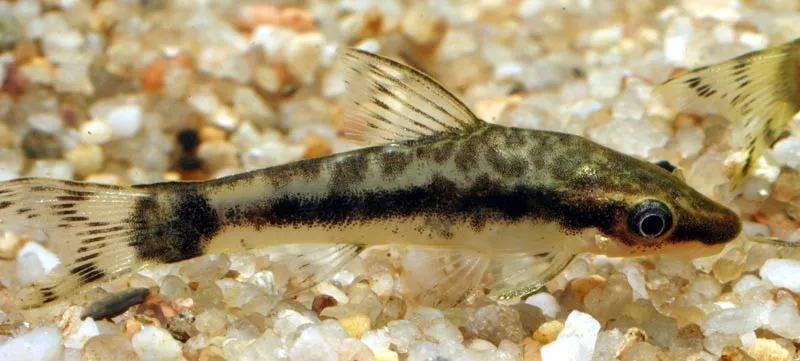
 1.6 in (4 cm)14 gal (54 L)72–81°F (22–27°C)
Vestitus otocinclus
Otocinclus vestitus
1.6 in (4 cm) · 14 gal (54 L)
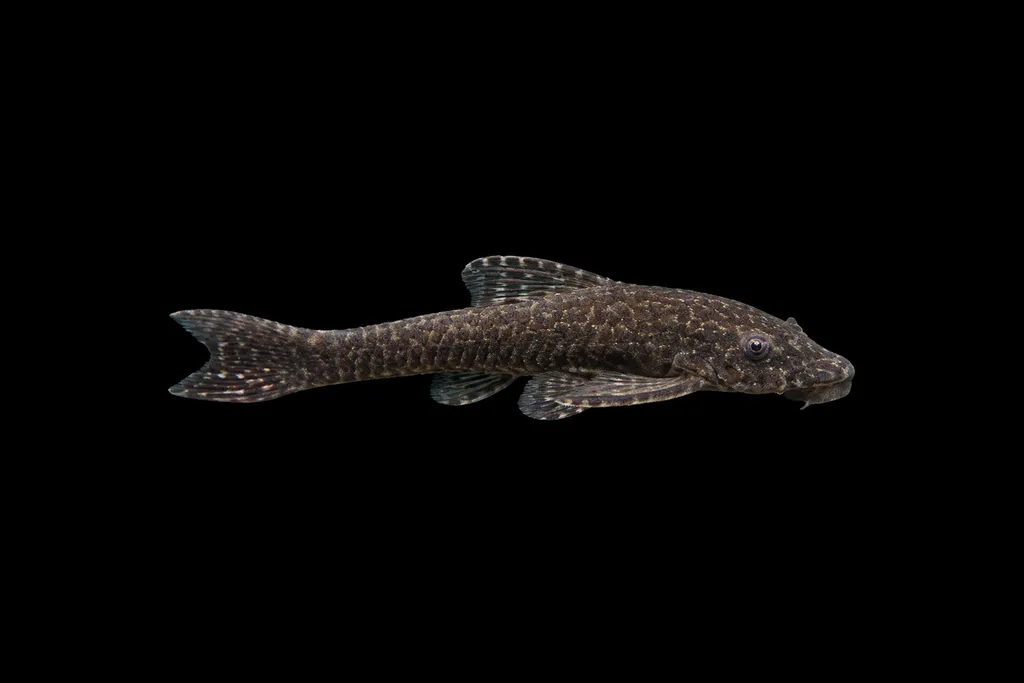
 1.4 in (3.5 cm)11 gal (40 L)70–79°F (21–26°C)
Golden dwarf sucker
Otocinclus macrospilus
1.4 in (3.5 cm) · 11 gal (40 L)
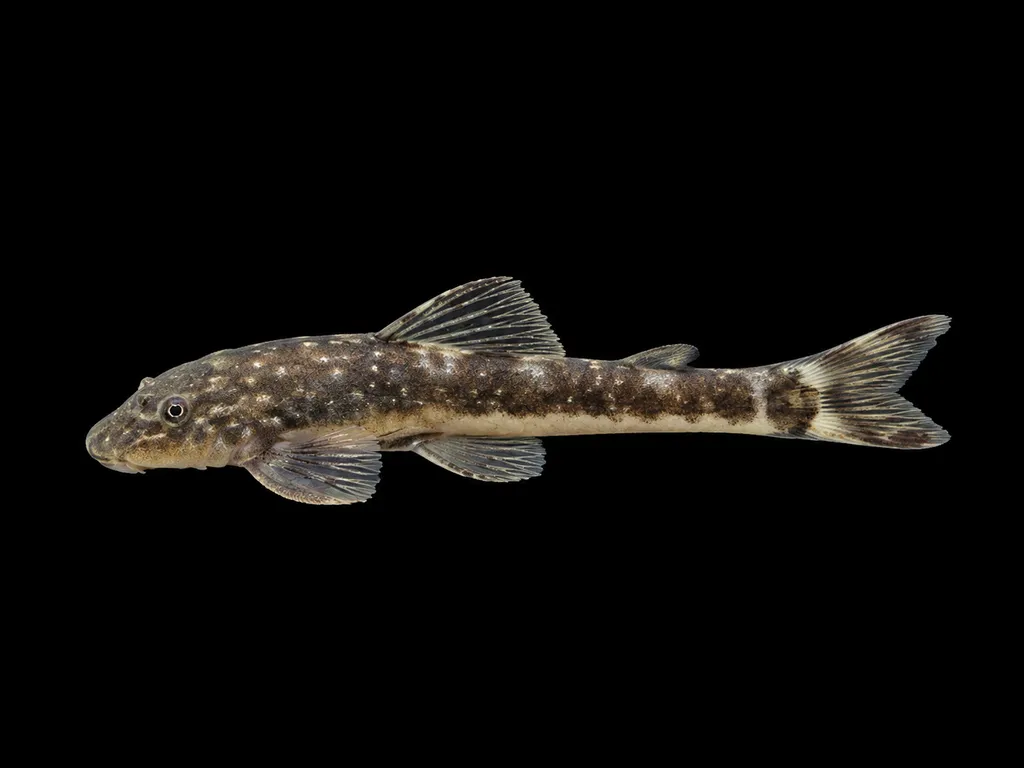
 2 in (5 cm)14 gal (54 L)72–81°F (22–27°C)
Black otocinclus
Hisonotus notatus
2 in (5 cm) · 14 gal (54 L)
 2 in (5 cm)14 gal (54 L)72–81°F (22–27°C)
Ceará parotocinclus
Parotocinclus cearensis
2 in (5 cm) · 14 gal (54 L)
 1.6 in (4 cm)14 gal (54 L)72–81°F (22–27°C)
Bahia parotocinclus
Parotocinclus bahiensis
1.6 in (4 cm) · 14 gal (54 L)