Wandering snail
Ampullaceana balthica
FreshwaterSnail
Care at a glance
- Temperature
- 50–84°F
- 10–29°C
- pH
- 6.5–8.0
- Adult size
- 0.8 in
- 2 cm
- Minimum tank
- 11 gal
- 40 L
- Temperament
- Peaceful
- Social behavior
- Solitary
- Swim level
- Bottom
- Difficulty
- Easy
- Breeding
- Medium
- Rarity
- Common
- Family
- Lymnaeidae
- Origin
- Europe
Overview
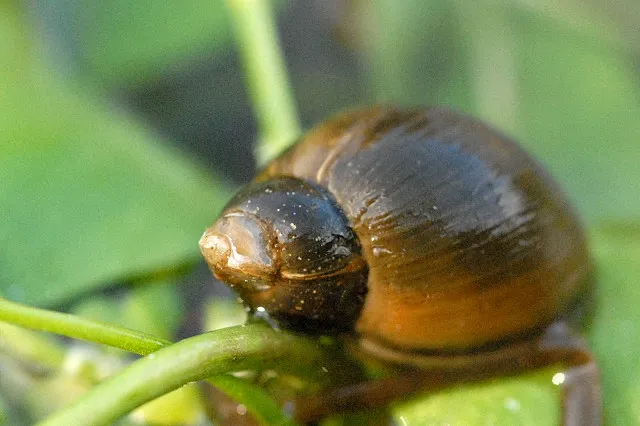
It needs no special social setup and does its own thing along the bottom and on glass and plants. It grazes algae, biofilm, and decaying plant matter, which makes it a decent cleanup animal. It will eat well in a tank with normal feeding, so no extra food is usually needed unless algae is scarce. Be aware it reproduces readily, so populations can climb fast in a nutrient-rich tank.
In the wild
The wandering snail is a European native found in ponds, ditches, lakes, and slow streams, often in cooler water than tropical tanks run. It is adaptable and turns up in a wide range of still and slow-moving habitats. In a tank it does fine over a wide temperature range, from around 10 C up to the high 20s C, with a pH from about 6.5 to 8.
Good to know
This is a freshwater pond snail in the family Lymnaeidae, with a thin, pointed shell that grows to roughly 2 to 3 cm across. It is a hermaphrodite, meaning each snail carries both sex organs, and it lays gel-like egg clutches on hard surfaces. Like most pond snails, it has a short life, generally about a year. It breathes air at the surface using a simple lung rather than gills.
Did you know
It does not breathe through gills like many aquarium snails. It has a true lung and surfaces to gulp air, which is why you will see it crawl up to the waterline now and then. That air-breathing trick lets it survive in low-oxygen water that would stress gill-breathing species.
Weekly picks
Tank mates
Wandering snail is a peaceful, solitary species that keeps to the bottom. These picks share a community profile with it, are safe together in both directions, and overlap on water type, temperature and pH.
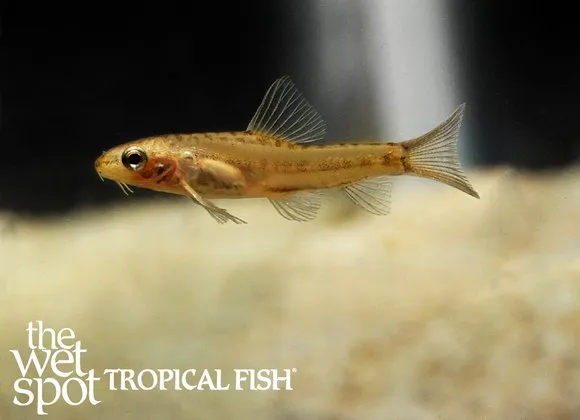
Mango loach
Physoschistura mango
Freshwater1 in (2.5 cm) · 11 gal (40 L)68–77°F (20–25°C)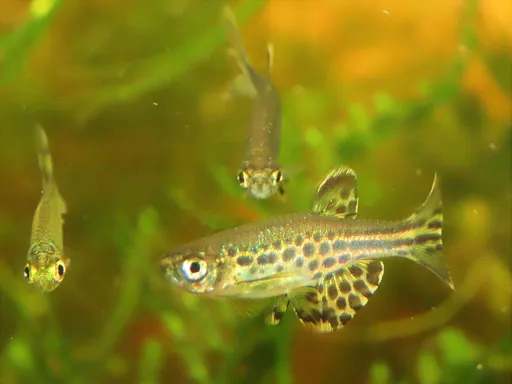
Gold ring danio
Danio tinwini
Freshwater1.2 in (3 cm) · 11 gal (40 L)64–79°F (18–26°C)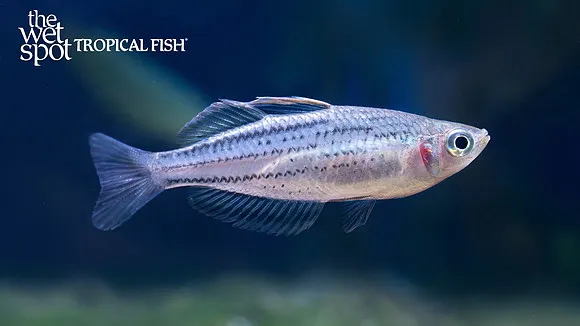
Green panchax
Aplocheilus blockii
Freshwater2 in (5 cm) · 11 gal (40 L)72–82°F (22–28°C)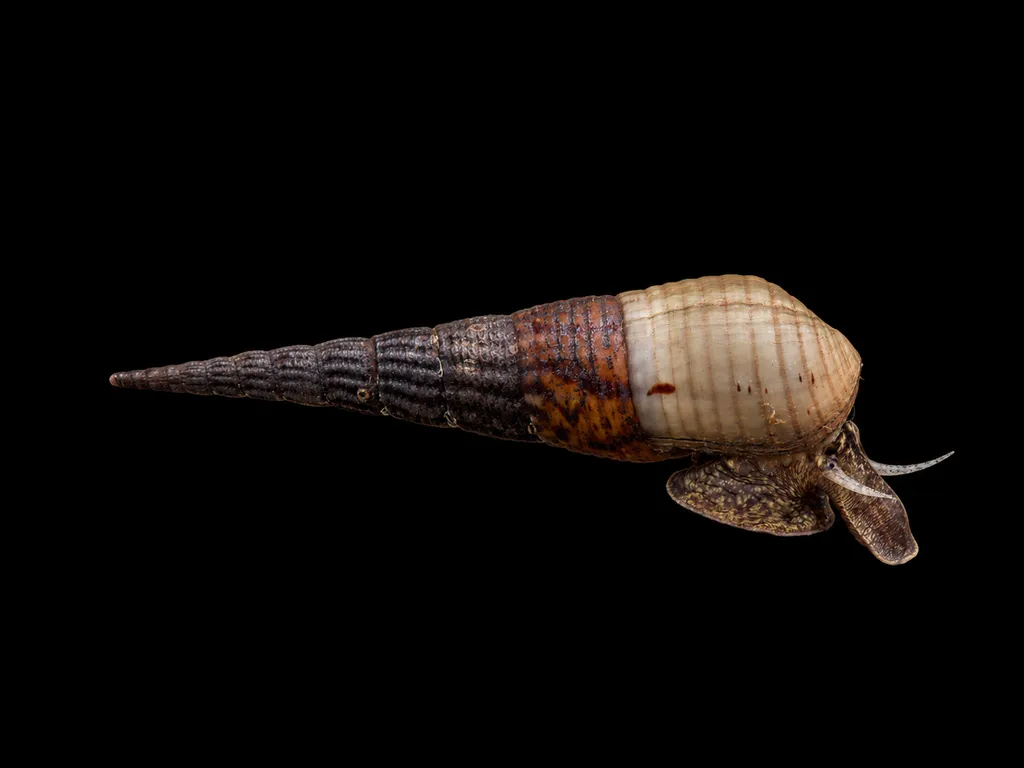
Chopstick snail
Stenomelania torulosa
Freshwater2 in (5 cm) · 11 gal (40 L)73–82°F (23–28°C)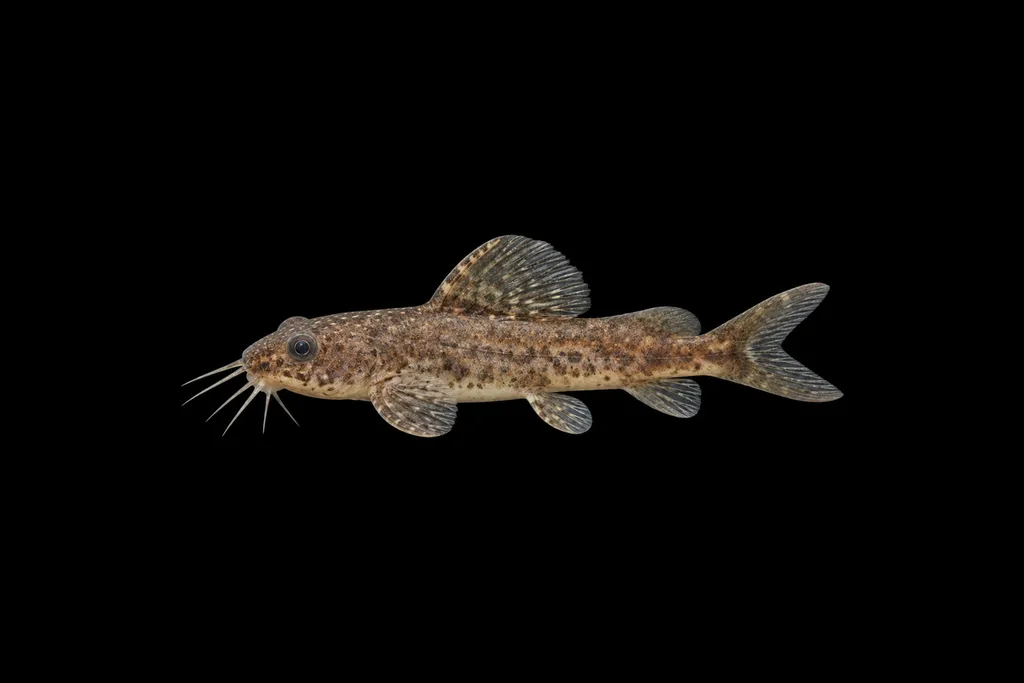
Dwarf broadfin catfish
Nanobagrus immaculatus
Freshwater1.2 in (3 cm) · 11 gal (40 L)73–82°F (23–28°C)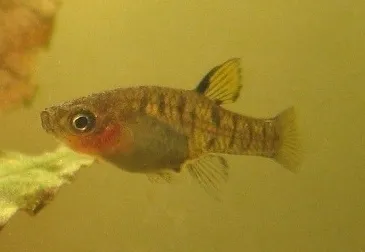
Black-barred livebearer
Quintana atrizona
Freshwater1.3 in (3.4 cm) · 11 gal (40 L)72–82°F (22–28°C)
Common questions
What size tank does a Wandering snail need?
A Wandering snail needs at least 11 gal (40 L). It spends most of its time in the bottom.
What temperature and pH does a Wandering snail need?
A Wandering snail is comfortable at 50–84°F (10–29°C) with a pH of 6.5–8.0.
How big does a Wandering snail get?
An adult Wandering snail reaches about 0.8 in (2 cm).
Related species
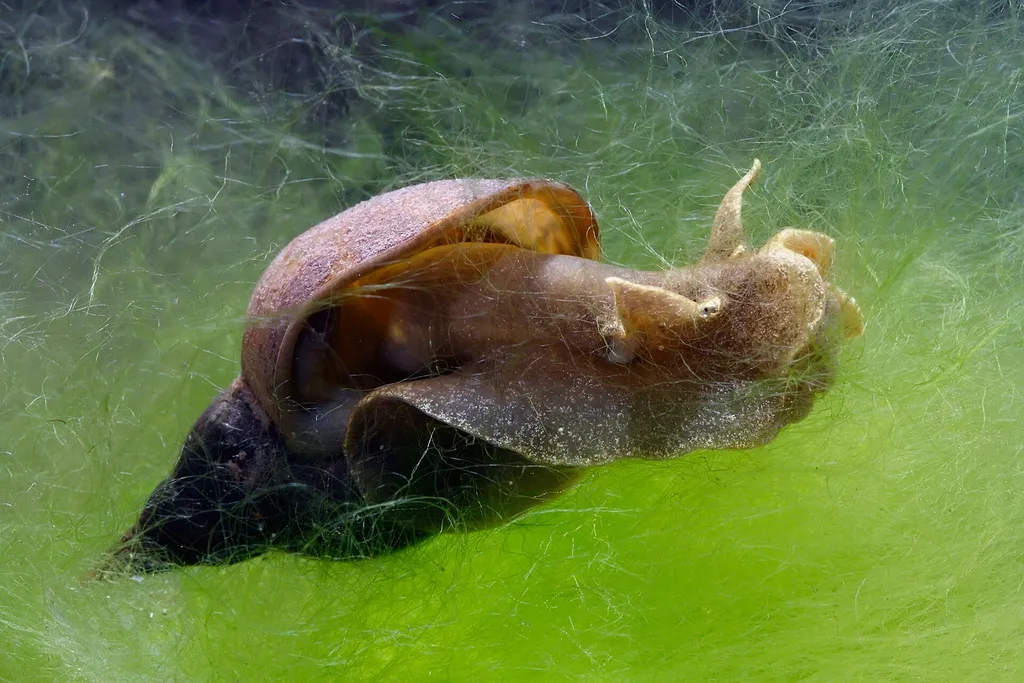 2.4 in (6 cm)5 gal (20 L)64–75°F (18–24°C)
Great pond snail
Lymnaea stagnalis
2.4 in (6 cm) · 5 gal (20 L)
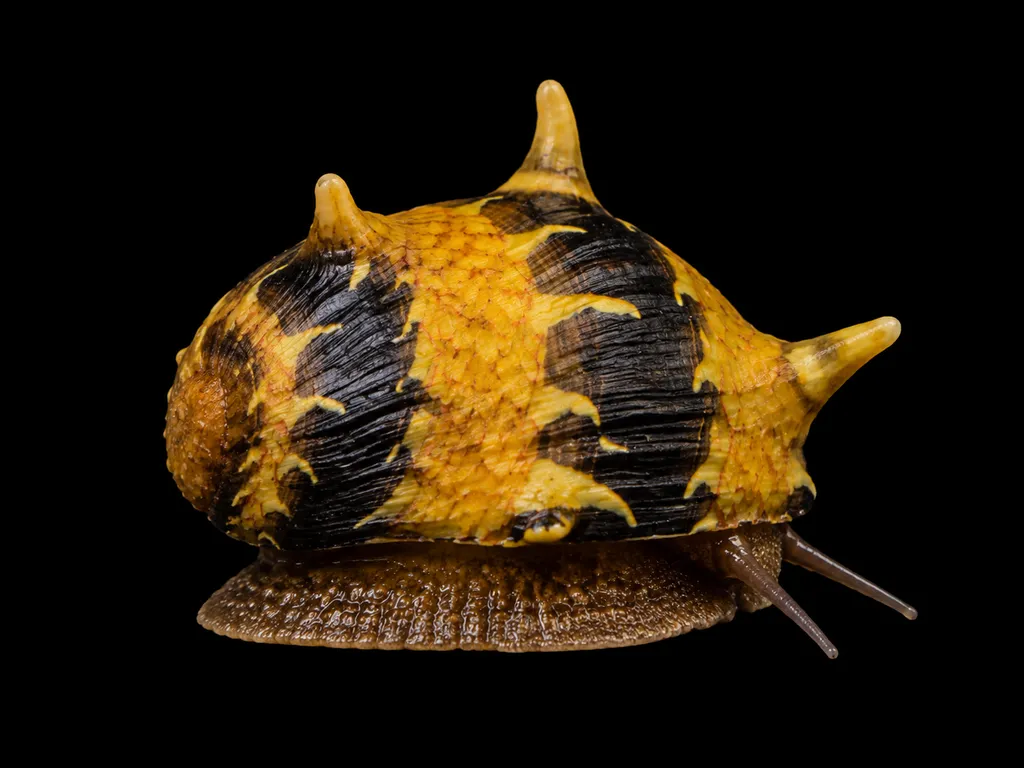 0.8 in (2 cm)5 gal (19 L)72–82°F (22–28°C)
Fancy antler snail
Clithon sowerianum
0.8 in (2 cm) · 5 gal (19 L)
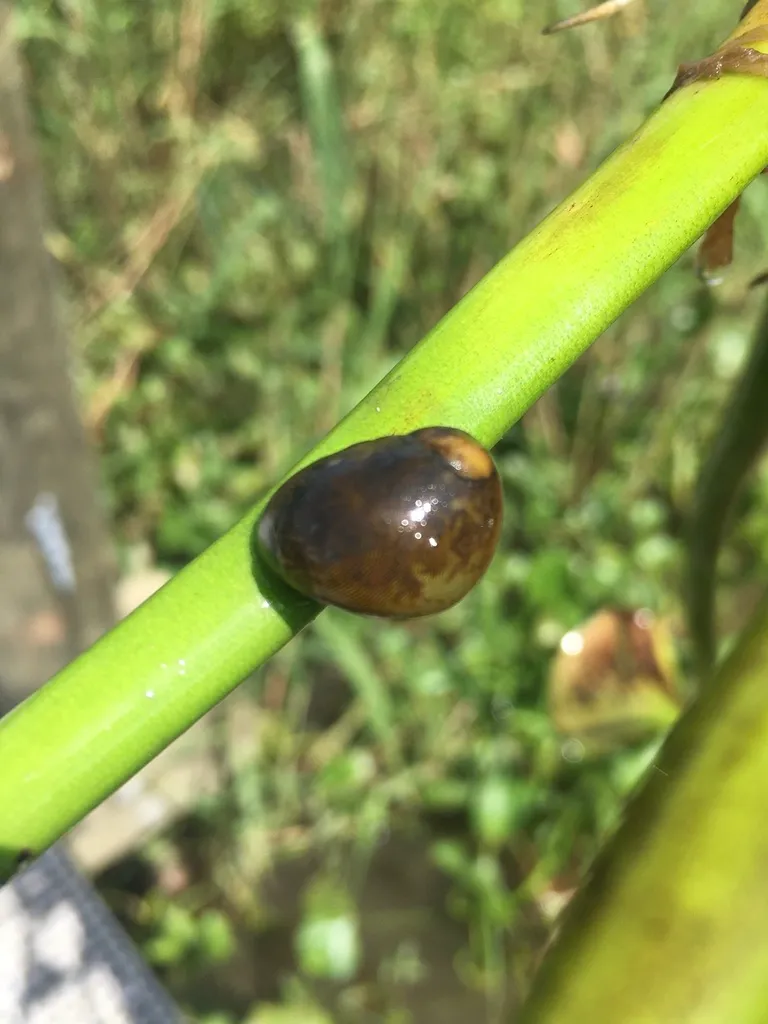 0.8 in (2 cm)5 gal (20 L)72–82°F (22–28°C)
Olive nerite
Vittina usnea
0.8 in (2 cm) · 5 gal (20 L)
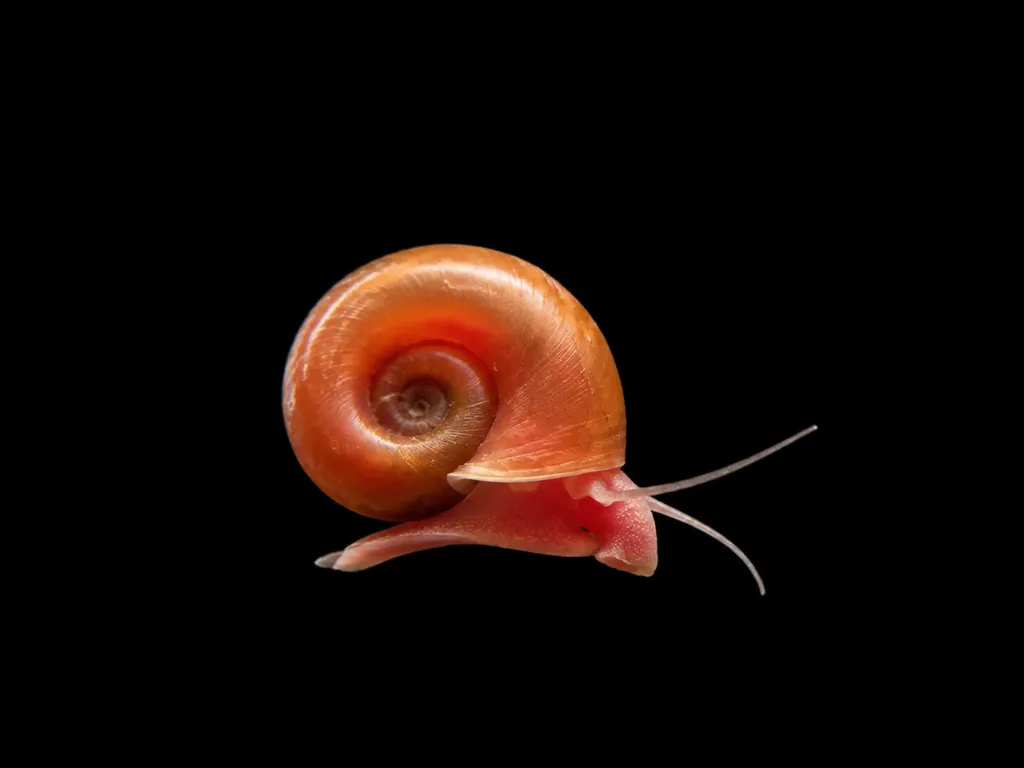 0.8 in (2 cm)5 gal (20 L)68–86°F (20–30°C)
Red ramshorn snail
Indoplanorbis exustus
0.8 in (2 cm) · 5 gal (20 L)
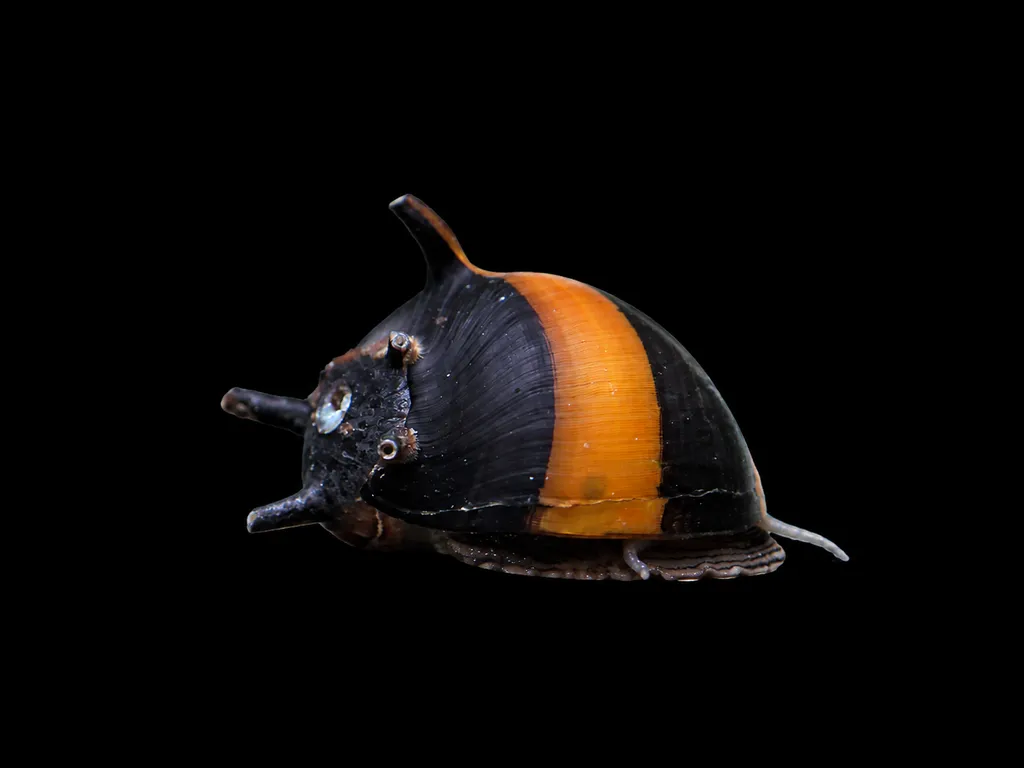 0.8 in (2 cm)5 gal (19 L)72–82°F (22–28°C)
Three-color thorn snail
Clithon sowerbyana
0.8 in (2 cm) · 5 gal (19 L)
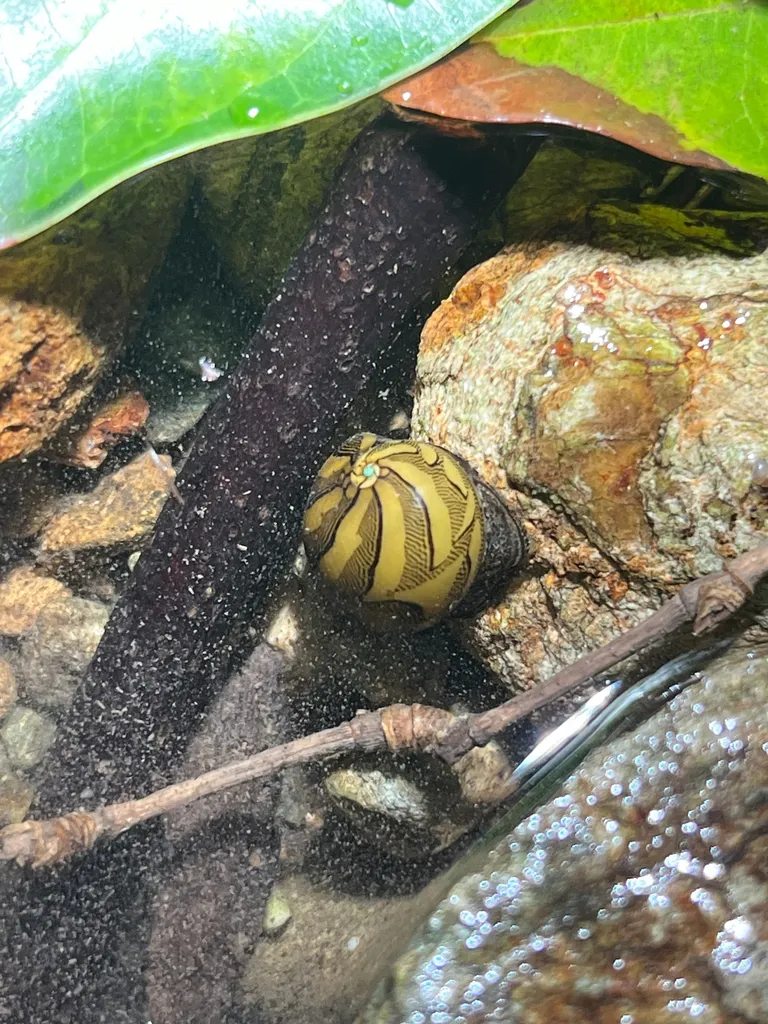 0.8 in (2 cm)5 gal (20 L)72–79°F (22–26°C)
Virgin nerite
Vitta virginea
0.8 in (2 cm) · 5 gal (20 L)