Great pond snail
Lymnaea stagnalis
FreshwaterSnail
Care at a glance
- Temperature
- 64–75°F
- 18–24°C
- pH
- 6.5–8.0
- Adult size
- 2.4 in
- 6 cm
- Minimum tank
- 5 gal
- 20 L
- Temperament
- Peaceful
- Social behavior
- Solitary
- Swim level
- Bottom
- Difficulty
- Easy
- Breeding
- Medium
- Rarity
- Common
- Family
- Lymnaeidae
- Origin
- Europe
Overview
This is a peaceful bottom and surface crawler that lives on its own and does not need company. It grazes algae, biofilm, and dead plant matter, and it will chew on soft live plants too, so it is not ideal in a prized planted tank. It also eats leftover food and helps with cleanup. No special diet is needed if there is algae and detritus, but you can add blanched vegetables. Given enough food it breeds quickly, so expect numbers to climb.
In the wild
Great pond snails live across Europe in still and slow waters such as ponds, ditches, marshes, and lake edges thick with plants. They handle cool water and a wide range of conditions. In a tank they are easy on temperature, happy anywhere from the upper teens to mid 20s C, and they want hard enough water with pH from about 6.5 to 8 to keep their shells solid.
Good to know
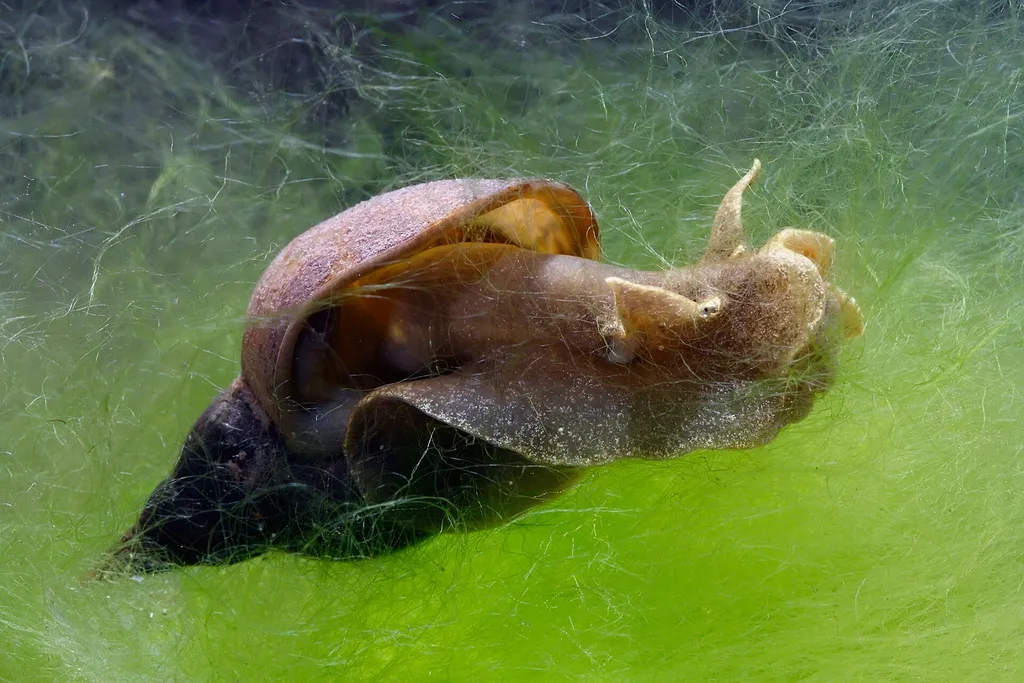
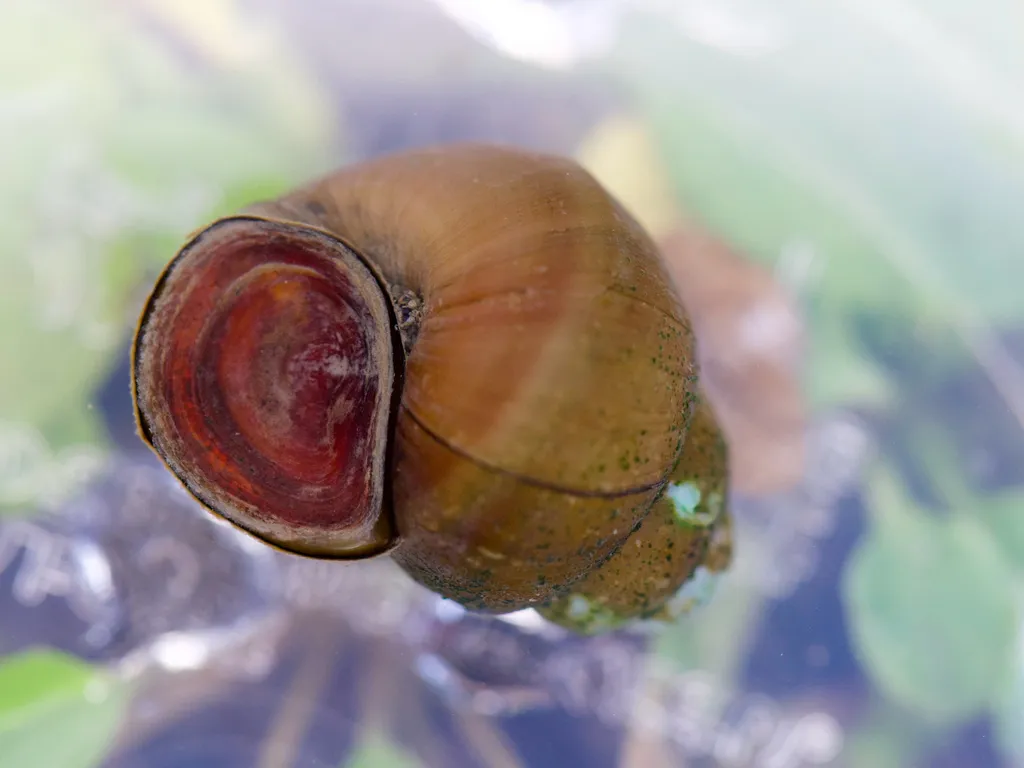
Lymnaea stagnalis is a freshwater snail in the family Lymnaeidae. It grows to around 6 cm with a tall, pointed, spiraled shell. Like most pond snails it is a hermaphrodite, so any two can breed, and it lays jelly-like egg masses on plants and hard surfaces. It breathes air, surfacing to fill a simple lung.
Did you know
It comes up to gulp air at the surface because it breathes with a lung rather than gills. That same trait makes it a long-running lab animal. Its large, simple nervous system has made the great pond snail a standard model for studying memory and learning.
Weekly picks
Tank mates
Great pond snail is a peaceful, solitary species that keeps to the bottom. These picks share a community profile with it, are safe together in both directions, and overlap on water type, temperature and pH.
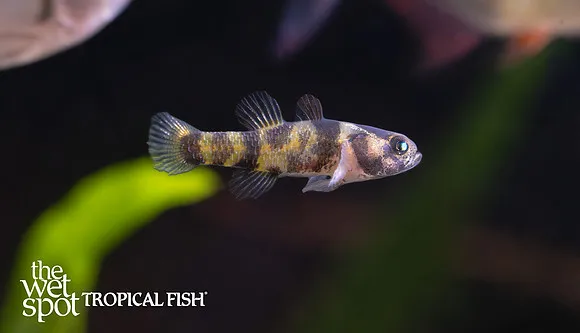
Micro bumblebee goby
Brachygobius nunus
FreshwaterBrackish1 in (2.5 cm) · 5 gal (20 L)73–82°F (23–28°C)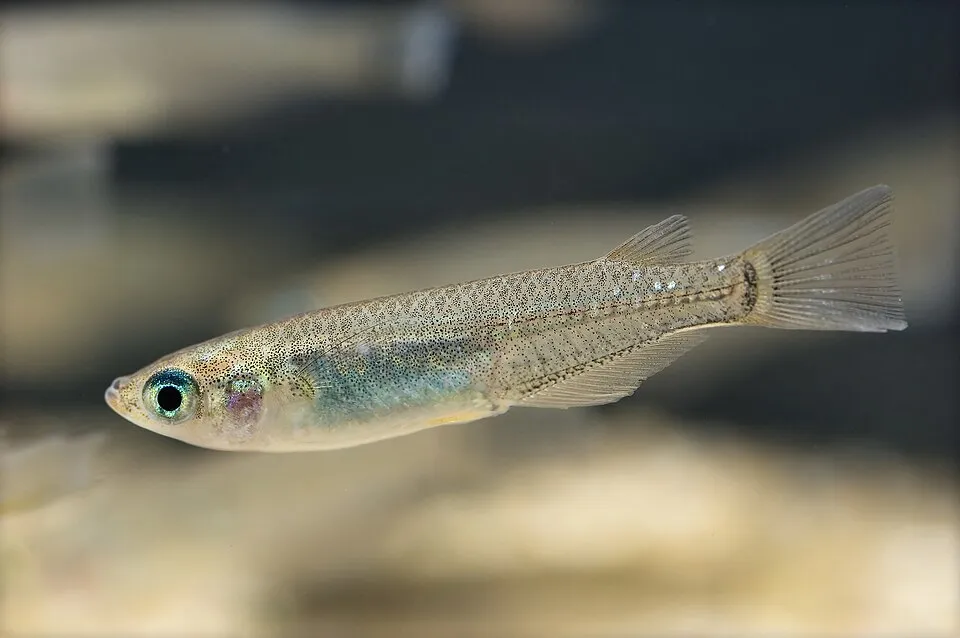
Medaka
Oryzias latipes
Freshwater1.4 in (3.5 cm) · 9 gal (35 L)61–72°F (16–22°C)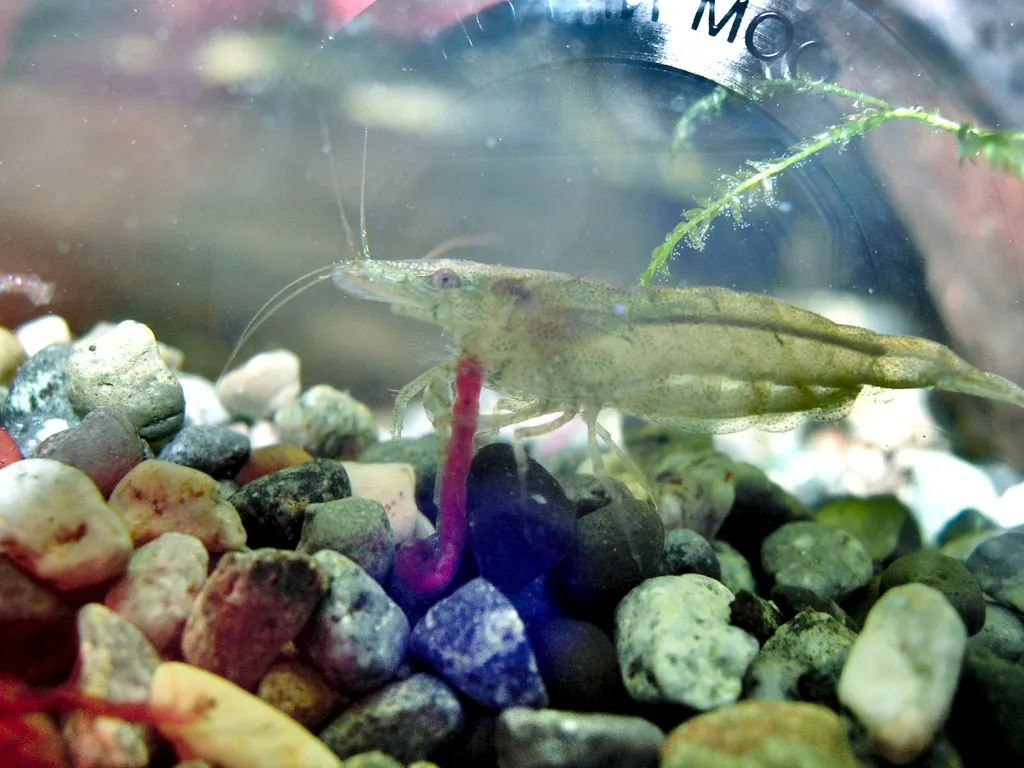
Okinawa cleaner shrimp
Neocaridina denticulata
Freshwater1.2 in (3 cm) · 5 gal (20 L)64–79°F (18–26°C)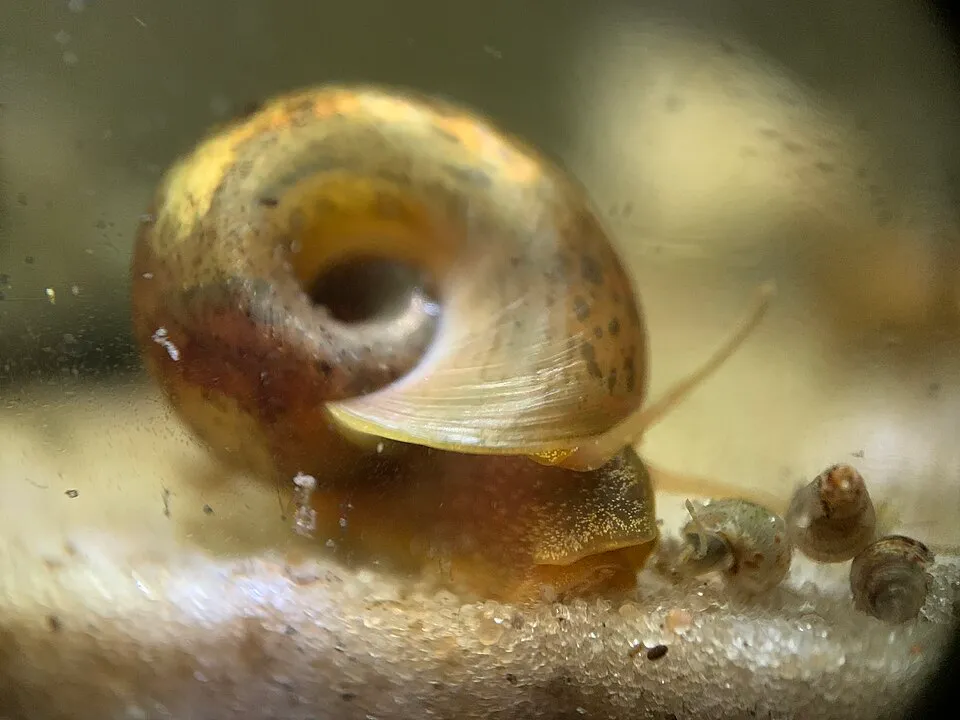
Seminole ramshorn
Planorbella duryi
Freshwater1 in (2.5 cm) · 5 gal (20 L)68–82°F (20–28°C)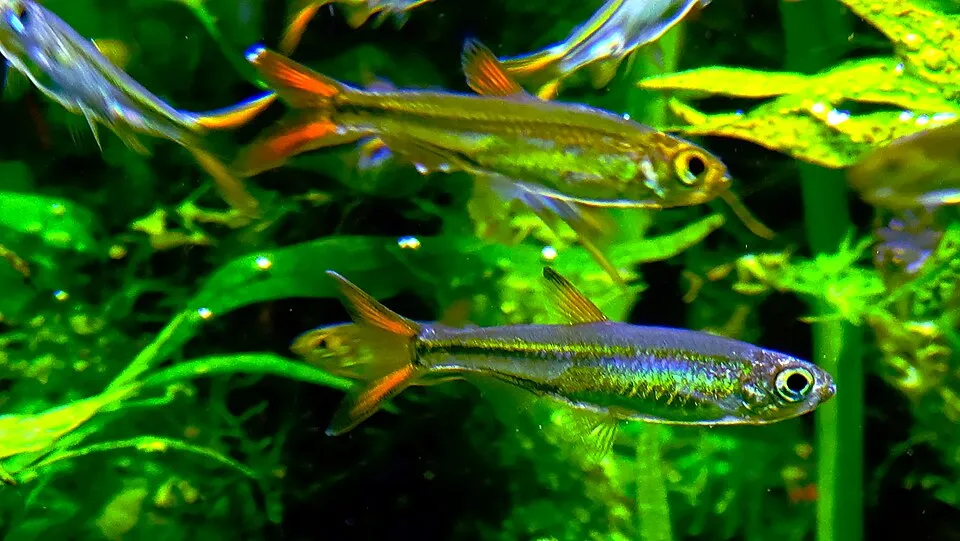
Jellybean tetra
Ladigesia roloffi
Freshwater1.2 in (3 cm) · 10 gal (37 L)72–81°F (22–27°C)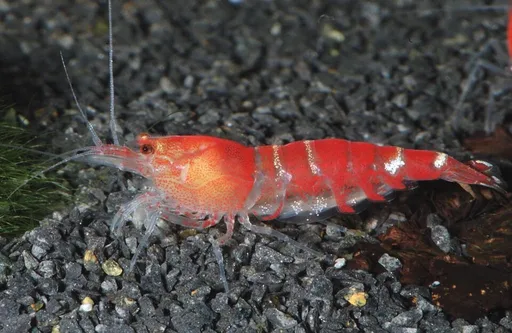
Bee shrimp
Caridina logemanni
Freshwater1.2 in (3 cm) · 5 gal (20 L)64–75°F (18–24°C)
Common questions
What size tank does a Great pond snail need?
A Great pond snail needs at least 5 gal (20 L). It spends most of its time in the bottom.
What temperature and pH does a Great pond snail need?
A Great pond snail is comfortable at 64–75°F (18–24°C) with a pH of 6.5–8.0.
How big does a Great pond snail get?
An adult Great pond snail reaches about 2.4 in (6 cm).
Related species
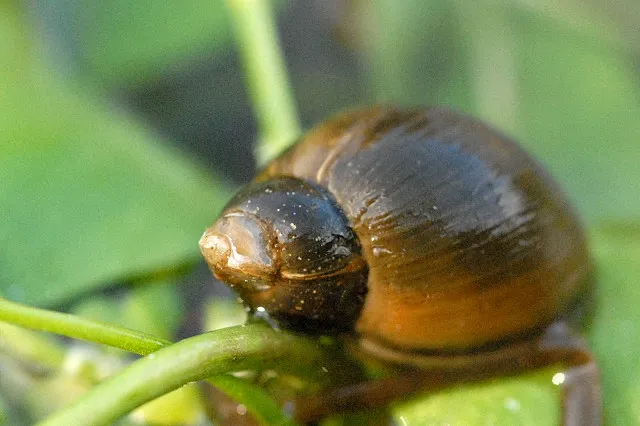 0.8 in (2 cm)11 gal (40 L)50–84°F (10–29°C)
Wandering snail
Ampullaceana balthica
0.8 in (2 cm) · 11 gal (40 L)
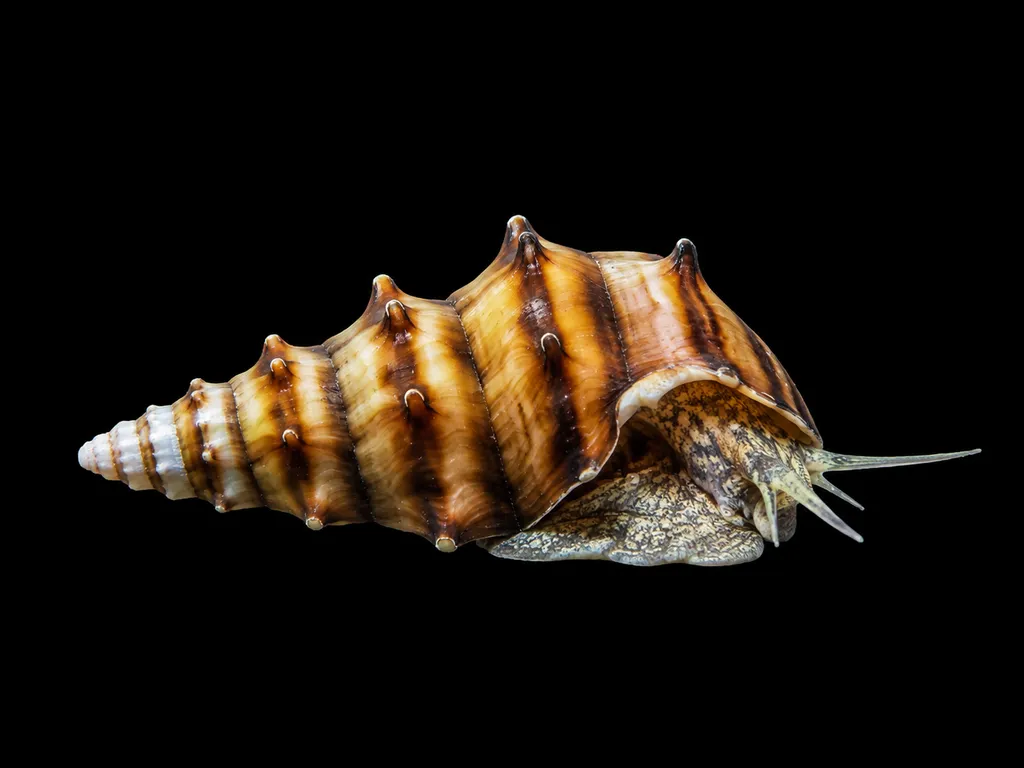 2.4 in (6 cm)5 gal (20 L)72–82°F (22–28°C)
Pagoda snail
Brotia pagodula
2.4 in (6 cm) · 5 gal (20 L)
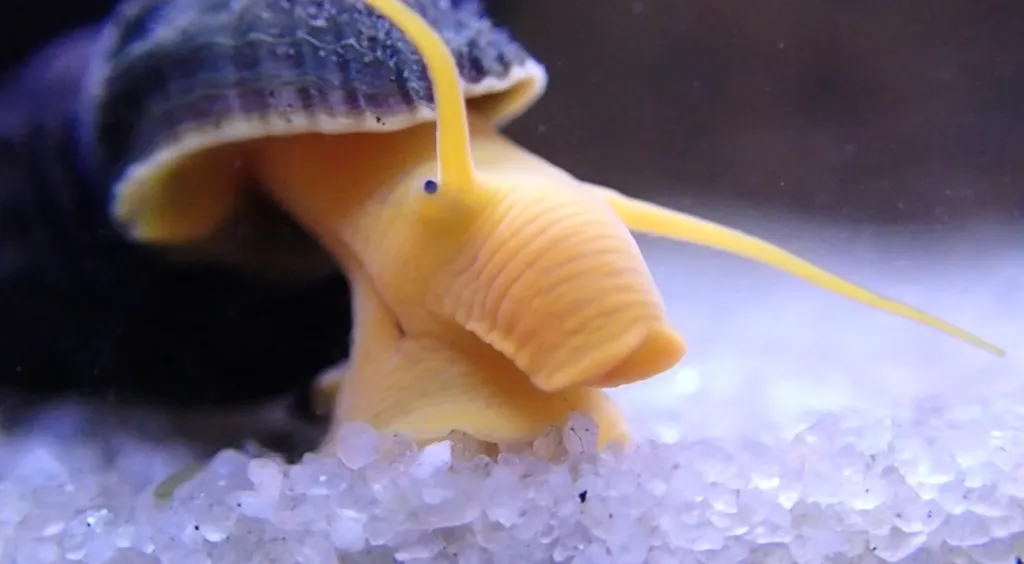 2.8 in (7 cm)16 gal (60 L)75–82°F (24–28°C)
Gold rabbit snail
Tylomelania gemmifera
2.8 in (7 cm) · 16 gal (60 L)
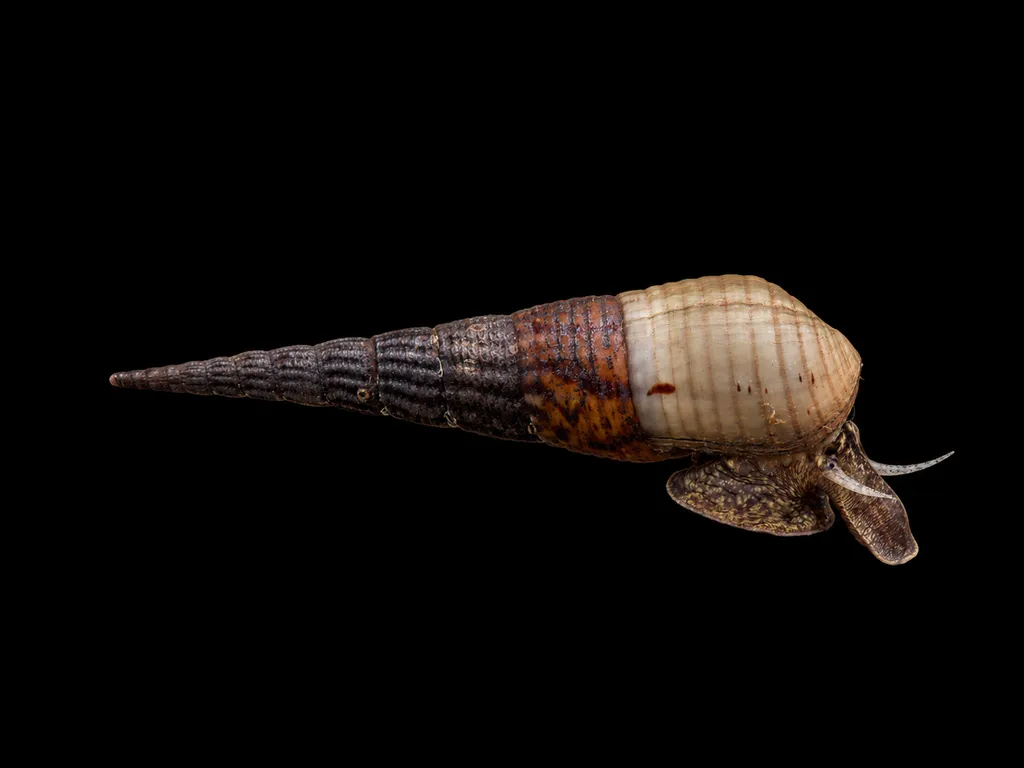 2 in (5 cm)11 gal (40 L)73–82°F (23–28°C)
Chopstick snail
Stenomelania torulosa
2 in (5 cm) · 11 gal (40 L)
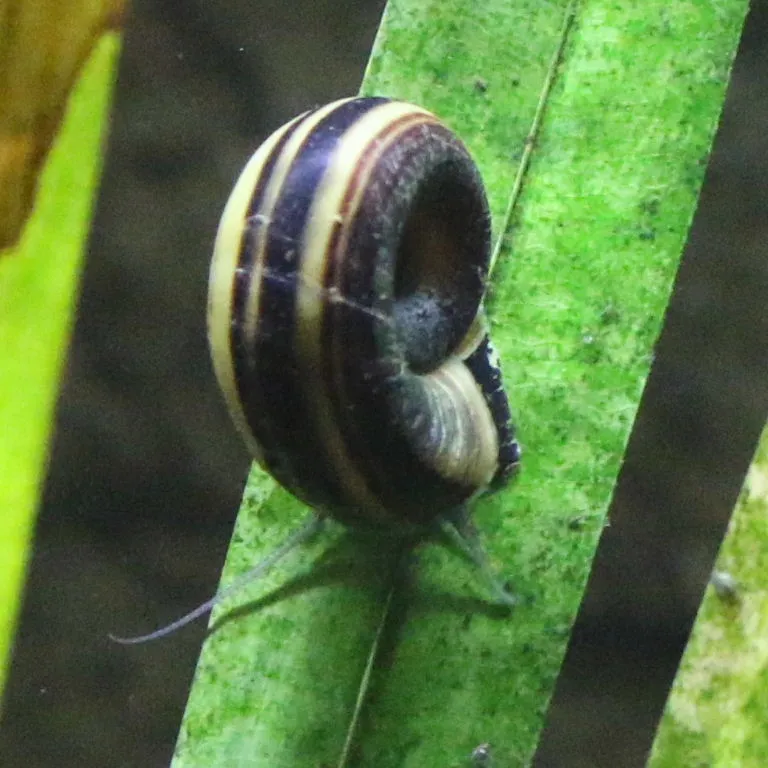 2 in (5 cm)5 gal (20 L)73–81°F (23–27°C)
Giant Colombian ramshorn
Marisa cornuarietis
2 in (5 cm) · 5 gal (20 L)
 2 in (5 cm)8 gal (30 L)64–77°F (18–25°C)
Japanese trapdoor snail
Cipangopaludina malleata
2 in (5 cm) · 8 gal (30 L)