Dwarf livebearer
Neoheterandria elegans
Also known as Tiger teddy, Elegant livebearer
FreshwaterFish
Care at a glance
- Temperature
- 75–82°F
- 24–28°C
- pH
- 6.8–7.8
- Adult size
- 1 in
- 2.5 cm
- Minimum tank
- 5 gal
- 20 L
- Temperament
- Peaceful
- Social behavior
- Social
- Swim level
- Middle
- Difficulty
- Easy
- Breeding
- Livebearer · Easy
- Rarity
- Rare
- Family
- Poeciliidae
- Origin
- Native to the Rio Truando in the Atrato drainage of Colombia, in warm, slow, well vegetated waters.
Overview
The dwarf livebearer is one of the smallest livebearers in the hobby, suited to a warm, planted nano tank. It is easy to keep.
Did you know
Adult dwarf livebearers largely ignore their own fry. A well planted tank of them quietly fills with youngsters without a separate breeding setup.
Caring for the dwarf livebearer
Keep a group of eight or more dwarf livebearers in a planted tank of 5 gal (20 L) or larger. They are shy, so give them dense planting and gentle flow. They spend most of their time in the middle of the tank, and the lid should stay closed.
Keep the water very clean, warm and stable, at 75 to 82°F (24 to 28°C) and a pH of 6.8 to 7.8. Soft to medium hard water suits them. Feed tiny foods such as crushed flake, microworms, baby brine shrimp and cyclops.
Dwarf livebearers are peaceful but timid and very small. Pick tank mates from other nano species, such as small rasboras, or give them a tank of their own.
Males grow to about 2 cm and females to about 2.5 cm. They are superfetating livebearers, so a female carries several broods at different stages at once. She drops just a few fry per day over several days, rather than a single large batch, and breeding them is easy.
Good to know
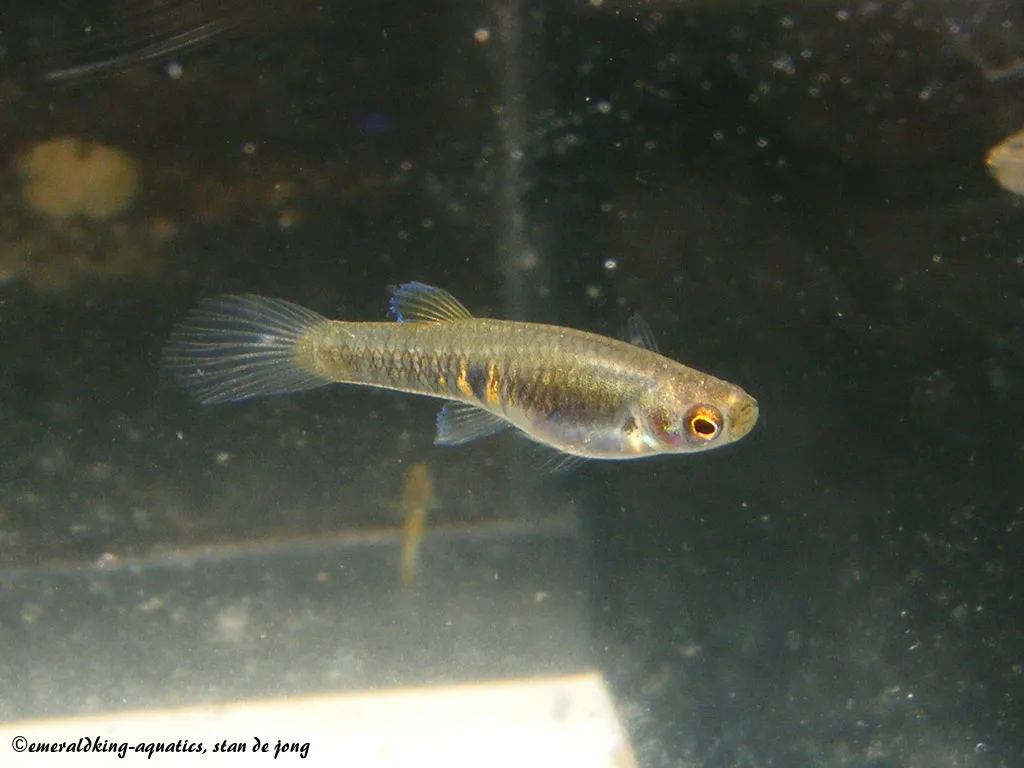
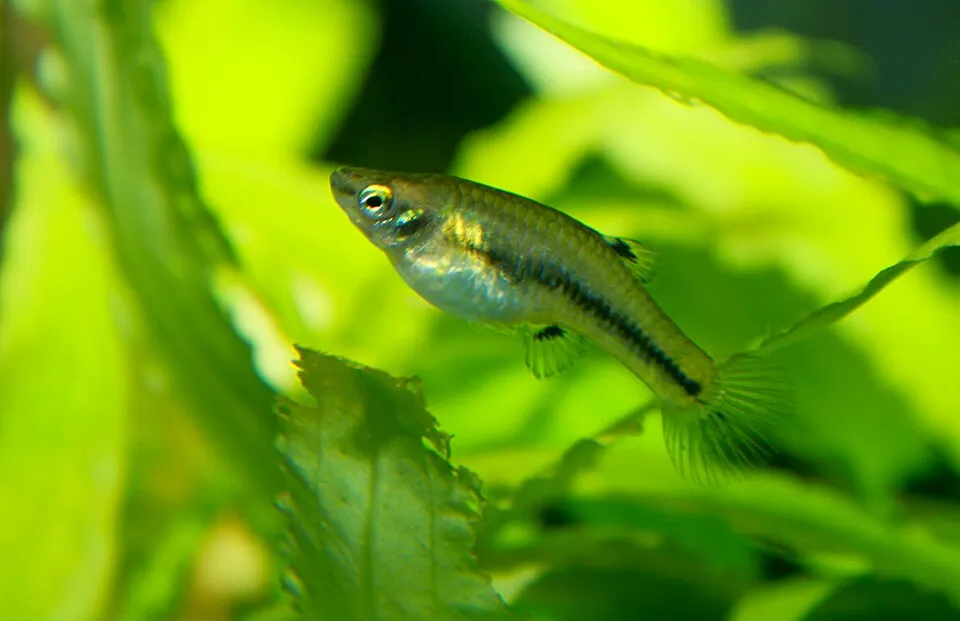
Neoheterandria elegans belongs to the family Poeciliidae and also goes by the names tiger teddy and elegant livebearer. Both sexes carry a row of dark vertical bars over a pale gold body, the source of the tiger teddy name.
In the wild
The dwarf livebearer is native to the Rio Truando in the Atrato drainage of Colombia. It lives there in warm, slow, well vegetated waters.
Weekly picks
Tank mates
The dwarf livebearer is a peaceful, social species that keeps to the middle. These picks share a community profile with it, are safe together in both directions, and overlap on water type, temperature and pH.
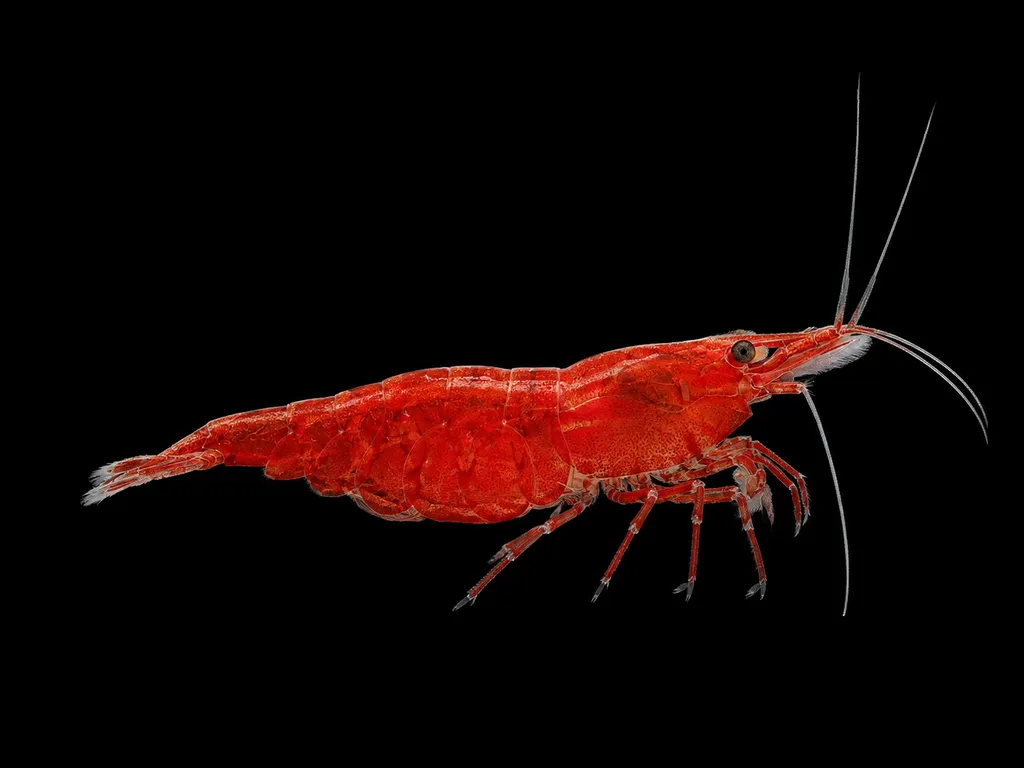
Neocaridina shrimp
Neocaridina davidi
Freshwater1.6 in (4 cm) · 5 gal (19 L)59–84°F (15–29°C)
Guppy
Poecilia reticulata
FreshwaterBrackish2.4 in (6 cm) · 10 gal (38 L)64–82°F (18–28°C)
Neon tetra
Paracheirodon innesi
Freshwater1.5 in (3.8 cm) · 11 gal (40 L)70–77°F (21–25°C)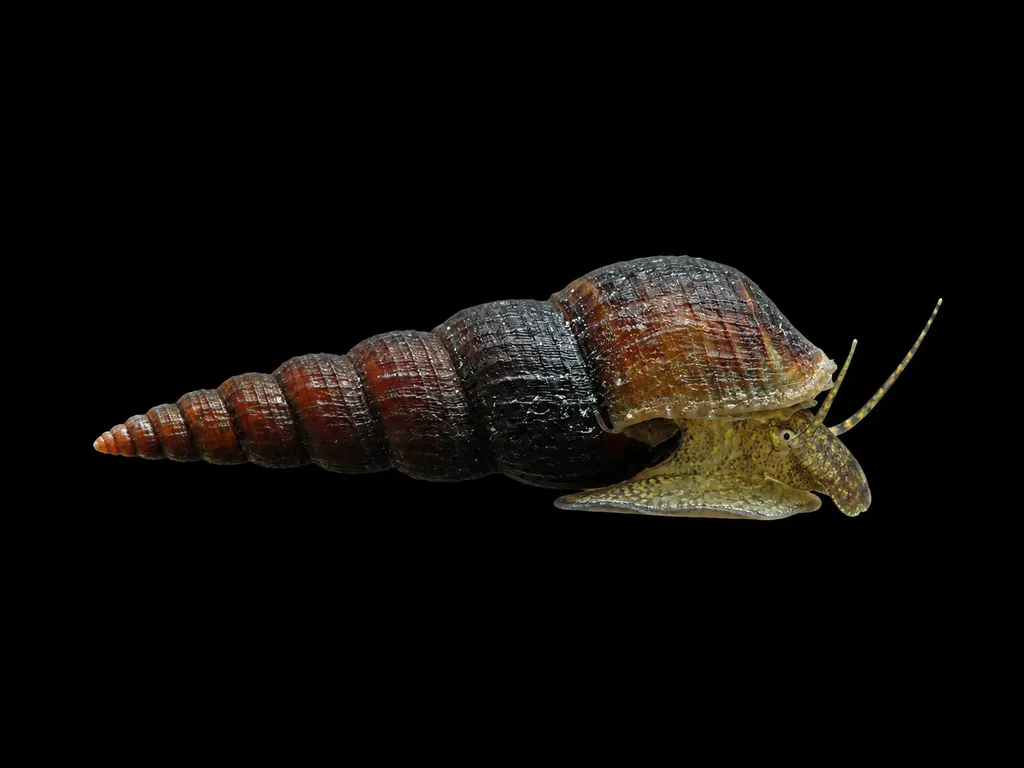
Mahogany trumpet snail
Melanoides maculata
Freshwater1.6 in (4 cm) · 5 gal (20 L)72–82°F (22–28°C)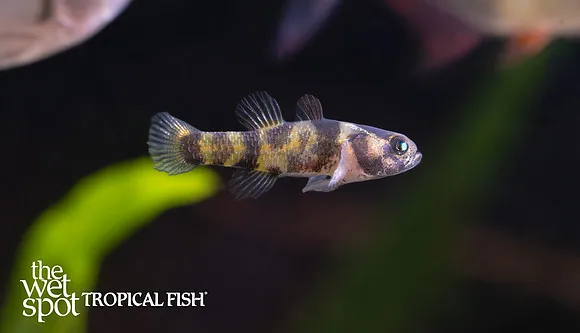
Micro bumblebee goby
Brachygobius nunus
FreshwaterBrackish1 in (2.5 cm) · 5 gal (20 L)73–82°F (23–28°C)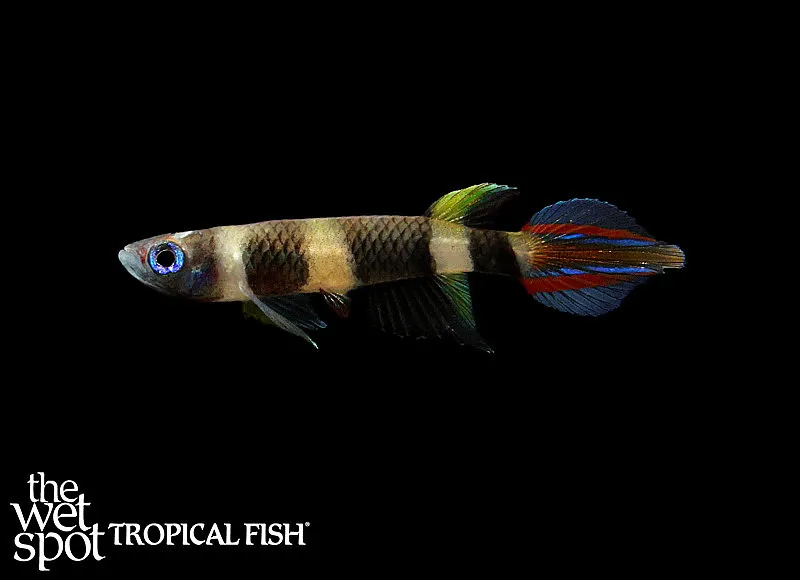
Clown killifish
Epiplatys annulatus
Freshwater1.4 in (3.5 cm) · 7 gal (27 L)68–79°F (20–26°C)
Common questions
What size tank does a dwarf livebearer need?
A dwarf livebearer needs at least 5 gal (20 L). It spends most of its time in the middle.
What temperature and pH does a dwarf livebearer need?
A dwarf livebearer is comfortable at 75–82°F (24–28°C) with a pH of 6.8–7.8.
What does a dwarf livebearer eat?
A dwarf livebearer eats tiny foods such as crushed flake, microworms, baby brine shrimp and cyclops.
How big does a dwarf livebearer get?
An adult dwarf livebearer reaches about 1 in (2.5 cm).
How can you tell a male dwarf livebearer from a female?
Males grow to about 2 cm, while females reach about 2.5 cm.
How does a dwarf livebearer breed?
A dwarf livebearer is a superfetating livebearer, so a female carries several broods at different stages at once. She drops a few fry a day over several days, and breeding is easy.
Related species
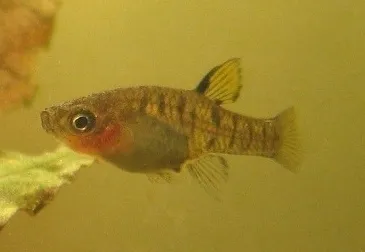 1.3 in (3.4 cm)11 gal (40 L)72–82°F (22–28°C)
Black-barred livebearer
Quintana atrizona
1.3 in (3.4 cm) · 11 gal (40 L)
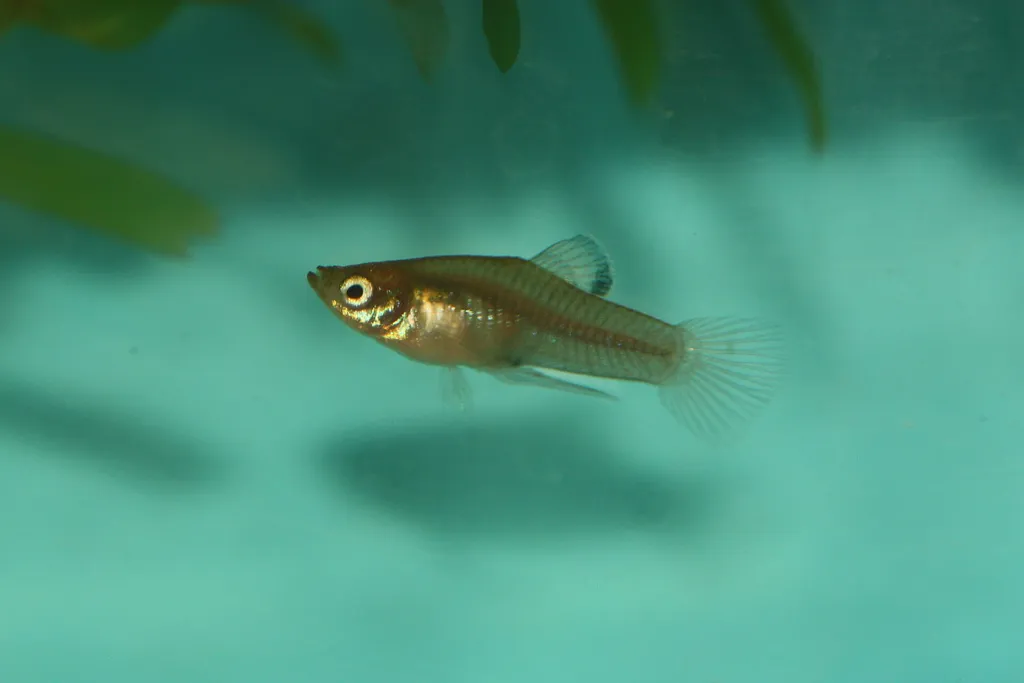 1.4 in (3.5 cm)11 gal (40 L)72–81°F (22–27°C)
Dwarf merry widow
Phallichthys tico
1.4 in (3.5 cm) · 11 gal (40 L)
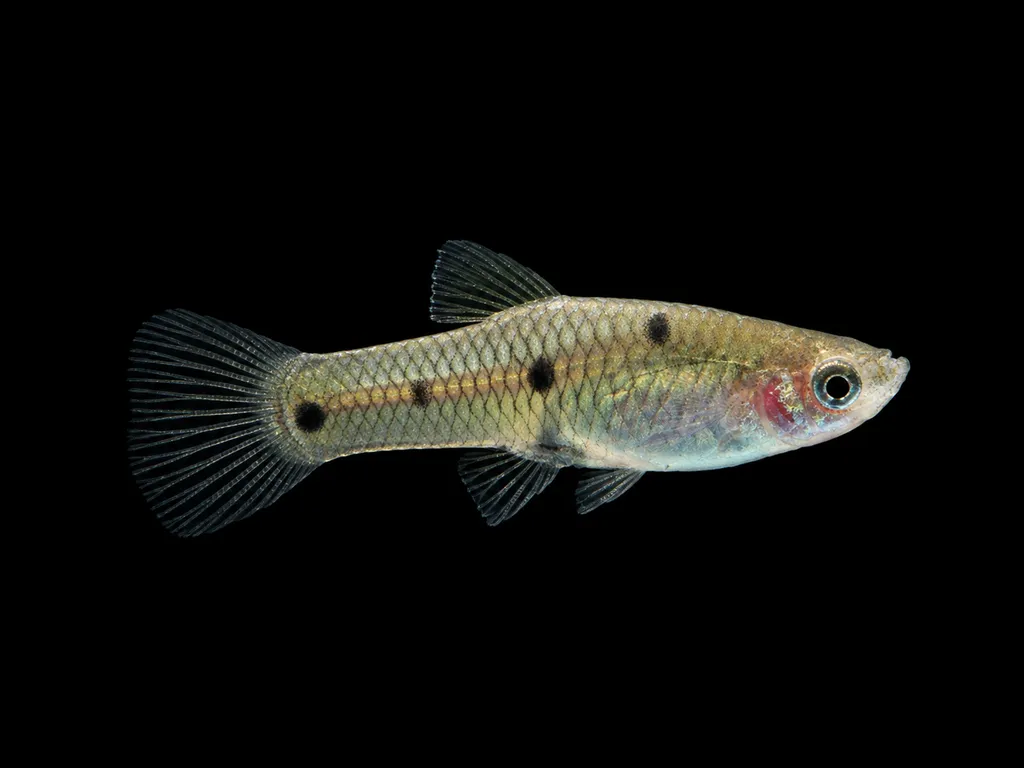 1.4 in (3.5 cm)11 gal (40 L)68–86°F (20–30°C)
Fourspotted toothcarp
Phallichthys quadripunctatus
1.4 in (3.5 cm) · 11 gal (40 L)
 1.4 in (3.5 cm)5 gal (20 L)68–79°F (20–26°C)
Least killifish
Heterandria formosa
1.4 in (3.5 cm) · 5 gal (20 L)
 1.6 in (4 cm)11 gal (40 L)72–81°F (22–27°C)
Dwarf molly
Poecilia chica
1.6 in (4 cm) · 11 gal (40 L)
 1.6 in (4 cm)10 gal (38 L)72–86°F (22–30°C)
Endler's livebearer
Poecilia wingei
1.6 in (4 cm) · 10 gal (38 L)