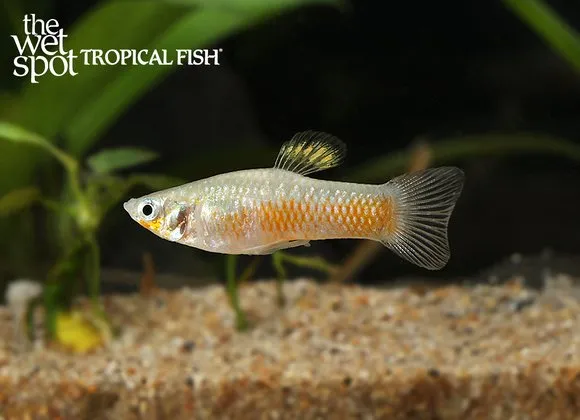
Dwarf molly
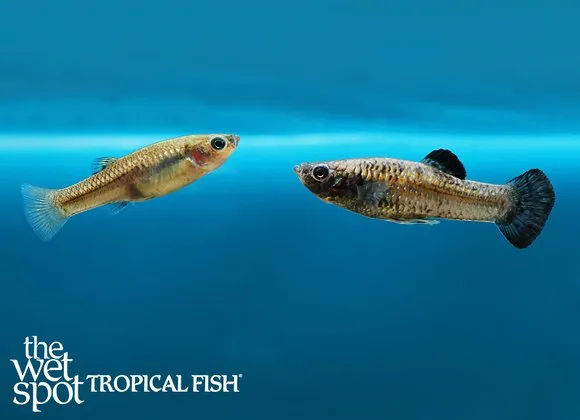
Poecilia chica
Also known as Chica molly
FreshwaterFish
Care at a glance
- Temperature
- 72–81°F
- 22–27°C
- pH
- 7.0–8.2
- Adult size
- 1.6 in
- 4 cm
- Minimum tank
- 11 gal
- 40 L
- Temperament
- Peaceful
- Social behavior
- Social
- Swim level
- Middle
- Diet
- Omnivore
- Difficulty
- Medium
- Breeding
- Livebearer · Easy
- Rarity
- Rare
- Family
- Poeciliidae
- Origin
- Purificación basin, Jalisco, Mexico
Overview
The dwarf molly behaves like a full-sized molly shrunk down. It is a peaceful, active livebearer for hard water, best kept by someone with a little experience.
Did you know
The dwarf molly lived in aquarists' tanks for decades before science caught up with it. It was known in tanks from around 1939 and studied from the late 1950s. Robert Miller did not give it a formal scientific name until 1975.
Caring for the dwarf molly
Keep dwarf mollies as an active colony with more females than males, in 11 gal (40 L) or more for a small group. They cruise the middle and upper levels, so leave room to swim above the planted areas. Good light to encourage algae, some current and hardy plants suit them.
Give them neutral to alkaline water at 72 to 81°F (22 to 27°C) and a pH of 7.0 to 8.2. A little added mineral hardness keeps them in better condition than soft water does. Feed an omnivore diet with a real vegetable share, such as flake with spirulina, micro pellets, blanched greens and small frozen foods. They also graze the algae in the tank.
Dwarf mollies are peaceful and community safe with other calm fish that like harder water, though a species colony shows them off best. Expect the males to display and spar in miniature.
Males stay near 3 cm and females reach about 4 cm. Like other mollies, the dwarf molly is a livebearer, and it breeds freely.
Good to know
The dwarf molly, Poecilia chica, is the smallest of the true mollies, the group placed in the subgenus Mollienesia. The species name chica is simply Spanish for small. It is also sold as the chica molly.
In the wild
Poecilia chica is restricted to a few small river systems in southern Jalisco, on Mexico's Pacific side. These include the Purificación, and the water there is warm, hard and mineral-rich.
Weekly picks
Tank mates
The dwarf molly is a peaceful, social species that keeps to the middle. These picks share a community profile with it, are safe together in both directions, and overlap on water type, temperature and pH.
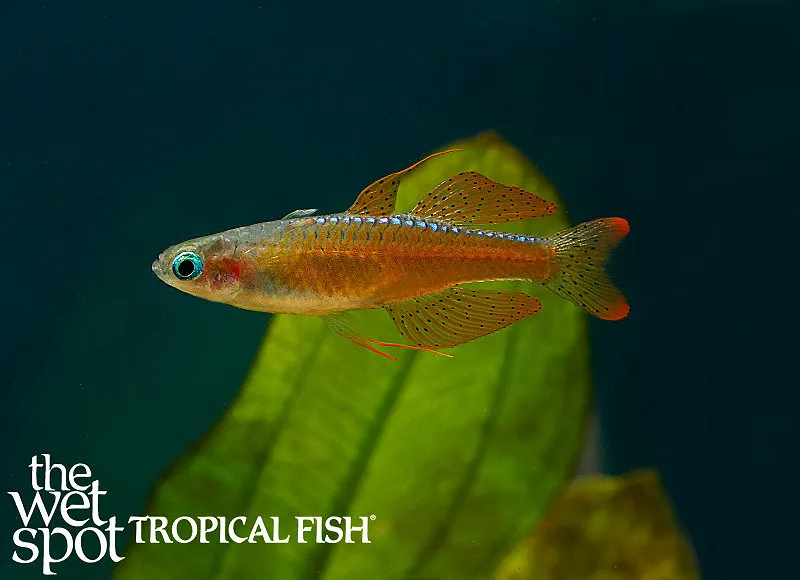
Red neon blue-eye
Pseudomugil luminatus
Freshwater1.4 in (3.5 cm) · 11 gal (40 L)72–81°F (22–27°C)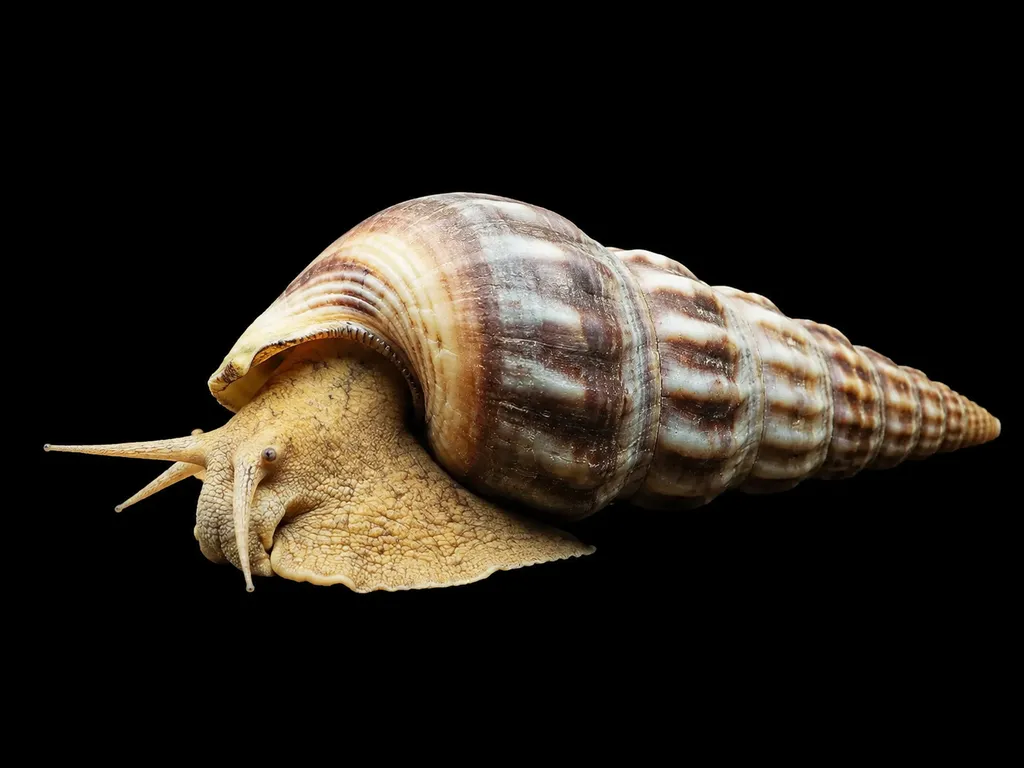
Hercules snail
Brotia herculea
Freshwater3.1 in (8 cm) · 11 gal (40 L)73–82°F (23–28°C)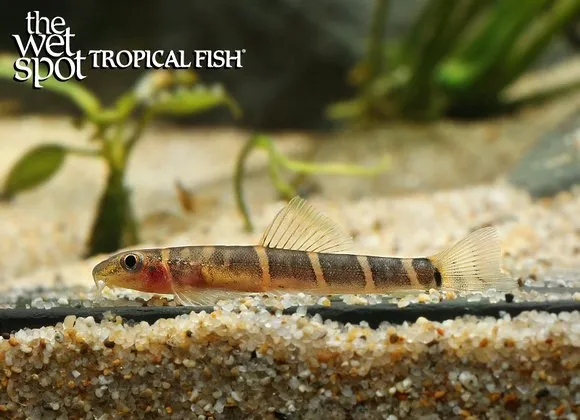
Fire-eyed loach
Barbucca diabolica
Freshwater1.2 in (3 cm) · 11 gal (40 L)72–79°F (22–26°C)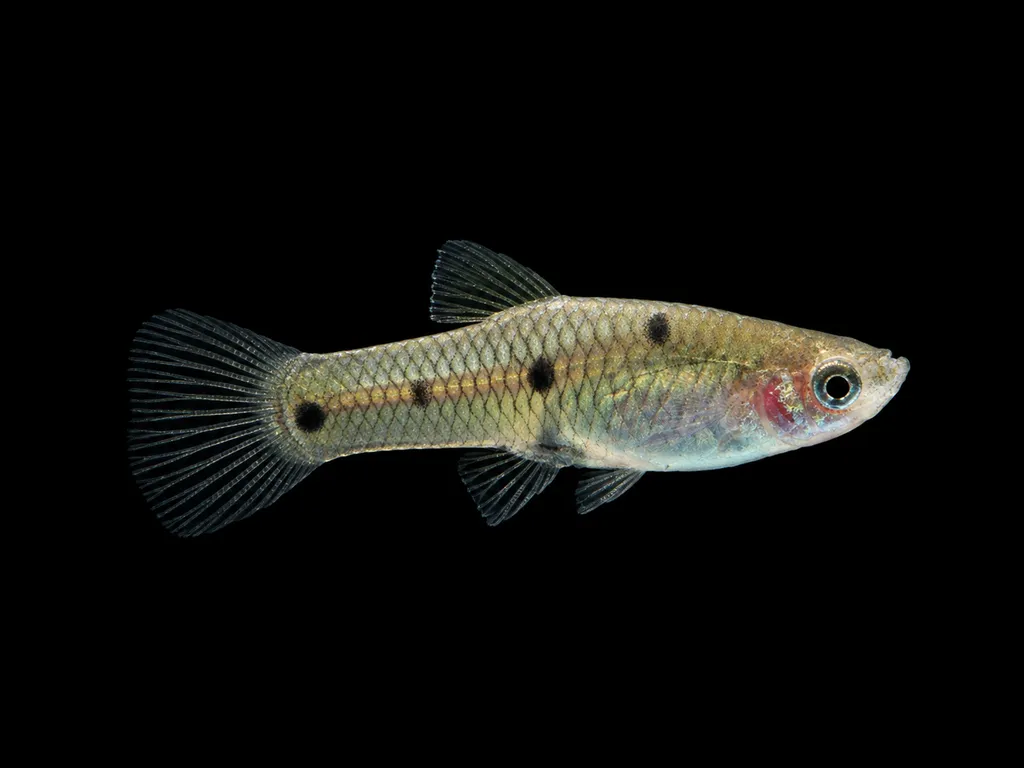
Fourspotted toothcarp
Phallichthys quadripunctatus
Freshwater1.4 in (3.5 cm) · 11 gal (40 L)68–86°F (20–30°C)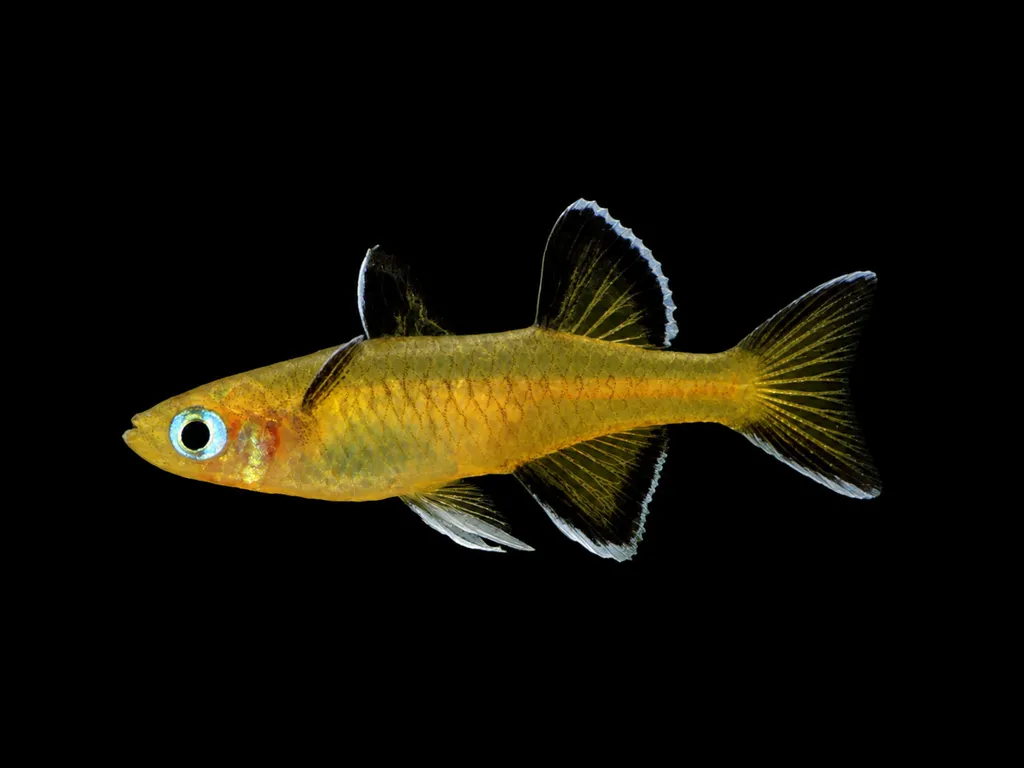
Honey blue-eye
Pseudomugil mellis
Freshwater1.4 in (3.5 cm) · 11 gal (40 L)68–82°F (20–28°C)
Wandering snail
Ampullaceana balthica
Freshwater0.8 in (2 cm) · 11 gal (40 L)50–84°F (10–29°C)
Common questions
What size tank does a dwarf molly need?
A dwarf molly needs at least 11 gal (40 L). It spends most of its time in the middle.
What temperature and pH does a dwarf molly need?
A dwarf molly is comfortable at 72–81°F (22–27°C) with a pH of 7.0–8.2.
What does a dwarf molly eat?
A dwarf molly eats an omnivore diet with a real vegetable share. Feed it flake with spirulina, micro pellets, blanched greens and small frozen foods, and let it graze algae.
How big does a dwarf molly get?
An adult dwarf molly reaches about 1.6 in (4 cm).
How can you tell a male dwarf molly from a female?
Males stay near 3 cm, while females reach about 4 cm.
How does a dwarf molly breed?
Dwarf mollies are livebearers like other mollies, and they breed freely.
Related species
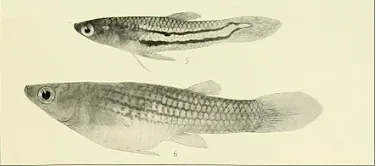
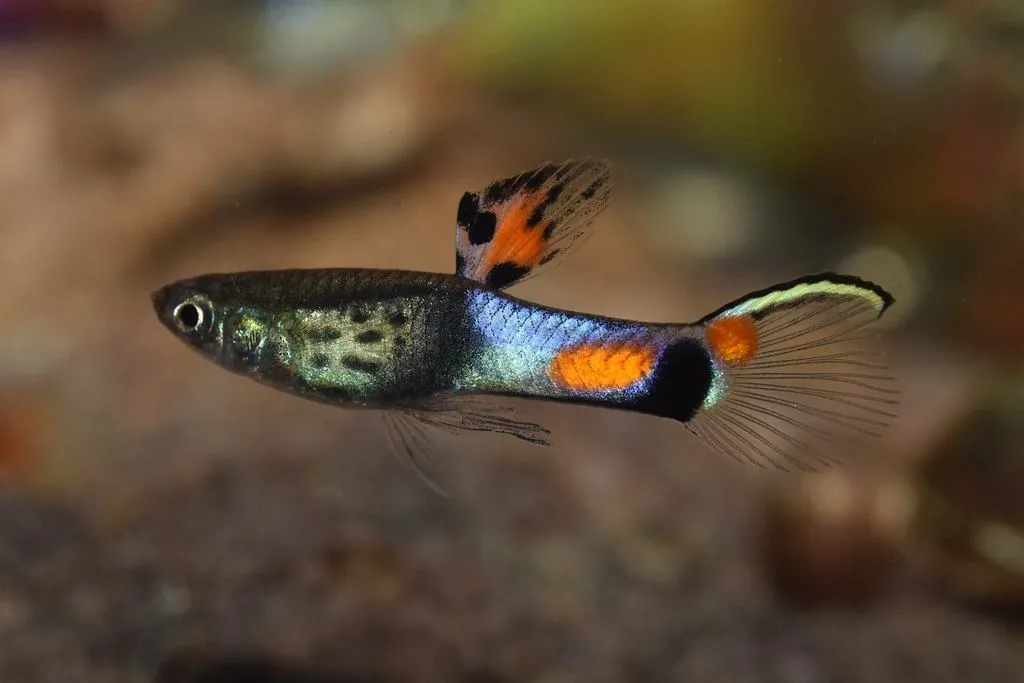 1.6 in (4 cm)11 gal (40 L)72–86°F (22–30°C)
Endler's livebearer
Poecilia wingei
1.6 in (4 cm) · 11 gal (40 L)
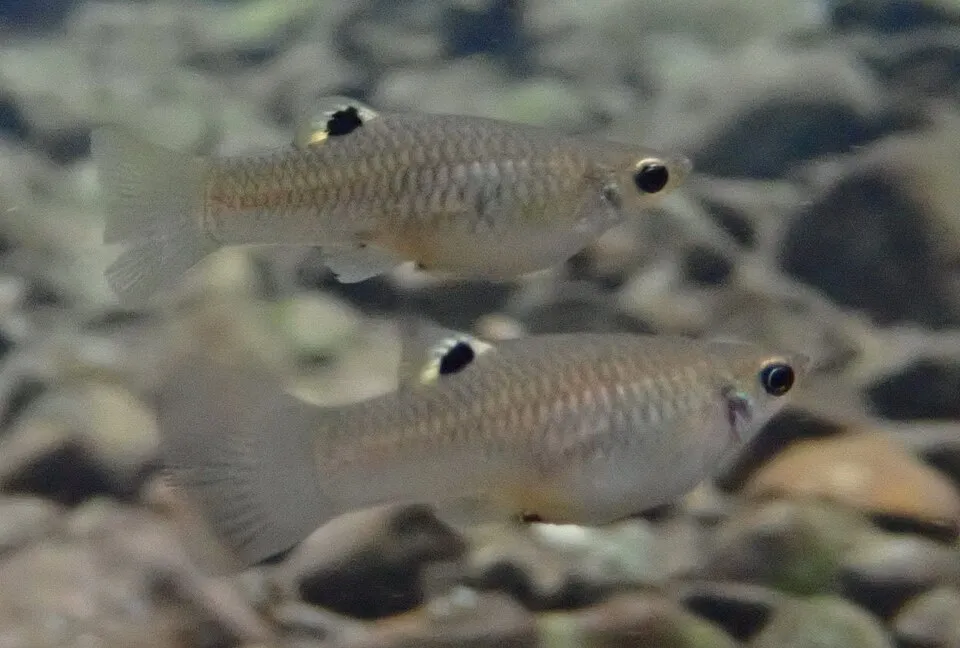
 2 in (5 cm)15 gal (55 L)75–82°F (24–28°C)
Melanzona guppy
Poecilia parae
2 in (5 cm) · 15 gal (55 L)
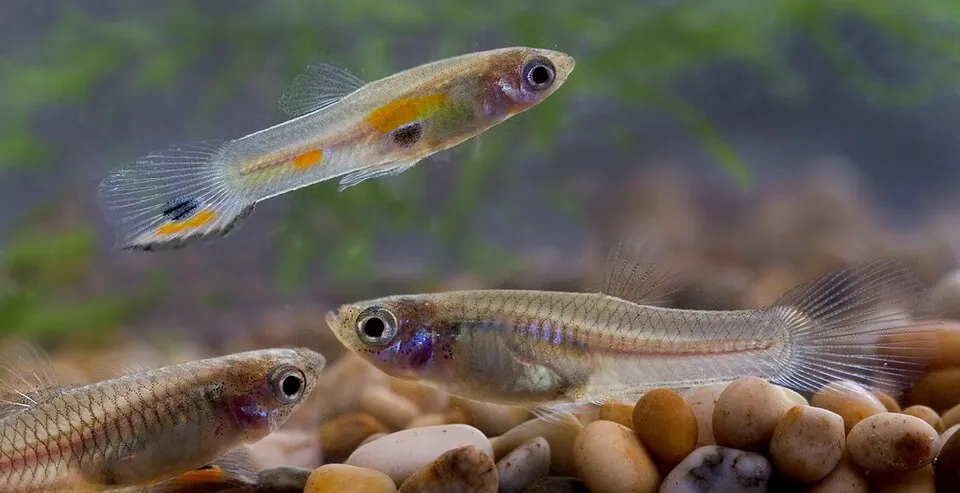
 2.4 in (6 cm)16 gal (60 L)77–86°F (25–30°C)
Cauca molly
Poecilia caucana
2.4 in (6 cm) · 16 gal (60 L)
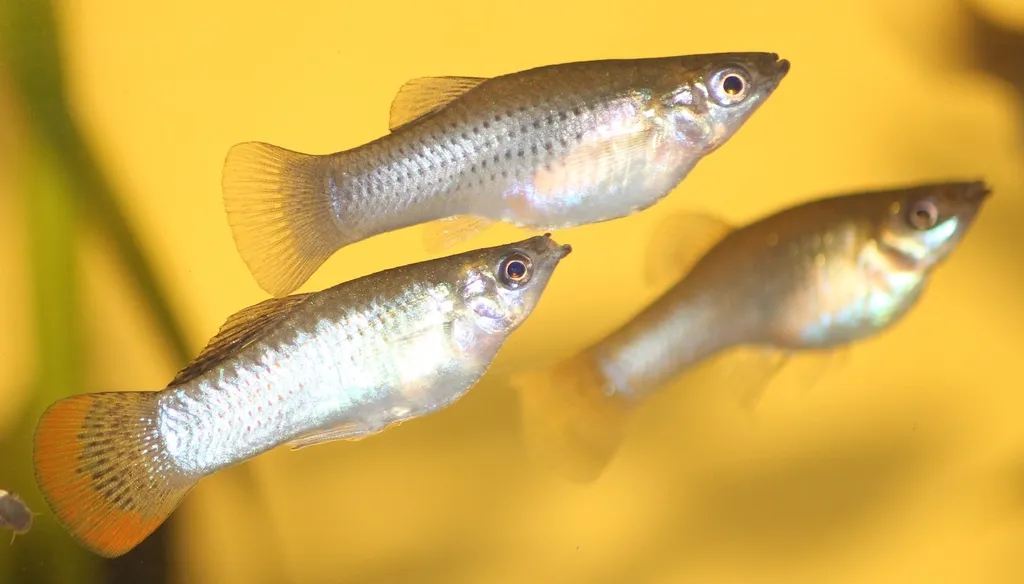
 2.4 in (6 cm)10 gal (38 L)64–82°F (18–28°C)
Guppy
Poecilia reticulata
2.4 in (6 cm) · 10 gal (38 L)
 2.8 in (7 cm)29 gal (110 L)72–81°F (22–27°C)
Pacific molly
Poecilia butleri
2.8 in (7 cm) · 29 gal (110 L)
 3.1 in (8 cm)20 gal (75 L)72–81°F (22–27°C)
Southern molly
Poecilia vivipara
3.1 in (8 cm) · 20 gal (75 L)