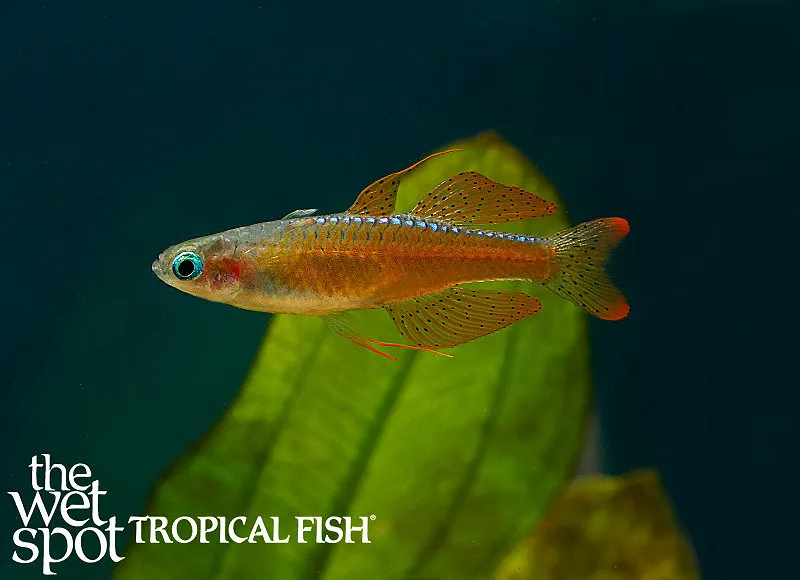
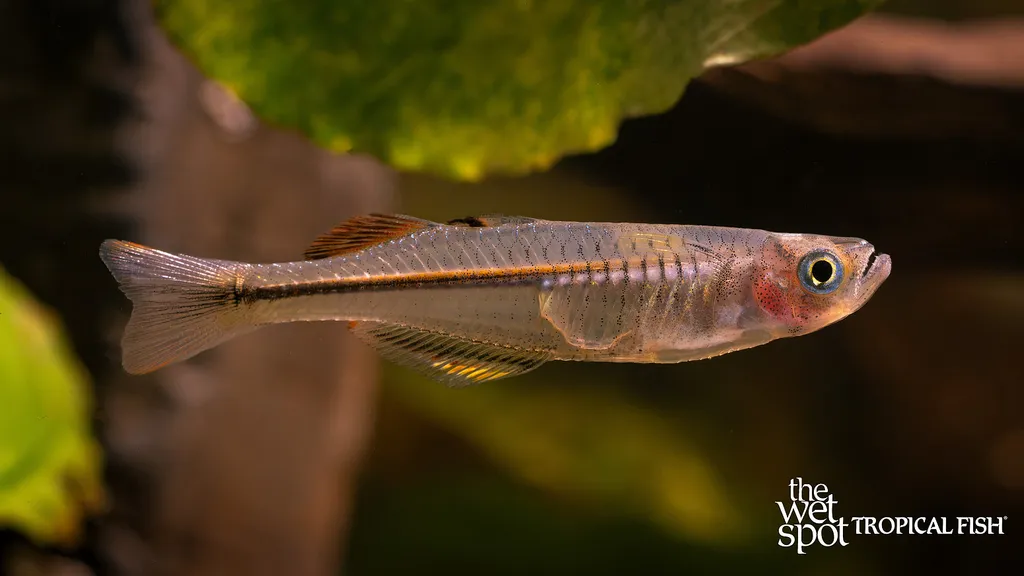
Red neon blue-eye
Pseudomugil luminatus
Also known as Red neon rainbowfish
FreshwaterFish
Care at a glance
- Temperature
- 72–81°F
- 22–27°C
- pH
- 6.5–7.5
- Adult size
- 1.4 in
- 3.5 cm
- Minimum tank
- 11 gal
- 40 L
- Temperament
- Peaceful
- Social behavior
- Schooling
- Swim level
- Top
- Difficulty
- Medium
- Breeding
- Medium
- Rarity
- Very common
- Family
- Pseudomugilidae
- Origin
- Timika region, southern New Guinea
Overview
Keep them in a group of 8 to 10 or more in a tank of at least 40 liters, and skew the group toward males, since competition drives their red color and constant fin-flicking display. They are peaceful nano fish that work the top and middle of the water column, so floating plants and dense planting give them cover and display space. Hold the temperature from 22 to 27 C and the pH between 6.5 and 7.5. Feed small foods like micro pellets, crushed flake, and frozen treats such as daphnia or baby brine. They do best in a nano or species tank, not a busy community, since anything large or fast will outcompete and stress them.
In the wild
Red neon blue-eyes come from the Timika region of southern New Guinea, where they live in small, clear forest streams and pools over tannin-stained water. To match that, give them a heavily planted tank with floating cover up top, a dark substrate, and gentle flow. Keep the water warm, from 22 to 27 C, with a pH on the soft side of neutral, roughly 6.5 to 7.5. They settle in best and show their color in a quiet, well established tank rather than a brightly lit bare one.
Good to know
This is a rainbowfish relative in the family Pseudomugilidae, the blue-eyes. Adults stay tiny, around 3.5 cm, and they are short-lived, often only one to two years. They are egg-scatterers that drop their eggs among fine plants or spawning mops over several days, with no parental care. Most fish in the trade are tank-bred rather than wild-caught.
Did you know
The males spend most of the day sparring without ever touching. Two rivals will face off side by side, flare every fin, and flash their red color at each other, then break and do it again. A group with several males keeps that display going, which is the main reason to stock more males than females.
Weekly picks
Tank mates
Red neon blue-eye is a peaceful, schooling species that keeps to the top. These picks share a community profile with it, are safe together in both directions, and overlap on water type, temperature and pH.
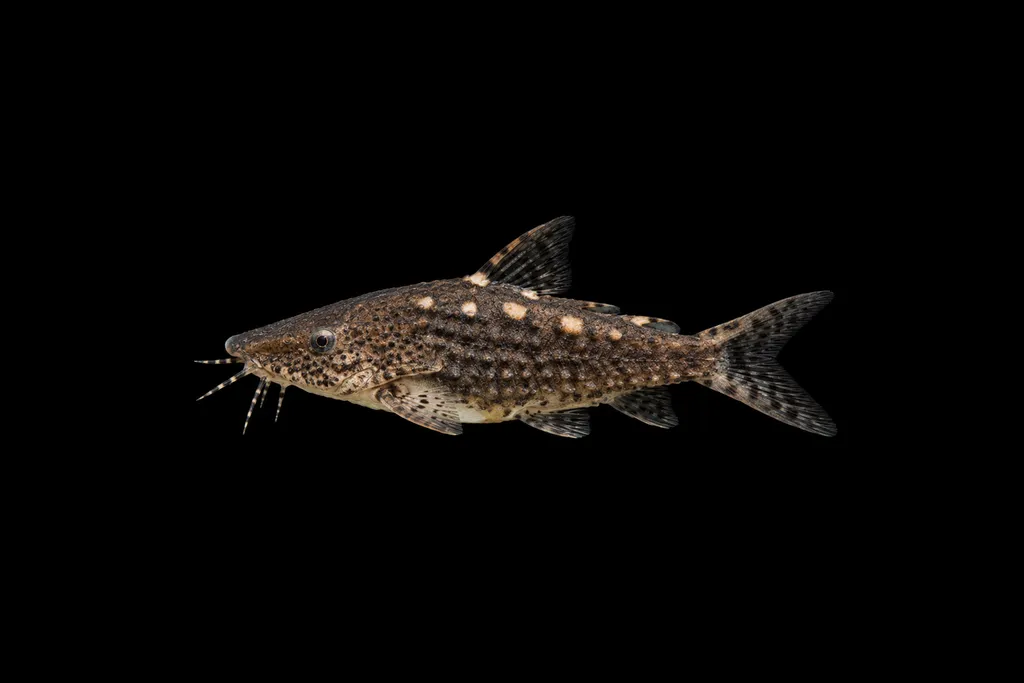
Dwarf warty catfish
Parakysis notialis
Freshwater1 in (2.5 cm) · 11 gal (40 L)73–82°F (23–28°C)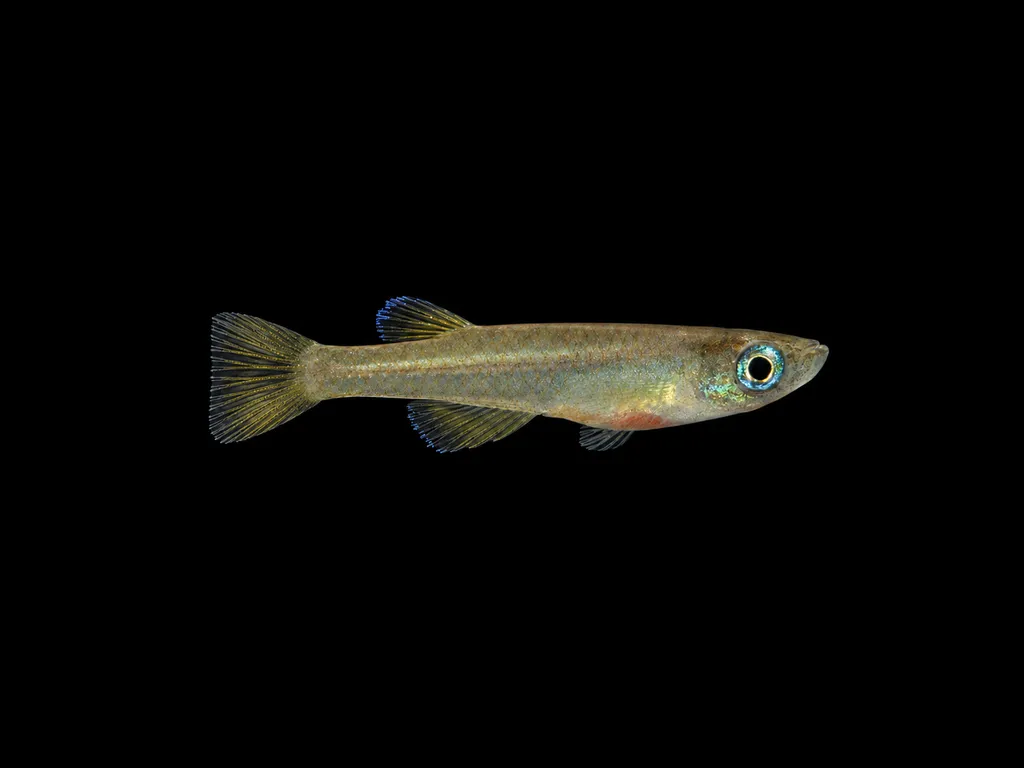
Amber-finned lampeye
Foerschichthys flavipinnis
Freshwater1.4 in (3.5 cm) · 11 gal (40 L)72–79°F (22–26°C)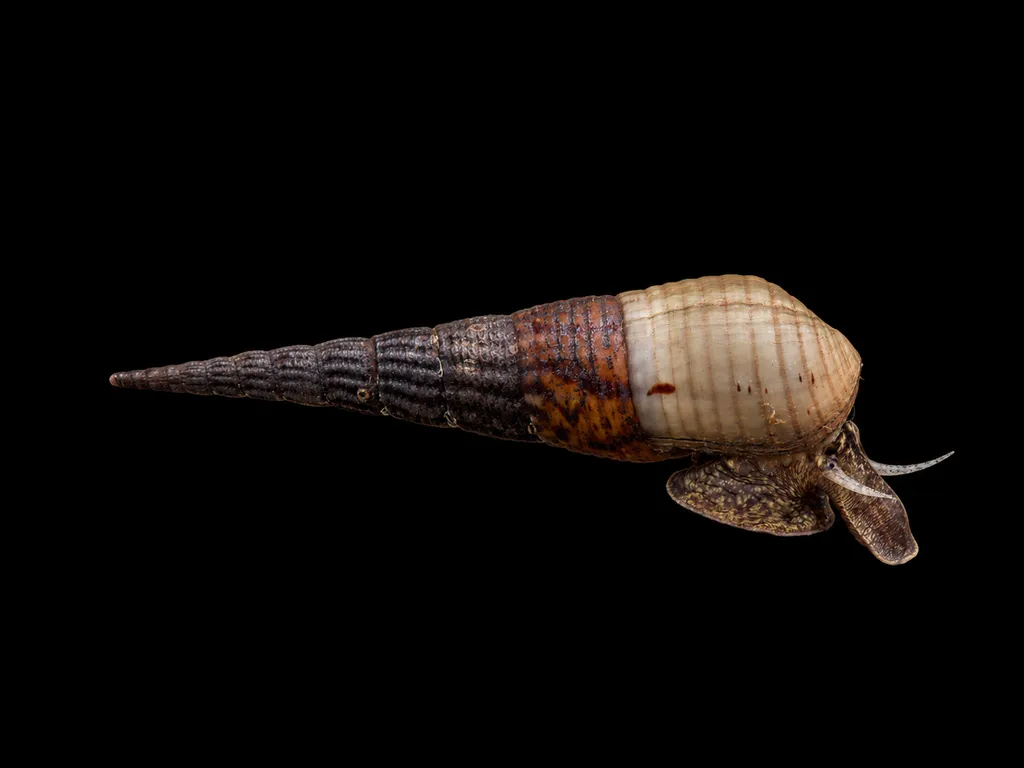
Chopstick snail
Stenomelania torulosa
Freshwater2 in (5 cm) · 11 gal (40 L)73–82°F (23–28°C)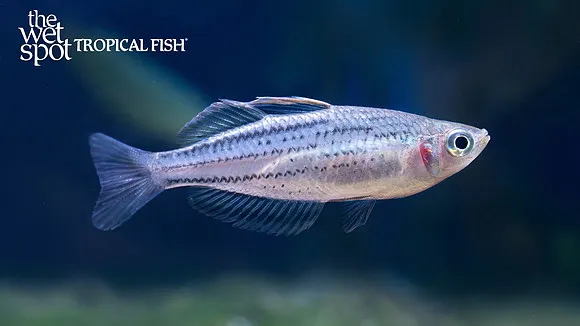
Green panchax
Aplocheilus blockii
Freshwater2 in (5 cm) · 11 gal (40 L)72–82°F (22–28°C)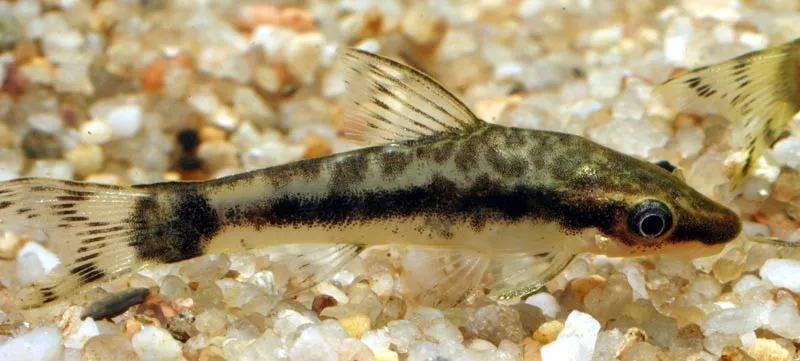
Golden dwarf sucker
Otocinclus macrospilus
Freshwater1.4 in (3.5 cm) · 11 gal (40 L)70–79°F (21–26°C)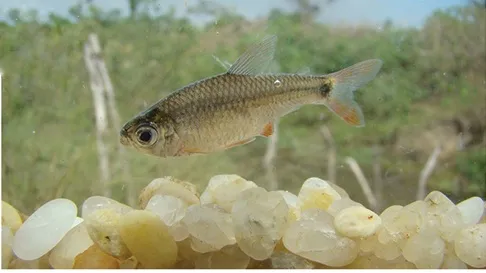
Piaba tetra
Serrapinnus piaba
Freshwater1.6 in (4 cm) · 11 gal (40 L)72–82°F (22–28°C)
Common questions
What size tank does a Red neon blue-eye need?
A Red neon blue-eye needs at least 11 gal (40 L). It spends most of its time in the top.
What temperature and pH does a Red neon blue-eye need?
A Red neon blue-eye is comfortable at 72–81°F (22–27°C) with a pH of 6.5–7.5.
How big does a Red neon blue-eye get?
An adult Red neon blue-eye reaches about 1.4 in (3.5 cm).
Does a Red neon blue-eye need a group?
Yes. A Red neon blue-eye is a schooling species and should be kept in a group, not singly.
Related species
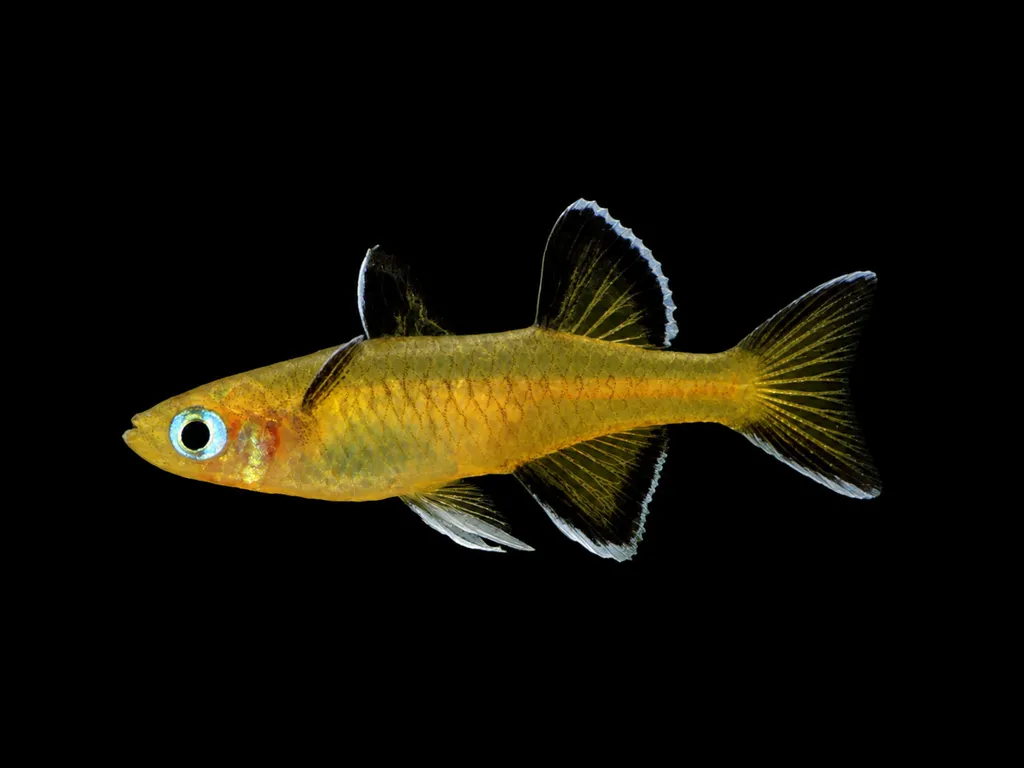 1.4 in (3.5 cm)11 gal (40 L)68–82°F (20–28°C)
Honey blue-eye
Pseudomugil mellis
1.4 in (3.5 cm) · 11 gal (40 L)
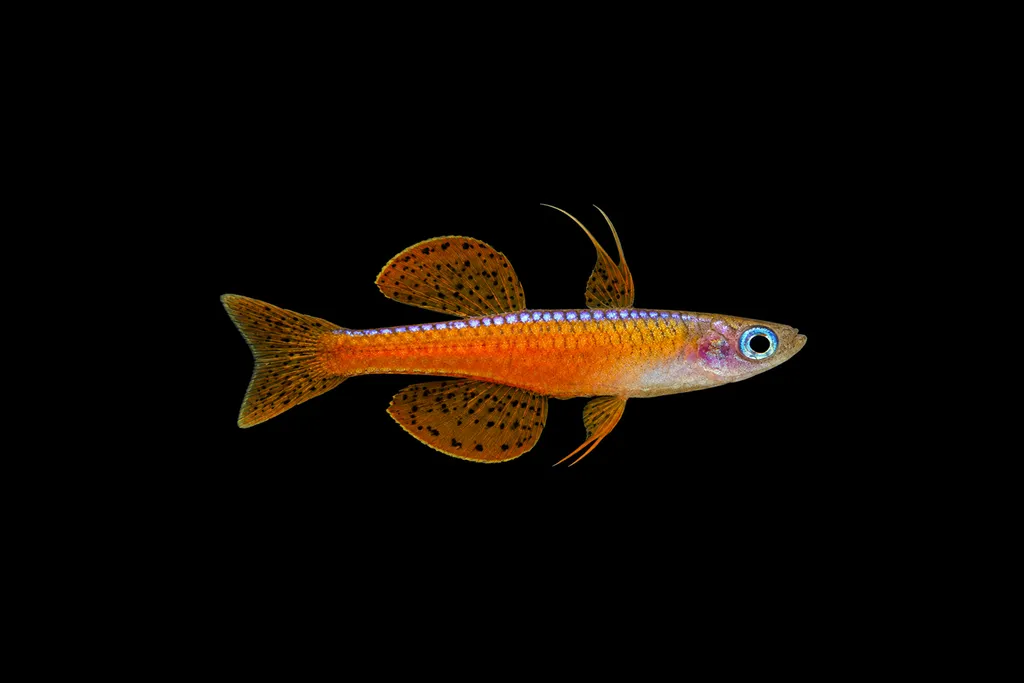 1.4 in (3.5 cm)11 gal (40 L)72–79°F (22–26°C)
Paska's blue-eye
Pseudomugil paskai
1.4 in (3.5 cm) · 11 gal (40 L)
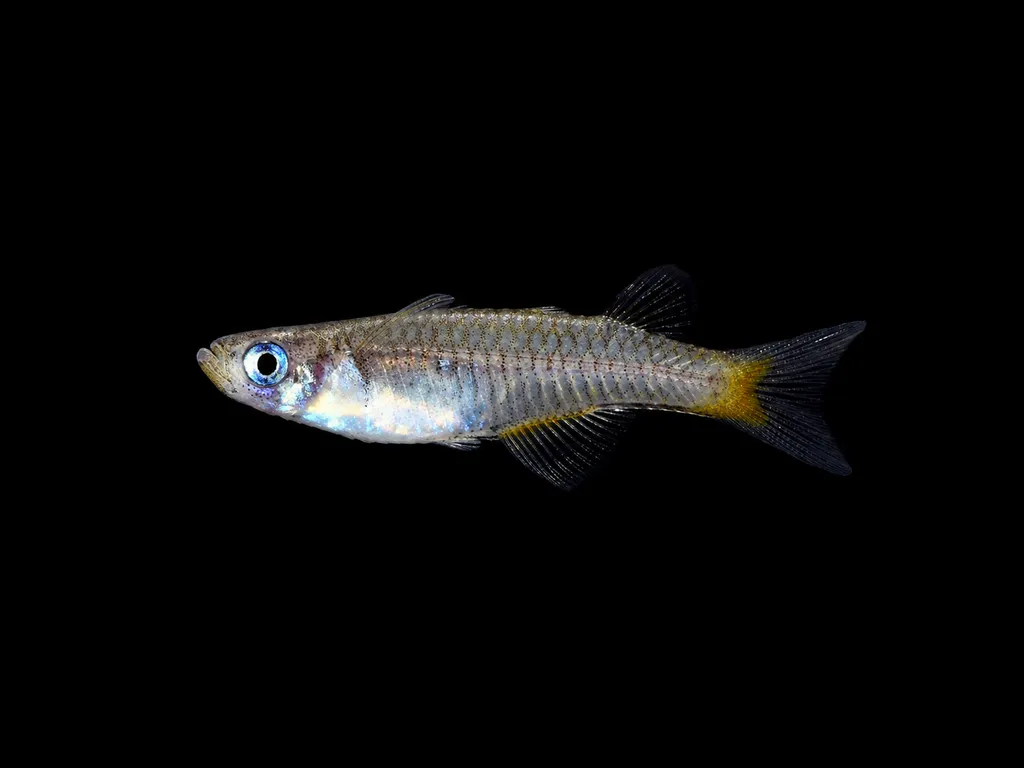 1.4 in (3.5 cm)11 gal (40 L)79–86°F (26–30°C)
Swamp blue-eye
Pseudomugil paludicola
1.4 in (3.5 cm) · 11 gal (40 L)
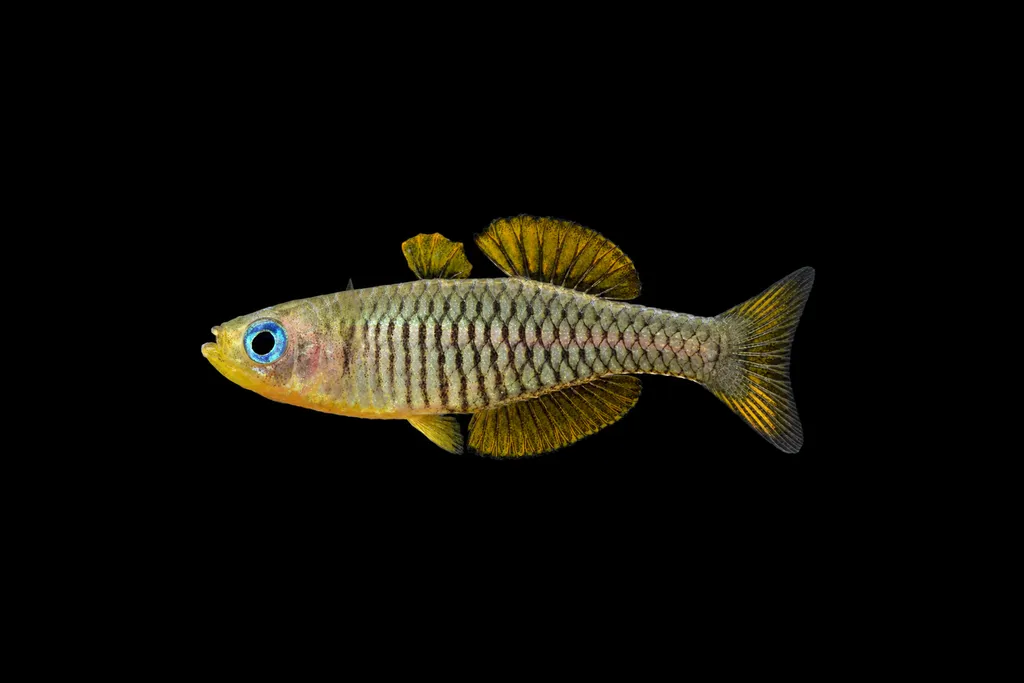 1.4 in (3.5 cm)11 gal (40 L)75–82°F (24–28°C)
Vogelkop blue-eye
Pseudomugil reticulatus
1.4 in (3.5 cm) · 11 gal (40 L)
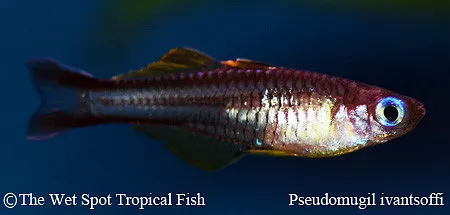 1.6 in (4 cm)11 gal (40 L)75–82°F (24–28°C)
Ivantsoff's blue-eye
Pseudomugil ivantsoffi
1.6 in (4 cm) · 11 gal (40 L)
 1.6 in (4 cm)11 gal (40 L)75–82°F (24–28°C)
Transparent blue-eye
Pseudomugil pellucidus
1.6 in (4 cm) · 11 gal (40 L)