Ivantsoff's blue-eye
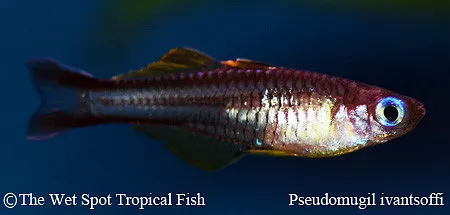
Pseudomugil ivantsoffi
Also known as Ivantsoff's blue-eye rainbowfish, Ivantsoff's rainbowfish
FreshwaterFish
Care at a glance
- Temperature
- 75–82°F
- 24–28°C
- pH
- 6.8–7.8
- Adult size
- 1.6 in
- 4 cm
- Minimum tank
- 11 gal
- 40 L
- Temperament
- Peaceful
- Social behavior
- Schooling
- Swim level
- Top
- Difficulty
- Medium
- Breeding
- Medium
- Rarity
- Rare
- Family
- Pseudomugilidae
- Origin
- Timika region, southern West Papua
Overview
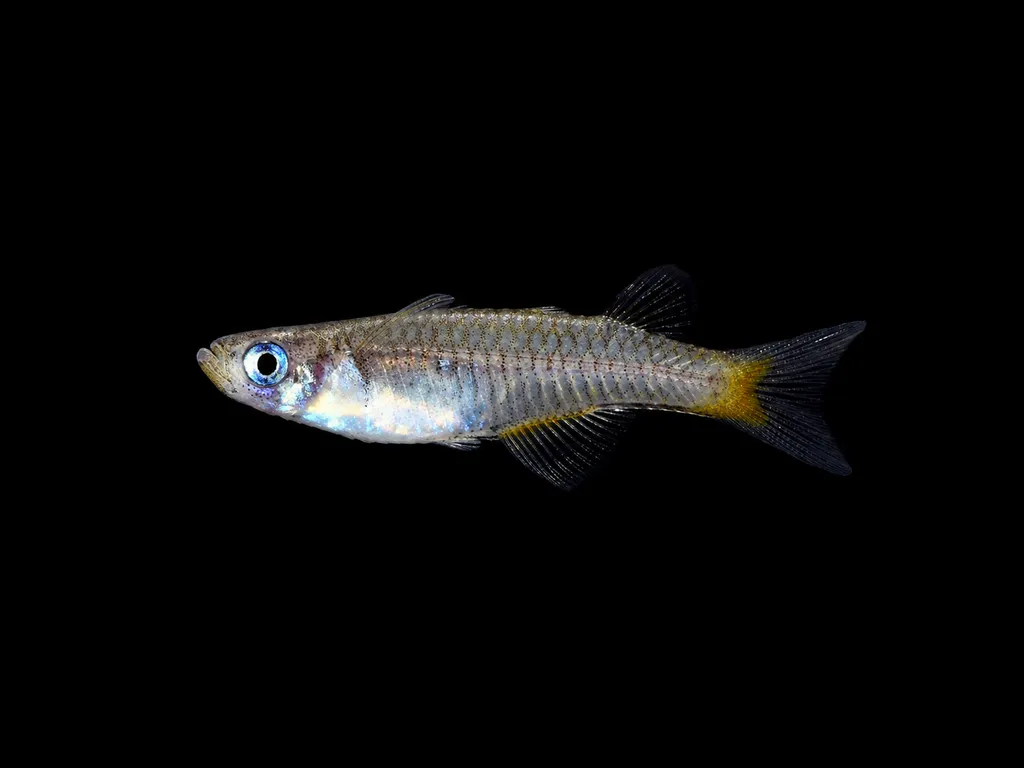
Keep a group of eight or more, with females outnumbering males if breeding is the goal, in 40 liters or larger. It is timid and completely peaceful, safe even with shrimp, and needs equally gentle tankmates or a tank of its own. Males carry extended fins washed in red and yellow and display at each other through the day. Feed fine live and frozen foods with crushed flake, and give the fry tiny first foods, since they grow slowly.
In the wild
Ivantsoff's blue-eye lives in small, shaded jungle streams around Timika in southern West Papua, often in slow, tannin-stained water under overhanging plants. It shares these streams with the red neon and transparent blue-eyes. Keep it at 24 to 28 degrees Celsius with a pH of 6.8 to 7.8, dense planting, floating cover, a dark substrate, and gentle flow.
Good to know
Pseudomugil ivantsoffi was described in 1999 by Allen and Renyaan and named for Walter Ivantsoff, a lifelong researcher of the blue-eye family. Early collections were mistaken for Pseudomugil reticulatus, a species from the Vogelkop Peninsula some 900 kilometers away, before the two were separated. It reaches about 4 centimeters, scatters its eggs in fine plants, and is assessed as Endangered in the wild, so tank-bred stock matters.
Did you know
When this blue-eye first turned up it was identified as Pseudomugil reticulatus, a fish from 900 kilometers away on the far side of West Papua. It took closer study to show the Timika fish was its own species.
Weekly picks
Tank mates
Ivantsoff's blue-eye is a peaceful, schooling species that keeps to the top. These picks share a community profile with it, are safe together in both directions, and overlap on water type, temperature and pH.
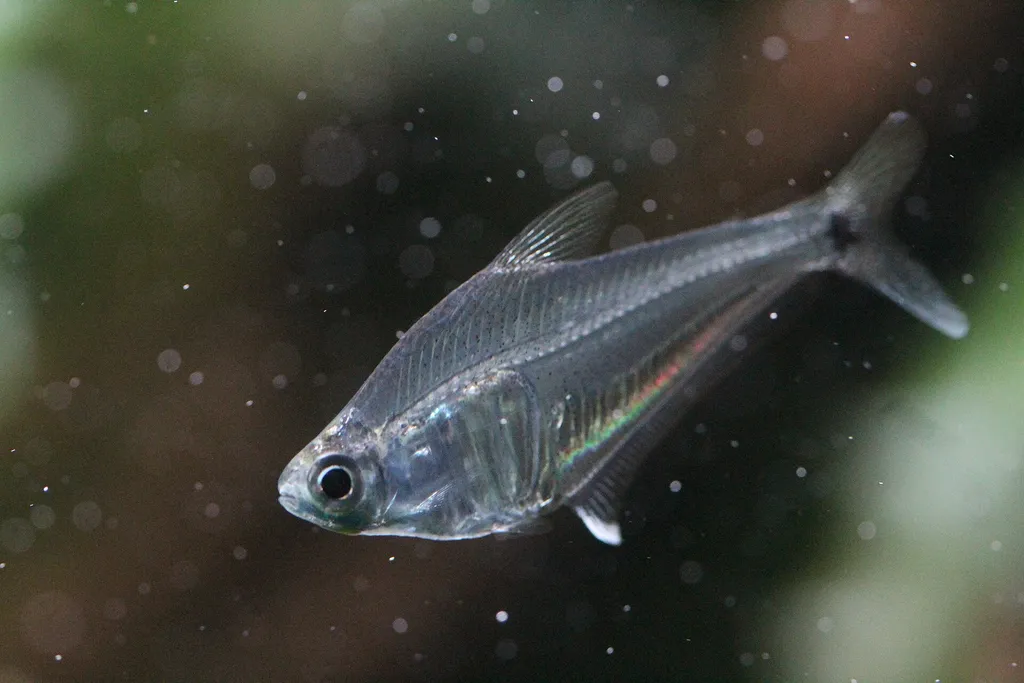
Crystal tetra
Protocheirodon pi
Freshwater1.2 in (3.1 cm) · 11 gal (40 L)73–82°F (23–28°C)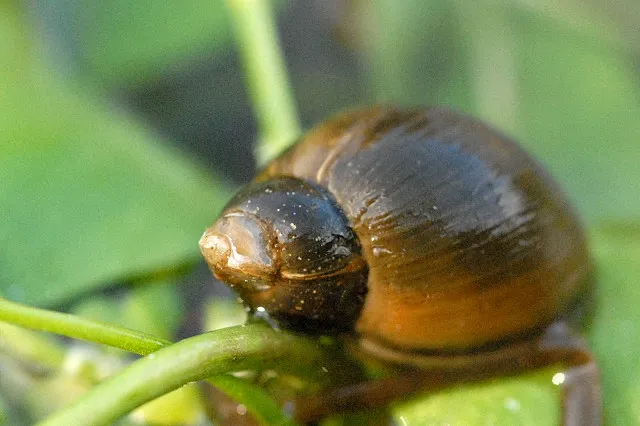
Wandering snail
Ampullaceana balthica
Freshwater0.8 in (2 cm) · 11 gal (40 L)50–84°F (10–29°C)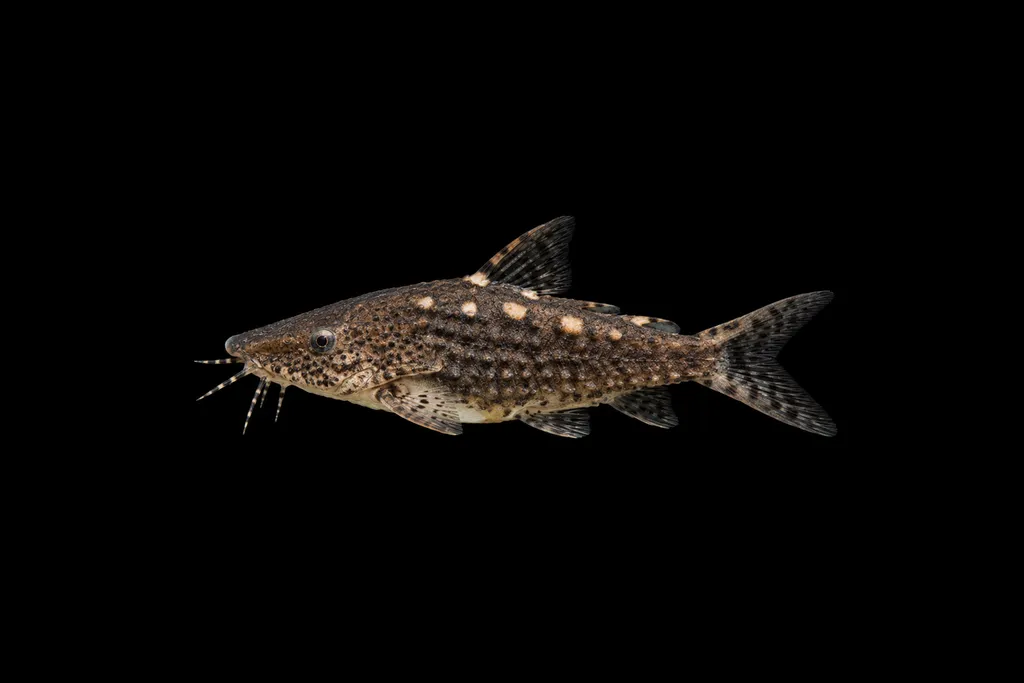
Dwarf warty catfish
Parakysis notialis
Freshwater1 in (2.5 cm) · 11 gal (40 L)73–82°F (23–28°C)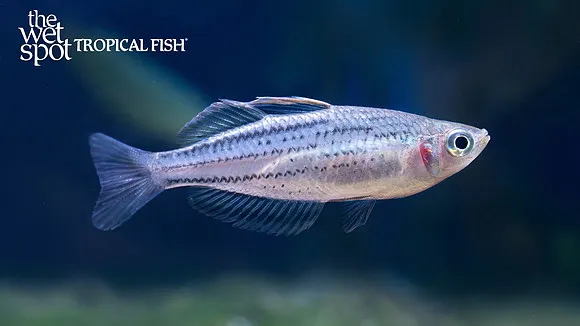
Green panchax
Aplocheilus blockii
Freshwater2 in (5 cm) · 11 gal (40 L)72–82°F (22–28°C)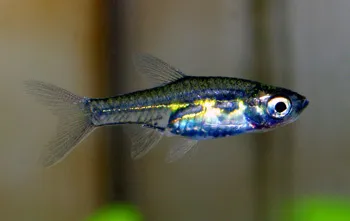
Glowlight carplet
Horadandia atukorali
Freshwater1.2 in (3 cm) · 11 gal (40 L)75–82°F (24–28°C)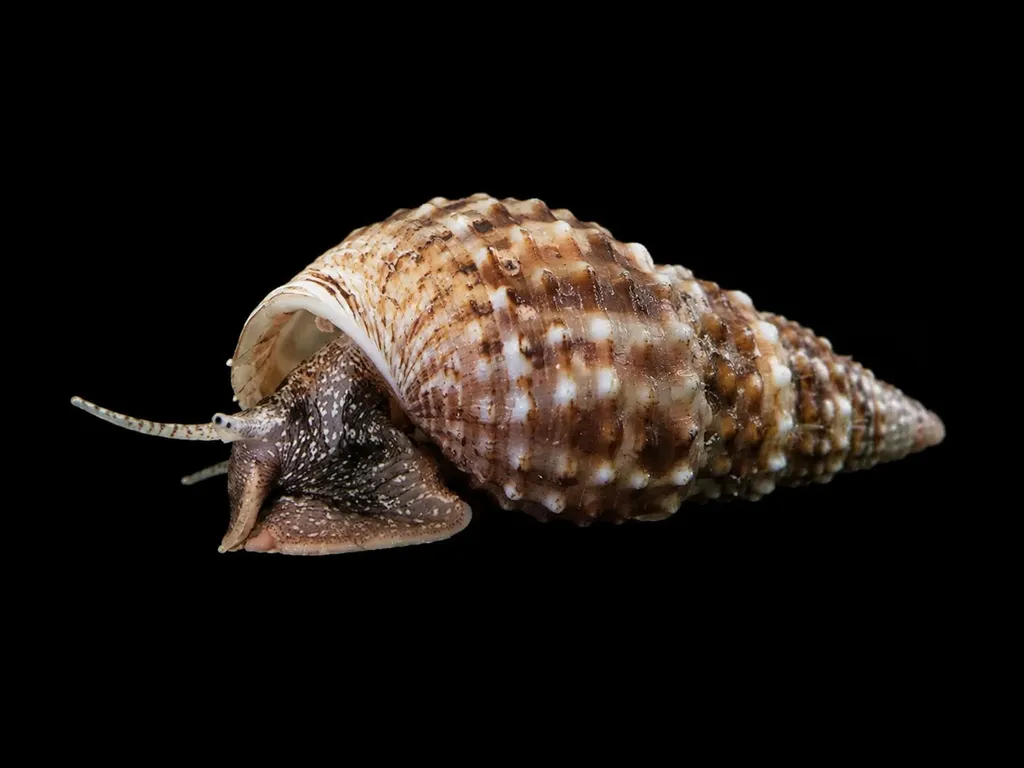
Prambanan snail
Thiara winteri
Freshwater1.6 in (4 cm) · 11 gal (40 L)73–82°F (23–28°C)
Common questions
What size tank does an Ivantsoff's blue-eye need?
An Ivantsoff's blue-eye needs at least 11 gal (40 L). It spends most of its time in the top.
What temperature and pH does an Ivantsoff's blue-eye need?
An Ivantsoff's blue-eye is comfortable at 75–82°F (24–28°C) with a pH of 6.8–7.8.
How big does an Ivantsoff's blue-eye get?
An adult Ivantsoff's blue-eye reaches about 1.6 in (4 cm).
Does an Ivantsoff's blue-eye need a group?
Yes. An Ivantsoff's blue-eye is a schooling species and should be kept in a group, not singly.
Related species
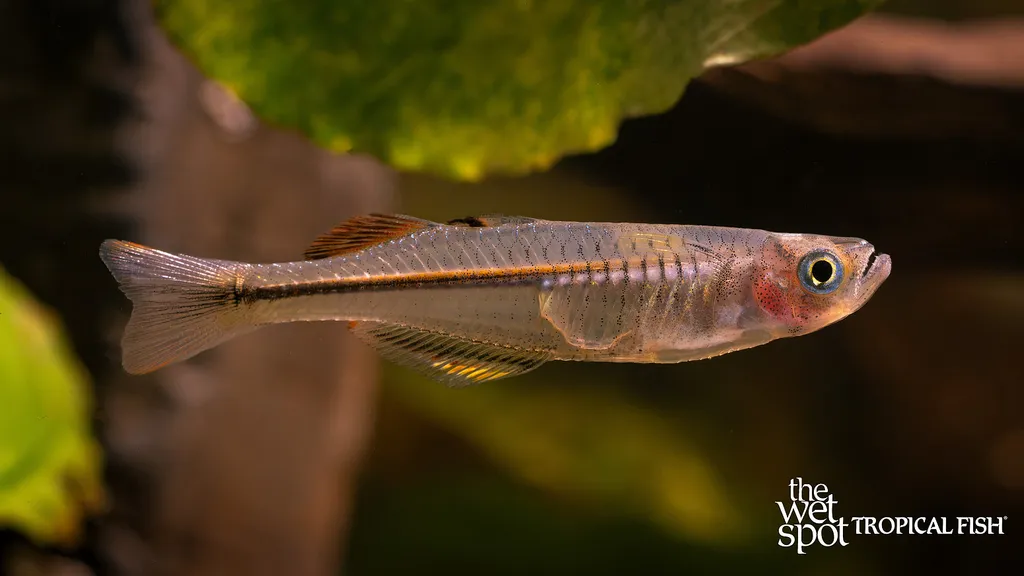 1.6 in (4 cm)11 gal (40 L)75–82°F (24–28°C)
Transparent blue-eye
Pseudomugil pellucidus
1.6 in (4 cm) · 11 gal (40 L)
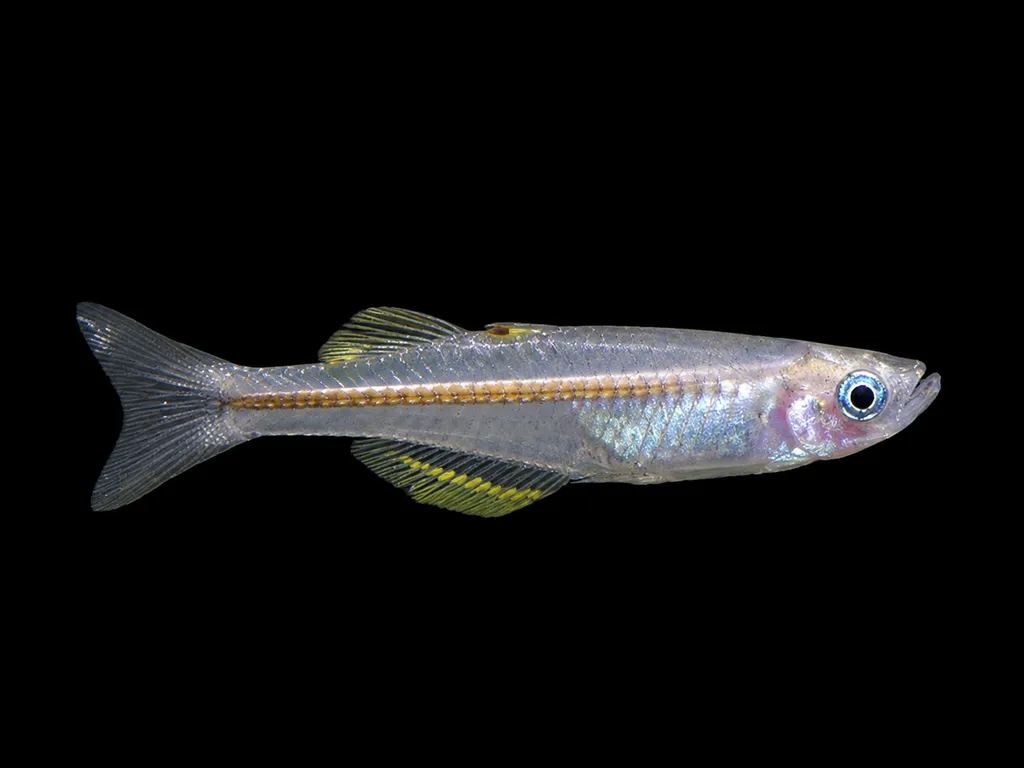 1.8 in (4.5 cm)15 gal (55 L)79–86°F (26–30°C)
New Guinea blue-eye
Pseudomugil novaeguineae
1.8 in (4.5 cm) · 15 gal (55 L)
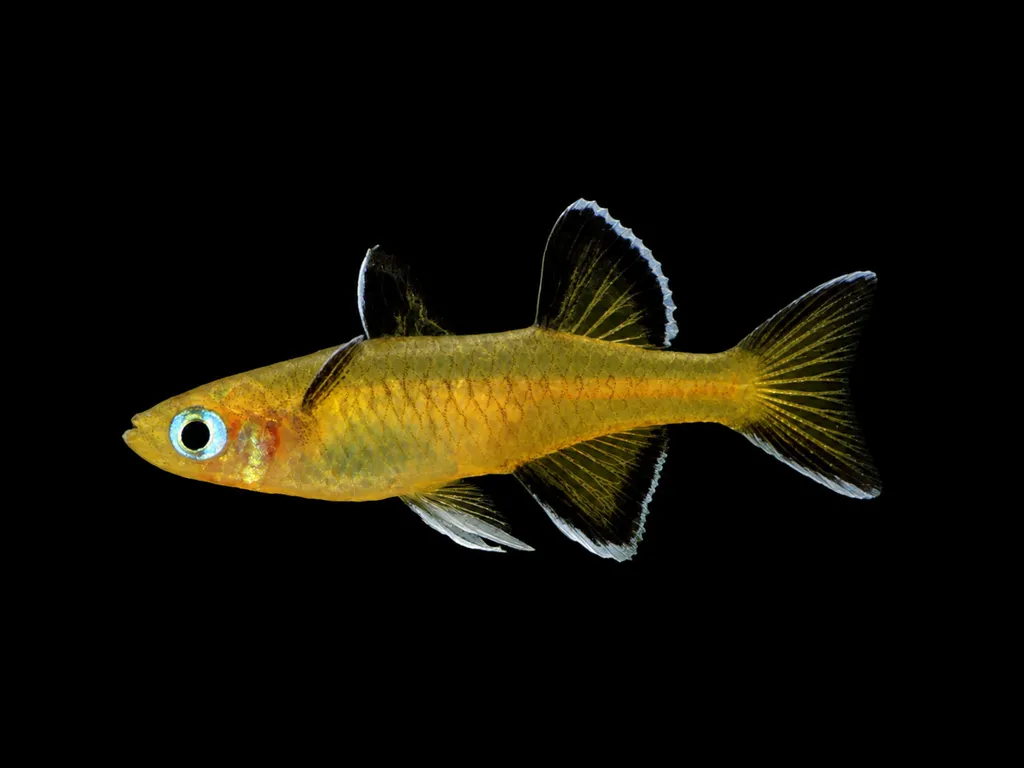 1.4 in (3.5 cm)11 gal (40 L)68–82°F (20–28°C)
Honey blue-eye
Pseudomugil mellis
1.4 in (3.5 cm) · 11 gal (40 L)
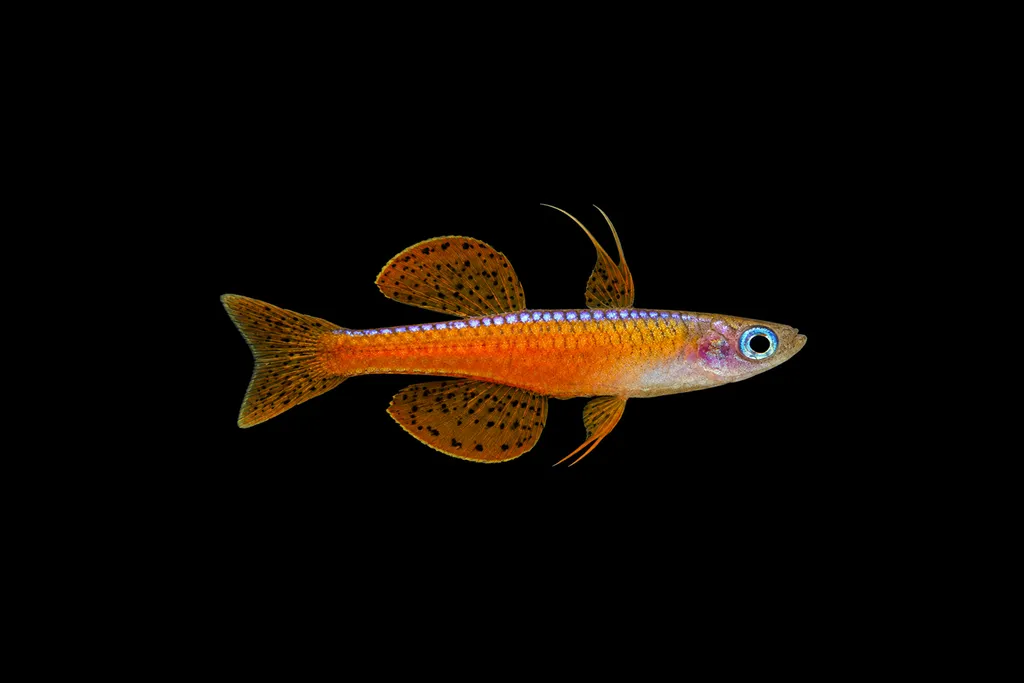 1.4 in (3.5 cm)11 gal (40 L)72–79°F (22–26°C)
Paska's blue-eye
Pseudomugil paskai
1.4 in (3.5 cm) · 11 gal (40 L)
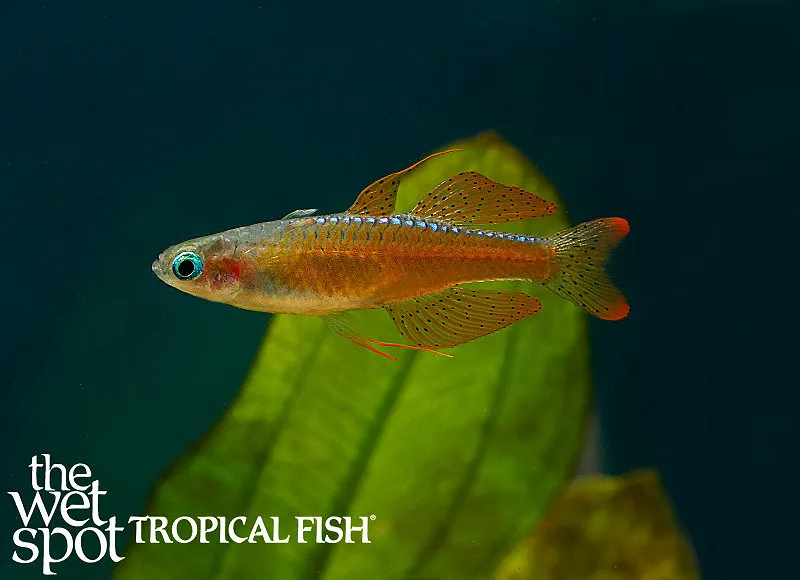 1.4 in (3.5 cm)11 gal (40 L)72–81°F (22–27°C)
Red neon blue-eye
Pseudomugil luminatus
1.4 in (3.5 cm) · 11 gal (40 L)
 1.4 in (3.5 cm)11 gal (40 L)79–86°F (26–30°C)
Swamp blue-eye
Pseudomugil paludicola
1.4 in (3.5 cm) · 11 gal (40 L)