Transparent blue-eye
Pseudomugil pellucidus
Also known as Pellucid blue-eye, Transparent blue-eye rainbowfish, Pellucidus Rainbow
FreshwaterFish
Care at a glance
- Temperature
- 75–82°F
- 24–28°C
- pH
- 6.5–8.0
- Adult size
- 1.6 in
- 4 cm
- Minimum tank
- 11 gal
- 40 L
- Temperament
- Peaceful
- Social behavior
- Schooling
- Swim level
- Top
- Difficulty
- Medium
- Breeding
- Medium
- Rarity
- Rare
- Family
- Pseudomugilidae
- Origin
- Timika region, southern West Papua
Overview
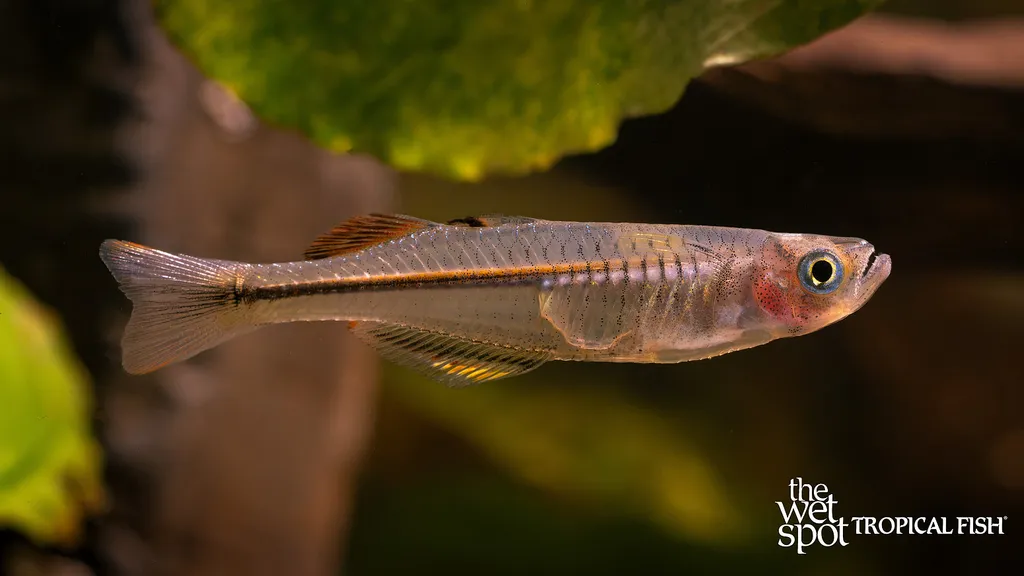
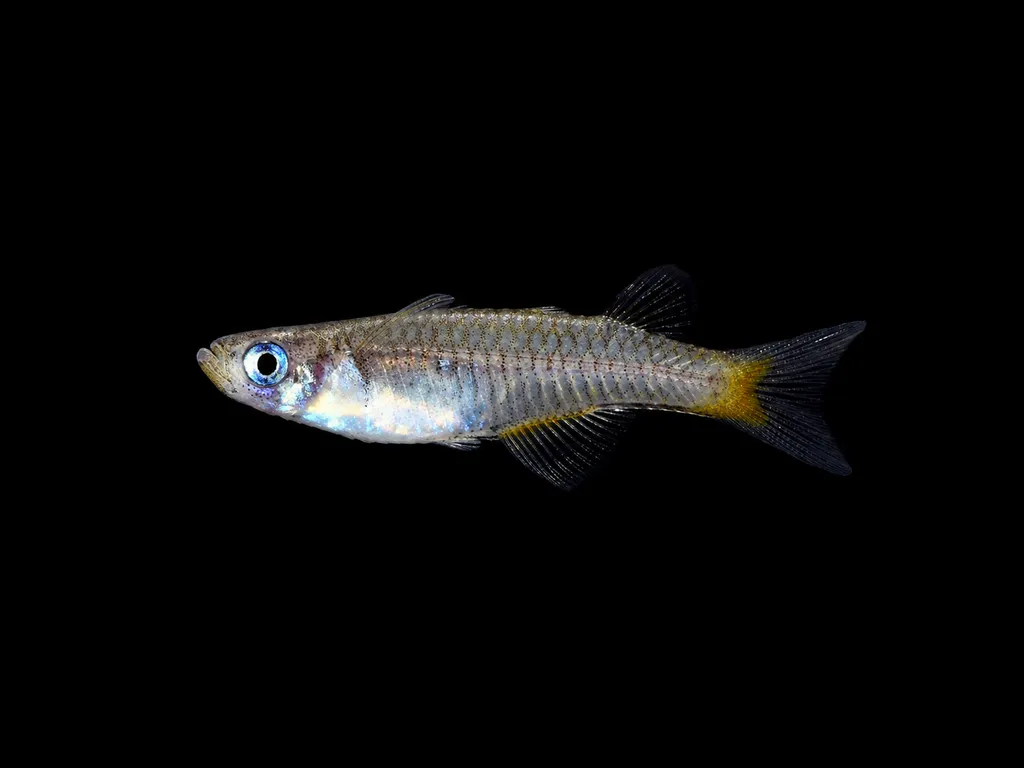
Keep a school of eight to ten or more in 40 liters or larger, with fine-leaved and floating plants to display around. It is completely peaceful and belongs with other small, calm fish or in a species tank, since anything fast will outcompete it. Feed small live and frozen foods such as cyclops, daphnia, and baby brine shrimp along with fine crushed flake. Males spar constantly with spread fins, and the anal fin stripe runs from yellow to red depending on the individual.
In the wild
The transparent blue-eye comes from shallow, slow rainforest streams around Timika in southern West Papua, Indonesia, where clear or lightly tannin-stained water flows over sand, gravel, and rock. It stays near the surface under overhanging and floating plants. Match that with a well planted tank, floating cover, gentle flow, 24 to 28 degrees Celsius, and a pH from about 6.5 to 8.0.
Good to know
Pseudomugil pellucidus was described by Allen and Ivantsoff in 1998, and the name means pellucid, for a body so clear the spine shows through. It is a blue-eye in the family Pseudomugilidae, reaching about 4 centimeters, and like its relatives it is short-lived, usually two to three years. It scatters unusually large eggs among fine plants, and freshly laid eggs are bright red, fading as they develop. The species is assessed as Vulnerable because its small range sits in a heavily mined region, so tank-bred fish are the norm.
Did you know
The transparent blue-eye lays bright red eggs, an oddity in the genus, and its glassy body shows the spine right through the skin, sometimes with a reddish glow.
Weekly picks
Tank mates
Transparent blue-eye is a peaceful, schooling species that keeps to the top. These picks share a community profile with it, are safe together in both directions, and overlap on water type, temperature and pH.
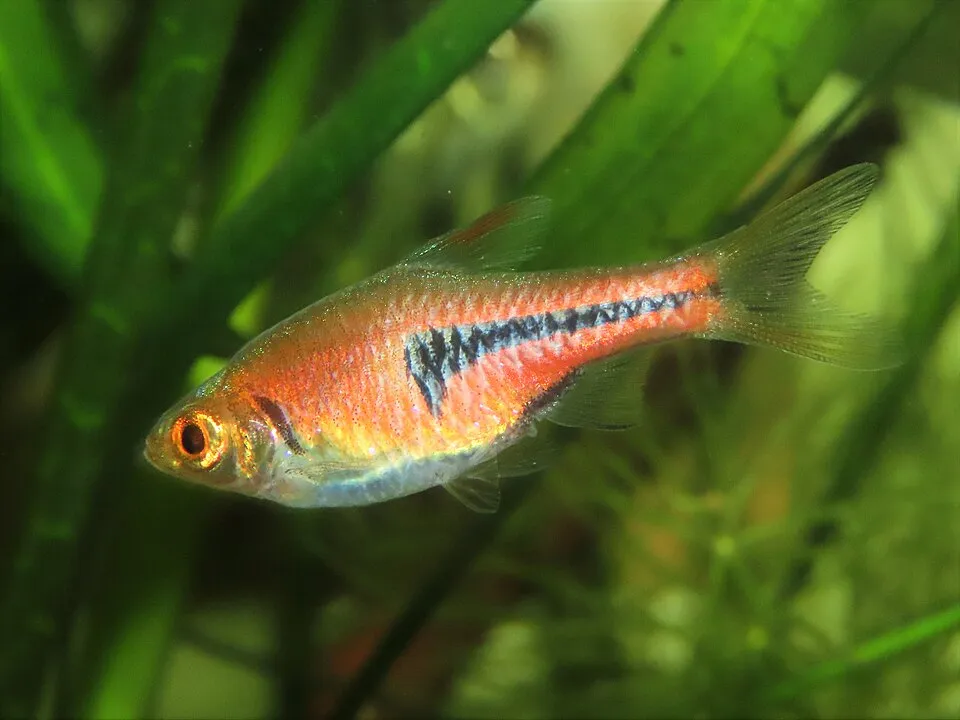
Espei rasbora
Trigonostigma espei
Freshwater1.5 in (3.8 cm) · 11 gal (40 L)73–82°F (23–28°C)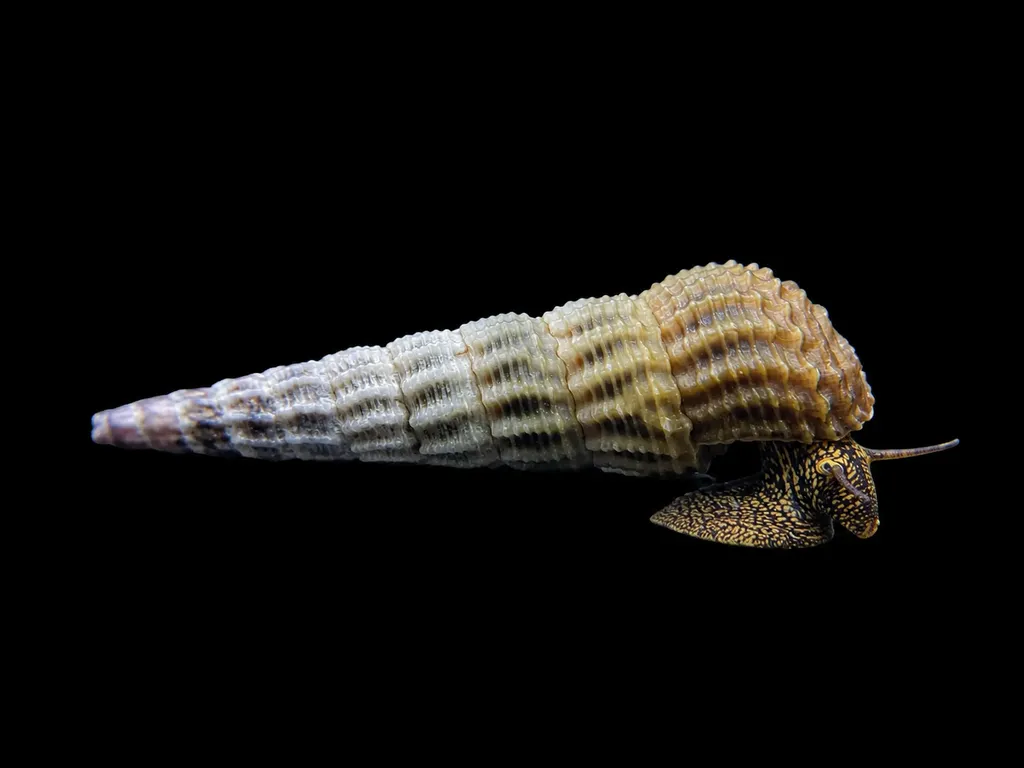
Himalayan rabbit snail
Tylomelania marwotoae
Freshwater2 in (5 cm) · 11 gal (40 L)77–86°F (25–30°C)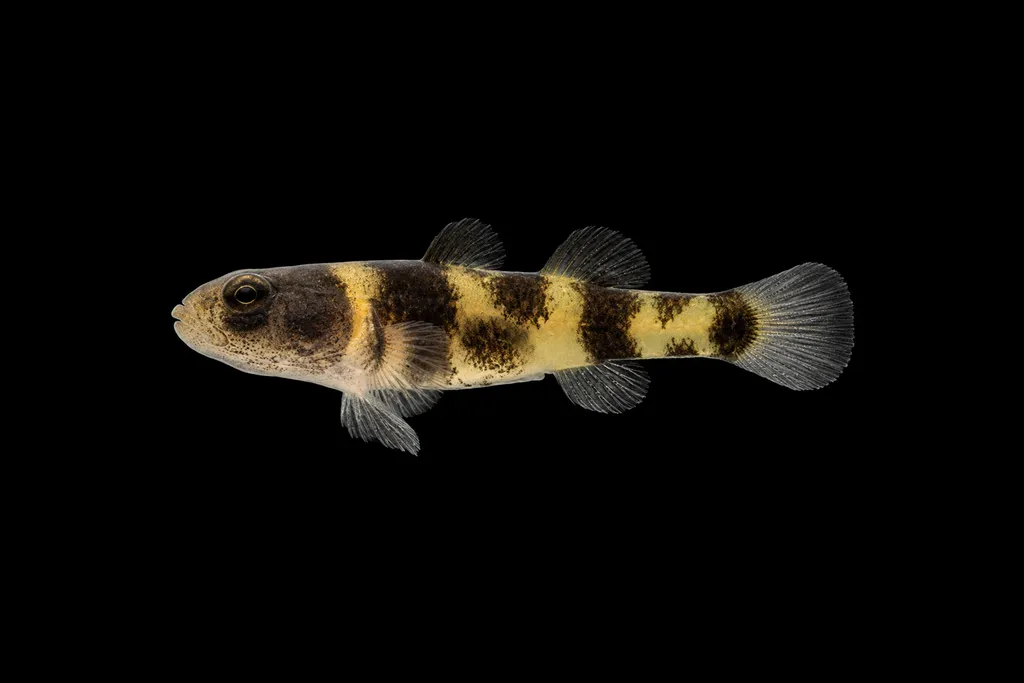
Freshwater bumblebee goby
Brachygobius aggregatus
Freshwater1.6 in (4 cm) · 11 gal (40 L)75–82°F (24–28°C)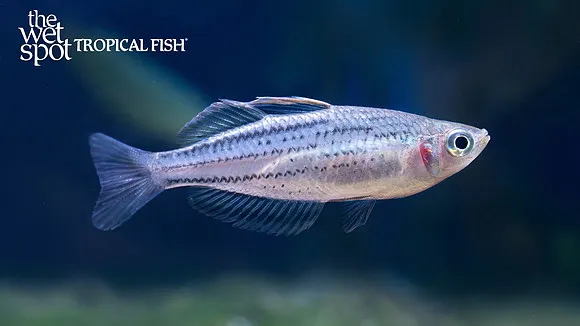
Green panchax
Aplocheilus blockii
Freshwater2 in (5 cm) · 11 gal (40 L)72–82°F (22–28°C)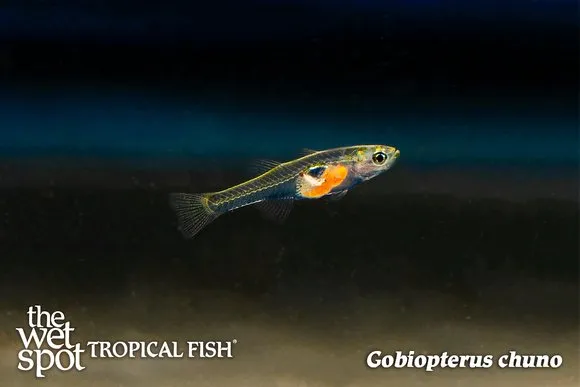
Glass goby
Gobiopterus chuno
Freshwater1 in (2.5 cm) · 11 gal (40 L)75–82°F (24–28°C)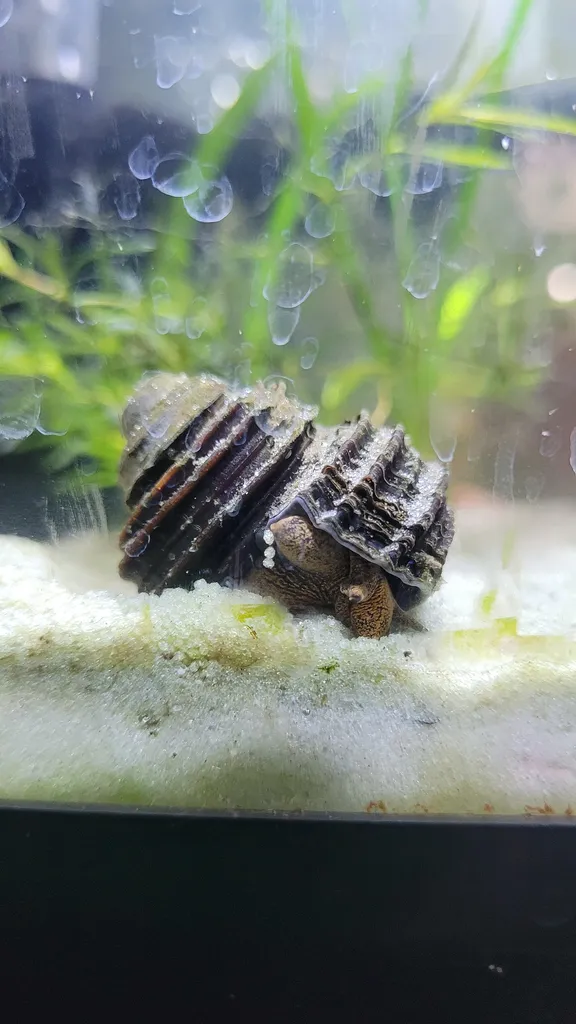
Blue turbo snail
Celetaia persculpta
Freshwater2.8 in (7 cm) · 11 gal (40 L)79–86°F (26–30°C)
Common questions
What size tank does a Transparent blue-eye need?
A Transparent blue-eye needs at least 11 gal (40 L). It spends most of its time in the top.
What temperature and pH does a Transparent blue-eye need?
A Transparent blue-eye is comfortable at 75–82°F (24–28°C) with a pH of 6.5–8.0.
How big does a Transparent blue-eye get?
An adult Transparent blue-eye reaches about 1.6 in (4 cm).
Does a Transparent blue-eye need a group?
Yes. A Transparent blue-eye is a schooling species and should be kept in a group, not singly.
Related species
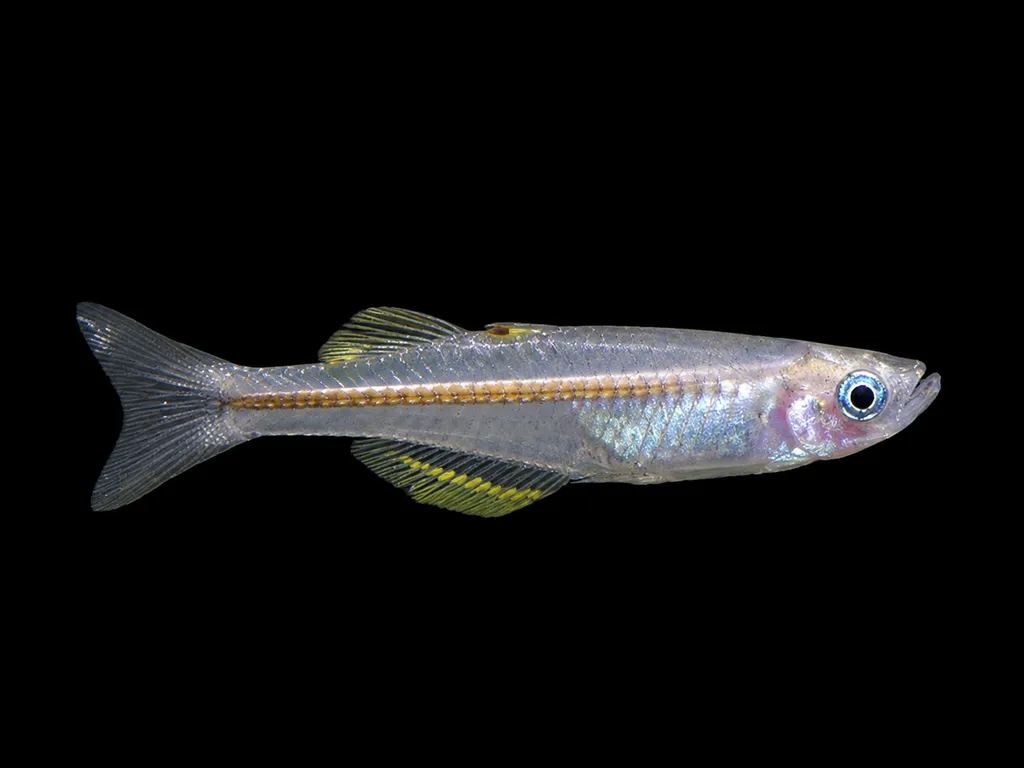
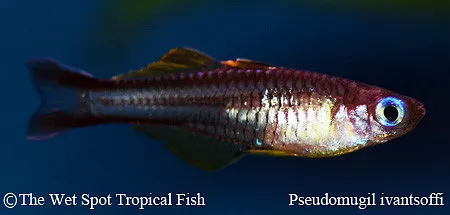 1.6 in (4 cm)11 gal (40 L)75–82°F (24–28°C)
Ivantsoff's blue-eye
Pseudomugil ivantsoffi
1.6 in (4 cm) · 11 gal (40 L)
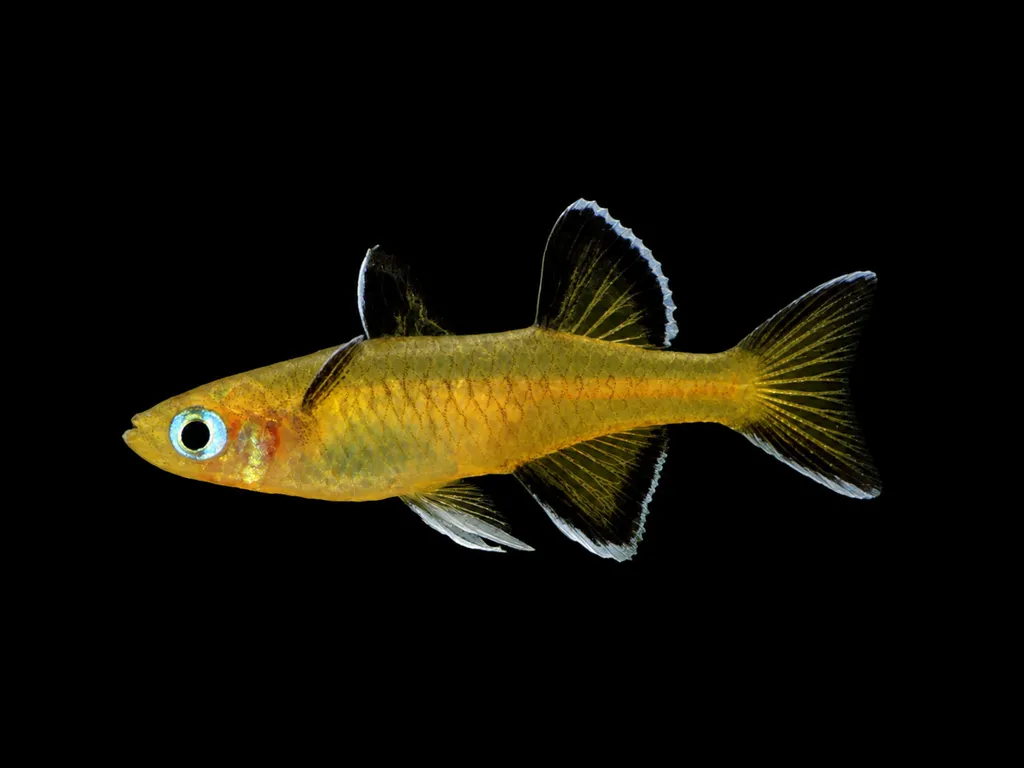
 1.8 in (4.5 cm)15 gal (55 L)79–86°F (26–30°C)
New Guinea blue-eye
Pseudomugil novaeguineae
1.8 in (4.5 cm) · 15 gal (55 L)
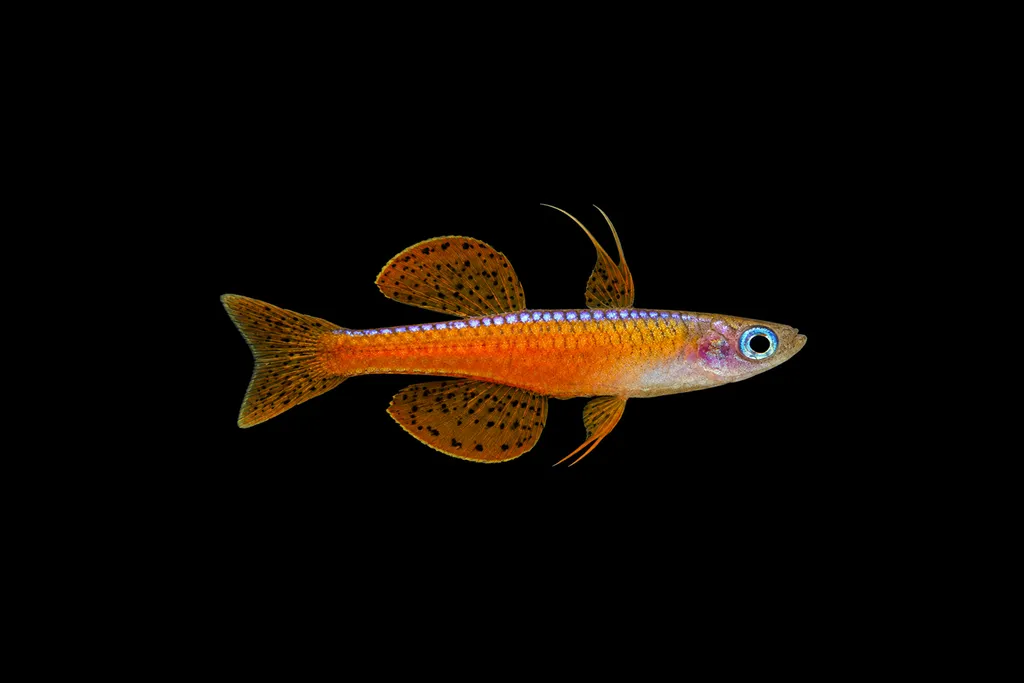
 1.4 in (3.5 cm)11 gal (40 L)68–82°F (20–28°C)
Honey blue-eye
Pseudomugil mellis
1.4 in (3.5 cm) · 11 gal (40 L)
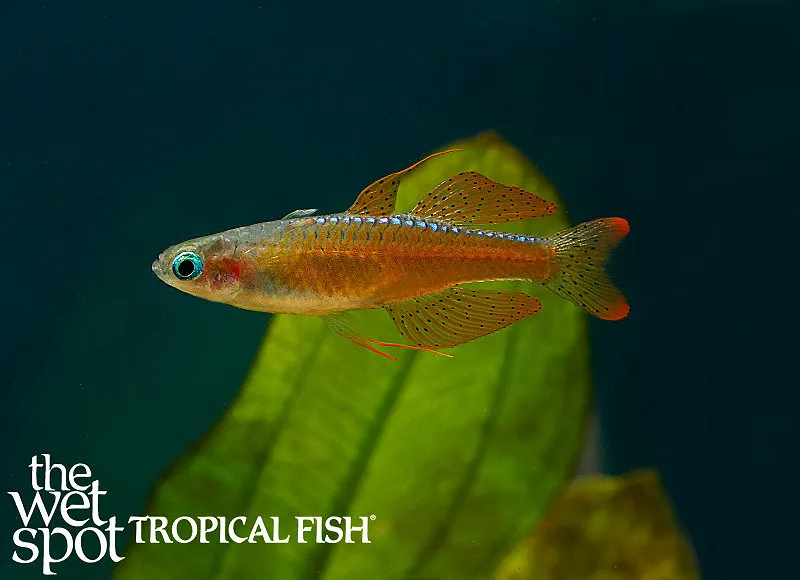
 1.4 in (3.5 cm)11 gal (40 L)72–79°F (22–26°C)
Paska's blue-eye
Pseudomugil paskai
1.4 in (3.5 cm) · 11 gal (40 L)
 1.4 in (3.5 cm)11 gal (40 L)72–81°F (22–27°C)
Red neon blue-eye
Pseudomugil luminatus
1.4 in (3.5 cm) · 11 gal (40 L)
 1.4 in (3.5 cm)11 gal (40 L)79–86°F (26–30°C)
Swamp blue-eye
Pseudomugil paludicola
1.4 in (3.5 cm) · 11 gal (40 L)