Swamp blue-eye
Pseudomugil paludicola
Also known as Swamp blue-eye rainbowfish, Yellow Fin Blue Eye Rainbow
FreshwaterFish
Care at a glance
- Temperature
- 79–86°F
- 26–30°C
- pH
- 7.0–8.0
- Adult size
- 1.4 in
- 3.5 cm
- Minimum tank
- 11 gal
- 40 L
- Temperament
- Peaceful
- Social behavior
- Schooling
- Swim level
- Top
- Difficulty
- Medium
- Breeding
- Medium
- Rarity
- Very rare
- Family
- Pseudomugilidae
- Origin
- Southwestern Papua New Guinea
Overview
A school of eight or more suits it in 40 liters and up, kept warm and calm. It is peaceful and easily outcompeted, so pair it only with small, gentle tankmates or keep a species tank. Feed fine live and frozen foods and crushed flake. Tank-raised fish appear occasionally from specialist importers, and it remains one of the least seen blue-eyes in the hobby.
In the wild
The swamp blue-eye lives up to its name, inhabiting lowland swamps, oxbows, and slow tributaries in southwestern Papua New Guinea. The water there is warm, still, and heavily vegetated. Run its tank warmer than for most blue-eyes, 26 to 30 degrees Celsius, with a pH of 7.0 to 8.0, dense planting, floating cover, and little to no flow.
Good to know
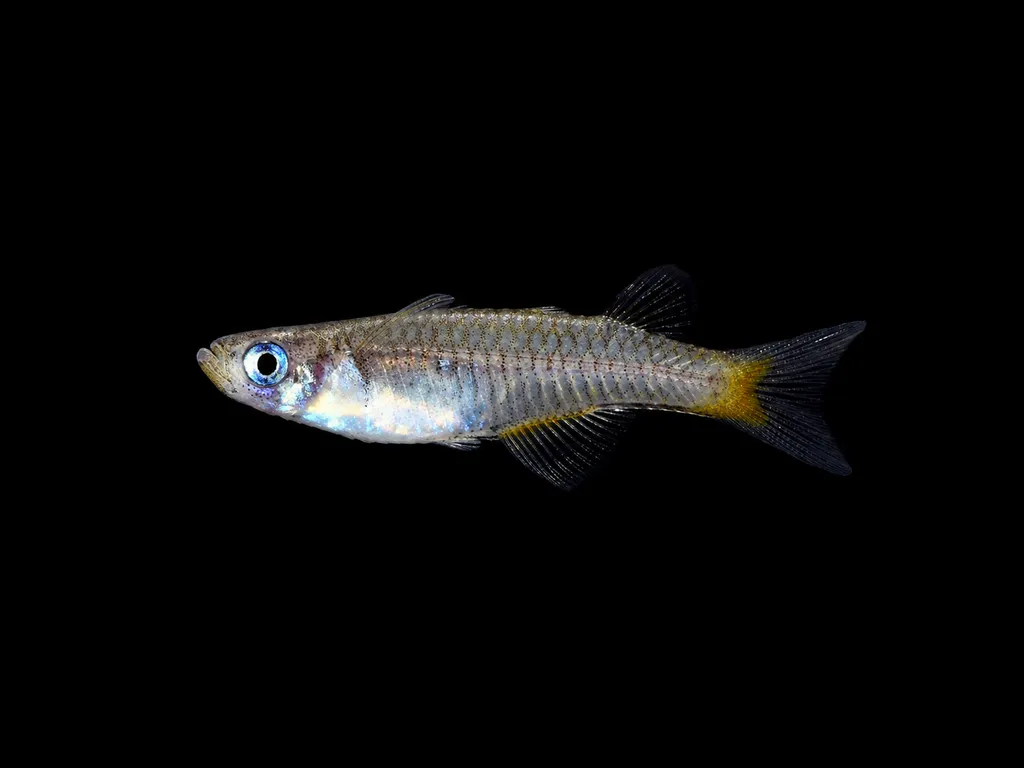
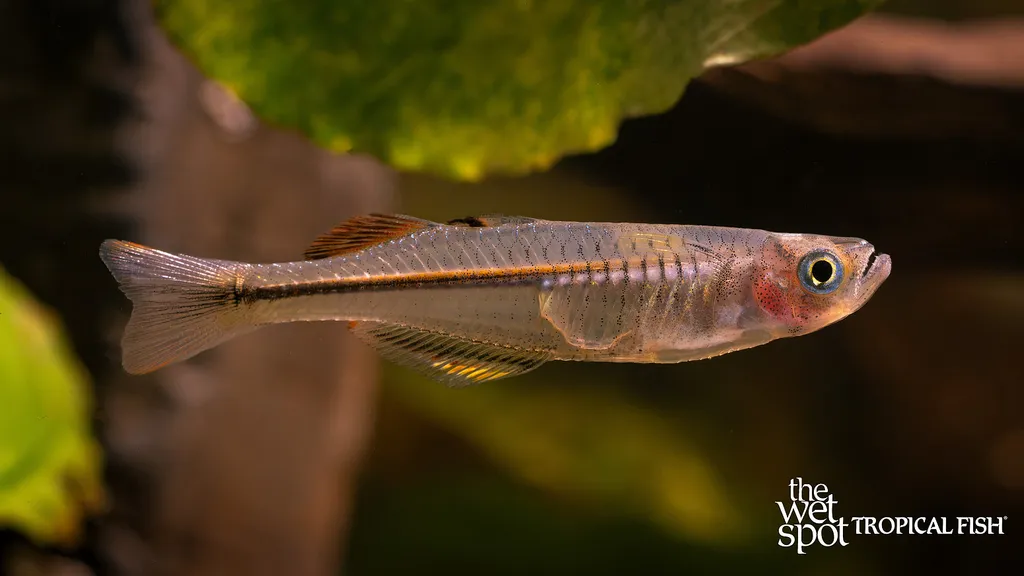
Pseudomugil paludicola was described by Allen and Moore in 1981, and the name means swamp dweller. At about 3.5 centimeters it is among the smaller blue-eyes, semi-translucent with yellow on the front of the anal fin, the tail base, and the edge of the second dorsal fin in males. It scatters eggs low in the tank on moss and mops, and spawning has been reported in both acidic and alkaline water.
Did you know
Most blue-eyes come from flowing streams, but this one is a true swamp fish that likes its water warm and still, closer to 30 degrees than most of its relatives will ever see.
Weekly picks
Tank mates
Swamp blue-eye is a peaceful, schooling species that keeps to the top. These picks share a community profile with it, are safe together in both directions, and overlap on water type, temperature and pH.
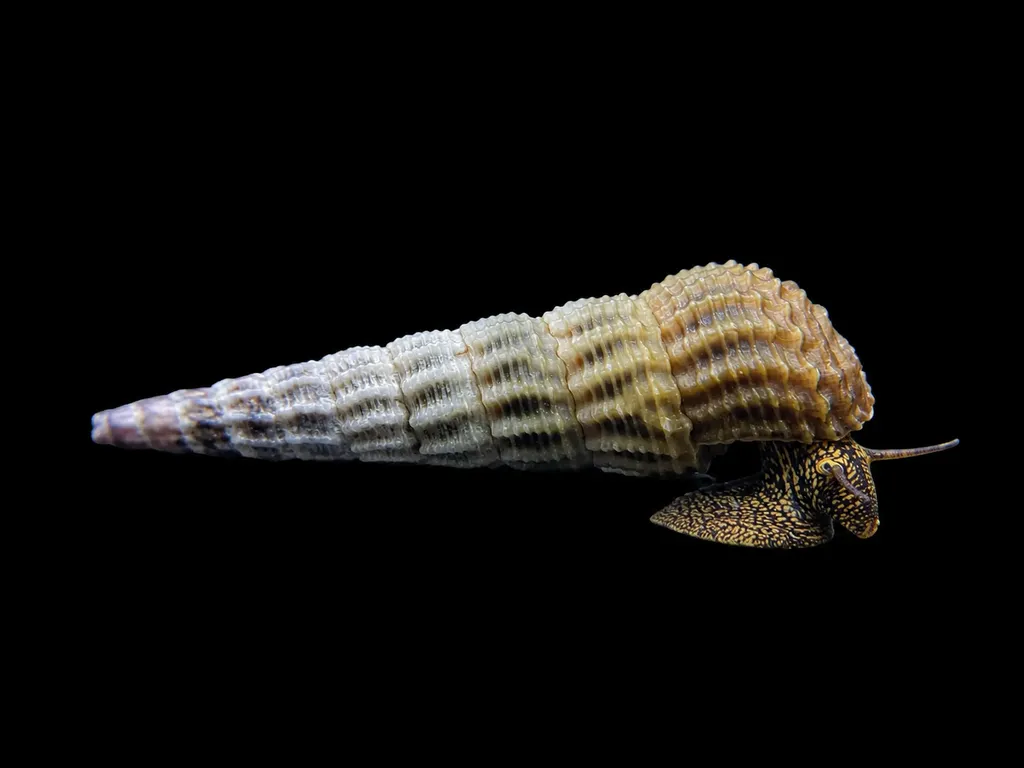
Himalayan rabbit snail
Tylomelania marwotoae
Freshwater2 in (5 cm) · 11 gal (40 L)77–86°F (25–30°C)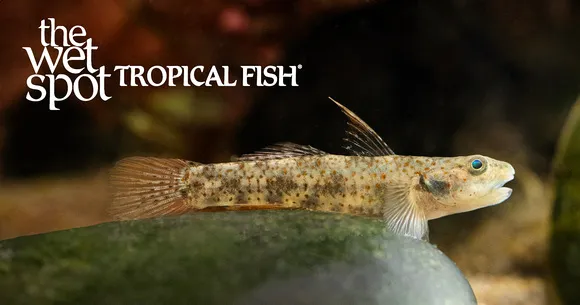
Lumbantobing goby
Pseudogobiopsis lumbantobing
Freshwater1.6 in (4 cm) · 11 gal (40 L)75–82°F (24–28°C)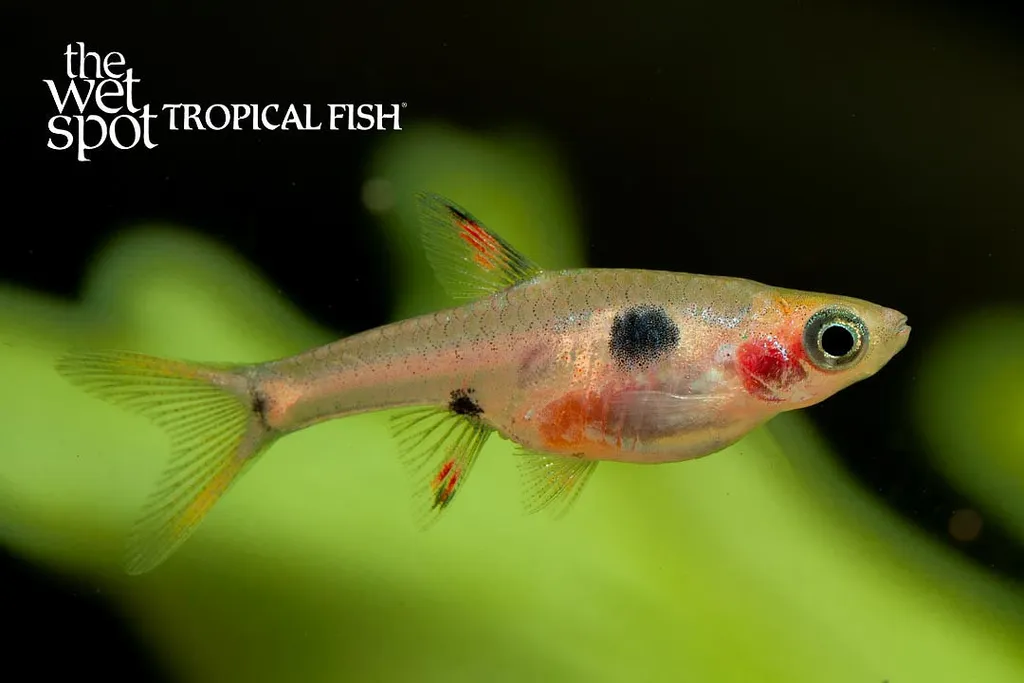
Dwarf rasbora
Boraras maculatus
Freshwater1 in (2.5 cm) · 11 gal (40 L)72–82°F (22–28°C)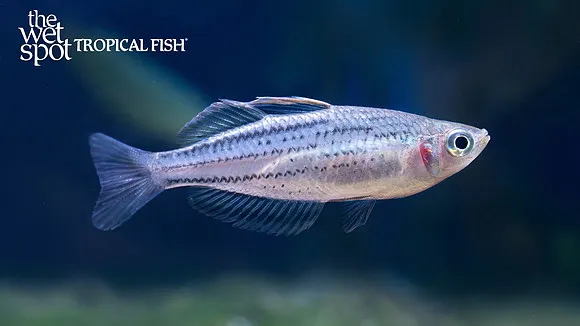
Green panchax
Aplocheilus blockii
Freshwater2 in (5 cm) · 11 gal (40 L)72–82°F (22–28°C)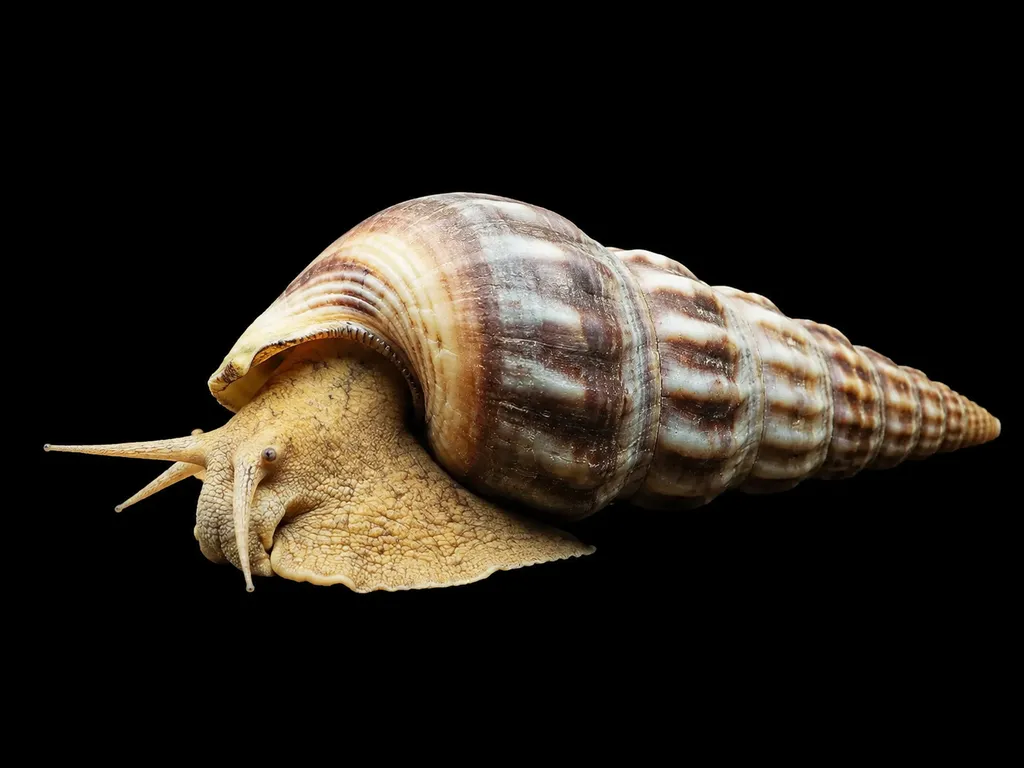
Hercules snail
Brotia herculea
Freshwater3.1 in (8 cm) · 11 gal (40 L)73–82°F (23–28°C)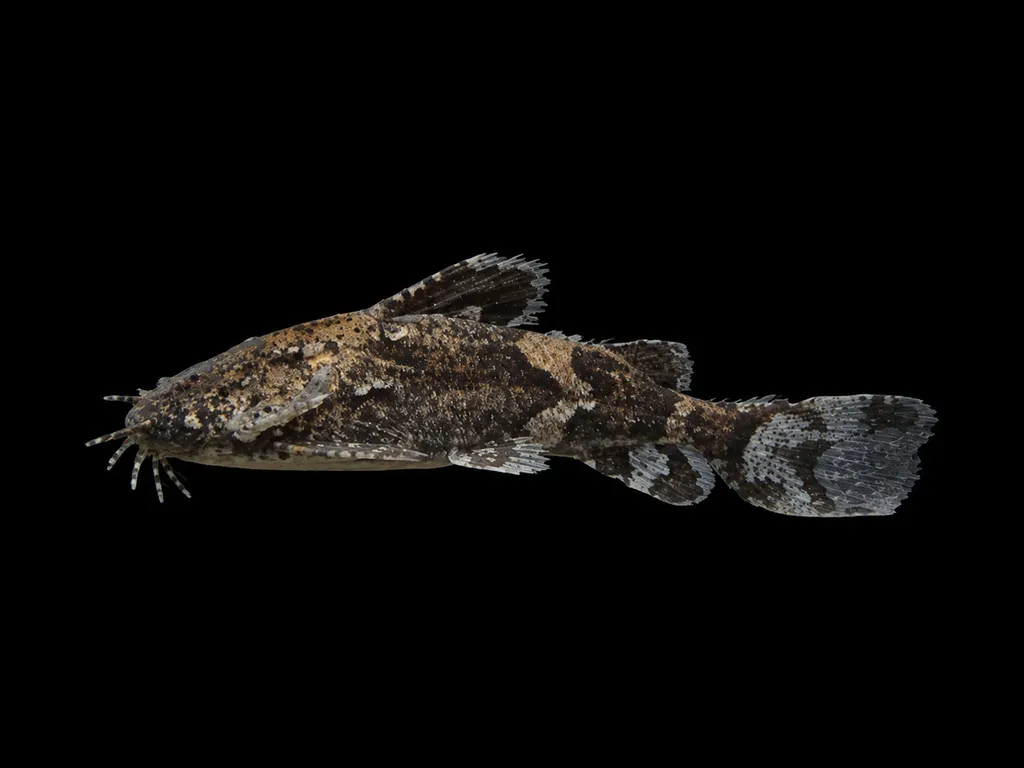
Burmese mini moth catfish
Hara minuscula
Freshwater1.2 in (3 cm) · 11 gal (40 L)68–79°F (20–26°C)
Common questions
What size tank does a Swamp blue-eye need?
A Swamp blue-eye needs at least 11 gal (40 L). It spends most of its time in the top.
What temperature and pH does a Swamp blue-eye need?
A Swamp blue-eye is comfortable at 79–86°F (26–30°C) with a pH of 7.0–8.0.
How big does a Swamp blue-eye get?
An adult Swamp blue-eye reaches about 1.4 in (3.5 cm).
Does a Swamp blue-eye need a group?
Yes. A Swamp blue-eye is a schooling species and should be kept in a group, not singly.
Related species
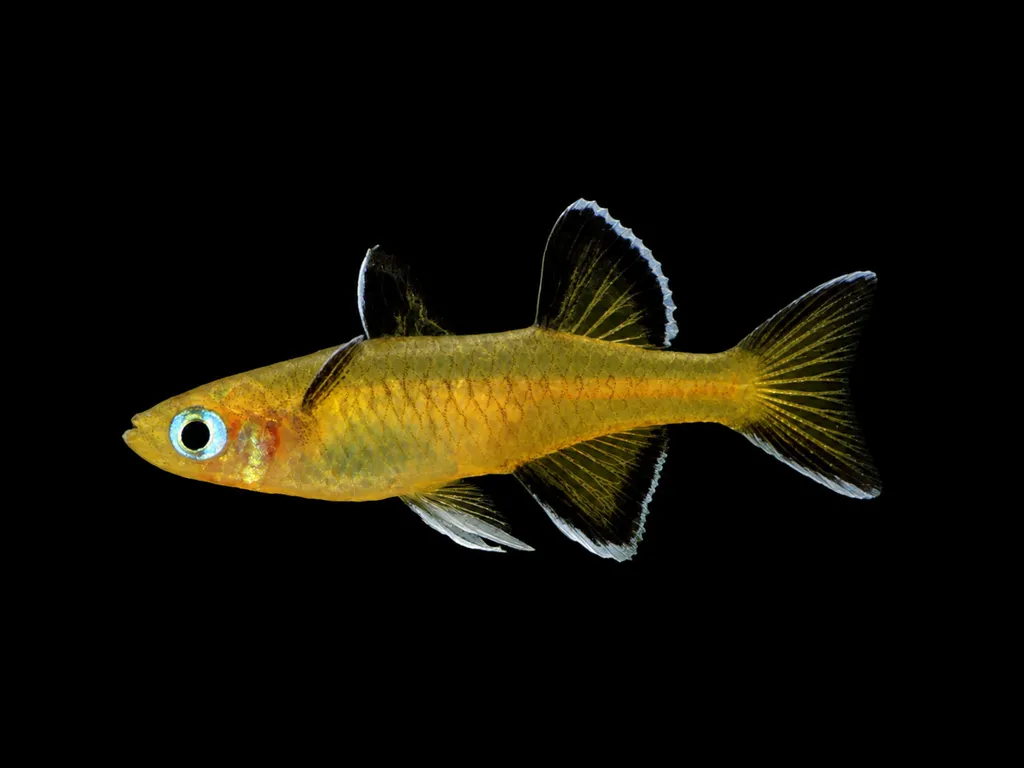 1.4 in (3.5 cm)11 gal (40 L)68–82°F (20–28°C)
Honey blue-eye
Pseudomugil mellis
1.4 in (3.5 cm) · 11 gal (40 L)
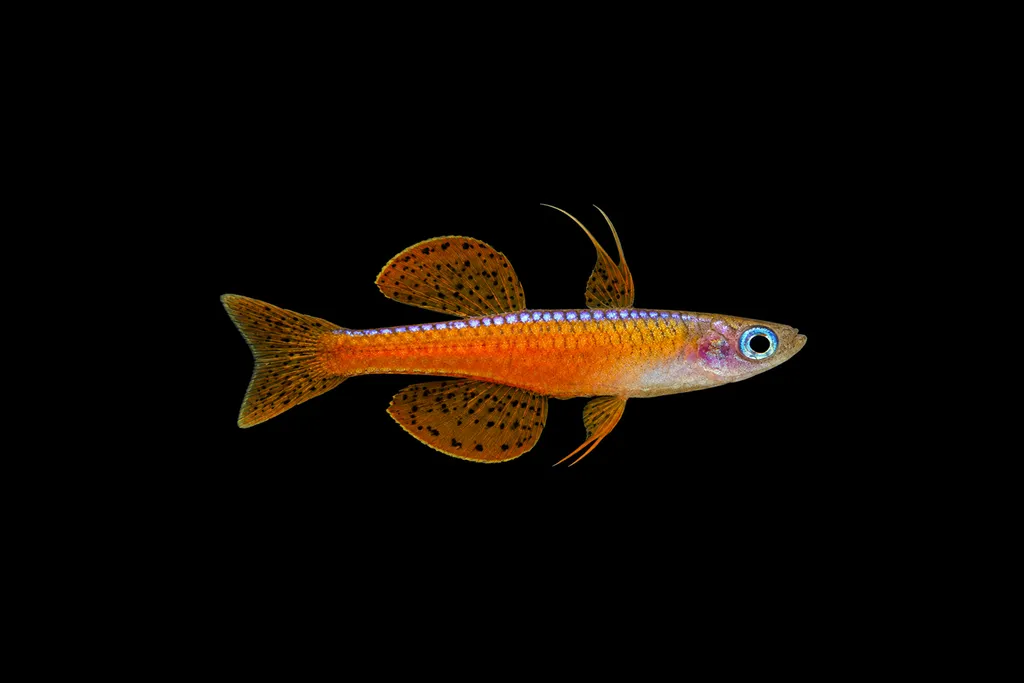 1.4 in (3.5 cm)11 gal (40 L)72–79°F (22–26°C)
Paska's blue-eye
Pseudomugil paskai
1.4 in (3.5 cm) · 11 gal (40 L)
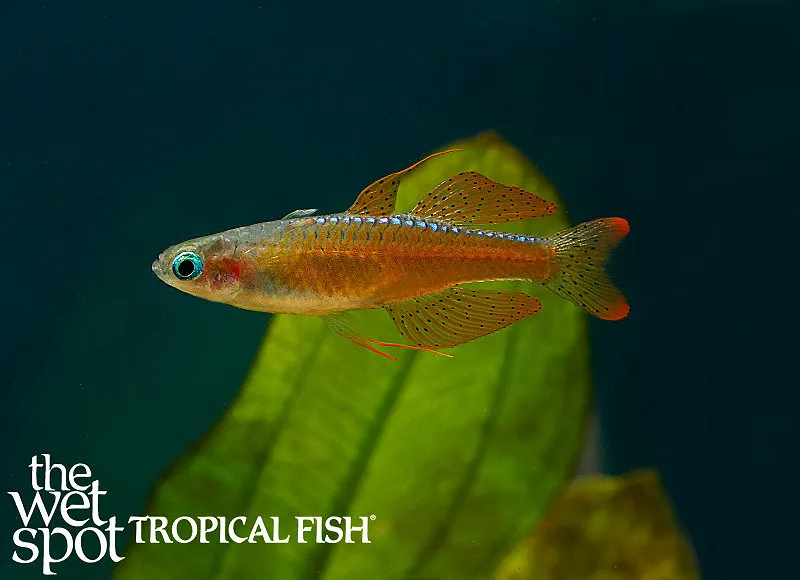 1.4 in (3.5 cm)11 gal (40 L)72–81°F (22–27°C)
Red neon blue-eye
Pseudomugil luminatus
1.4 in (3.5 cm) · 11 gal (40 L)
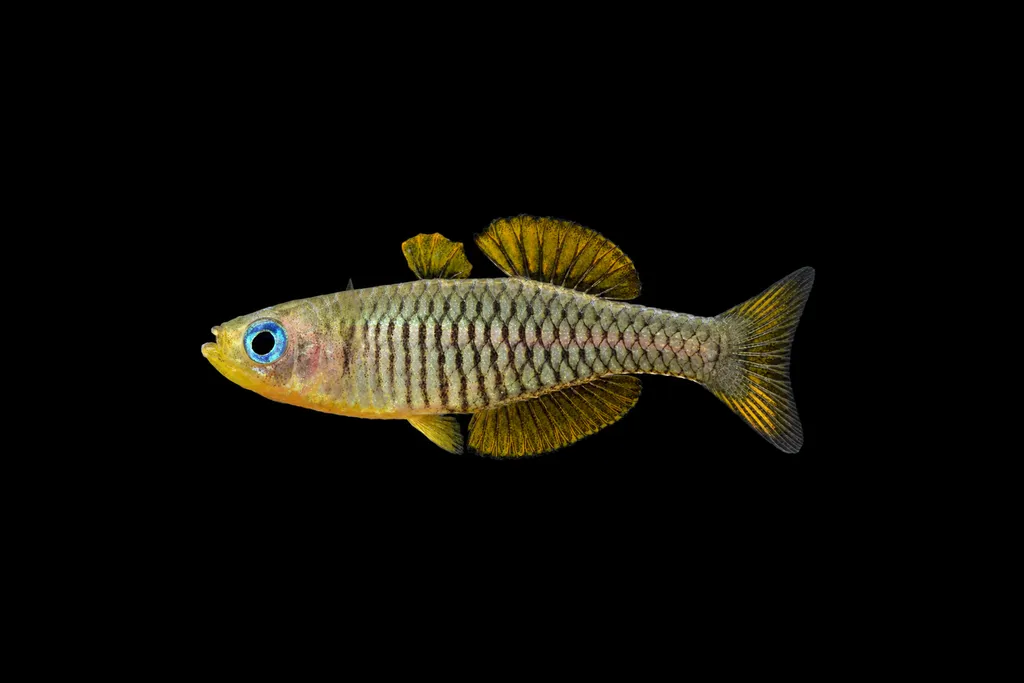 1.4 in (3.5 cm)11 gal (40 L)75–82°F (24–28°C)
Vogelkop blue-eye
Pseudomugil reticulatus
1.4 in (3.5 cm) · 11 gal (40 L)
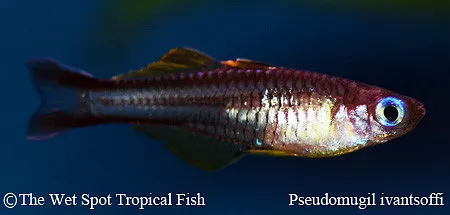 1.6 in (4 cm)11 gal (40 L)75–82°F (24–28°C)
Ivantsoff's blue-eye
Pseudomugil ivantsoffi
1.6 in (4 cm) · 11 gal (40 L)
 1.6 in (4 cm)11 gal (40 L)75–82°F (24–28°C)
Transparent blue-eye
Pseudomugil pellucidus
1.6 in (4 cm) · 11 gal (40 L)