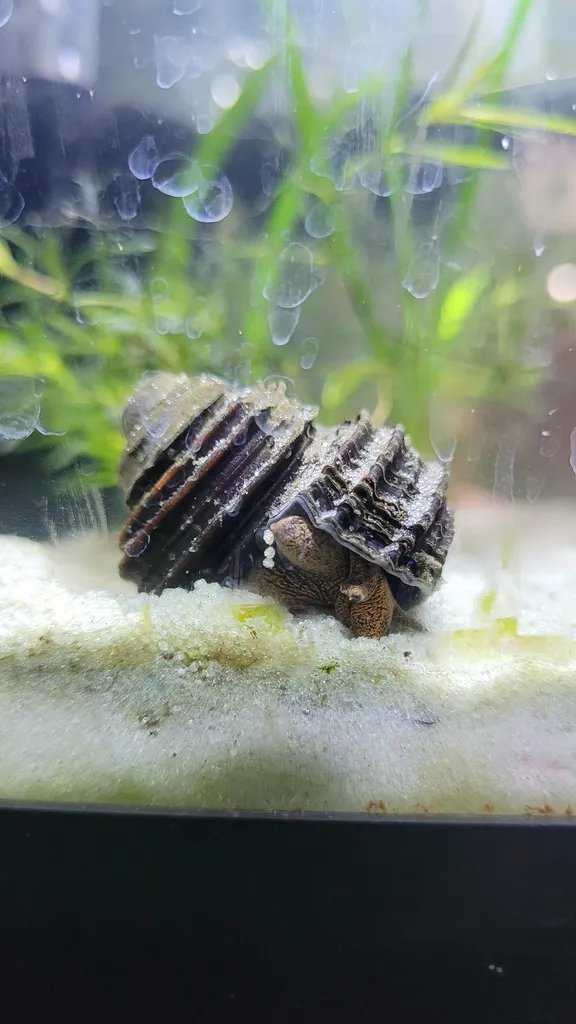
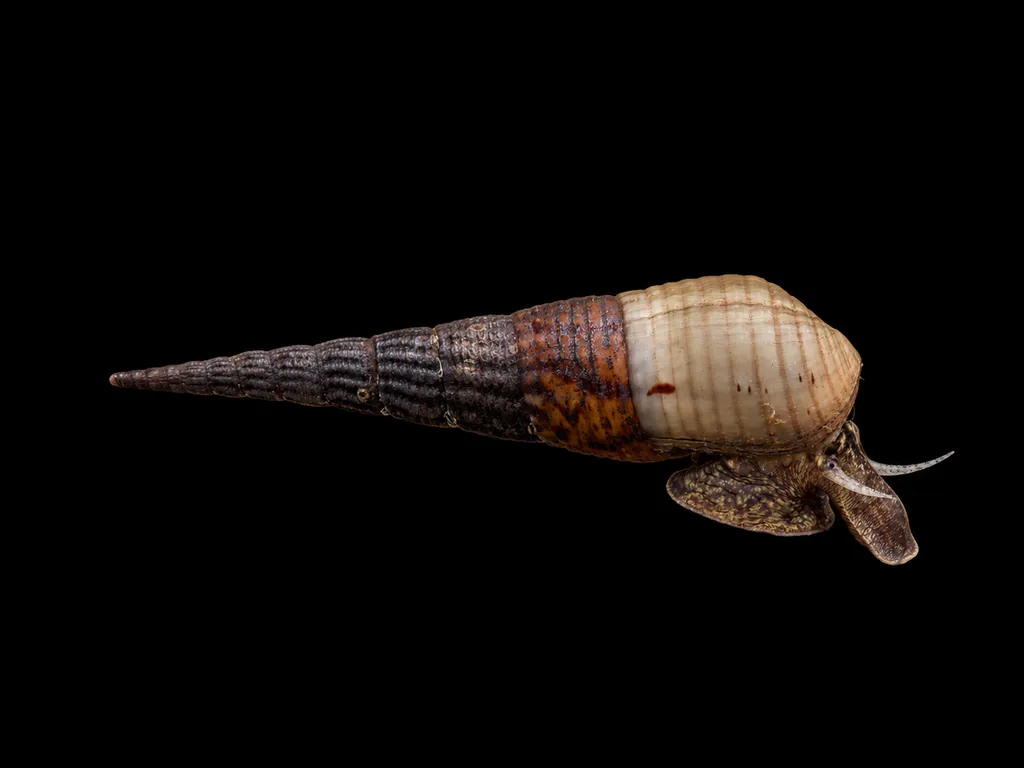
Blue turbo snail
Celetaia persculpta
Also known as Sulawesi blue turbo snail, Sculptured turbo snail
FreshwaterSnail
Care at a glance
- Temperature
- 79–86°F
- 26–30°C
- pH
- 7.5–8.5
- Adult size
- 2.8 in
- 7 cm
- Minimum tank
- 11 gal
- 40 L
- Temperament
- Peaceful
- Social behavior
- Solitary
- Swim level
- Bottom
- Difficulty
- Medium
- Breeding
- Livebearer · Hard
- Rarity
- Rare
- Family
- Viviparidae
- Origin
- Lake Poso, Sulawesi, Indonesia
Overview
The blue turbo snail is a peaceful, slow-moving grazer, best suited to a warm, hard-water tank set up for Sulawesi species. It is a step up from the easiest snails.
Did you know
The blue turbo snail is found nowhere on Earth but a single ancient lake. It is part of a fauna that evolved in isolation and produced many species that live in just one body of water.
Caring for the blue turbo snail
A single blue turbo snail is fine in a tank of at least 11 gal (40 L). Give it rock and wood to graze over, plenty of mature growth and good filtration.
Keep the water hard and alkaline, at 79 to 86°F (26 to 30°C) and a pH of 7.5 to 8.5. Keep calcium up for shell health. It is sensitive to poor water quality, so hold conditions stable.
It spends its time working over rock, wood and substrate, rasping algae, biofilm and detritus. Offer sinking vegetable foods on top of the algae and biofilm it finds.
It is not a social animal and does not need a group, and one or a few will live quietly among peaceful tank mates. It pairs naturally with the shrimp and snails of the same Sulawesi lakes rather than boisterous fish.
The blue turbo snail is a live-bearer that gives birth to fully formed young. It reproduces only slowly, so building a colony is hard.
Good to know
Celetaia persculpta is the only species in its genus. It is a river snail in the family Viviparidae, not one of the trumpet-shelled Pachychilidae it is often grouped with. Its name persculpta means thoroughly carved, for the heavy grooving on the whorls of its thick, deeply sculptured, conical shell.
In the wild
The blue turbo snail comes from Lake Poso, one of Sulawesi's ancient lakes in Indonesia. There it grazes hard substrates in warm, alkaline, mineral-rich water.
Weekly picks
Tank mates
The blue turbo snail is a peaceful, solitary species that keeps to the bottom. These picks share a community profile with it, are safe together in both directions, and overlap on water type, temperature and pH.
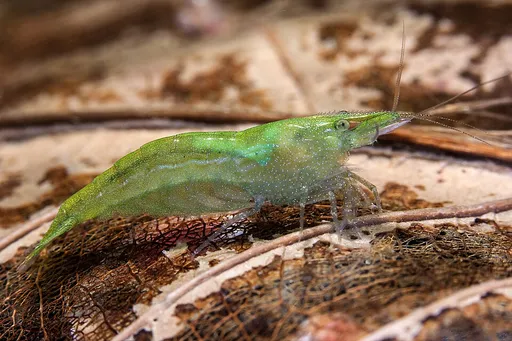
Green babaulti shrimp
Caridina babaulti
Freshwater1.2 in (3 cm) · 10 gal (38 L)72–82°F (22–28°C)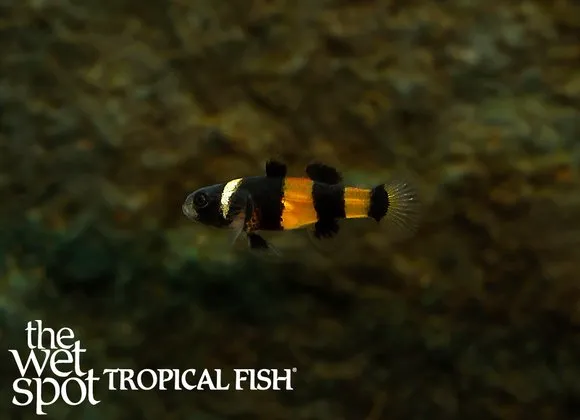
Sabanus bumblebee goby
Brachygobius sabanus
Freshwater1.2 in (3 cm) · 11 gal (40 L)75–82°F (24–28°C)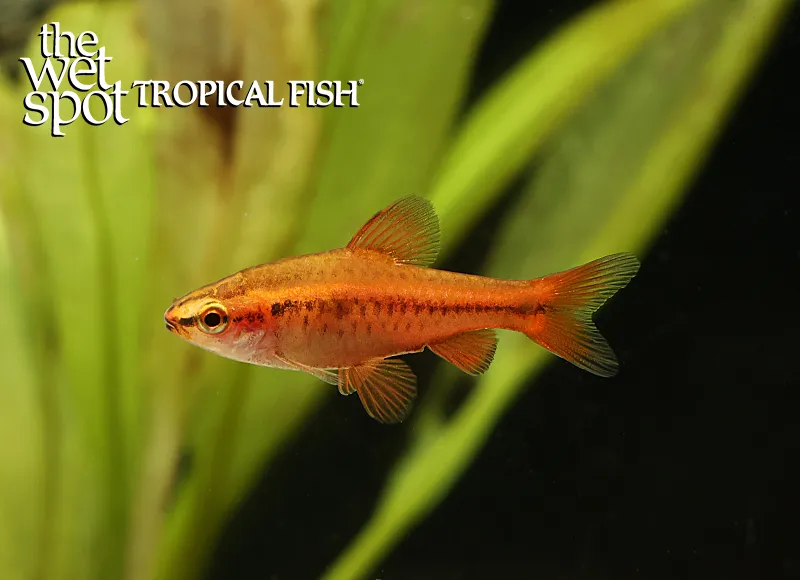
Cherry barb
Rohanella titteya
Freshwater2 in (5 cm) · 14 gal (54 L)72–81°F (22–27°C)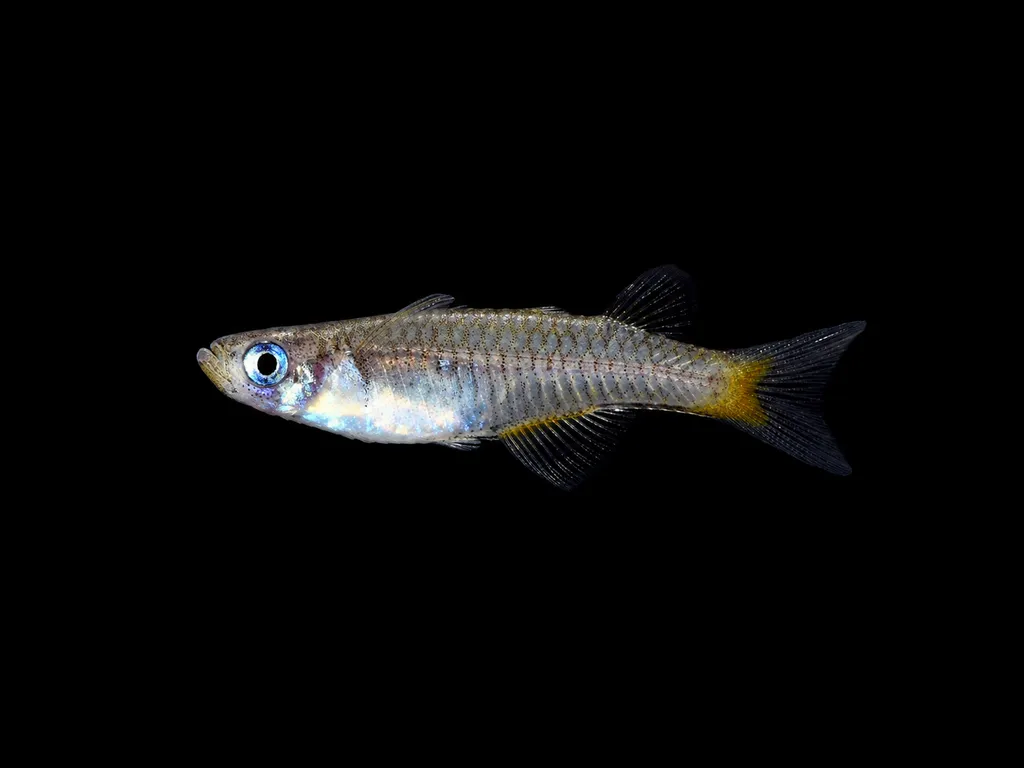
Swamp blue-eye
Pseudomugil paludicola
Freshwater1.4 in (3.5 cm) · 11 gal (40 L)79–86°F (26–30°C)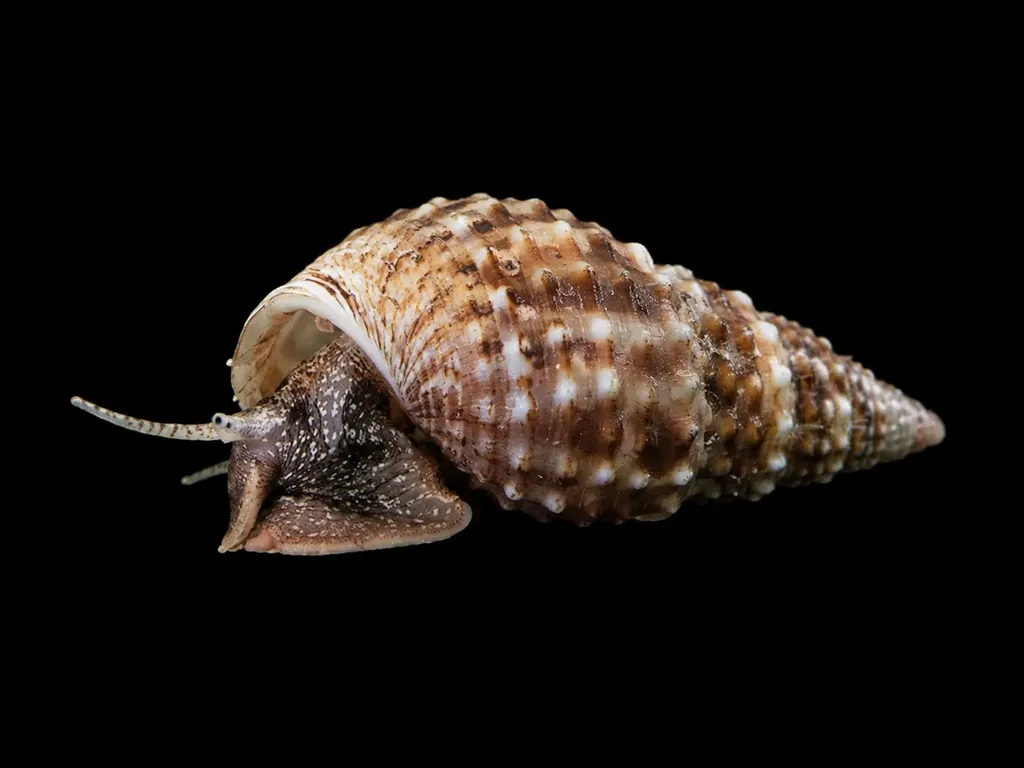
Prambanan snail
Thiara winteri
Freshwater1.6 in (4 cm) · 11 gal (40 L)73–82°F (23–28°C)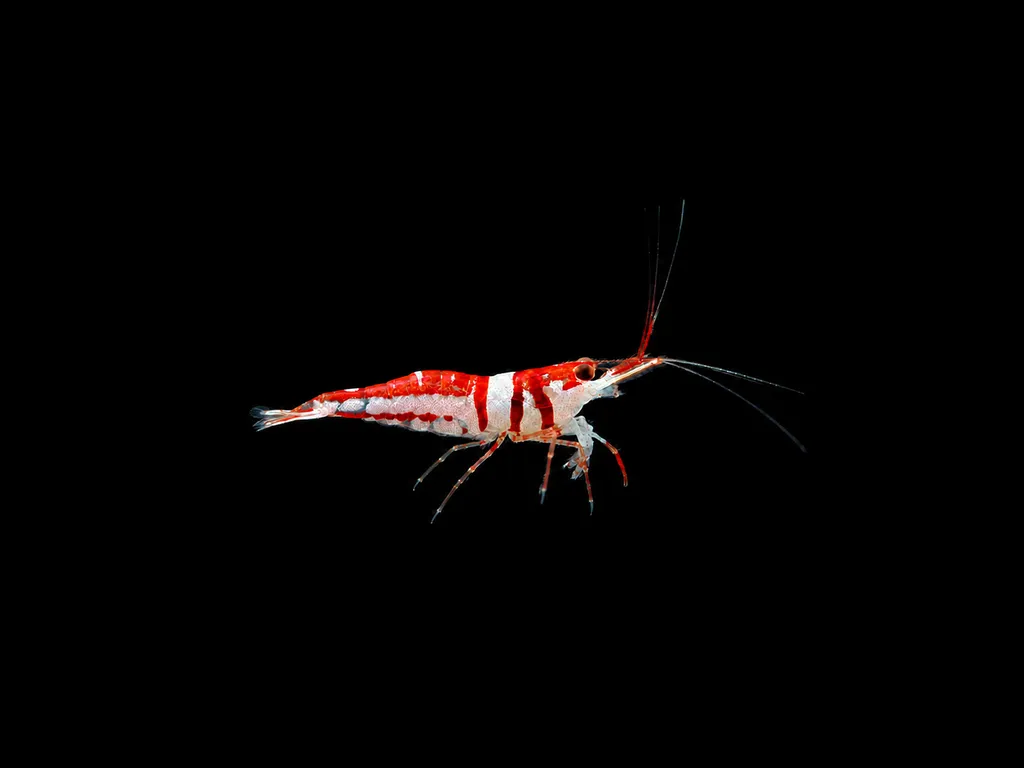
Sulawesi harlequin shrimp
Caridina woltereckae
Freshwater1 in (2.5 cm) · 5 gal (20 L)79–88°F (26–31°C)
Common questions
What size tank does a blue turbo snail need?
A blue turbo snail needs at least 11 gal (40 L). It spends most of its time in the bottom.
What temperature and pH does a blue turbo snail need?
A blue turbo snail is comfortable at 79–86°F (26–30°C) with a pH of 7.5–8.5.
What does a blue turbo snail eat?
A blue turbo snail rasps algae, biofilm and detritus from rock, wood and substrate. Offer it sinking vegetable foods as well.
How big does a blue turbo snail get?
An adult blue turbo snail reaches about 2.8 in (7 cm).
How does a blue turbo snail breed?
The blue turbo snail is a live-bearer that gives birth to fully formed young. It reproduces only slowly, so building a colony is hard.
Related species
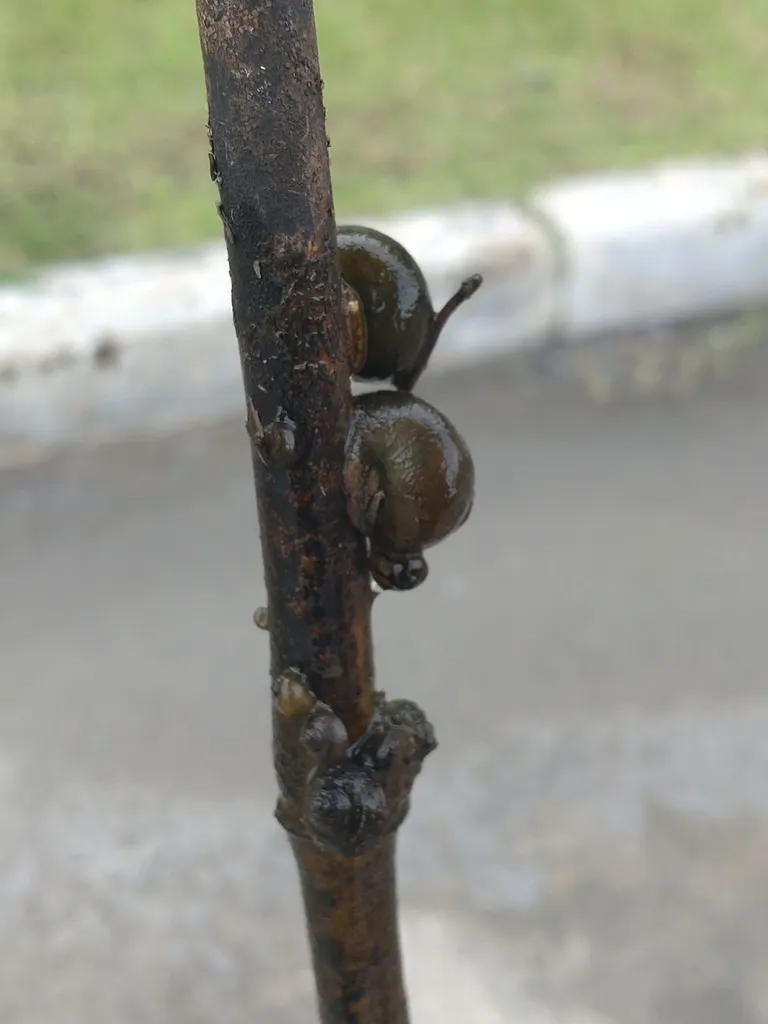 2 in (5 cm)11 gal (40 L)72–79°F (22–26°C)
White wizard snail
Filopaludina martensi
2 in (5 cm) · 11 gal (40 L)
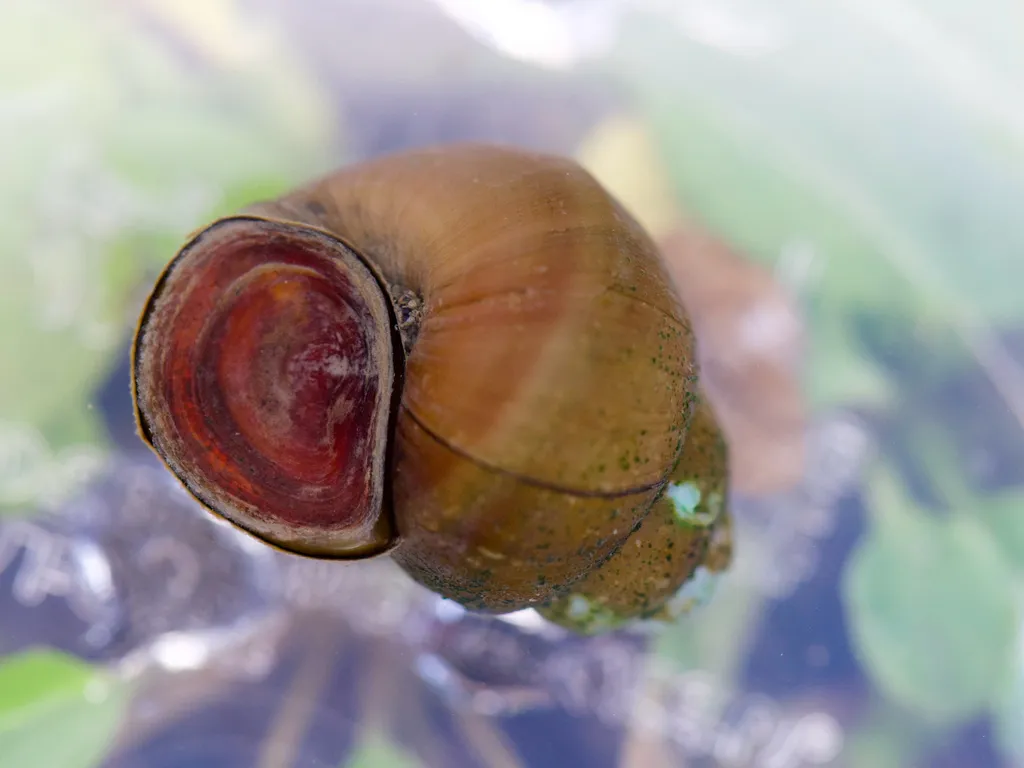 2 in (5 cm)8 gal (30 L)64–77°F (18–25°C)
Japanese trapdoor snail
Cipangopaludina malleata
2 in (5 cm) · 8 gal (30 L)
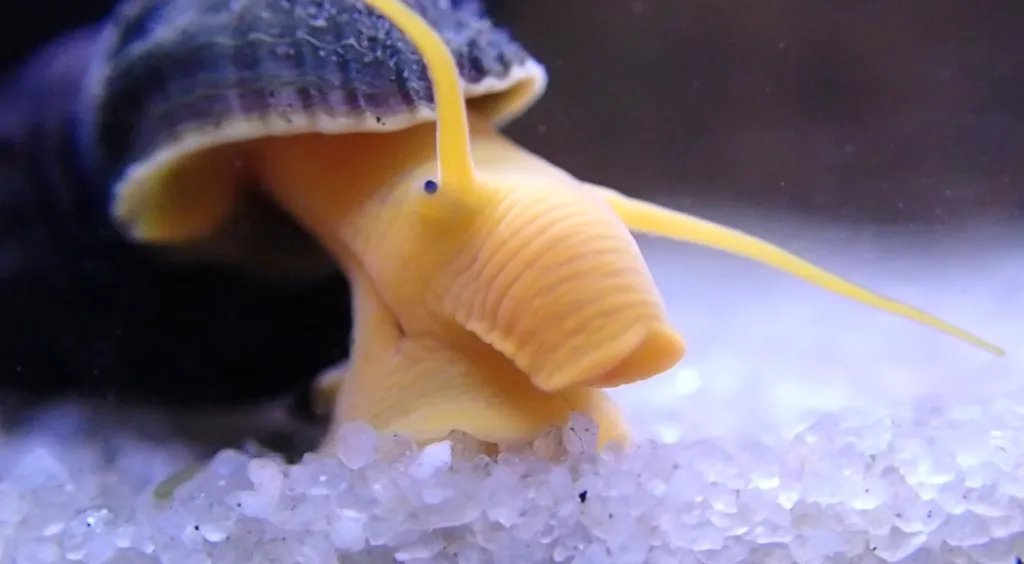 2.8 in (7 cm)16 gal (60 L)75–82°F (24–28°C)
Gold rabbit snail
Tylomelania gemmifera
2.8 in (7 cm) · 16 gal (60 L)
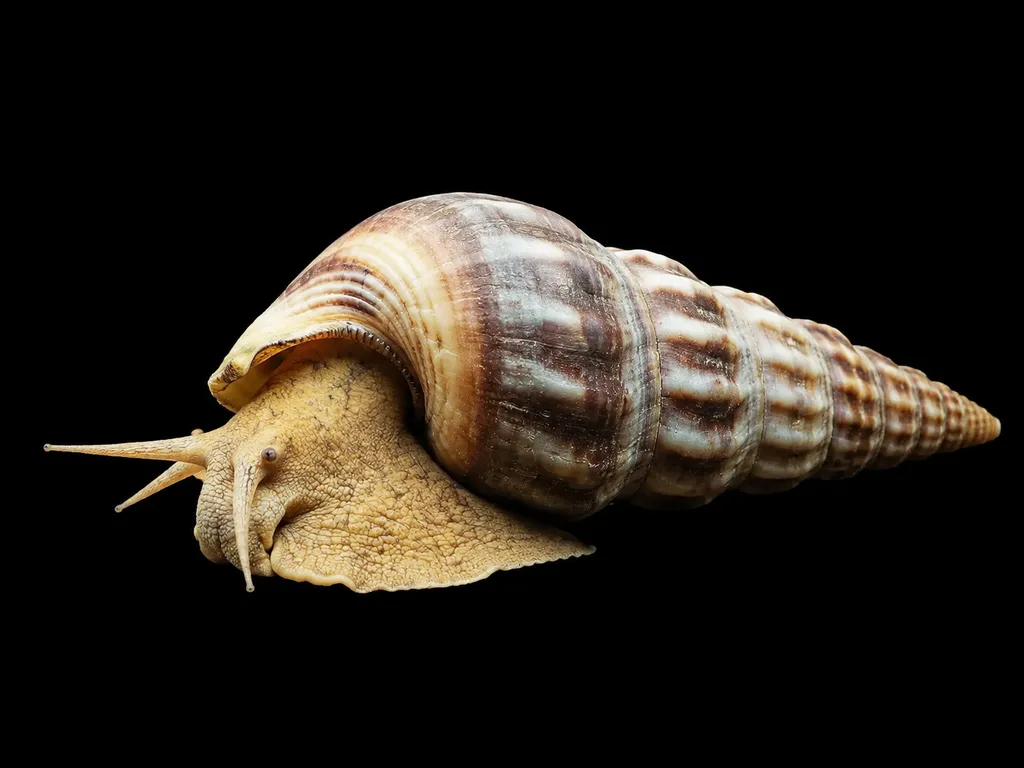 3.1 in (8 cm)11 gal (40 L)73–82°F (23–28°C)
Hercules snail
Brotia herculea
3.1 in (8 cm) · 11 gal (40 L)
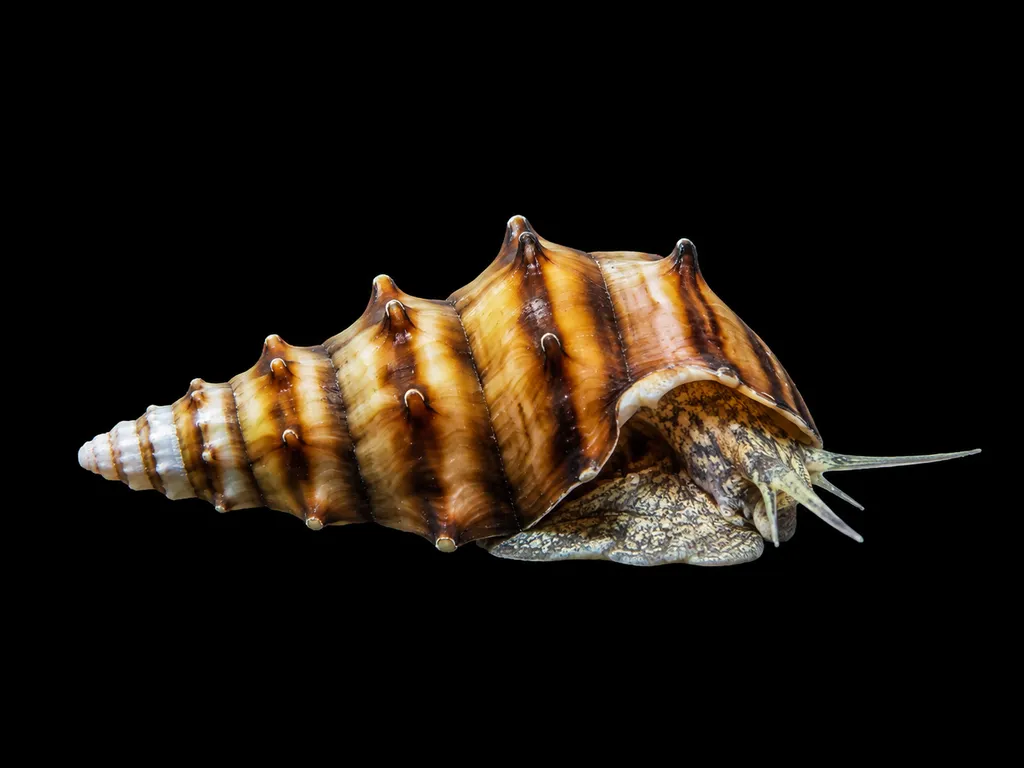 2.4 in (6 cm)5 gal (20 L)72–82°F (22–28°C)
Pagoda snail
Brotia pagodula
2.4 in (6 cm) · 5 gal (20 L)
 2 in (5 cm)11 gal (40 L)73–82°F (23–28°C)
Chopstick snail
Stenomelania torulosa
2 in (5 cm) · 11 gal (40 L)