Pagoda snail
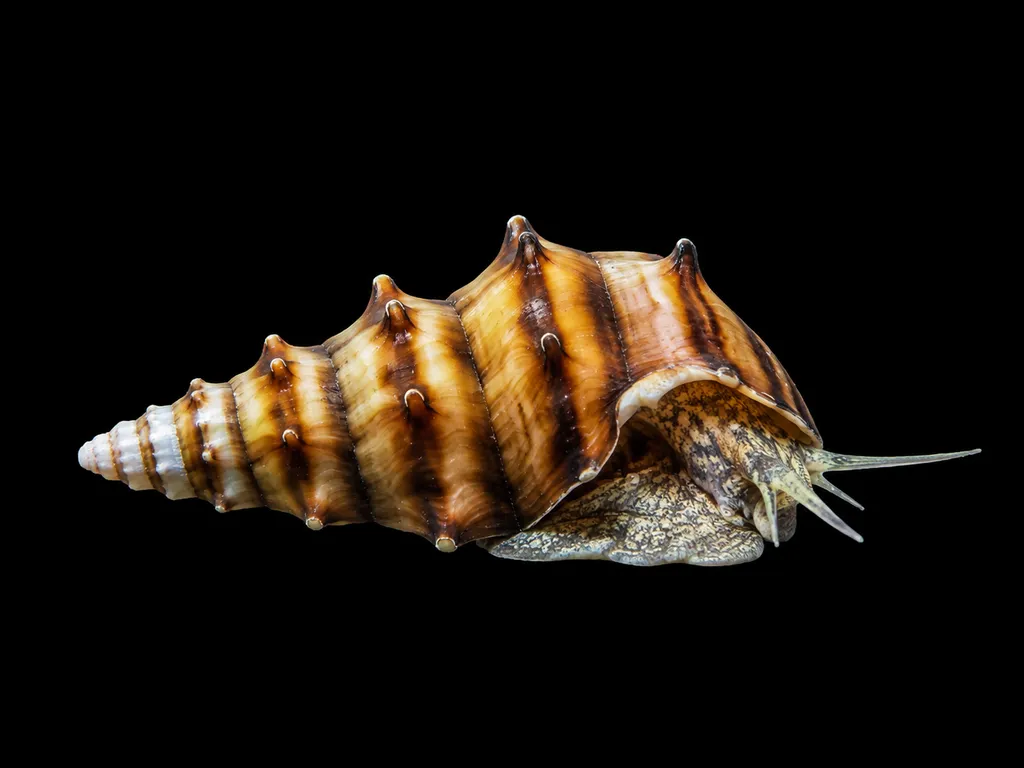
Brotia pagodula
FreshwaterSnail
Care at a glance
- Temperature
- 72–82°F
- 22–28°C
- pH
- 6.8–8.0
- Adult size
- 2.4 in
- 6 cm
- Minimum tank
- 5 gal
- 20 L
- Temperament
- Peaceful
- Social behavior
- Solitary
- Swim level
- Bottom
- Difficulty
- Medium
- Breeding
- Hard
- Rarity
- Rare
- Family
- Pachychilidae
- Origin
- Thailand, Laos, Cambodia
Overview
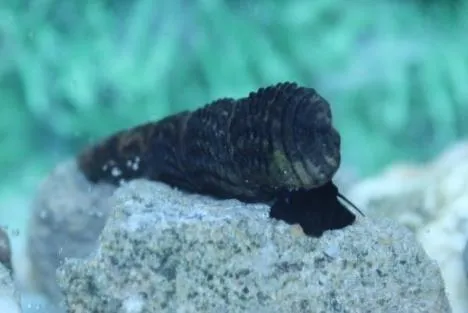
Pagoda snails are peaceful algae eaters with a dark, spiky, cone-shaped shell, and they graze slowly over rock, wood, and sand. They get along with everyone and are happy kept singly or in a small group. They are pickier than most snails about water: they want clean, oxygen-rich, well-moving water and steady, mineral-hard conditions to hold their delicate shell spikes together. Poor water and low oxygen wear them down quickly. Keep copper away, as it is toxic to snails. Offer a sandy bed and algae-covered surfaces plus algae wafers. A tank of 20 liters or more works, though bigger is steadier.
In the wild
In the wild the pagoda snail lives in fast, clear, oxygen-rich streams and rivers of mainland Southeast Asia, gripping rock and gravel in the current. A tank does best when it echoes that flow, with strong filtration or an airstone, a sandy or fine gravel bed, and firm surfaces to graze. Hold the water warm, from about 22 to 28 c, with a pH from 6.8 to 8 and a high mineral content to protect the sculptured shell. Stable, spotless water matters more to this snail than to most.
Good to know
Brotia pagodula belongs to the family Pachychilidae, a group of river snails known for heavy, sculptured shells. The pagoda snail is named for its shell, a stack of whorls ringed with sharp, tower-like spines that grows to around 3 to 6 cm. Like others in the genus it is a livebearer: studies of brooding females found just a single developing juvenile at a time. That very low output, along with its need for pristine water, is why breeding it in a tank is rated hard.
Did you know
The pagoda snail is named for its shell, which stacks whorl upon whorl into a spired tower edged with spikes, like the tiered roofs of an Asian pagoda. Older snails often lose the very tip of the spire to erosion.
Weekly picks
Tank mates
Pagoda snail is a peaceful, solitary species that keeps to the bottom. These picks share a community profile with it, are safe together in both directions, and overlap on water type, temperature and pH.
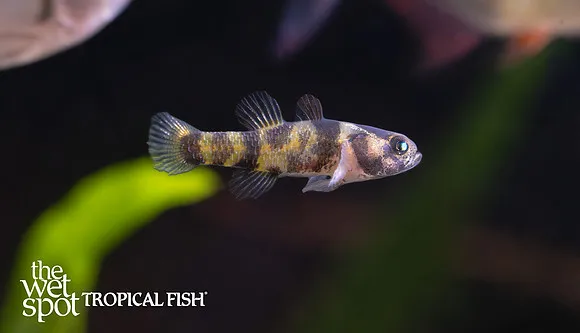
Micro bumblebee goby
Brachygobius nunus
FreshwaterBrackish1 in (2.5 cm) · 5 gal (20 L)73–82°F (23–28°C)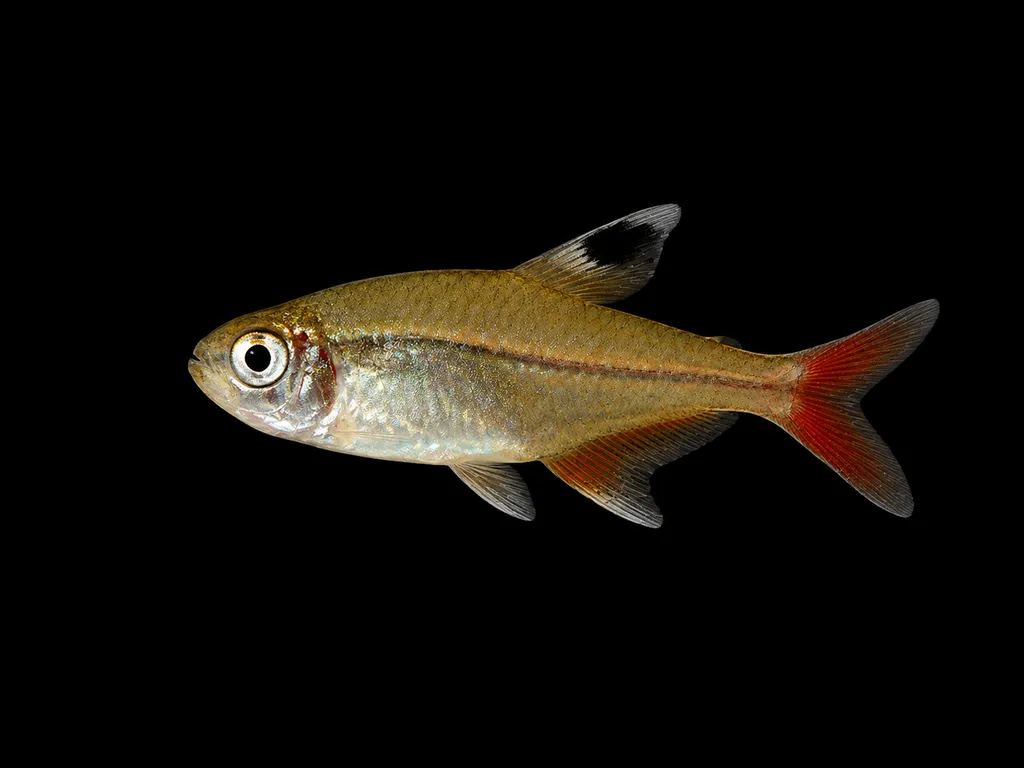
Calypso tetra
Hyphessobrycon axelrodi
Freshwater1.1 in (2.8 cm) · 10 gal (38 L)72–82°F (22–28°C)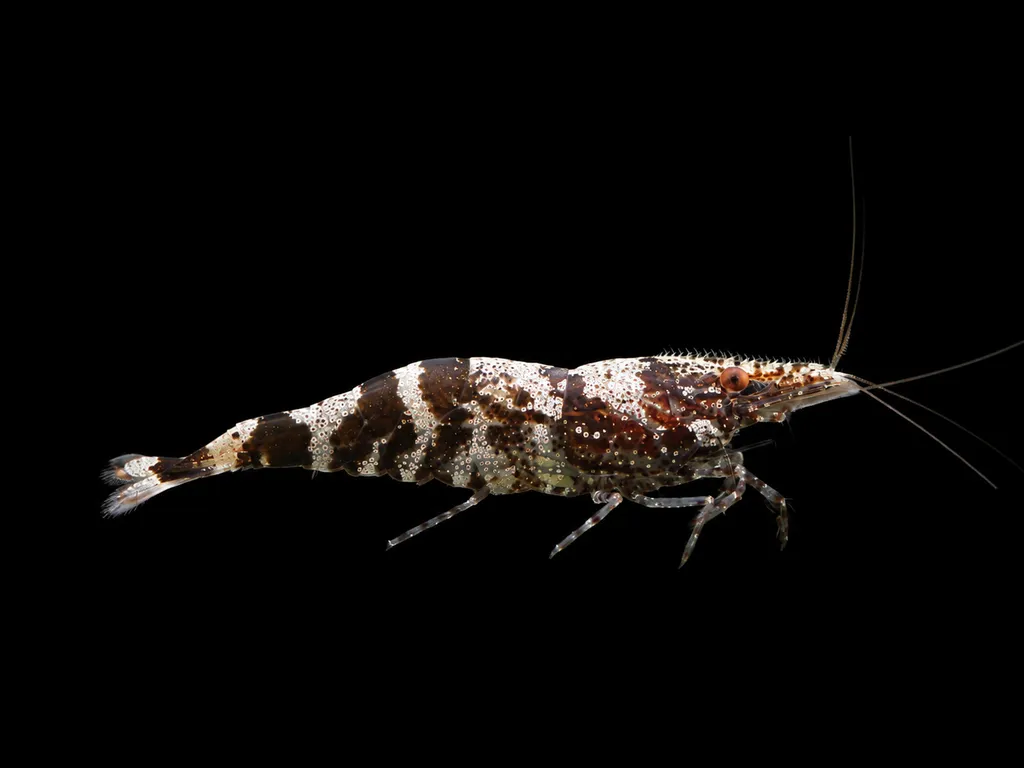
Ninja shrimp
Caridina serratirostris
Freshwater1.2 in (3 cm) · 5 gal (20 L)73–82°F (23–28°C)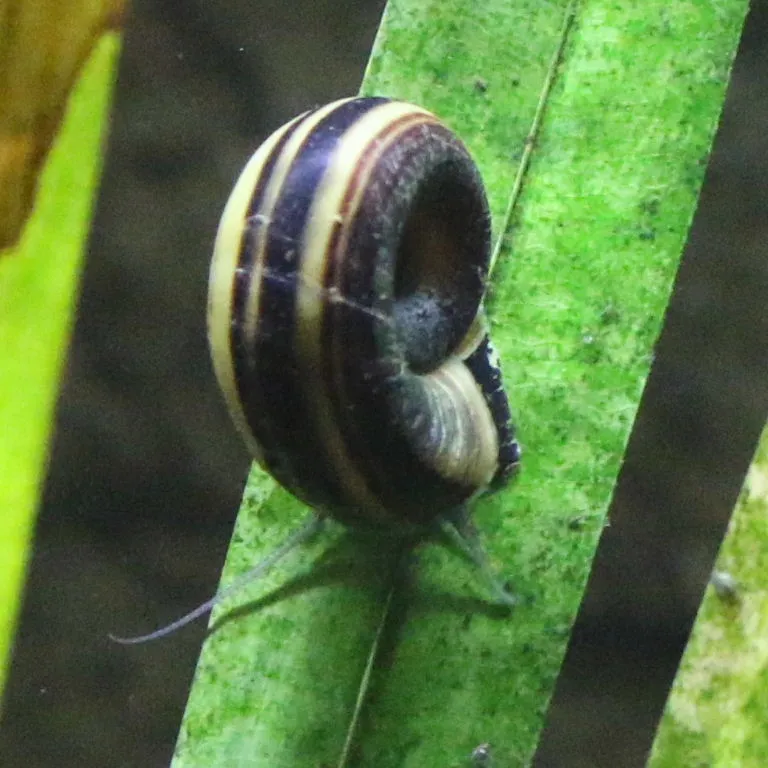
Giant Colombian ramshorn
Marisa cornuarietis
Freshwater2 in (5 cm) · 5 gal (20 L)73–81°F (23–27°C)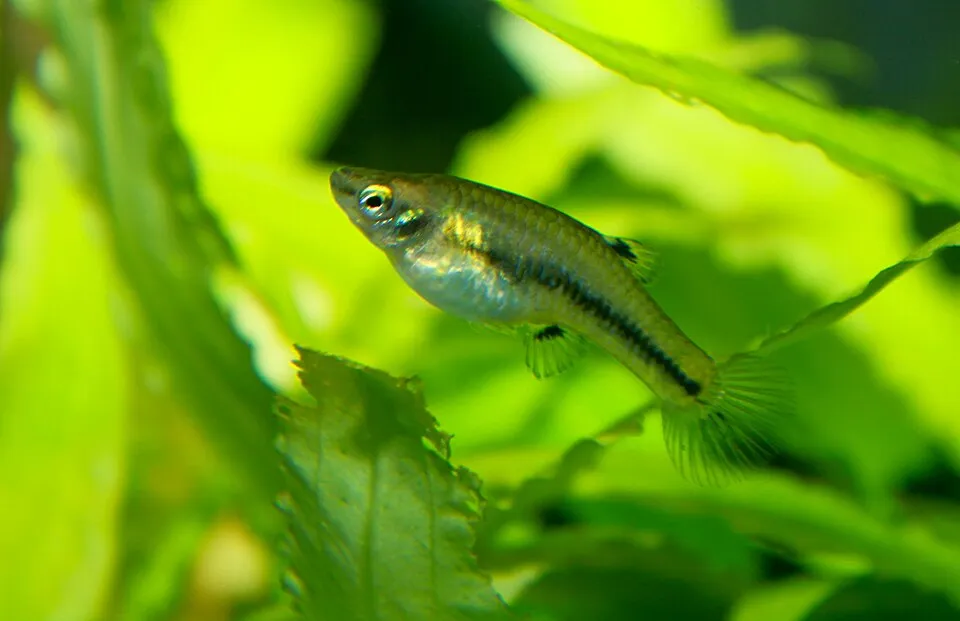
Least killifish
Heterandria formosa
FreshwaterBrackish1.4 in (3.5 cm) · 5 gal (20 L)68–79°F (20–26°C)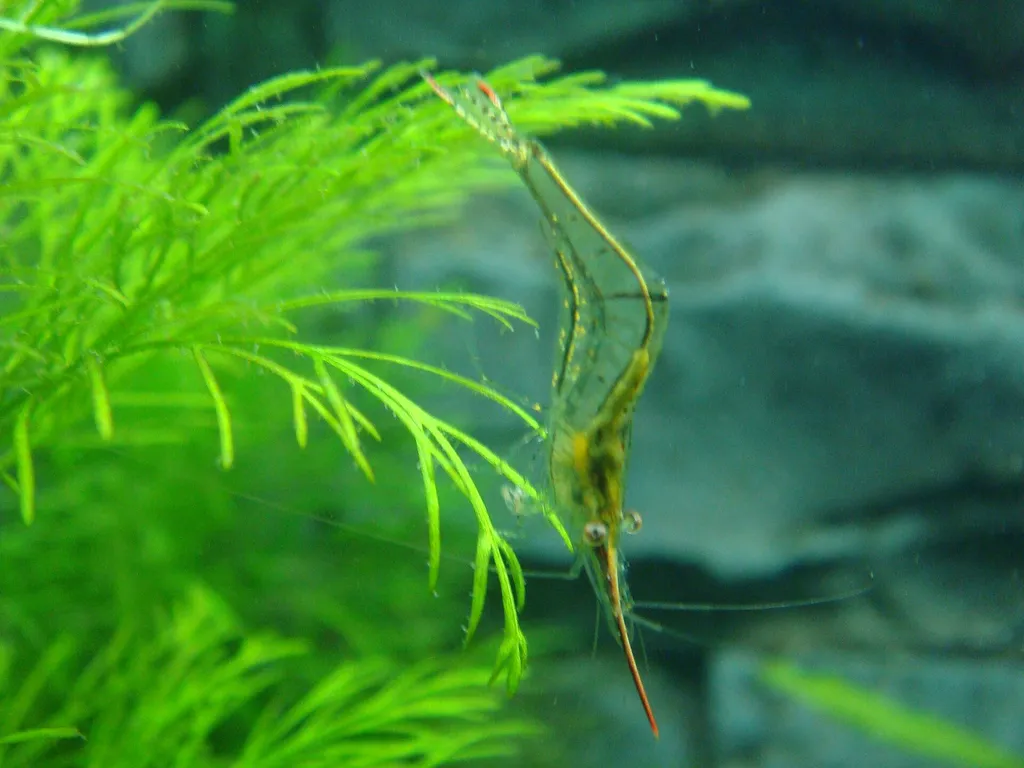
Red skunk shrimp
Caridina gracilirostris
FreshwaterBrackish1.6 in (4 cm) · 5 gal (20 L)73–82°F (23–28°C)
Common questions
What size tank does a Pagoda snail need?
A Pagoda snail needs at least 5 gal (20 L). It spends most of its time in the bottom.
What temperature and pH does a Pagoda snail need?
A Pagoda snail is comfortable at 72–82°F (22–28°C) with a pH of 6.8–8.0.
How big does a Pagoda snail get?
An adult Pagoda snail reaches about 2.4 in (6 cm).
Related species
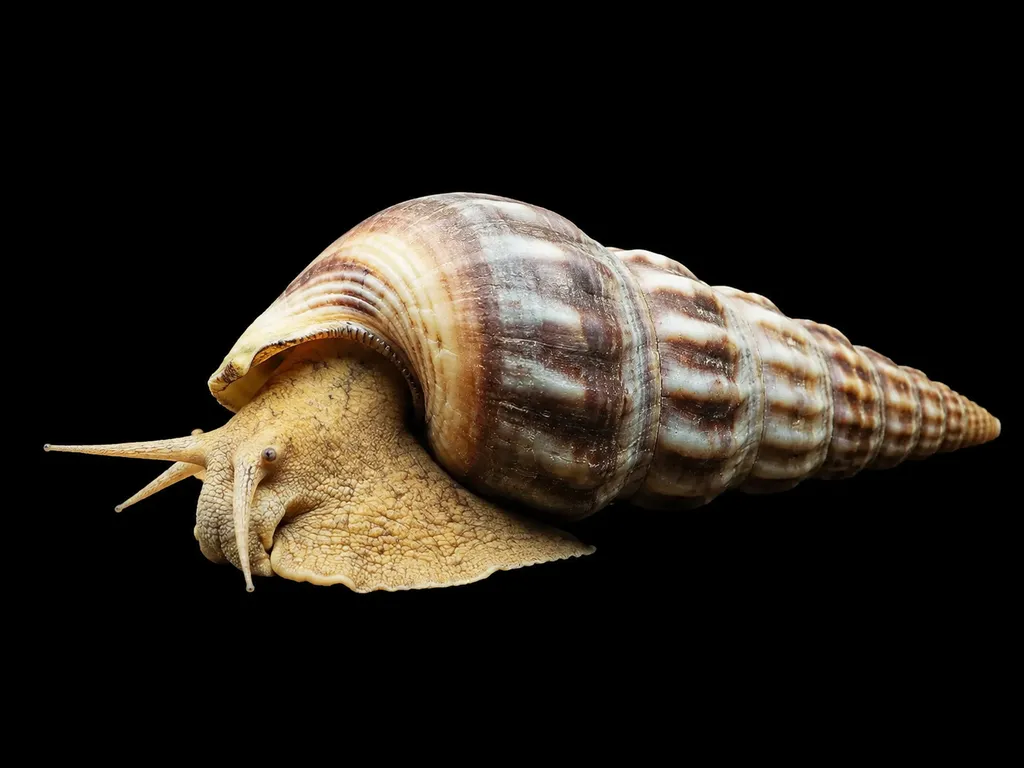 3.1 in (8 cm)11 gal (40 L)73–82°F (23–28°C)
Hercules snail
Brotia herculea
3.1 in (8 cm) · 11 gal (40 L)
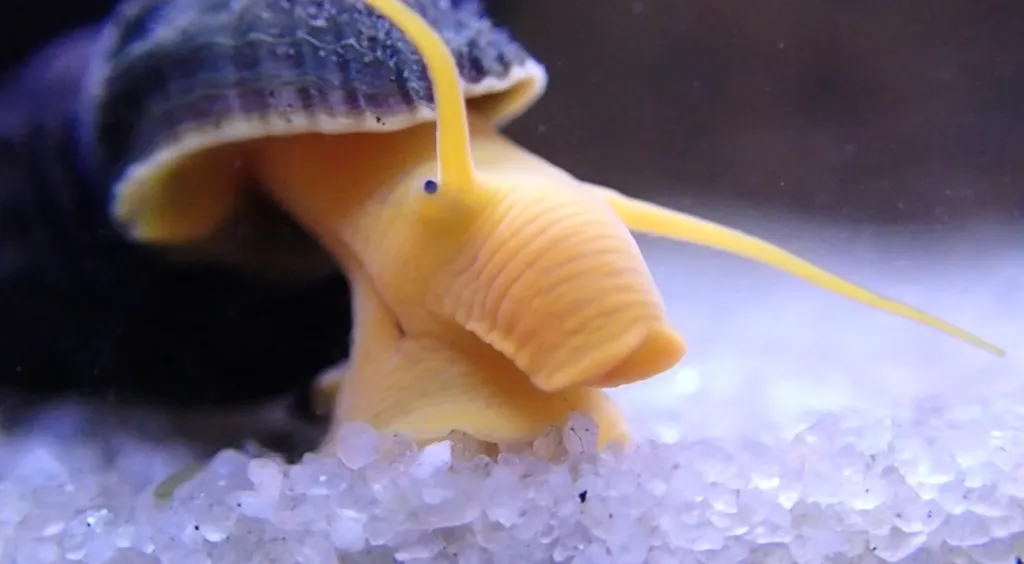 2.8 in (7 cm)16 gal (60 L)75–82°F (24–28°C)
Gold rabbit snail
Tylomelania gemmifera
2.8 in (7 cm) · 16 gal (60 L)
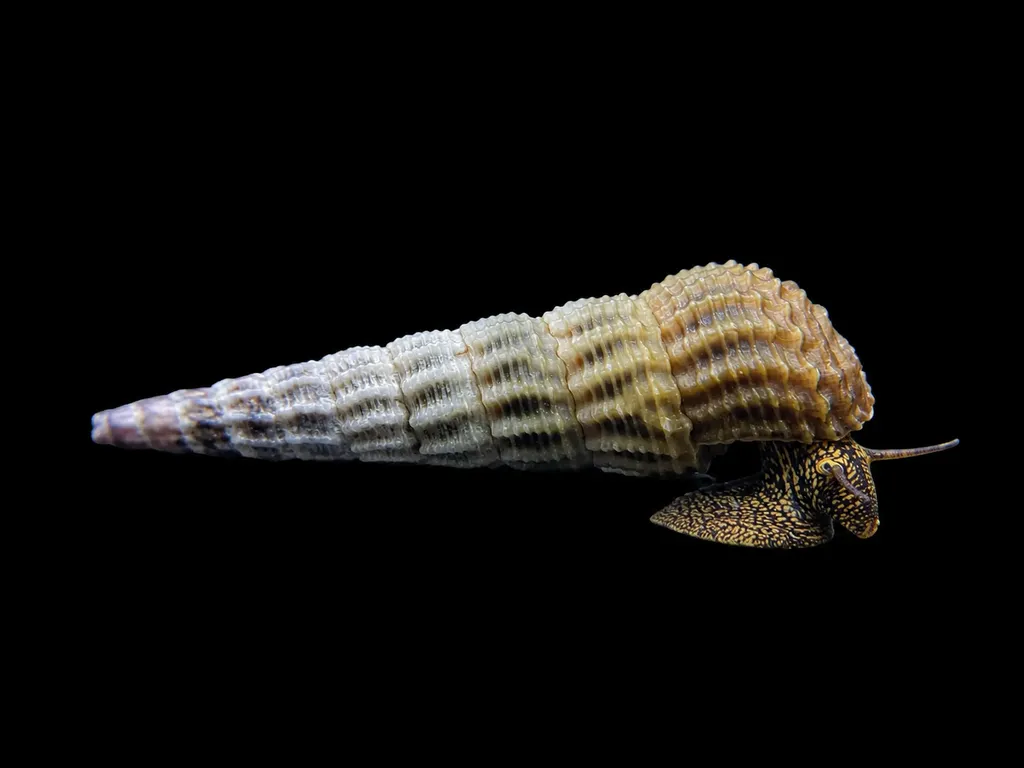 2 in (5 cm)11 gal (40 L)77–86°F (25–30°C)
Himalayan rabbit snail
Tylomelania marwotoae
2 in (5 cm) · 11 gal (40 L)
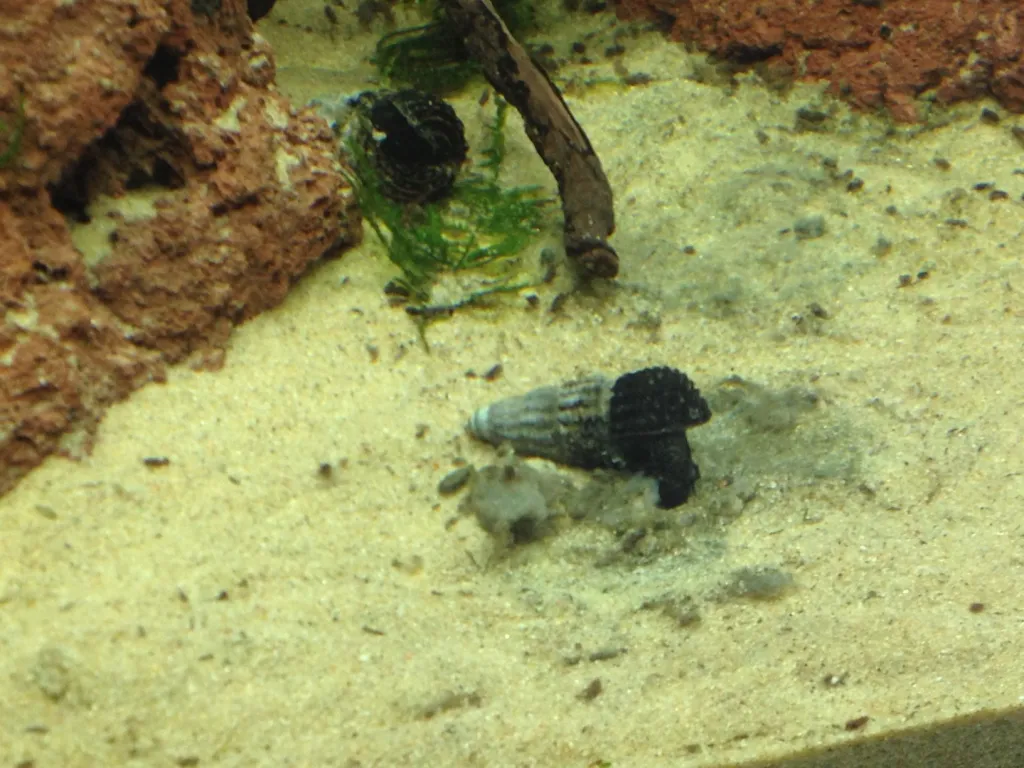 2 in (5 cm)5 gal (20 L)75–86°F (24–30°C)
Triangle rabbit snail
Tylomelania sinabartfeldi
2 in (5 cm) · 5 gal (20 L)
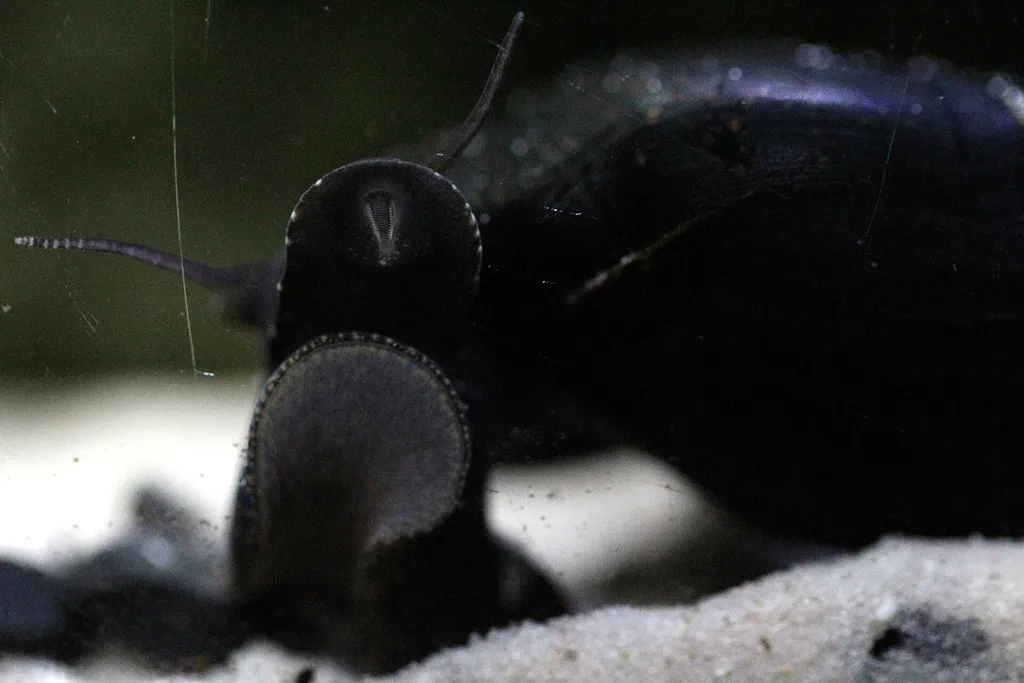 3.9 in (10 cm)13 gal (50 L)72–86°F (22–30°C)
Black devil snail
Faunus ater
3.9 in (10 cm) · 13 gal (50 L)
 4.3 in (11 cm)16 gal (60 L)75–84°F (24–29°C)
White spotted rabbit snail
Tylomelania towutica
4.3 in (11 cm) · 16 gal (60 L)