Daisy's ricefish
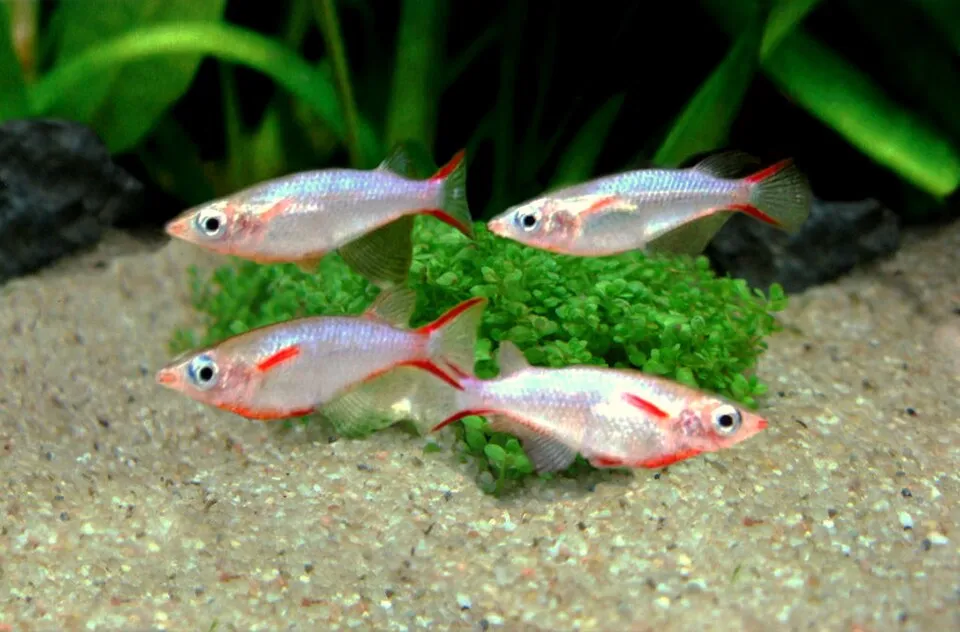
Oryzias woworae
FreshwaterFish
Care at a glance
- Temperature
- 73–81°F
- 23–27°C
- pH
- 7.0–8.0
- Adult size
- 1.2 in
- 3 cm
- Minimum tank
- 9 gal
- 35 L
- Temperament
- Peaceful
- Social behavior
- Schooling
- Swim level
- Middle
- Difficulty
- Medium
- Breeding
- Medium
- Rarity
- Rare
- Family
- Adrianichthyidae
- Origin
- Muna Island
Overview
Keep it in a group of six or more in a tank of about 35 liters, since it shoals and shows better behavior in numbers. It holds the middle and upper water and is peaceful, so it suits a quiet nano community. Keep it in the mid 20s C with a neutral to slightly alkaline pH. Feed small foods such as fine flake, micro-pellet, and little live or frozen items.
In the wild
Daisy's ricefish comes from Muna Island off Sulawesi, Indonesia, living in shallow, clear, slow-moving water. Unlike many Amazon fish, it sits at a neutral to slightly alkaline pH rather than soft and acidic. A small planted tank with calm flow and some open surface space fits it well. Stable, clean water matters more than chasing exotic parameters.
Good to know
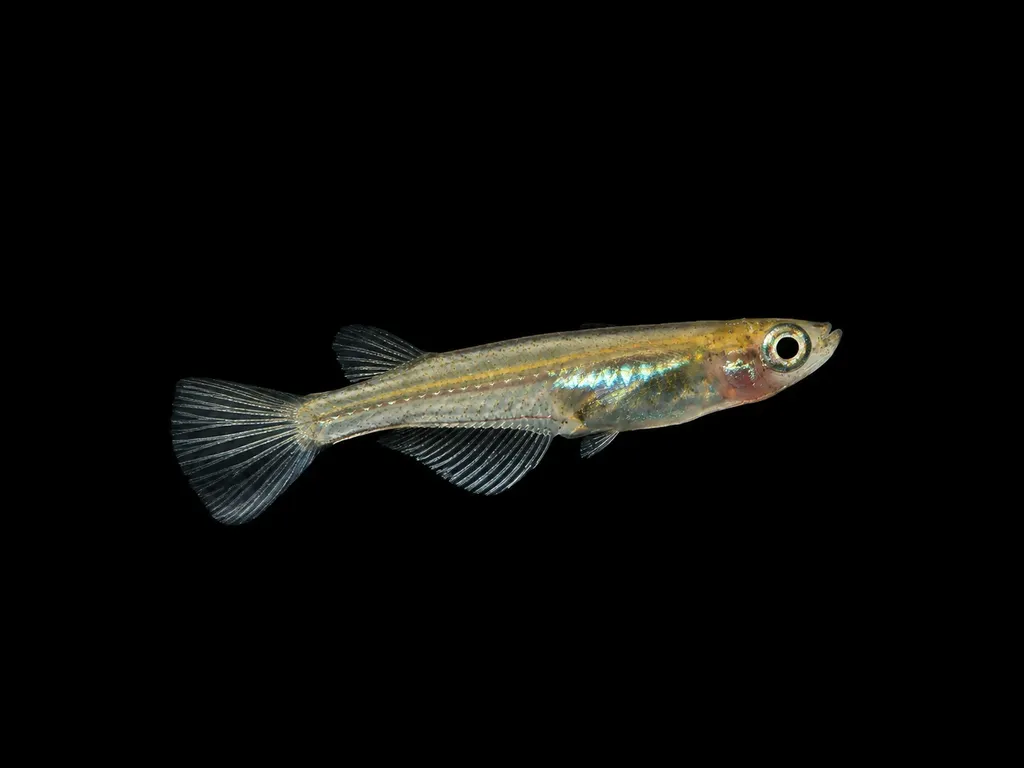
This is a small ricefish in the family Adrianichthyidae, topping out around 3 cm. It was described fairly recently and named for Daisy Wowor, an Indonesian carcinologist. Males are more colorful with longer fins, and like other ricefish it carries its eggs and scatters them onto plants.
Did you know
Males flush with electric blue and red along the body and fins, but mostly when they are displaying to each other or to females. In a group you get an ongoing low-key show as the males posture for position.
Weekly picks
Tank mates
Daisy's ricefish is a peaceful, schooling species that keeps to the middle. These picks share a community profile with it, are safe together in both directions, and overlap on water type, temperature and pH.
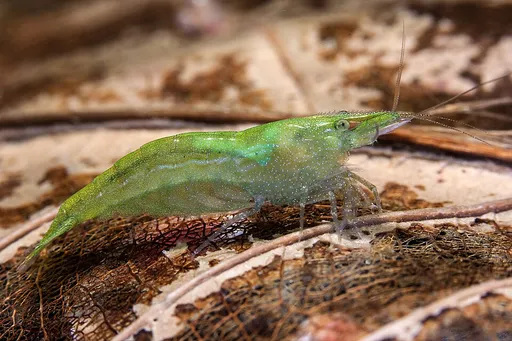
Green babaulti shrimp
Caridina babaulti
Freshwater1.2 in (3 cm) · 10 gal (38 L)72–82°F (22–28°C)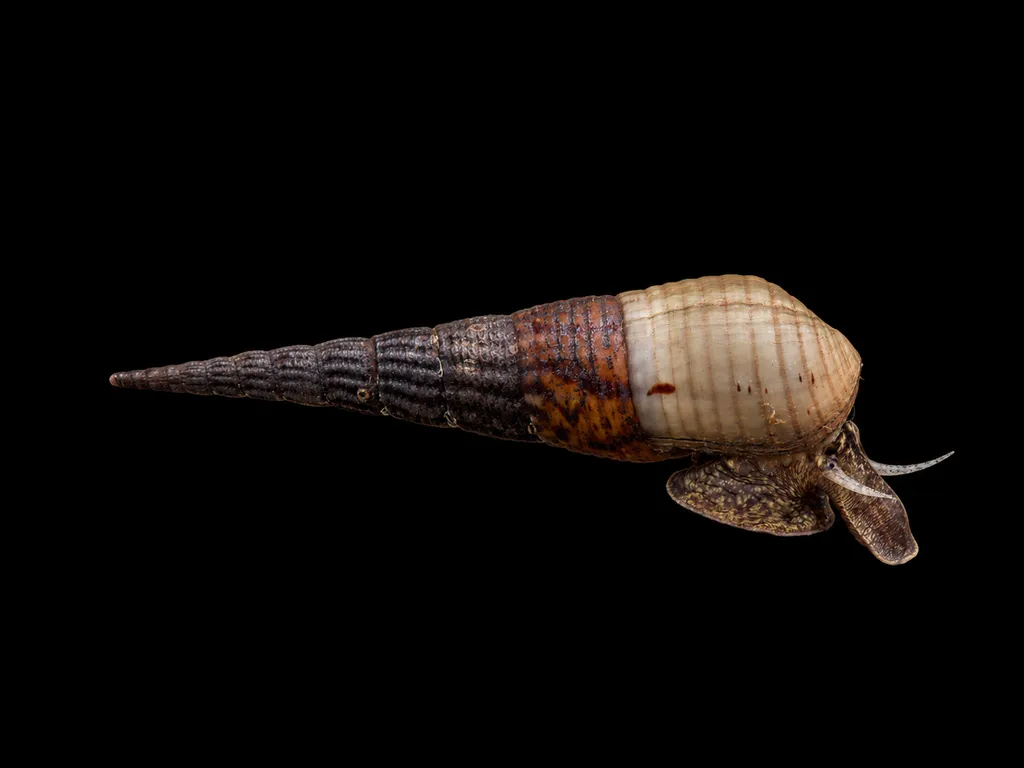
Chopstick snail
Stenomelania torulosa
Freshwater2 in (5 cm) · 11 gal (40 L)73–82°F (23–28°C)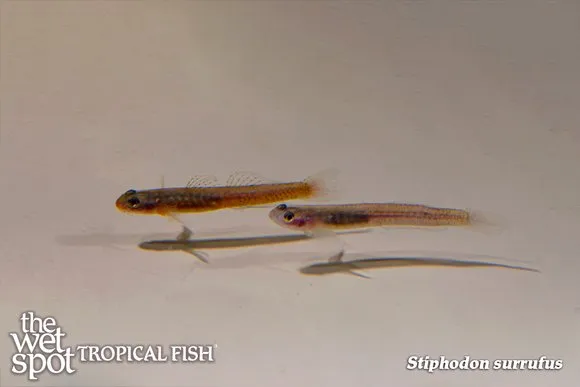
Birdsong goby
Stiphodon surrufus
Freshwater1 in (2.5 cm) · 11 gal (40 L)73–81°F (23–27°C)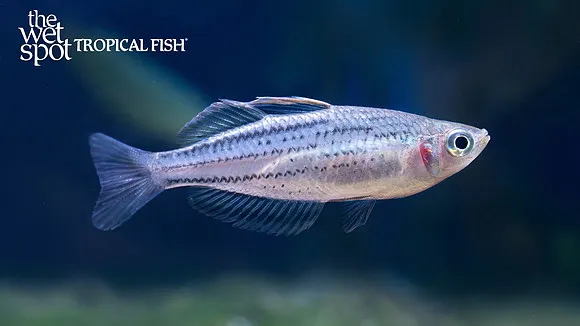
Green panchax
Aplocheilus blockii
Freshwater2 in (5 cm) · 11 gal (40 L)72–82°F (22–28°C)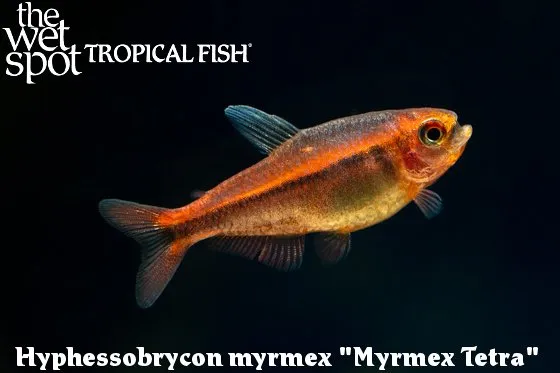
Ant tetra
Hyphessobrycon myrmex
Freshwater1.1 in (2.9 cm) · 10 gal (38 L)72–81°F (22–27°C)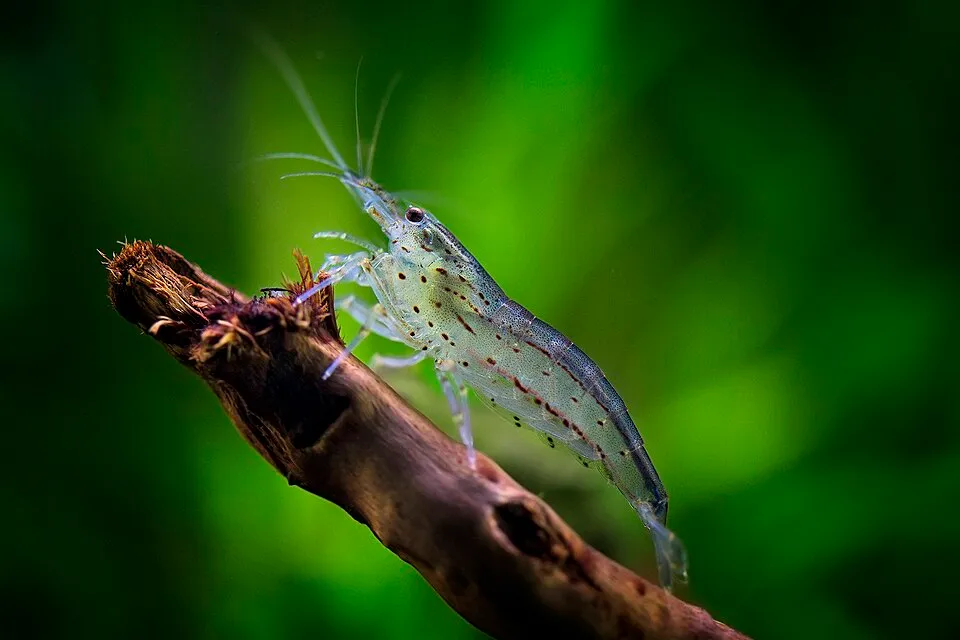
Amano shrimp
Caridina multidentata
FreshwaterBrackish2 in (5 cm) · 8 gal (30 L)59–81°F (15–27°C)
Common questions
What size tank does a Daisy's ricefish need?
A Daisy's ricefish needs at least 9 gal (35 L). It spends most of its time in the middle.
What temperature and pH does a Daisy's ricefish need?
A Daisy's ricefish is comfortable at 73–81°F (23–27°C) with a pH of 7.0–8.0.
How big does a Daisy's ricefish get?
An adult Daisy's ricefish reaches about 1.2 in (3 cm).
Does a Daisy's ricefish need a group?
Yes. A Daisy's ricefish is a schooling species and should be kept in a group, not singly.
Related species
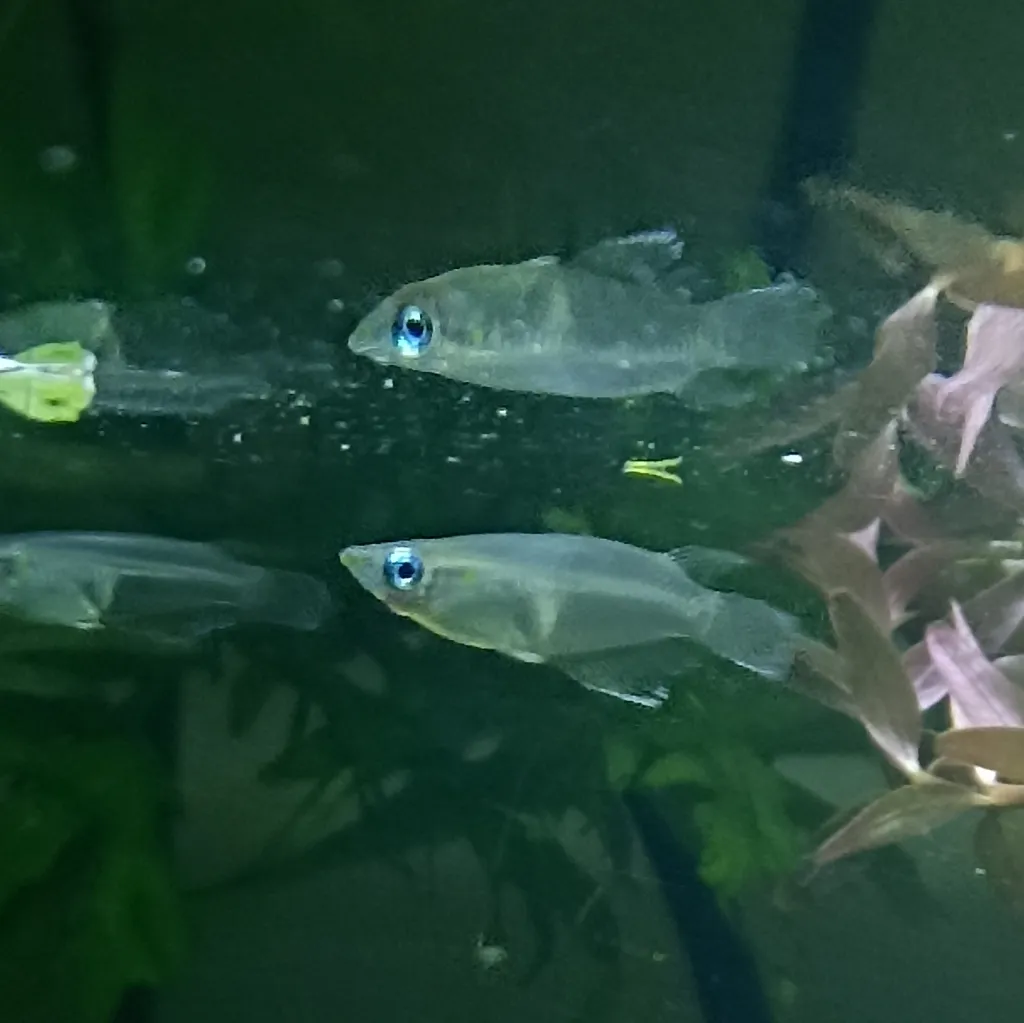
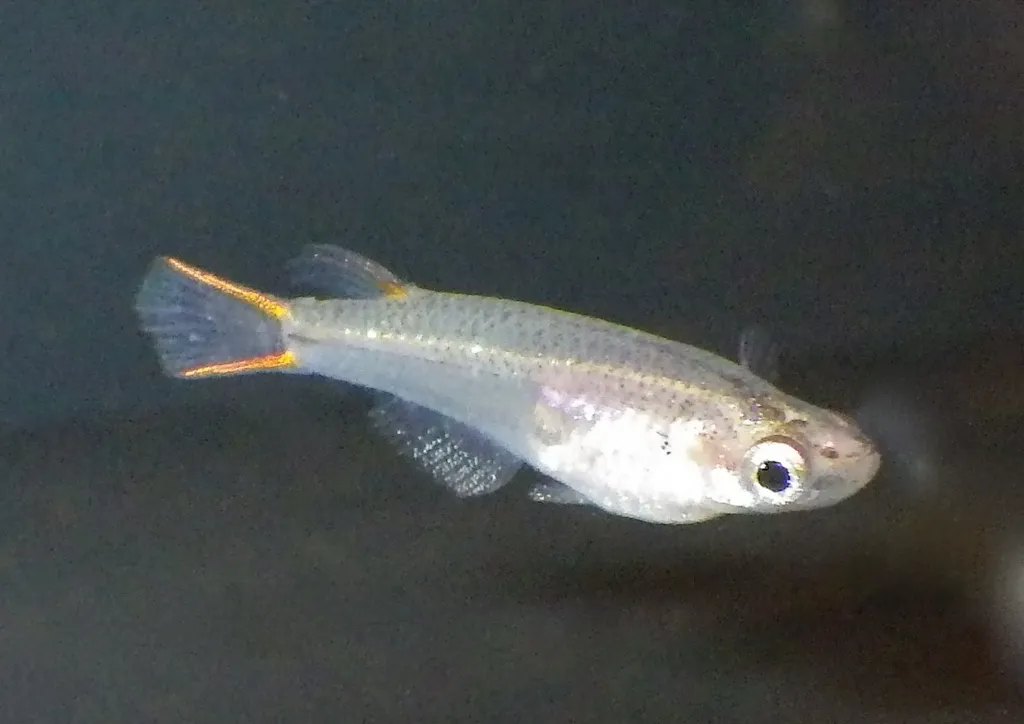 1.2 in (3 cm)11 gal (40 L)72–79°F (22–26°C)
Mekong ricefish
Oryzias mekongensis
1.2 in (3 cm) · 11 gal (40 L)
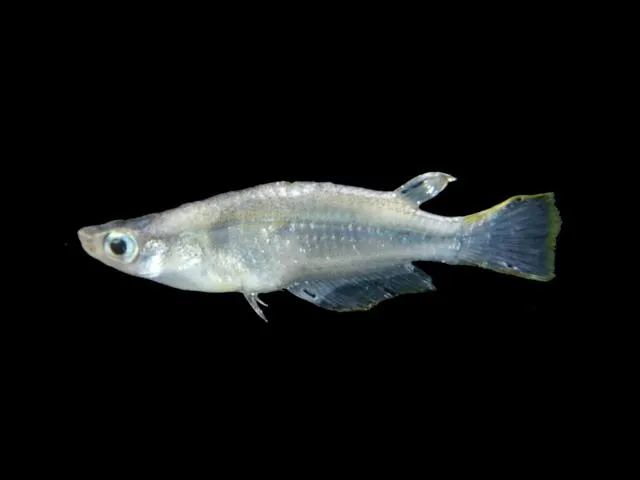
 1.4 in (3.5 cm)14 gal (54 L)72–79°F (22–26°C)
Indian ricefish
Oryzias dancena
1.4 in (3.5 cm) · 14 gal (54 L)
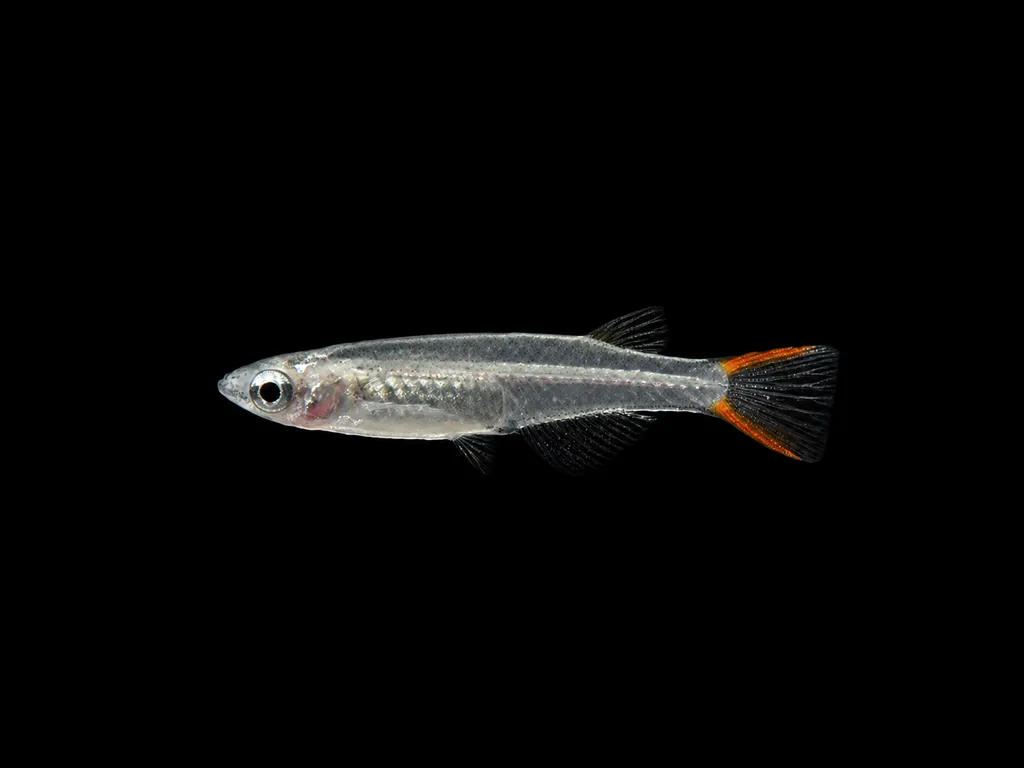
 1.4 in (3.5 cm)11 gal (40 L)75–84°F (24–29°C)
Javanese ricefish
Oryzias javanicus
1.4 in (3.5 cm) · 11 gal (40 L)
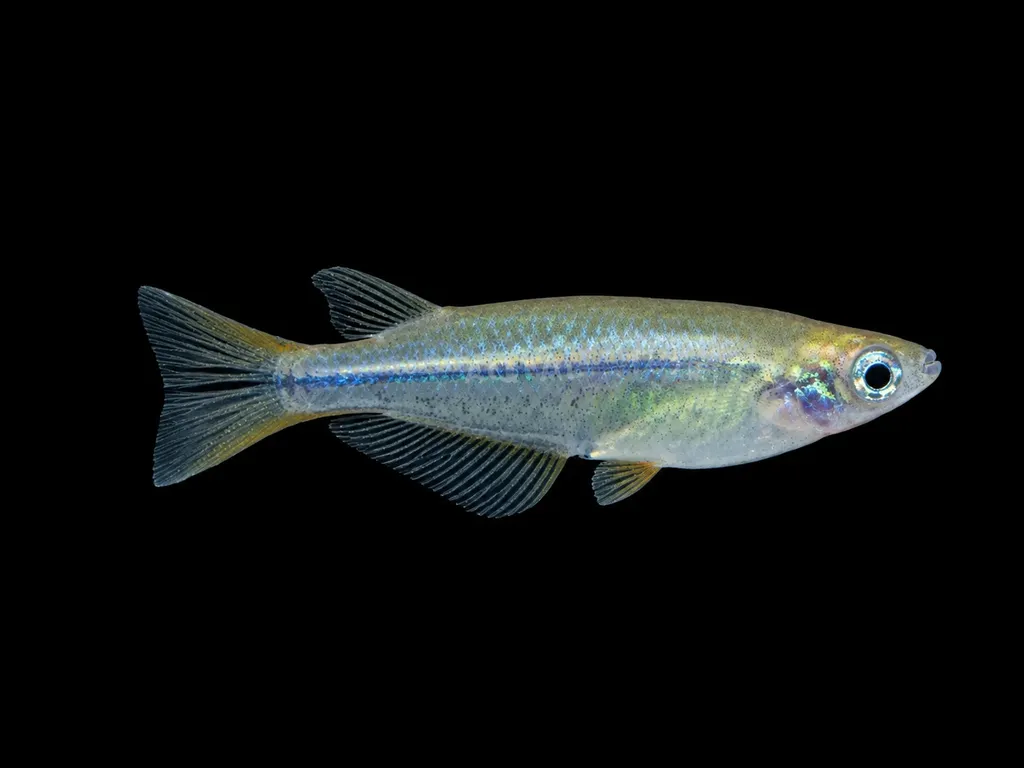
 1 in (2.5 cm)11 gal (40 L)72–79°F (22–26°C)
Songkhram ricefish
Oryzias songkhramensis
1 in (2.5 cm) · 11 gal (40 L)
 1.8 in (4.5 cm)14 gal (54 L)72–79°F (22–26°C)
Celebes ricefish
Oryzias celebensis
1.8 in (4.5 cm) · 14 gal (54 L)
 0.8 in (2 cm)5 gal (20 L)72–79°F (22–26°C)
Dwarf medaka
Oryzias minutillus
0.8 in (2 cm) · 5 gal (20 L)