Javanese ricefish
Oryzias javanicus
FreshwaterFish
Care at a glance
- Temperature
- 75–84°F
- 24–29°C
- pH
- 6.0–7.5
- Adult size
- 1.4 in
- 3.5 cm
- Minimum tank
- 11 gal
- 40 L
- Temperament
- Peaceful
- Social behavior
- Schooling
- Swim level
- Middle
- Difficulty
- Medium
- Breeding
- Hard
- Rarity
- Rare
- Family
- Adrianichthyidae
- Origin
- Thailand, Sunda Islands
Overview
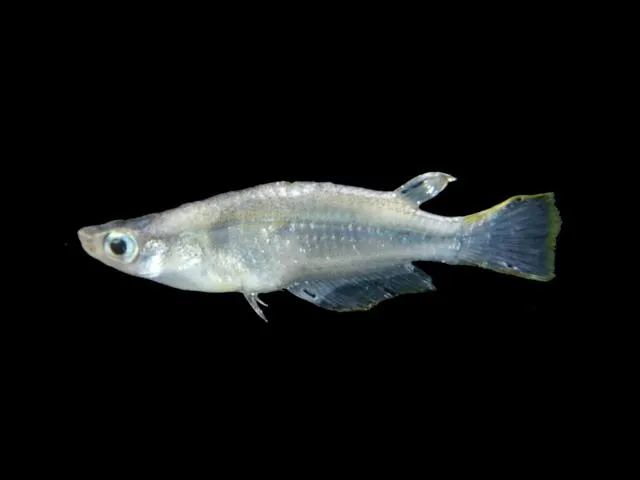
Keep a group of at least six in a tank of around 40 liters, since these are small, social surface-feeders. They sit in the upper water and pick at small foods, so offer fine flake, micro-pellets, and small live or frozen items like daphnia and baby brine shrimp. Gentle filtration and floating or fine-leaved plants suit them. Only house them with other tiny, peaceful fish, since anything bigger will outcompete or eat them.
In the wild
The Javanese ricefish lives in shallow, slow water across Thailand and the Sunda Islands, from rice paddies and ditches to estuaries, and tolerates fresh through slightly brackish conditions. These spots are warm, planted, and soft-bottomed. A small planted tank with gentle flow suits it, with a pH from 6 to 7.5 and temps in the mid to upper 20s C. A touch of salt is optional, not required.
Good to know
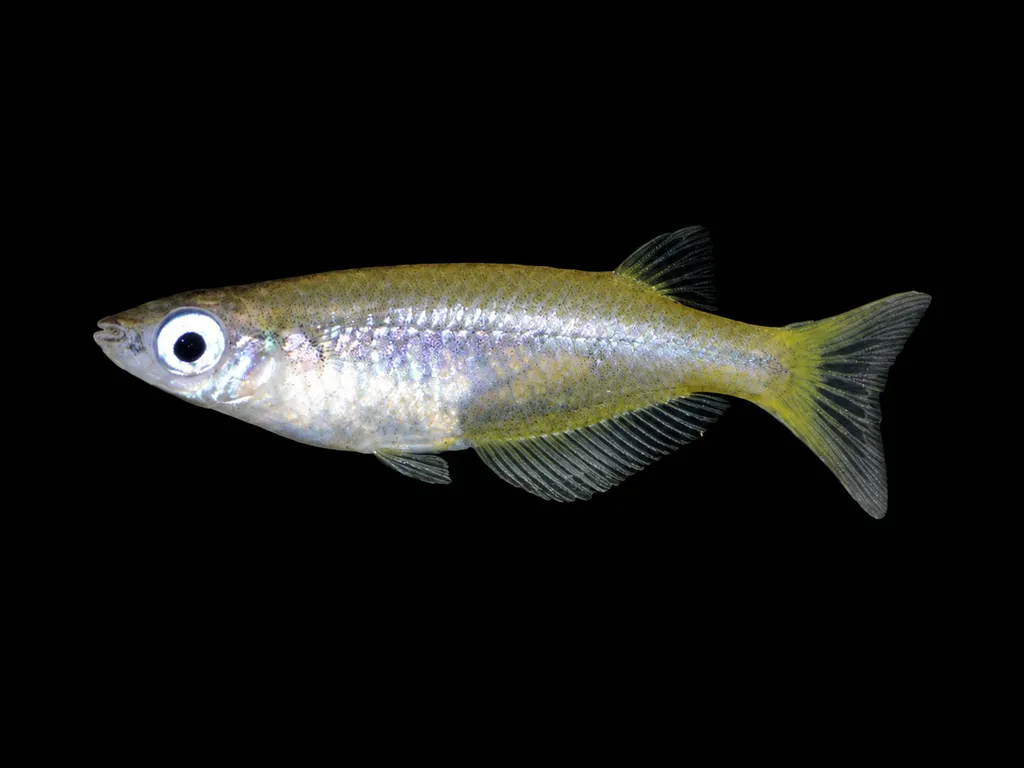
Oryzias javanicus is in the family Adrianichthyidae, the ricefishes and medakas, and stays tiny at about 3.5 cm. The body is near-transparent with a faint silvery or yellow cast. It is an egg layer with a distinctive habit: the female carries a cluster of eggs near her vent for a while before attaching them to plants. Habitat loss is the main pressure, though it isn't formally listed as threatened.
Did you know
The female doesn't lay and leave. She swims around with a bunch of fertilized eggs trailing from her belly, then brushes them off onto plants once they are ready, which is fun to watch in a quiet tank.
Weekly picks
Tank mates
Javanese ricefish is a peaceful, schooling species that keeps to the middle. These picks share a community profile with it, are safe together in both directions, and overlap on water type, temperature and pH.
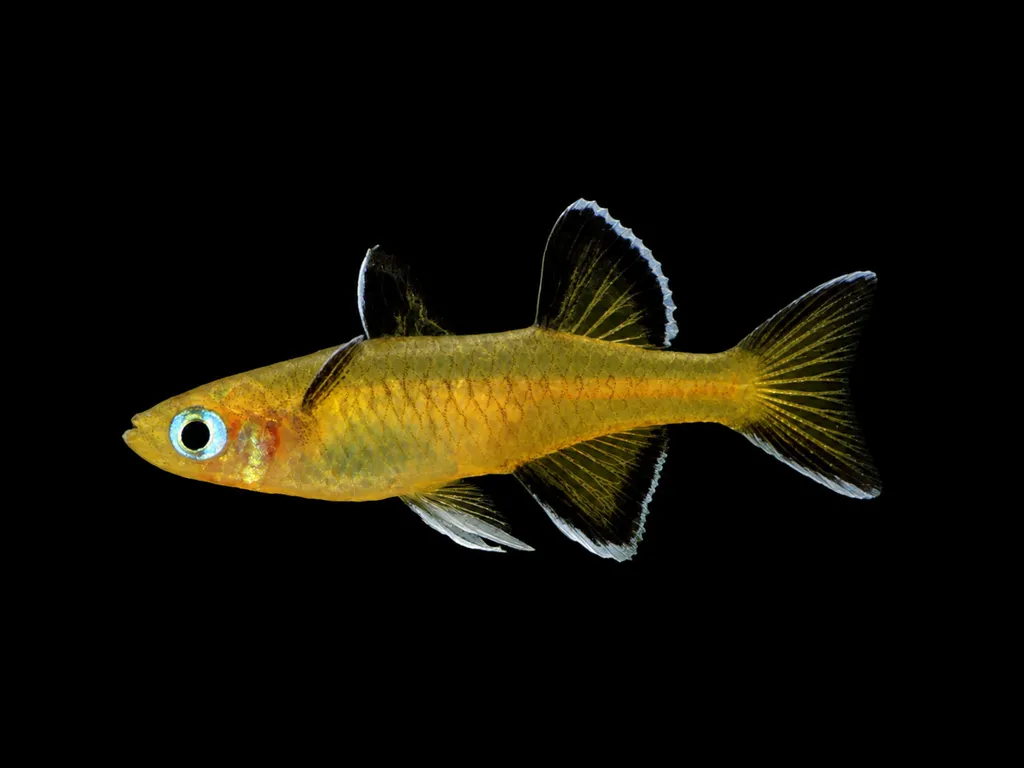
Honey blue-eye
Pseudomugil mellis
Freshwater1.4 in (3.5 cm) · 11 gal (40 L)68–82°F (20–28°C)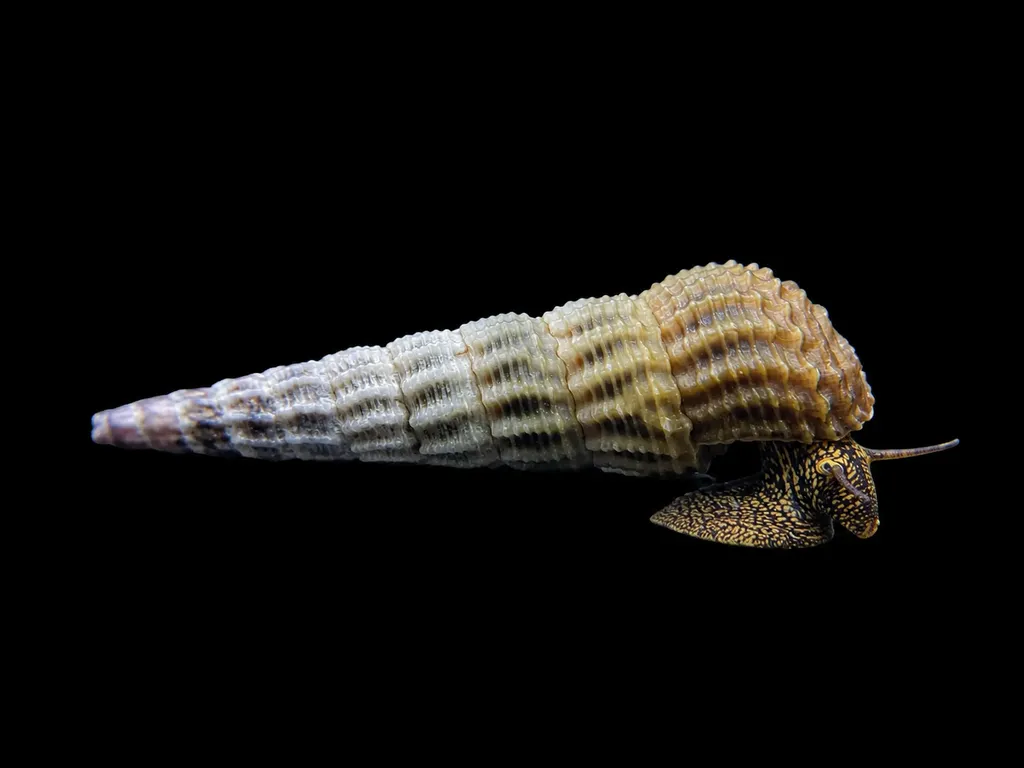
Himalayan rabbit snail
Tylomelania marwotoae
Freshwater2 in (5 cm) · 11 gal (40 L)77–86°F (25–30°C)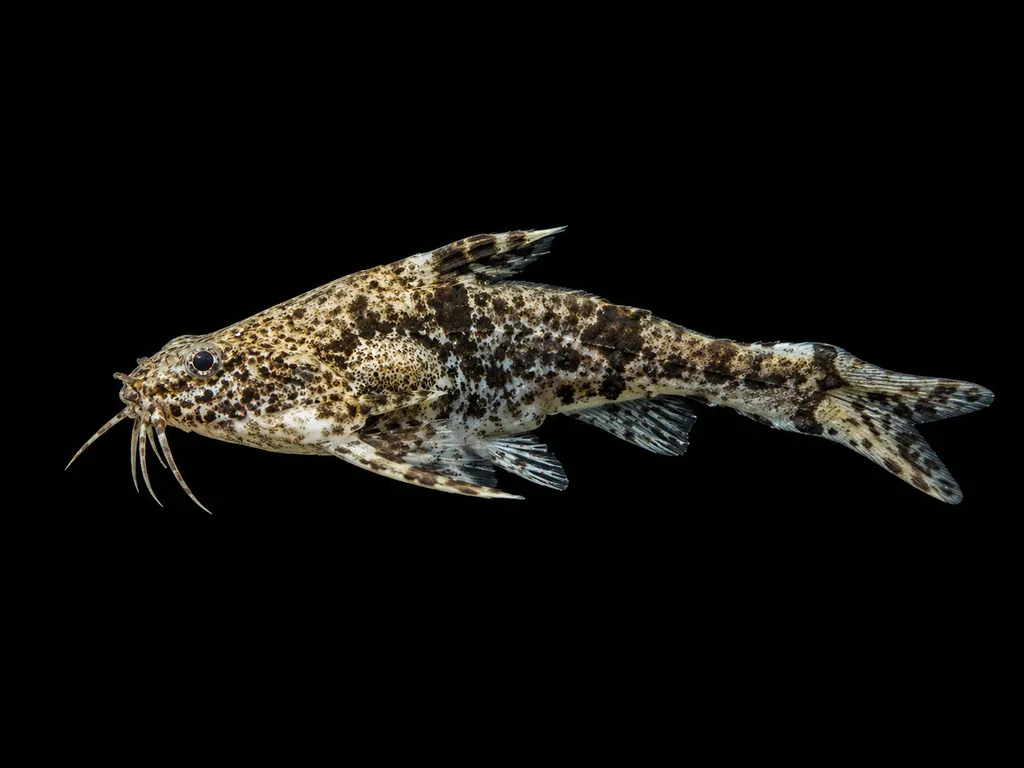
Dwarf thorny catfish
Physopyxis lyra
Freshwater1.4 in (3.5 cm) · 11 gal (40 L)73–82°F (23–28°C)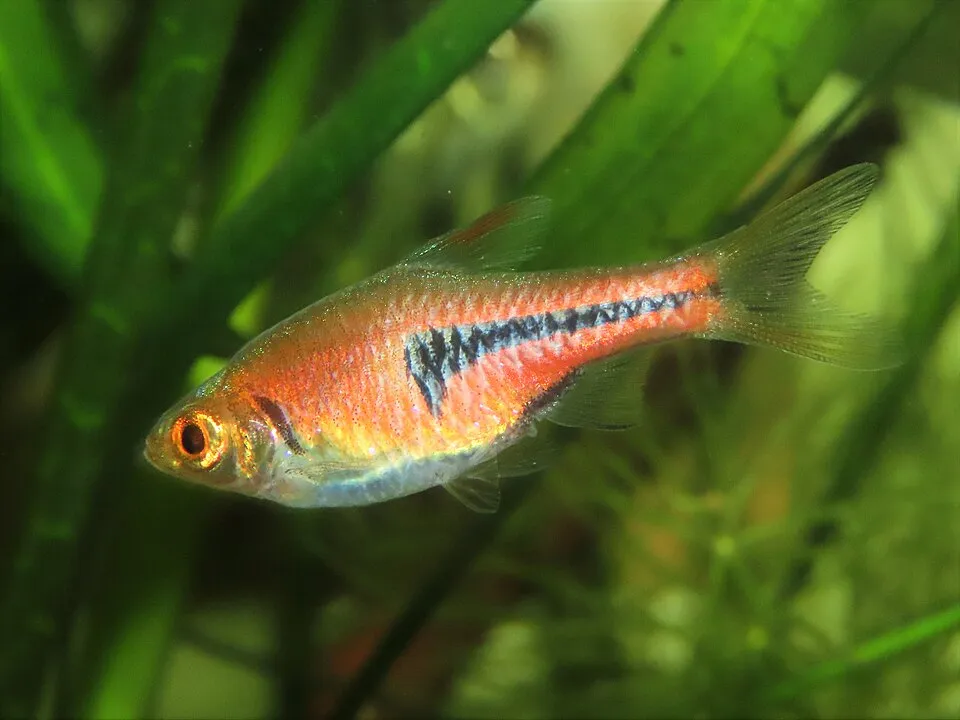
Espei rasbora
Trigonostigma espei
Freshwater1.5 in (3.8 cm) · 11 gal (40 L)73–82°F (23–28°C)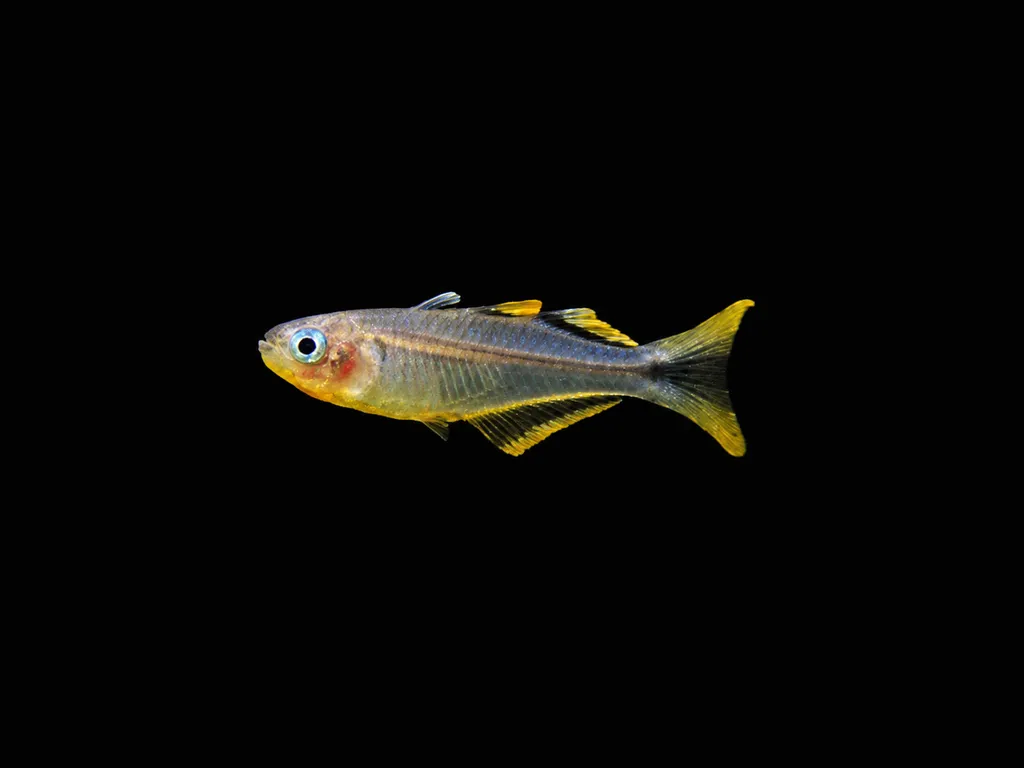
Popondetta blue-eye
Pseudomugil connieae
Freshwater2 in (5 cm) · 11 gal (40 L)75–82°F (24–28°C)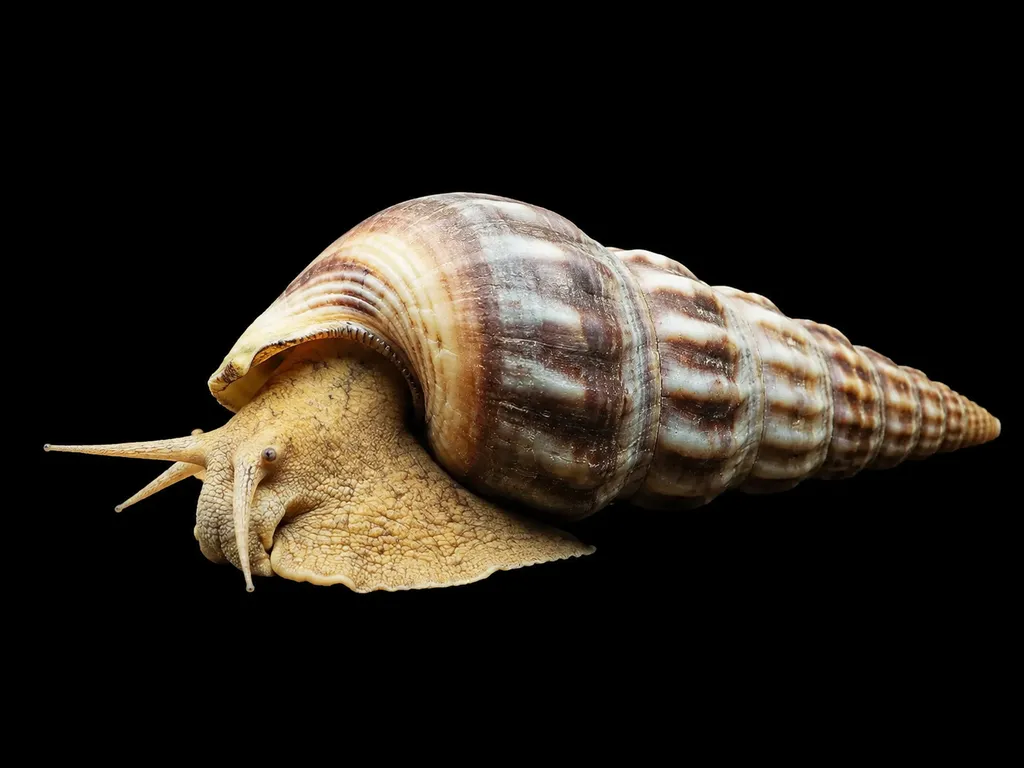
Hercules snail
Brotia herculea
Freshwater3.1 in (8 cm) · 11 gal (40 L)73–82°F (23–28°C)
Common questions
What size tank does a Javanese ricefish need?
A Javanese ricefish needs at least 11 gal (40 L). It spends most of its time in the middle.
What temperature and pH does a Javanese ricefish need?
A Javanese ricefish is comfortable at 75–84°F (24–29°C) with a pH of 6.0–7.5.
How big does a Javanese ricefish get?
An adult Javanese ricefish reaches about 1.4 in (3.5 cm).
Does a Javanese ricefish need a group?
Yes. A Javanese ricefish is a schooling species and should be kept in a group, not singly.
Related species
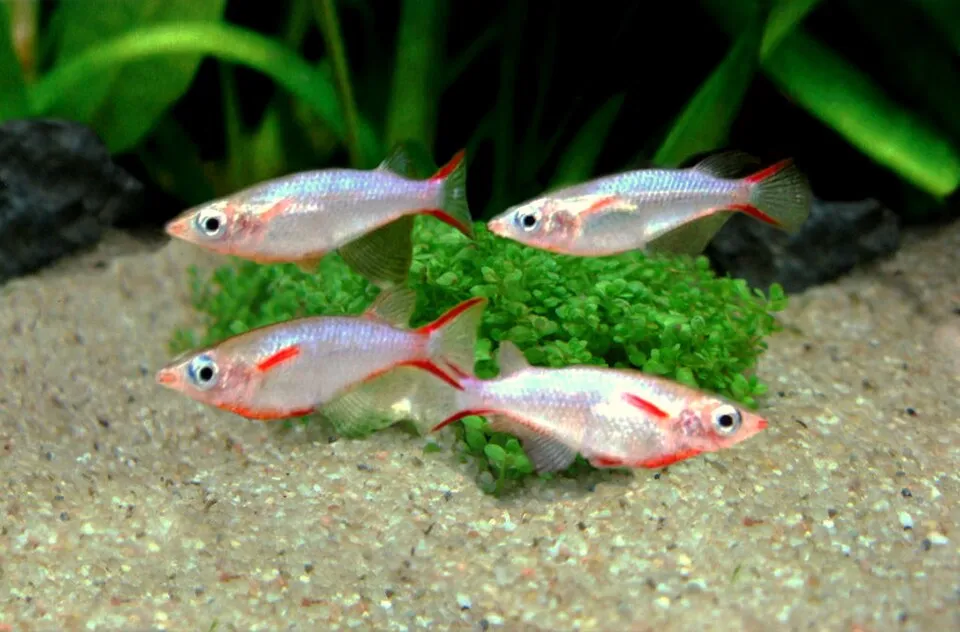
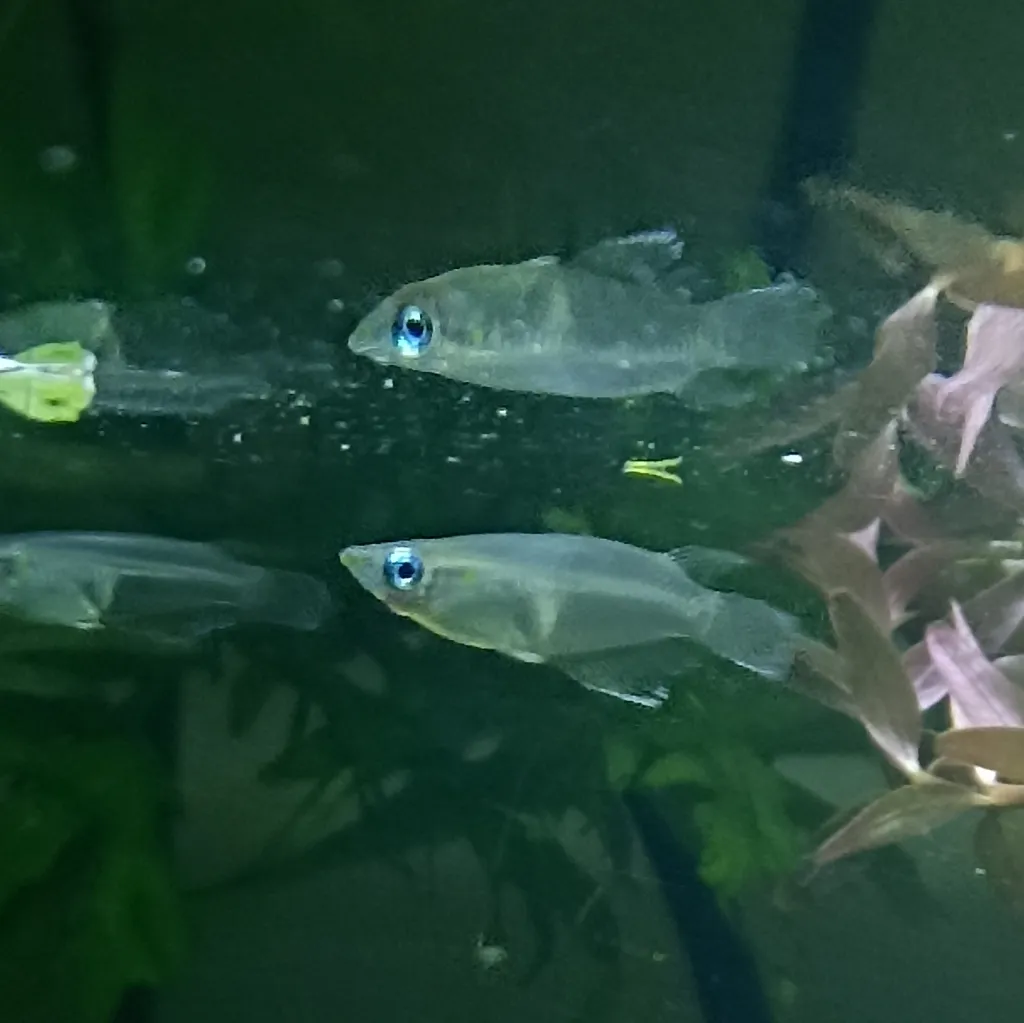 1.4 in (3.5 cm)14 gal (54 L)72–79°F (22–26°C)
Indian ricefish
Oryzias dancena
1.4 in (3.5 cm) · 14 gal (54 L)
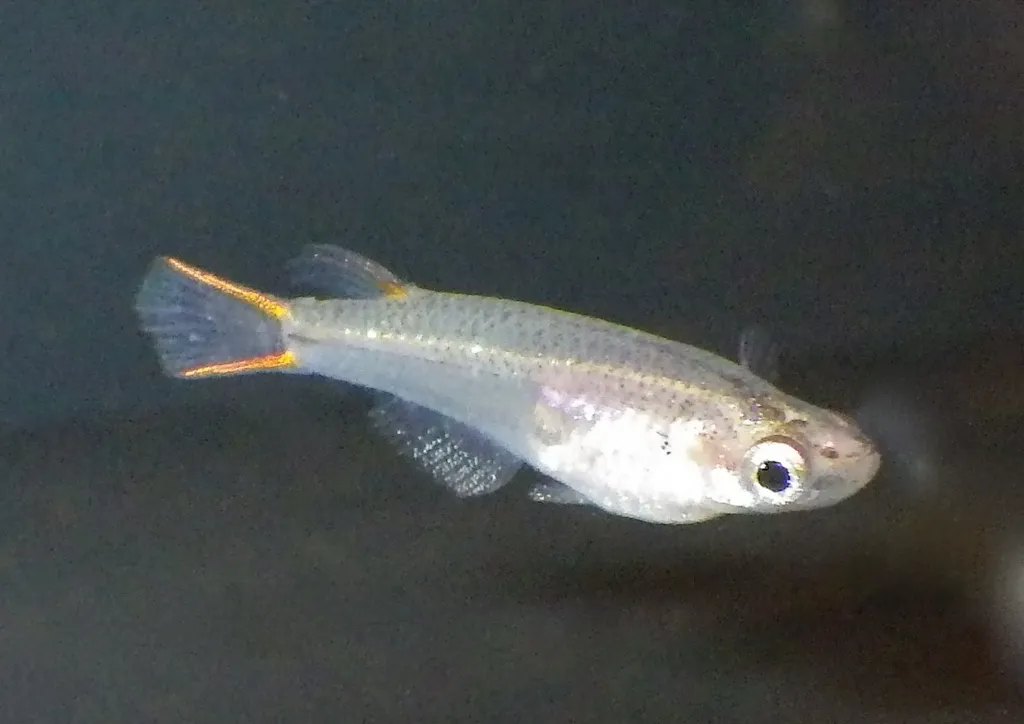
 1.2 in (3 cm)9 gal (35 L)73–81°F (23–27°C)
Daisy's ricefish
Oryzias woworae
1.2 in (3 cm) · 9 gal (35 L)
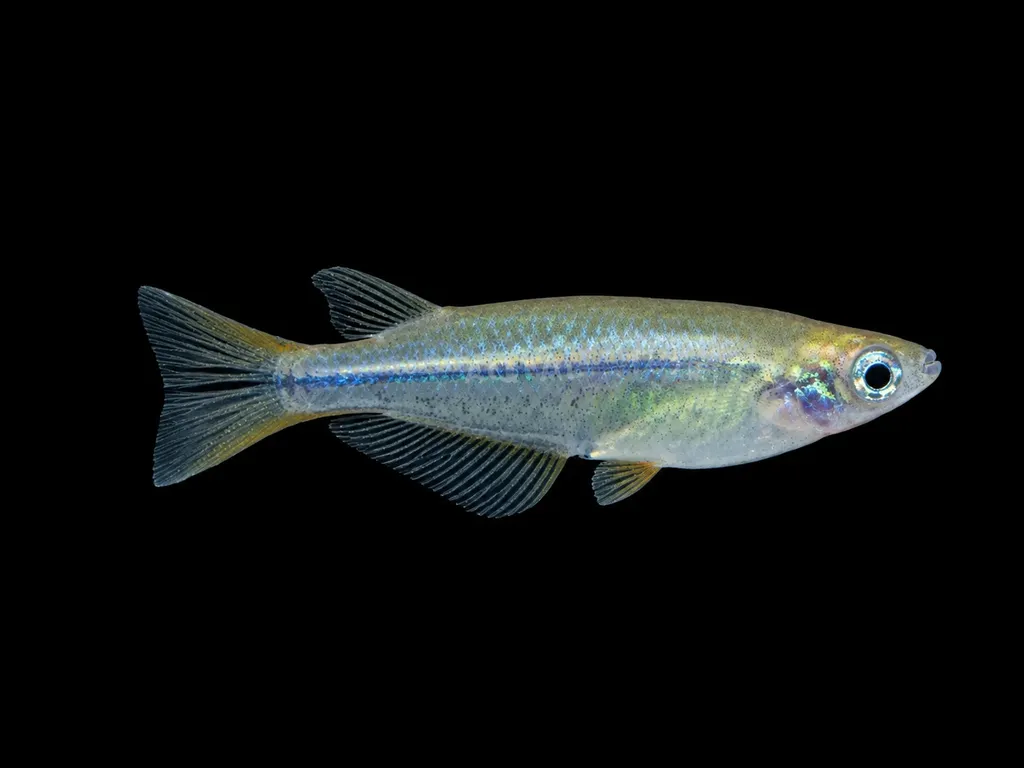
 1.2 in (3 cm)11 gal (40 L)72–79°F (22–26°C)
Mekong ricefish
Oryzias mekongensis
1.2 in (3 cm) · 11 gal (40 L)
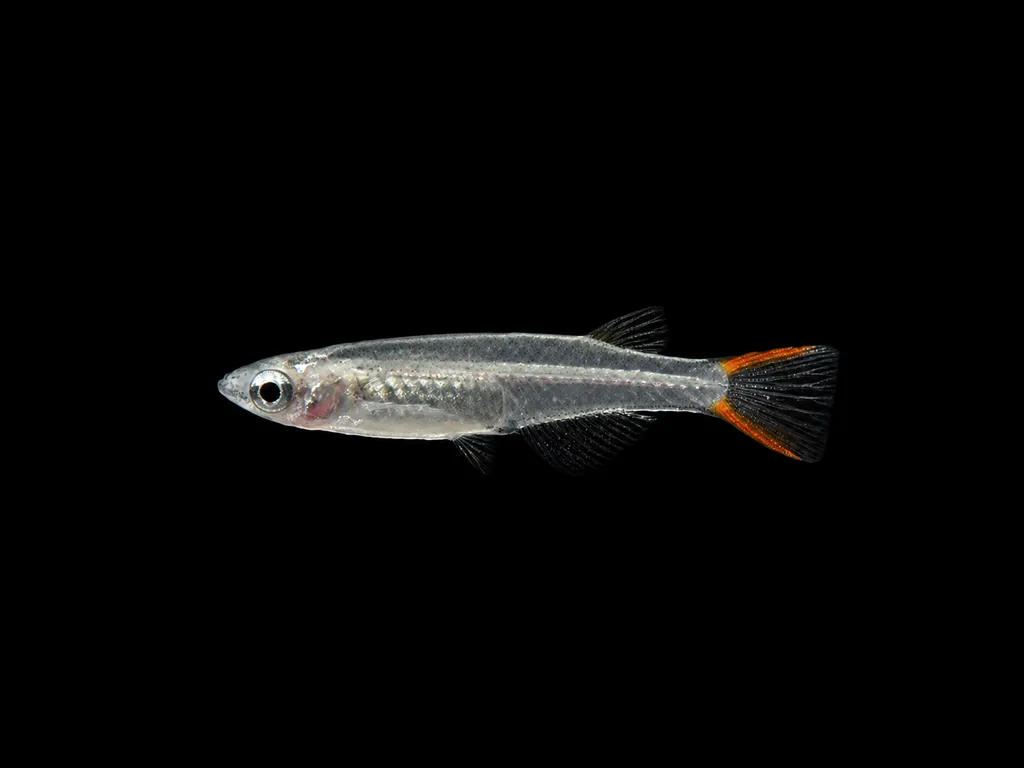
 1.8 in (4.5 cm)14 gal (54 L)72–79°F (22–26°C)
Celebes ricefish
Oryzias celebensis
1.8 in (4.5 cm) · 14 gal (54 L)
 1 in (2.5 cm)11 gal (40 L)72–79°F (22–26°C)
Songkhram ricefish
Oryzias songkhramensis
1 in (2.5 cm) · 11 gal (40 L)
 2.2 in (5.5 cm)20 gal (75 L)72–79°F (22–26°C)
Matano ricefish
Oryzias matanensis
2.2 in (5.5 cm) · 20 gal (75 L)