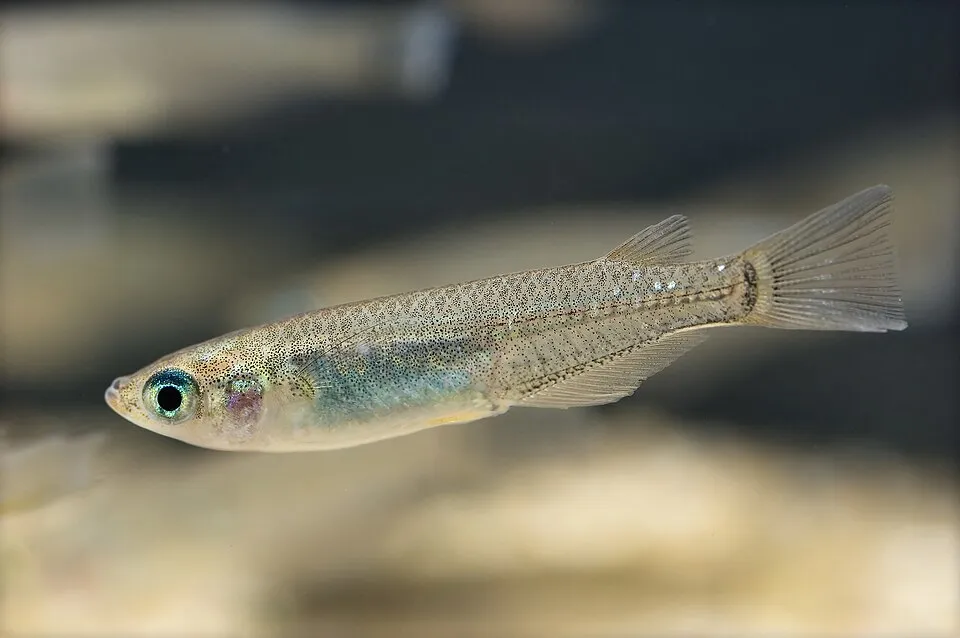
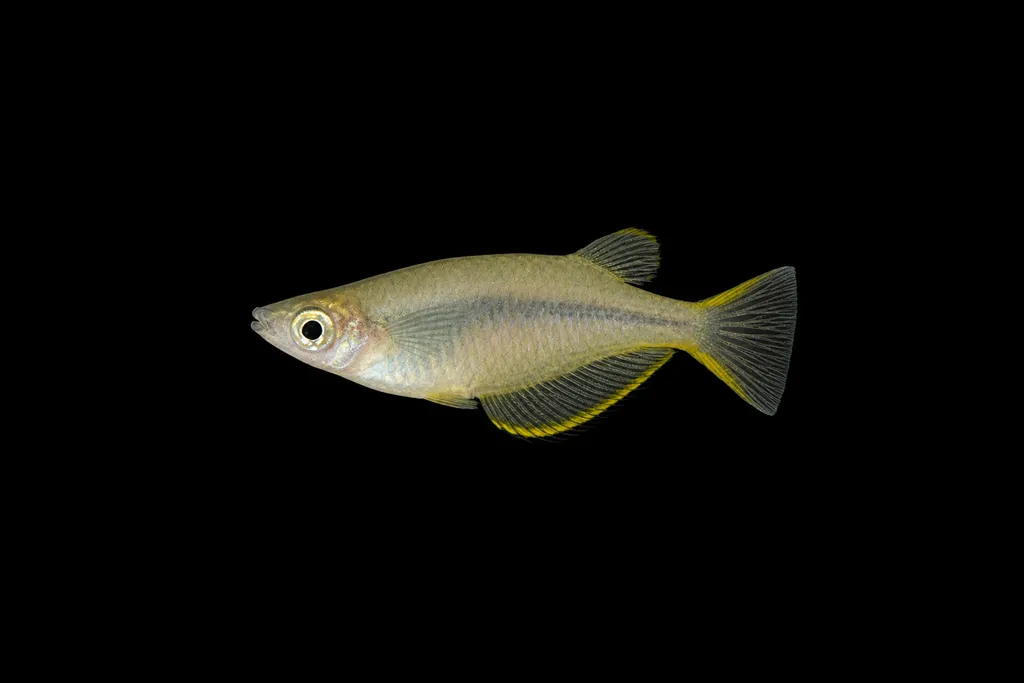
Medaka
Oryzias latipes
Also known as Japanese rice fish, Japanese ricefish, Backlight Killi
FreshwaterFish
Care at a glance
- Temperature
- 61–72°F
- 16–22°C
- pH
- 6.5–7.5
- Adult size
- 1.4 in
- 3.5 cm
- Minimum tank
- 9 gal
- 35 L
- Temperament
- Peaceful
- Social behavior
- Schooling
- Swim level
- Middle
- Difficulty
- Beginner
- Breeding
- Medium
- Rarity
- Rare
- Family
- Adrianichthyidae
- Origin
- Japan, Vietnam, China, Korea
Overview
Medaka are hardy, peaceful schoolers that swim in the middle and upper water and do best in a group. Feed a varied diet of flakes, micro-pellets, and small live or frozen foods like daphnia and mosquito larvae. They tolerate a wide range of conditions, which makes them a forgiving beginner fish, and they breed readily in spring and summer. A 35 liter tank or a small outdoor tub suits a group.
In the wild
Medaka, also called Japanese rice fish, live in slow streams, ponds, and rice paddies across Japan and parts of East Asia. Those are shallow, sun-warmed waters with some plants, and they swing through a wide temperature range over the year. In a tank they actually prefer it cooler than tropical, 16 to 22 C, so they suit an unheated indoor tank or an outdoor tub. Neutral to slightly alkaline water, pH 6.5 to 7.5, works well.
Good to know
Oryzias latipes is in the family Adrianichthyidae and grows to about 3.5 cm. It is an egg layer with an unusual habit. The female carries a cluster of fertilized eggs hanging from her vent for a while before brushing them onto plants, where they hatch in roughly one to two weeks depending on temperature. The IUCN lists it as Least Concern. It is a major lab animal, studied heavily in genetics and development.
Did you know
Medaka have been raised aboard spacecraft and were among the first vertebrates to mate and produce healthy young in orbit. Their see-through eggs let researchers watch development happen, which is part of why they fly as a model for how bodies and bone respond to low gravity.
Weekly picks
Tank mates
Medaka is a peaceful, schooling species that keeps to the middle. These picks share a community profile with it, are safe together in both directions, and overlap on water type, temperature and pH.
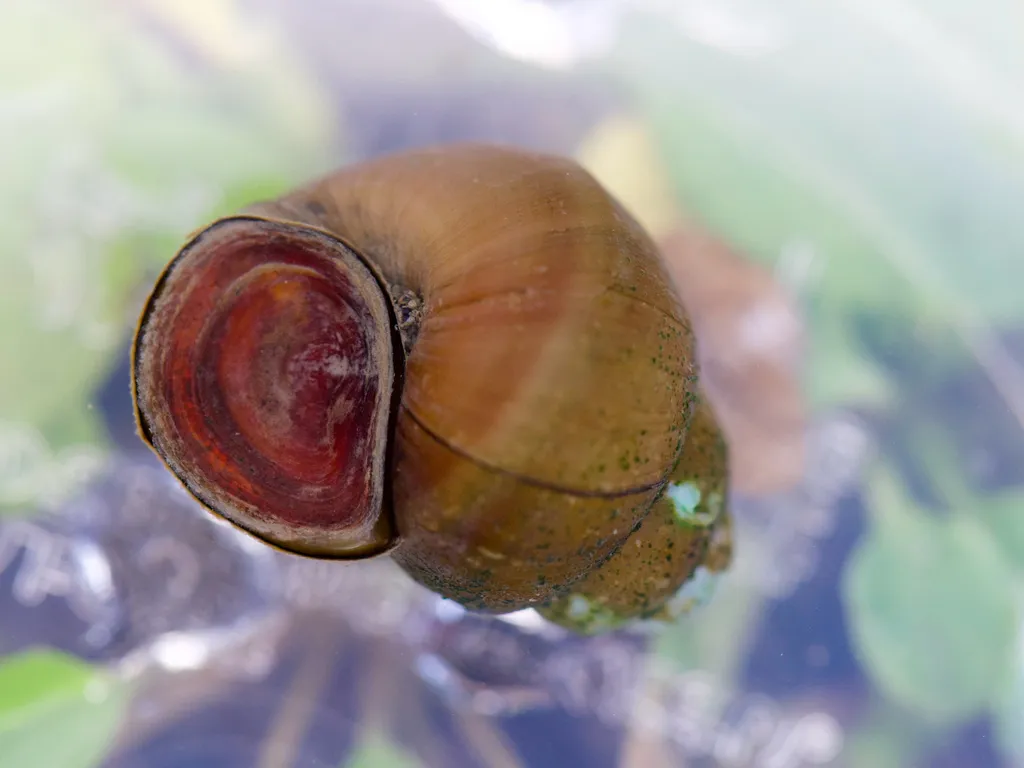
Japanese trapdoor snail
Cipangopaludina malleata
Freshwater2 in (5 cm) · 8 gal (30 L)64–77°F (18–25°C)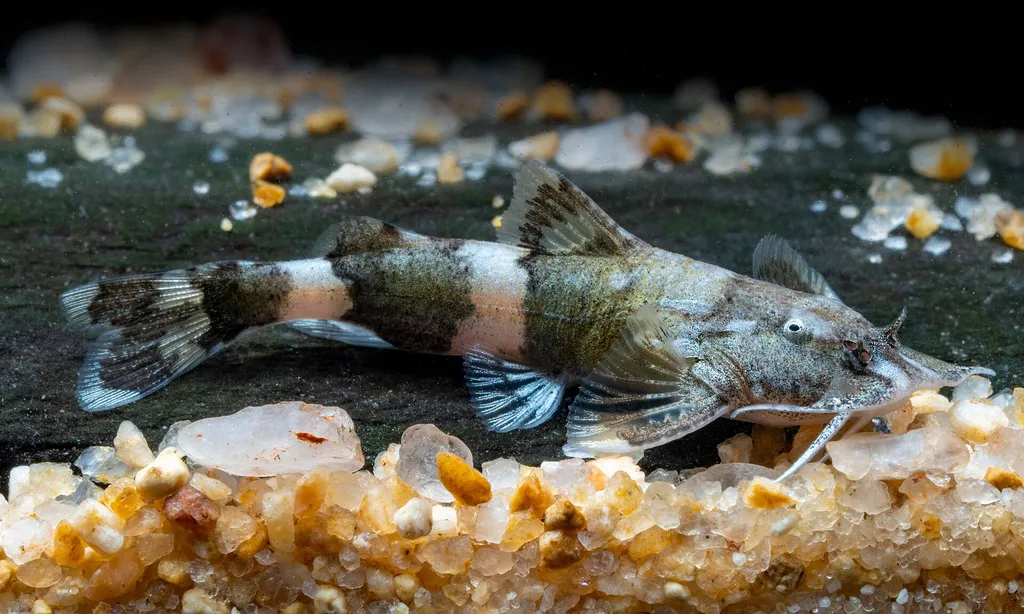
Cheetah moth catfish
Pseudolaguvia shawi
Freshwater1.5 in (3.8 cm) · 11 gal (40 L)68–79°F (20–26°C)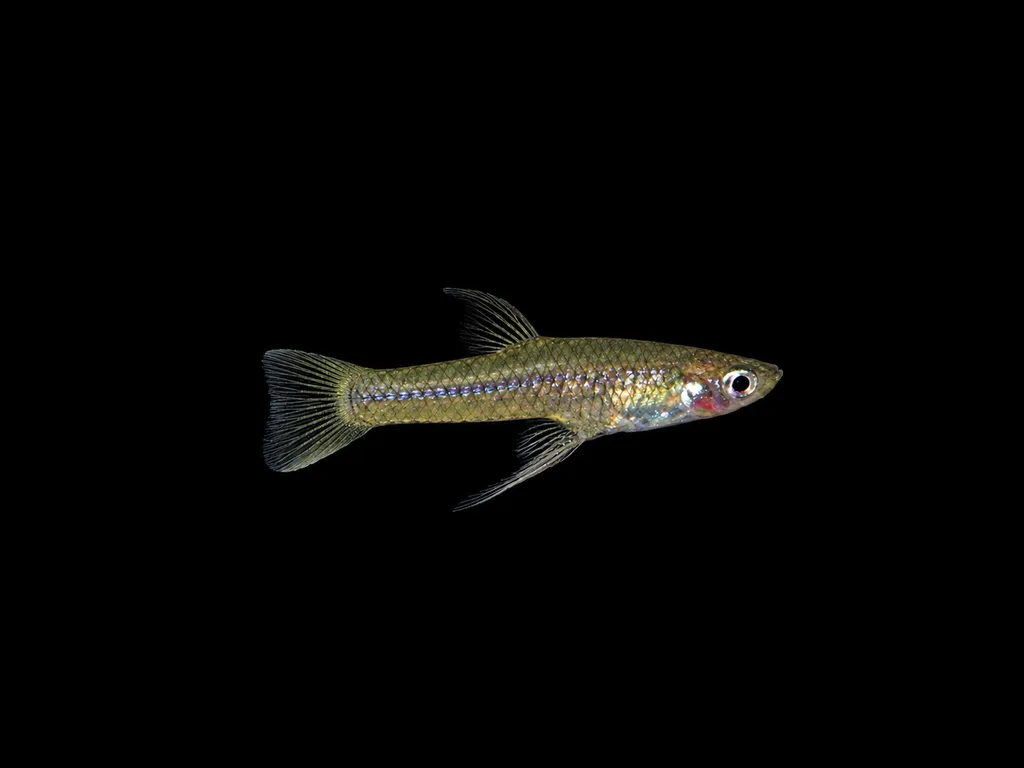
Sicklefin livebearer
Girardinus falcatus
Freshwater2.6 in (6.5 cm) · 11 gal (40 L)68–82°F (20–28°C)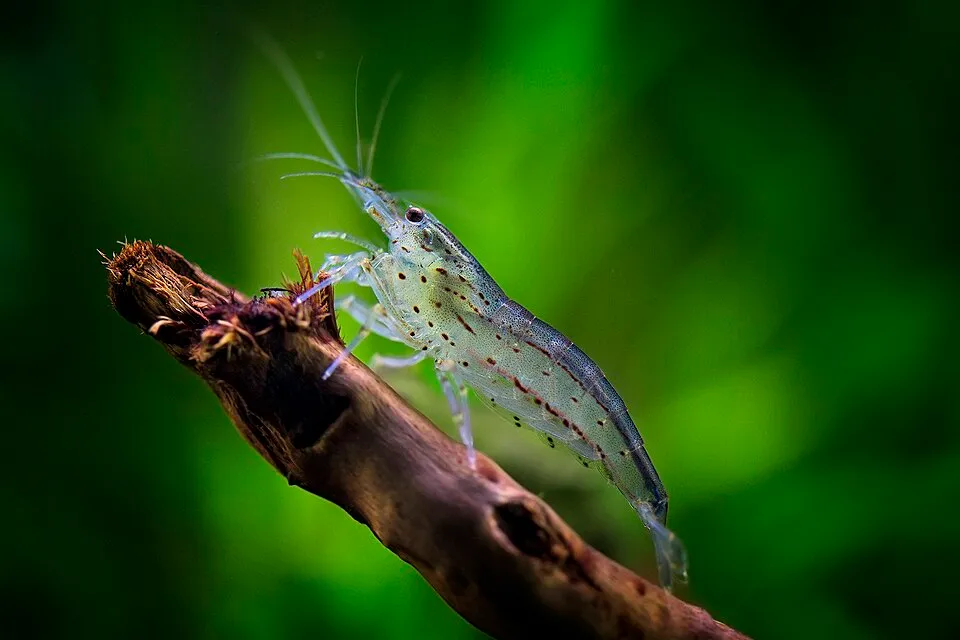
Amano shrimp
Caridina multidentata
FreshwaterBrackish2 in (5 cm) · 8 gal (30 L)59–81°F (15–27°C)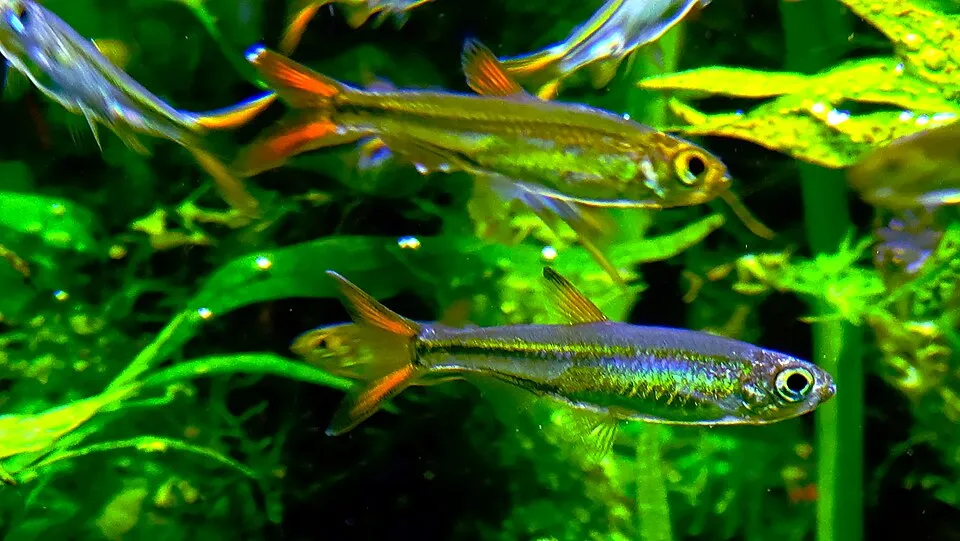
Jellybean tetra
Ladigesia roloffi
Freshwater1.2 in (3 cm) · 10 gal (37 L)72–81°F (22–27°C)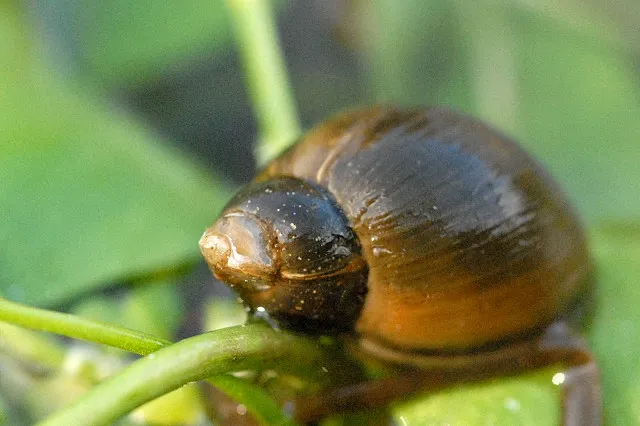
Wandering snail
Ampullaceana balthica
Freshwater0.8 in (2 cm) · 11 gal (40 L)50–84°F (10–29°C)
Common questions
What size tank does a Medaka need?
A Medaka needs at least 9 gal (35 L). It spends most of its time in the middle.
What temperature and pH does a Medaka need?
A Medaka is comfortable at 61–72°F (16–22°C) with a pH of 6.5–7.5.
How big does a Medaka get?
An adult Medaka reaches about 1.4 in (3.5 cm).
Does a Medaka need a group?
Yes. A Medaka is a schooling species and should be kept in a group, not singly.
Related species
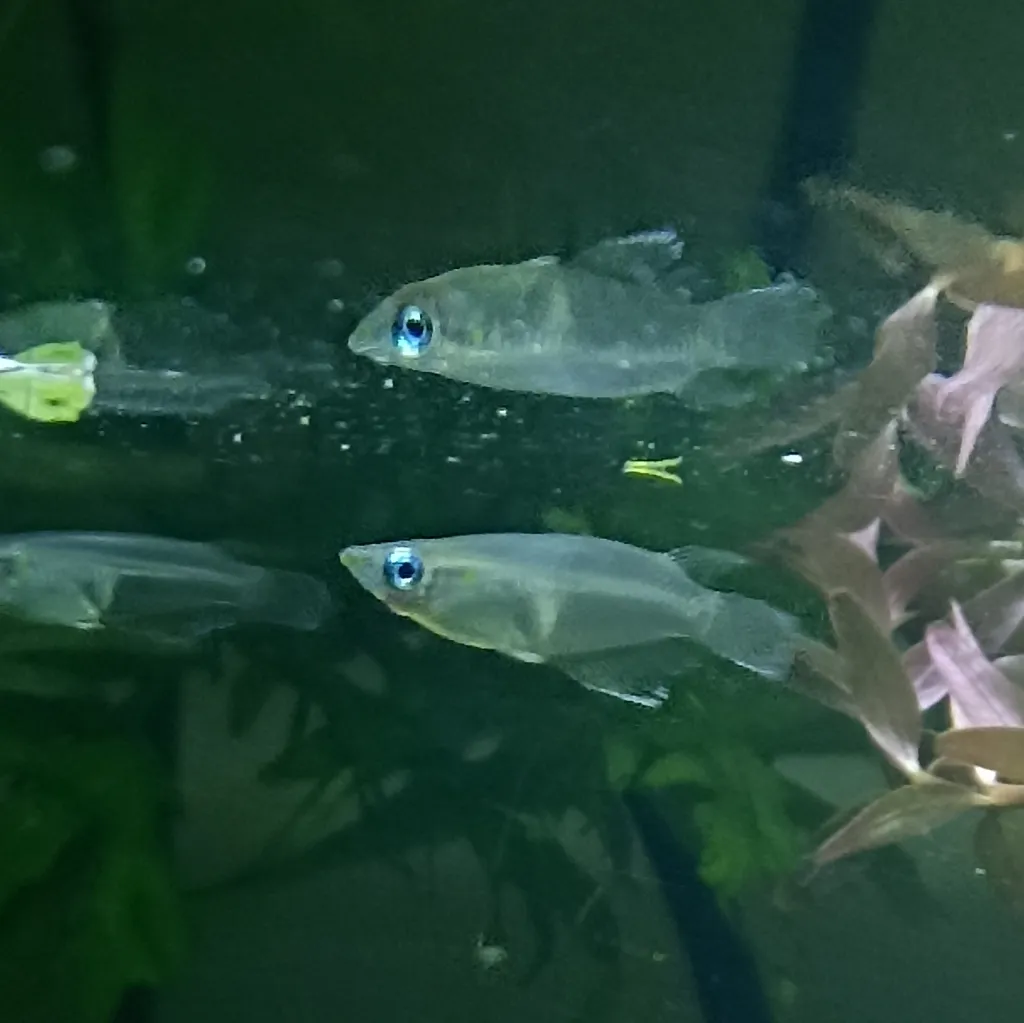 1.4 in (3.5 cm)14 gal (54 L)72–79°F (22–26°C)
Indian ricefish
Oryzias dancena
1.4 in (3.5 cm) · 14 gal (54 L)
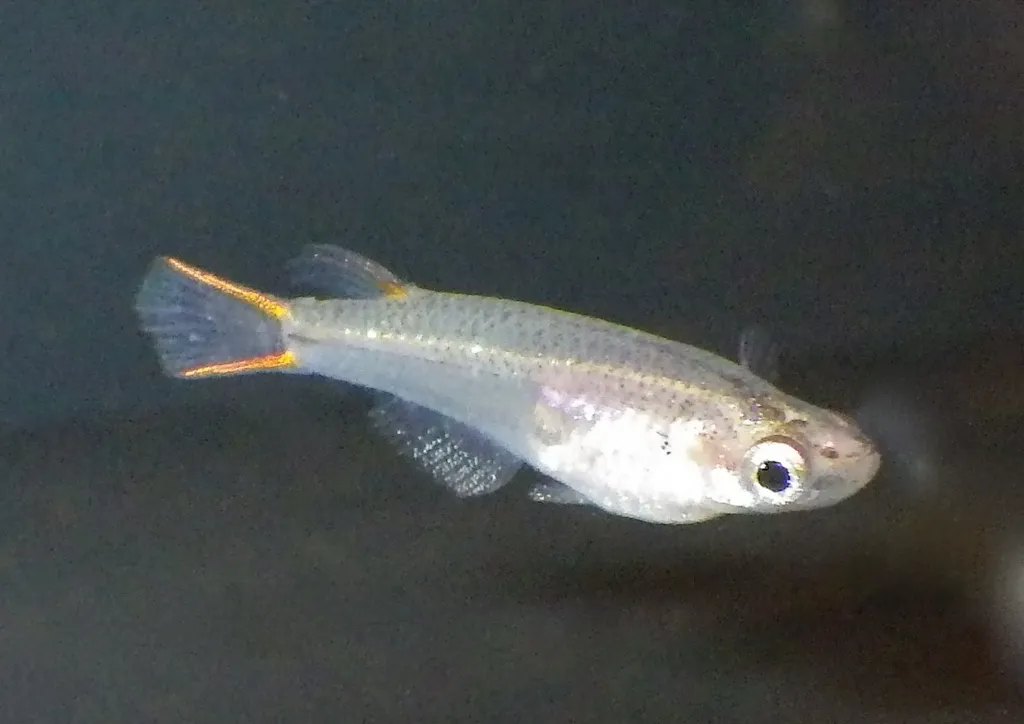 1.2 in (3 cm)11 gal (40 L)72–79°F (22–26°C)
Mekong ricefish
Oryzias mekongensis
1.2 in (3 cm) · 11 gal (40 L)
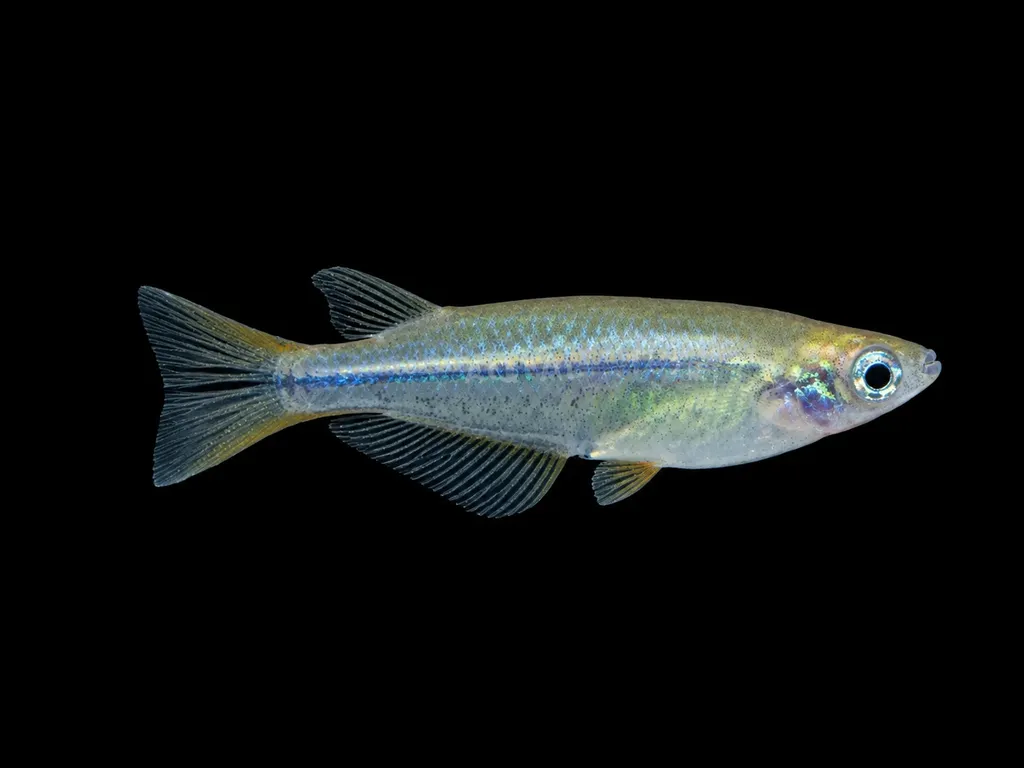 1.8 in (4.5 cm)14 gal (54 L)72–79°F (22–26°C)
Celebes ricefish
Oryzias celebensis
1.8 in (4.5 cm) · 14 gal (54 L)
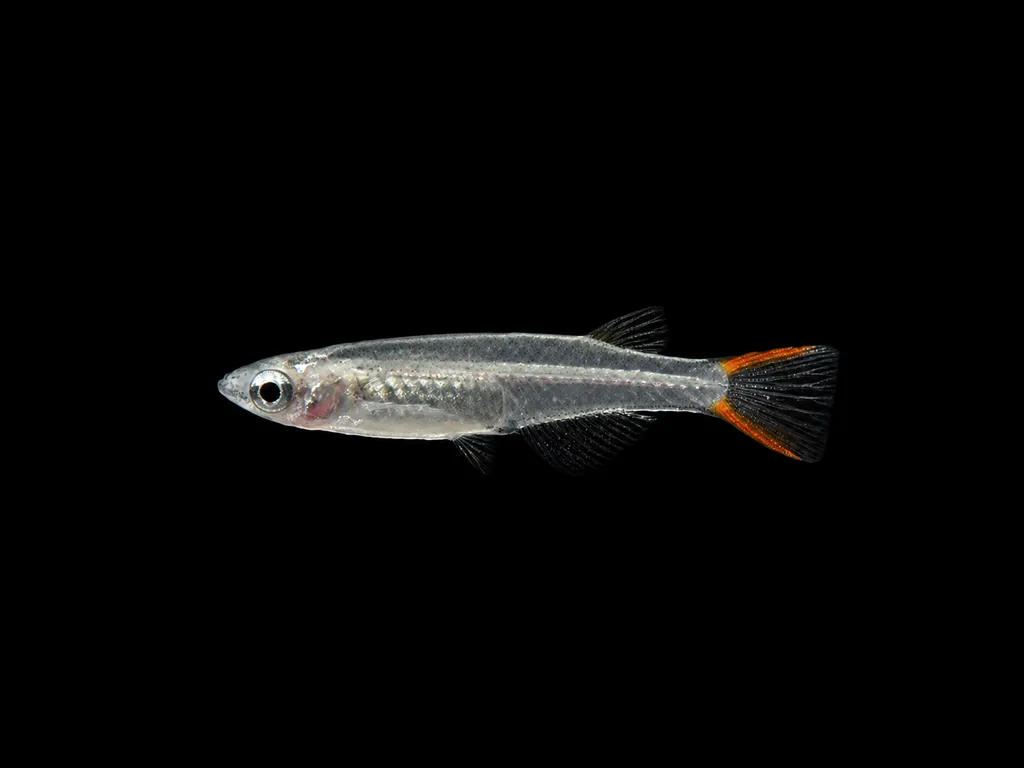 1 in (2.5 cm)11 gal (40 L)72–79°F (22–26°C)
Songkhram ricefish
Oryzias songkhramensis
1 in (2.5 cm) · 11 gal (40 L)
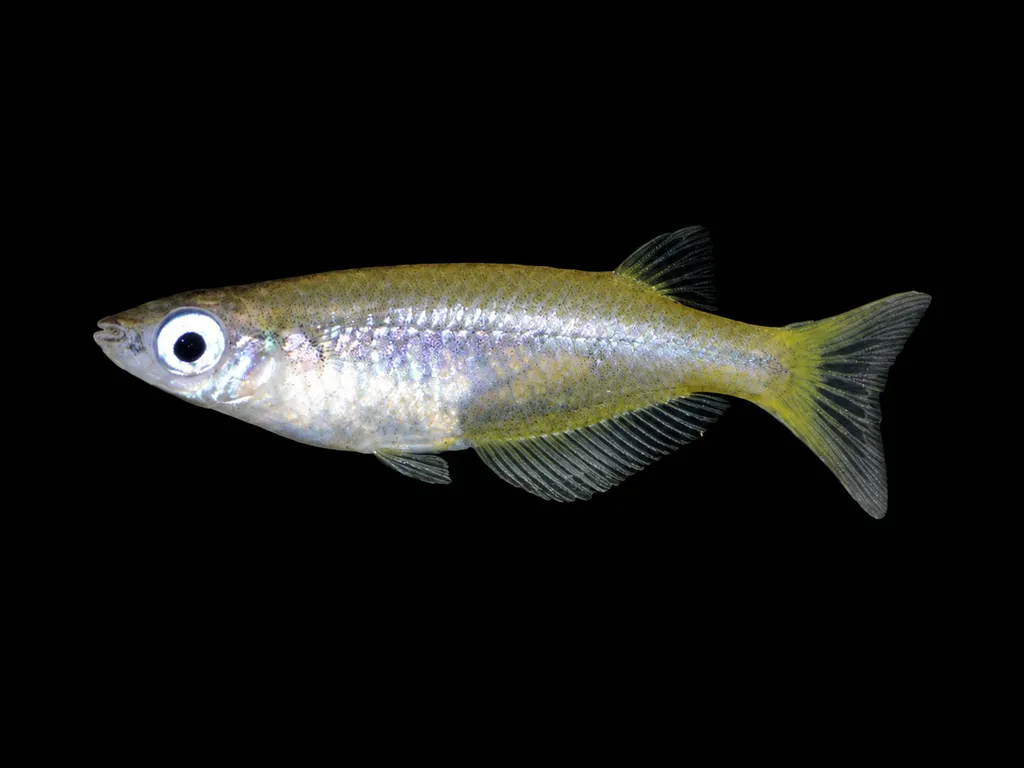 2.2 in (5.5 cm)20 gal (75 L)72–79°F (22–26°C)
Matano ricefish
Oryzias matanensis
2.2 in (5.5 cm) · 20 gal (75 L)
 2.4 in (6 cm)20 gal (75 L)72–79°F (22–26°C)
Yellow-fin ricefish
Oryzias profundicola
2.4 in (6 cm) · 20 gal (75 L)