Indian ricefish
Oryzias dancena
Also known as Blue-eye ricefish, Estuary medaka
FreshwaterFish
Care at a glance
- Temperature
- 72–79°F
- 22–26°C
- pH
- 7.0–8.5
- Adult size
- 1.4 in
- 3.5 cm
- Minimum tank
- 14 gal
- 54 L
- Temperament
- Peaceful
- Social behavior
- Schooling
- Swim level
- Middle
- Difficulty
- Medium
- Breeding
- Egg layer · Medium
- Rarity
- Common
- Family
- Adrianichthyidae
- Origin
- Coastal India to Myanmar
Overview
The Indian ricefish is a hardy little schooler for fresh or lightly brackish nano tanks. It copes with conditions that would trouble more delicate fish, and it suits a keeper with a little experience.
Did you know
The Indian ricefish switches between fresh and seawater physiology fast enough that researchers use it to study the switch itself. Its unusually broad salinity tolerance has made it a laboratory model.
Caring for the Indian ricefish
Keep eight or more Indian ricefish in a tank of at least 14 gal (54 L), with plants and open swimming space. They are peaceful and community safe, and they stay near the surface and in the middle.
Hard, neutral to alkaline water suits them best, at 72 to 79°F (22 to 26°C) and a pH of 7.0 to 8.5. Salt is optional rather than required. They take flake, micro granules and small frozen foods without fuss.
The female carries the fertilized egg cluster attached between her pelvic fins for a time. She then brushes it onto plants, as other egg-scattering ricefish do. Breeding them is a moderate challenge.
Good to know
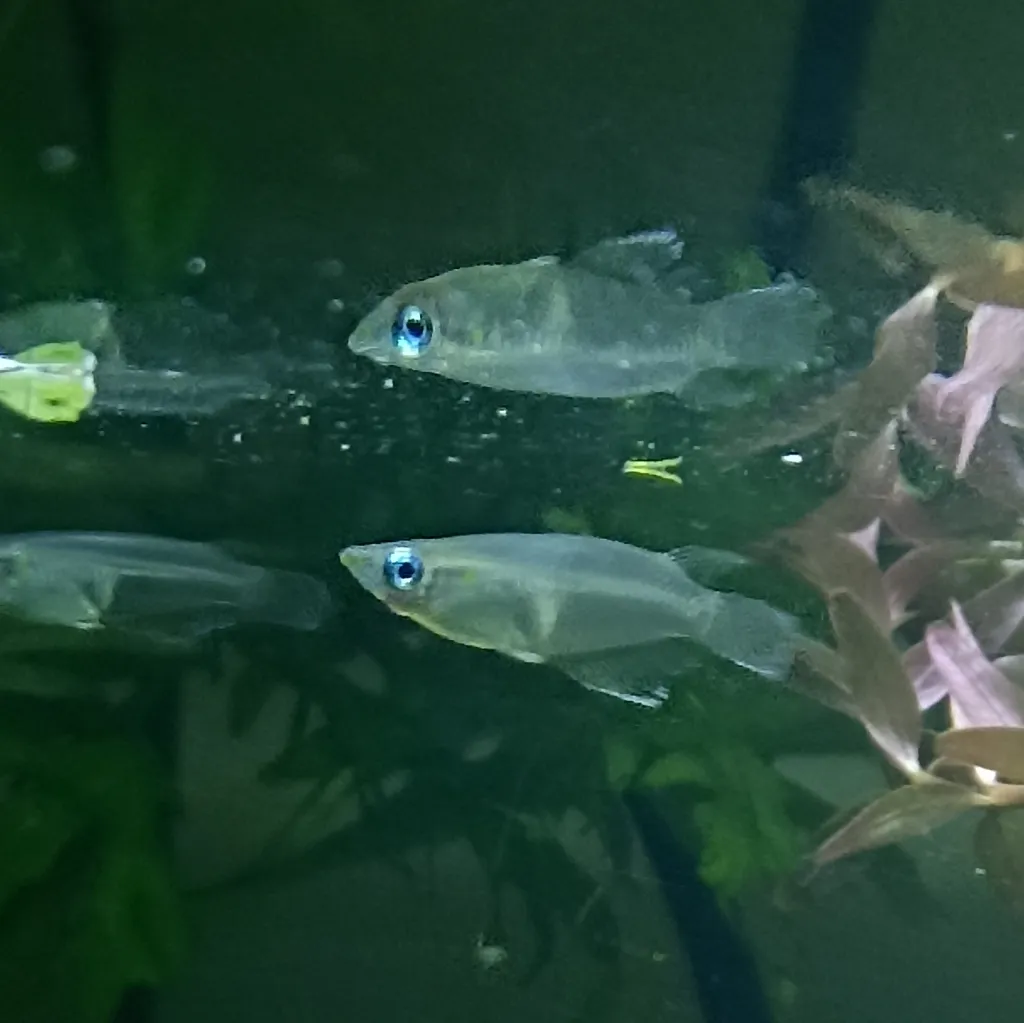
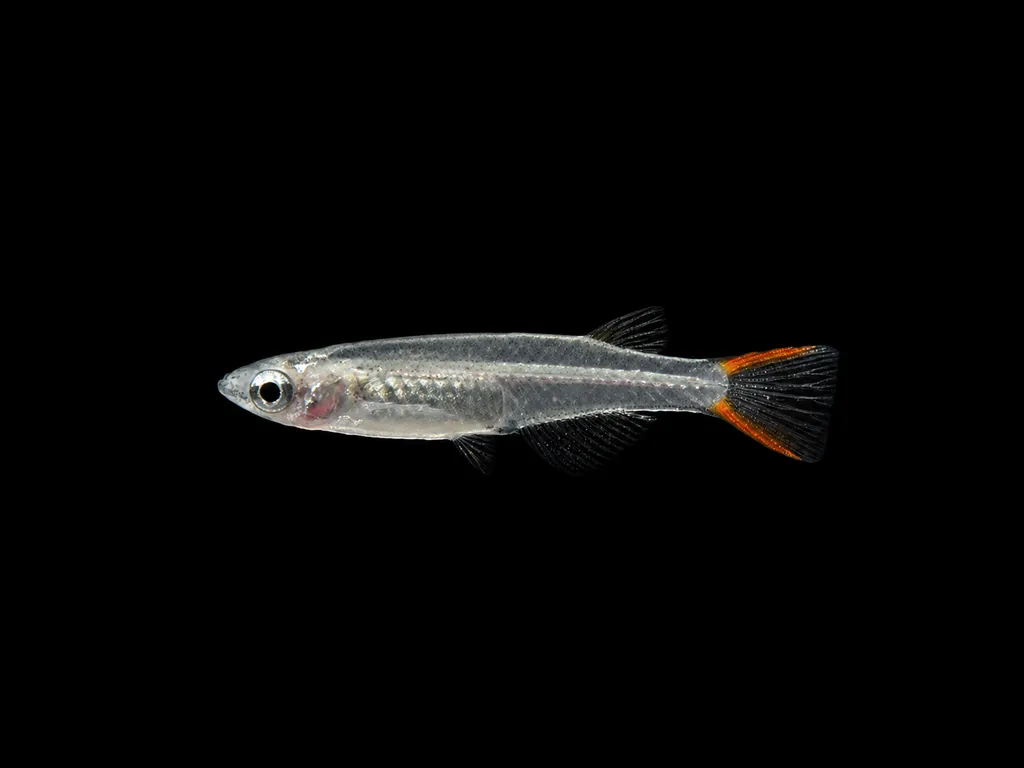
Oryzias dancena is a ricefish in the family Adrianichthyidae. It has bright blue eyes against a pale body.
In the wild
Oryzias dancena lives in coastal fresh and brackish shallows from India through to Myanmar. The still and slow water there varies in salinity with the tide and season.
Weekly picks
Tank mates
The Indian ricefish is a peaceful, schooling species that keeps to the middle. These picks share a community profile with it, are safe together in both directions, and overlap on water type, temperature and pH.
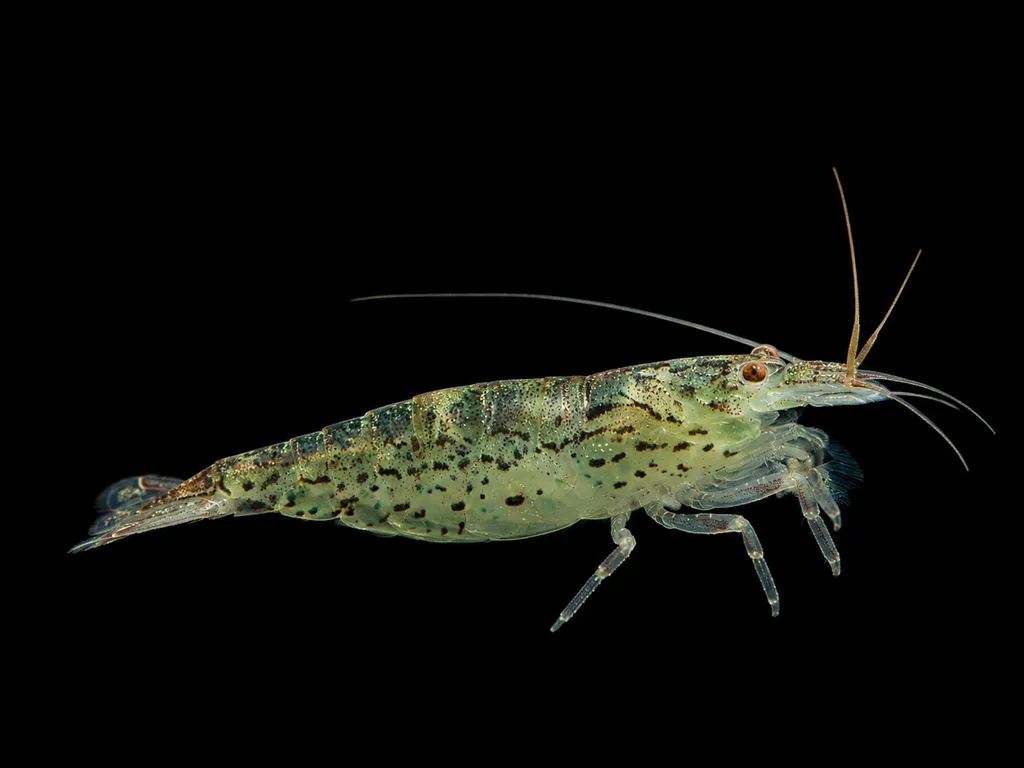
Green lace shrimp
Atyoida pilipes
Freshwater2.8 in (7 cm) · 14 gal (54 L)73–82°F (23–28°C)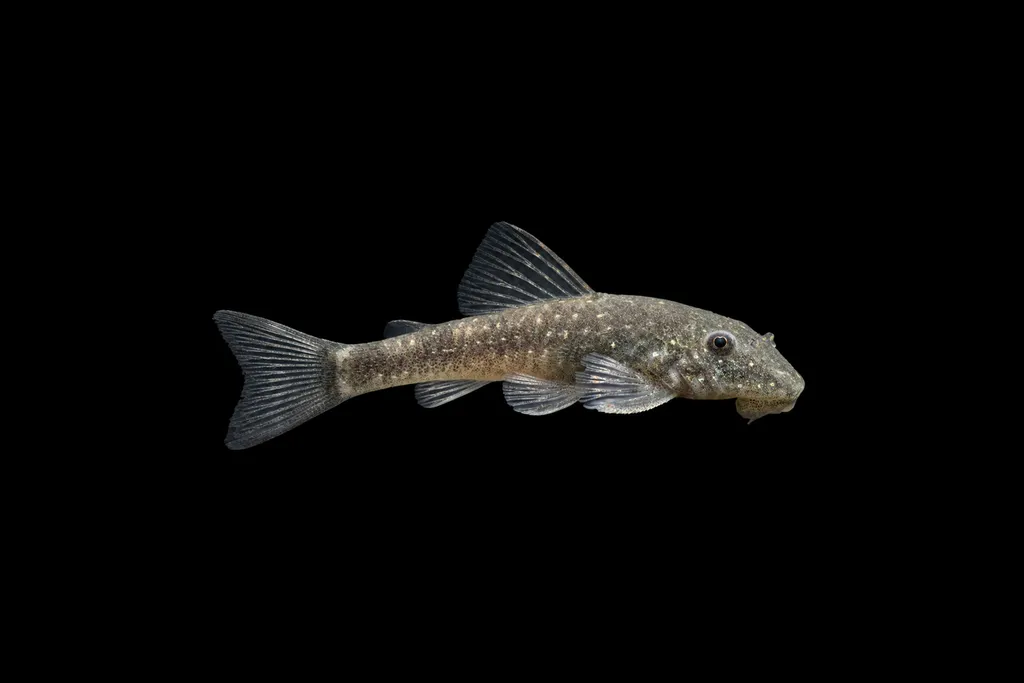
Bahia parotocinclus
Parotocinclus bahiensis
Freshwater1.6 in (4 cm) · 14 gal (54 L)72–81°F (22–27°C)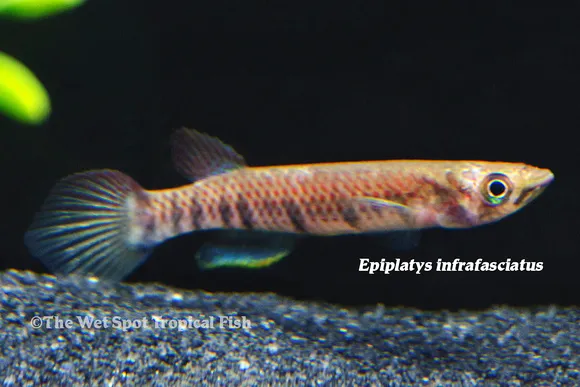
Infrafasciatus killifish
Epiplatys infrafasciatus
Freshwater2.4 in (6 cm) · 14 gal (54 L)68–77°F (20–25°C)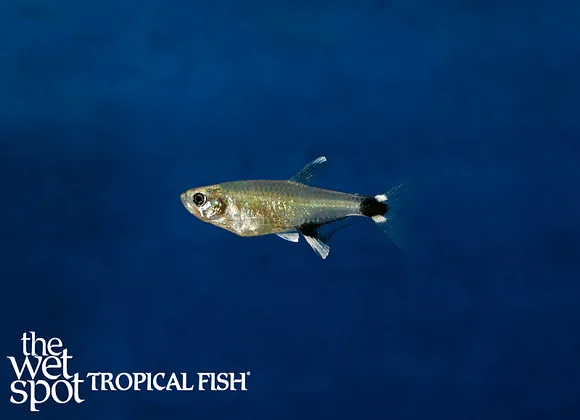
Panda darter tetra
Aphyocharax nattereri
Freshwater1.4 in (3.5 cm) · 14 gal (54 L)72–81°F (22–27°C)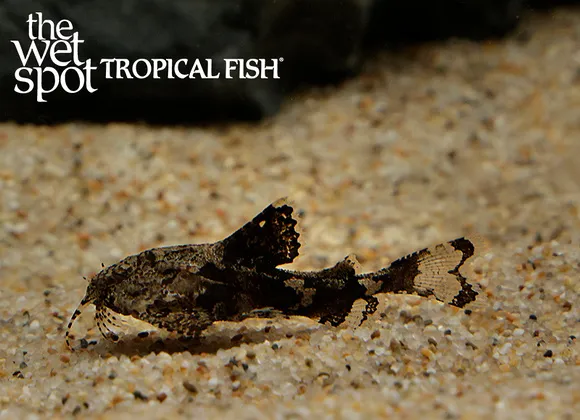
Butterfly hara catfish
Hara hara
Freshwater3.1 in (8 cm) · 14 gal (54 L)68–79°F (20–26°C)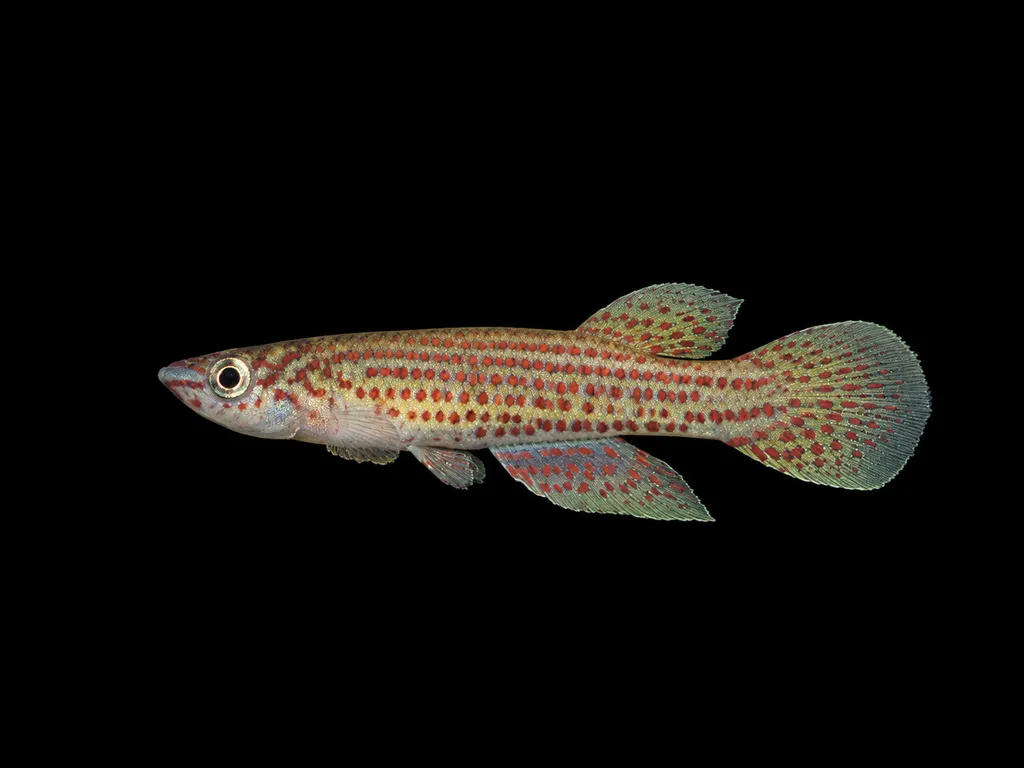
Singa panchax
Epiplatys singa
Freshwater2.4 in (6 cm) · 14 gal (54 L)68–77°F (20–25°C)
Common questions
What size tank does an Indian ricefish need?
An Indian ricefish needs at least 14 gal (54 L). It spends most of its time in the middle.
What temperature and pH does an Indian ricefish need?
An Indian ricefish is comfortable at 72–79°F (22–26°C) with a pH of 7.0–8.5.
What does an Indian ricefish eat?
An Indian ricefish takes flake, micro granules and small frozen foods without fuss.
How big does an Indian ricefish get?
An adult Indian ricefish reaches about 1.4 in (3.5 cm).
Does an Indian ricefish need a group?
Yes. An Indian ricefish is a schooling species and should be kept in a group, not singly.
How does an Indian ricefish breed?
An Indian ricefish female carries the fertilized egg cluster between her pelvic fins for a time, then brushes it onto plants. Breeding them is a moderate challenge.
Related species
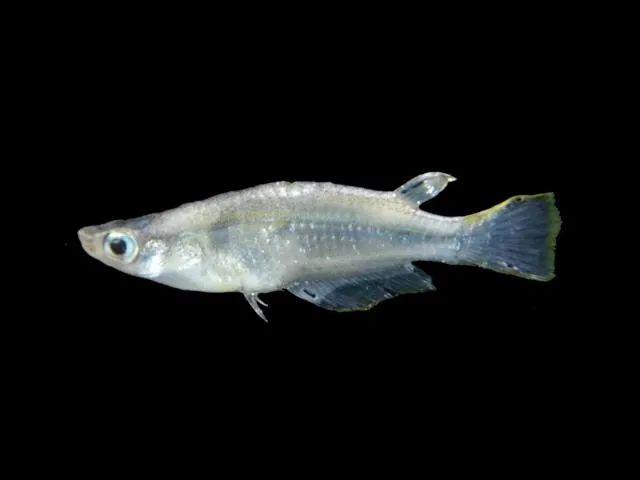 1.4 in (3.5 cm)11 gal (40 L)75–84°F (24–29°C)
Javanese ricefish
Oryzias javanicus
1.4 in (3.5 cm) · 11 gal (40 L)
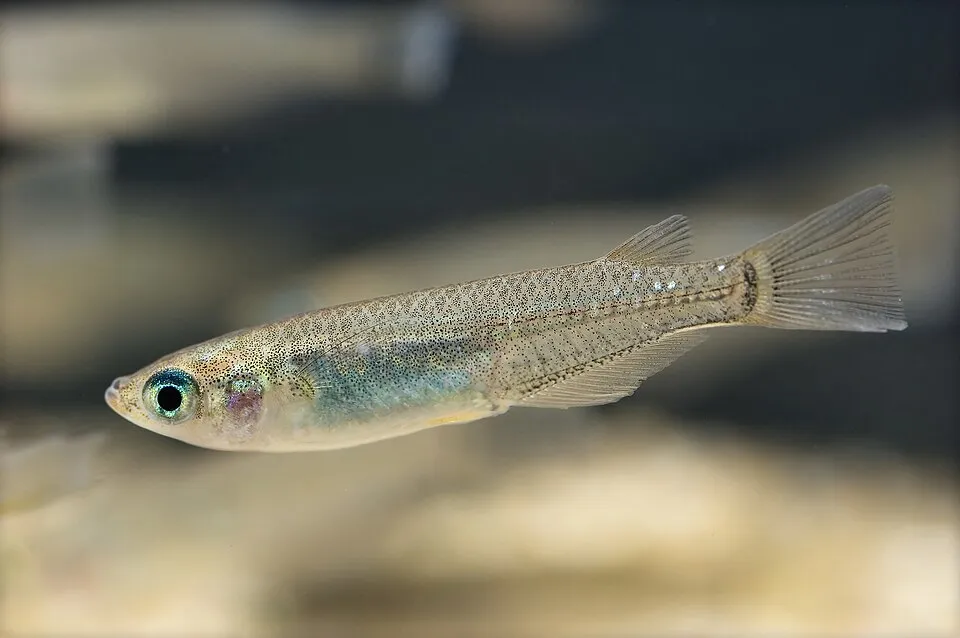 1.4 in (3.5 cm)9 gal (35 L)61–72°F (16–22°C)
Medaka
Oryzias latipes
1.4 in (3.5 cm) · 9 gal (35 L)
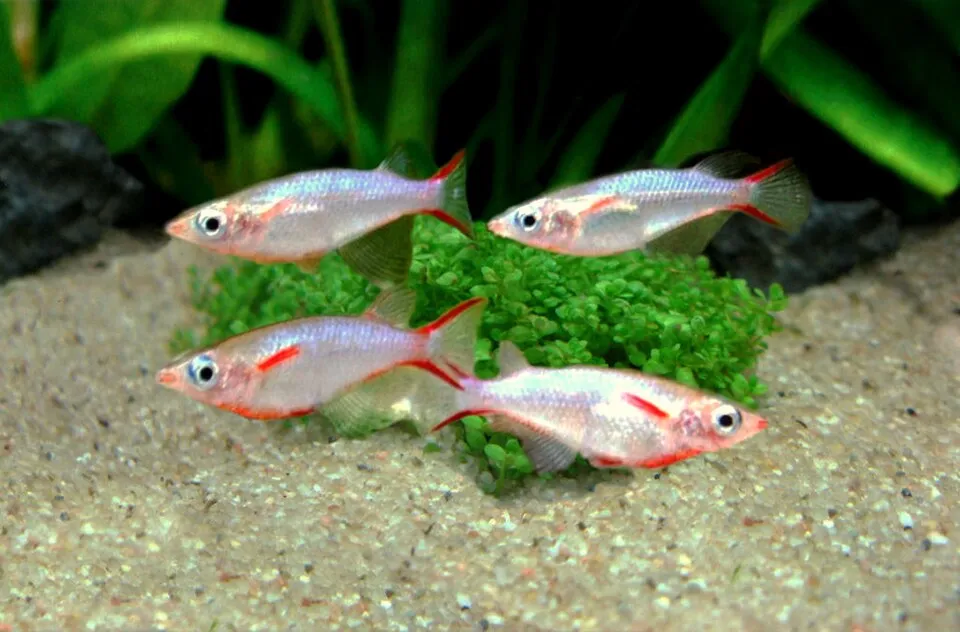 1.2 in (3 cm)9 gal (35 L)73–81°F (23–27°C)
Daisy's ricefish
Oryzias woworae
1.2 in (3 cm) · 9 gal (35 L)
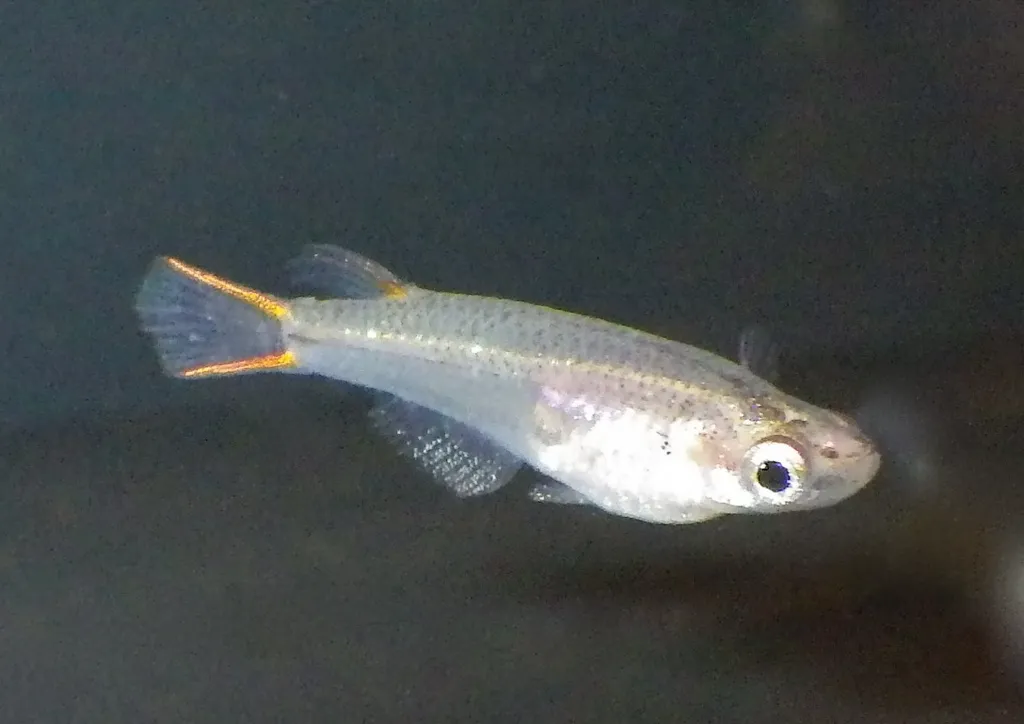 1.2 in (3 cm)11 gal (40 L)72–79°F (22–26°C)
Mekong ricefish
Oryzias mekongensis
1.2 in (3 cm) · 11 gal (40 L)
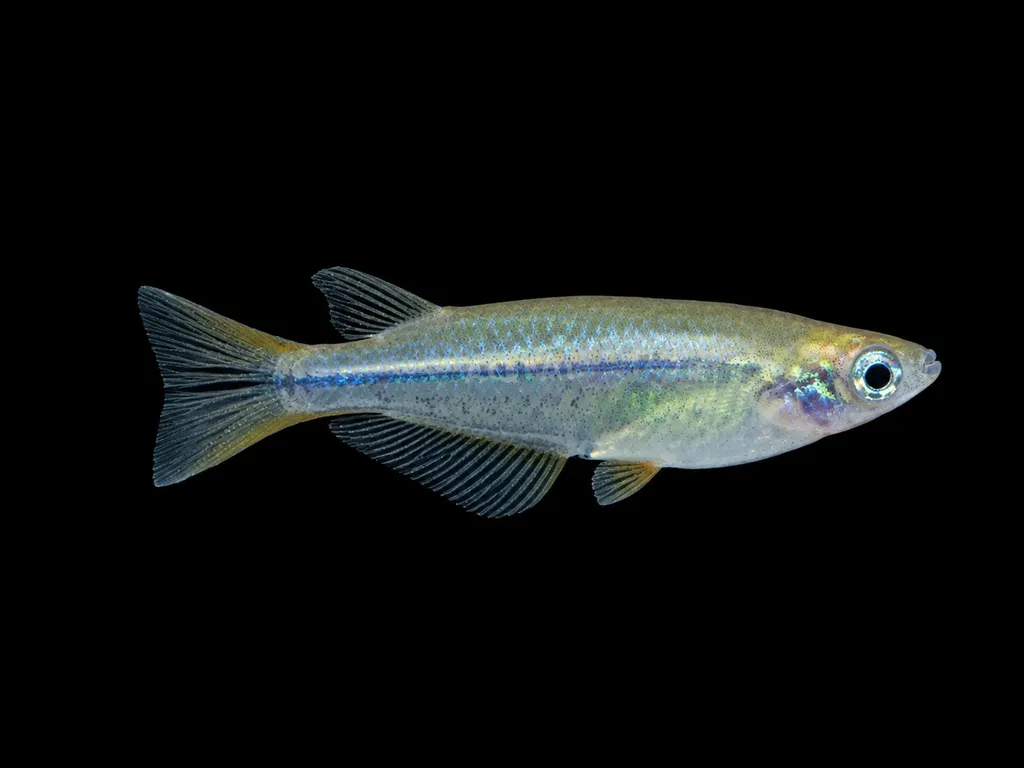 1.8 in (4.5 cm)14 gal (54 L)72–79°F (22–26°C)
Celebes ricefish
Oryzias celebensis
1.8 in (4.5 cm) · 14 gal (54 L)
 1 in (2.5 cm)11 gal (40 L)72–79°F (22–26°C)
Songkhram ricefish
Oryzias songkhramensis
1 in (2.5 cm) · 11 gal (40 L)