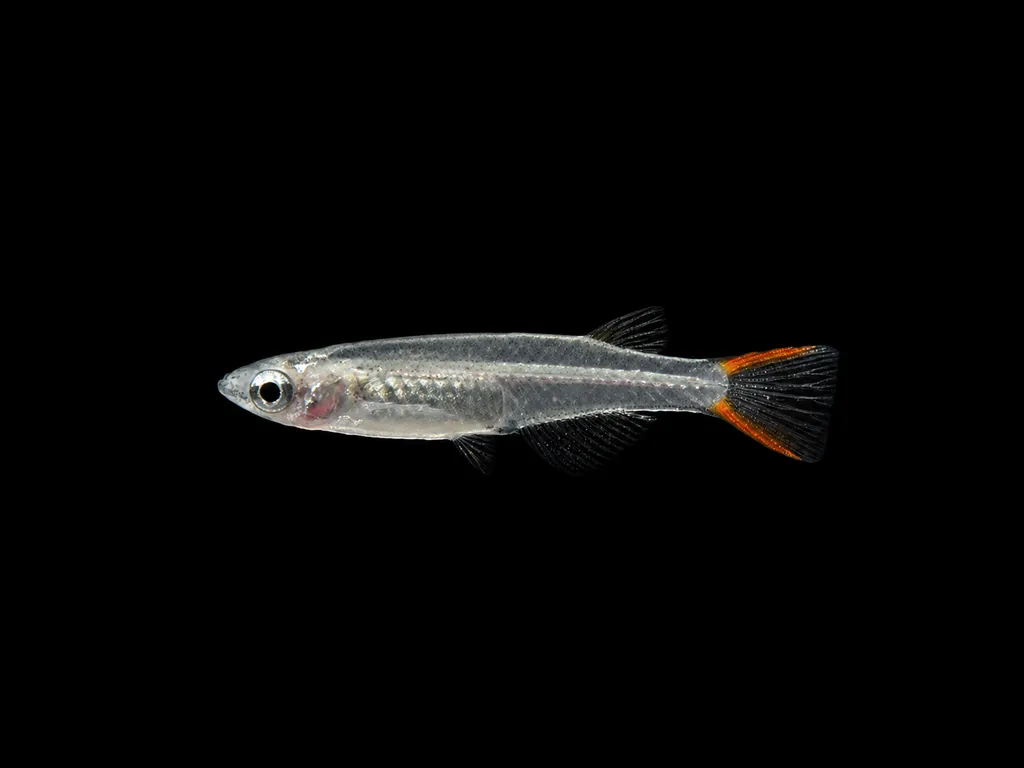
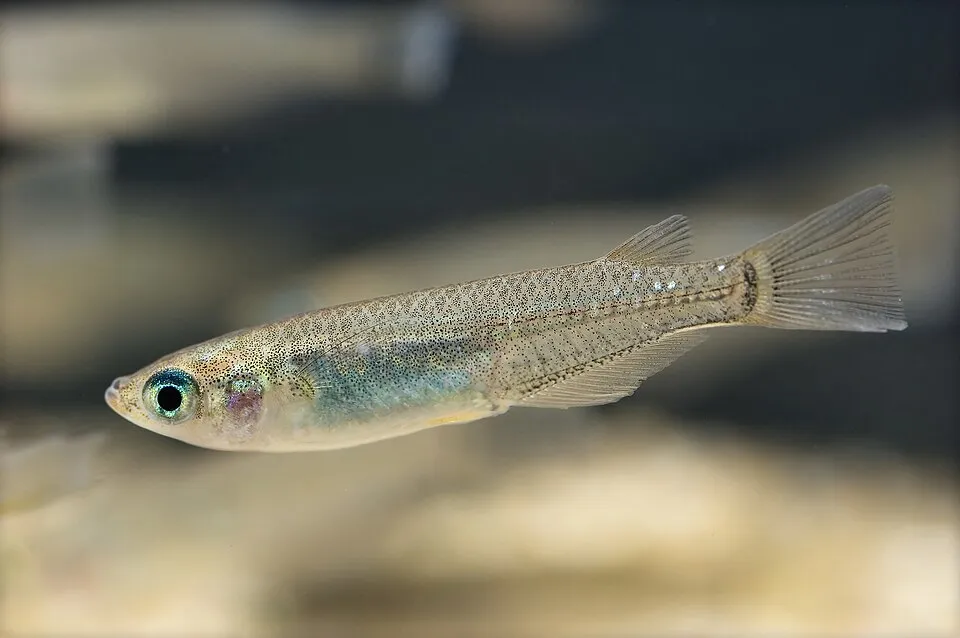
Songkhram ricefish
Oryzias songkhramensis
Also known as Songkhramensis medaka
FreshwaterFish
Care at a glance
- Temperature
- 72–79°F
- 22–26°C
- pH
- 6.0–7.5
- Adult size
- 1 in
- 2.5 cm
- Minimum tank
- 11 gal
- 40 L
- Temperament
- Peaceful
- Social behavior
- Schooling
- Swim level
- Middle
- Difficulty
- Medium
- Breeding
- Egg layer · Medium
- Rarity
- Rare
- Family
- Adrianichthyidae
- Origin
- Songkhram basin, northeast Thailand
Overview
The Songkhram ricefish is a micro-medaka, a peaceful shoaling fish small enough to keep as a colony in a nano tank. It needs a keeper with a little experience.
Did you know
The Songkhram ricefish lives its whole life on the yearly rhythm of flood and retreat. The Songkhram is one of the Mekong's great flood-pulse rivers. Each wet season it spreads into a vast seasonal wetland and then draws back.
Caring for the Songkhram ricefish
A gently filtered tank of at least 11 gal (40 L), with dense fine planting, houses a breeding group of Songkhram ricefish well. Keep the water calm with little current, and cover the surface.
They suit warm, soft to neutral water at 72 to 79°F (22 to 26°C) and a pH of 6.0 to 7.5. Feed small foods, such as powdered flake, microworm, frozen cyclops and baby brine shrimp.
Keep them in a group of at least six, and a larger colony among plants helps them feel safe. They are community safe but tiny, so pair them only with equally small, gentle fish, or keep them in a species tank.
Like the other medakas, the female carries her fertilized eggs at the vent before fixing them among fine plants. Given a quiet, densely planted tank, breeding them is a moderate challenge.
Good to know
Oryzias songkhramensis is a ricefish of the family Adrianichthyidae. It was described as recently as 2010 from the Songkhram and Mekong basins.
In the wild
Oryzias songkhramensis comes from the Songkhram basin and nearby Mekong waters of northeast Thailand and central Laos. It lives in still, plant-filled floodplain pools that swell and shrink with the seasons.
Weekly picks
Tank mates
The Songkhram ricefish is a peaceful, schooling species that keeps to the middle. These picks share a community profile with it, are safe together in both directions, and overlap on water type, temperature and pH.
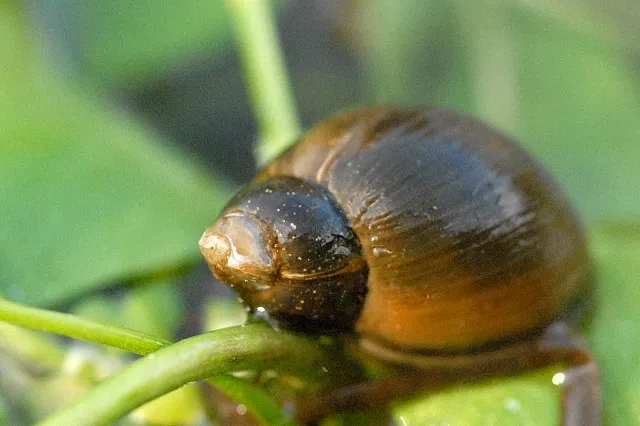
Wandering snail
Ampullaceana balthica
Freshwater0.8 in (2 cm) · 11 gal (40 L)50–84°F (10–29°C)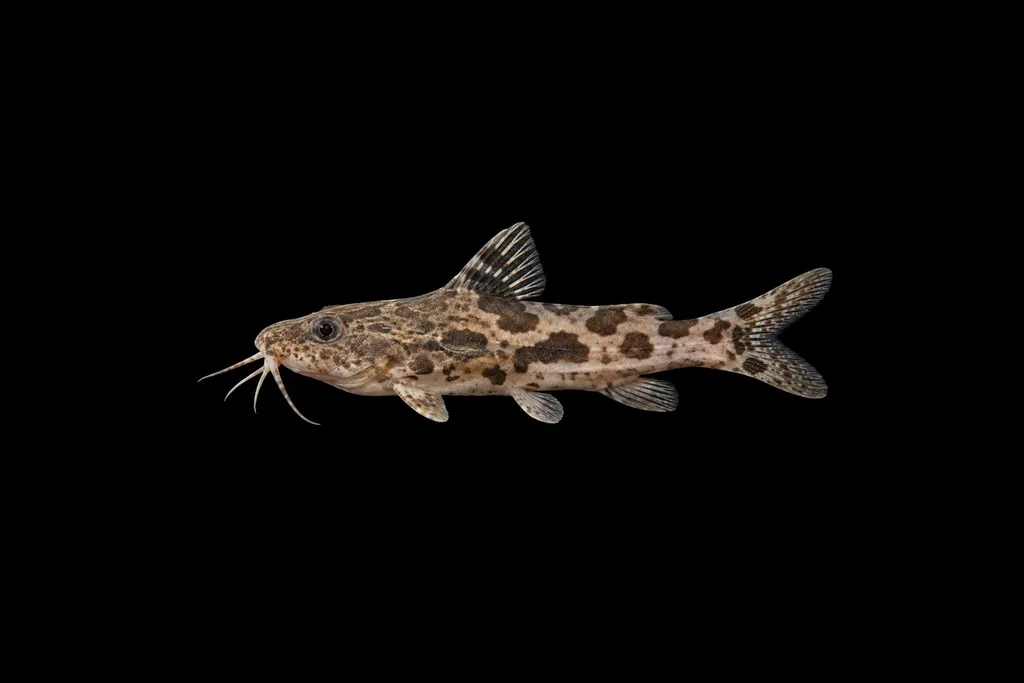
Harlequin moth catfish
Pseudolaguvia ribeiroi
Freshwater1.6 in (4 cm) · 11 gal (40 L)68–79°F (20–26°C)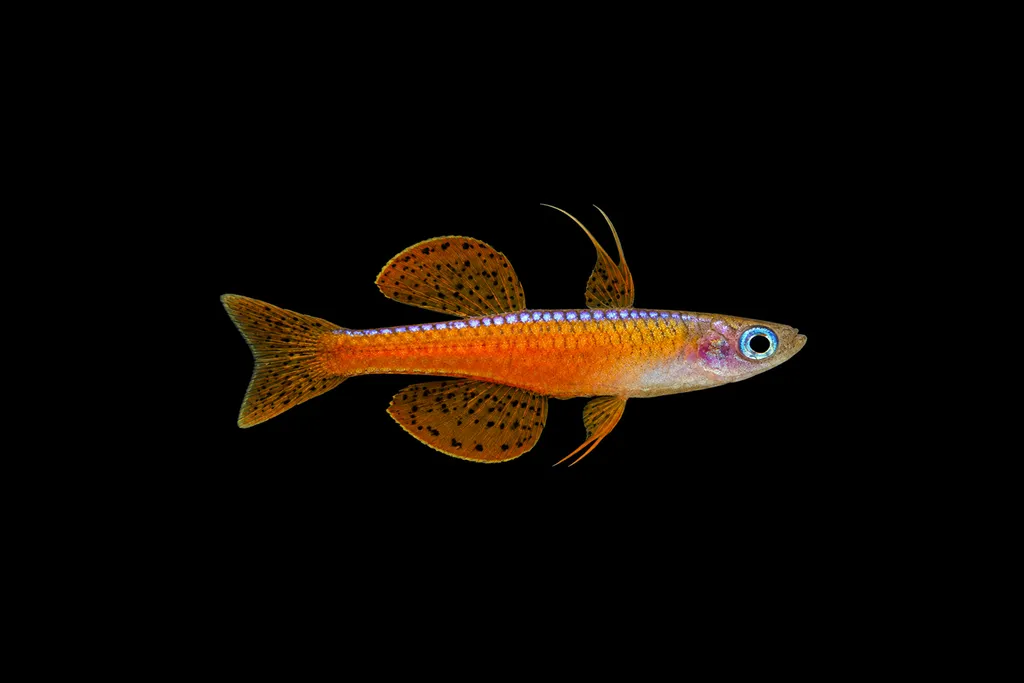
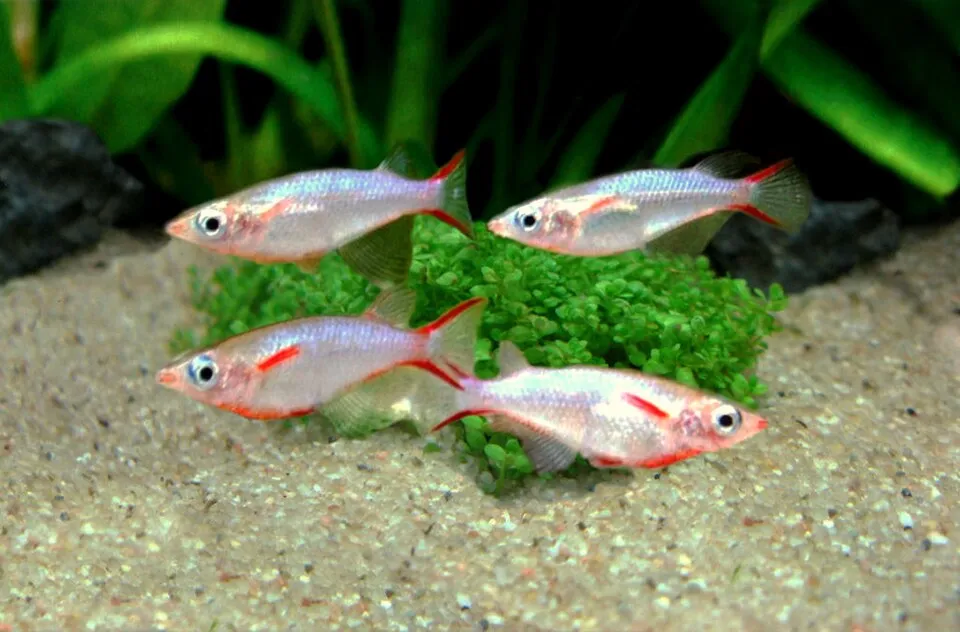
Paska's blue-eye
Pseudomugil paskai
Freshwater1.4 in (3.5 cm) · 11 gal (40 L)72–79°F (22–26°C)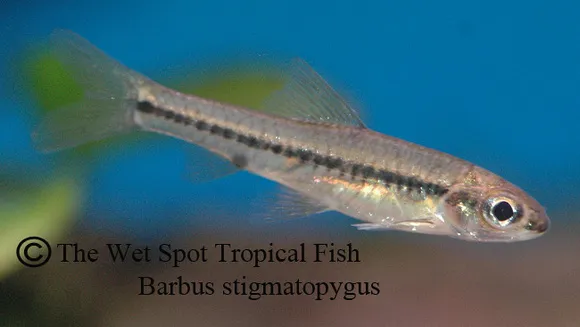
Blackspot dwarf barb
Enteromius stigmatopygus
Freshwater1.4 in (3.5 cm) · 11 gal (40 L)72–81°F (22–27°C)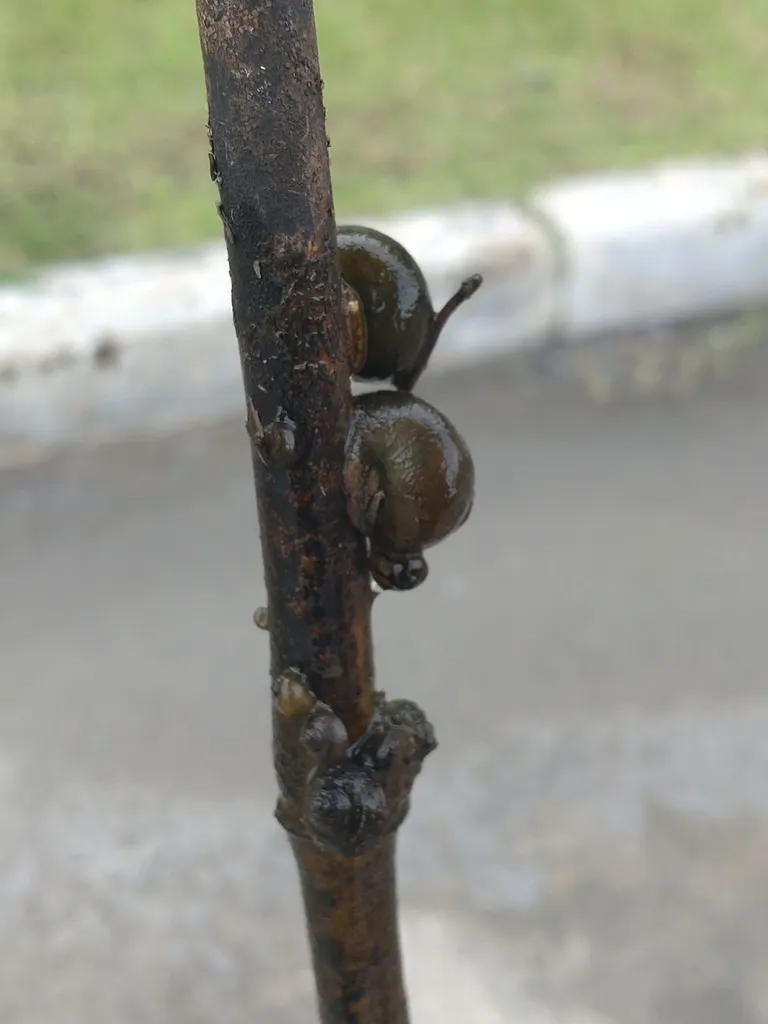
White wizard snail
Filopaludina martensi
Freshwater2 in (5 cm) · 11 gal (40 L)72–79°F (22–26°C)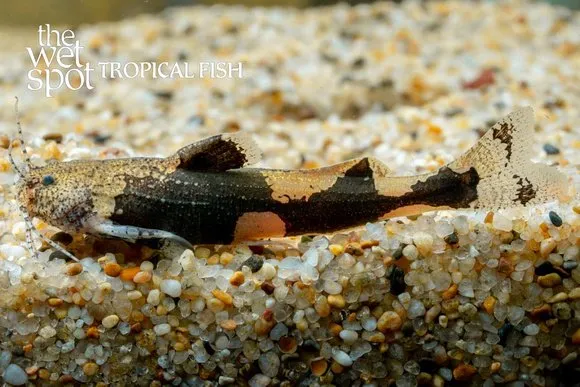
Wasp bee catfish
Akysis vespa
Freshwater1.6 in (4 cm) · 11 gal (40 L)72–79°F (22–26°C)
Common questions
What size tank does a Songkhram ricefish need?
A Songkhram ricefish needs at least 11 gal (40 L). It spends most of its time in the middle.
What temperature and pH does a Songkhram ricefish need?
A Songkhram ricefish is comfortable at 72–79°F (22–26°C) with a pH of 6.0–7.5.
What does a Songkhram ricefish eat?
A Songkhram ricefish eats small foods, such as powdered flake and microworm. Frozen cyclops and baby brine shrimp suit it as well.
How big does a Songkhram ricefish get?
An adult Songkhram ricefish reaches about 1 in (2.5 cm).
Does a Songkhram ricefish need a group?
Yes. A Songkhram ricefish is a schooling species and should be kept in a group, not singly.
How does a Songkhram ricefish breed?
A Songkhram ricefish female carries her fertilized eggs at the vent, then fixes them among fine plants. In a quiet, densely planted tank, breeding is a moderate challenge.
Related species
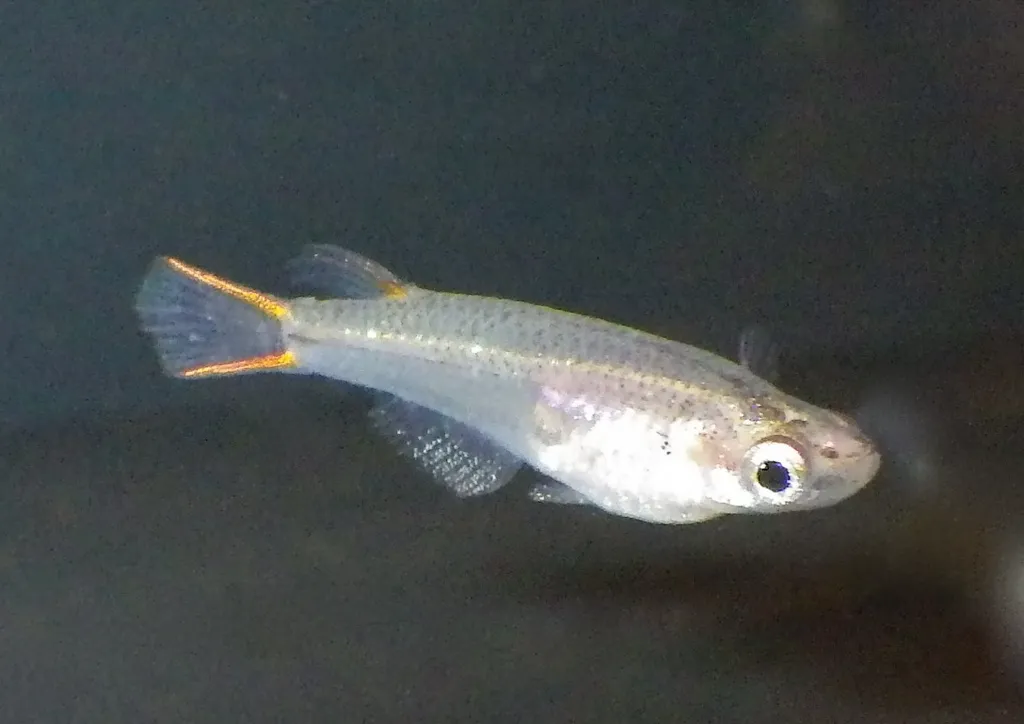
 1.2 in (3 cm)9 gal (35 L)73–81°F (23–27°C)
Daisy's ricefish
Oryzias woworae
1.2 in (3 cm) · 9 gal (35 L)
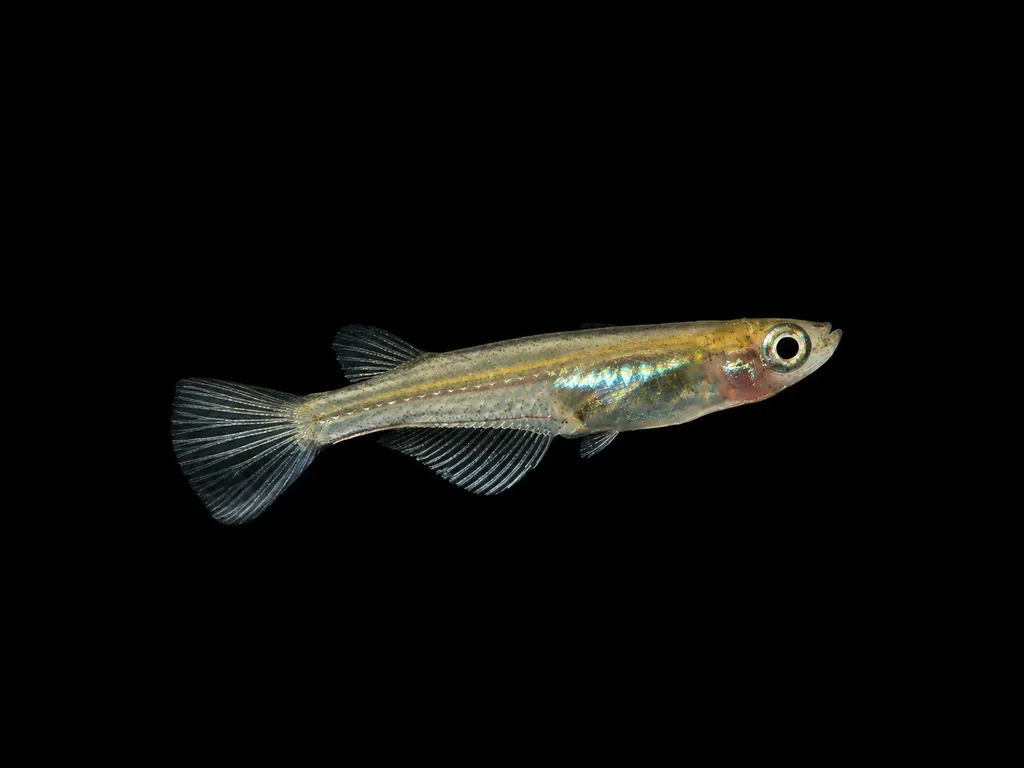
 1.2 in (3 cm)11 gal (40 L)72–79°F (22–26°C)
Mekong ricefish
Oryzias mekongensis
1.2 in (3 cm) · 11 gal (40 L)
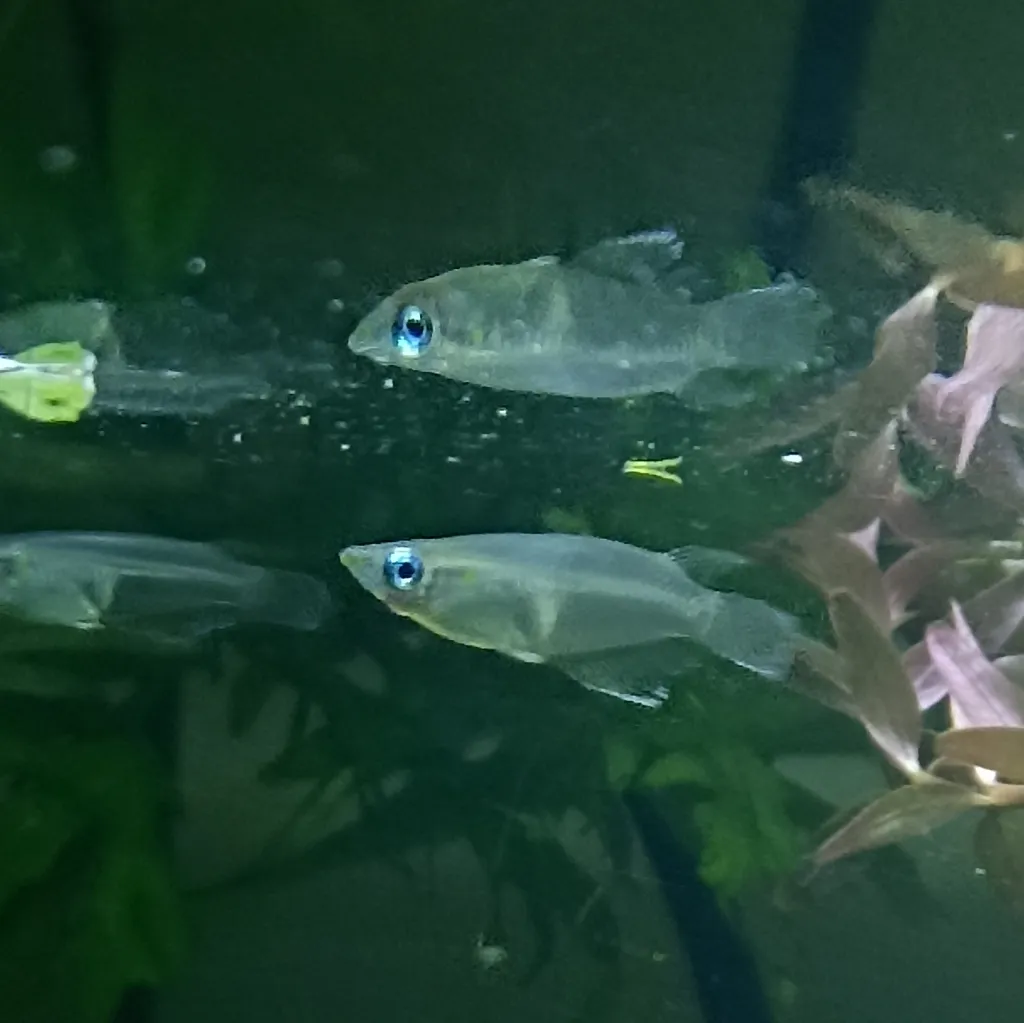
 0.8 in (2 cm)5 gal (20 L)72–79°F (22–26°C)
Dwarf medaka
Oryzias minutillus
0.8 in (2 cm) · 5 gal (20 L)
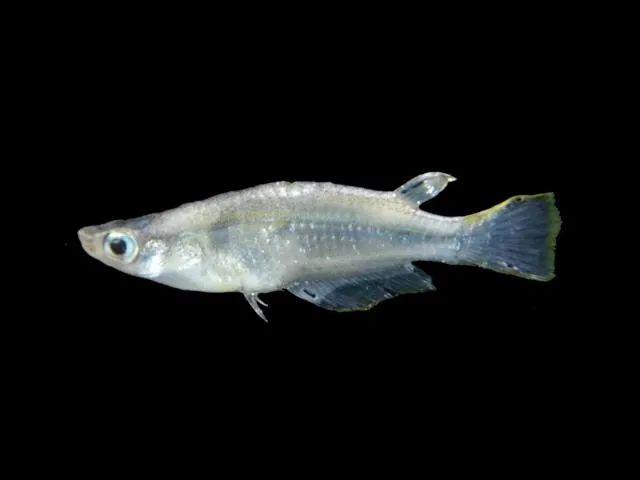
 1.4 in (3.5 cm)14 gal (54 L)72–79°F (22–26°C)
Indian ricefish
Oryzias dancena
1.4 in (3.5 cm) · 14 gal (54 L)
 1.4 in (3.5 cm)11 gal (40 L)75–84°F (24–29°C)
Javanese ricefish
Oryzias javanicus
1.4 in (3.5 cm) · 11 gal (40 L)
 1.4 in (3.5 cm)9 gal (35 L)61–72°F (16–22°C)
Medaka
Oryzias latipes
1.4 in (3.5 cm) · 9 gal (35 L)