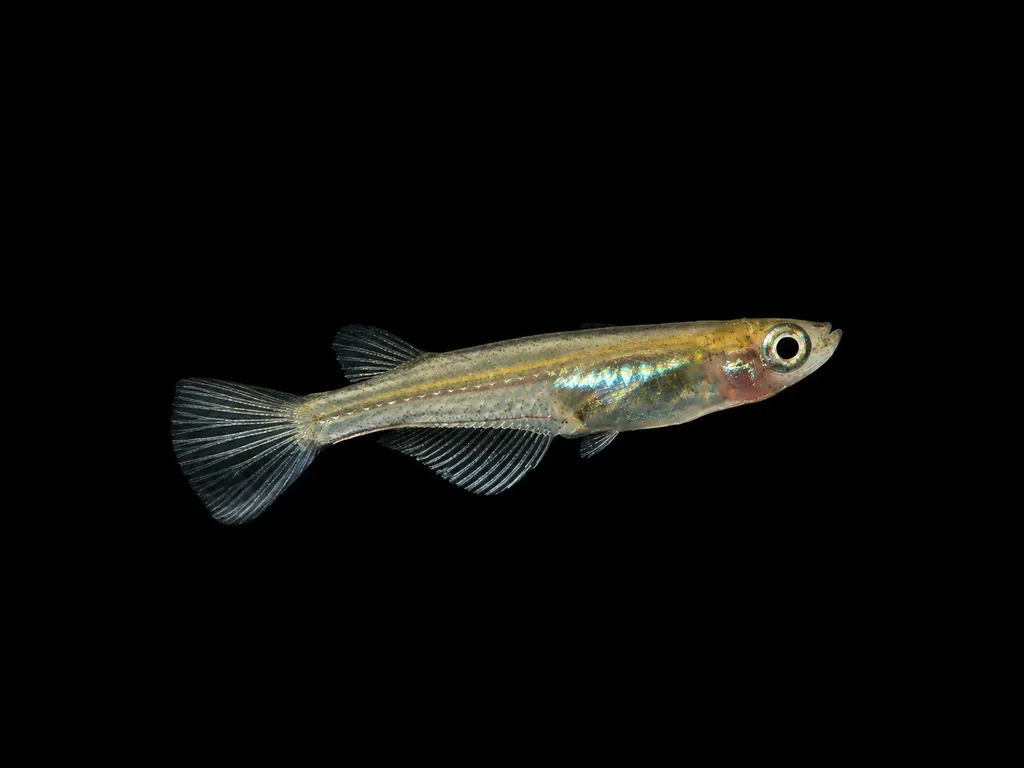
Dwarf medaka
Oryzias minutillus
Also known as Minute ricefish
FreshwaterFish
Care at a glance
- Temperature
- 72–79°F
- 22–26°C
- pH
- 6.0–7.5
- Adult size
- 0.8 in
- 2 cm
- Minimum tank
- 5 gal
- 20 L
- Temperament
- Peaceful
- Social behavior
- Schooling
- Swim level
- Middle
- Difficulty
- Medium
- Breeding
- Egg layer · Medium
- Rarity
- Rare
- Family
- Adrianichthyidae
- Origin
- Chao Phraya and Mekong lowlands, Thailand
Overview
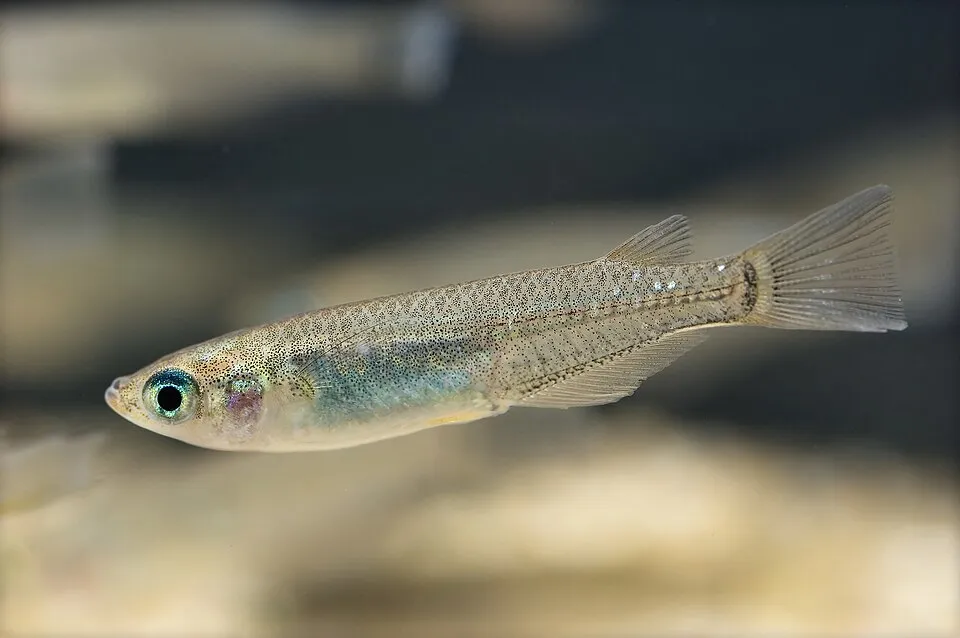
The dwarf medaka is one of the smallest fish in the hobby, a peaceful schooler for a small planted tank. It can live out a full life in a tank that small. It is a fish for someone with a little experience.
Did you know
A full-grown dwarf medaka is shorter than the width of an adult's fingernail. A mature, breeding colony can live comfortably in a jar-sized volume that would barely suit a single ordinary community fish.
Caring for the dwarf medaka
A gently filtered tank of at least 5 gal (20 L), with moss and fine plants, houses a dwarf medaka colony well. Plant it heavily and keep the water calm, since a quiet tank with little current lets this delicate fish feed and settle.
It likes warm, soft to neutral water at 72 to 79°F (22 to 26°C) and a pH of 6.0 to 7.5. Feed small foods, such as crushed flake, powdered fry food, microworm and baby brine shrimp.
Keep dwarf medaka in a group of at least six, and a larger colony is better. In a group they feel secure and stay out in the open. They are community safe but so tiny that they belong in a species tank, or with equally minute, gentle companions. Keep no fish large enough to eat them.
As in other medakas, the fertilized eggs ride at the female's vent until she attaches them to plants. They can breed in a quiet planted tank, and the main difficulty is that the tiny fry need very small first foods.
Good to know
Oryzias minutillus is a ricefish of the family Adrianichthyidae and the smallest of the medakas. Its name means very small.
In the wild
Oryzias minutillus comes from lowland Thailand, in the Chao Phraya and Mekong drainages. It drifts in still and slow waters such as ditches, ponds and rice paddies, among dense plants.
Weekly picks
Tank mates
The dwarf medaka is a peaceful, schooling species that keeps to the middle. These picks share a community profile with it, are safe together in both directions, and overlap on water type, temperature and pH.
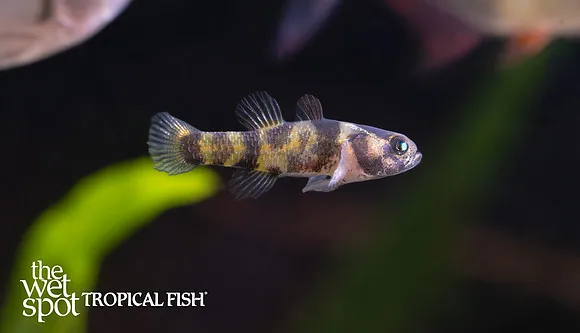
Micro bumblebee goby
Brachygobius nunus
FreshwaterBrackish1 in (2.5 cm) · 5 gal (20 L)73–82°F (23–28°C)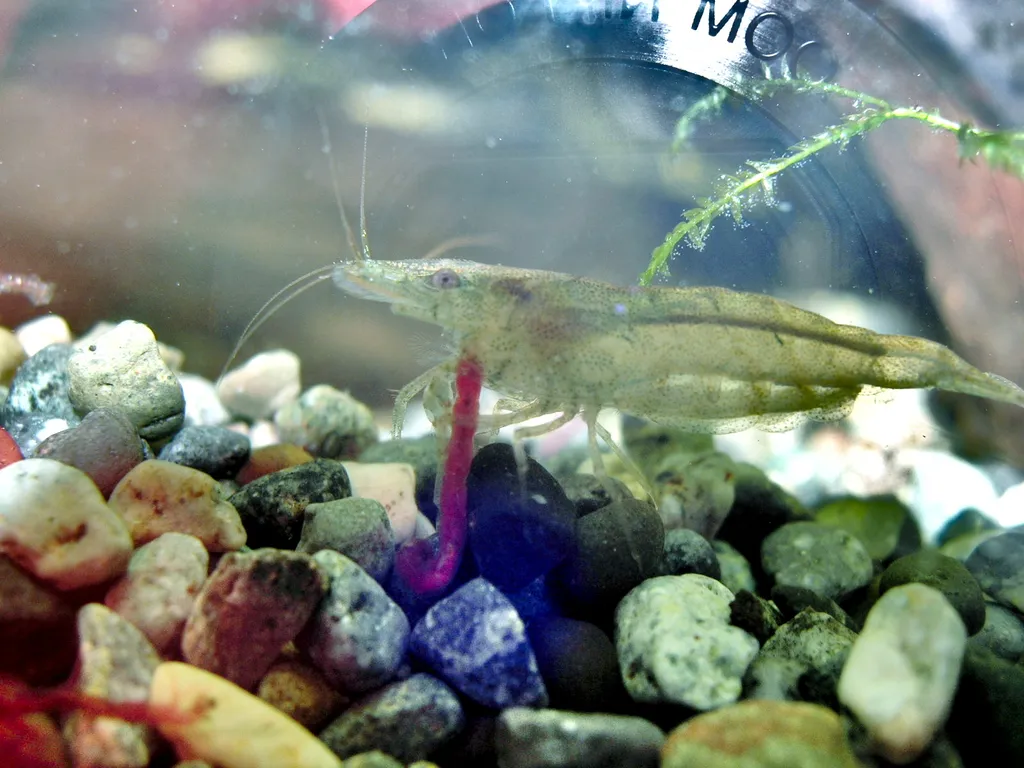
Okinawa cleaner shrimp
Neocaridina denticulata
Freshwater1.2 in (3 cm) · 5 gal (20 L)64–79°F (18–26°C)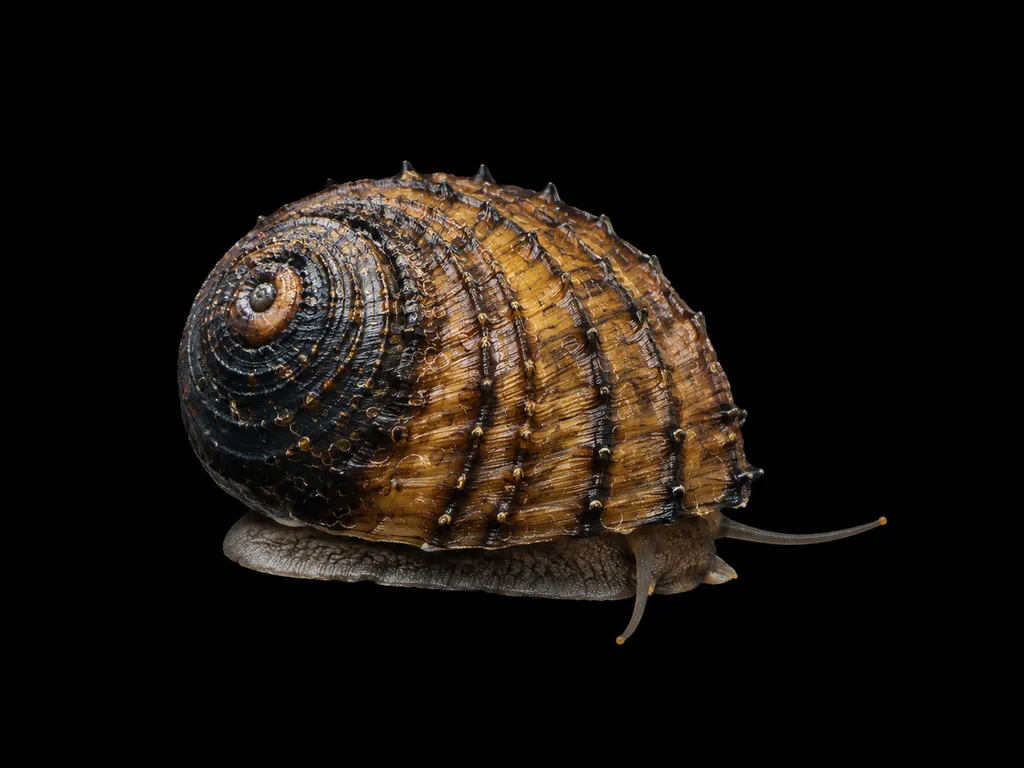
King Koopa nerite
Neritina juttingae
FreshwaterBrackish1 in (2.5 cm) · 5 gal (20 L)72–82°F (22–28°C)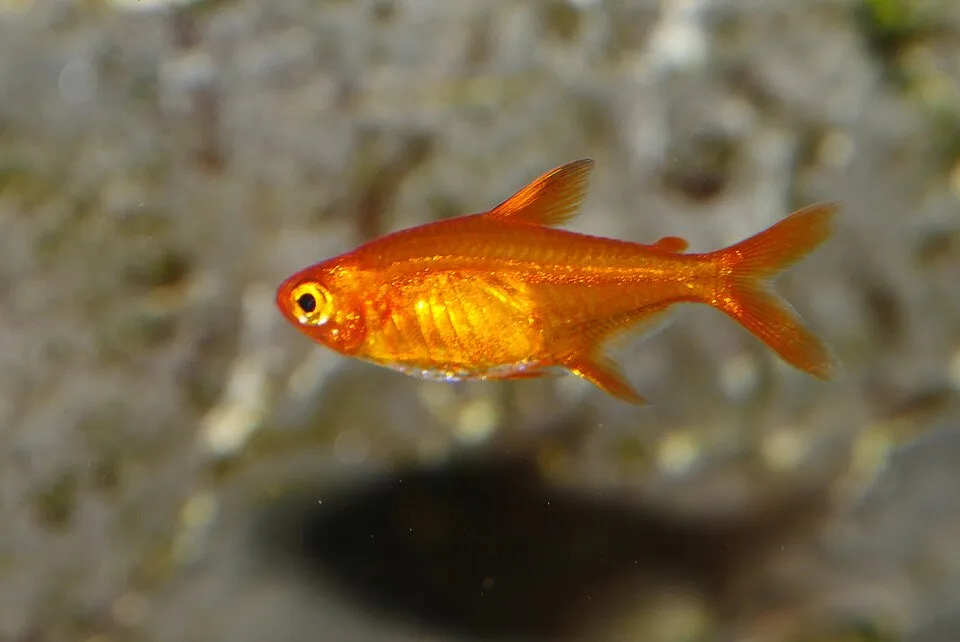
Ember tetra
Hyphessobrycon amandae
Freshwater0.8 in (2 cm) · 9 gal (35 L)72–82°F (22–28°C)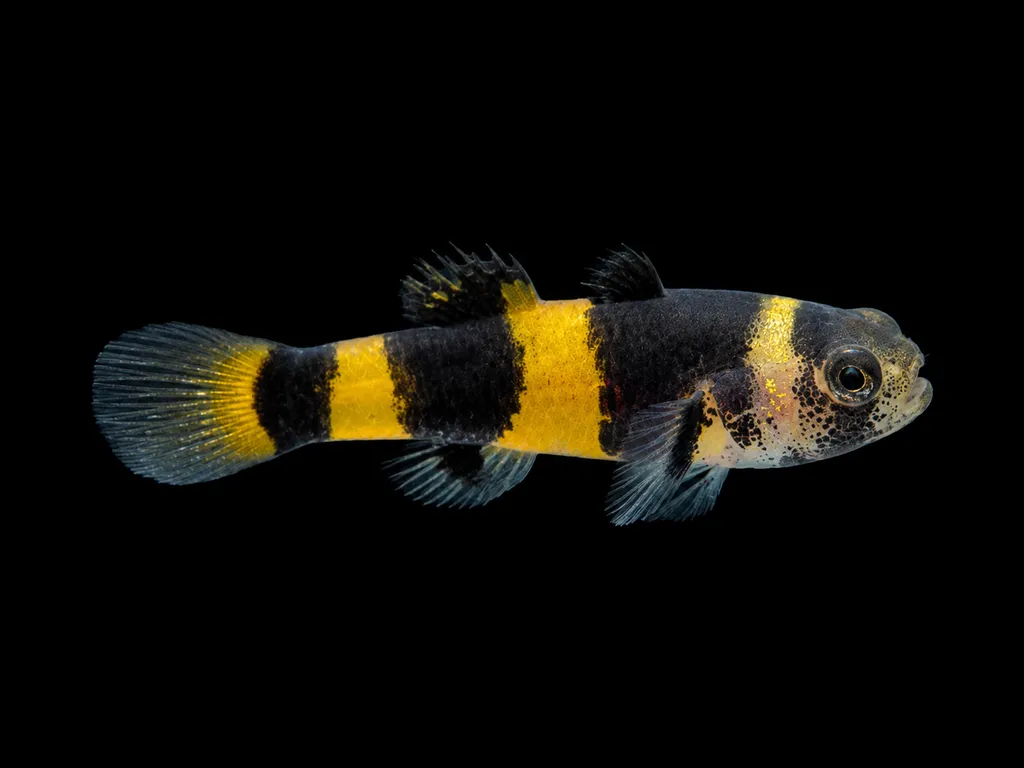
Mini bumblebee goby
Brachygobius xanthomelas
Freshwater0.8 in (2 cm) · 5 gal (20 L)75–82°F (24–28°C)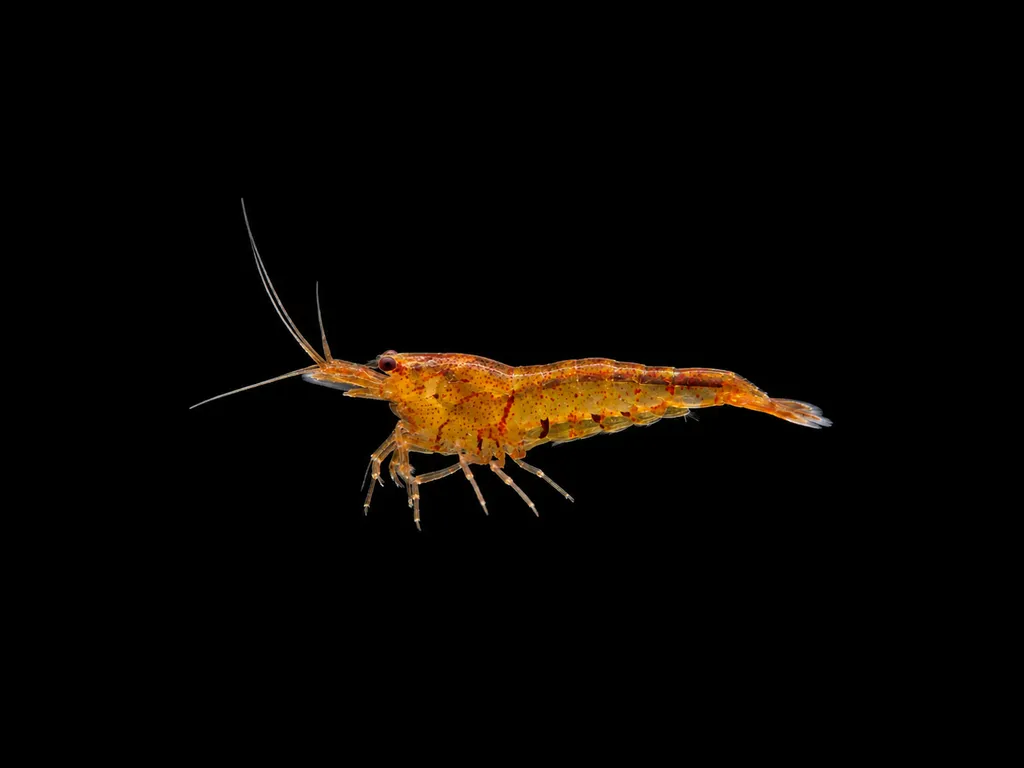
Tangerine tiger shrimp
Caridina serrata
Freshwater1.2 in (3 cm) · 5 gal (20 L)68–79°F (20–26°C)
Common questions
What size tank does a dwarf medaka need?
A dwarf medaka needs at least 5 gal (20 L). It spends most of its time in the middle.
What temperature and pH does a dwarf medaka need?
A dwarf medaka is comfortable at 72–79°F (22–26°C) with a pH of 6.0–7.5.
What does a dwarf medaka eat?
A dwarf medaka eats small foods, such as crushed flake and powdered fry food. Microworm and baby brine shrimp suit it too.
How big does a dwarf medaka get?
An adult dwarf medaka reaches about 0.8 in (2 cm).
Does a dwarf medaka need a group?
Yes. A dwarf medaka is a schooling species and should be kept in a group, not singly.
How does a dwarf medaka breed?
A dwarf medaka female carries her fertilized eggs at her vent, then attaches them to plants. Breeding works in a quiet planted tank, but the tiny fry need very small first foods.
Related species
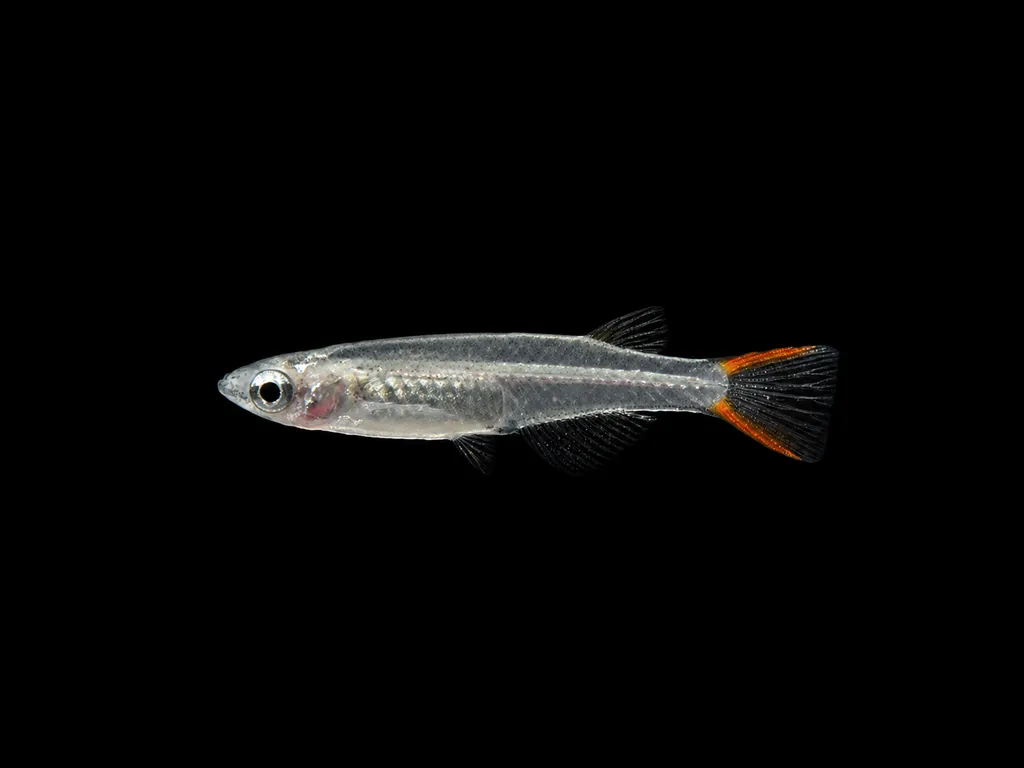 1 in (2.5 cm)11 gal (40 L)72–79°F (22–26°C)
Songkhram ricefish
Oryzias songkhramensis
1 in (2.5 cm) · 11 gal (40 L)
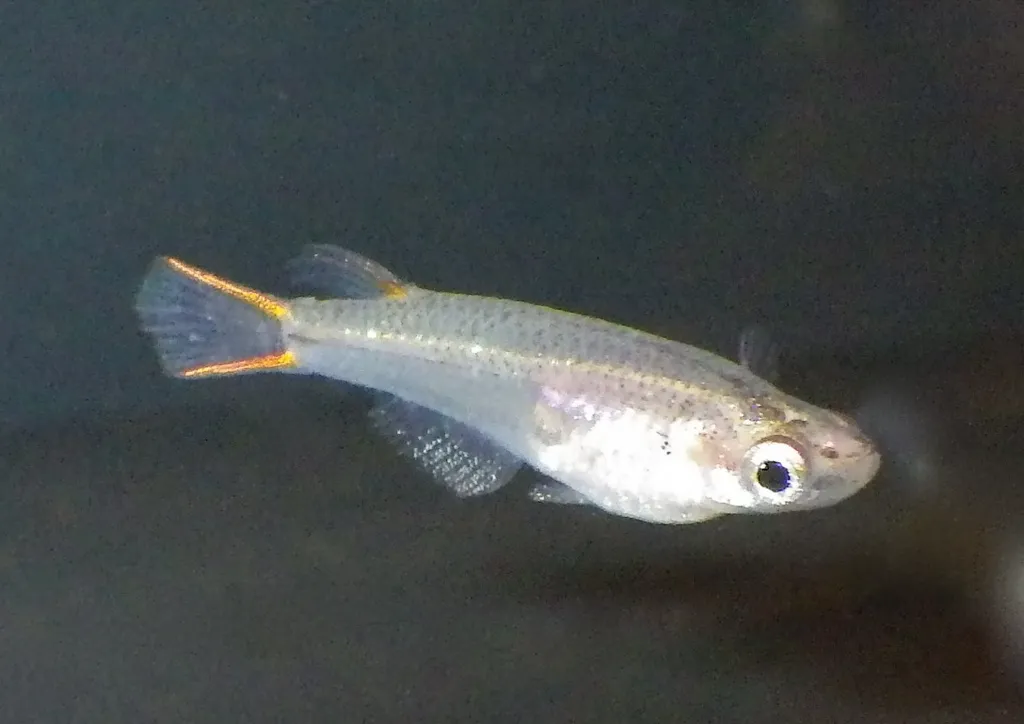
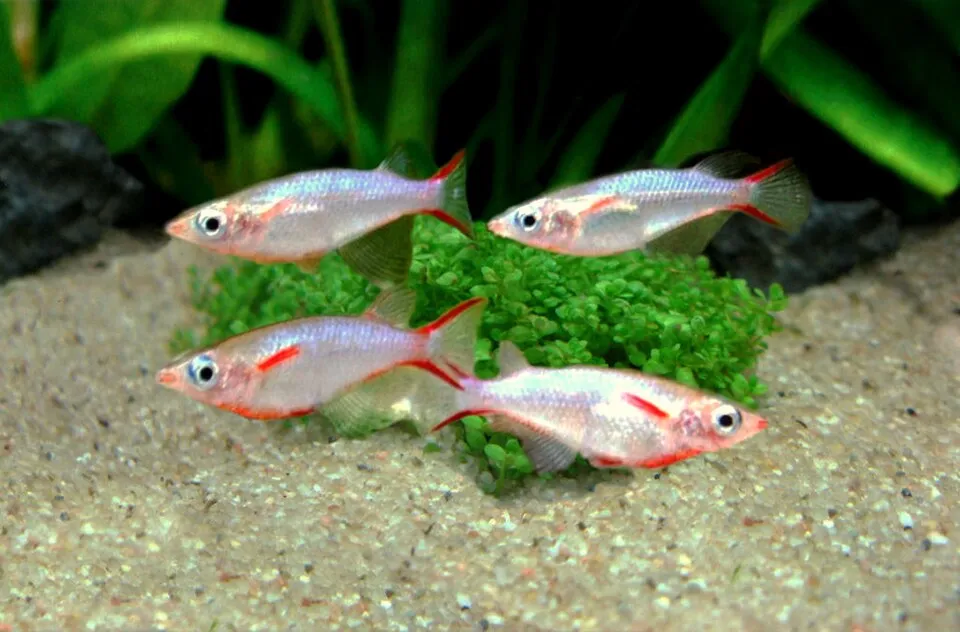 1.2 in (3 cm)9 gal (35 L)73–81°F (23–27°C)
Daisy's ricefish
Oryzias woworae
1.2 in (3 cm) · 9 gal (35 L)
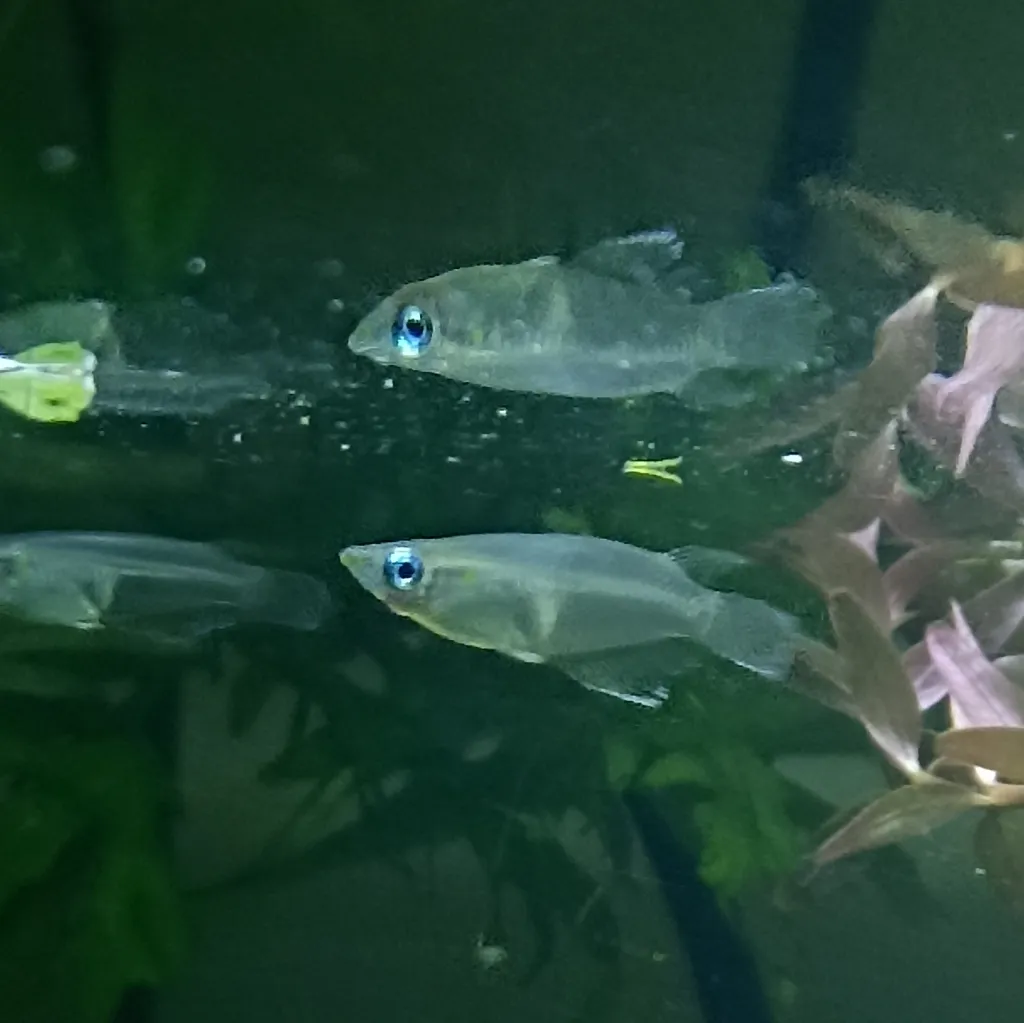
 1.2 in (3 cm)11 gal (40 L)72–79°F (22–26°C)
Mekong ricefish
Oryzias mekongensis
1.2 in (3 cm) · 11 gal (40 L)
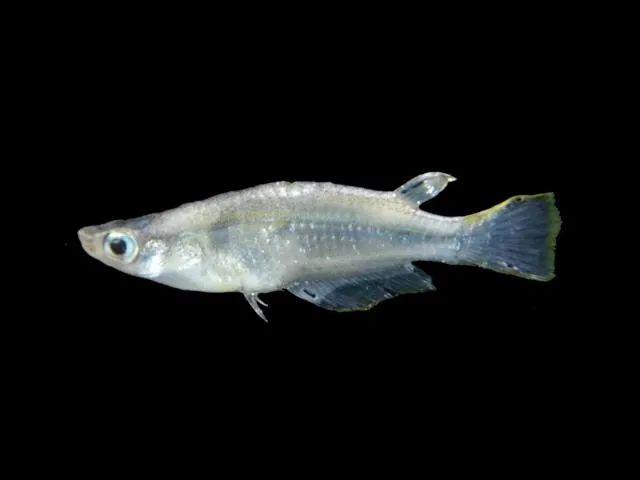
 1.4 in (3.5 cm)14 gal (54 L)72–79°F (22–26°C)
Indian ricefish
Oryzias dancena
1.4 in (3.5 cm) · 14 gal (54 L)
 1.4 in (3.5 cm)11 gal (40 L)75–84°F (24–29°C)
Javanese ricefish
Oryzias javanicus
1.4 in (3.5 cm) · 11 gal (40 L)
 1.4 in (3.5 cm)9 gal (35 L)61–72°F (16–22°C)
Medaka
Oryzias latipes
1.4 in (3.5 cm) · 9 gal (35 L)