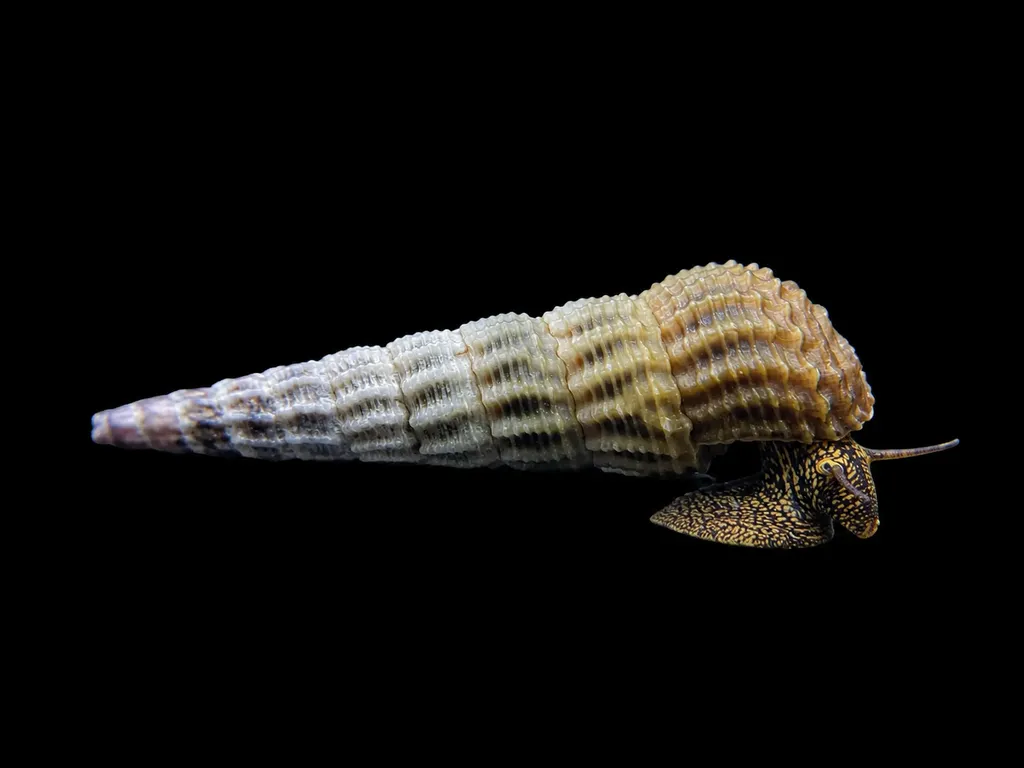
Hercules snail
Brotia herculea
Also known as Giant Brotia, Hercules Brotia
FreshwaterSnail
Care at a glance
- Temperature
- 73–82°F
- 23–28°C
- pH
- 7.0–8.2
- Adult size
- 3.1 in
- 8 cm
- Minimum tank
- 11 gal
- 40 L
- Temperament
- Peaceful
- Social behavior
- Solitary
- Swim level
- Bottom
- Difficulty
- Medium
- Breeding
- Livebearer · Hard
- Rarity
- Rare
- Family
- Pachychilidae
- Origin
- Fast rivers of Thailand and Myanmar
Overview
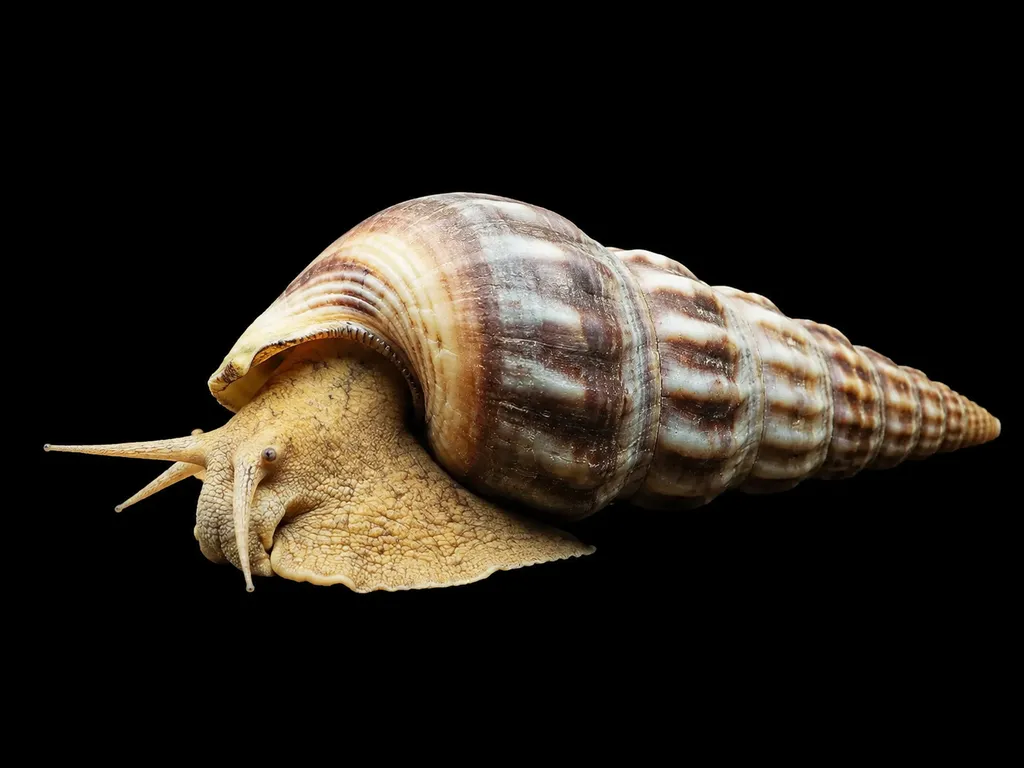
The Hercules snail is a large, heavy-shelled, slow-moving grazer for a peaceful tank with current and hard water. It is a step up from the easiest snails.
Did you know
The Hercules snail is named herculea, for Hercules, in tribute to its bulk among river snails. Yet its live-born young start life at just one to two millimeters, a tiny beginning for the giant of its genus.
Caring for the Hercules snail
A single Hercules snail is comfortable in a tank of 11 gal (40 L) or more. Give it steady current, good aeration, and rock and driftwood to graze over. It can be hard on soft, delicate plants, so pair it with tough plants or none.
Keep the water warm, hard and alkaline, at 73 to 82°F (23 to 28°C) with a pH of 7.0 to 8.2. Hard water supports its thick, heavy shell, and flow and oxygen suit a snail built for running water.
It creeps over rock, wood and substrate, rasping algae and biofilm. Offer sinking vegetable foods too, plus the occasional protein-rich sinking food, and keep calcium available. There is no need to keep it in a group, and one snail or a few will get along quietly with peaceful tank mates.
The Hercules snail is a livebearer, and males and females look alike from the outside. Raising a brood is slow and hard, since the young are so tiny at birth.
Good to know
The Hercules snail, Brotia herculea, belongs to the family Pachychilidae. Its elongated, conical shell is ridged and knobbed like carved stone.
In the wild
The Hercules snail lives in flowing rivers of Thailand and Myanmar. It grips the bottom in moving, well-oxygenated water.
Weekly picks
Tank mates
The Hercules snail is a peaceful, solitary species that keeps to the bottom. These picks share a community profile with it, are safe together in both directions, and overlap on water type, temperature and pH.
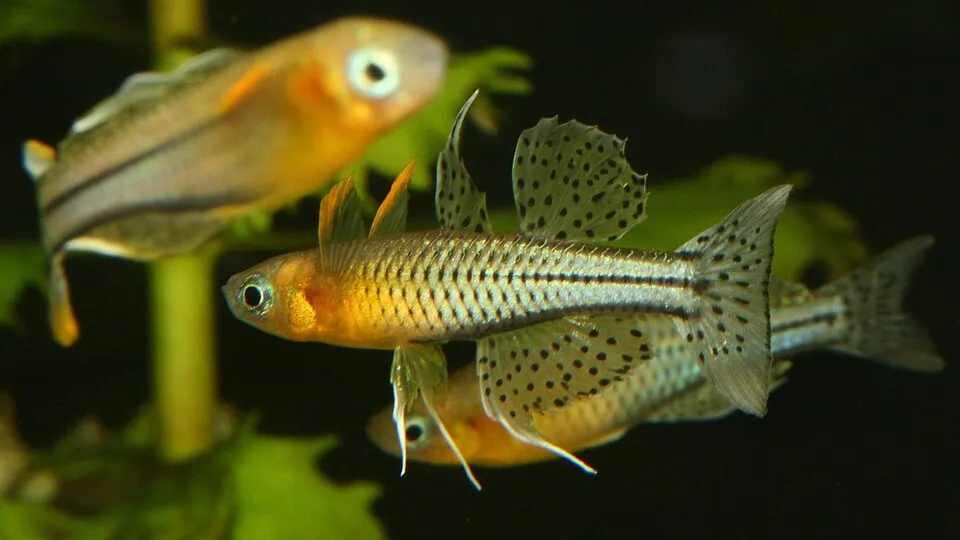
Spotted blue-eye
Pseudomugil gertrudae
Freshwater1.5 in (3.8 cm) · 11 gal (40 L)70–82°F (21–28°C)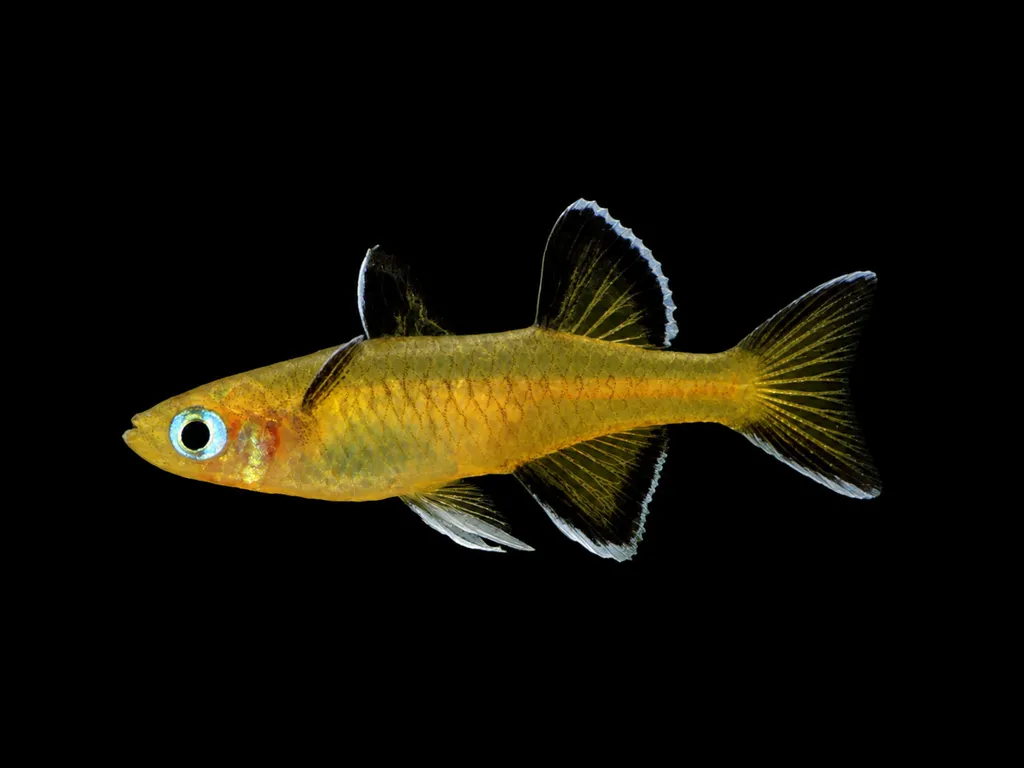
Honey blue-eye
Pseudomugil mellis
Freshwater1.4 in (3.5 cm) · 11 gal (40 L)68–82°F (20–28°C)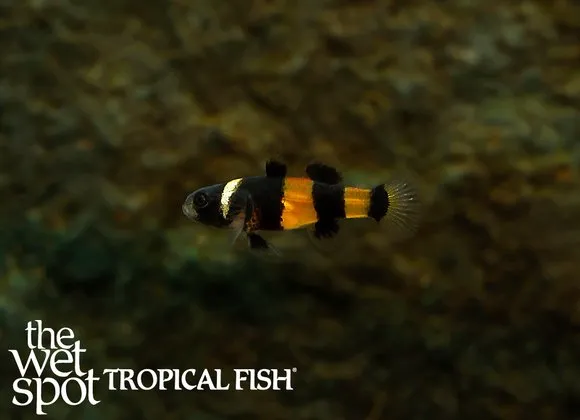
Sabanus bumblebee goby
Brachygobius sabanus
Freshwater1.2 in (3 cm) · 11 gal (40 L)75–82°F (24–28°C)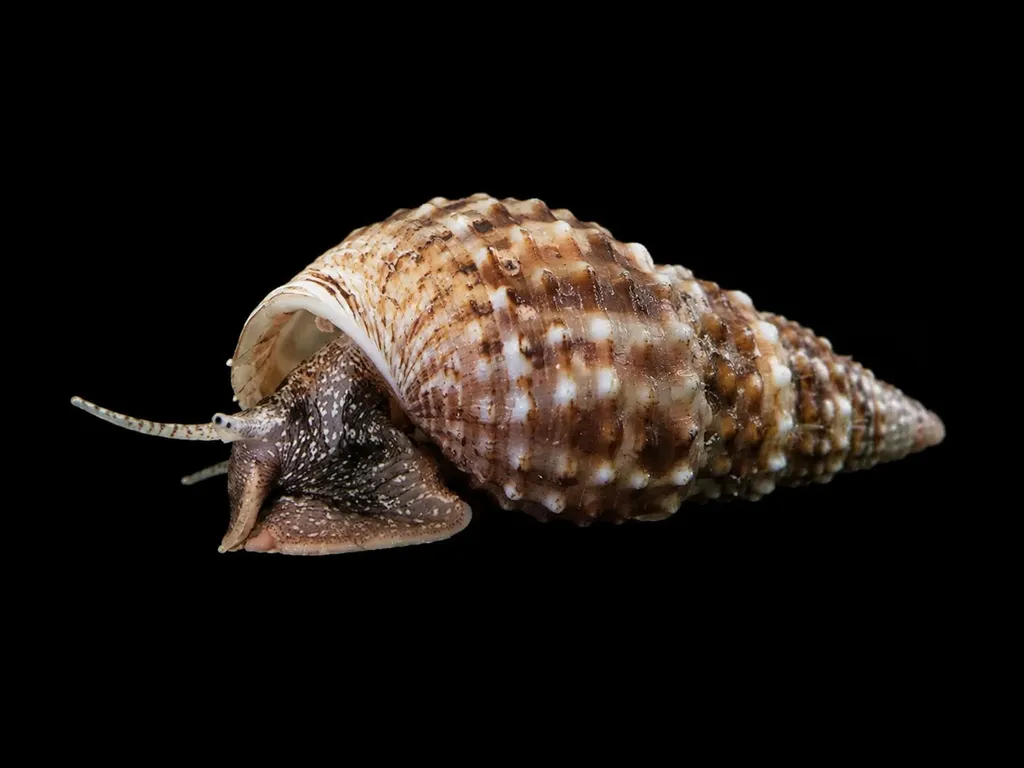
Prambanan snail
Thiara winteri
Freshwater1.6 in (4 cm) · 11 gal (40 L)73–82°F (23–28°C)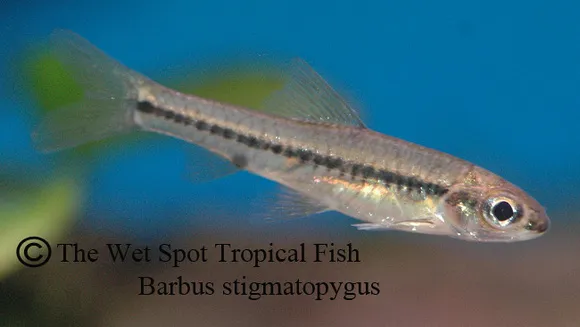
Blackspot dwarf barb
Enteromius stigmatopygus
Freshwater1.4 in (3.5 cm) · 11 gal (40 L)72–81°F (22–27°C)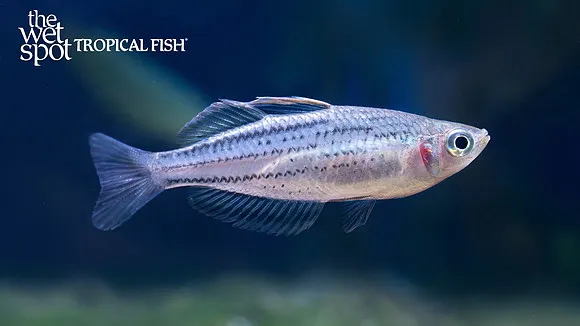
Green panchax
Aplocheilus blockii
Freshwater2 in (5 cm) · 11 gal (40 L)72–82°F (22–28°C)
Common questions
What size tank does a Hercules snail need?
A Hercules snail needs at least 11 gal (40 L). It spends most of its time in the bottom.
What temperature and pH does a Hercules snail need?
A Hercules snail is comfortable at 73–82°F (23–28°C) with a pH of 7.0–8.2.
What does a Hercules snail eat?
A Hercules snail rasps algae and biofilm off rock, wood and substrate. Offer it sinking vegetable foods as well, with the occasional protein-rich sinking food, and keep calcium available.
How big does a Hercules snail get?
An adult Hercules snail reaches about 3.1 in (8 cm).
How can you tell a male Hercules snail from a female?
Males and females look alike from the outside, so you cannot tell a Hercules snail's sex by sight.
How does a Hercules snail breed?
The Hercules snail is a livebearer. Its young are tiny at birth, so raising a brood is slow and hard.
Related species
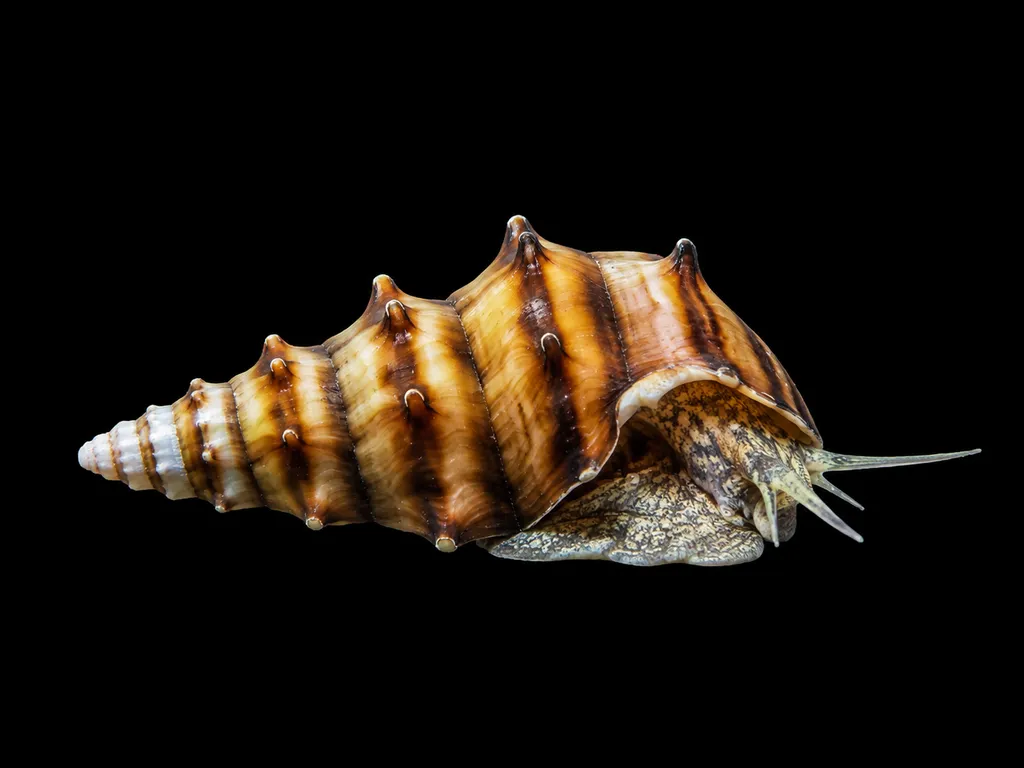 2.4 in (6 cm)5 gal (20 L)72–82°F (22–28°C)
Pagoda snail
Brotia pagodula
2.4 in (6 cm) · 5 gal (20 L)
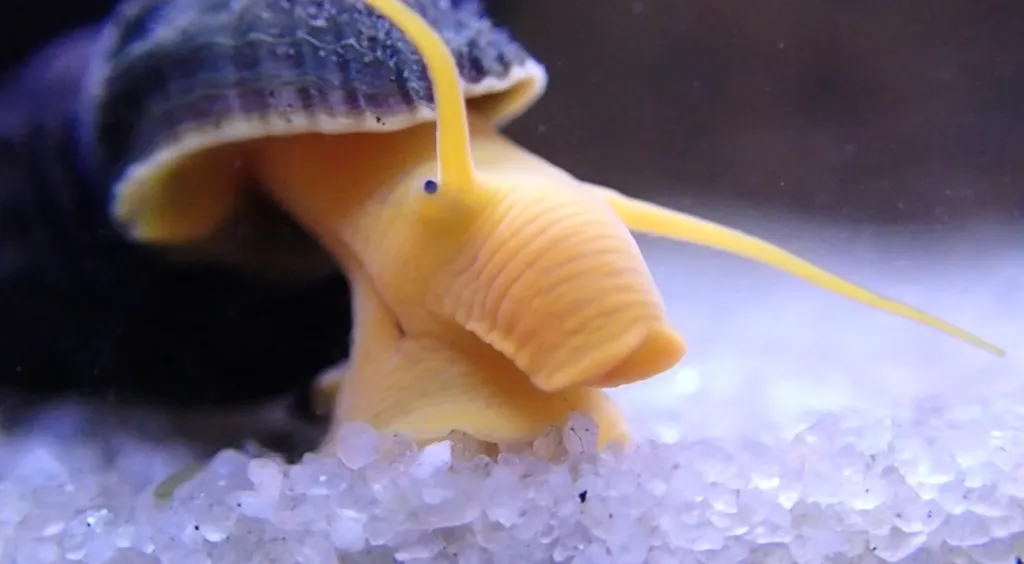 2.8 in (7 cm)16 gal (60 L)75–82°F (24–28°C)
Gold rabbit snail
Tylomelania gemmifera
2.8 in (7 cm) · 16 gal (60 L)
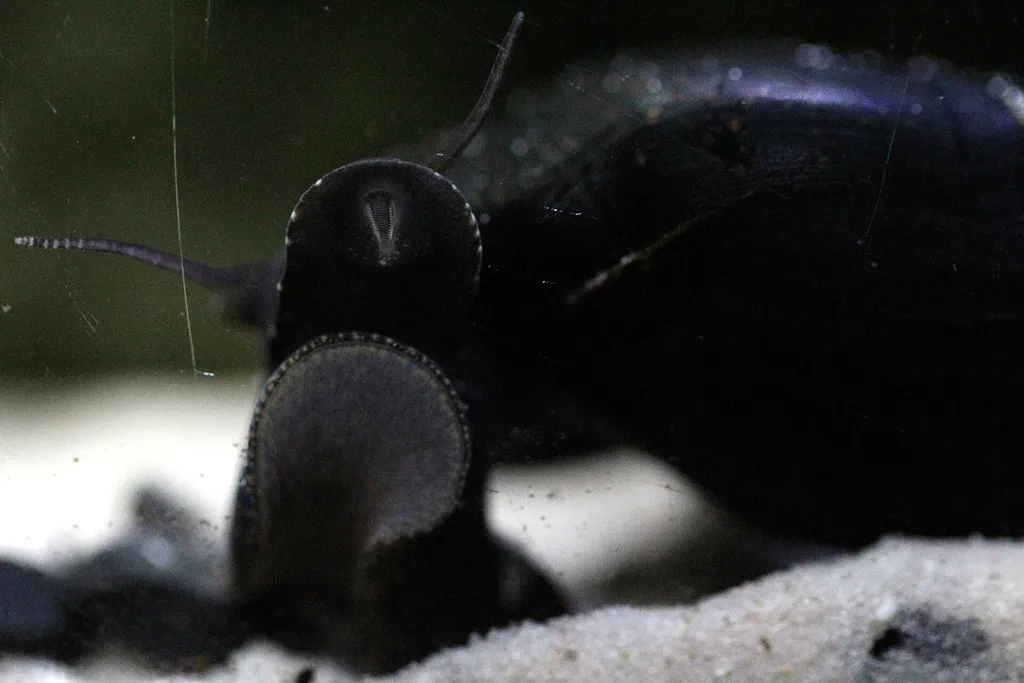 3.9 in (10 cm)13 gal (50 L)72–86°F (22–30°C)
Black devil snail
Faunus ater
3.9 in (10 cm) · 13 gal (50 L)
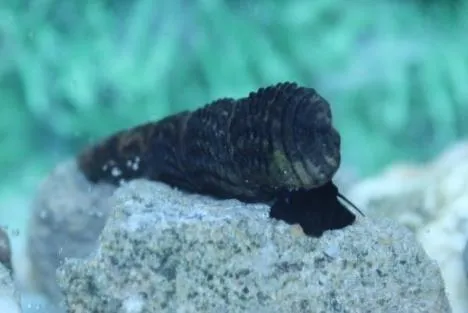 4.3 in (11 cm)16 gal (60 L)75–84°F (24–29°C)
White spotted rabbit snail
Tylomelania towutica
4.3 in (11 cm) · 16 gal (60 L)
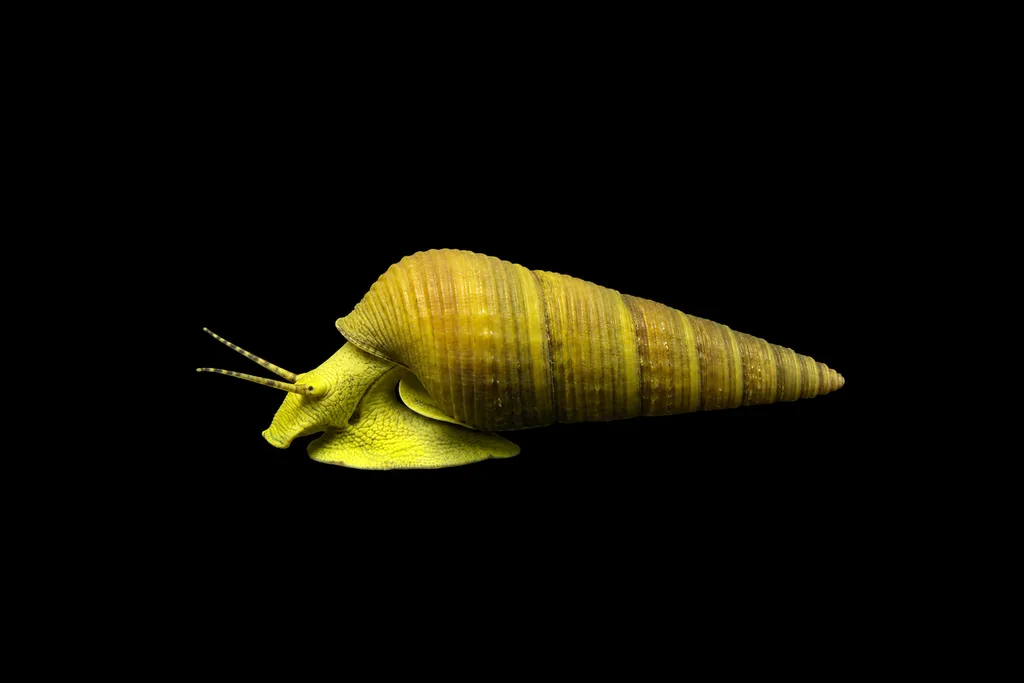 4.7 in (12 cm)20 gal (75 L)79–86°F (26–30°C)
Yellow giant rabbit snail
Tylomelania sarasinorum
4.7 in (12 cm) · 20 gal (75 L)
 2 in (5 cm)11 gal (40 L)77–86°F (25–30°C)
Himalayan rabbit snail
Tylomelania marwotoae
2 in (5 cm) · 11 gal (40 L)