Triangle rabbit snail
Tylomelania sinabartfeldi
FreshwaterSnail
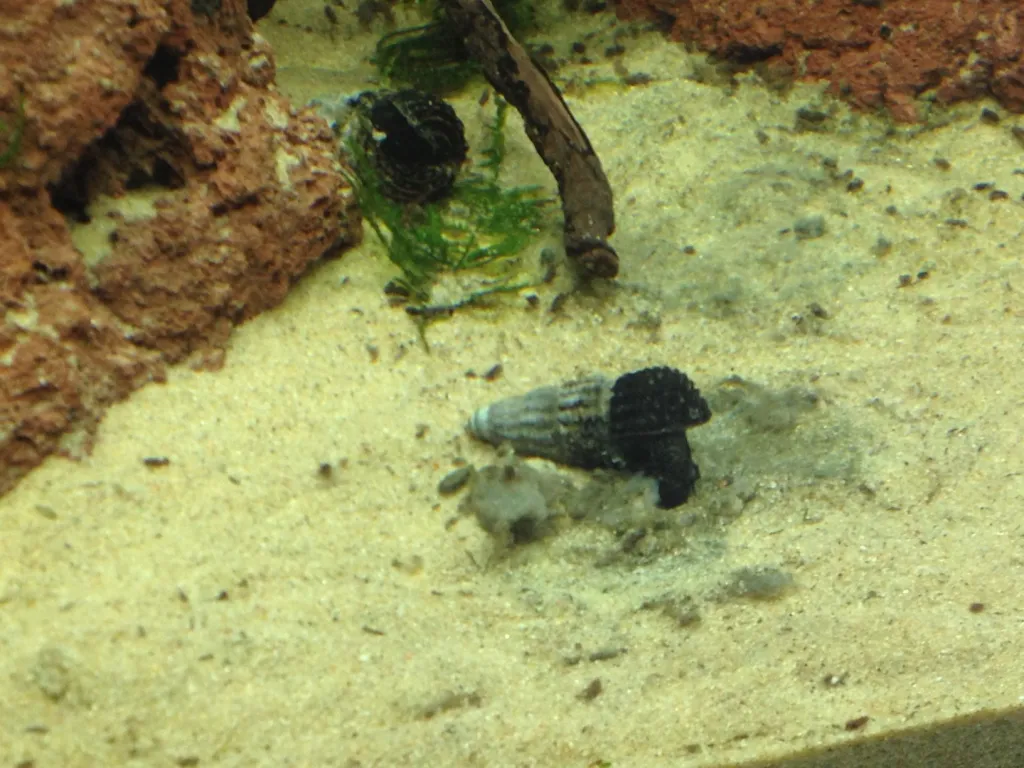
Care at a glance
- Temperature
- 75–86°F
- 24–30°C
- pH
- 7.0–8.5
- Adult size
- 2 in
- 5 cm
- Minimum tank
- 5 gal
- 20 L
- Temperament
- Peaceful
- Social behavior
- Solitary
- Swim level
- Bottom
- Difficulty
- Medium
- Breeding
- Livebearer · Hard
- Rarity
- Rare
- Family
- Pachychilidae
- Origin
- Sulawesi
Overview
The triangle rabbit snail is a Sulawesi snail with a dark, ridged shell, a steady grazer for a peaceful community tank. It is best with a little experience.
Did you know
Rabbit snails are choosy about mates and slow to reproduce, so a female may raise only a handful of young in a year. The upside is a snail that will never plague a tank the way faster breeders do.
Caring for the triangle rabbit snail
Give the triangle rabbit snail 5 gal (20 L) or more, which leaves it space to graze. A deep bed of soft sand is important. The snail plows through the top layer searching for food and buries part of its long shell there.
It needs the same hard water as all rabbit snails, at 75 to 86°F (24 to 30°C) and a pH of 7.0 to 8.5. Steady minerals, clean water and calm flow keep it healthy and its shell strong. Keep it away from copper, which is toxic to snails.
It grazes steadily over wood, rock and sand for algae, biofilm and detritus. It is peaceful and indifferent to tank mates, so it mixes well with community fish and shrimp. One snail is content on its own.
The triangle rabbit snail is a livebearer, giving birth to a single fully formed juvenile at a time rather than laying eggs. That output is so low, and the babies mature so slowly, that building up a colony on purpose is slow work. Breeding it is rated hard.
Good to know
The triangle rabbit snail, Tylomelania sinabartfeldi, is one of the Sulawesi rabbit snails in the family Pachychilidae. It is uncommon in shops. Like the rest of its genus, it has a long, whorled, ribbed shell that closes with a horny trapdoor.
In the wild
The triangle rabbit snail, like other rabbit snails, lives only in the ancient lakes and feeder streams of Sulawesi. The warm, hard, alkaline water there stays much the same all year.
Weekly picks
Tank mates
The triangle rabbit snail is a peaceful, solitary species that keeps to the bottom. These picks share a community profile with it, are safe together in both directions, and overlap on water type, temperature and pH.
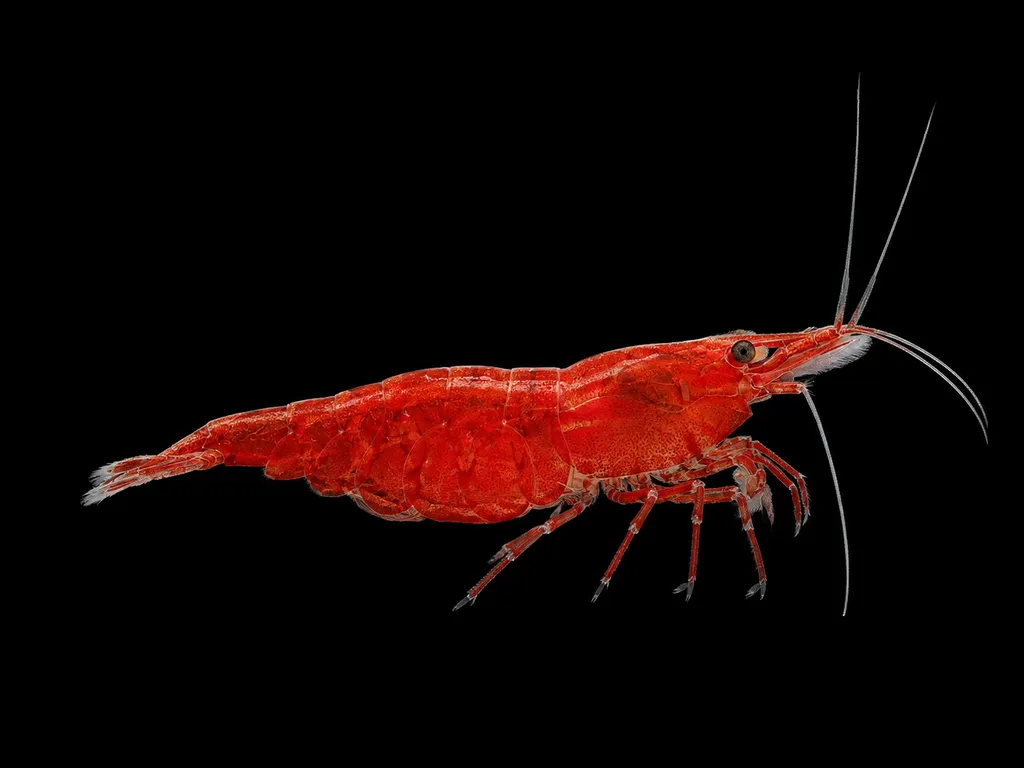
Neocaridina shrimp
Neocaridina davidi
Freshwater1.6 in (4 cm) · 5 gal (19 L)59–84°F (15–29°C)
Guppy
Poecilia reticulata
FreshwaterBrackish2.4 in (6 cm) · 10 gal (38 L)64–82°F (18–28°C)
Neon tetra
Paracheirodon innesi
Freshwater1.5 in (3.8 cm) · 11 gal (40 L)70–77°F (21–25°C)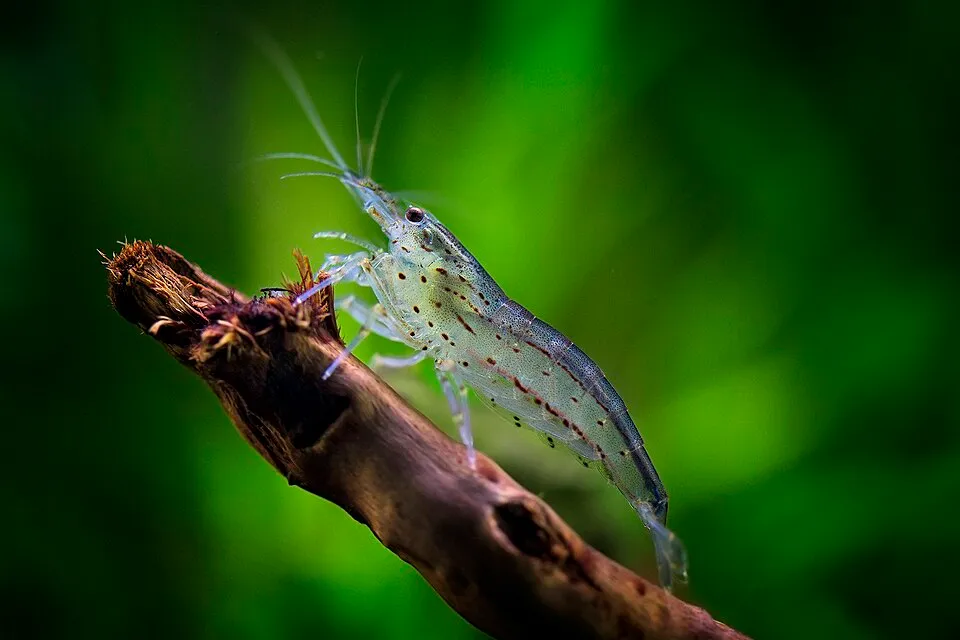
Amano shrimp
Caridina multidentata
FreshwaterBrackish2 in (5 cm) · 8 gal (30 L)59–81°F (15–27°C)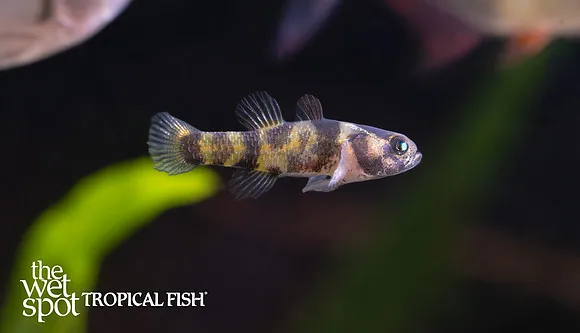
Micro bumblebee goby
Brachygobius nunus
FreshwaterBrackish1 in (2.5 cm) · 5 gal (20 L)73–82°F (23–28°C)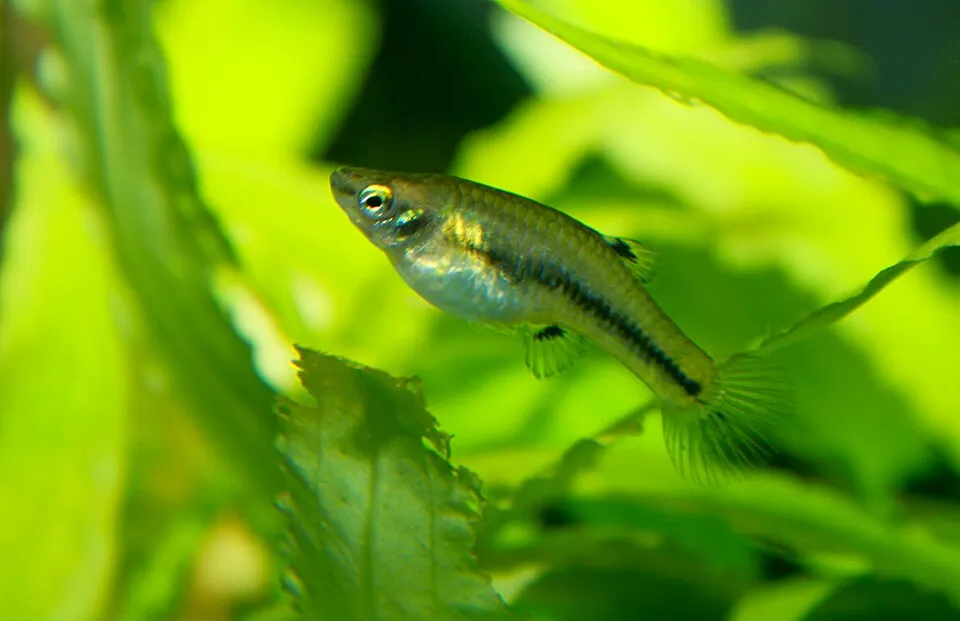
Least killifish
Heterandria formosa
FreshwaterBrackish1.4 in (3.5 cm) · 5 gal (20 L)68–79°F (20–26°C)
Common questions
What size tank does a triangle rabbit snail need?
A triangle rabbit snail needs at least 5 gal (20 L). It spends most of its time in the bottom.
What temperature and pH does a triangle rabbit snail need?
A triangle rabbit snail is comfortable at 75–86°F (24–30°C) with a pH of 7.0–8.5.
What does a triangle rabbit snail eat?
A triangle rabbit snail grazes over wood, rock and sand for algae, biofilm and detritus.
How big does a triangle rabbit snail get?
An adult triangle rabbit snail reaches about 2 in (5 cm).
How does a triangle rabbit snail breed?
The triangle rabbit snail is a livebearer and gives birth to one fully formed baby at a time, not eggs. The babies mature slowly, so building a colony is slow work and rated hard.
Related species
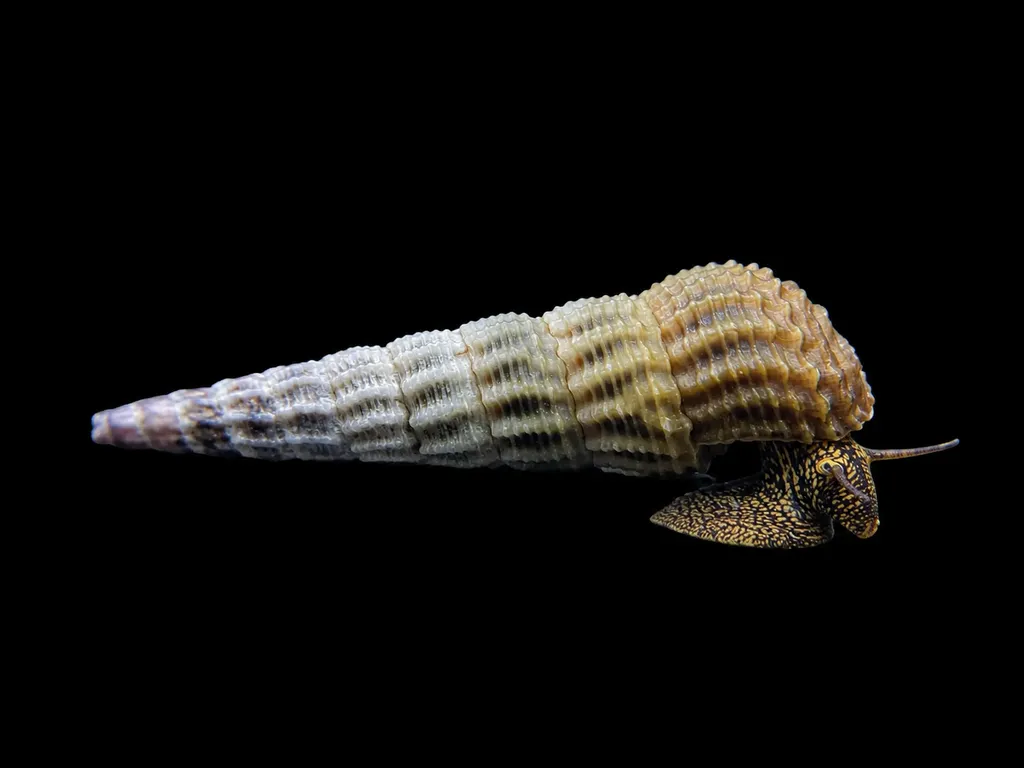 2 in (5 cm)11 gal (40 L)77–86°F (25–30°C)
Himalayan rabbit snail
Tylomelania marwotoae
2 in (5 cm) · 11 gal (40 L)
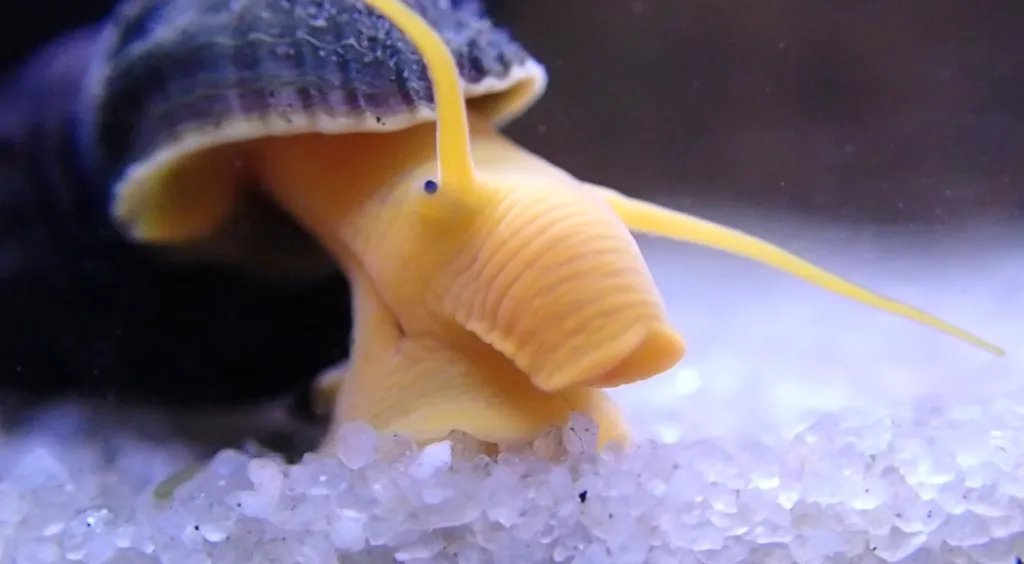 2.8 in (7 cm)16 gal (60 L)75–82°F (24–28°C)
Gold rabbit snail
Tylomelania gemmifera
2.8 in (7 cm) · 16 gal (60 L)
 4.3 in (11 cm)16 gal (60 L)75–84°F (24–29°C)
White spotted rabbit snail
Tylomelania towutica
4.3 in (11 cm) · 16 gal (60 L)
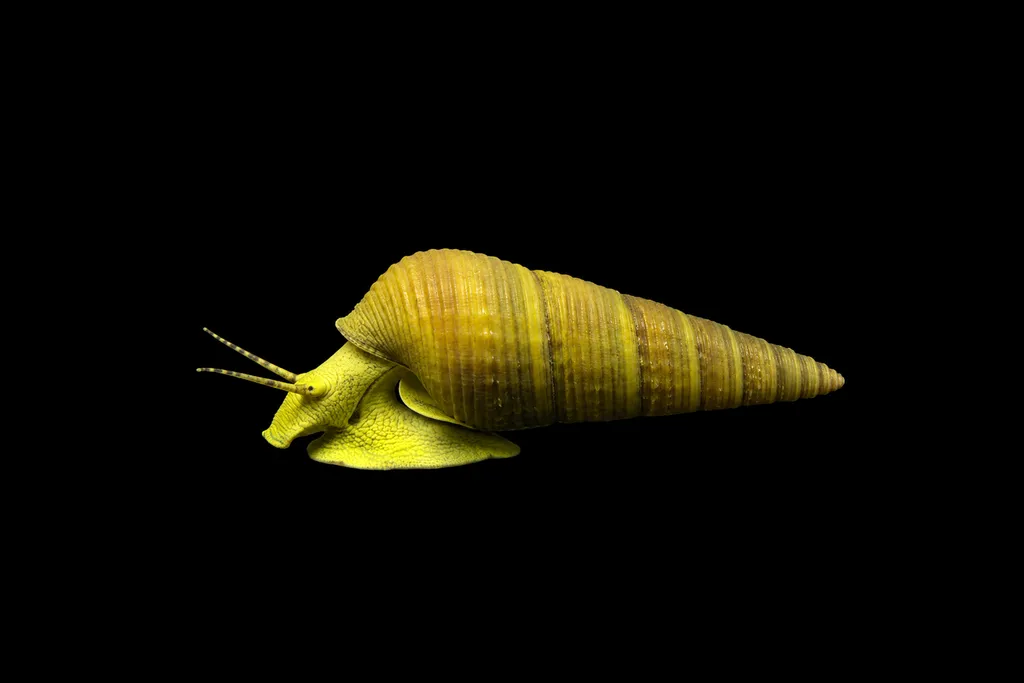 4.7 in (12 cm)20 gal (75 L)79–86°F (26–30°C)
Yellow giant rabbit snail
Tylomelania sarasinorum
4.7 in (12 cm) · 20 gal (75 L)
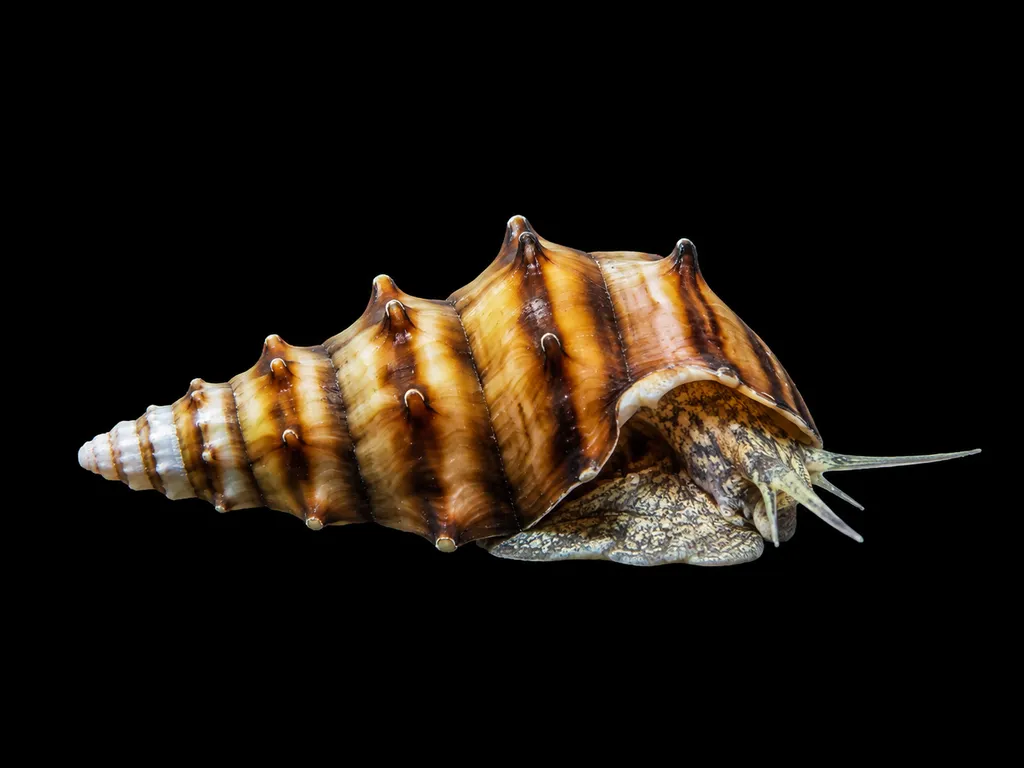 2.4 in (6 cm)5 gal (20 L)72–82°F (22–28°C)
Pagoda snail
Brotia pagodula
2.4 in (6 cm) · 5 gal (20 L)
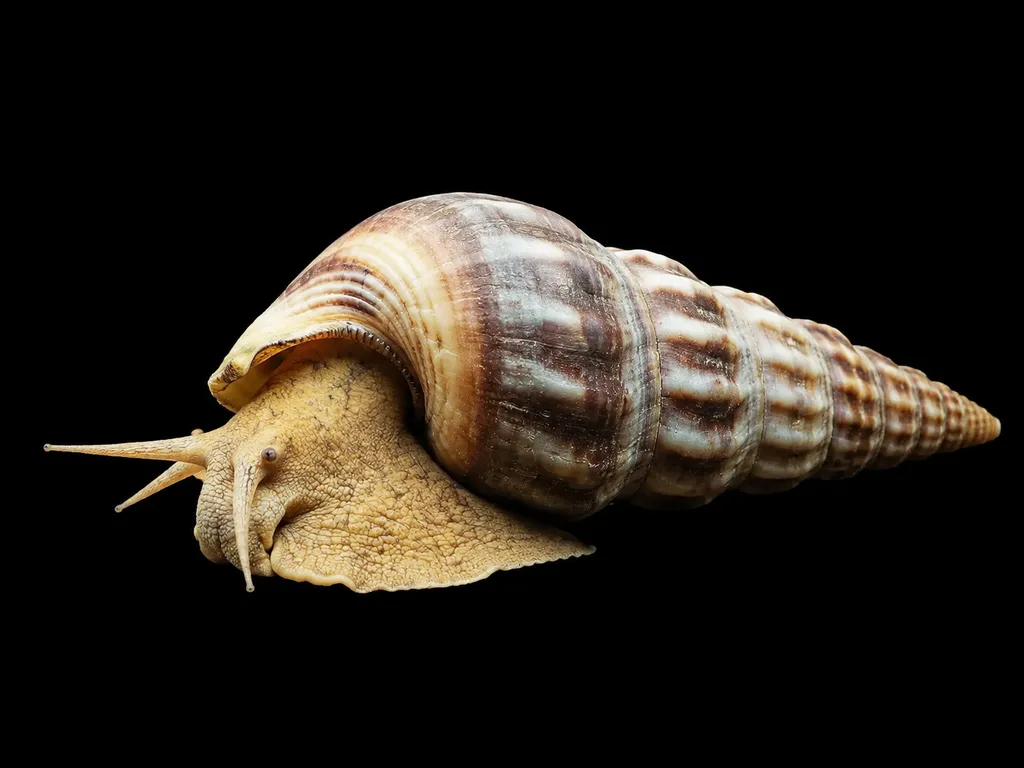 3.1 in (8 cm)11 gal (40 L)73–82°F (23–28°C)
Hercules snail
Brotia herculea
3.1 in (8 cm) · 11 gal (40 L)