Cascajal toothcarp
Brachyrhaphis cascajalensis
FreshwaterFish
Care at a glance
- Temperature
- 75–82°F
- 24–28°C
- pH
- 6.5–8.0
- Adult size
- 3 in
- 7.5 cm
- Minimum tank
- 11 gal
- 40 L
- Temperament
- Mostly peaceful
- Social behavior
- Social
- Swim level
- Middle
- Difficulty
- Medium
- Breeding
- Hard
- Rarity
- Very rare
- Family
- Poeciliidae
- Origin
- Costa Rica
Overview
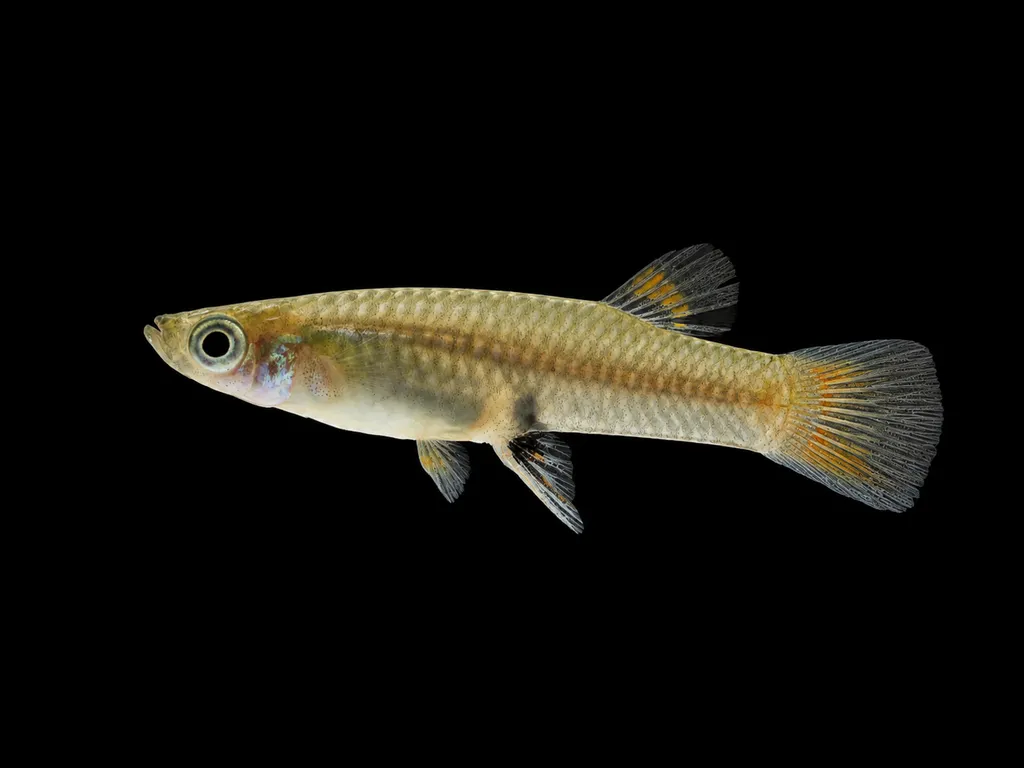
Keep the cascajal toothcarp in a group with more females than males so that courting males do not wear out any single female. It is an active mid-water fish that is mostly peaceful, though it can nip fins and will snap at very small tankmates, so pick sturdy companions of a similar size. Offer a mixed diet of quality flake, small frozen foods, and let it graze on soft algae and the tiny creatures that grow in a mature tank. It does best in hard, neutral to alkaline water. A tank of 40 liters or larger suits a small group.
In the wild
This species lives in the warm Caribbean-slope streams of Panama and neighbouring Costa Rica, with the Rio Cascajal in Panama giving it its name. It occupies flowing, mineral-rich fresh water and can stray into slightly brackish stretches near the coast. Keep it between 24 and 28 C with a pH from about 6.5 to 8, in clean, well-filtered water with plants and some current. Steady, oxygen-rich conditions matter most.
Good to know
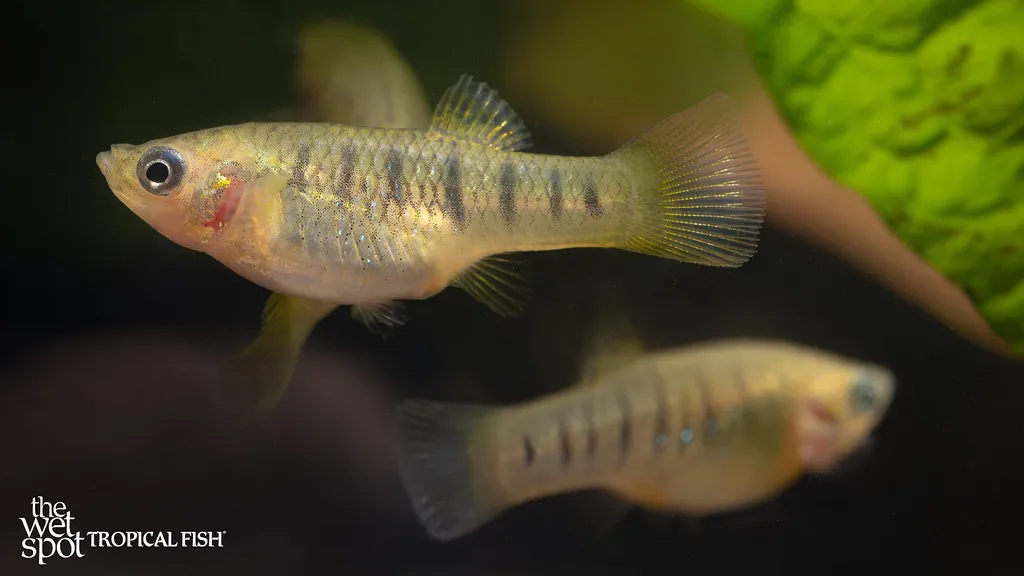
Cascajal toothcarp is a small member of the livebearer family Poeciliidae, described from the Rio Cascajal in Panama. Males reach about 6 cm and females grow a little larger, to around 7.5 cm, and are noticeably deeper-bodied. Males use a gonopodium, a rod-like modified anal fin, to fertilize females internally, and females give birth to live young. Home breeding is possible but less reliable than with common livebearers, so it is best rated as a harder species to raise in numbers.
Did you know
The genus name Brachyrhaphis means short needle, a nod to the compact gonopodium the males use during their quick, darting courtship in fast-flowing water.
Weekly picks
Tank mates
Cascajal toothcarp is a mostly peaceful, social species that keeps to the middle. These picks share a community profile with it, are safe together in both directions, and overlap on water type, temperature and pH.
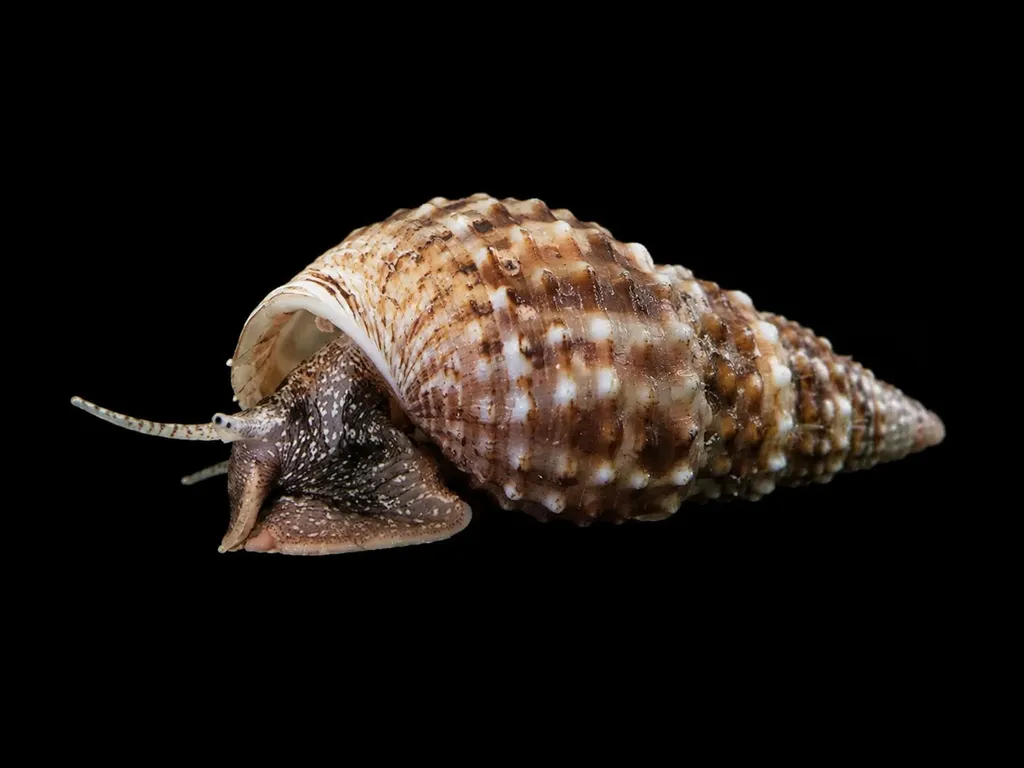
Prambanan snail
Thiara winteri
Freshwater1.6 in (4 cm) · 11 gal (40 L)73–82°F (23–28°C)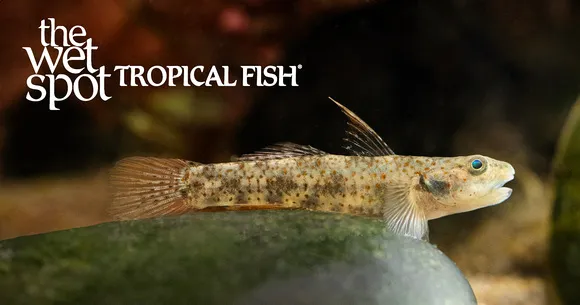
Lumbantobing goby
Pseudogobiopsis lumbantobing
Freshwater1.6 in (4 cm) · 11 gal (40 L)75–82°F (24–28°C)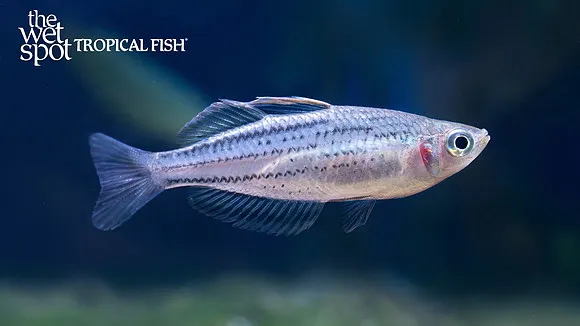
Green panchax
Aplocheilus blockii
Freshwater2 in (5 cm) · 11 gal (40 L)72–82°F (22–28°C)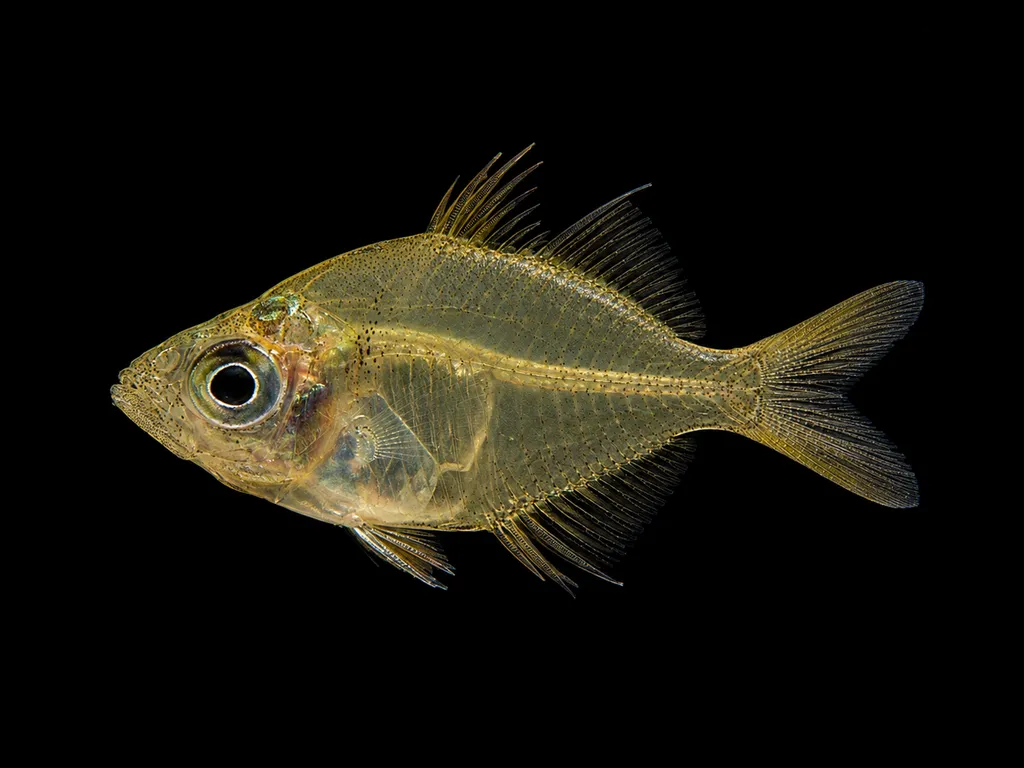
Indian amber glassfish
Parambassis lala
Freshwater1.2 in (3 cm) · 11 gal (40 L)72–82°F (22–28°C)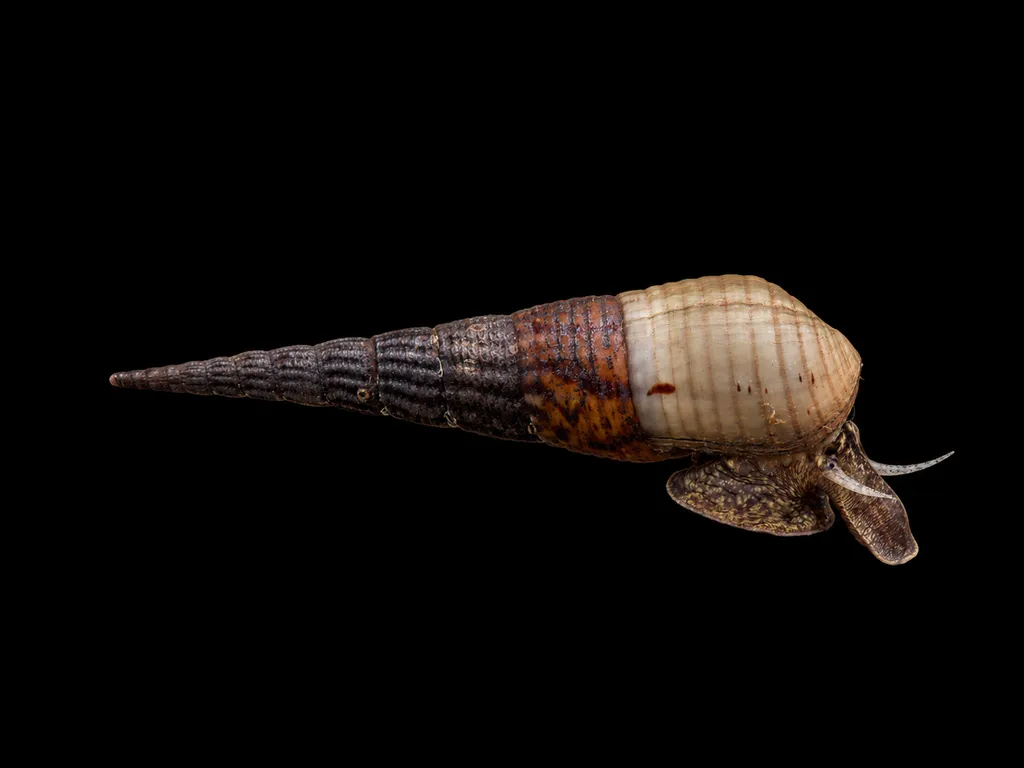
Chopstick snail
Stenomelania torulosa
Freshwater2 in (5 cm) · 11 gal (40 L)73–82°F (23–28°C)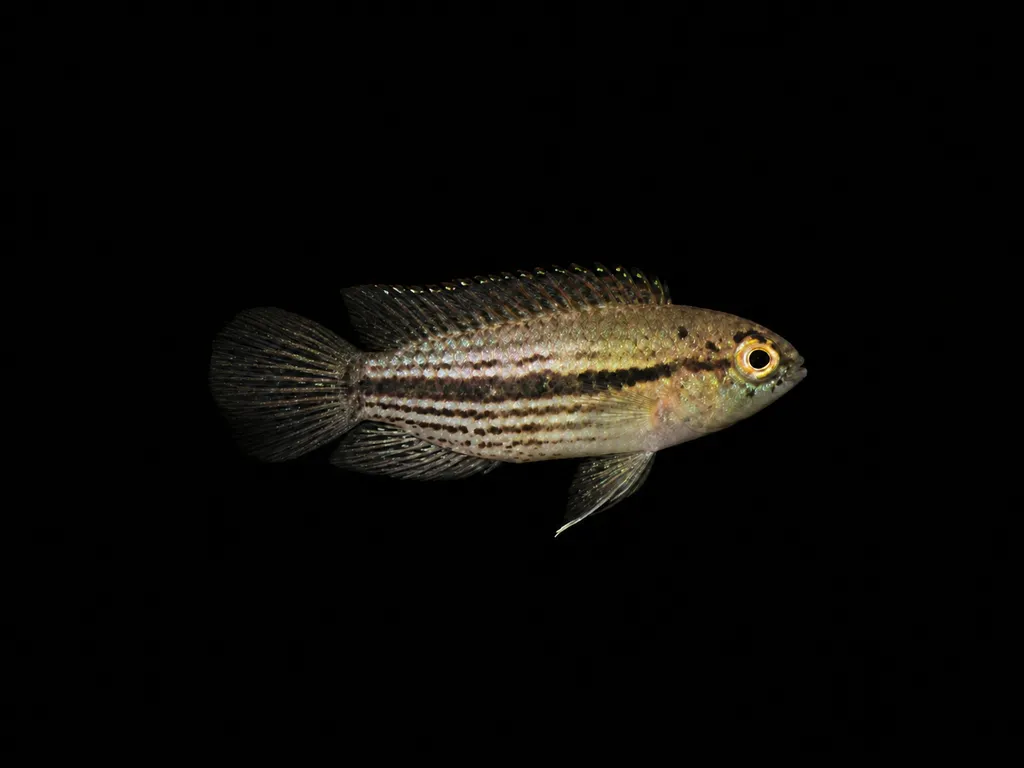
Striped nannacara
Nannacara taenia
Freshwater2.4 in (6 cm) · 11 gal (40 L)75–82°F (24–28°C)
Common questions
What size tank does a Cascajal toothcarp need?
A Cascajal toothcarp needs at least 11 gal (40 L). It spends most of its time in the middle.
What temperature and pH does a Cascajal toothcarp need?
A Cascajal toothcarp is comfortable at 75–82°F (24–28°C) with a pH of 6.5–8.0.
How big does a Cascajal toothcarp get?
An adult Cascajal toothcarp reaches about 3 in (7.5 cm).
Related species
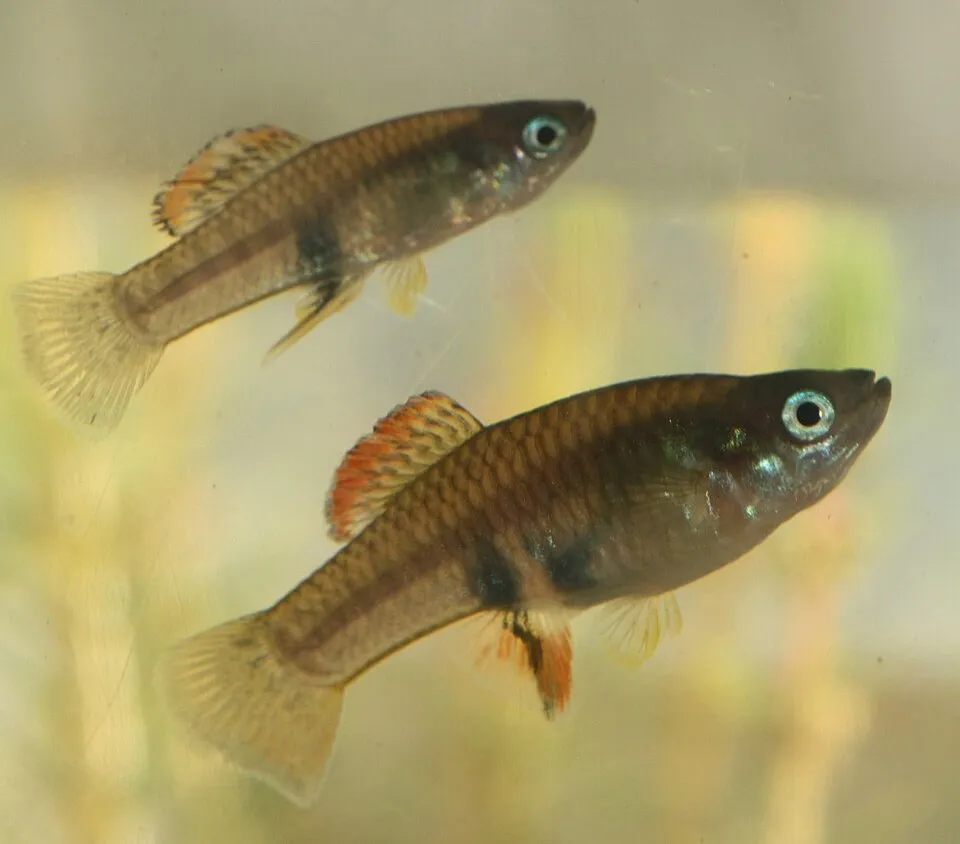 2.4 in (6 cm)16 gal (60 L)72–86°F (22–30°C)
Cardinal toothcarp
Brachyrhaphis roseni
2.4 in (6 cm) · 16 gal (60 L)
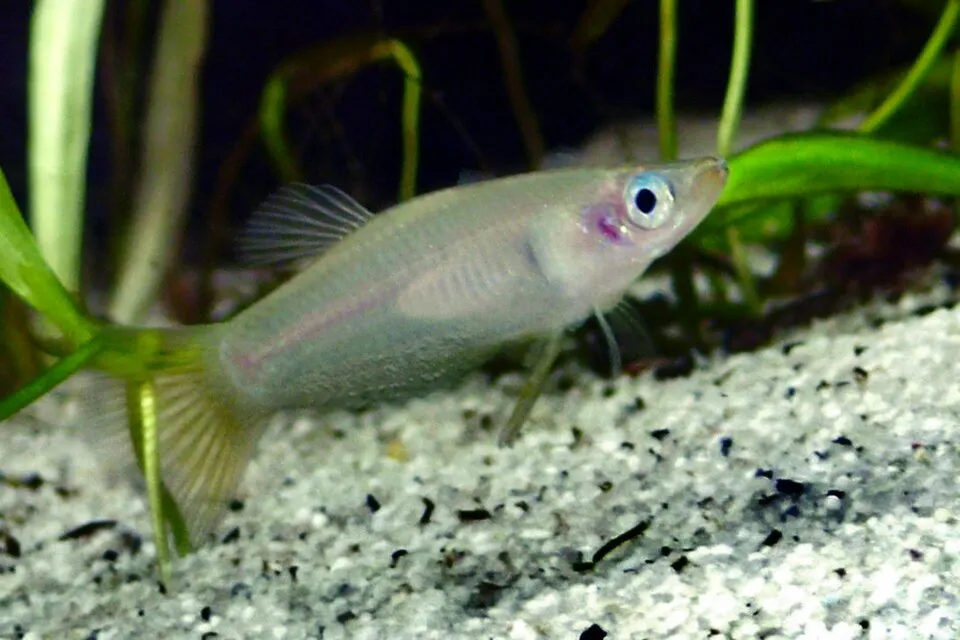 3 in (7.6 cm)32 gal (120 L)75–82°F (24–28°C)
Knife livebearer
Alfaro cultratus
3 in (7.6 cm) · 32 gal (120 L)
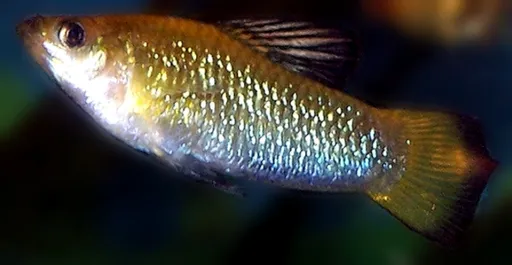 2.8 in (7 cm)20 gal (75 L)72–82°F (22–28°C)
Perugia's limia
Limia perugiae
2.8 in (7 cm) · 20 gal (75 L)
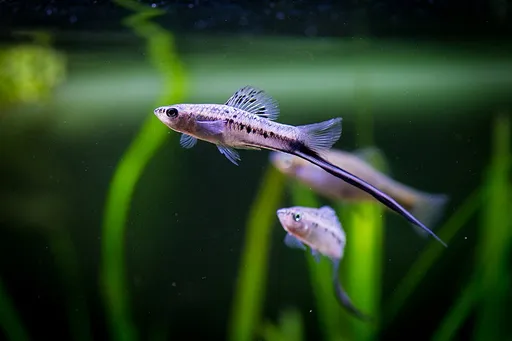 2.8 in (7 cm)24 gal (90 L)68–81°F (20–27°C)
Sheepshead swordtail
Xiphophorus birchmanni
2.8 in (7 cm) · 24 gal (90 L)
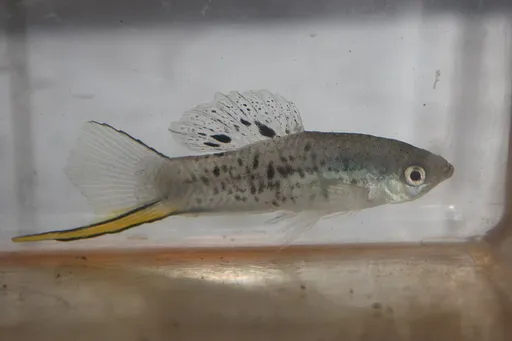 3.5 in (9 cm)29 gal (110 L)68–79°F (20–26°C)
Northern mountain swordtail
Xiphophorus nezahualcoyotl
3.5 in (9 cm) · 29 gal (110 L)
 2.4 in (6 cm)20 gal (75 L)72–82°F (22–28°C)
Humpbacked limia
Limia nigrofasciata
2.4 in (6 cm) · 20 gal (75 L)