Northern mountain swordtail
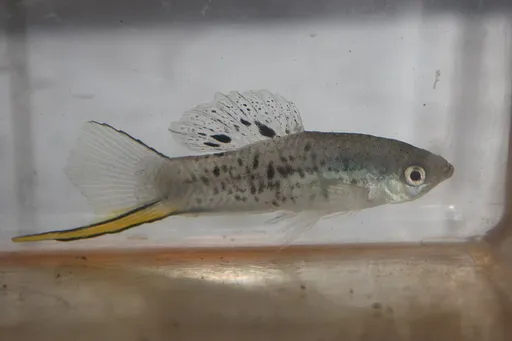
Xiphophorus nezahualcoyotl
FreshwaterFish
Care at a glance
- Temperature
- 68–79°F
- 20–26°C
- pH
- 7.0–8.0
- Adult size
- 3.5 in
- 9 cm
- Minimum tank
- 29 gal
- 110 L
- Temperament
- Mostly peaceful
- Social behavior
- Social
- Swim level
- Middle
- Difficulty
- Easy
- Breeding
- Easy
- Rarity
- Common
- Family
- Poeciliidae
- Origin
- Mexico (Rio Tamesi/Panuco drainage, San Luis Potosi)
Overview
Keep them in a group in a tank of at least 110 liters, with a skewed sex ratio of one male to two or more females, since males chase and harass females persistently. They are mostly peaceful active swimmers that work the middle and upper water, but they are boisterous, so pair them with similarly robust species and avoid slow, long-finned fish that can get nipped. Hold the water cool, about 20 to 26 C, neutral to slightly alkaline at pH 7 to 8, and keep it well oxygenated with good flow. Feed a varied diet of flakes or pellets with frozen and live foods and some vegetable matter. They are easy to breed but adults readily eat their own fry, so use dense plants, spawning mops, or a separate trap to save the young. As a non-native livebearer, never release them into local waterways and check your local rules before keeping or moving them.
In the wild
Northern mountain swordtails come from fast, cool montane creeks in the Rio Tamesi and Panuco drainage of San Luis Potosi, Mexico, at elevations up to around 1200 m. This is a subtropical fish, not a warm tropical one, so keep the water on the cooler side, roughly 20 to 26 C, with strong flow and plenty of oxygen. Run an oversized or over-rated filter to push current through the tank. Give them dense planting along the back and sides with open mid-water swimming space and some hiding spots. Water should be neutral to slightly alkaline, pH about 7 to 8, moderately hard, with no brackish or blackwater needs.
Good to know
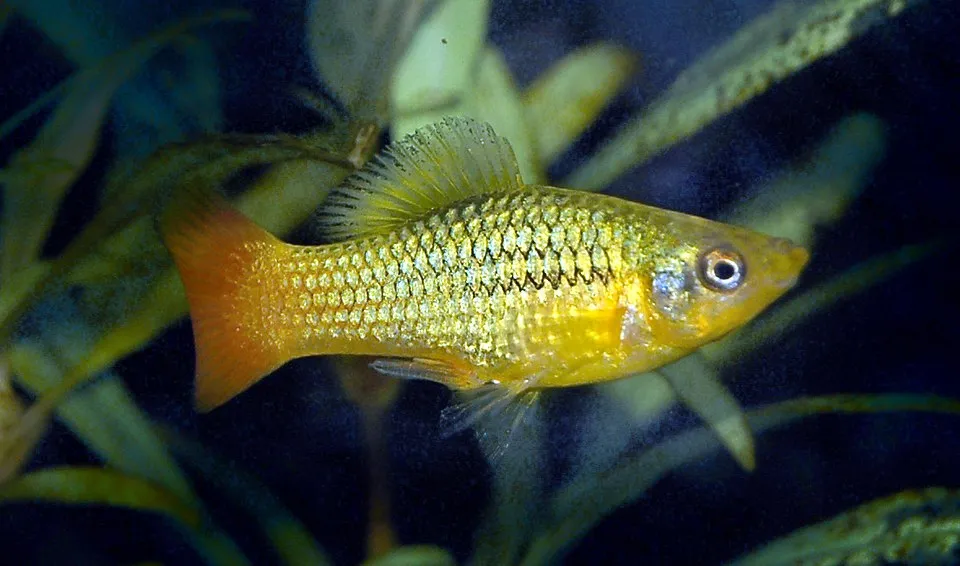
This is Xiphophorus nezahualcoyotl, a livebearer in the family Poeciliidae. Counting the male's sword, total length runs to about 9 cm, while females reach roughly 6 cm in body length. Like other swordtails it is a livebearer, giving birth to fully formed fry rather than scattering eggs. It is uncommon in the hobby and mostly kept by livebearer specialists.
Did you know
The species is named after Nezahualcoyotl, the poet-king of pre-Columbian Texcoco in central Mexico. The male's sword is an extension of the lower fin rays of the tail, and females tend to favor males with longer swords, which is why the trait runs so strongly in swordtails.
Weekly picks
Tank mates
Northern mountain swordtail is a mostly peaceful, social species that keeps to the middle. These picks share a community profile with it, are safe together in both directions, and overlap on water type, temperature and pH.
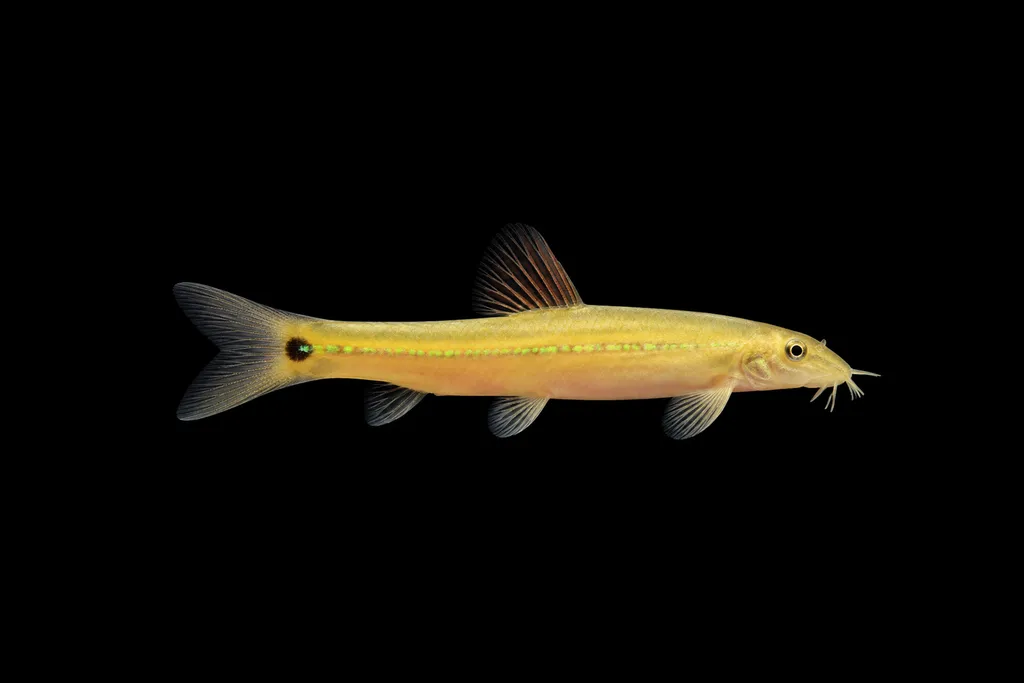
Tubercled flower loach
Traccatichthys tuberculum
Freshwater4.2 in (10.6 cm) · 29 gal (110 L)64–77°F (18–25°C)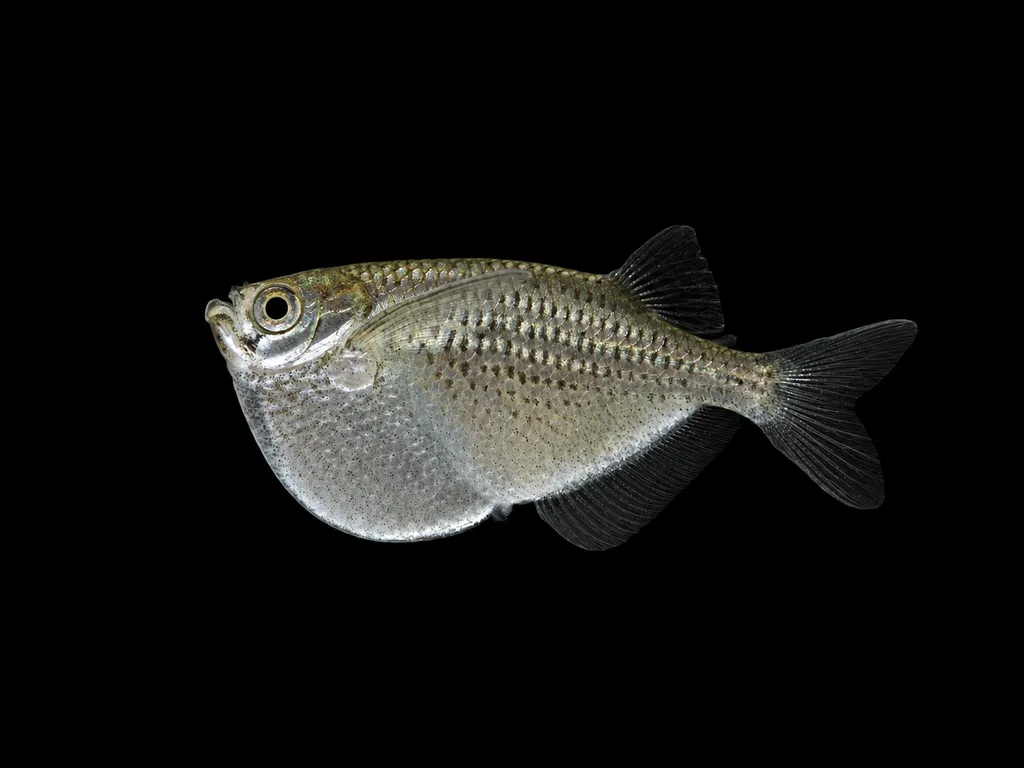
Silver hatchetfish
Gasteropelecus levis
Freshwater1.4 in (3.5 cm) · 30 gal (112 L)73–82°F (23–28°C)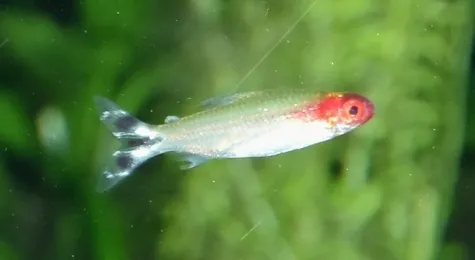
False rummynose tetra
Petitella georgiae
Freshwater2 in (5 cm) · 29 gal (110 L)72–79°F (22–26°C)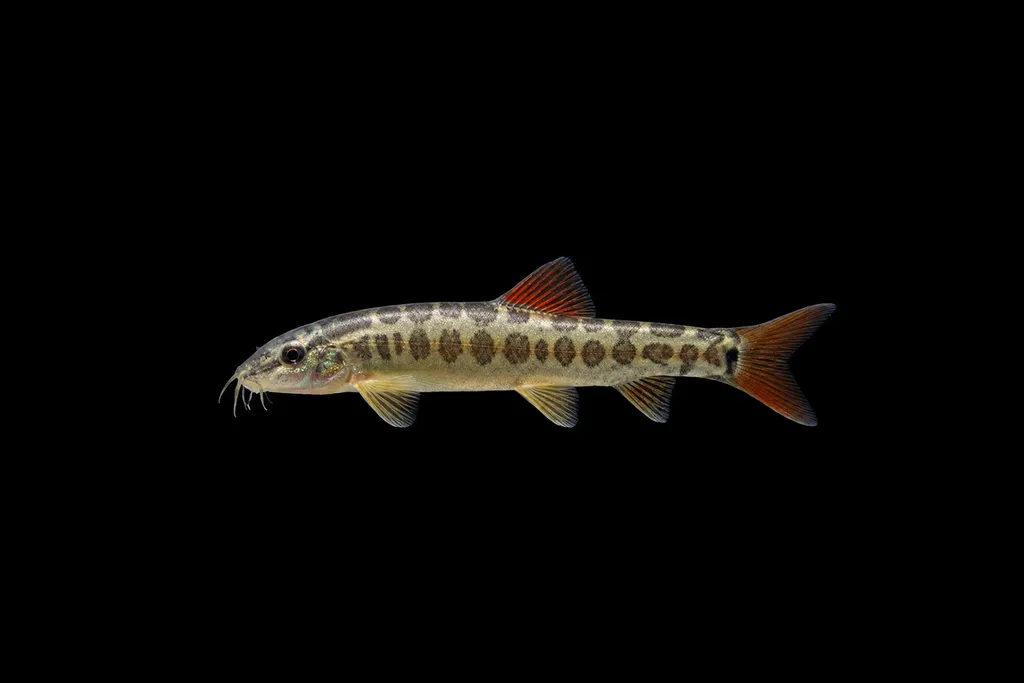
Vietnamese flower loach
Traccatichthys taeniatus
Freshwater5 in (12.6 cm) · 29 gal (110 L)64–77°F (18–25°C)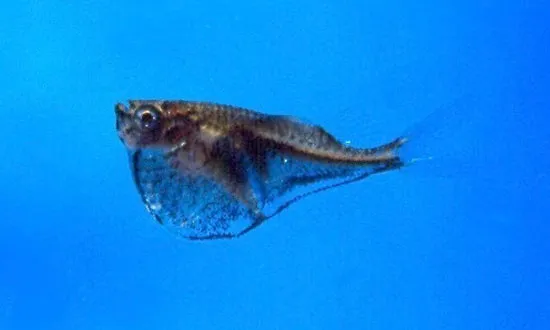
Blackwing hatchetfish
Carnegiella marthae
Freshwater1.4 in (3.5 cm) · 30 gal (115 L)68–82°F (20–28°C)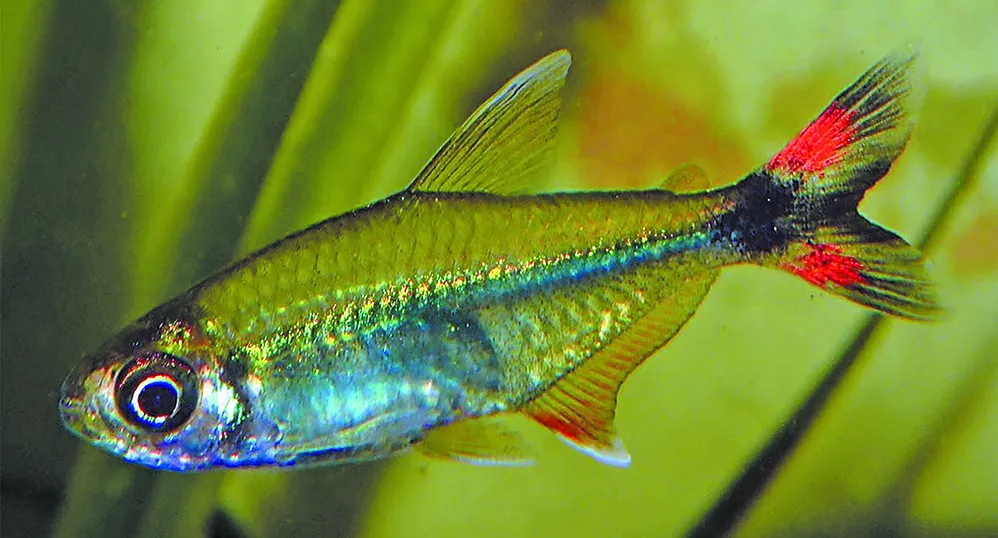
Bonita tetra
Moenkhausia bonita
Freshwater3.3 in (8.5 cm) · 29 gal (110 L)72–81°F (22–27°C)
Common questions
What size tank does a Northern mountain swordtail need?
A Northern mountain swordtail needs at least 29 gal (110 L). It spends most of its time in the middle.
What temperature and pH does a Northern mountain swordtail need?
A Northern mountain swordtail is comfortable at 68–79°F (20–26°C) with a pH of 7.0–8.0.
How big does a Northern mountain swordtail get?
An adult Northern mountain swordtail reaches about 3.5 in (9 cm).
Related species
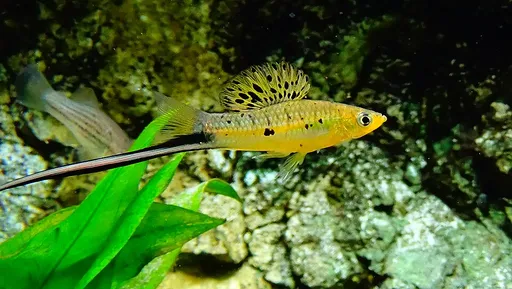
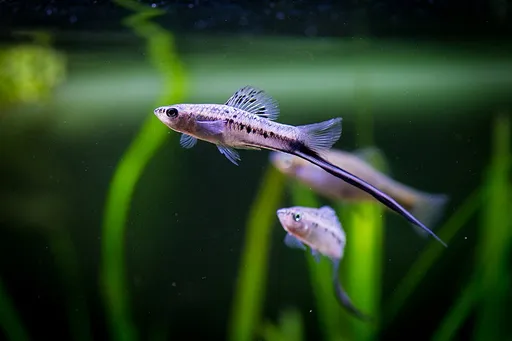 2.8 in (7 cm)24 gal (90 L)68–81°F (20–27°C)
Sheepshead swordtail
Xiphophorus birchmanni
2.8 in (7 cm) · 24 gal (90 L)
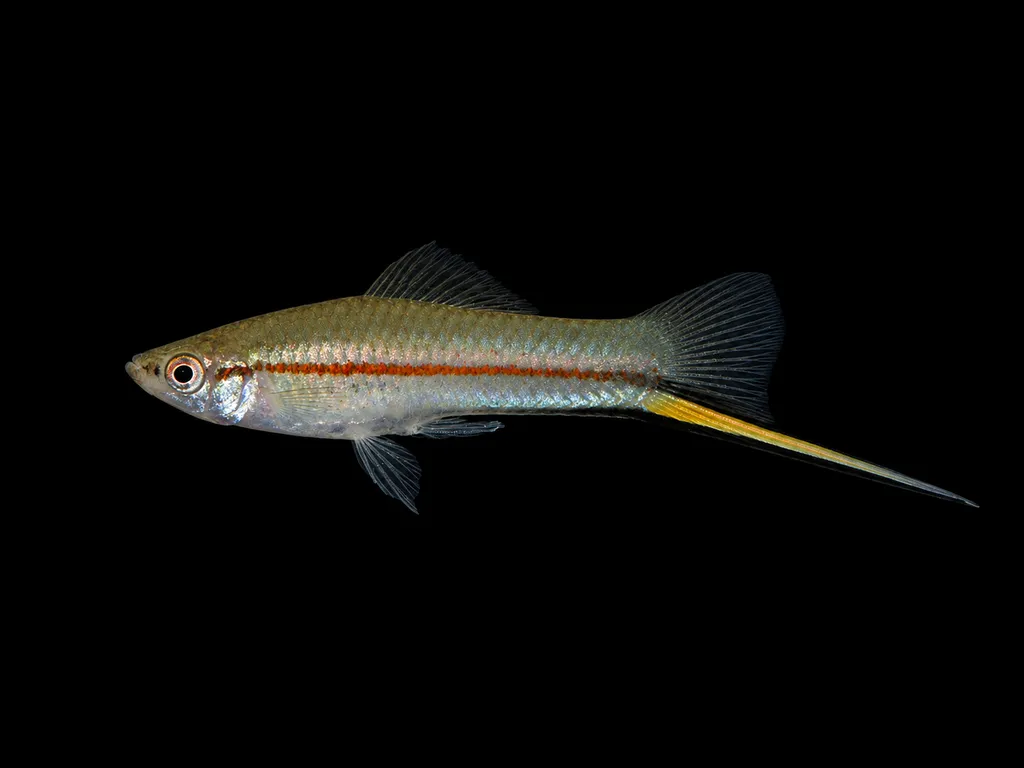
 5.5 in (14 cm)32 gal (120 L)68–79°F (20–26°C)
Montezuma swordtail
Xiphophorus montezumae
5.5 in (14 cm) · 32 gal (120 L)
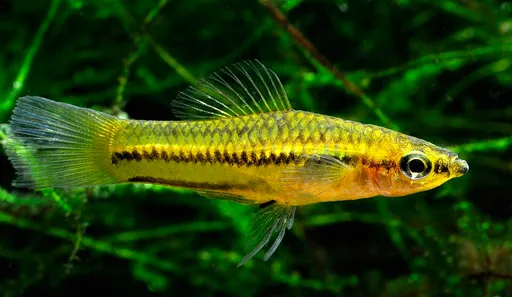
 4.1 in (10.5 cm)29 gal (110 L)73–82°F (23–28°C)
Kallman's swordtail
Xiphophorus kallmani
4.1 in (10.5 cm) · 29 gal (110 L)
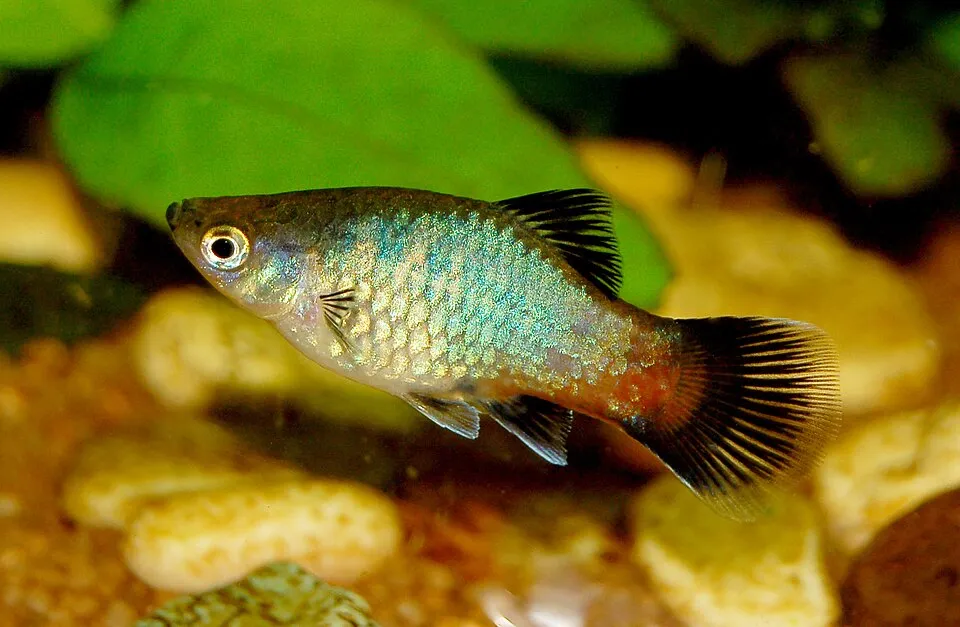
 1.6 in (4 cm)11 gal (40 L)75–82°F (24–28°C)
Pygmy swordtail
Xiphophorus pygmaeus
1.6 in (4 cm) · 11 gal (40 L)
 2.8 in (7 cm)15 gal (55 L)68–79°F (20–26°C)
Southern platy
Xiphophorus maculatus
2.8 in (7 cm) · 15 gal (55 L)
 2.8 in (7 cm)15 gal (55 L)68–79°F (20–26°C)
Variable platy
Xiphophorus variatus
2.8 in (7 cm) · 15 gal (55 L)