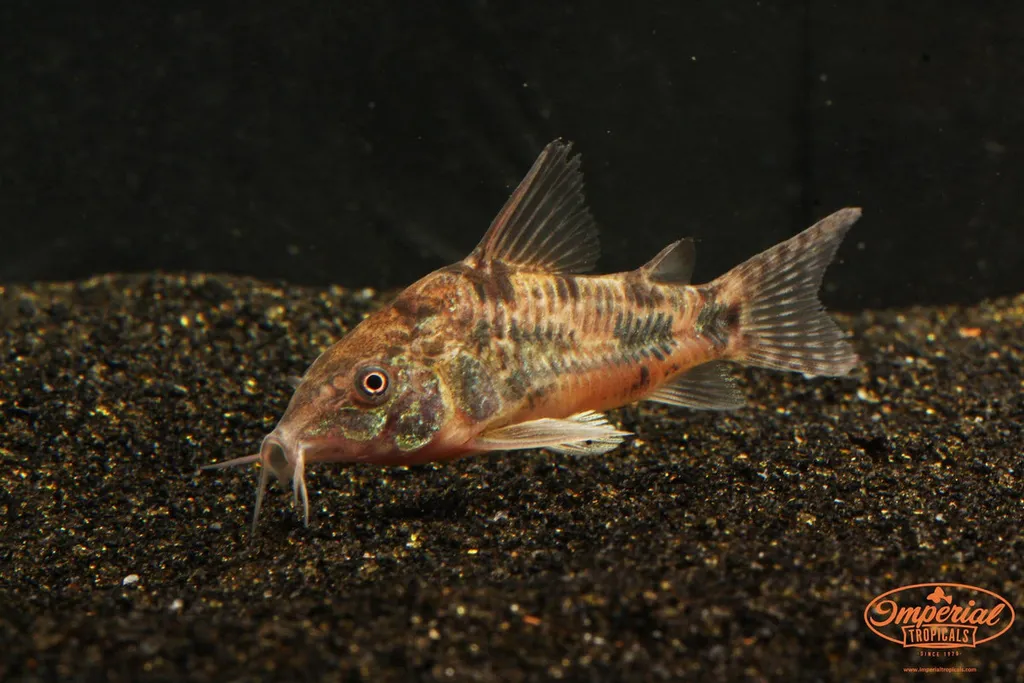
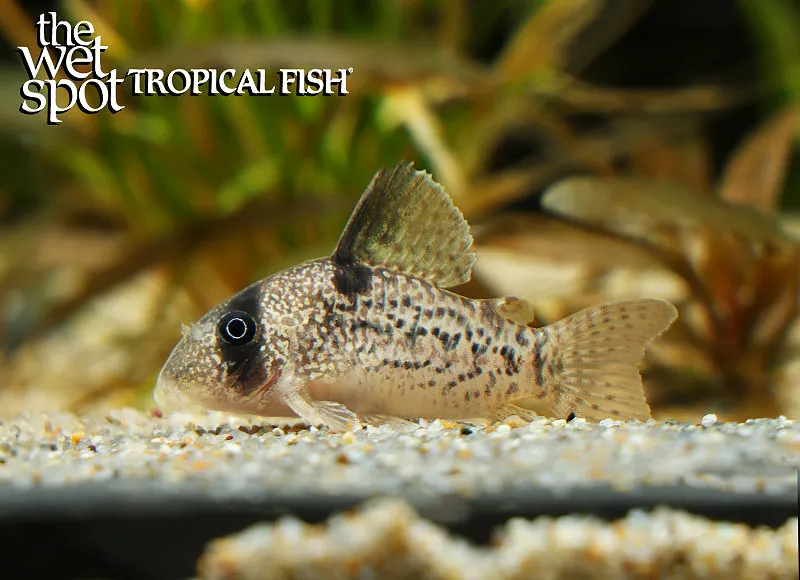
Peppered cory
Hoplisoma paleatum
Also known as Corydoras paleatus, salt and pepper catfish
FreshwaterFish
Care at a glance
- Temperature
- 72–79°F
- 22–26°C
- pH
- 6.0–7.5
- Adult size
- 2.8 in
- 7 cm
- Minimum tank
- 21 gal
- 80 L
- Temperament
- Peaceful
- Social behavior
- Shoaling
- Swim level
- Bottom
- Difficulty
- Easy
- Breeding
- Egg depositor · Easy
- Rarity
- Common
- Family
- Callichthyidae
- Origin
- Uruguay, Paraguay, Argentina
Overview
The peppered cory is a peaceful, friendly bottom dweller for a community tank. It is easy to keep and a good first cory.
Did you know
The peppered cory was one of the first aquarium fish bred in captivity, going back to 1800s France.
Caring for the peppered cory
Keep peppered corys in a school of six or more. A tank of at least 21 gal (80 L) suits a group. Give them a soft sand bottom, so they can sift it without scraping their barbels, plus some plants and shade.
Keep them on the cooler side, at 72 to 79°F (22 to 26°C) and a pH of 6.0 to 7.5. They gulp air at the surface and absorb oxygen through the gut. A quick dash to the top now and then is normal.
Feed sinking pellets and frozen foods. They forage along the bottom for leftovers, but feed them directly rather than relying on scraps.
Peppered corys are peaceful and safe with other community fish. They are egg layers that spawn readily, and breeding them is easy. The female carries the eggs in her pelvic fins and sticks them to glass and plants.
Good to know
The peppered cory is a member of Callichthyidae, the armored catfish family, with bony plates along the body in place of scales. It can live well past five years.
In the wild
Peppered corys come from cooler, slow waters in Uruguay, Paraguay and Argentina, further south than most popular corys. That southern range means they handle the lower end of tropical temperatures well.
Weekly picks
Tank mates
The peppered cory is a peaceful, shoaling species that keeps to the bottom. These picks share a community profile with it, are safe together in both directions, and overlap on water type, temperature and pH.
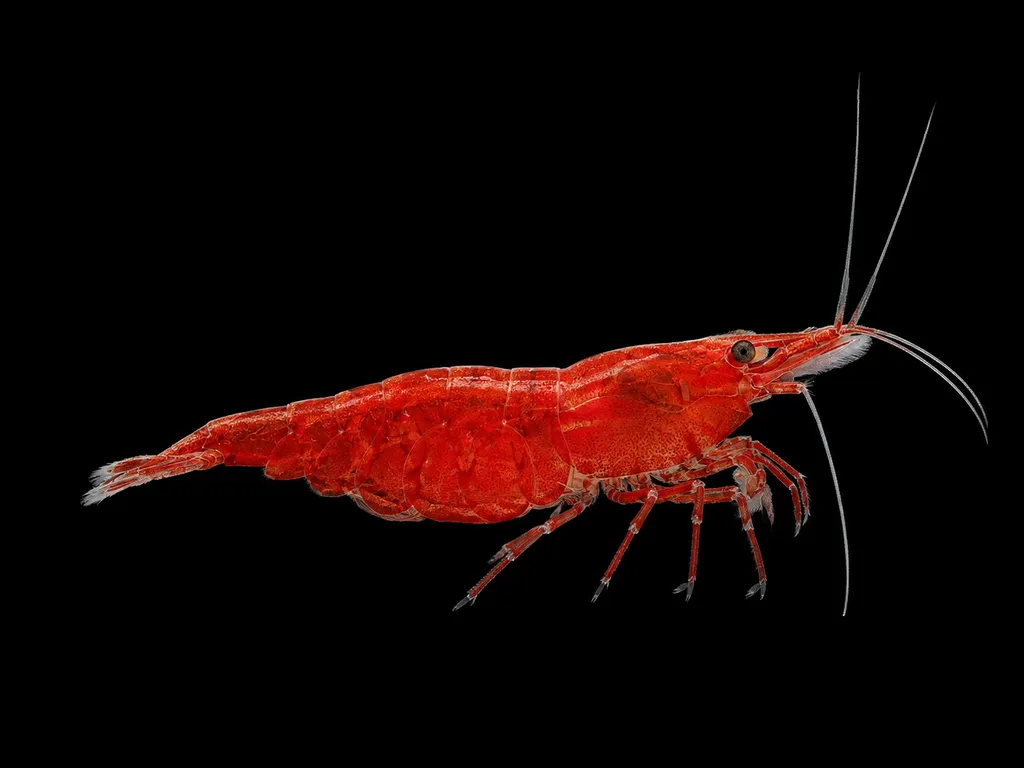
Neocaridina shrimp
Neocaridina davidi
Freshwater1.6 in (4 cm) · 5 gal (19 L)59–84°F (15–29°C)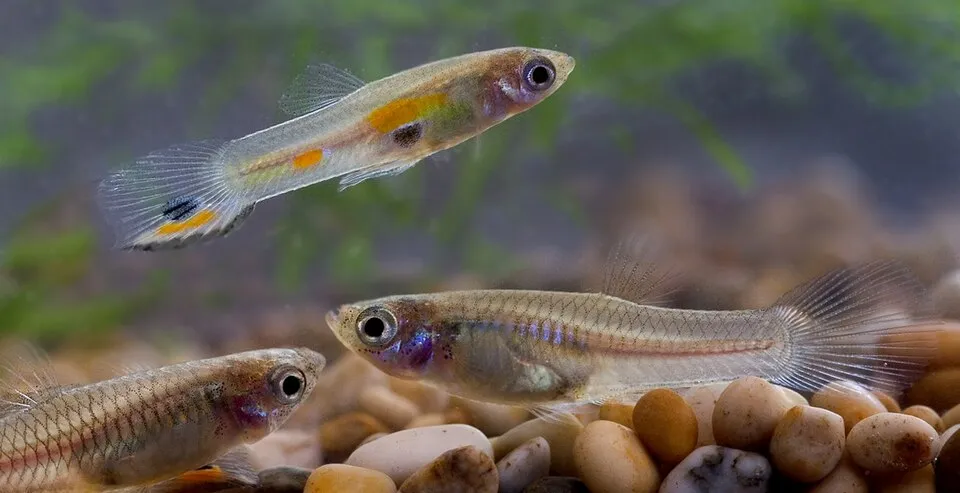
Guppy
Poecilia reticulata
FreshwaterBrackish2.4 in (6 cm) · 10 gal (38 L)64–82°F (18–28°C)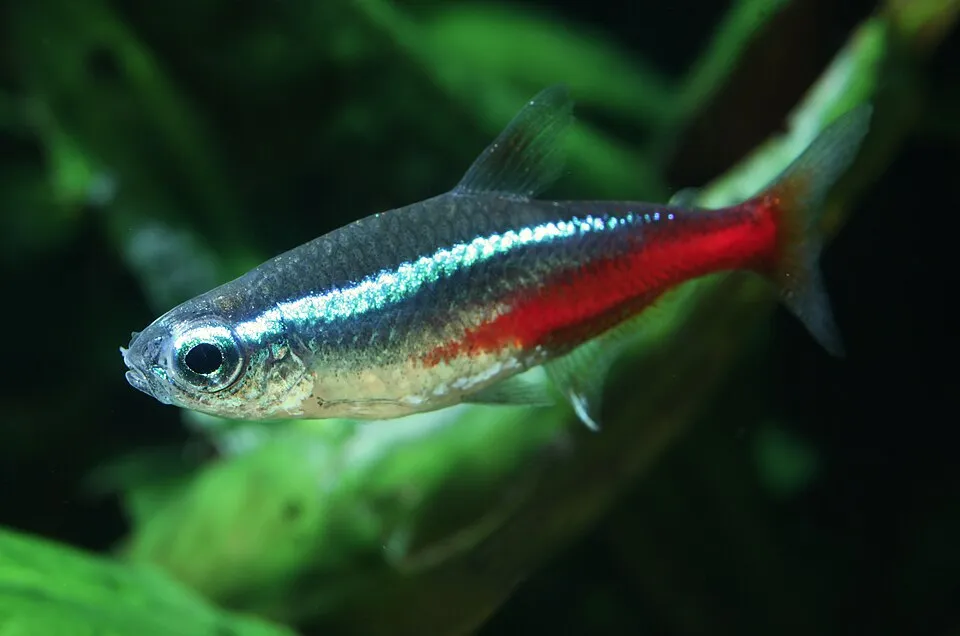
Neon tetra
Paracheirodon innesi
Freshwater1.5 in (3.8 cm) · 11 gal (40 L)70–77°F (21–25°C)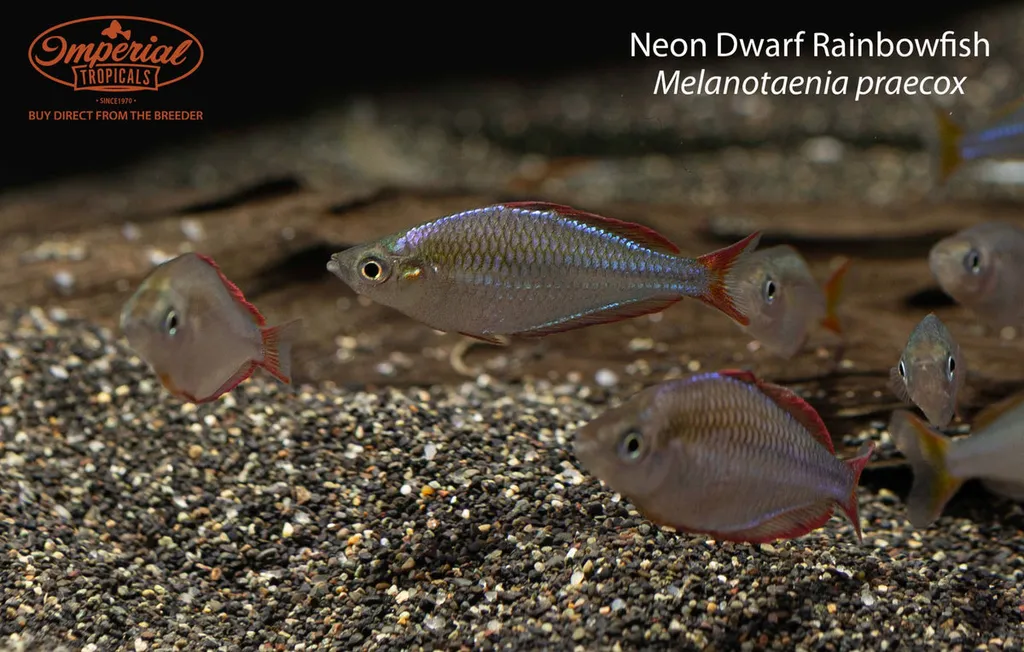
Neon rainbowfish
Melanotaenia praecox
Freshwater3.1 in (8 cm) · 20 gal (76 L)73–82°F (23–28°C)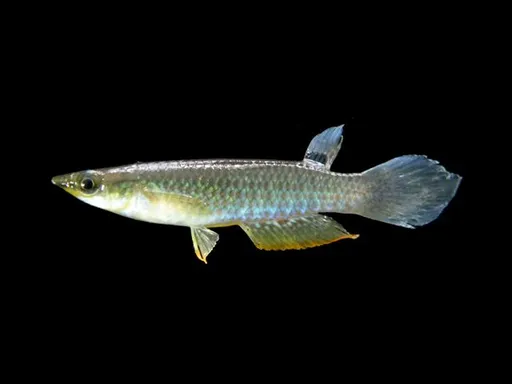
Blue panchax
Aplocheilus panchax
Freshwater3.5 in (9 cm) · 20 gal (75 L)72–82°F (22–28°C)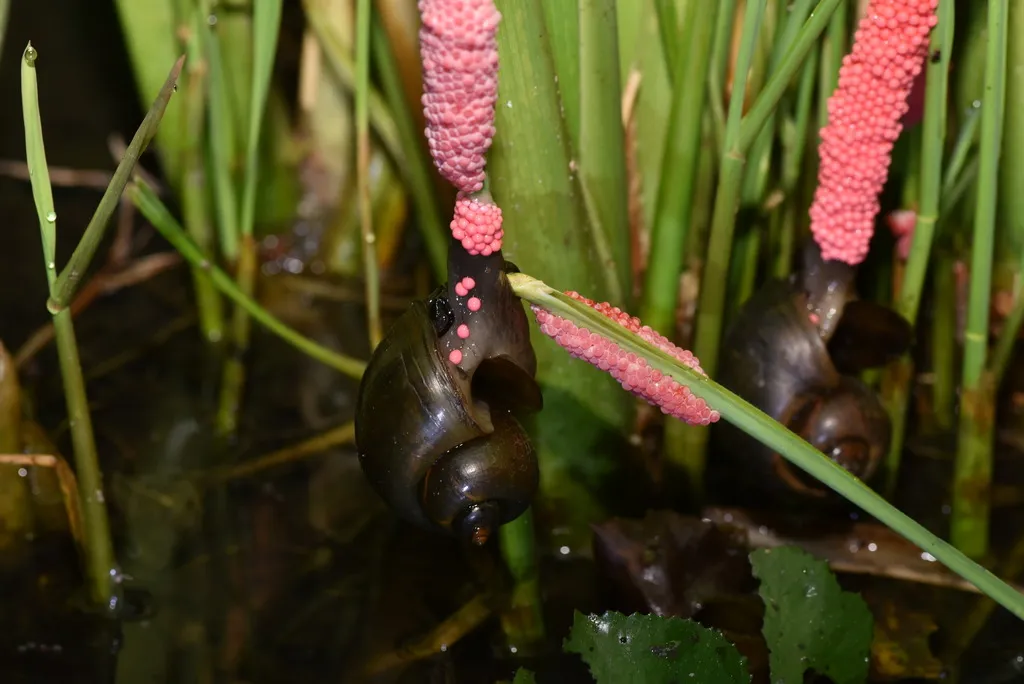
Apple snail
Pomacea canaliculata
Freshwater5.9 in (15 cm) · 21 gal (80 L)64–81°F (18–27°C)
Common questions
What size tank does a peppered cory need?
A peppered cory needs at least 21 gal (80 L). It spends most of its time in the bottom.
What temperature and pH does a peppered cory need?
A peppered cory is comfortable at 72–79°F (22–26°C) with a pH of 6.0–7.5.
What does a peppered cory eat?
A peppered cory eats sinking pellets and frozen foods, and it forages along the bottom for leftovers. Feed it directly rather than relying on scraps.
How big does a peppered cory get?
An adult peppered cory reaches about 2.8 in (7 cm).
Does a peppered cory need a group?
Yes. A peppered cory is a shoaling species and should be kept in a group, not singly.
How does a peppered cory breed?
Peppered corys are egg layers that spawn readily, and breeding them is easy. The female carries the eggs in her pelvic fins and sticks them to glass and plants.
Related species
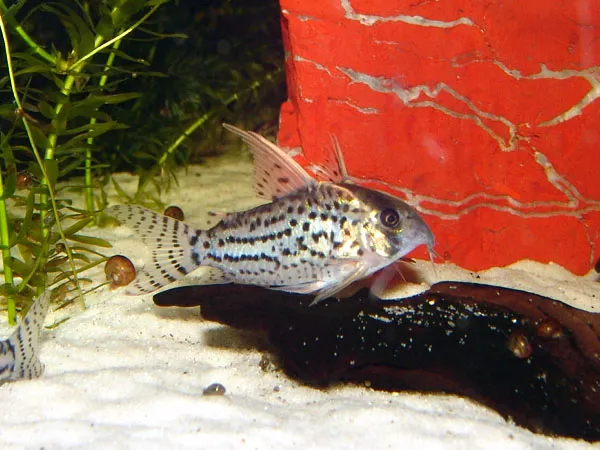 2.8 in (7 cm)20 gal (75 L)72–79°F (22–26°C)
Schwartz's catfish
Hoplisoma schwartzi
2.8 in (7 cm) · 20 gal (75 L)
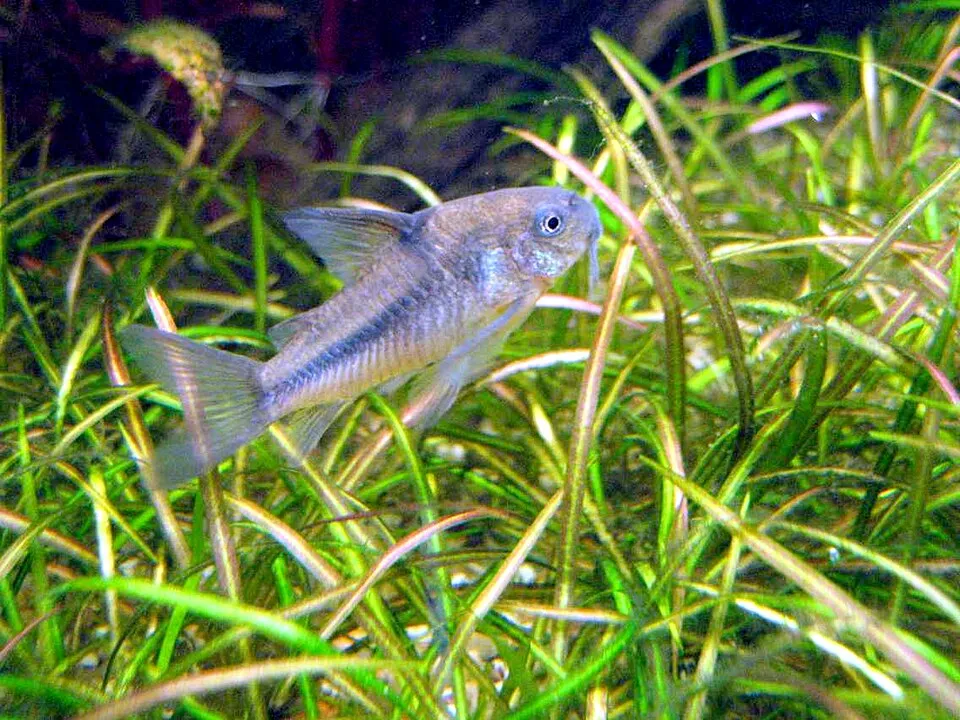 2.6 in (6.5 cm)20 gal (75 L)68–73°F (20–23°C)
Blue cory
Hoplisoma nattereri
2.6 in (6.5 cm) · 20 gal (75 L)
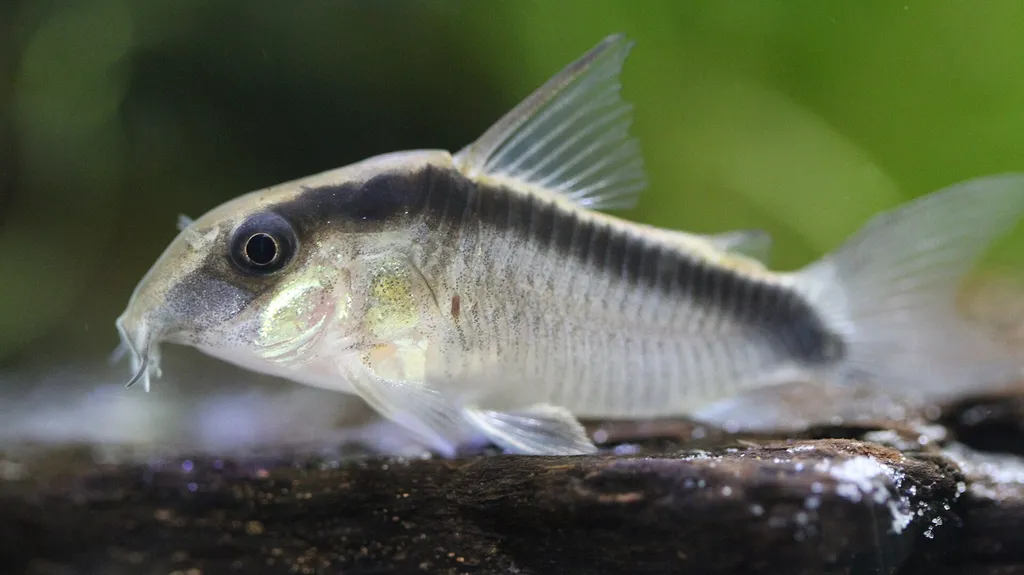 2.6 in (6.5 cm)20 gal (75 L)73–81°F (23–27°C)
Grant's cory
Hoplisoma granti
2.6 in (6.5 cm) · 20 gal (75 L)
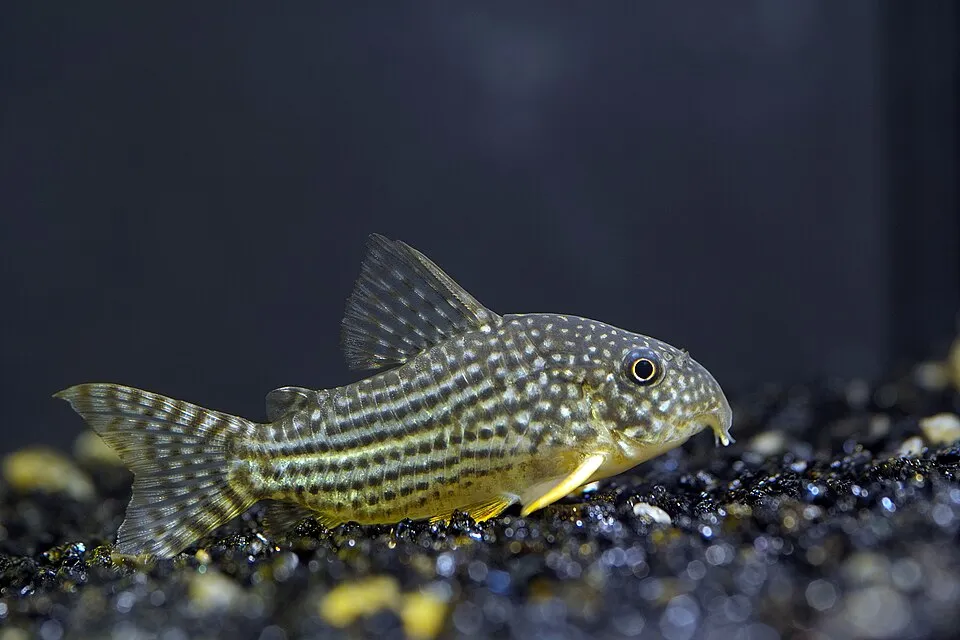 2.6 in (6.5 cm)20 gal (75 L)75–82°F (24–28°C)
Sterba's cory
Hoplisoma sterbai
2.6 in (6.5 cm) · 20 gal (75 L)
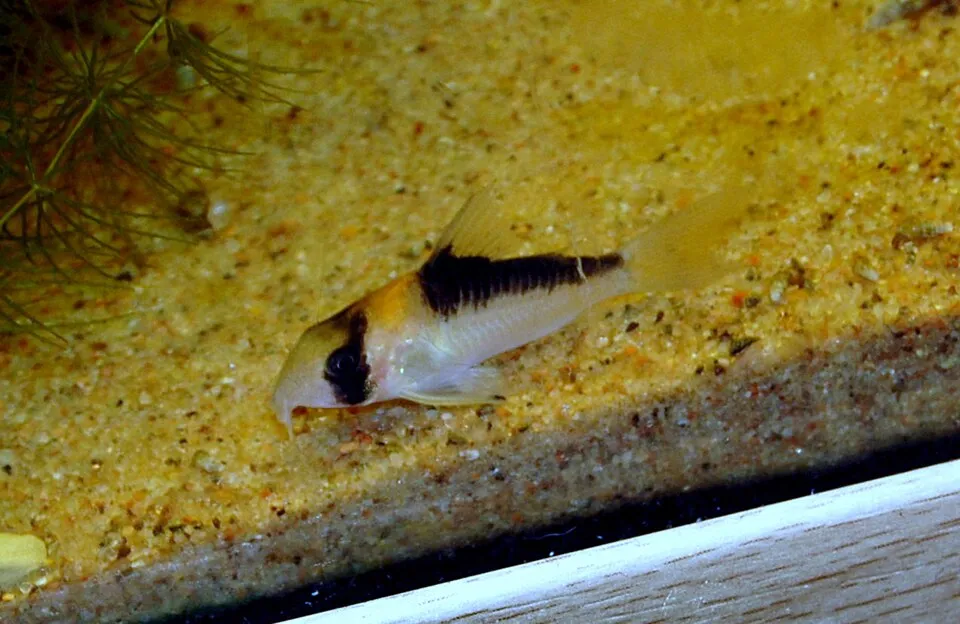 2.4 in (6 cm)20 gal (75 L)70–79°F (21–26°C)
Adolfo's cory
Hoplisoma adolfoi
2.4 in (6 cm) · 20 gal (75 L)
 2.4 in (6 cm)16 gal (60 L)75–82°F (24–28°C)
Ancestor cory
Hoplisoma noxium
2.4 in (6 cm) · 16 gal (60 L)