Apple snail
Pomacea canaliculata
FreshwaterSnail
Care at a glance
- Temperature
- 64–81°F
- 18–27°C
- pH
- 6.5–8.0
- Adult size
- 5.9 in
- 15 cm
- Minimum tank
- 21 gal
- 80 L
- Temperament
- Peaceful
- Social behavior
- Solitary
- Swim level
- Bottom
- Difficulty
- Beginner
- Breeding
- Easy
- Rarity
- Common
- Family
- Ampullariidae
- Origin
- South America
Overview
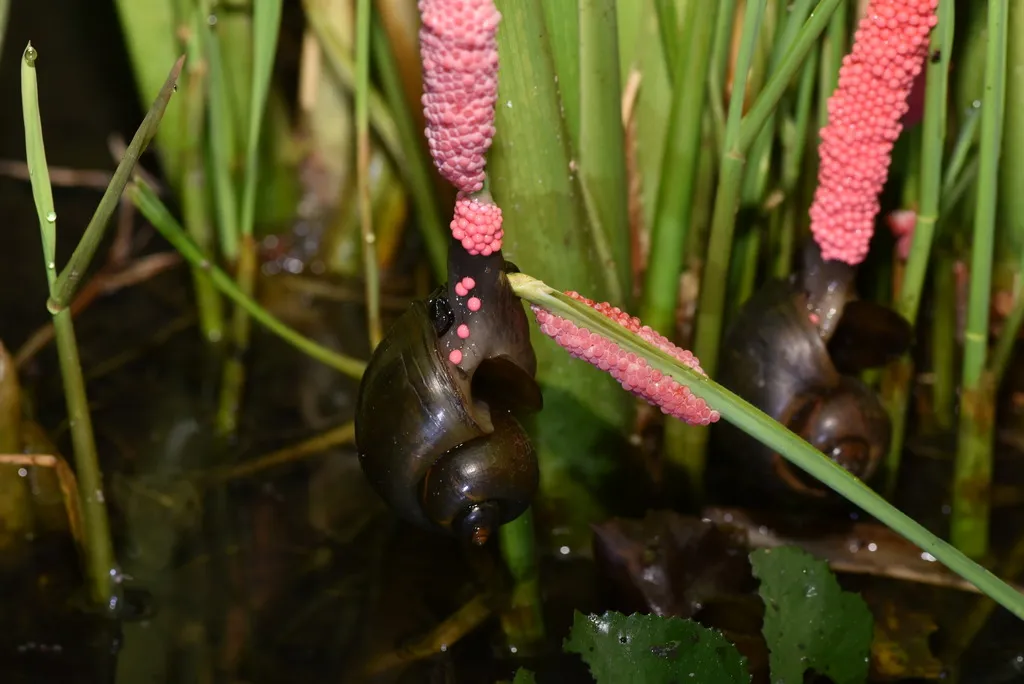
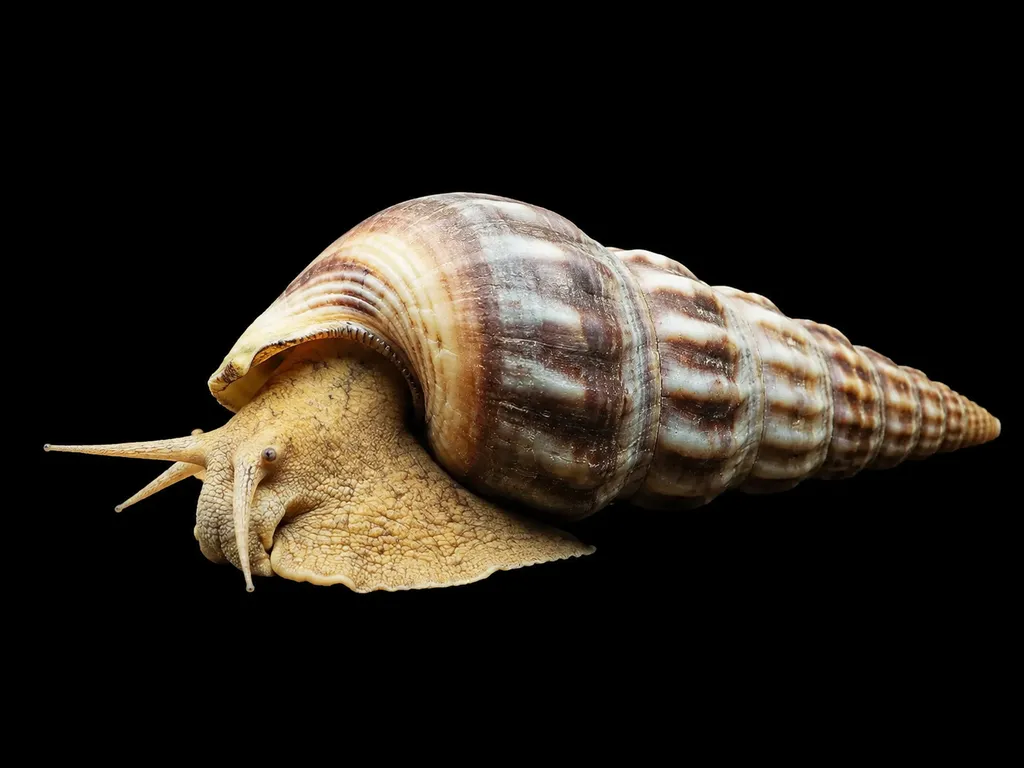
Apple snails are peaceful bottom dwellers that graze algae, biofilm, and leftover food. They are fine on their own and do not need company. The catch is they will eat soft aquarium plants if underfed, so keep them well fed with algae wafers, blanched vegetables, and sinking food. Watch for clutches of pink eggs above the water if you do not want a population boom.
In the wild
The apple snail comes from slow, warm waters in South America, including ponds, ditches, and quiet river edges with lots of plants. It is used to soft mud bottoms and plenty of vegetation. In the tank it does fine in most setups, though it prefers calmer water and a temperature from the high teens to high 20s C. It needs harder water with a pH from 6.5 to 8 to keep its shell solid.
Good to know
This snail is in the family Ampullariidae and can reach about 15 cm across in its largest forms, though aquarium specimens are often smaller. It has both a gill and a lung, which lets it breathe air at the surface. It lays clutches of eggs above the waterline, and it breeds readily. Hard water with enough calcium is important for proper shell growth.
Did you know
This snail breathes air through a siphon, a long tube it stretches up to the surface like a snorkel while the rest of it stays underwater. It is one of the worst invasive species in rice-growing regions, where escaped snails chew through young rice plants.
Weekly picks
Tank mates
Apple snail is a peaceful, solitary species that keeps to the bottom. These picks share a community profile with it, are safe together in both directions, and overlap on water type, temperature and pH.
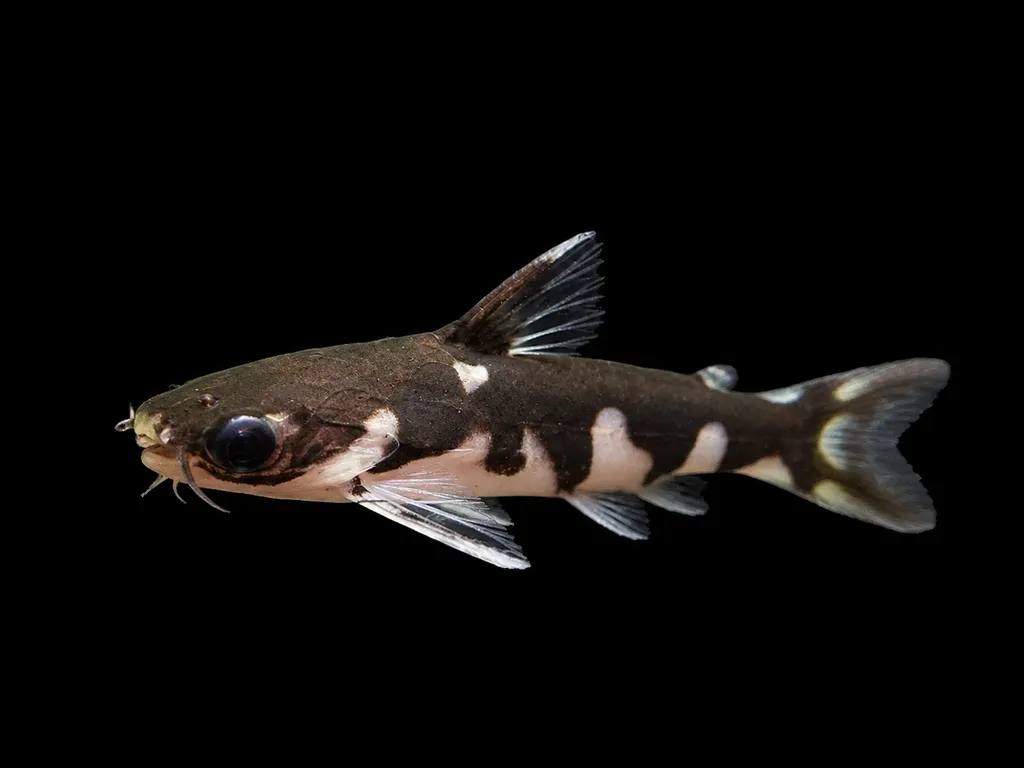
Ninja tatia
Centromochlus musaicus
Freshwater2.4 in (6 cm) · 21 gal (80 L)73–82°F (23–28°C)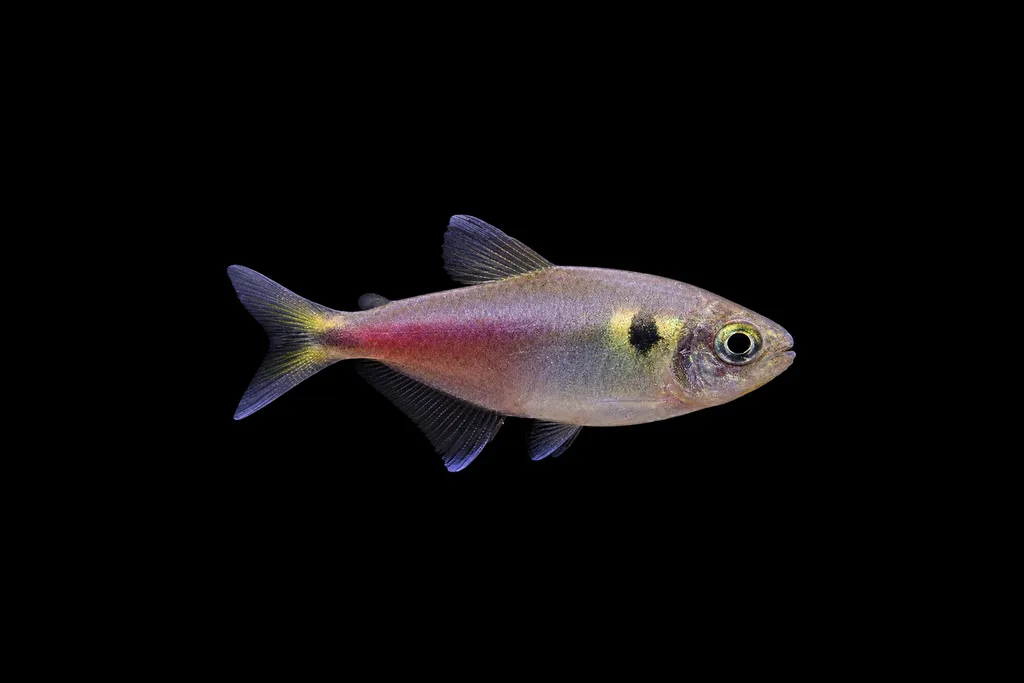
Pastel lily tetra
Psalidodon xavante
Freshwater2.4 in (6 cm) · 21 gal (80 L)72–81°F (22–27°C)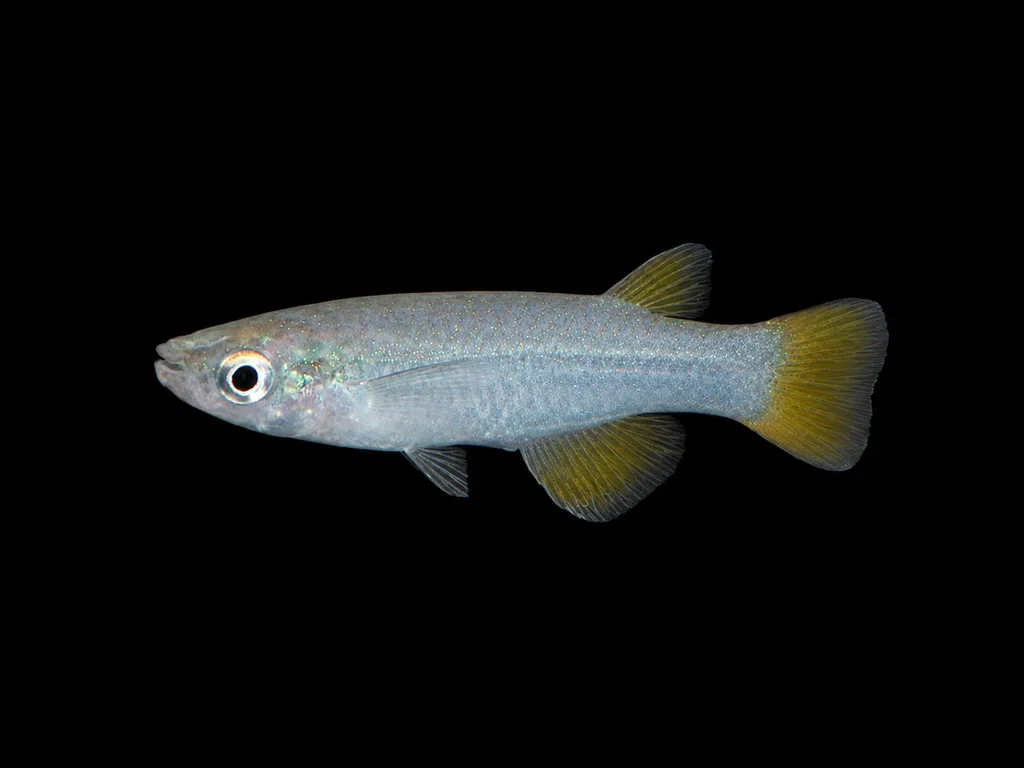
Banded lampeye
Aplocheilichthys spilauchen
FreshwaterBrackish2.8 in (7 cm) · 21 gal (80 L)73–82°F (23–28°C)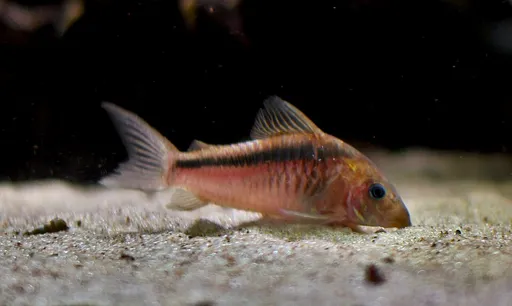
Black band cory
Osteogaster zygata
Freshwater2.6 in (6.5 cm) · 21 gal (80 L)72–79°F (22–26°C)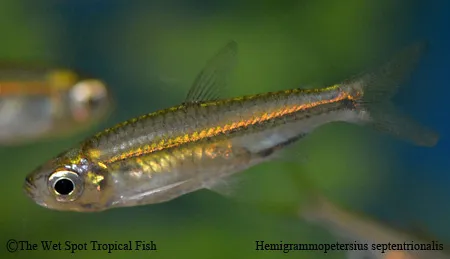
Nigerian yellow line tetra
Rhabdalestes septentrionalis
Freshwater2.8 in (7 cm) · 21 gal (80 L)73–82°F (23–28°C)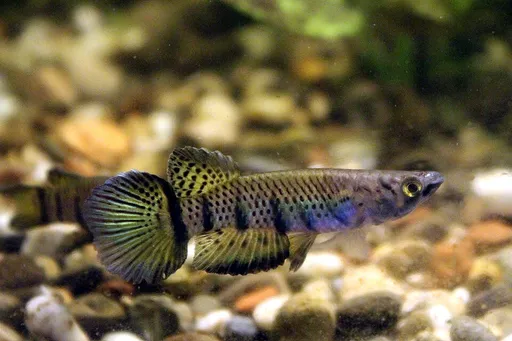
Six-barred panchax
Epiplatys sexfasciatus
Freshwater3.9 in (10 cm) · 20 gal (75 L)72–81°F (22–27°C)
Common questions
What size tank does an Apple snail need?
An Apple snail needs at least 21 gal (80 L). It spends most of its time in the bottom.
What temperature and pH does an Apple snail need?
An Apple snail is comfortable at 64–81°F (18–27°C) with a pH of 6.5–8.0.
How big does an Apple snail get?
An adult Apple snail reaches about 5.9 in (15 cm).
Related species
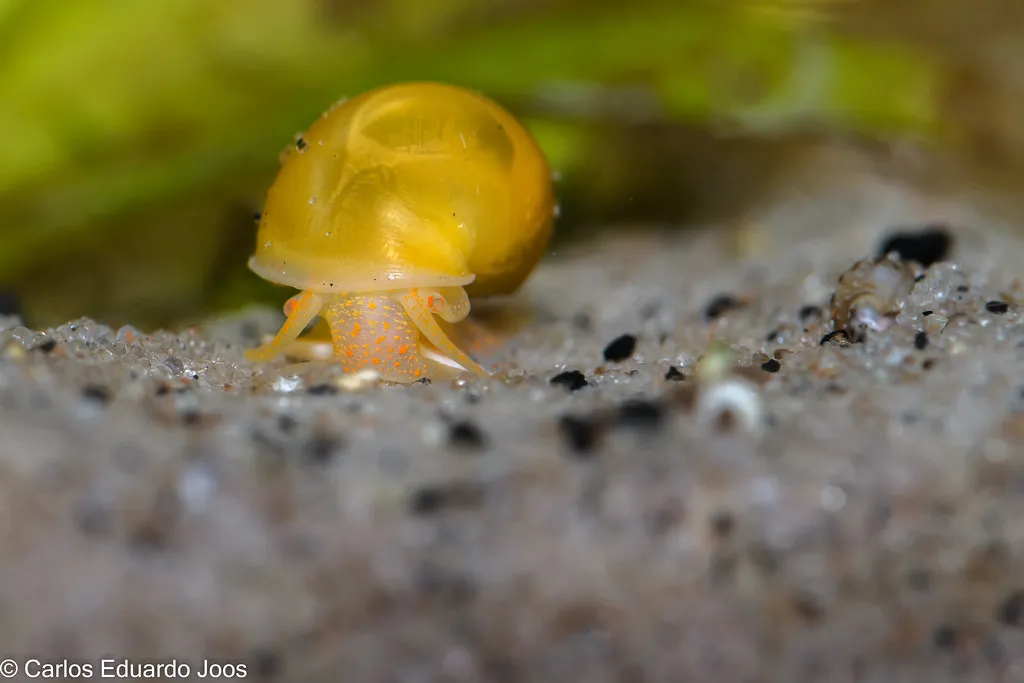 2 in (5 cm)5 gal (20 L)70–79°F (21–26°C)
Mystery snail
Pomacea diffusa
2 in (5 cm) · 5 gal (20 L)
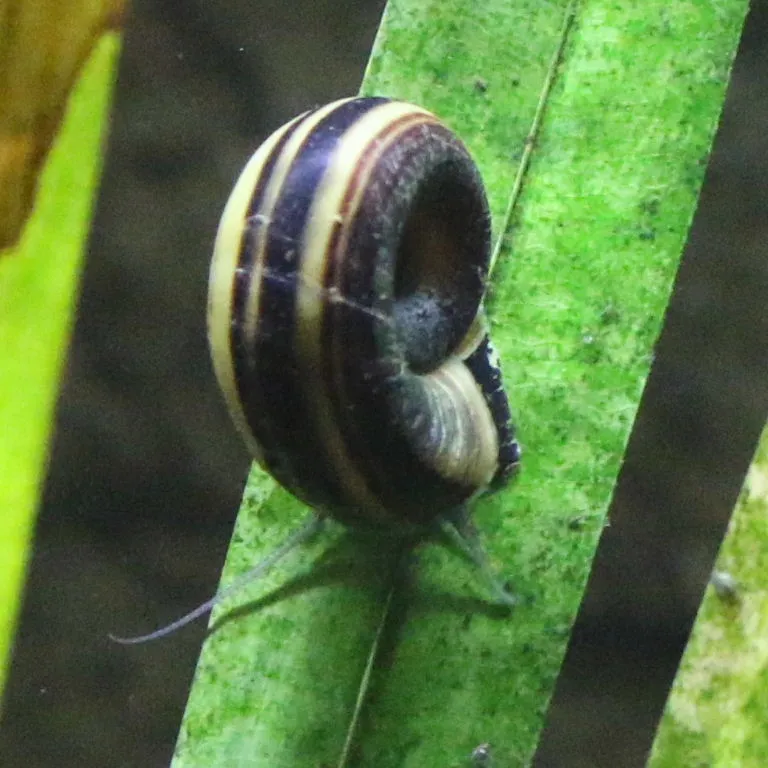 2 in (5 cm)5 gal (20 L)73–81°F (23–27°C)
Giant Colombian ramshorn
Marisa cornuarietis
2 in (5 cm) · 5 gal (20 L)
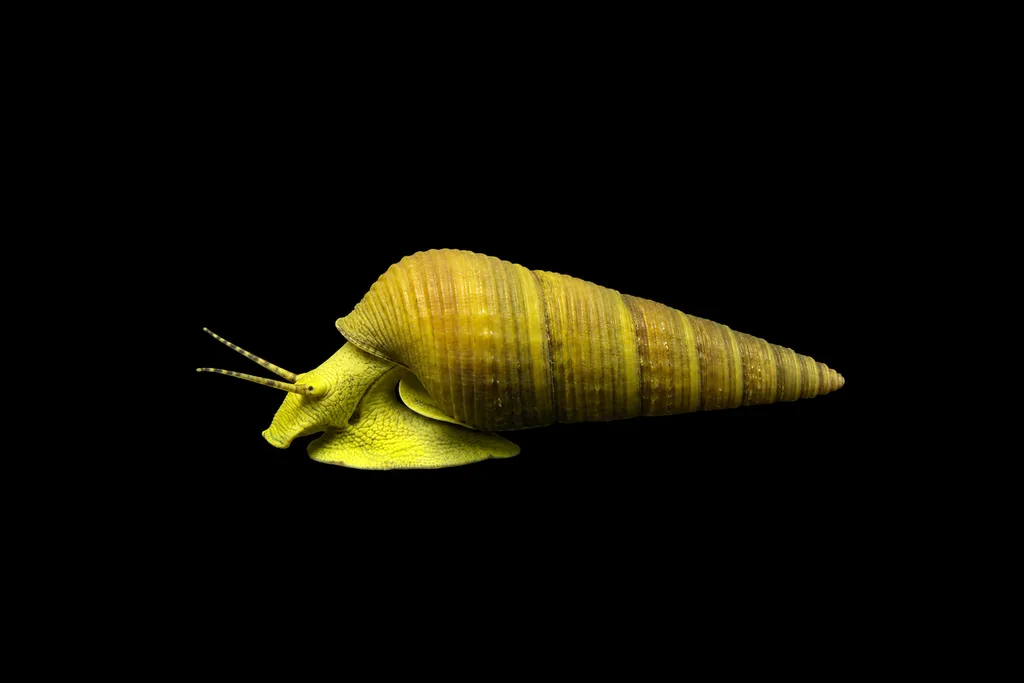 4.7 in (12 cm)20 gal (75 L)79–86°F (26–30°C)
Yellow giant rabbit snail
Tylomelania sarasinorum
4.7 in (12 cm) · 20 gal (75 L)
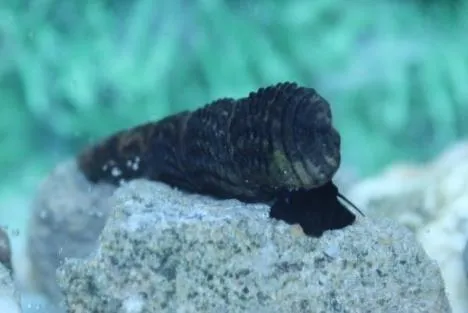 4.3 in (11 cm)16 gal (60 L)75–84°F (24–29°C)
White spotted rabbit snail
Tylomelania towutica
4.3 in (11 cm) · 16 gal (60 L)
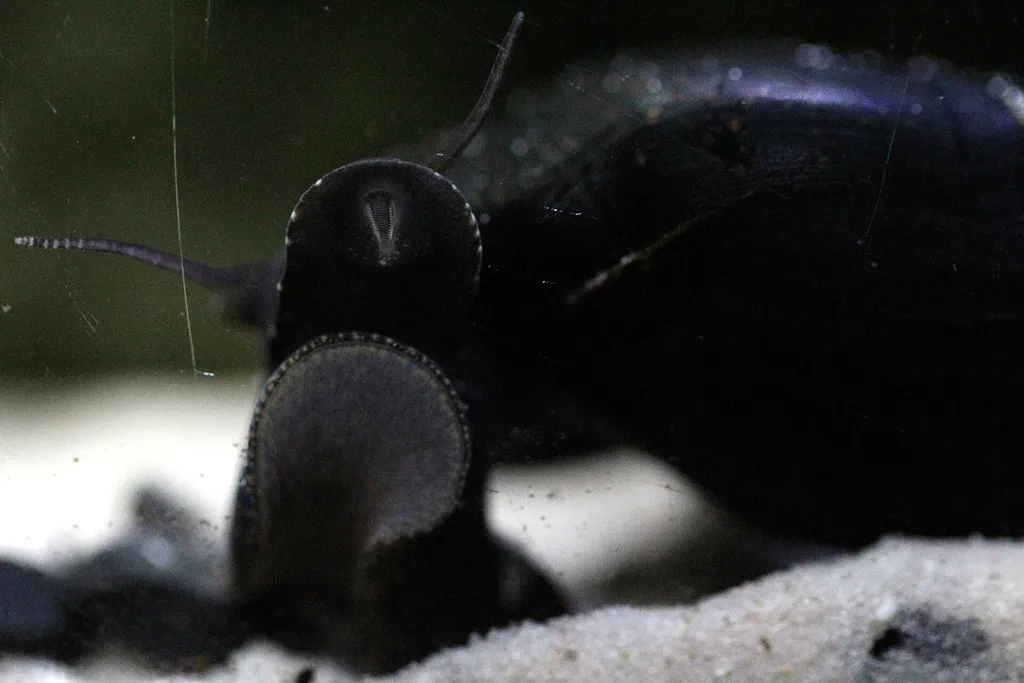 3.9 in (10 cm)13 gal (50 L)72–86°F (22–30°C)
Black devil snail
Faunus ater
3.9 in (10 cm) · 13 gal (50 L)
 3.1 in (8 cm)11 gal (40 L)73–82°F (23–28°C)
Hercules snail
Brotia herculea
3.1 in (8 cm) · 11 gal (40 L)