Mystery snail
Pomacea diffusa
Also known as spike-topped apple snail
FreshwaterSnail
Care at a glance
- Temperature
- 70–79°F
- 21–26°C
- pH
- 6.5–8.0
- Adult size
- 2 in
- 5 cm
- Minimum tank
- 5 gal
- 20 L
- Temperament
- Peaceful
- Social behavior
- Solitary
- Swim level
- Bottom
- Difficulty
- Easy
- Breeding
- Medium
- Rarity
- Rare
- Family
- Ampullariidae
- Origin
- South America
Overview
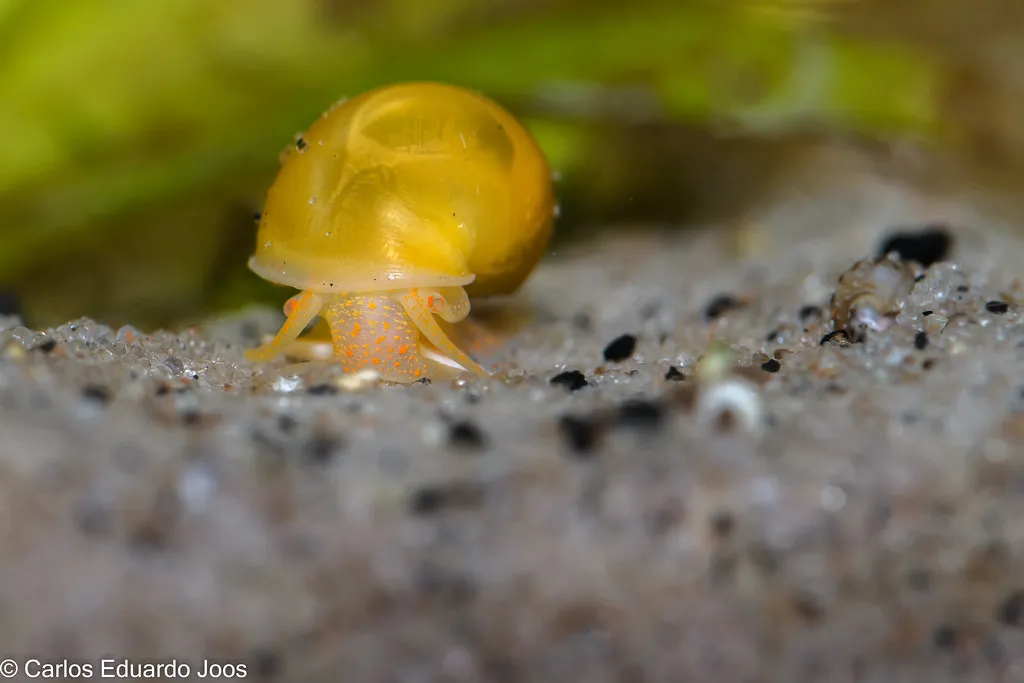
Mystery snails are peaceful, plant-safe grazers that roam the glass, plants, and substrate cleaning up algae, biofilm, and uneaten food. They ignore tankmates and suit almost any calm community, and one snail is happy alone. They breathe air through a siphon as well as through a gill, so leave a gap between the water and the lid. Keep the water moderately hard with enough calcium to build the shell, and never add copper, which is toxic to snails. Feed algae wafers, blanched vegetables, and a calcium source. A tank of 20 liters or more suits one or two of them.
In the wild
Pomacea diffusa comes from the Amazon basin of South America, where it lives in warm, slow, and often murky waters thick with plants and leaf litter. It is an adaptable snail that settles into a tank held from about 21 to 26 c with a pH from 6.5 to 8. Moderately hard water helps it grow a smooth, strong shell, while very soft or acidic water pits and erodes it. Gentle flow, live or artificial plants to climb, and an air gap above the surface let it behave as it would in the wild.
Good to know
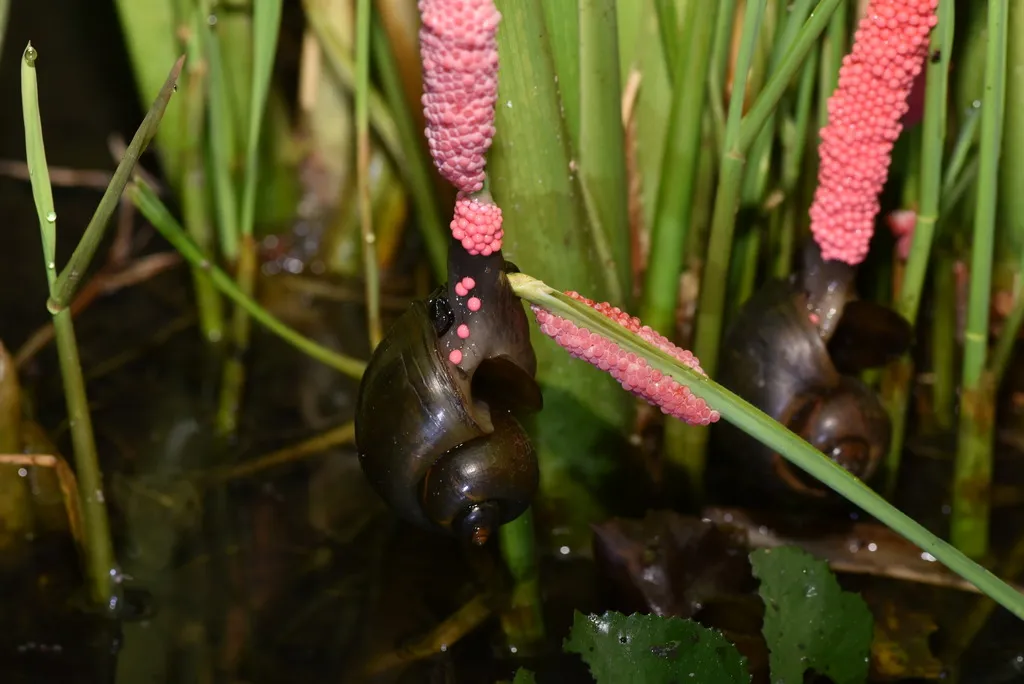
Pomacea diffusa is an apple snail in the family Ampullariidae, sometimes called the spike-topped apple snail. It grows to around 5 to 6 cm with a rounded, often patterned shell and an operculum. It is unusual in having both a gill and a lung, plus a long breathing siphon. The sexes are separate, and a female climbs above the waterline to lay a firm, calcium-rich clutch of pink eggs on the glass or lid. The young hatch in two to four weeks and drop back into the water, which makes controlled breeding fairly easy.
Did you know
Unlike almost every other aquarium snail, a mystery snail lays its eggs out of the water in a hard pink clutch stuck above the surface. If you do not want more snails, you can simply remove the clutch a day or two after it appears.
Weekly picks
Tank mates
Mystery snail is a peaceful, solitary species that keeps to the bottom. These picks share a community profile with it, are safe together in both directions, and overlap on water type, temperature and pH.
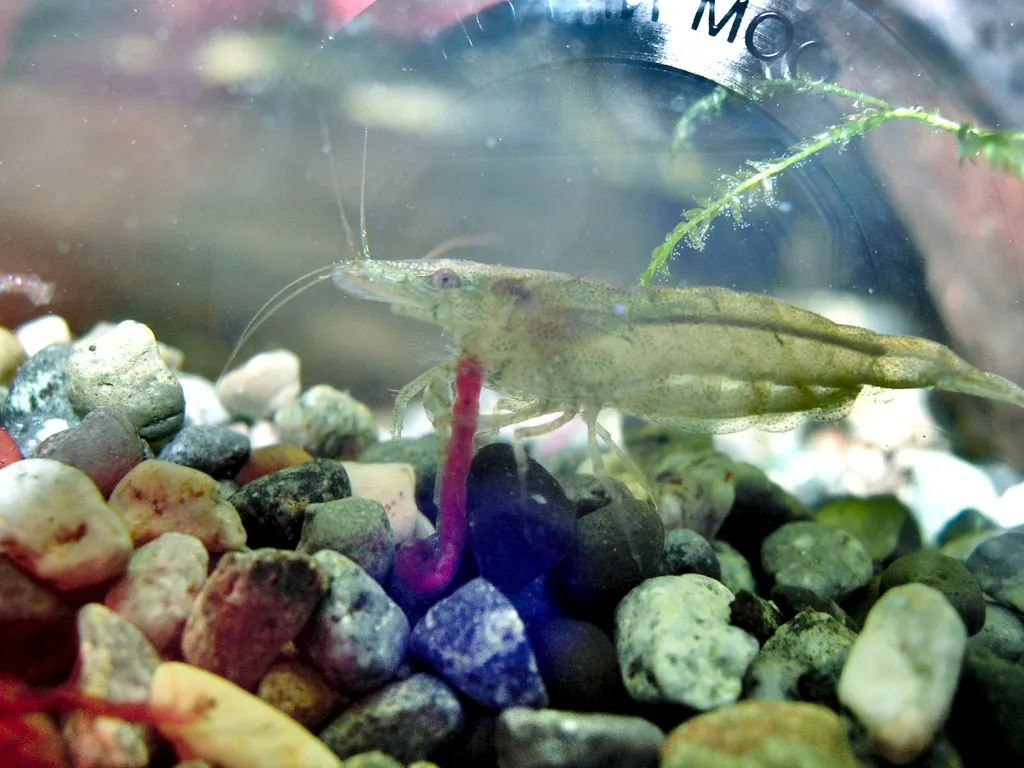
Okinawa cleaner shrimp
Neocaridina denticulata
Freshwater1.2 in (3 cm) · 5 gal (20 L)64–79°F (18–26°C)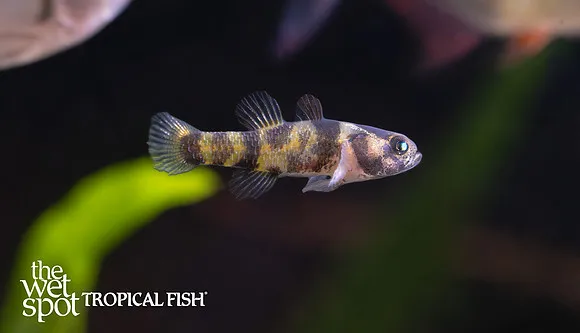
Micro bumblebee goby
Brachygobius nunus
FreshwaterBrackish1 in (2.5 cm) · 5 gal (20 L)73–82°F (23–28°C)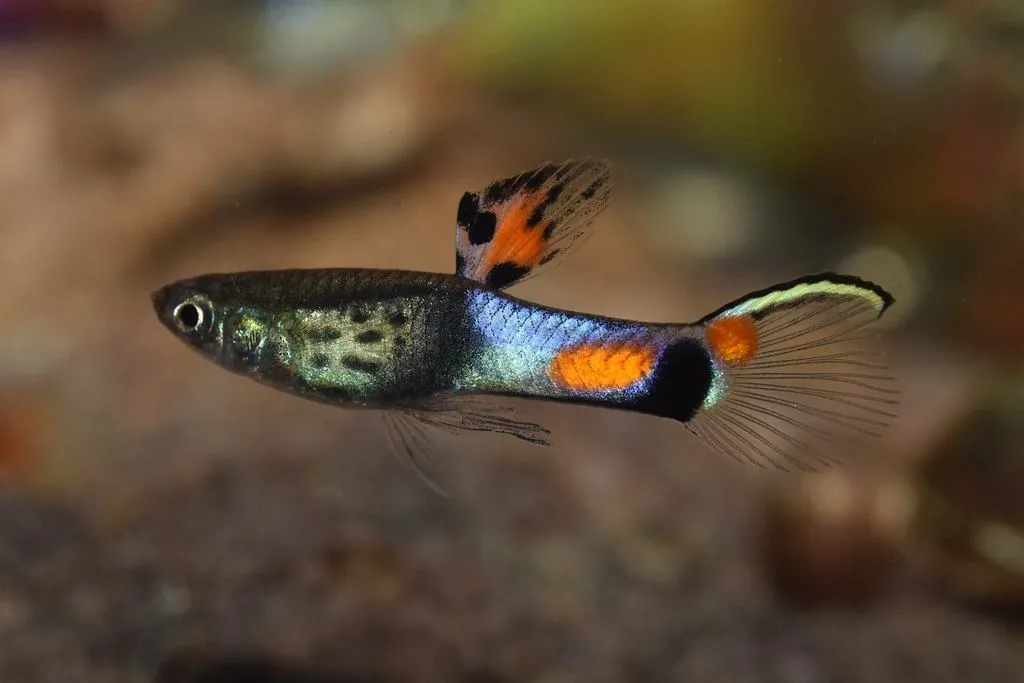
Endler's livebearer
Poecilia wingei
FreshwaterBrackish1.6 in (4 cm) · 5 gal (20 L)72–86°F (22–30°C)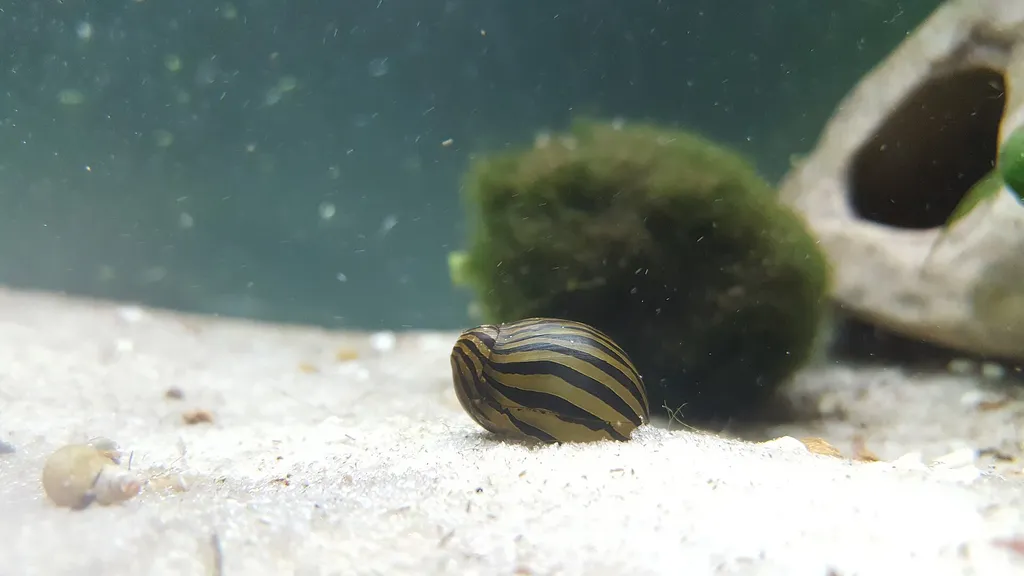
Zebra nerite
Vittina natalensis
FreshwaterBrackish1 in (2.5 cm) · 5 gal (20 L)66–84°F (19–29°C)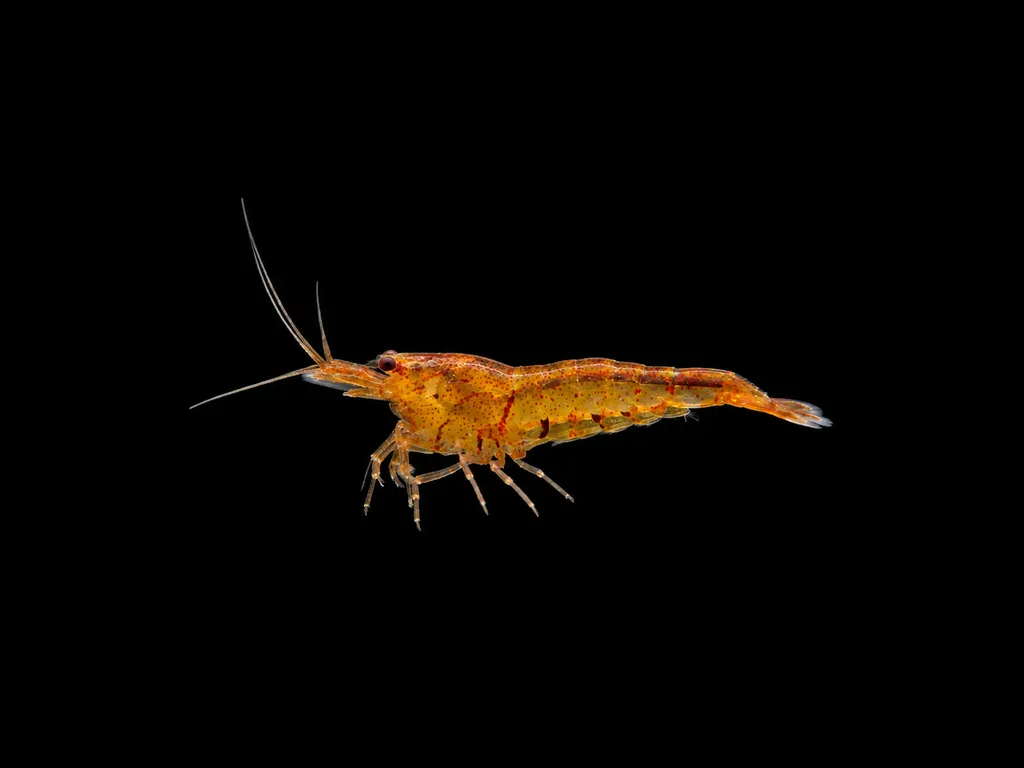
Tangerine tiger shrimp
Caridina serrata
Freshwater1.2 in (3 cm) · 5 gal (20 L)68–79°F (20–26°C)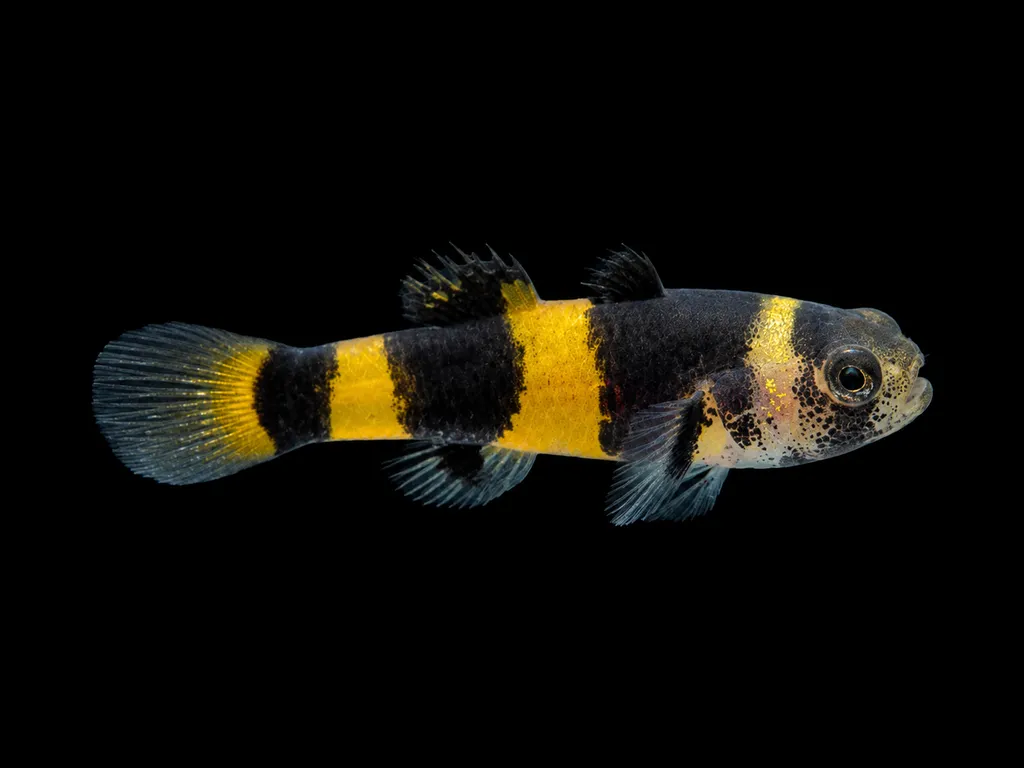
Mini bumblebee goby
Brachygobius xanthomelas
Freshwater0.8 in (2 cm) · 5 gal (20 L)75–82°F (24–28°C)
Common questions
What size tank does a Mystery snail need?
A Mystery snail needs at least 5 gal (20 L). It spends most of its time in the bottom.
What temperature and pH does a Mystery snail need?
A Mystery snail is comfortable at 70–79°F (21–26°C) with a pH of 6.5–8.0.
How big does a Mystery snail get?
An adult Mystery snail reaches about 2 in (5 cm).
Related species
 5.9 in (15 cm)21 gal (80 L)64–81°F (18–27°C)
Apple snail
Pomacea canaliculata
5.9 in (15 cm) · 21 gal (80 L)
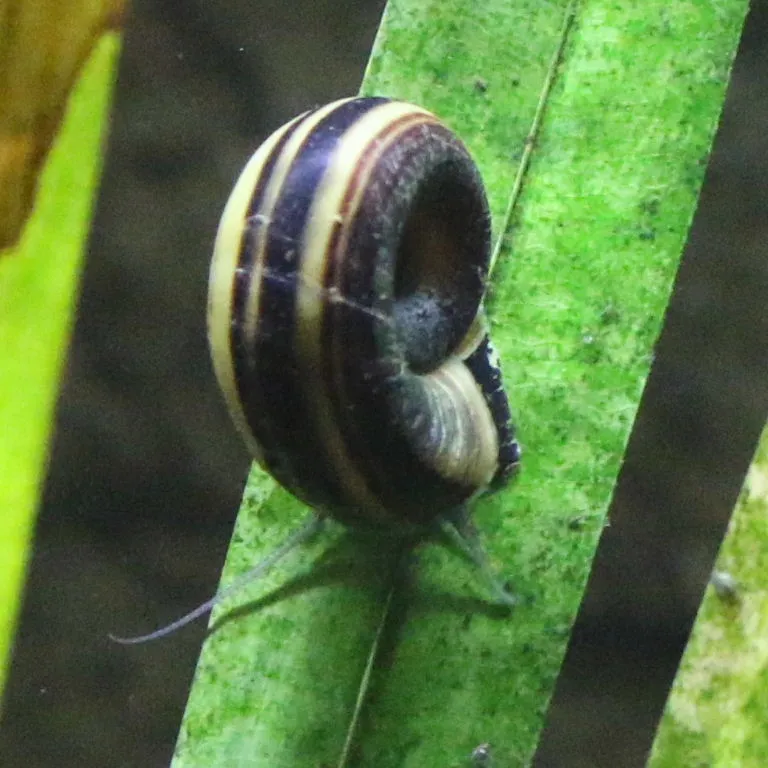 2 in (5 cm)5 gal (20 L)73–81°F (23–27°C)
Giant Colombian ramshorn
Marisa cornuarietis
2 in (5 cm) · 5 gal (20 L)
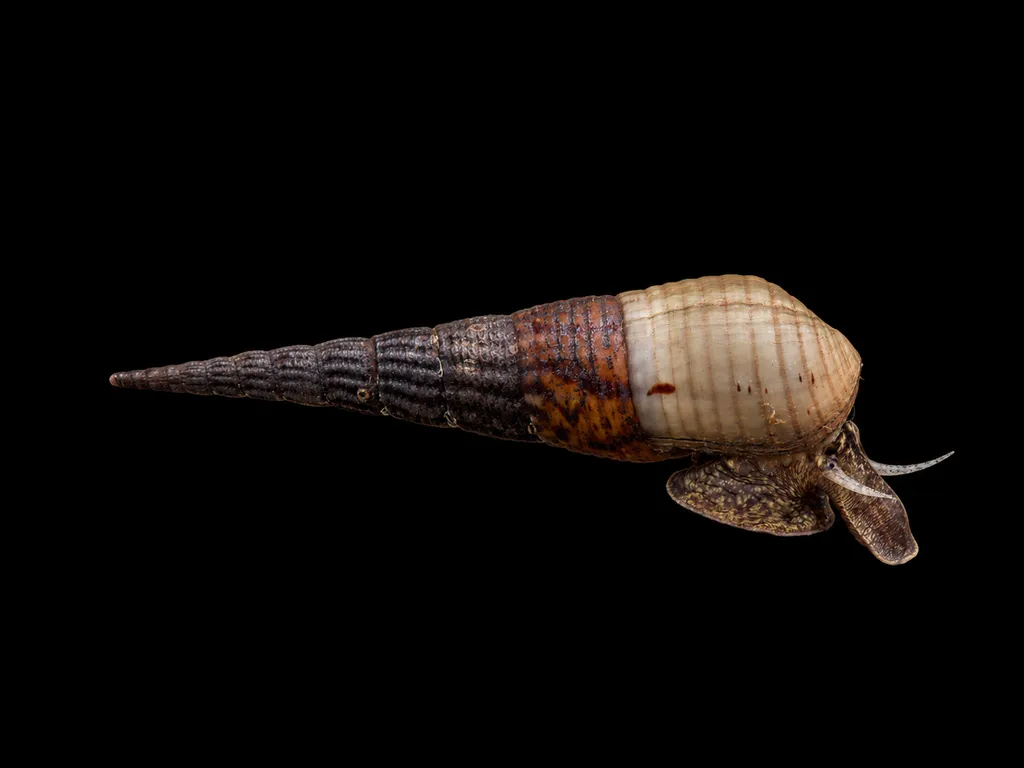 2 in (5 cm)11 gal (40 L)73–82°F (23–28°C)
Chopstick snail
Stenomelania torulosa
2 in (5 cm) · 11 gal (40 L)
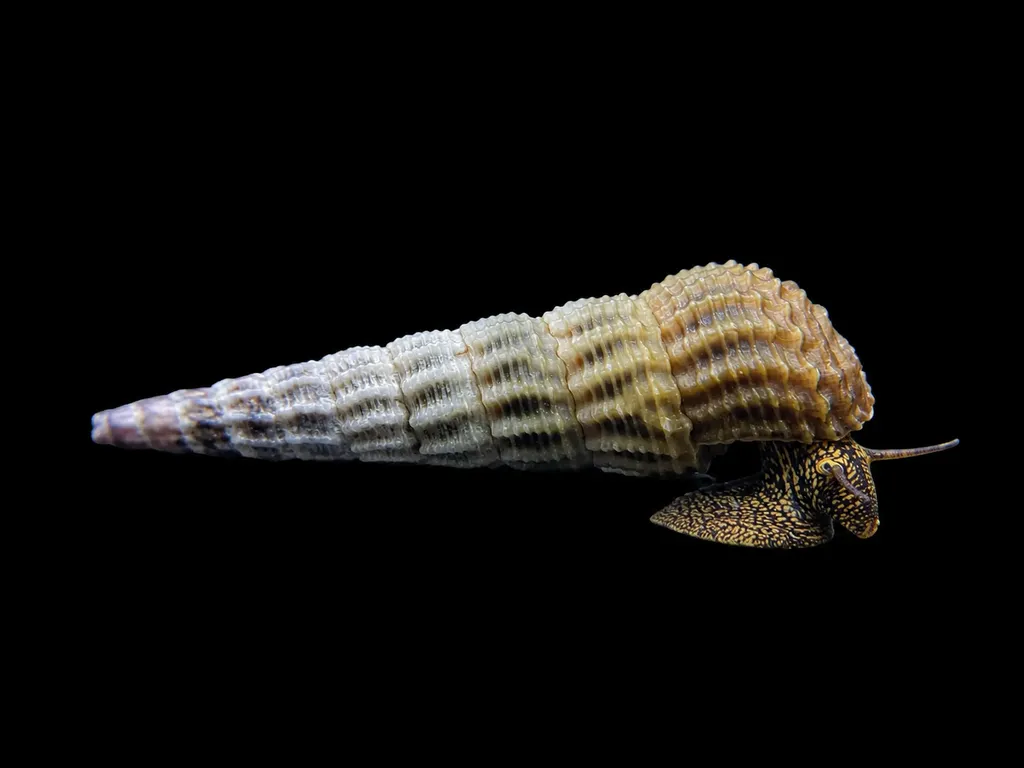 2 in (5 cm)11 gal (40 L)77–86°F (25–30°C)
Himalayan rabbit snail
Tylomelania marwotoae
2 in (5 cm) · 11 gal (40 L)
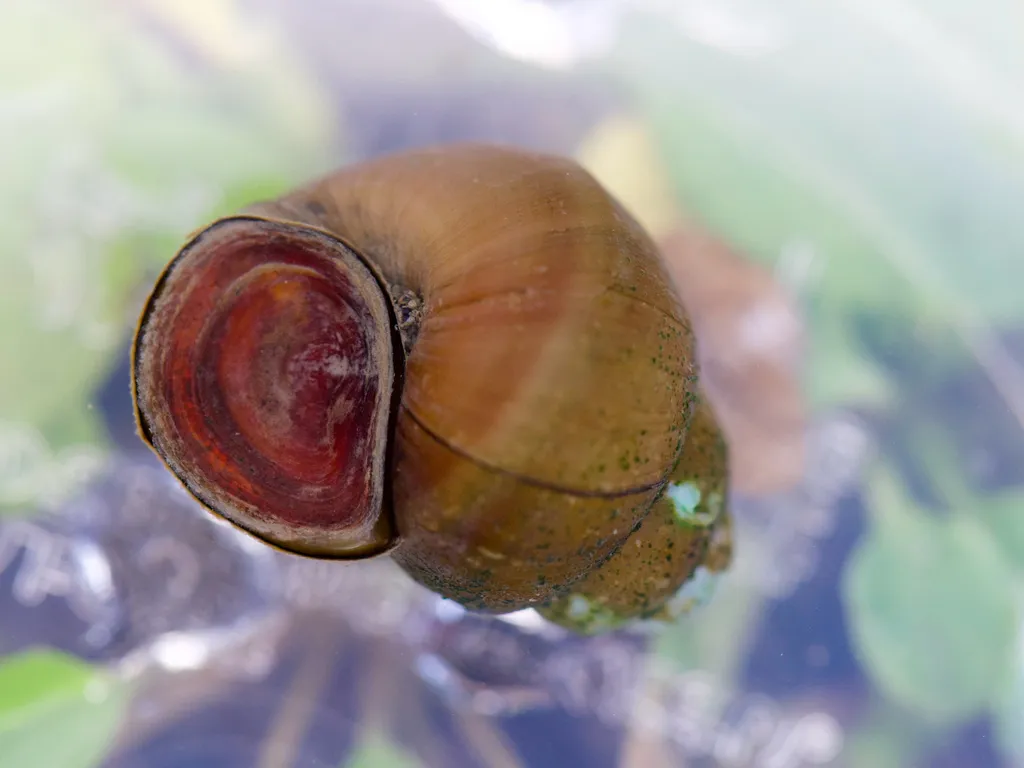 2 in (5 cm)8 gal (30 L)64–77°F (18–25°C)
Japanese trapdoor snail
Cipangopaludina malleata
2 in (5 cm) · 8 gal (30 L)
 2 in (5 cm)5 gal (20 L)75–86°F (24–30°C)
Triangle rabbit snail
Tylomelania sinabartfeldi
2 in (5 cm) · 5 gal (20 L)