Blue cory
Hoplisoma nattereri
Also known as Corydoras nattereri
FreshwaterFish
Care at a glance
- Temperature
- 68–73°F
- 20–23°C
- pH
- 6.0–7.5
- Adult size
- 2.6 in
- 6.5 cm
- Minimum tank
- 20 gal
- 75 L
- Temperament
- Peaceful
- Social behavior
- Shoaling
- Swim level
- Bottom
- Difficulty
- Medium
- Breeding
- Hard
- Rarity
- Rare
- Family
- Callichthyidae
- Origin
- Brazil
Overview
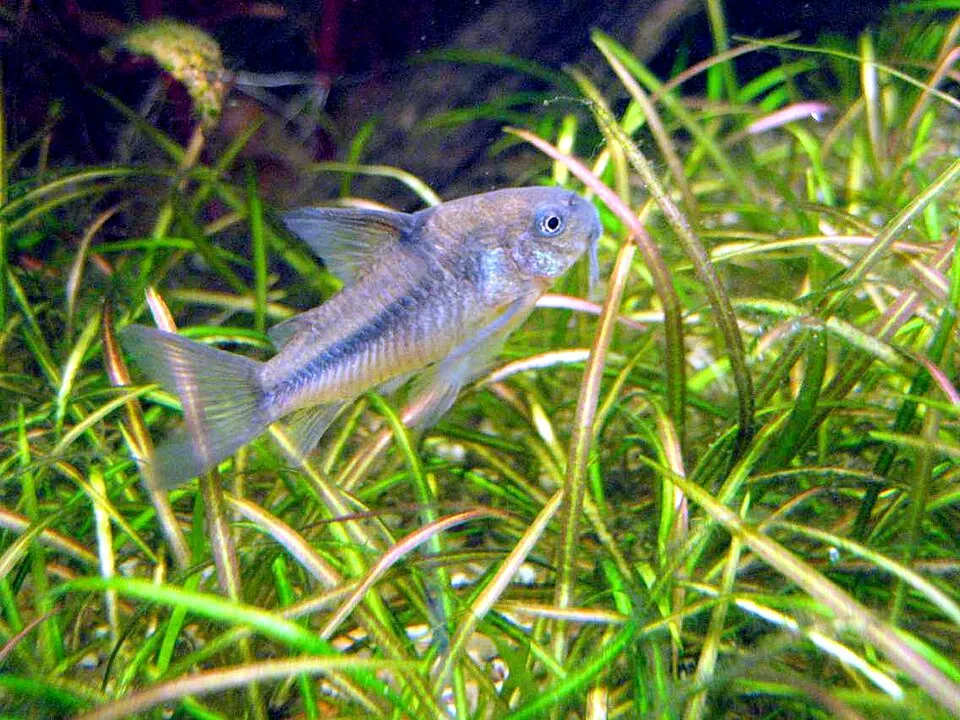
The blue cory is a peaceful, active shoaler that should be kept in a group of at least six to look and behave its best. It patrols the bottom in a loose pack, sifting sand for food, and mixes happily with small, gentle community fish that favor similar cooler water. Feed sinking pellets, frozen bloodworm and daphnia, and the odd algae wafer, and make sure the food gets past faster mid water fish. Give a group a tank of around 75 liters or larger.
In the wild
Corydoras nattereri lives in cooler coastal rivers of southeastern Brazil, from Espirito Santo to Parana, over sand and among roots and leaves. It prefers water on the cooler side, roughly 20 to 23 C, so avoid a hot tank. Provide a soft sand bed, driftwood, and shaded planting, with pH around 6.0 to 7.5 and clean, well oxygenated water kept moving gently.
Good to know
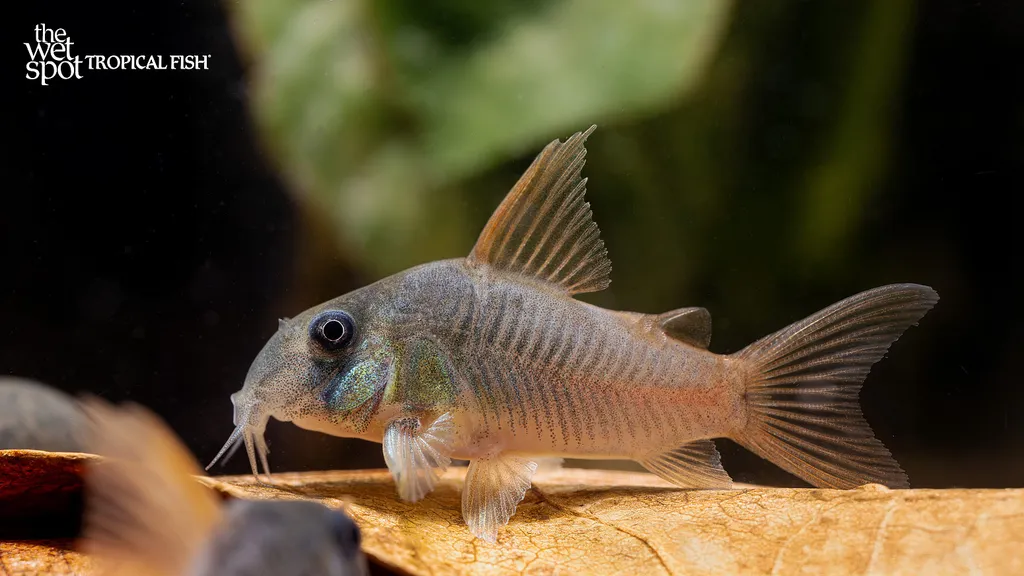
This armored catfish of the family Callichthyidae grows to around 6.5 cm and takes a metallic blue green sheen along the flanks, brightest across the gill covers. It is named for the Austrian naturalist Johann Natterer, who collected the first specimens in Brazil. It has been spawned in aquaria but is regarded as tricky, responding best to cool, clean water and live foods to bring the adults into condition.
Did you know
The blue cory earns its name from the soft metallic blue sheen that washes over its body, with green highlights around the gills. It honors Johann Natterer, the Austrian explorer whose long expedition through Brazil turned up many of the region's fishes.
Weekly picks
Tank mates
Blue cory is a peaceful, shoaling species that keeps to the bottom. These picks share a community profile with it, are safe together in both directions, and overlap on water type, temperature and pH.
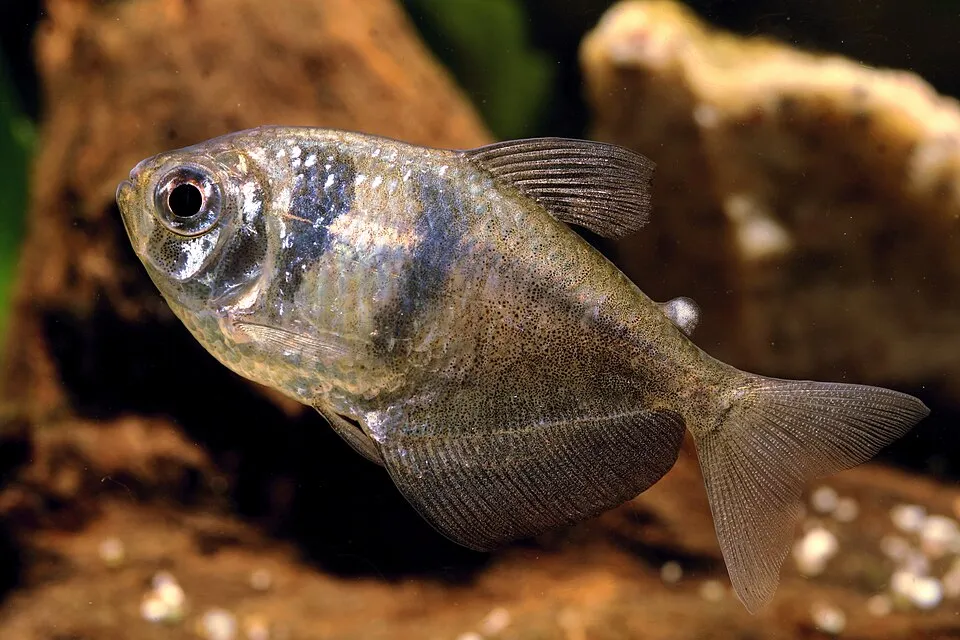
Black widow tetra
Gymnocorymbus ternetzi
Freshwater2.4 in (6 cm) · 20 gal (75 L)68–79°F (20–26°C)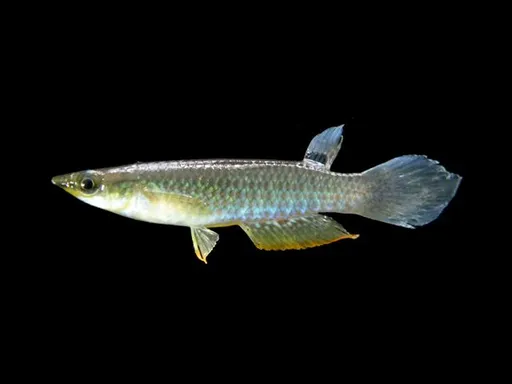
Blue panchax
Aplocheilus panchax
Freshwater3.5 in (9 cm) · 20 gal (75 L)72–82°F (22–28°C)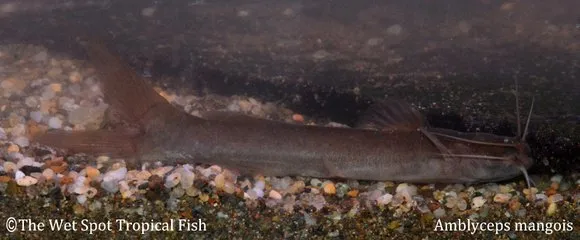
Crevice catfish
Amblyceps mangois
Freshwater5.1 in (13 cm) · 20 gal (75 L)68–79°F (20–26°C)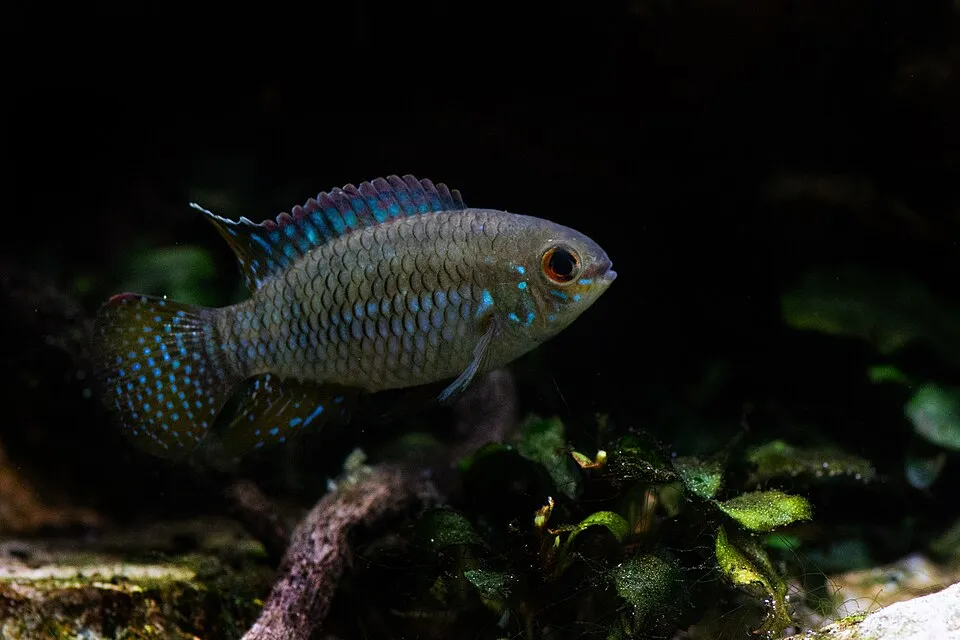
Dwarf flag cichlid
Laetacara curviceps
Freshwater2.2 in (5.5 cm) · 20 gal (75 L)68–82°F (20–28°C)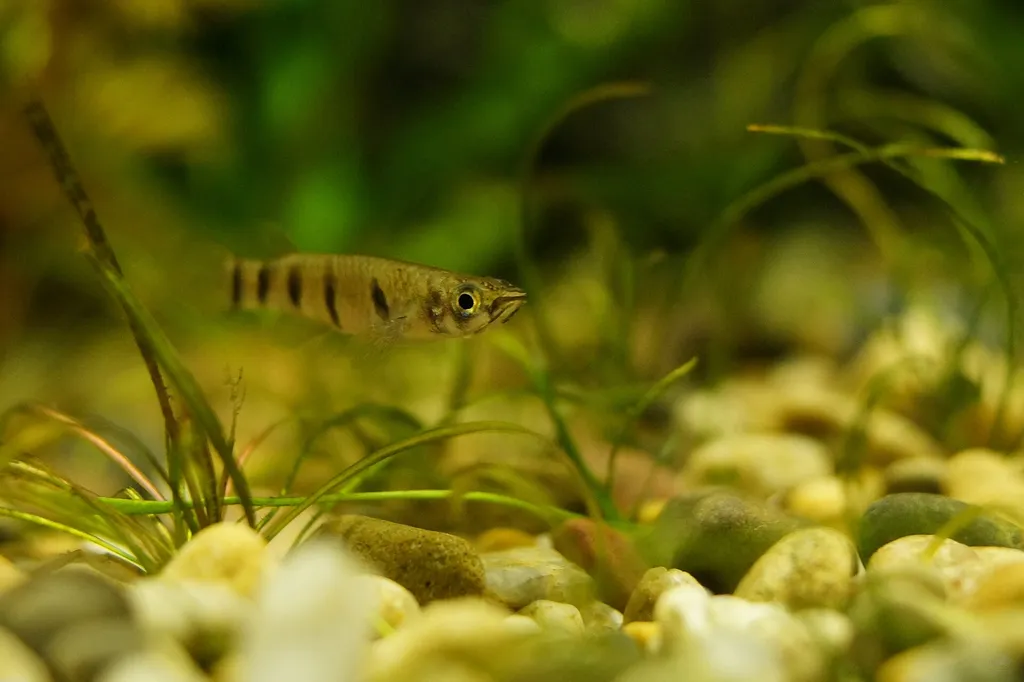
Red-chinned panchax
Epiplatys dageti
Freshwater1.8 in (4.5 cm) · 20 gal (75 L)70–75°F (21–24°C)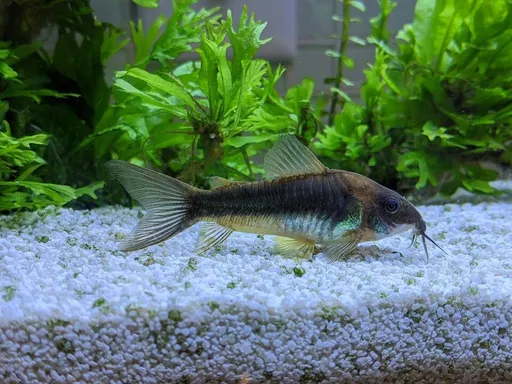
Venezuelan orange cory
Osteogaster aenea
Freshwater2.4 in (6 cm) · 20 gal (75 L)68–79°F (20–26°C)
Common questions
What size tank does a Blue cory need?
A Blue cory needs at least 20 gal (75 L). It spends most of its time in the bottom.
What temperature and pH does a Blue cory need?
A Blue cory is comfortable at 68–73°F (20–23°C) with a pH of 6.0–7.5.
How big does a Blue cory get?
An adult Blue cory reaches about 2.6 in (6.5 cm).
Does a Blue cory need a group?
Yes. A Blue cory is a shoaling species and should be kept in a group, not singly.
Related species
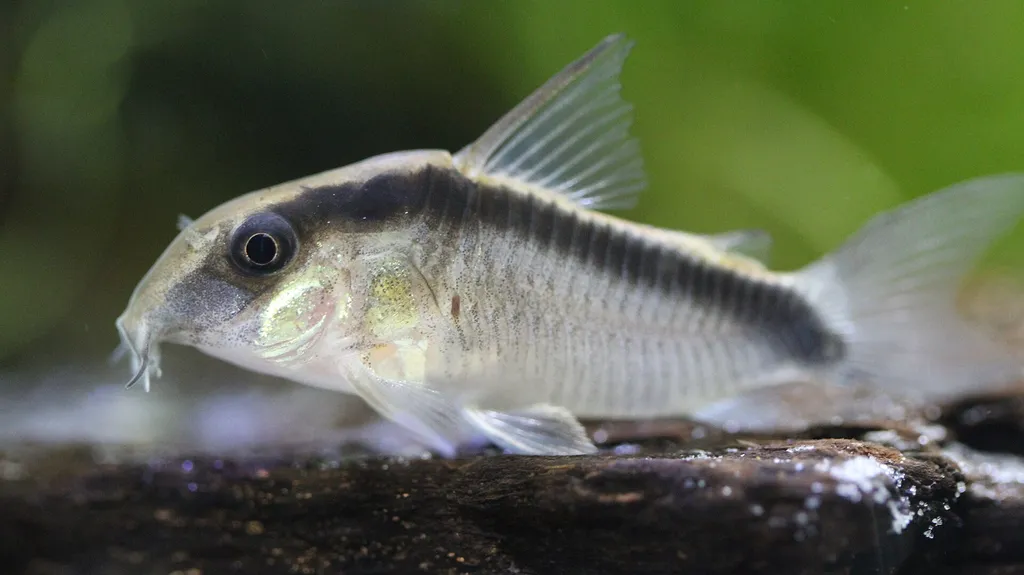 2.6 in (6.5 cm)20 gal (75 L)73–81°F (23–27°C)
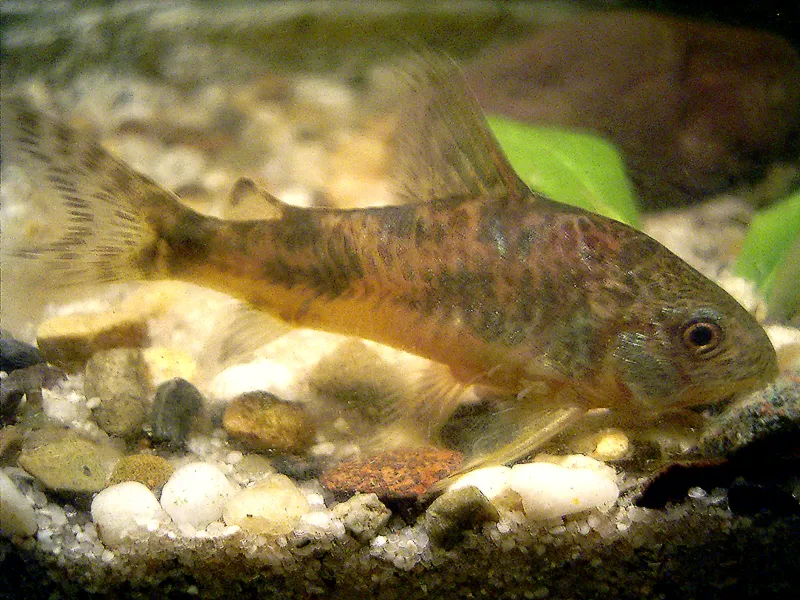
Grant's cory
Hoplisoma granti
2.6 in (6.5 cm) · 20 gal (75 L)
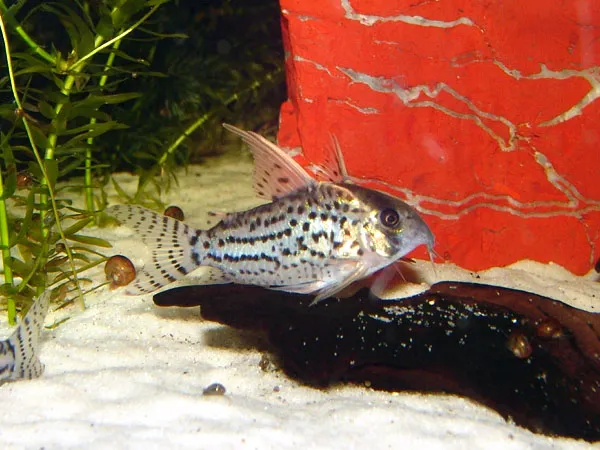
 2.8 in (7 cm)21 gal (80 L)72–79°F (22–26°C)
Peppered cory
Hoplisoma paleatum
2.8 in (7 cm) · 21 gal (80 L)
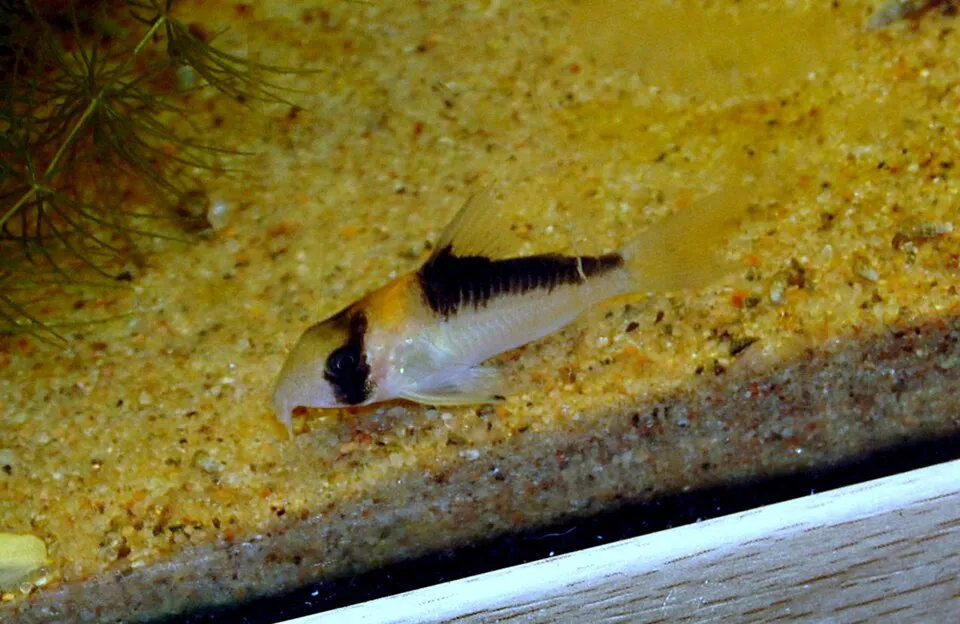
 2.8 in (7 cm)20 gal (75 L)72–79°F (22–26°C)
Schwartz's catfish
Hoplisoma schwartzi
2.8 in (7 cm) · 20 gal (75 L)
 2.4 in (6 cm)20 gal (75 L)70–79°F (21–26°C)
Adolfo's cory
Hoplisoma adolfoi
2.4 in (6 cm) · 20 gal (75 L)
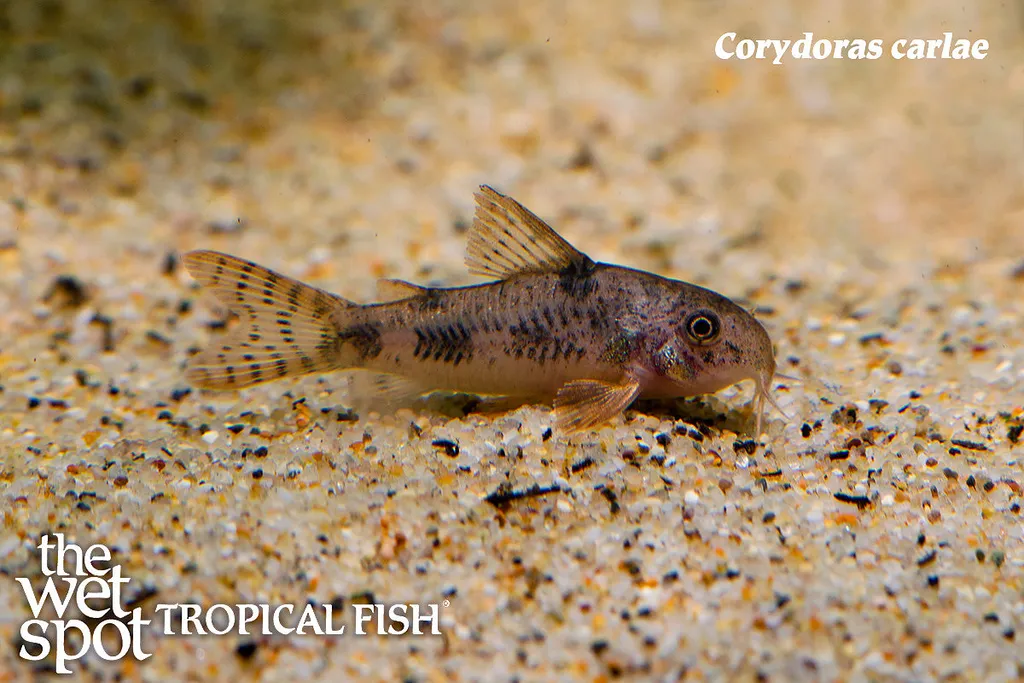 2.4 in (6 cm)16 gal (60 L)68–77°F (20–25°C)
Carla's cory
Hoplisoma carlae
2.4 in (6 cm) · 16 gal (60 L)
 2.4 in (6 cm)20 gal (75 L)72–79°F (22–26°C)
Concolor cory
Hoplisoma concolor
2.4 in (6 cm) · 20 gal (75 L)