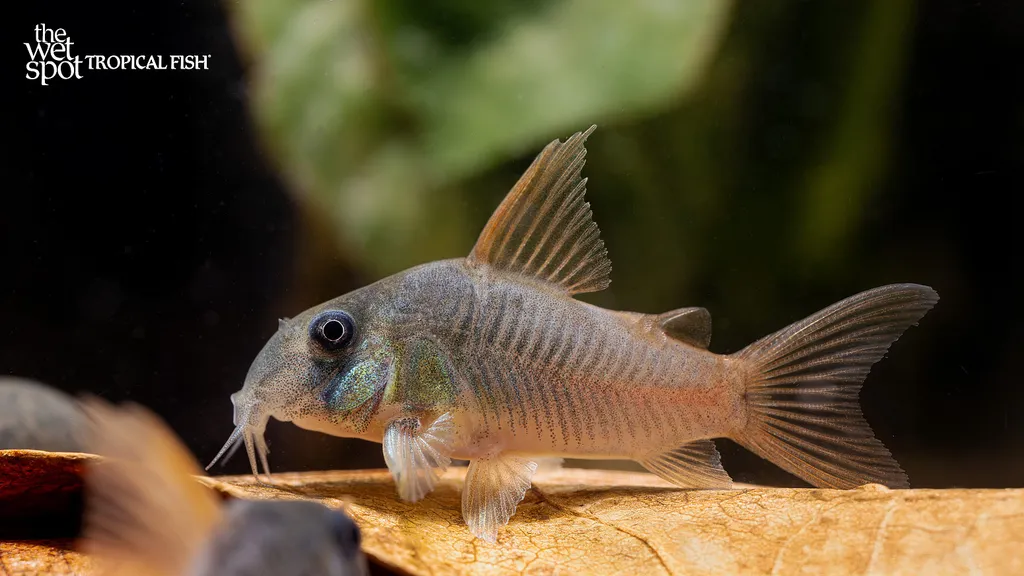
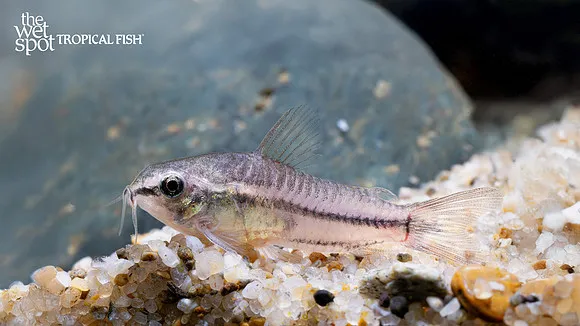
Concolor cory
Hoplisoma concolor
Also known as Corydoras concolor, Slate cory
FreshwaterFish
Care at a glance
- Temperature
- 72–79°F
- 22–26°C
- pH
- 6.0–7.5
- Adult size
- 2.4 in
- 6 cm
- Minimum tank
- 20 gal
- 75 L
- Temperament
- Peaceful
- Social behavior
- Shoaling
- Swim level
- Bottom
- Difficulty
- Easy
- Breeding
- Medium
- Rarity
- Common
- Family
- Callichthyidae
- Origin
- Orinoco River basin, western Venezuela (South America)
Overview
Keep them in a group of at least six, with eight or more being better, in a tank of 75 liters or up. On their own or in small numbers they turn shy and skittish. They are peaceful bottom dwellers and do well with small tetras, rasboras, and dwarf cichlids. Run good filtration and keep the water well oxygenated, warm at 22 to 26 C, slightly soft, and acidic to neutral at a pH of 6 to 7.5, though they tolerate up to neutral and harder water. Use only soft fine sand on the bottom, since sharp gravel wears down and infects their barbels and is a common cause of barbel loss.
In the wild
Concolor corys come from the Orinoco River basin in western Venezuela, where they work over the soft sand and leaf litter of slow, shaded stretches of water. To match that, give them a soft fine-sand substrate and some shade from plants and driftwood. They settle in best in a tank of 75 liters or larger with a wide floor, since they spend their time foraging across the bottom. Keep the water on the warm side at 22 to 26 C and slightly soft, with a pH from 6 to 7.5.
Good to know
This is a bottom-dwelling catfish in the family Callichthyidae, the armored corys, reaching about 6 cm as an adult. Like all Corydoras it can gulp atmospheric air at the surface, so the occasional dash up for a breath is normal. Its pectoral spines are mildly venomous, so handle and net it with care. It has been bred in the hobby, though less often than the easy corys.
Did you know
To spawn them you have to imitate the rainy season. Condition the group on live and frozen foods, then do a larger water change with cooler water to mimic the cool runoff that floods their home streams. That drop in temperature is the trigger that tells them it is time to breed, which is why they are rated a step harder to spawn than the common corys.
Weekly picks
Tank mates
Concolor cory is a peaceful, shoaling species that keeps to the bottom. These picks share a community profile with it, are safe together in both directions, and overlap on water type, temperature and pH.
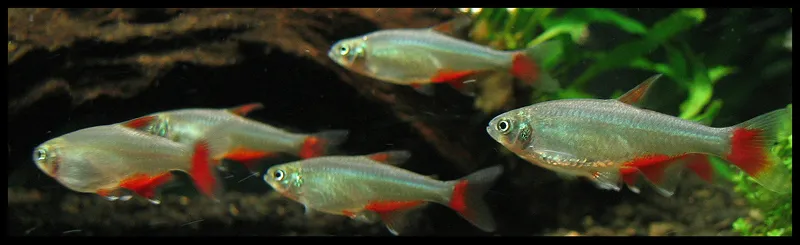
Bloodfin tetra
Aphyocharax anisitsi
Freshwater2.2 in (5.5 cm) · 20 gal (75 L)72–82°F (22–28°C)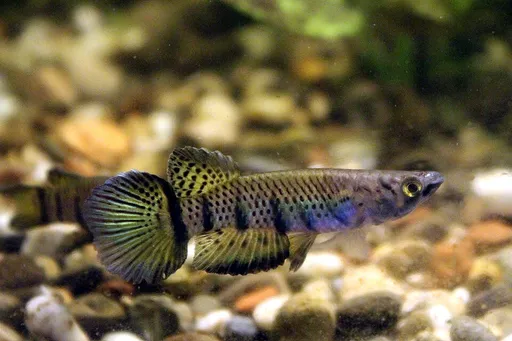
Six-barred panchax
Epiplatys sexfasciatus
Freshwater3.9 in (10 cm) · 20 gal (75 L)72–81°F (22–27°C)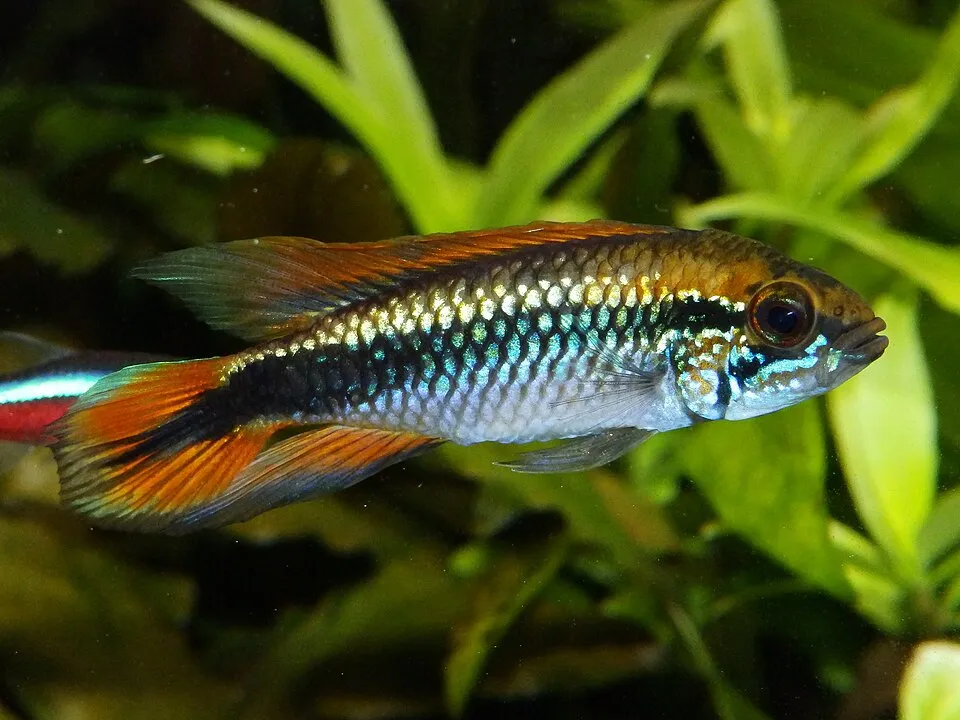
Agassiz's dwarf cichlid
Apistogramma agassizii
Freshwater3.5 in (9 cm) · 20 gal (75 L)72–84°F (22–29°C)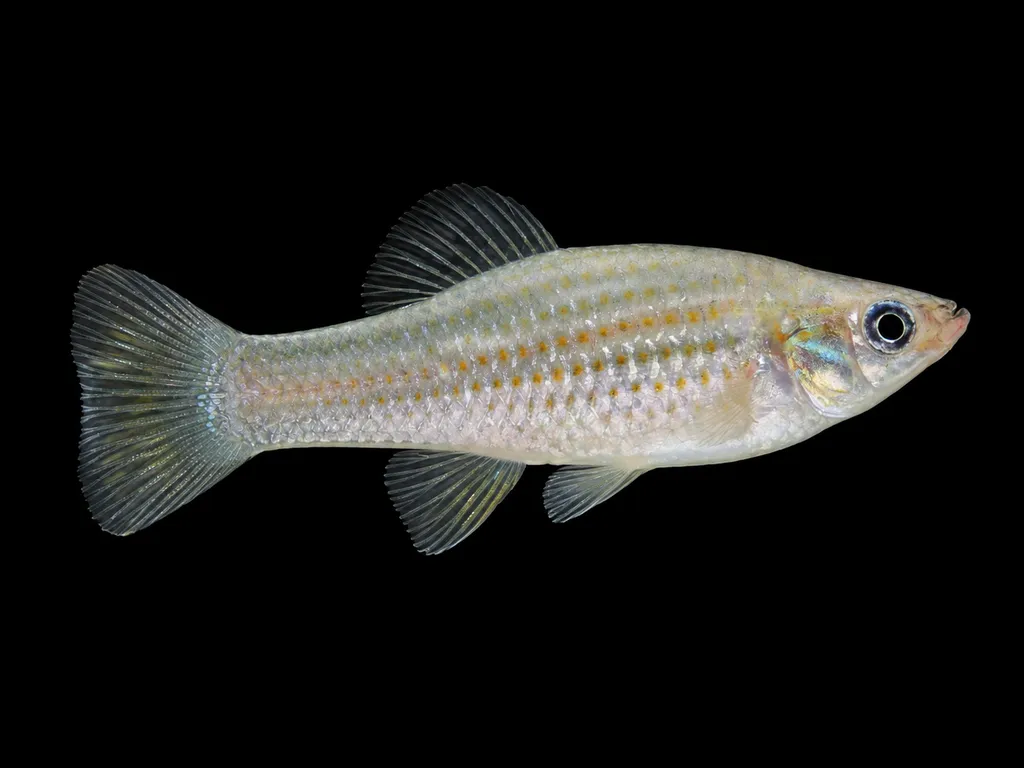
Amazon molly
Poecilia formosa
Freshwater3.5 in (9 cm) · 20 gal (75 L)68–82°F (20–28°C)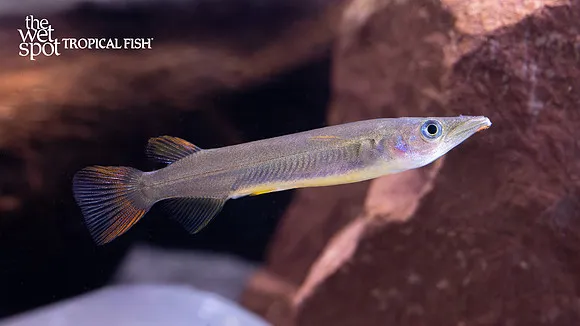
Rex halfbeak
Nomorhamphus rex
Freshwater2.2 in (5.5 cm) · 20 gal (75 L)72–79°F (22–26°C)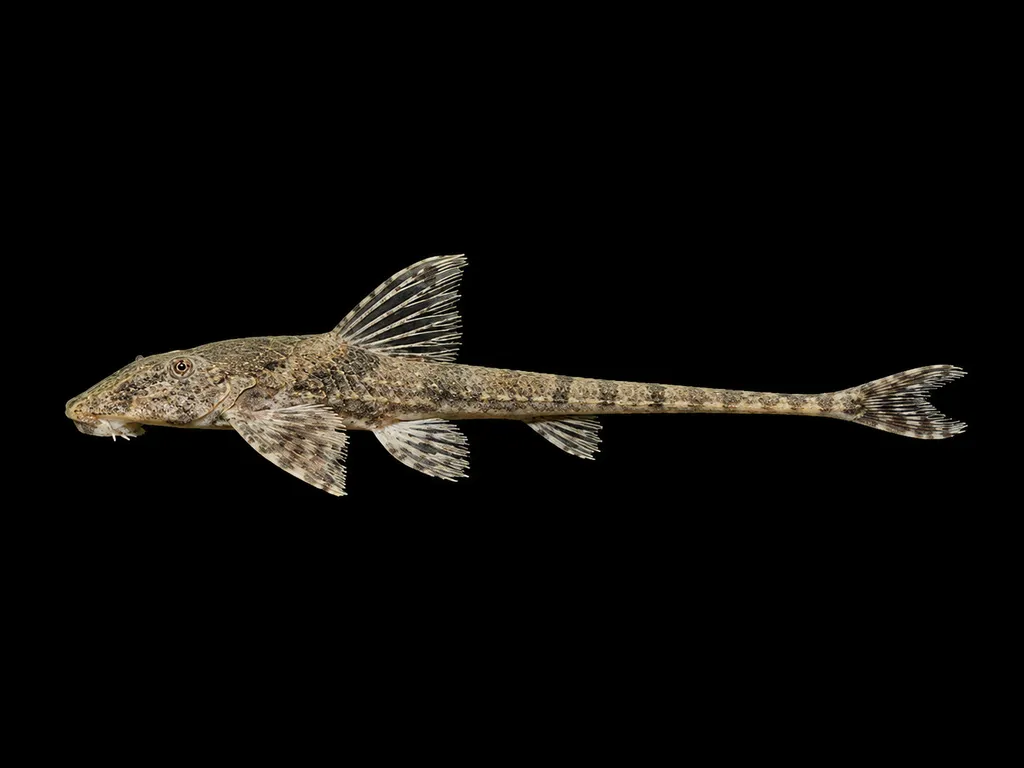
Common whiptail
Rineloricaria parva
Freshwater4.7 in (12 cm) · 20 gal (75 L)68–79°F (20–26°C)
Common questions
What size tank does a Concolor cory need?
A Concolor cory needs at least 20 gal (75 L). It spends most of its time in the bottom.
What temperature and pH does a Concolor cory need?
A Concolor cory is comfortable at 72–79°F (22–26°C) with a pH of 6.0–7.5.
How big does a Concolor cory get?
An adult Concolor cory reaches about 2.4 in (6 cm).
Does a Concolor cory need a group?
Yes. A Concolor cory is a shoaling species and should be kept in a group, not singly.
Related species
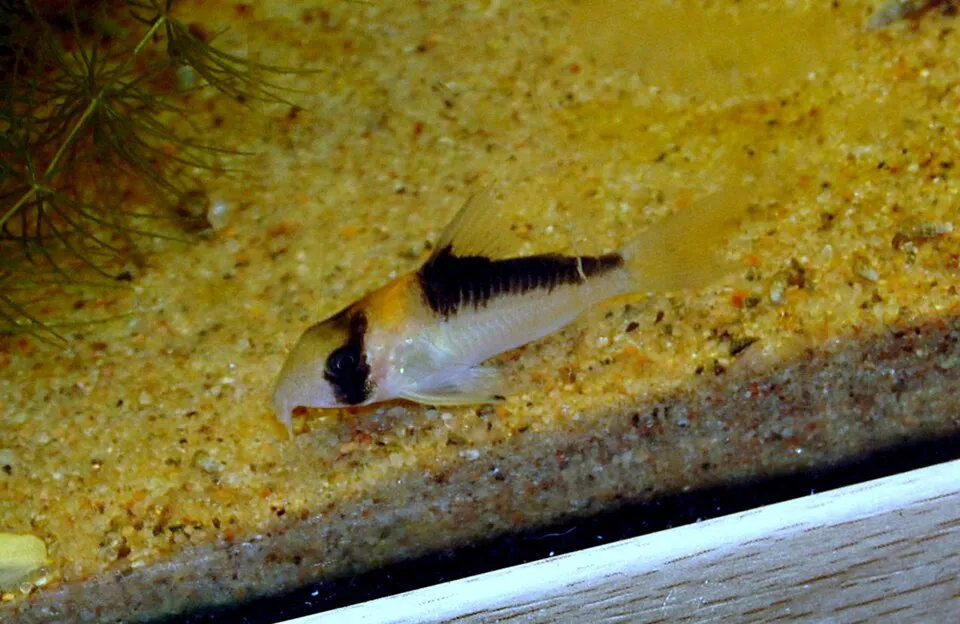 2.4 in (6 cm)20 gal (75 L)70–79°F (21–26°C)
Adolfo's cory
Hoplisoma adolfoi
2.4 in (6 cm) · 20 gal (75 L)
 2.4 in (6 cm)16 gal (60 L)75–82°F (24–28°C)
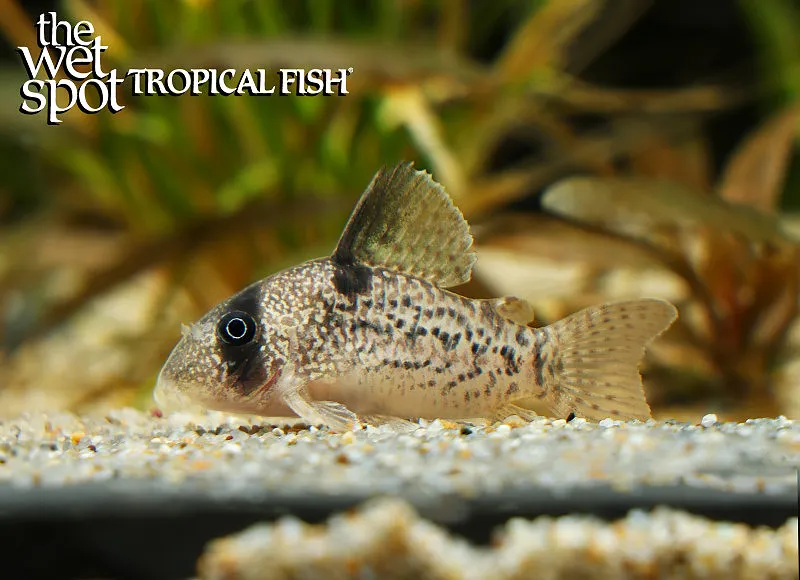
Ancestor cory
Hoplisoma noxium
2.4 in (6 cm) · 16 gal (60 L)
 2.4 in (6 cm)16 gal (60 L)68–77°F (20–25°C)
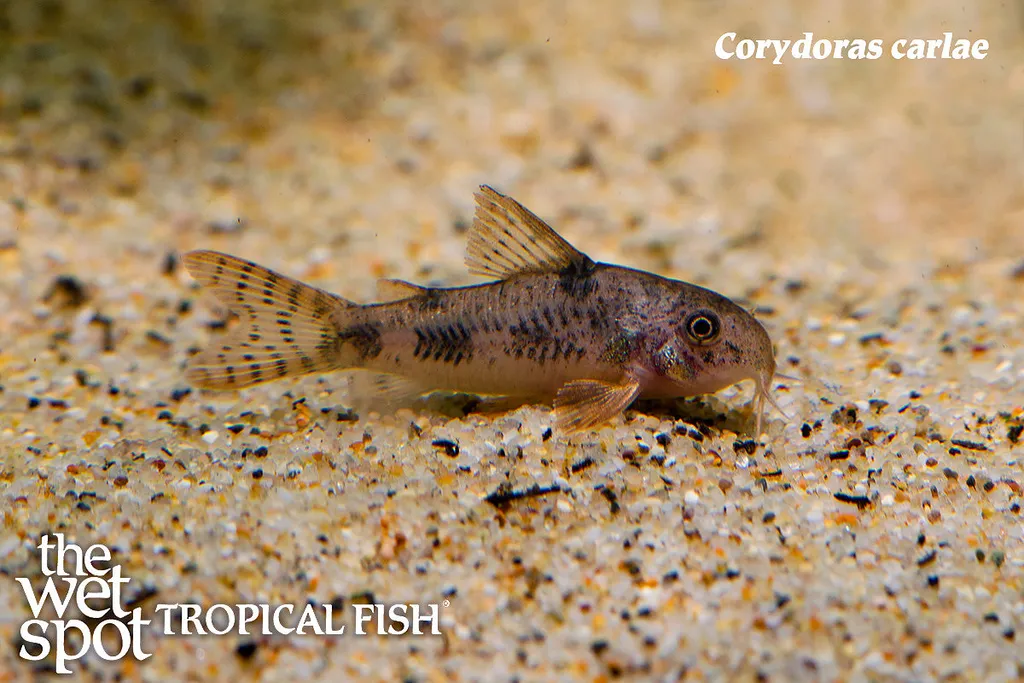
Carla's cory
Hoplisoma carlae
2.4 in (6 cm) · 16 gal (60 L)
 2.4 in (6 cm)20 gal (75 L)72–79°F (22–26°C)
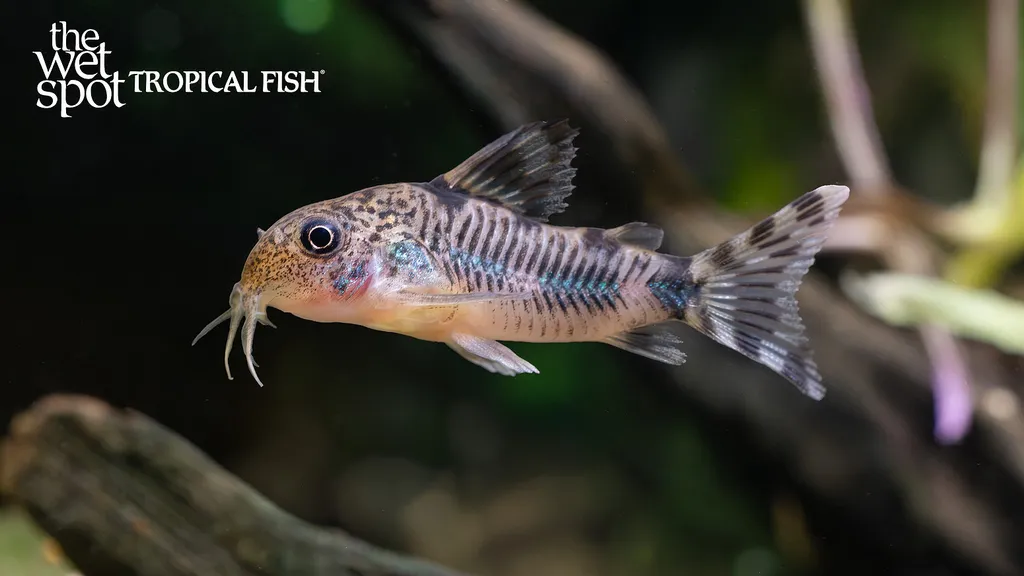
Froehlich's cory
Hoplisoma froehlichi
2.4 in (6 cm) · 20 gal (75 L)
 2.4 in (6 cm)20 gal (75 L)72–79°F (22–26°C)
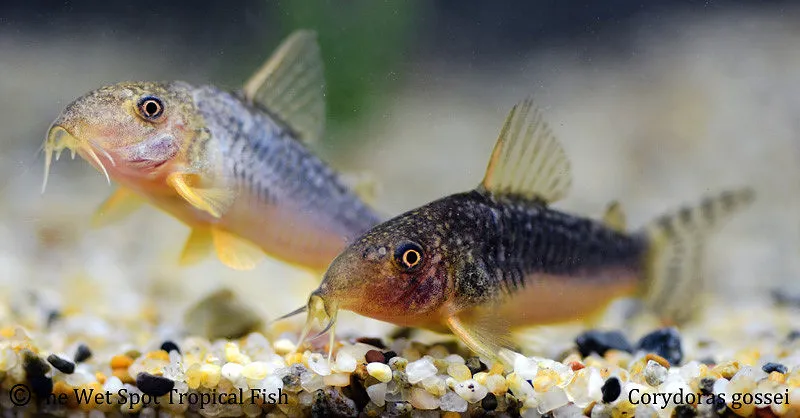
Gossei cory
Hoplisoma gossei
2.4 in (6 cm) · 20 gal (75 L)
 2.4 in (6 cm)21 gal (80 L)72–79°F (22–26°C)
Sands cory
Hoplisoma davidsandsi
2.4 in (6 cm) · 21 gal (80 L)