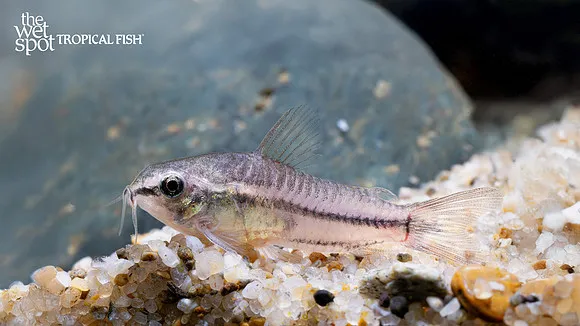
Gossei cory
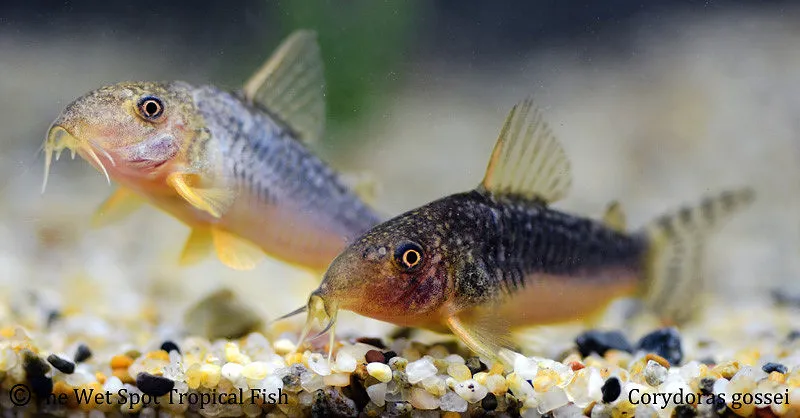
Hoplisoma gossei
Also known as Corydoras gossei, Pale Spotted Cory
FreshwaterFish
Care at a glance
- Temperature
- 72–79°F
- 22–26°C
- pH
- 6.0–7.5
- Adult size
- 2.4 in
- 6 cm
- Minimum tank
- 20 gal
- 75 L
- Temperament
- Peaceful
- Social behavior
- Shoaling
- Swim level
- Bottom
- Difficulty
- Easy
- Breeding
- Medium
- Rarity
- Common
- Family
- Callichthyidae
- Origin
- Rio Mamoré / upper Rio Madeira basin, Rondônia, northwestern Brazil (likely also northern Bolivia)
Overview
Keep them in a shoal of at least five or six, and more is better, in a tank of 75 liters or larger. They are peaceful and spend their time foraging along the bottom, and a group that is too small gets stressed and hides. Soft fine sand is not optional here, since these corys use delicate barbels to sift the substrate and sharp gravel wears them down and invites infection. If you cannot use sand, only very smooth rounded gravel kept scrupulously clean will do. Hold the water at 22 to 26 C with a pH of 6 to 7.5, soft to moderately hard. Feed sinking pellets, wafers, and frozen foods like bloodworms or daphnia, and make sure food reaches the bottom. Never release unwanted fish into local waters, and check your local rules before rehoming.
In the wild
Gossei cory comes from the Rio Mamoré and the upper Rio Madeira basin in Rondônia, northwestern Brazil, and likely northern Bolivia as well. These are warm lowland Amazon waters with soft sand and leaf litter on the bottom, where the fish root around for food. Give them a tank of at least 75 liters with a long footprint, since floor space matters more than height. A base of about 90 by 30 cm suits a group. Use soft fine sand for the substrate, keep the water from 22 to 26 C, and aim for a pH of 6 to 7.5 on the soft, slightly acidic to neutral side.
Good to know
This is a bottom-dwelling catfish in the family Callichthyidae, reaching about 6 cm as an adult. It is a facultative air breather, so it sometimes darts up to the surface for a quick gulp of air, which is normal behavior. The pectoral fin spines can lock out and pierce skin, so net and handle the fish carefully rather than scooping it by hand.
Did you know
Breeding takes some work and copies a seasonal trigger from the wild. A large water change with noticeably cooler water, paired with stronger flow, mimics the rainy season and prompts the group to spawn. The catch is the fry, which need pristine water to grow, so raising a batch means staying on top of clean conditions until they are sturdy.
Weekly picks
Tank mates
Gossei cory is a peaceful, shoaling species that keeps to the bottom. These picks share a community profile with it, are safe together in both directions, and overlap on water type, temperature and pH.
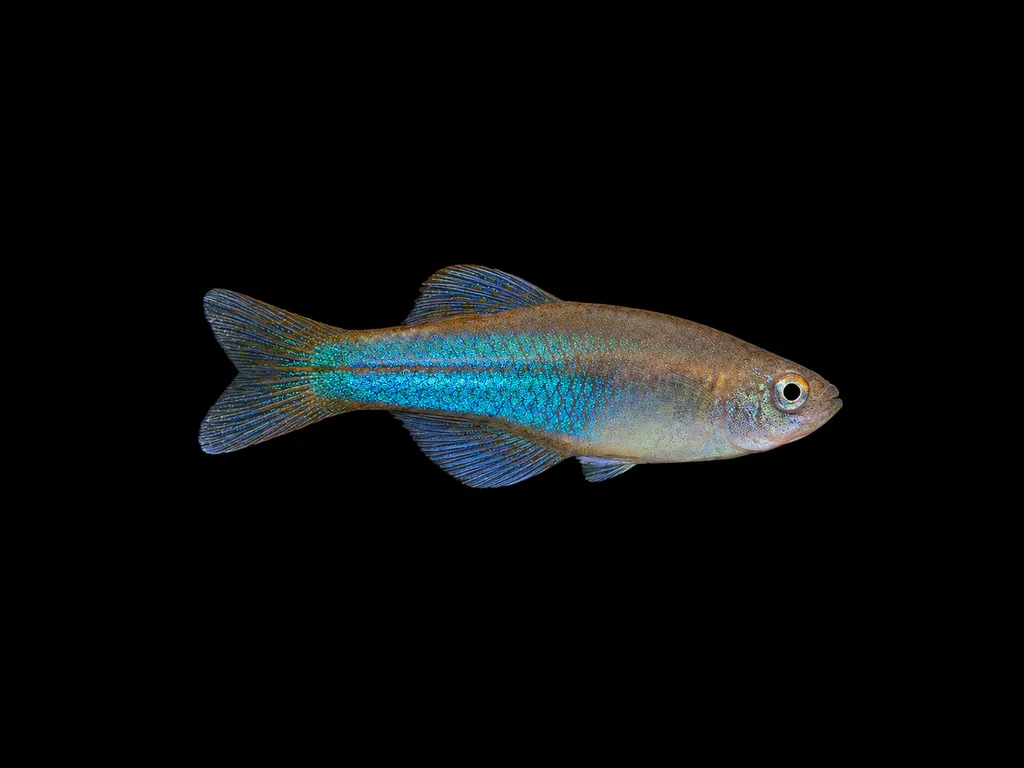
Blue-green lampeye
Procatopus aberrans
Freshwater2.2 in (5.5 cm) · 20 gal (75 L)72–79°F (22–26°C)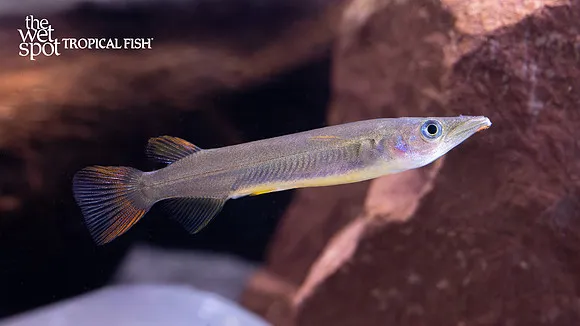
Rex halfbeak
Nomorhamphus rex
Freshwater2.2 in (5.5 cm) · 20 gal (75 L)72–79°F (22–26°C)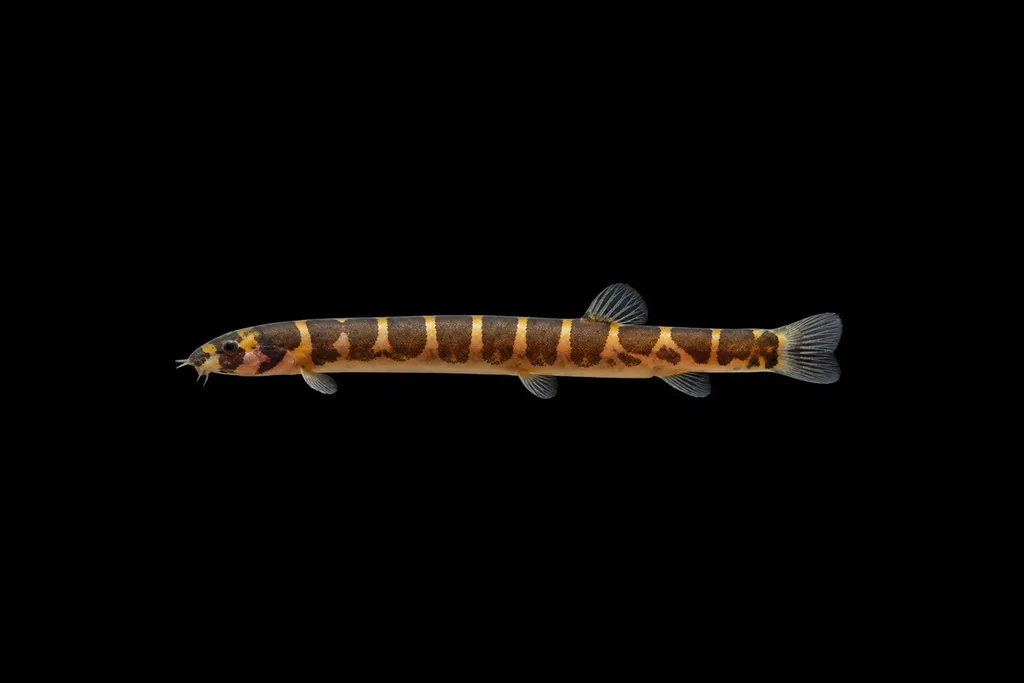
Borneo kuhli loach
Pangio borneensis
Freshwater2.5 in (6.3 cm) · 20 gal (75 L)72–81°F (22–27°C)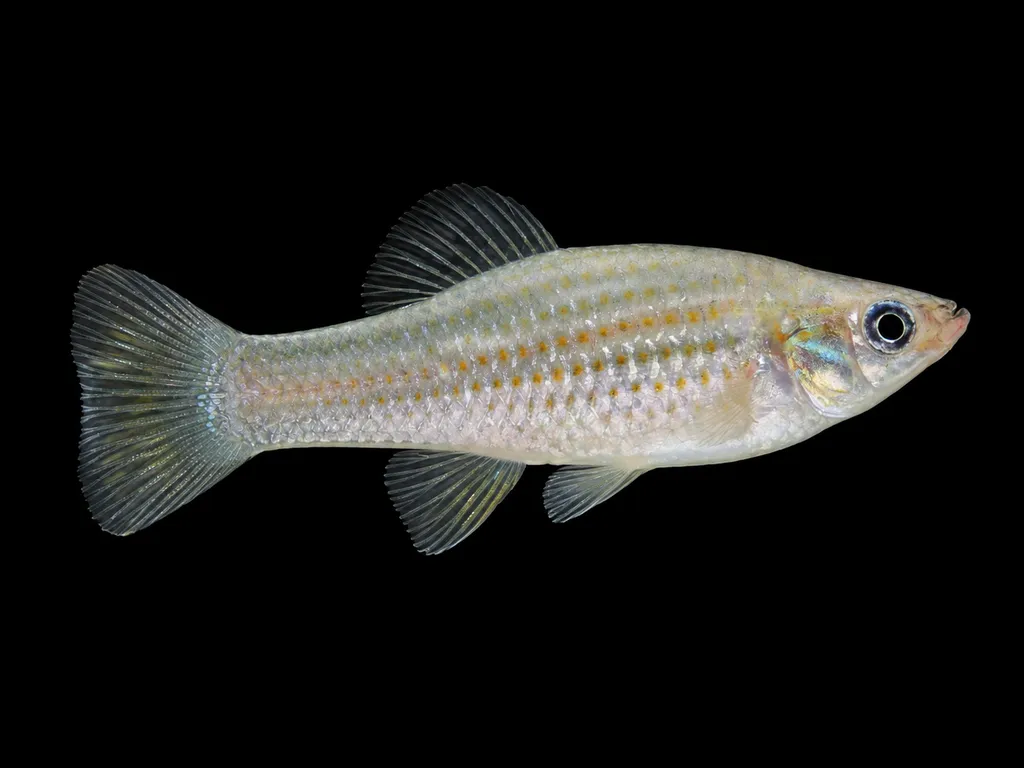
Amazon molly
Poecilia formosa
Freshwater3.5 in (9 cm) · 20 gal (75 L)68–82°F (20–28°C)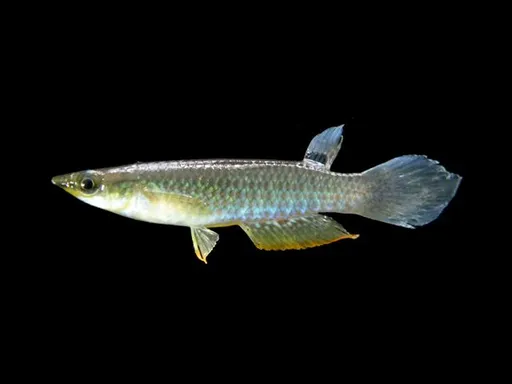
Blue panchax
Aplocheilus panchax
Freshwater3.5 in (9 cm) · 20 gal (75 L)72–82°F (22–28°C)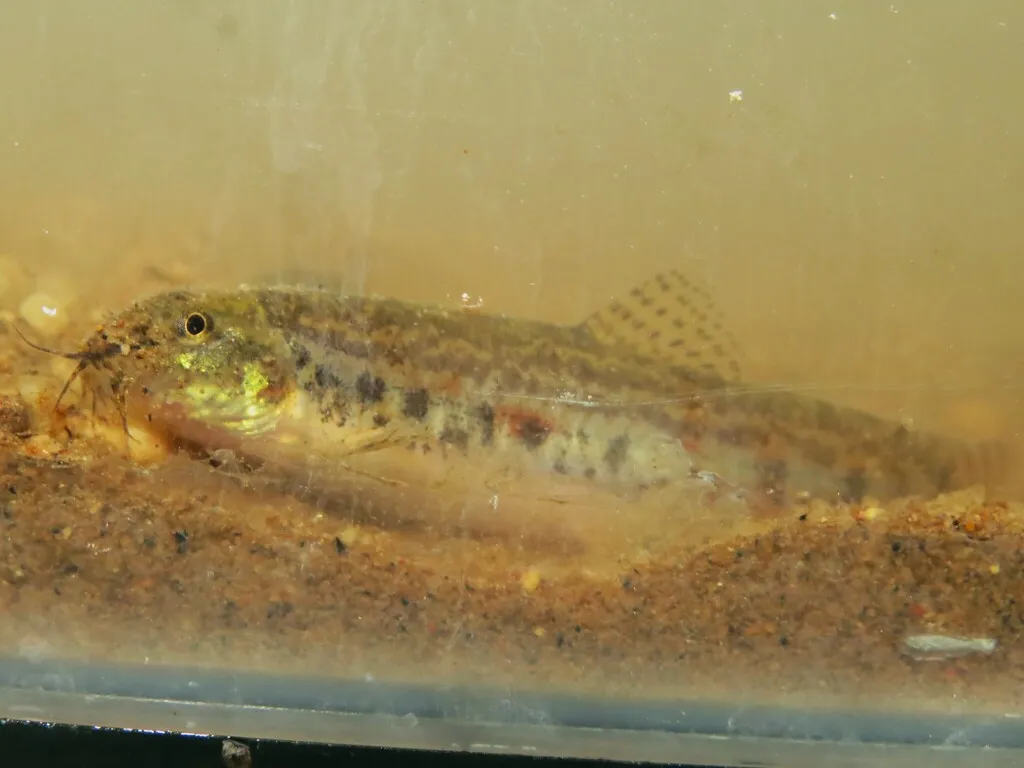
Common spiny loach
Lepidocephalichthys thermalis
Freshwater3.1 in (8 cm) · 20 gal (75 L)72–82°F (22–28°C)
Common questions
What size tank does a Gossei cory need?
A Gossei cory needs at least 20 gal (75 L). It spends most of its time in the bottom.
What temperature and pH does a Gossei cory need?
A Gossei cory is comfortable at 72–79°F (22–26°C) with a pH of 6.0–7.5.
How big does a Gossei cory get?
An adult Gossei cory reaches about 2.4 in (6 cm).
Does a Gossei cory need a group?
Yes. A Gossei cory is a shoaling species and should be kept in a group, not singly.
Related species
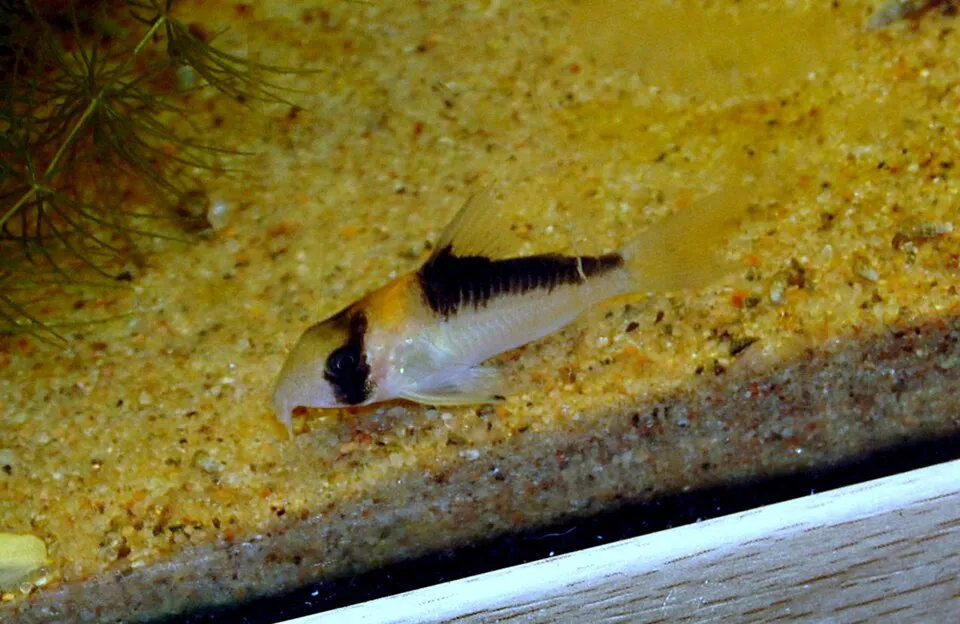 2.4 in (6 cm)20 gal (75 L)70–79°F (21–26°C)
Adolfo's cory
Hoplisoma adolfoi
2.4 in (6 cm) · 20 gal (75 L)
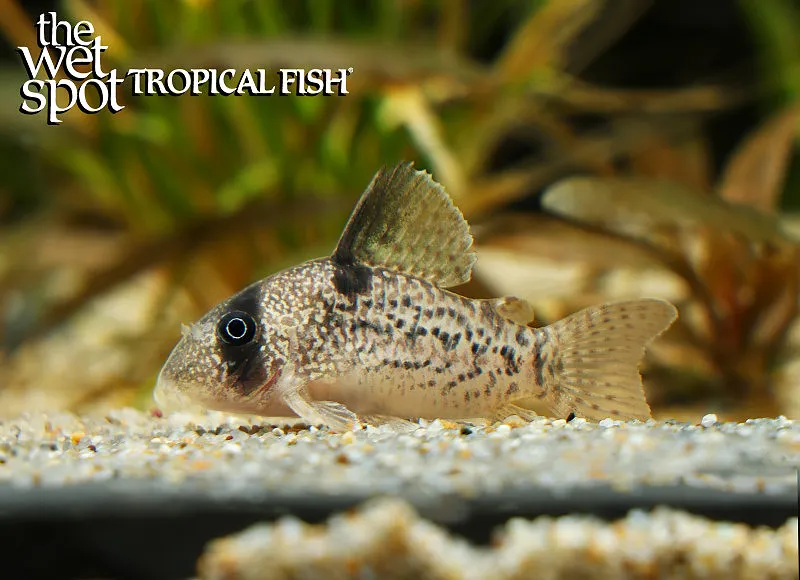 2.4 in (6 cm)16 gal (60 L)75–82°F (24–28°C)
Ancestor cory
Hoplisoma noxium
2.4 in (6 cm) · 16 gal (60 L)
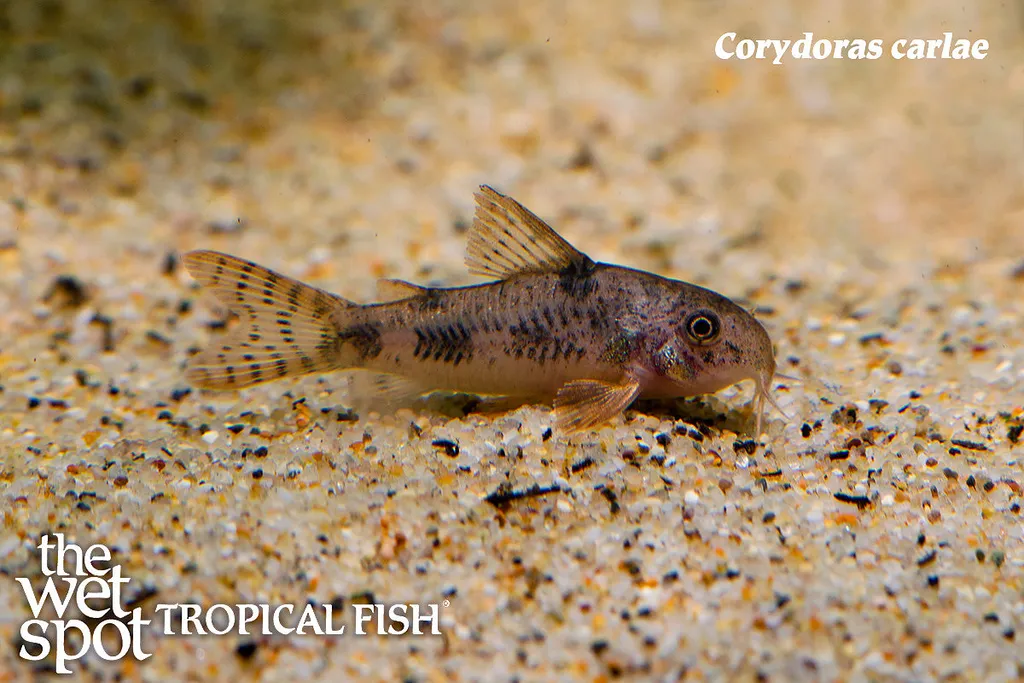 2.4 in (6 cm)16 gal (60 L)68–77°F (20–25°C)
Carla's cory
Hoplisoma carlae
2.4 in (6 cm) · 16 gal (60 L)
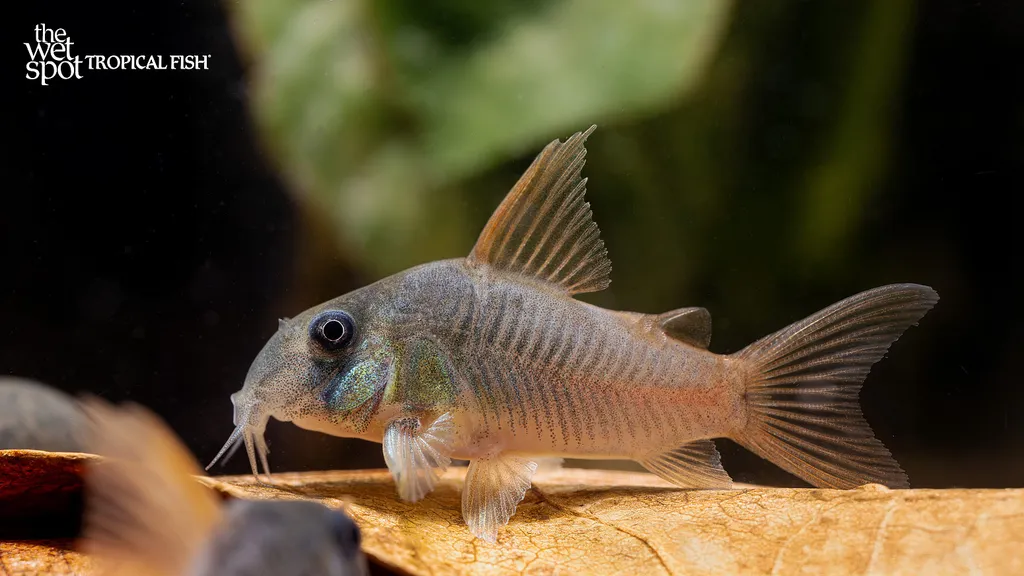 2.4 in (6 cm)20 gal (75 L)72–79°F (22–26°C)
Concolor cory
Hoplisoma concolor
2.4 in (6 cm) · 20 gal (75 L)
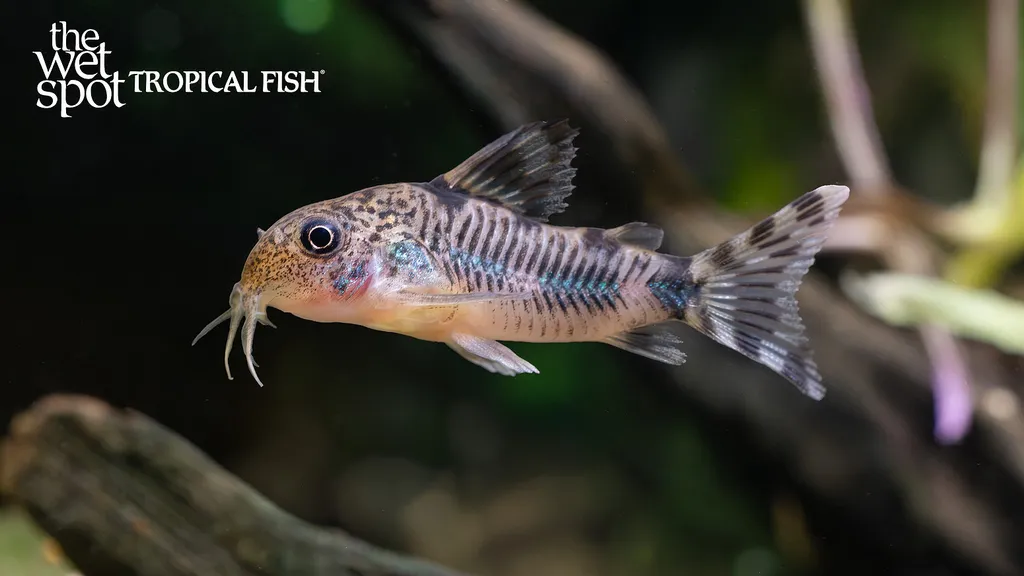 2.4 in (6 cm)20 gal (75 L)72–79°F (22–26°C)
Froehlich's cory
Hoplisoma froehlichi
2.4 in (6 cm) · 20 gal (75 L)
 2.4 in (6 cm)21 gal (80 L)72–79°F (22–26°C)
Sands cory
Hoplisoma davidsandsi
2.4 in (6 cm) · 21 gal (80 L)