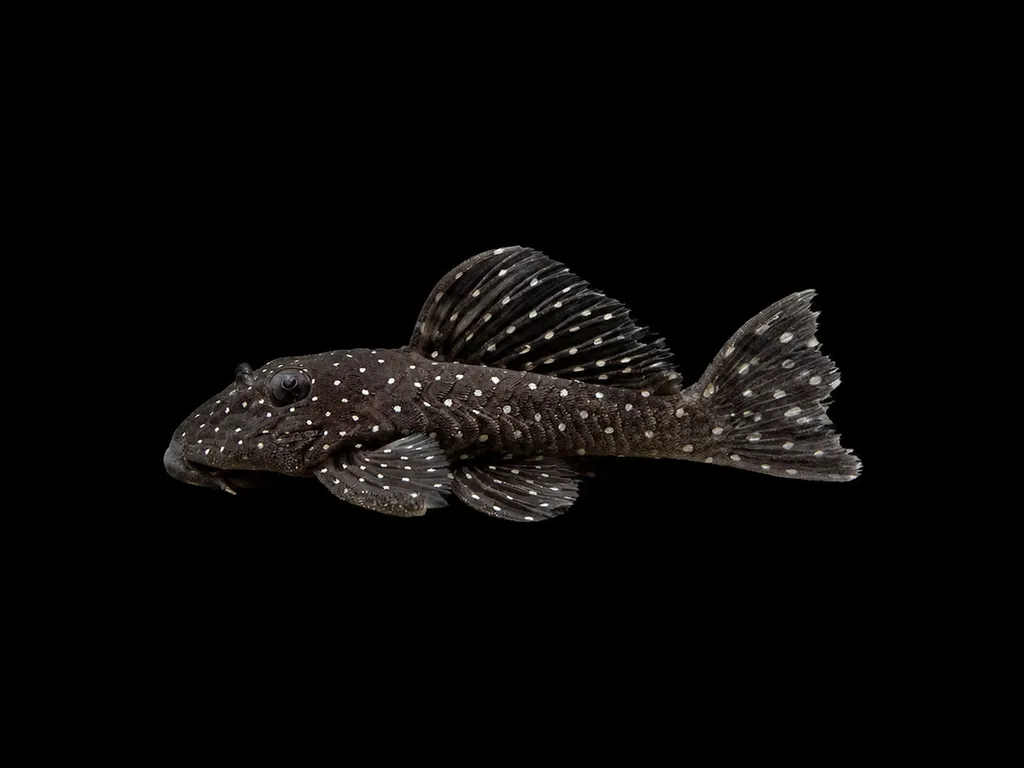
Common whiptail
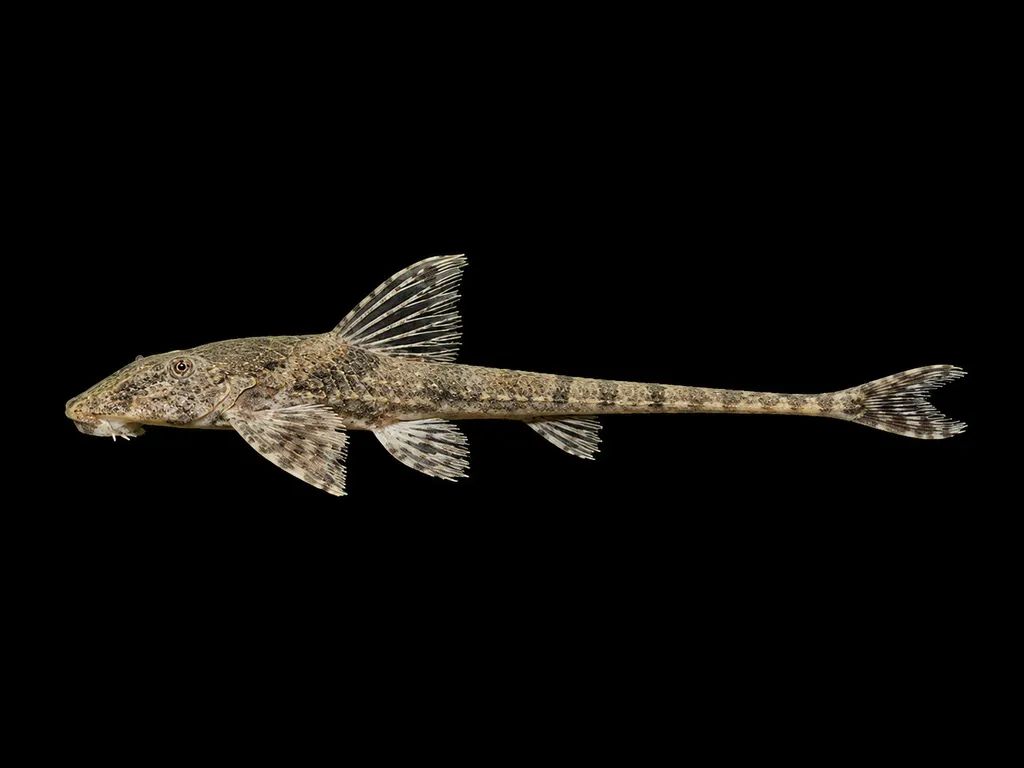
Rineloricaria parva
Also known as Paraguay whiptail catfish, Small whiptail
FreshwaterFish
Care at a glance
- Temperature
- 68–79°F
- 20–26°C
- pH
- 6.0–7.5
- Adult size
- 4.7 in
- 12 cm
- Minimum tank
- 20 gal
- 75 L
- Temperament
- Peaceful
- Social behavior
- Social
- Swim level
- Bottom
- Diet
- Omnivore
- Difficulty
- Medium
- Breeding
- Egg layer · Medium
- Rarity
- Rare
- Family
- Loricariidae
- Origin
- Paraguay and Parana basins, South America
Overview
The common whiptail is a slim, easygoing catfish for a calm community tank. It is an easy first whiptail for a keeper with a little experience.
Did you know
The common whiptail is one of the few whiptails that prefers a cooler tank with seasonal changes in temperature. It does not need steady tropical heat all year round.
Caring for the common whiptail
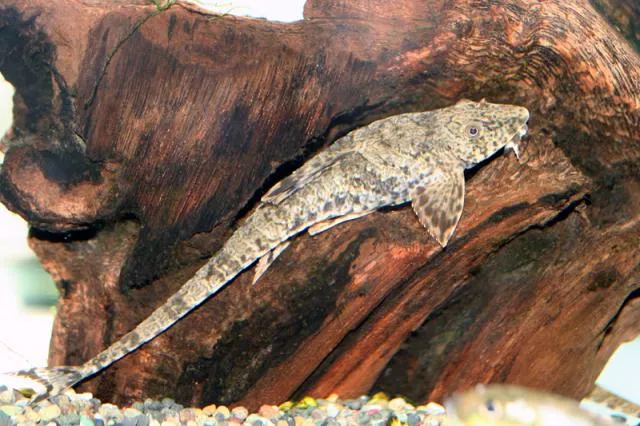
Give a few common whiptails at least 20 gal (75 L), with a sand floor, some slender, twiggy branches and gentle current. They rest on the wood and sand and graze biofilm and algae off surfaces.
Keep the water on the cool side, at 68 to 79°F (20 to 26°C). It should be soft to neutral, with a pH of 6.0 to 7.5. Feed vegetable-based foods such as blanched zucchini and spinach, plus sinking pellets and the odd meaty morsel.
The common whiptail is peaceful and social, and it does fine alone or in a group. It is gentle and community safe, best paired with other calm, small fish.
Males develop bristly odontodes. After the female lays the eggs, the male takes charge of them. It has been spawned in aquariums with moderate difficulty, and its genus is known for being straightforward to breed.
Good to know
Rineloricaria parva is a member of the family Loricariidae. It is a slender, twig-like fish that comes from farther south than most whiptails.
In the wild
The common whiptail comes from the Paraguay and Paraná basins of southern South America. The region is subtropical, and the water cools noticeably in the cooler months. It rests on sandy beds and wood in slow to moderate flow.
Weekly picks
Tank mates
The common whiptail is a peaceful, social species that keeps to the bottom. These picks share a community profile with it, are safe together in both directions, and overlap on water type, temperature and pH.
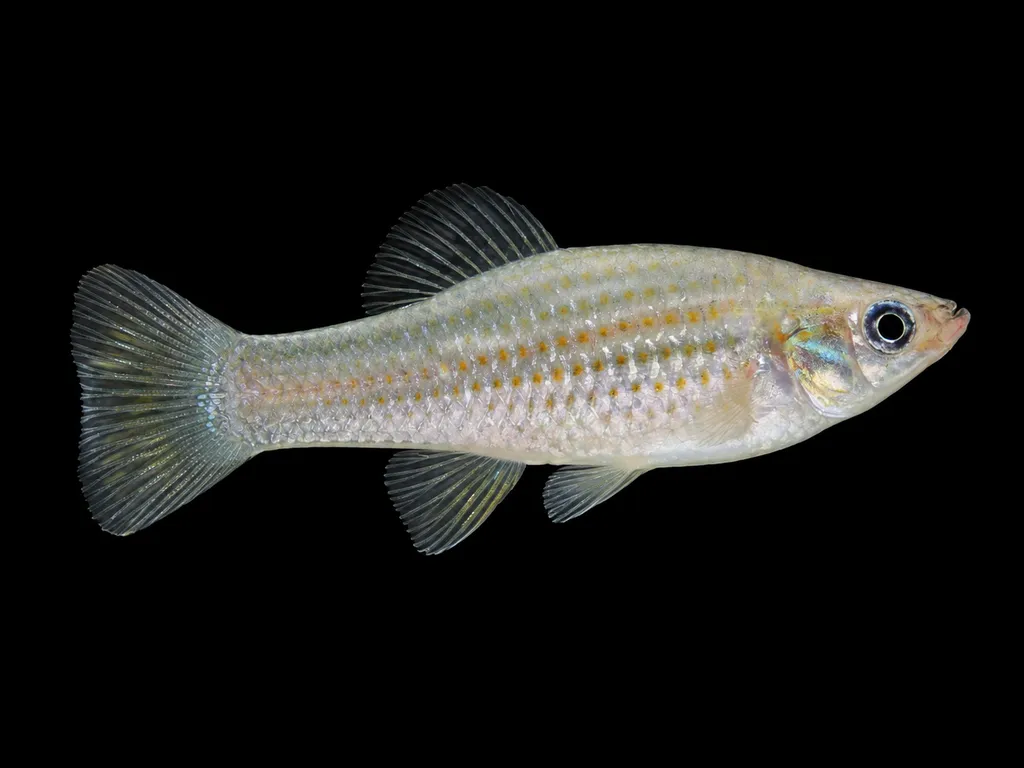
Amazon molly
Poecilia formosa
Freshwater3.5 in (9 cm) · 20 gal (75 L)68–82°F (20–28°C)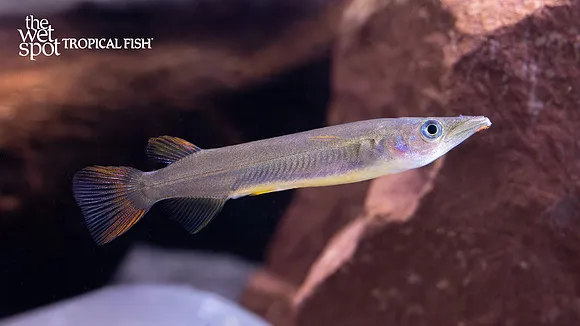
Rex halfbeak
Nomorhamphus rex
Freshwater2.2 in (5.5 cm) · 20 gal (75 L)72–79°F (22–26°C)
Dwarf botia
Ambastaia sidthimunki
Freshwater2.4 in (6 cm) · 20 gal (75 L)68–86°F (20–30°C)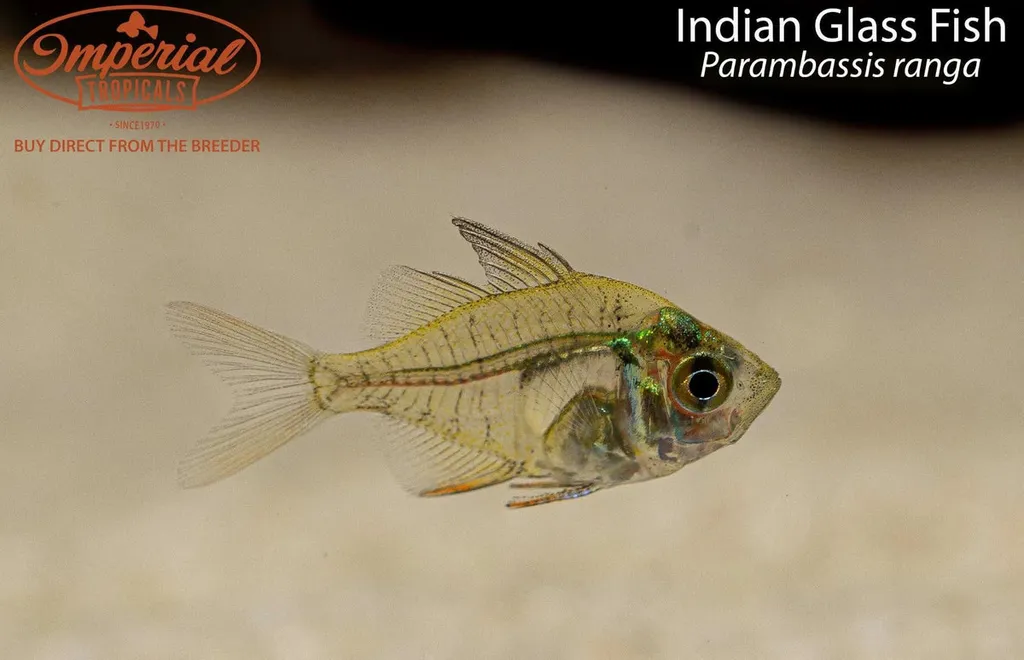
Indian glassy fish
Parambassis ranga
Freshwater3.1 in (8 cm) · 20 gal (75 L)68–86°F (20–30°C)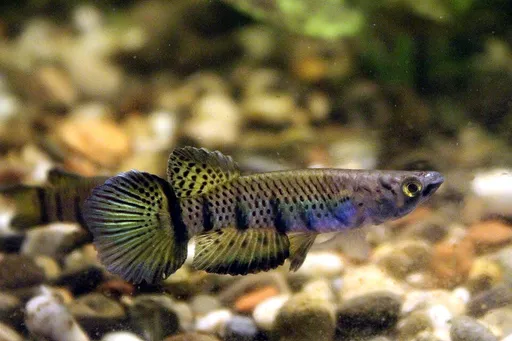
Six-barred panchax
Epiplatys sexfasciatus
Freshwater3.9 in (10 cm) · 20 gal (75 L)72–81°F (22–27°C)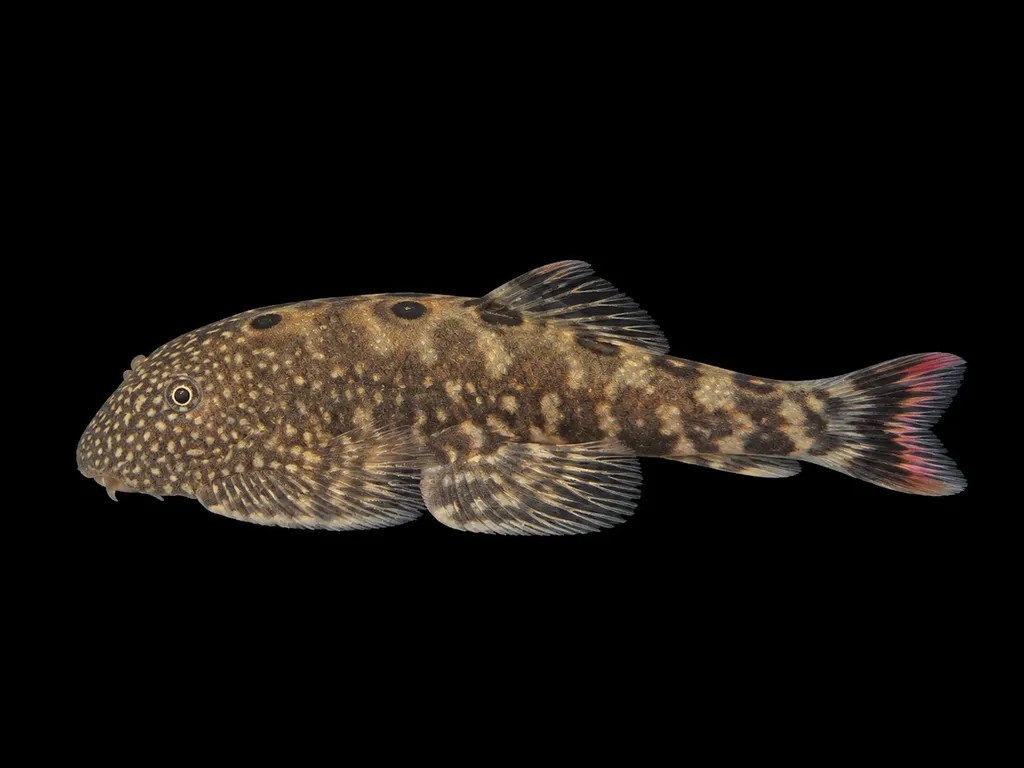
Eyespotted Borneo sucker
Gastromyzon ocellatus
Freshwater2.1 in (5.4 cm) · 20 gal (75 L)68–77°F (20–25°C)
Common questions
What size tank does a common whiptail need?
A common whiptail needs at least 20 gal (75 L). It spends most of its time in the bottom.
What temperature and pH does a common whiptail need?
A common whiptail is comfortable at 68–79°F (20–26°C) with a pH of 6.0–7.5.
What does a common whiptail eat?
A common whiptail eats vegetable-based foods such as blanched zucchini and spinach. Add sinking pellets and the odd meaty morsel, and it will also graze biofilm and algae.
How big does a common whiptail get?
An adult common whiptail reaches about 4.7 in (12 cm).
How can you tell a male common whiptail from a female?
Males develop bristly odontodes.
How does a common whiptail breed?
Common whiptails have been spawned in aquariums with moderate difficulty. The female lays the eggs, and the male takes charge of them.
Related species
 4.7 in (12 cm)29 gal (110 L)75–82°F (24–28°C)
Eigenmann's whiptail
Rineloricaria eigenmanni
4.7 in (12 cm) · 29 gal (110 L)
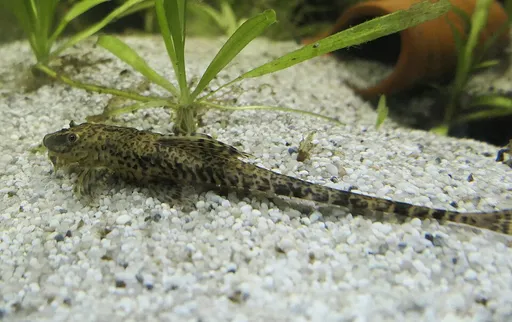
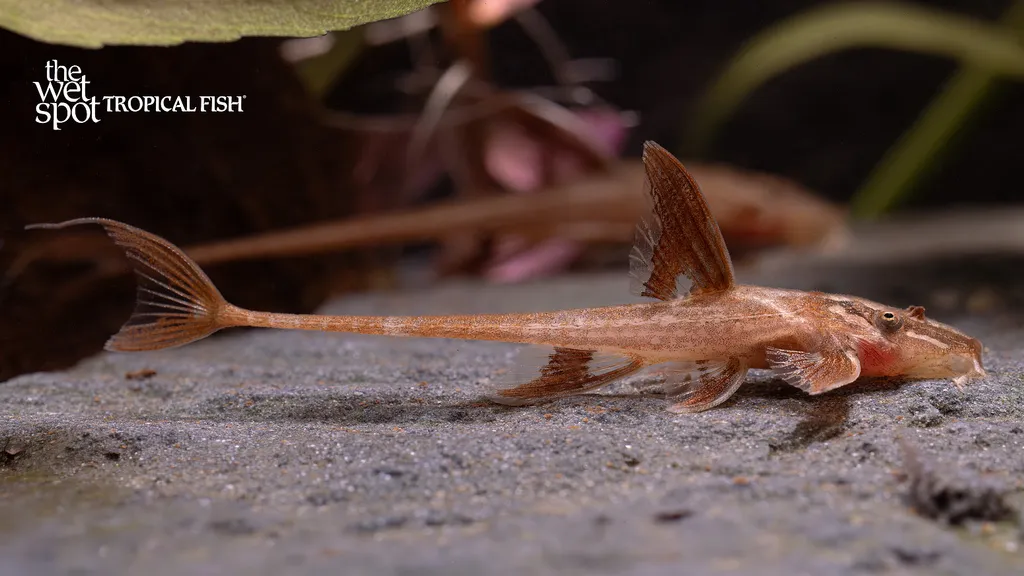 4.3 in (11 cm)20 gal (75 L)75–84°F (24–29°C)
Whiptail catfish
Rineloricaria sp.
4.3 in (11 cm) · 20 gal (75 L)
 3.9 in (10 cm)24 gal (90 L)77–82°F (25–28°C)
Red lizard whiptail
Rineloricaria lanceolata
3.9 in (10 cm) · 24 gal (90 L)
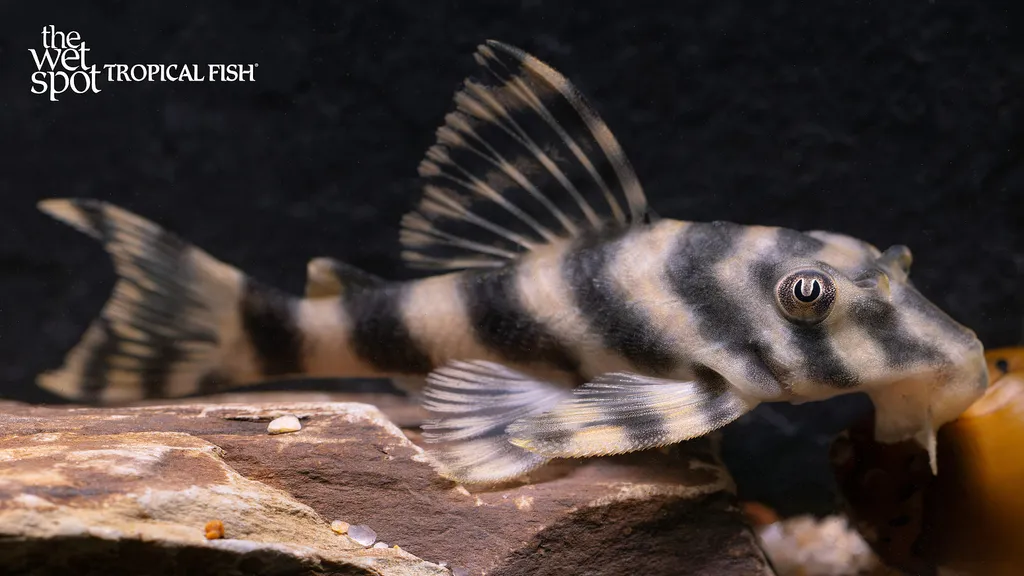 4.7 in (12 cm)30 gal (115 L)77–84°F (25–29°C)
Candy striped pleco (L015)
Peckoltia vittata
4.7 in (12 cm) · 30 gal (115 L)
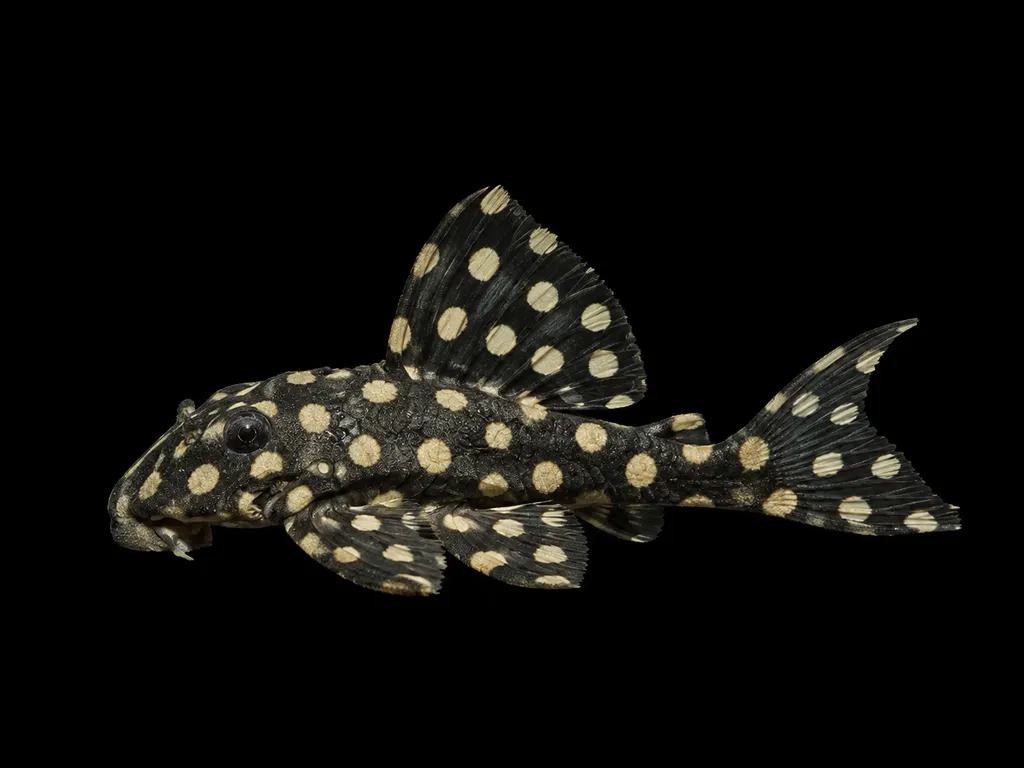 4.7 in (12 cm)42 gal (160 L)79–86°F (26–30°C)
Orinoco polka-dot pleco
Hypancistrus contradens
4.7 in (12 cm) · 42 gal (160 L)
 4.7 in (12 cm)66 gal (250 L)79–86°F (26–30°C)
Peppermint pleco
Spectracanthicus punctatissimus
4.7 in (12 cm) · 66 gal (250 L)