Sands cory
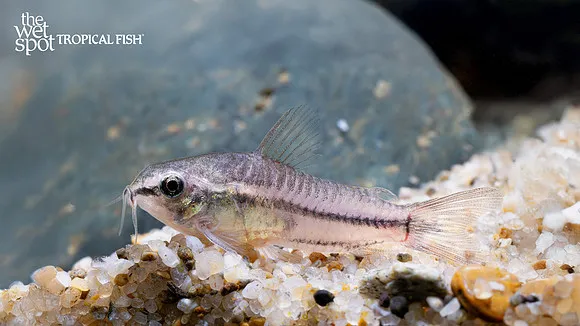
Hoplisoma davidsandsi
Also known as Corydoras davidsandsi, David Sands cory
FreshwaterFish
Care at a glance
- Temperature
- 72–79°F
- 22–26°C
- pH
- 5.5–7.2
- Adult size
- 2.4 in
- 6 cm
- Minimum tank
- 21 gal
- 80 L
- Temperament
- Peaceful
- Social behavior
- Shoaling
- Swim level
- Bottom
- Difficulty
- Easy
- Breeding
- Medium
- Rarity
- Common
- Family
- Callichthyidae
- Origin
- Rio Unini, a tributary of the Rio Negro basin, Brazil (South America)
Overview
Keep them in a group of at least six, and the more the better, since a small group leaves them shy and stressed. They are peaceful bottom dwellers that sift the sand all day, so soft sand substrate matters. Sharp gravel wears down their delicate barbels and opens the door to infection. Hold the water from 22 to 26 C, soft, and slightly acidic, around pH 5.5 to 7.2. Feed sinking pellets, frozen foods, and the odd live treat. Their stiffened pectoral spines can pierce skin and snag nets, so net and handle them with care.
In the wild
Sands cory come from the Rio Unini, a tributary in the Rio Negro basin of Brazil. That is blackwater habitat, soft and slightly acidic, stained dark by leaf litter and shaded by forest above. To match it, give them a tank of at least 80 liters with a soft sand bottom, water from 22 to 26 C, and a pH on the acidic side, anywhere from 5.5 to 7.2. Botanicals or leaf litter, driftwood, and subdued lighting suit them well.
Good to know
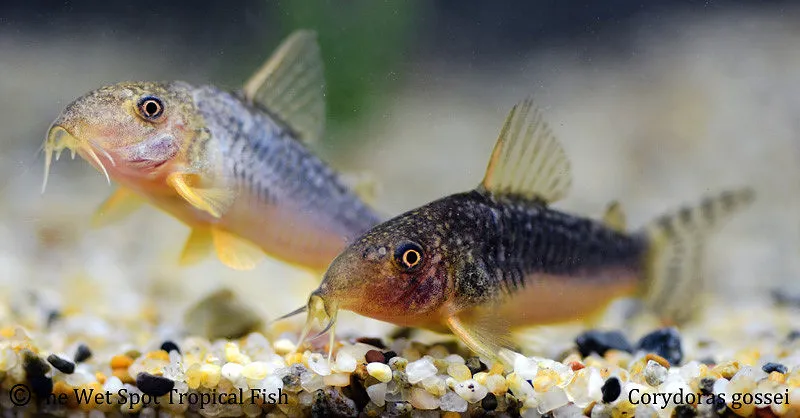
This is an armoured catfish in the family Callichthyidae, reaching about 6 cm as an adult. It is often confused with the similar looking C. agassizii and C. melini. Like other Corydoras it is a facultative air breather, so an occasional dart to the surface for a gulp of air is normal behavior. It is an egg scatterer that lays on glass and plants, with no parental care after spawning.
Did you know
Breeding follows the classic Corydoras pattern. A cool water change that mimics the rainy season is what triggers a spawn, and the fish scatter sticky eggs across the glass and plant leaves. It takes some setup to get right, but it is well within reach once the group is settled and well fed.
Weekly picks
Tank mates
Sands cory is a peaceful, shoaling species that keeps to the bottom. These picks share a community profile with it, are safe together in both directions, and overlap on water type, temperature and pH.
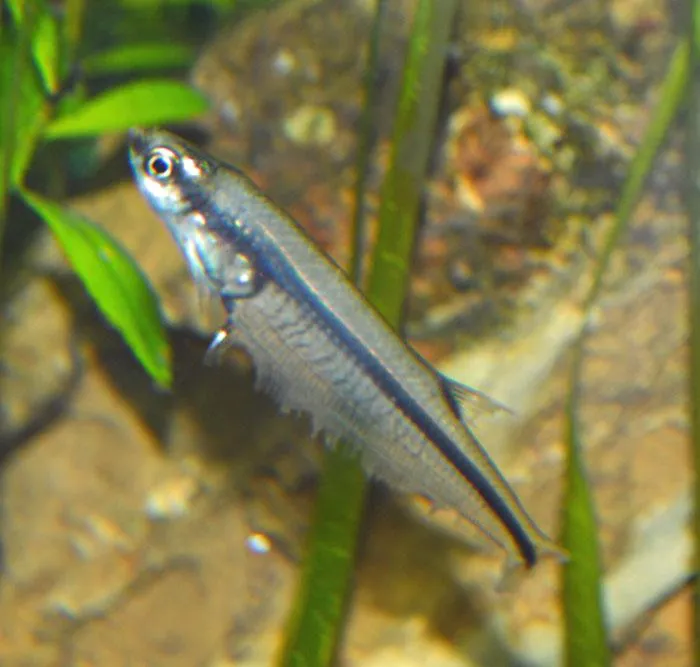
Bond's glass tetra
Xenagoniates bondi
Freshwater2.6 in (6.5 cm) · 21 gal (80 L)73–82°F (23–28°C)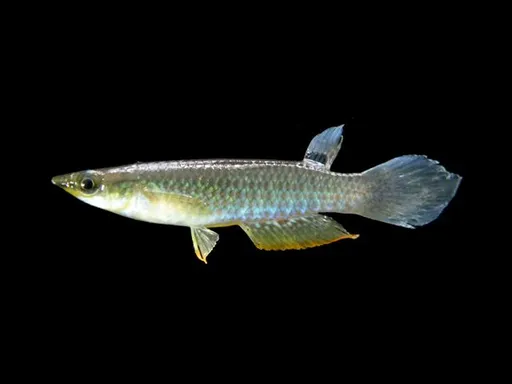
Blue panchax
Aplocheilus panchax
Freshwater3.5 in (9 cm) · 20 gal (75 L)72–82°F (22–28°C)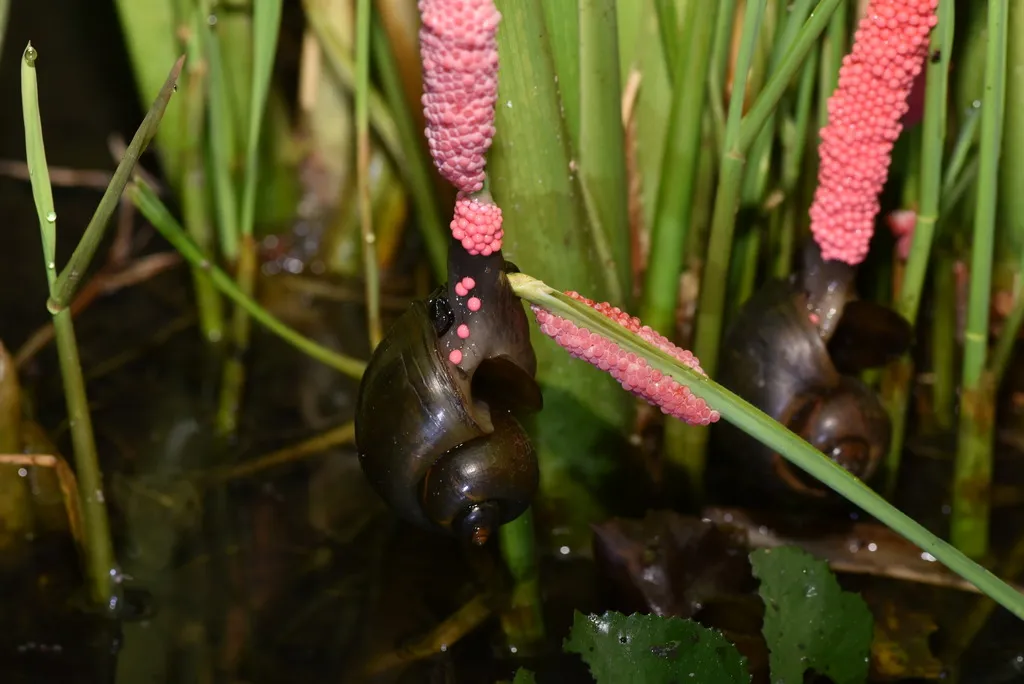
Apple snail
Pomacea canaliculata
Freshwater5.9 in (15 cm) · 21 gal (80 L)64–81°F (18–27°C)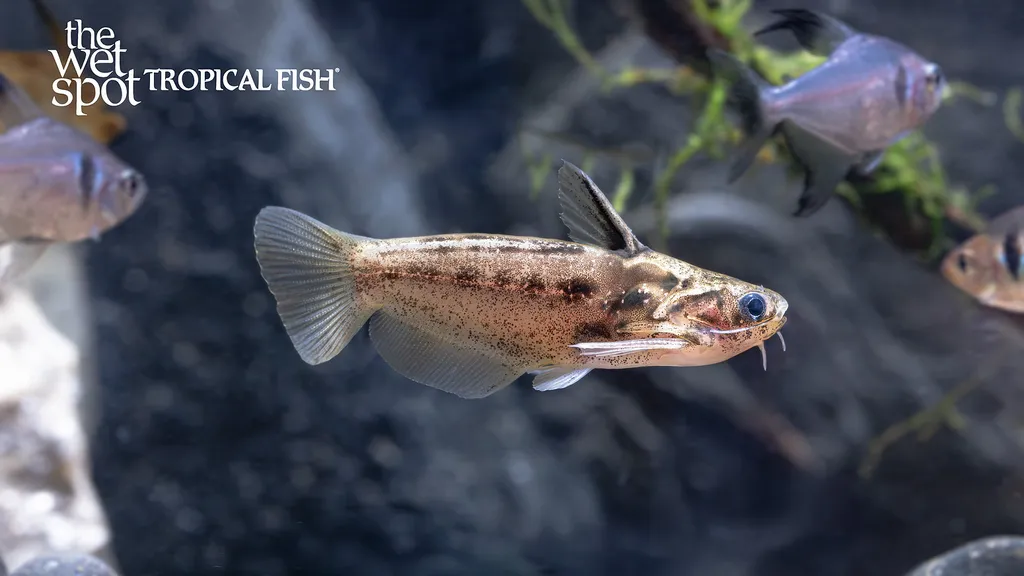
Pygmy driftwood catfish
Trachelyichthys exilis
Freshwater3.1 in (8 cm) · 21 gal (80 L)72–77°F (22–25°C)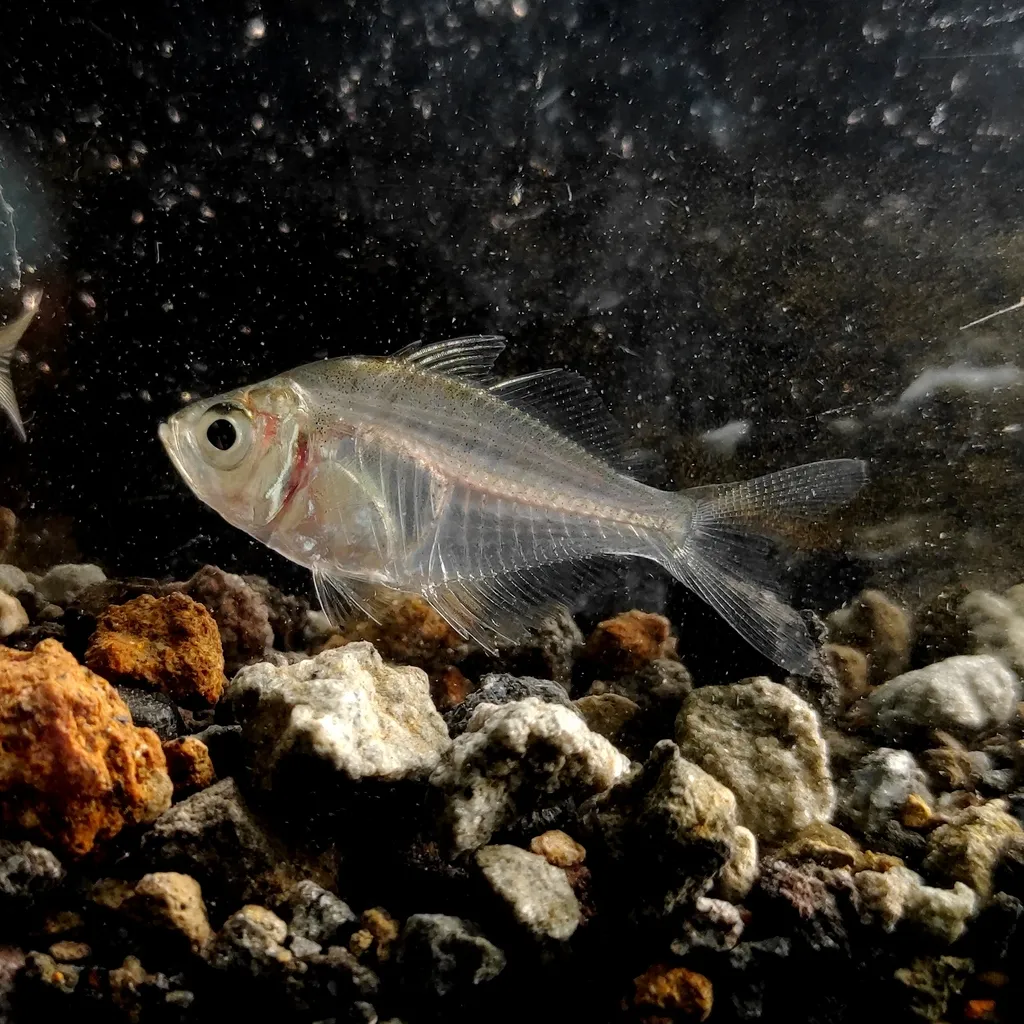
Siamese glassfish
Parambassis siamensis
Freshwater2.8 in (7 cm) · 21 gal (80 L)73–82°F (23–28°C)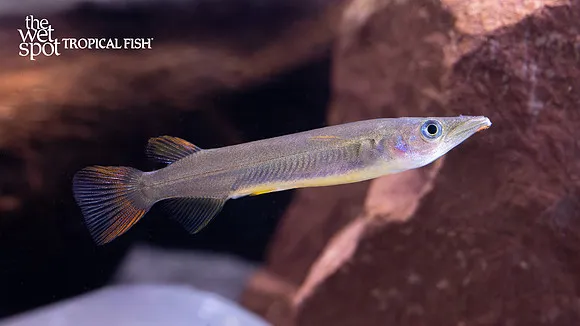
Rex halfbeak
Nomorhamphus rex
Freshwater2.2 in (5.5 cm) · 20 gal (75 L)72–79°F (22–26°C)
Common questions
What size tank does a Sands cory need?
A Sands cory needs at least 21 gal (80 L). It spends most of its time in the bottom.
What temperature and pH does a Sands cory need?
A Sands cory is comfortable at 72–79°F (22–26°C) with a pH of 5.5–7.2.
How big does a Sands cory get?
An adult Sands cory reaches about 2.4 in (6 cm).
Does a Sands cory need a group?
Yes. A Sands cory is a shoaling species and should be kept in a group, not singly.
Related species
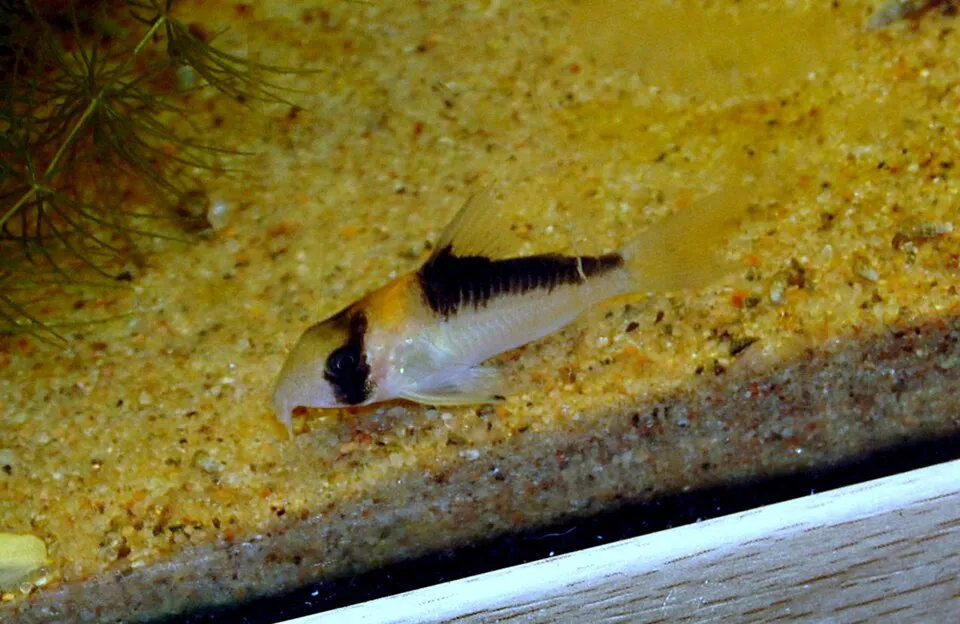 2.4 in (6 cm)20 gal (75 L)70–79°F (21–26°C)
Adolfo's cory
Hoplisoma adolfoi
2.4 in (6 cm) · 20 gal (75 L)
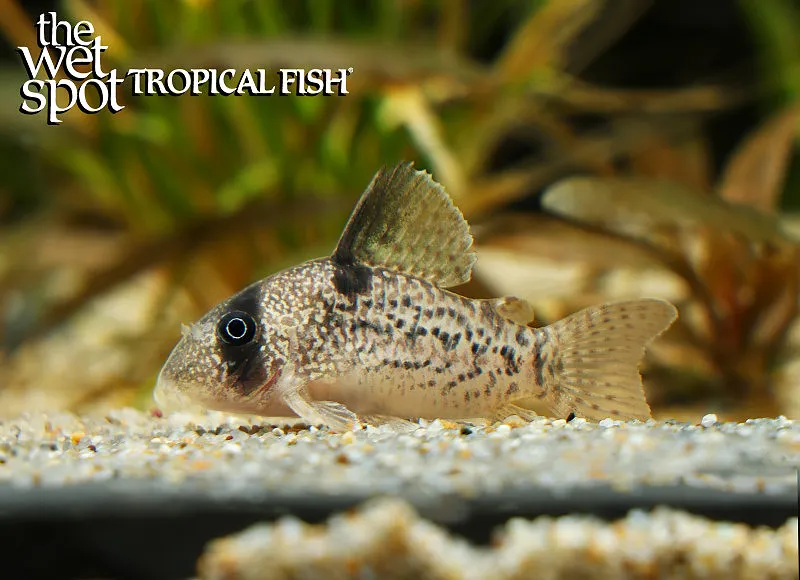 2.4 in (6 cm)16 gal (60 L)75–82°F (24–28°C)
Ancestor cory
Hoplisoma noxium
2.4 in (6 cm) · 16 gal (60 L)
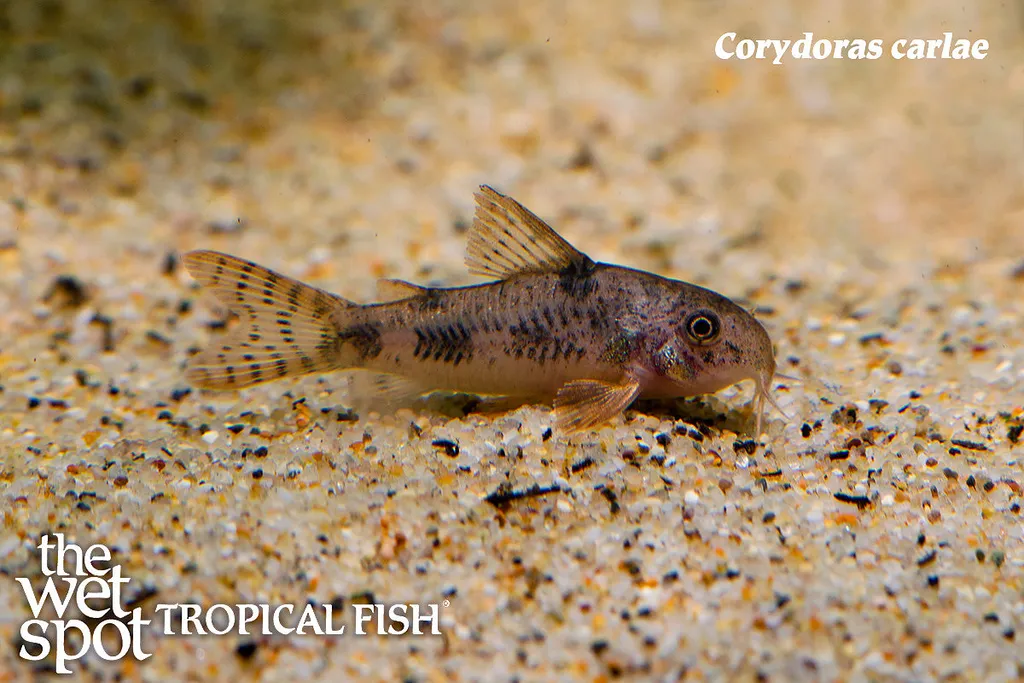 2.4 in (6 cm)16 gal (60 L)68–77°F (20–25°C)
Carla's cory
Hoplisoma carlae
2.4 in (6 cm) · 16 gal (60 L)
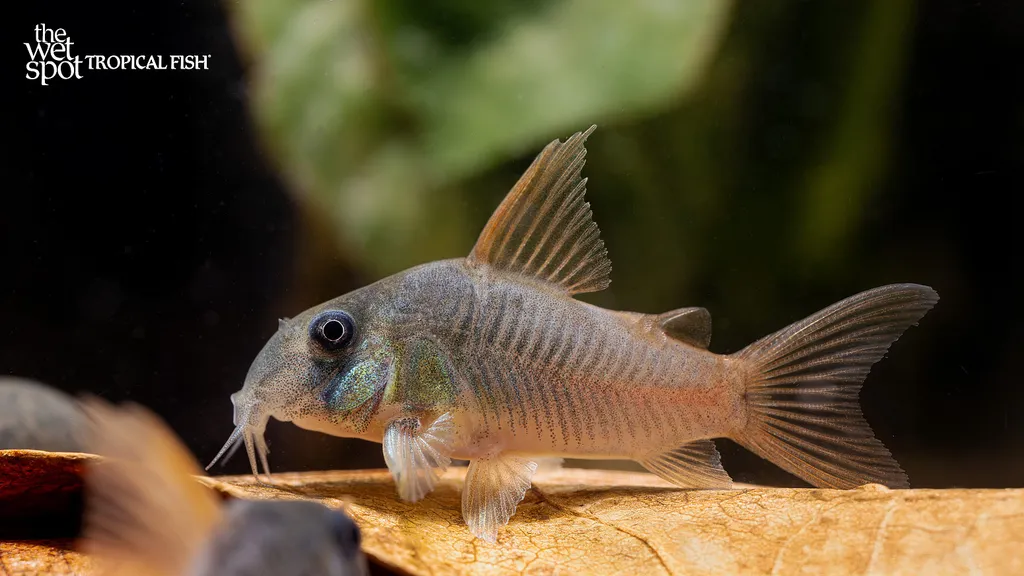 2.4 in (6 cm)20 gal (75 L)72–79°F (22–26°C)
Concolor cory
Hoplisoma concolor
2.4 in (6 cm) · 20 gal (75 L)
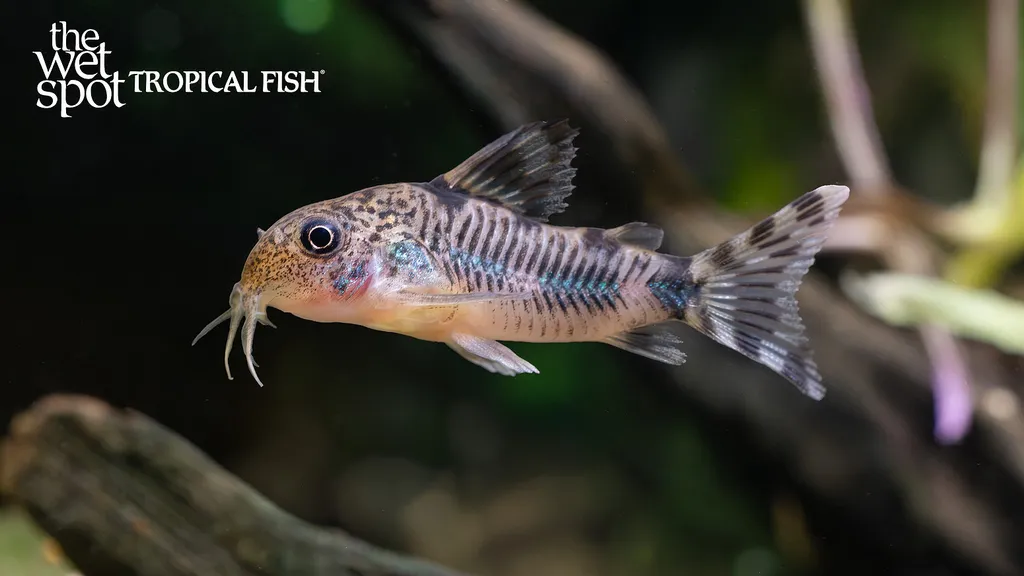 2.4 in (6 cm)20 gal (75 L)72–79°F (22–26°C)
Froehlich's cory
Hoplisoma froehlichi
2.4 in (6 cm) · 20 gal (75 L)
 2.4 in (6 cm)20 gal (75 L)72–79°F (22–26°C)
Gossei cory
Hoplisoma gossei
2.4 in (6 cm) · 20 gal (75 L)