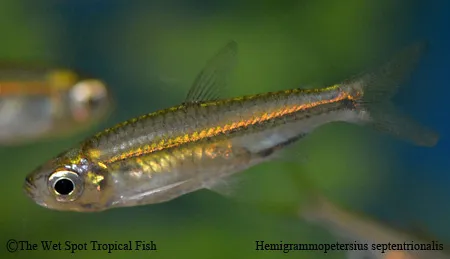
Nigerian yellow line tetra
Rhabdalestes septentrionalis
Also known as Northern rhabdalestes, Hemigrammopetersius septentrionalis
FreshwaterFish
Care at a glance
- Temperature
- 73–82°F
- 23–28°C
- pH
- 6.0–7.5
- Adult size
- 2.8 in
- 7 cm
- Minimum tank
- 21 gal
- 80 L
- Temperament
- Peaceful
- Social behavior
- Schooling
- Swim level
- Middle
- Difficulty
- Medium
- Breeding
- No record
- Rarity
- Rare
- Family
- Alestidae
- Origin
- Niger and Sahelian coastal basins, West Africa
Overview
The Nigerian yellow line tetra is a slim, quick, peaceful schooling fish for the middle of a community tank. Kept in numbers, a group turns the tank into a set of moving pinstripes. It is a step up from the easiest fish.
Did you know
The Nigerian yellow line tetra's species name, septentrionalis, just means northern in Latin. The word traces back to septem triones, the seven plough oxen early Romans saw in the Big Dipper, which points north.
Caring for the Nigerian yellow line tetra
Keep Nigerian yellow line tetras in a group of at least eight, in a tank of 21 gal (80 L) or more. They are quick swimmers that like room to dart, and a long tank gives a lively group the length it likes to use. Leave open swimming space in midwater, with gentle flow and some planted cover.
Keep the water at 73 to 82°F (23 to 28°C) and a pH of 6.0 to 7.5. It should be clean and well oxygenated, with steady water changes. Feed small foods, with a good flake or micropellet staple plus frozen or live daphnia, brine shrimp and finely chopped bloodworm.
The Nigerian yellow line tetra is peaceful. Pair it with other calm community fish of a similar size that will not out-muscle it at feeding time. There is no established aquarium breeding record, though it is presumed to be a typical egg scatterer.
Good to know
Rhabdalestes septentrionalis is a slender African tetra in the family Alestidae, with a glassy body and a gold to silver line along the flank. Boulenger named it septentrionalis because it was the northernmost member of its group. Some older references file it under Hemigrammopetersius.
In the wild
The Nigerian yellow line tetra lives across West Africa, from the Senegal and Niger rivers into smaller Sahelian and coastal drainages. Its streams are warm and flowing, with soft to moderately hard water. They run over sand and gravel, with patches of plants and wood.
Weekly picks
Tank mates
The Nigerian yellow line tetra is a peaceful, schooling species that keeps to the middle. These picks share a community profile with it, are safe together in both directions, and overlap on water type, temperature and pH.
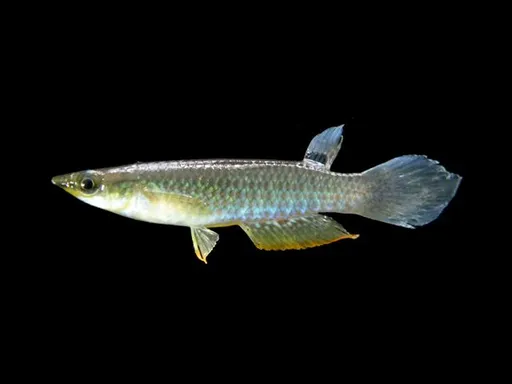
Blue panchax
Aplocheilus panchax
Freshwater3.5 in (9 cm) · 20 gal (75 L)72–82°F (22–28°C)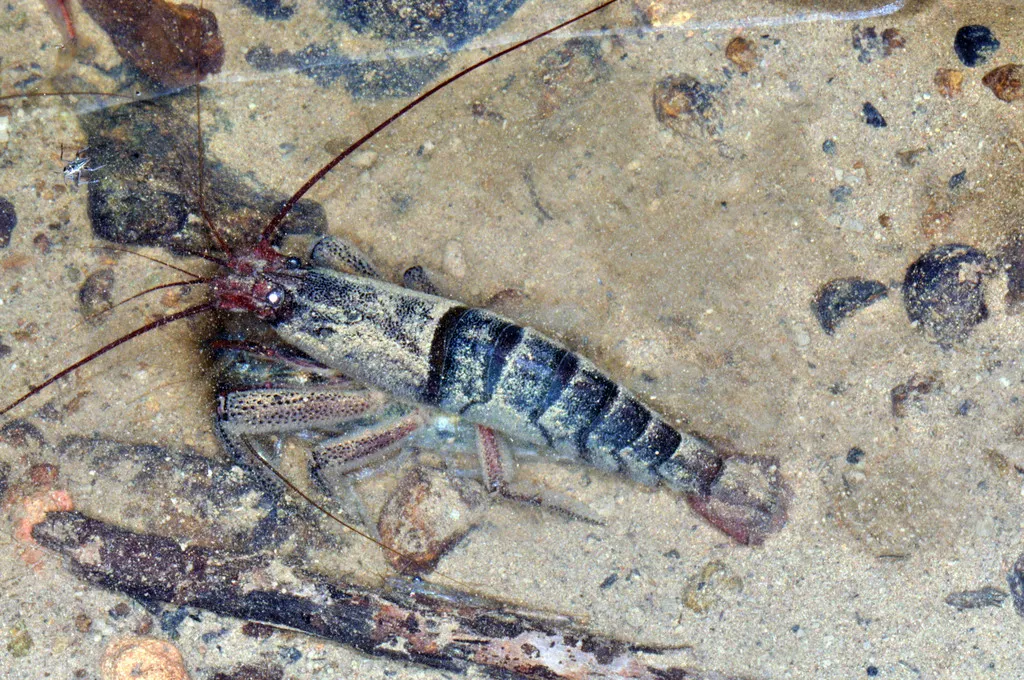
Marble wood shrimp
Atya scabra
Freshwater3.9 in (10 cm) · 20 gal (75 L)73–82°F (23–28°C)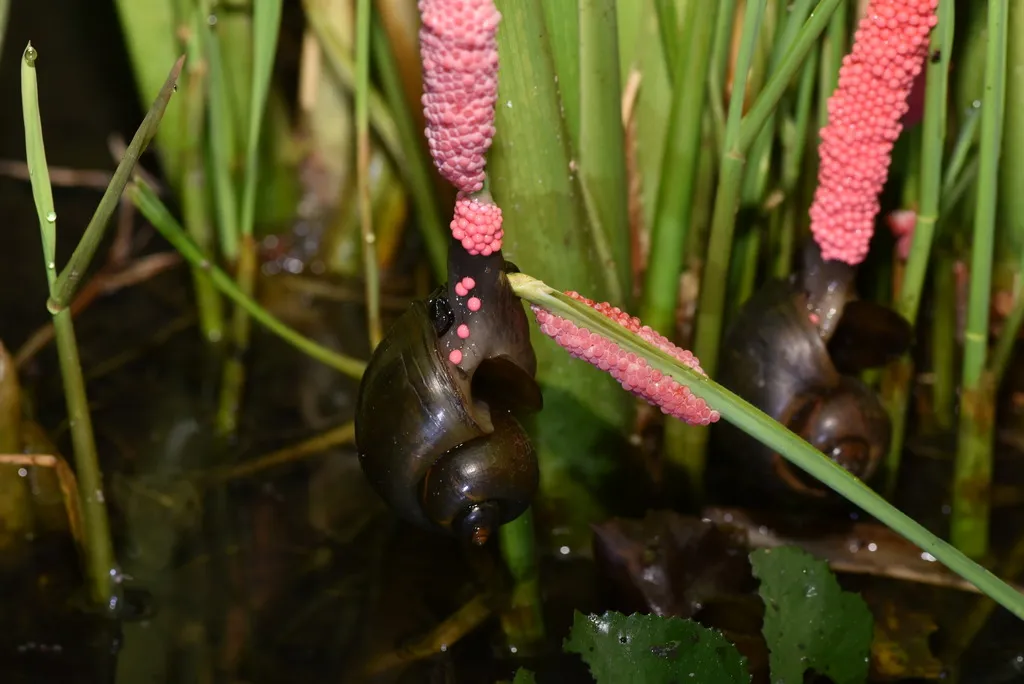
Apple snail
Pomacea canaliculata
Freshwater5.9 in (15 cm) · 21 gal (80 L)64–81°F (18–27°C)Leopard eel catfish
Ituglanis metae
Freshwater3.1 in (8 cm) · 21 gal (80 L)73–82°F (23–28°C)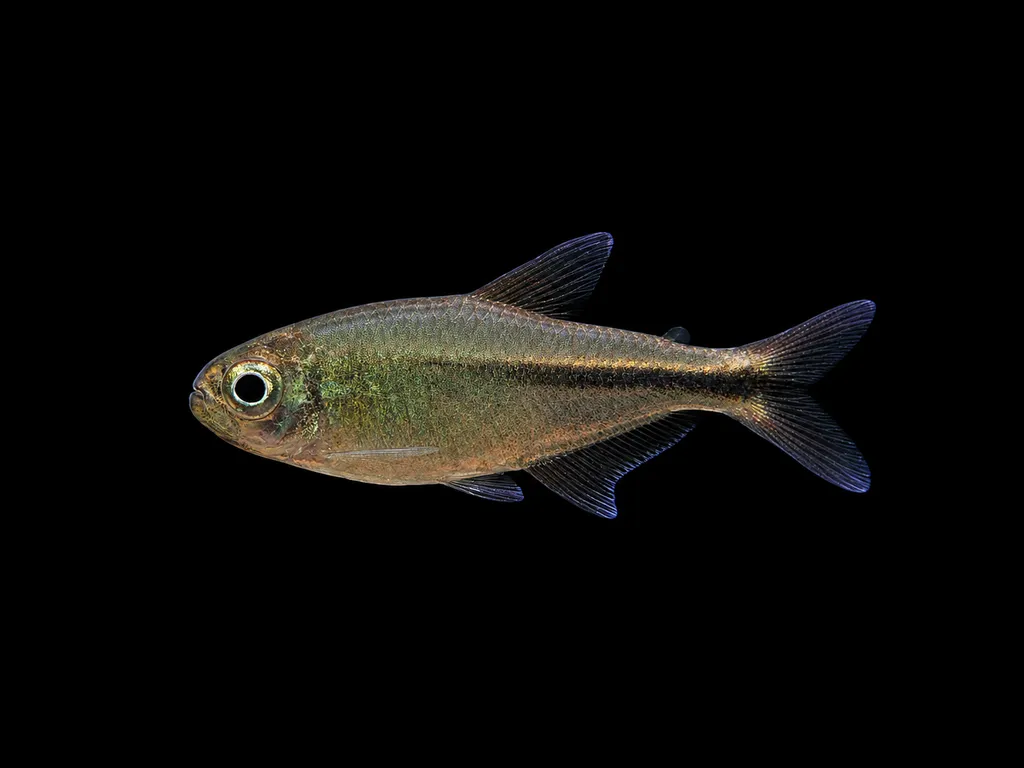
Aurora tetra
Moenkhausia aurora
Freshwater2 in (5.2 cm) · 20 gal (75 L)73–82°F (23–28°C)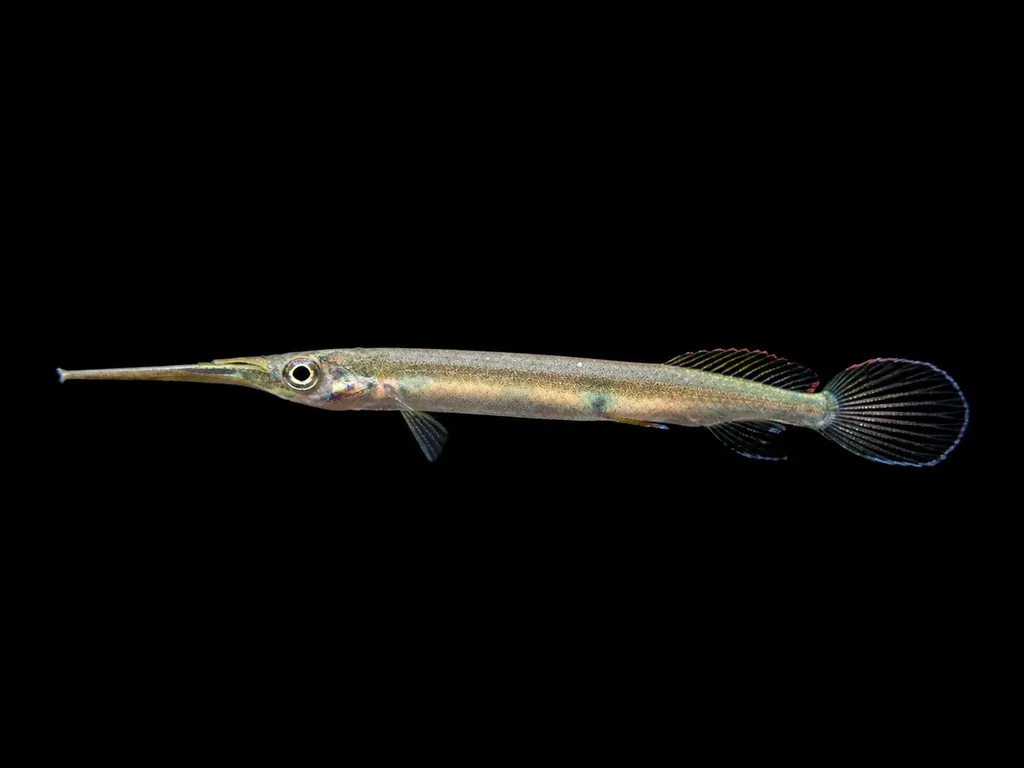
Kuekenthal's halfbeak
Hemirhamphodon kuekenthali
Freshwater3.3 in (8.5 cm) · 20 gal (75 L)73–81°F (23–27°C)
Common questions
What size tank does a Nigerian yellow line tetra need?
A Nigerian yellow line tetra needs at least 21 gal (80 L). It spends most of its time in the middle.
What temperature and pH does a Nigerian yellow line tetra need?
A Nigerian yellow line tetra is comfortable at 73–82°F (23–28°C) with a pH of 6.0–7.5.
What does a Nigerian yellow line tetra eat?
A Nigerian yellow line tetra eats small foods, with a good flake or micropellet as the staple. Add frozen or live daphnia, brine shrimp and finely chopped bloodworm.
How big does a Nigerian yellow line tetra get?
An adult Nigerian yellow line tetra reaches about 2.8 in (7 cm).
Does a Nigerian yellow line tetra need a group?
Yes. A Nigerian yellow line tetra is a schooling species and should be kept in a group, not singly.
How does a Nigerian yellow line tetra breed?
The Nigerian yellow line tetra is presumed to be a typical egg scatterer. There is no established aquarium breeding record.
Related species
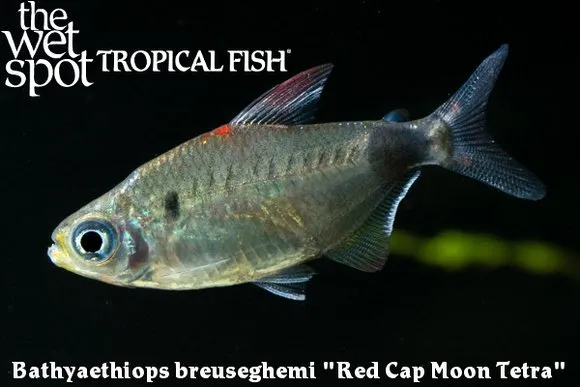 2.8 in (7 cm)29 gal (110 L)73–81°F (23–27°C)
Breuseghem's moon tetra
Bathyaethiops breuseghemi
2.8 in (7 cm) · 29 gal (110 L)
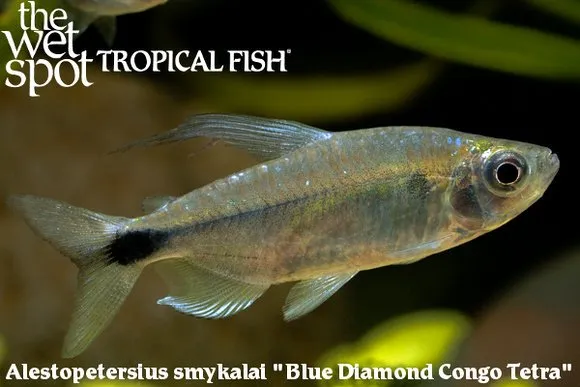 2.8 in (7 cm)29 gal (110 L)73–81°F (23–27°C)
Niger yellow Congo tetra
Alestopetersius smykalai
2.8 in (7 cm) · 29 gal (110 L)
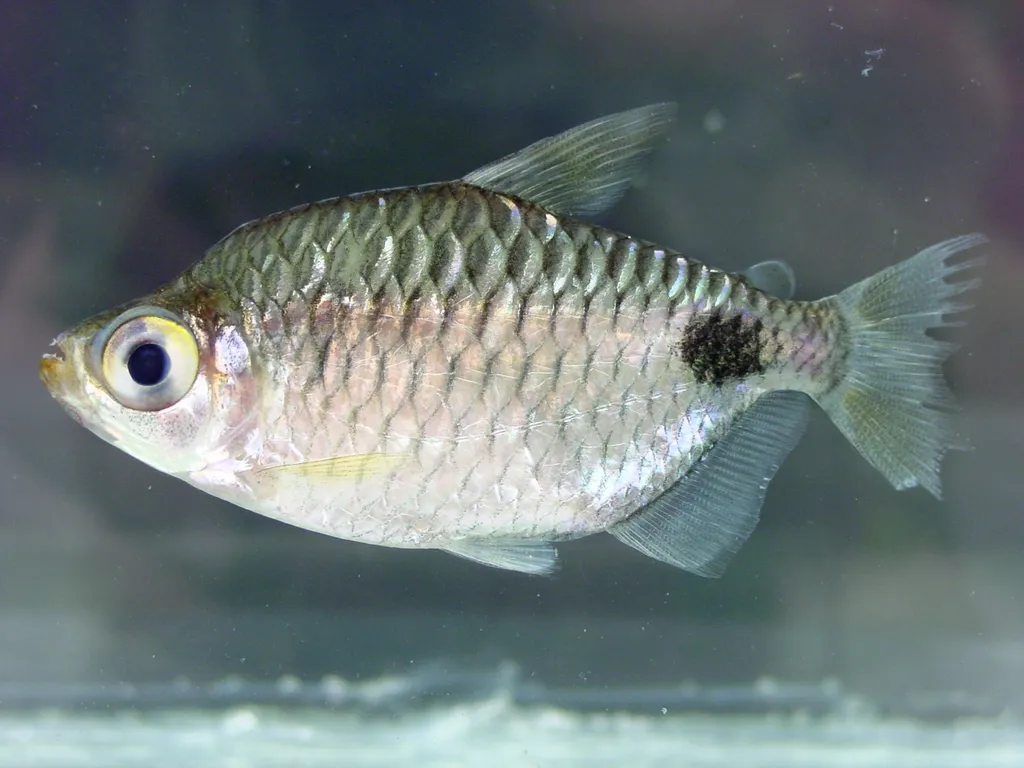 2.6 in (6.5 cm)30 gal (112 L)73–82°F (23–28°C)
Altus tetra
Brachypetersius altus
2.6 in (6.5 cm) · 30 gal (112 L)
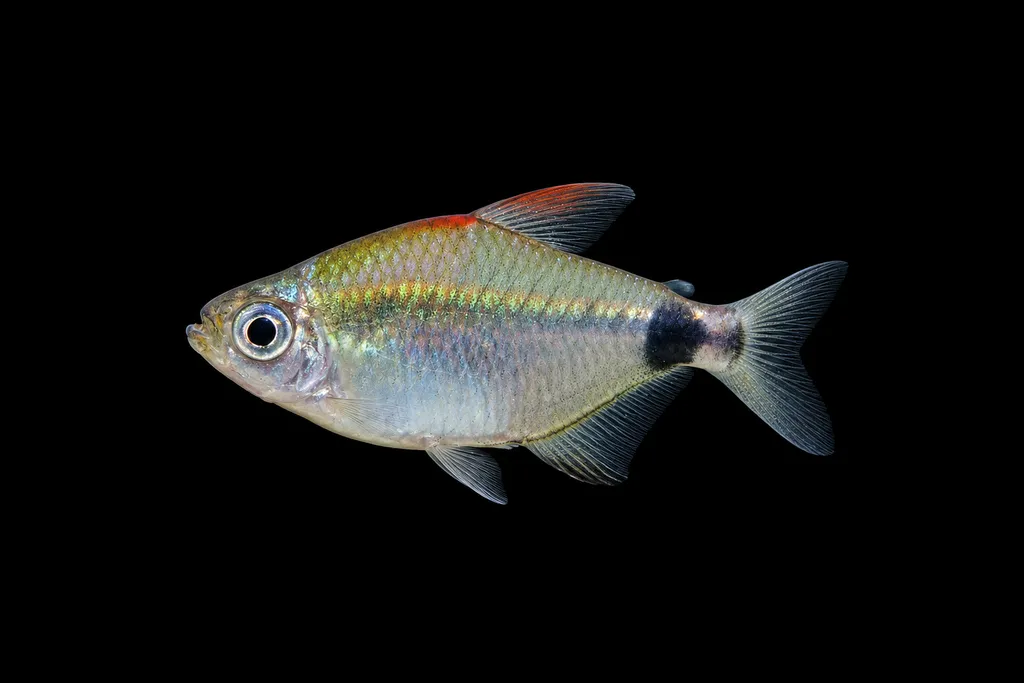 3.1 in (8 cm)22 gal (85 L)72–77°F (22–25°C)
African moon tetra
Bathyaethiops caudomaculatus
3.1 in (8 cm) · 22 gal (85 L)
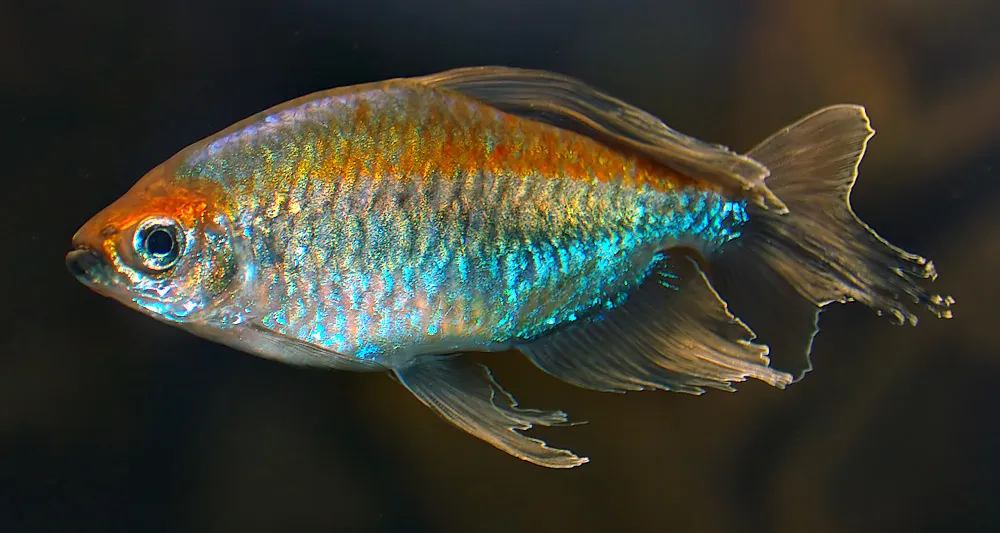 3.1 in (8 cm)24 gal (90 L)73–82°F (23–28°C)
Congo tetra
Phenacogrammus interruptus
3.1 in (8 cm) · 24 gal (90 L)
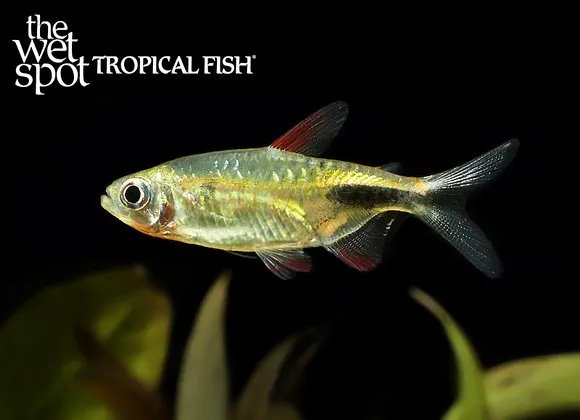 2.4 in (6 cm)24 gal (90 L)73–81°F (23–27°C)
Copper Congo tetra
Hemigrammopetersius pulcher
2.4 in (6 cm) · 24 gal (90 L)