Altus tetra
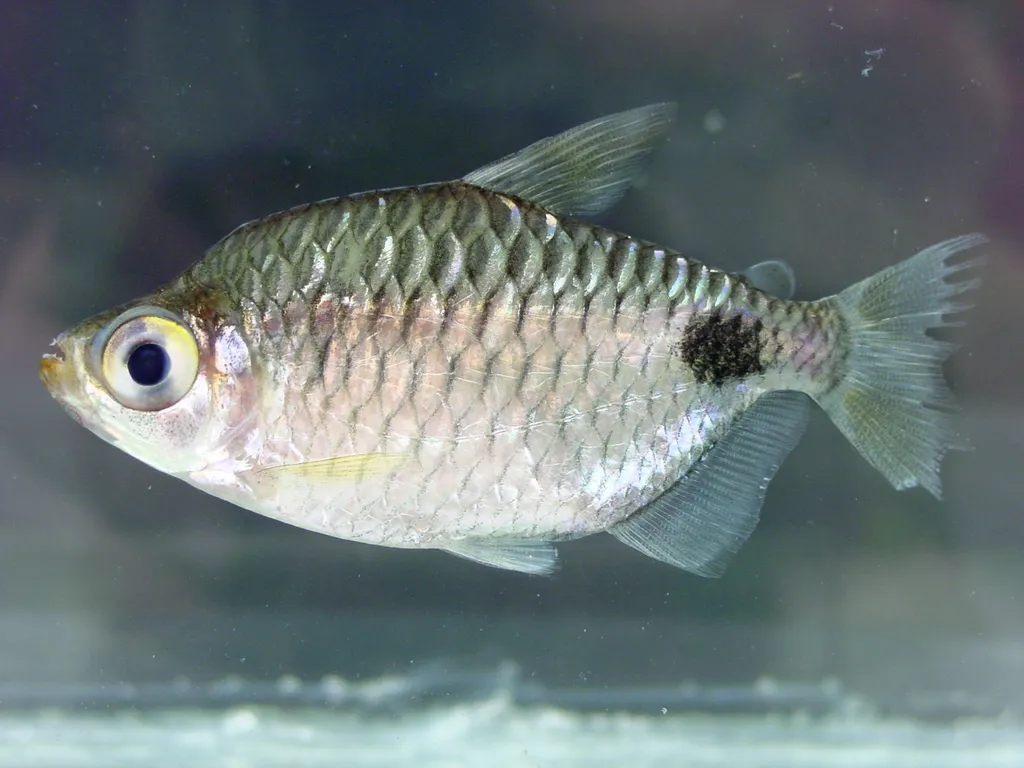
Brachypetersius altus
Also known as Highback Congo tetra
FreshwaterFish
Care at a glance
- Temperature
- 73–82°F
- 23–28°C
- pH
- 6.0–7.5
- Adult size
- 2.6 in
- 6.5 cm
- Minimum tank
- 30 gal
- 112 L
- Temperament
- Peaceful
- Social behavior
- Schooling
- Swim level
- Middle
- Diet
- Omnivore
- Difficulty
- Medium
- Breeding
- No record
- Rarity
- Rare
- Family
- Alestidae
- Origin
- Congo basin, central Africa
Overview
The Altus tetra is a peaceful, active schooling fish for open midwater in a community tank. It is a step up from the easiest fish.
Did you know
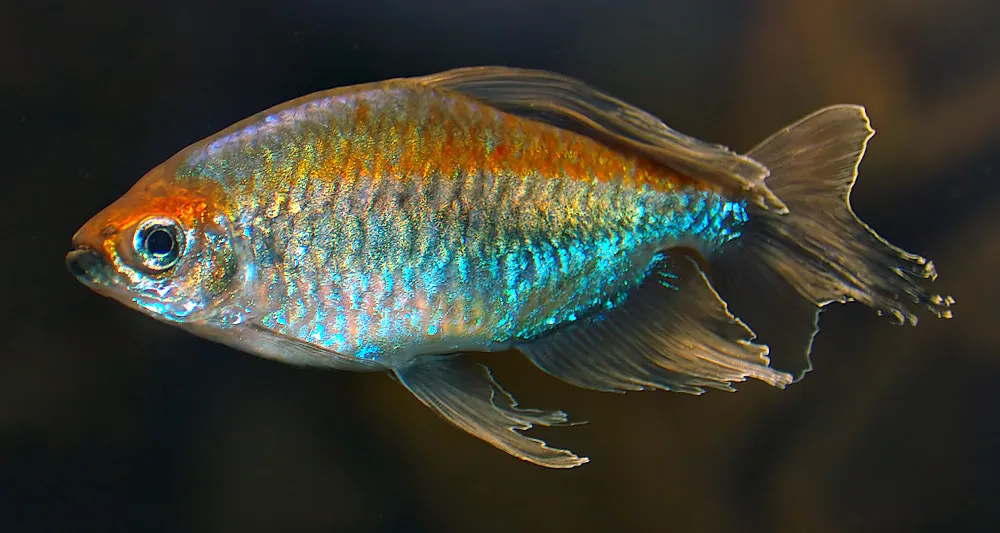
The Altus tetra's species name, altus, is simply Latin for high. It was chosen for the tall, humped back that sets it apart from its slimmer Congo cousins and gives it the highback nickname in shops.
Caring for the Altus tetra
Keep Altus tetras in a group of at least six, and more if you can, to see natural behavior and reduce skittishness. A tank of 30 gal (112 L) or larger gives a small shoal the length it wants. Set it up with plants, driftwood, a darker substrate and subdued lighting, and leave open midwater for swimming.
Keep the water soft to moderately hard, at 73 to 82°F (23 to 28°C) and a pH of 6.0 to 7.5. They appreciate a little current. These fish like clean, stable conditions, so stay on top of water changes.
The Altus tetra is an unfussy omnivore. Offer good flake and small pellets as a base. Add regular frozen or live foods such as daphnia and bloodworm to bring out condition and color.
It is peaceful and active. Pair it with calm West African or general community fish that will not bully or out-compete it, such as small barbs, rasboras or peaceful catfish. There is no established aquarium breeding record, though it is presumed to scatter eggs like its relatives.
Good to know
Brachypetersius altus belongs to Alestidae, the African tetras. It is a deep-bodied, iridescent silver fish. Some sellers list it as the African spottail tetra for the dark mark near its tail.
In the wild
The Altus tetra lives in the slow, soft, tannin-tinted waters of the Congo River basin in central Africa. Its home streams run over sand and leaf litter beneath forest shade, with plenty of submerged wood and roots.
Weekly picks
Tank mates
The Altus tetra is a peaceful, schooling species that keeps to the middle. These picks share a community profile with it, are safe together in both directions, and overlap on water type, temperature and pH.
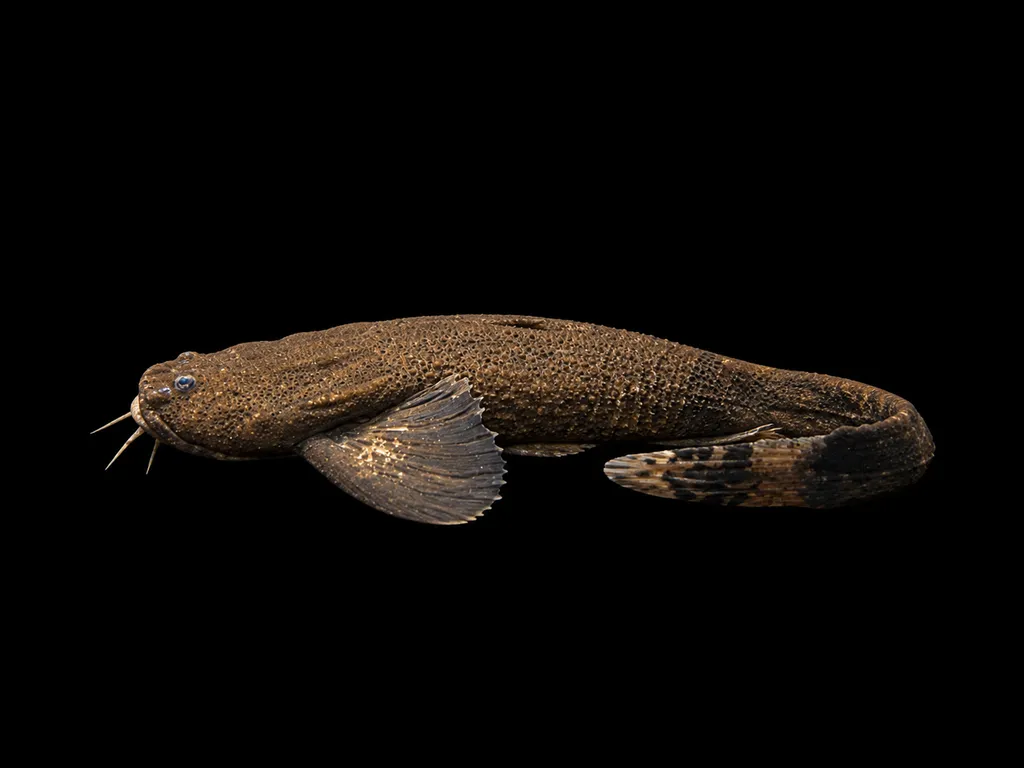
Two-ray banjo catfish
Amaralia hypsiura
Freshwater5.1 in (13 cm) · 30 gal (112 L)73–82°F (23–28°C)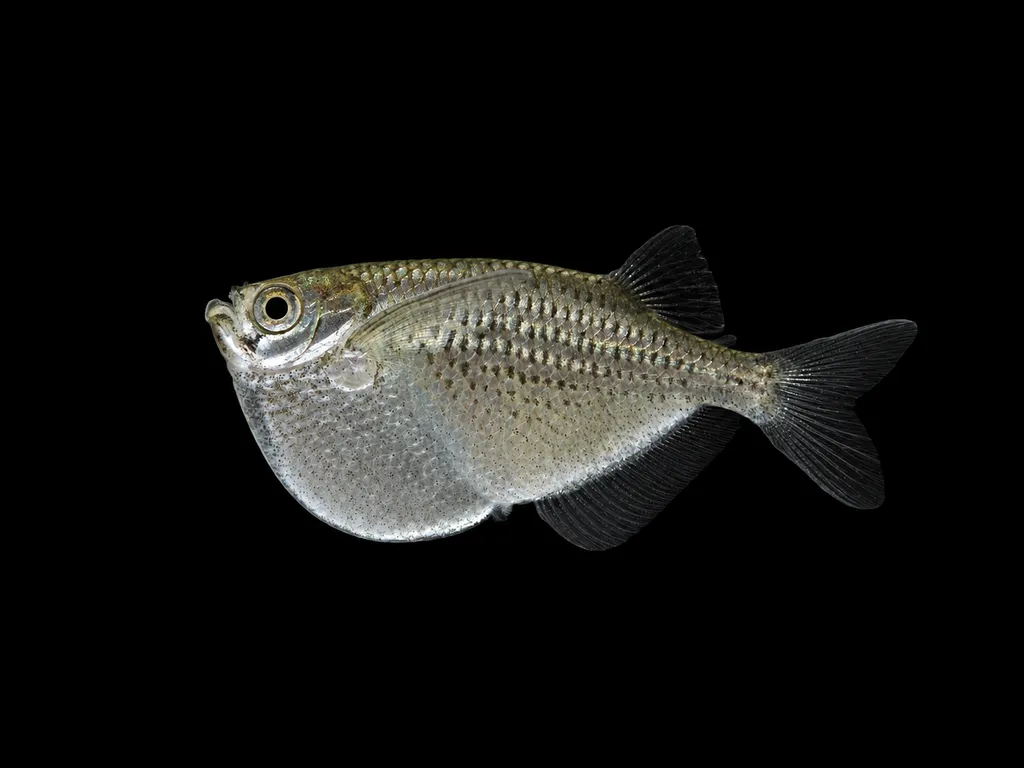
Silver hatchetfish
Gasteropelecus levis
Freshwater1.4 in (3.5 cm) · 30 gal (112 L)73–82°F (23–28°C)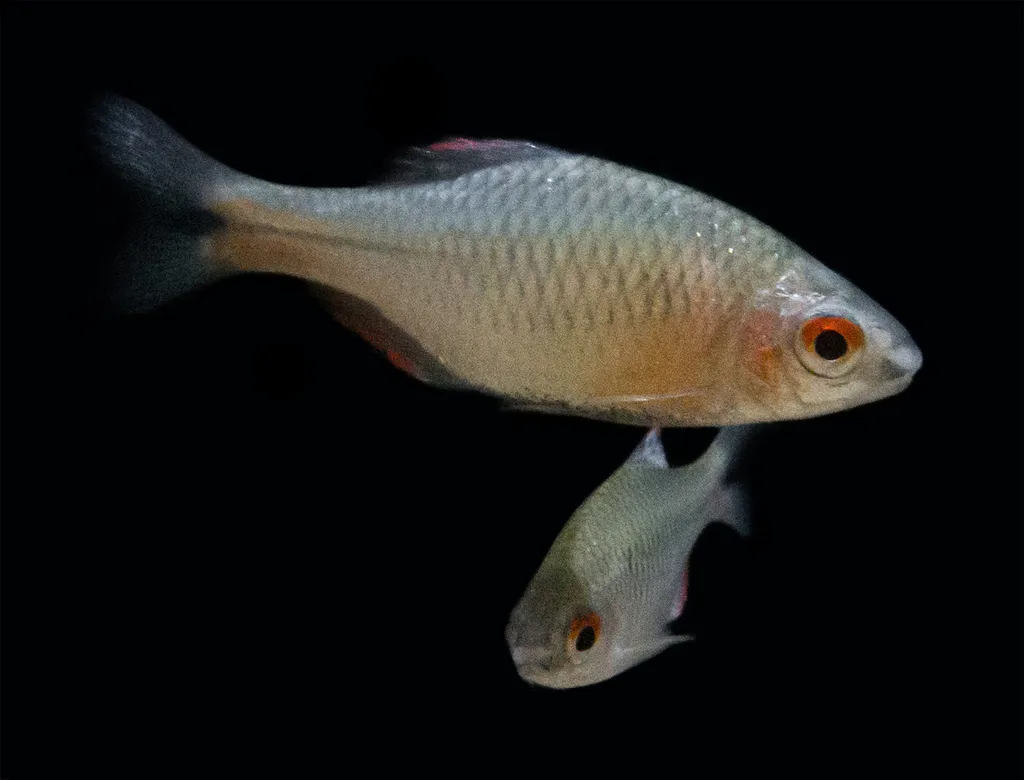
Blue Amur bitterling
Paracheilognathus himantegus
Freshwater3.1 in (8 cm) · 30 gal (112 L)57–79°F (14–26°C)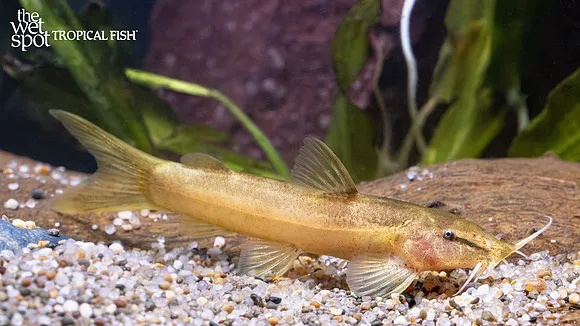
Kuhli cat
Amphilius platychir
Freshwater4.3 in (11 cm) · 30 gal (112 L)68–77°F (20–25°C)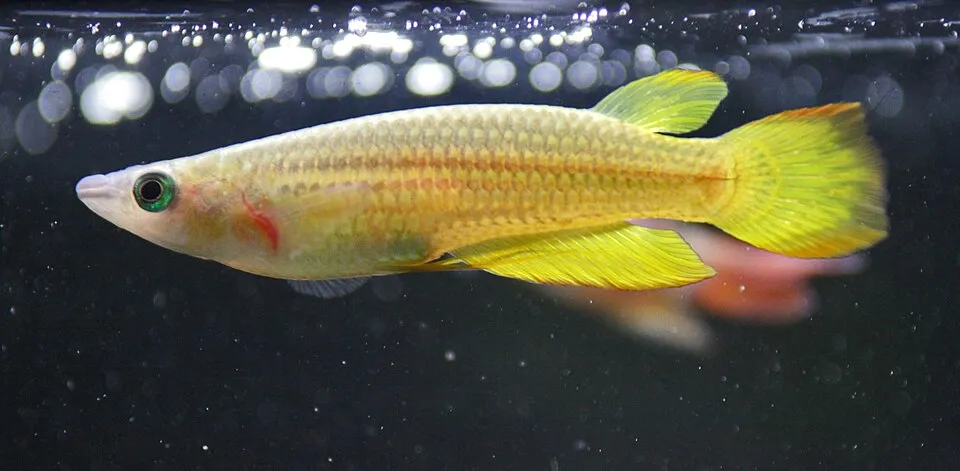
Striped panchax
Aplocheilus lineatus
Freshwater4.3 in (11 cm) · 30 gal (115 L)72–77°F (22–25°C)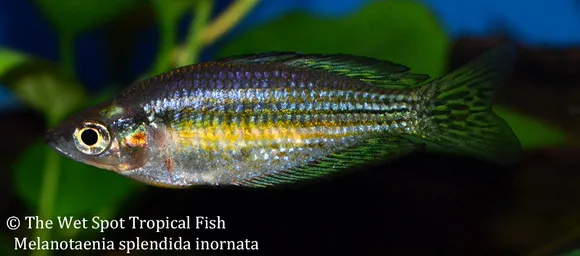
Checkered rainbowfish
Melanotaenia splendida inornata
Freshwater4.7 in (12 cm) · 29 gal (110 L)72–86°F (22–30°C)
Common questions
What size tank does an Altus tetra need?
An Altus tetra needs at least 30 gal (112 L). It spends most of its time in the middle.
What temperature and pH does an Altus tetra need?
An Altus tetra is comfortable at 73–82°F (23–28°C) with a pH of 6.0–7.5.
What does an Altus tetra eat?
An Altus tetra is an unfussy omnivore. It eats good flake and small pellets, with regular frozen or live foods such as daphnia and bloodworm.
How big does an Altus tetra get?
An adult Altus tetra reaches about 2.6 in (6.5 cm).
Does an Altus tetra need a group?
Yes. An Altus tetra is a schooling species and should be kept in a group, not singly.
How does an Altus tetra breed?
The Altus tetra has no established aquarium breeding record. It is presumed to scatter its eggs like its relatives.
Related species
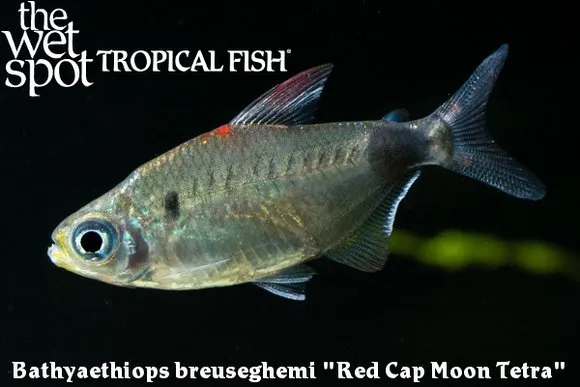 2.8 in (7 cm)29 gal (110 L)73–81°F (23–27°C)
Breuseghem's moon tetra
Bathyaethiops breuseghemi
2.8 in (7 cm) · 29 gal (110 L)
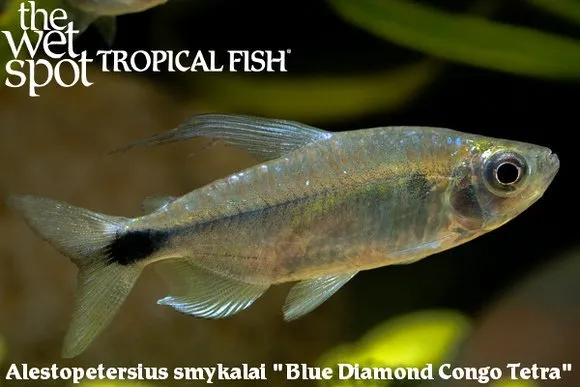 2.8 in (7 cm)29 gal (110 L)73–81°F (23–27°C)
Niger yellow Congo tetra
Alestopetersius smykalai
2.8 in (7 cm) · 29 gal (110 L)
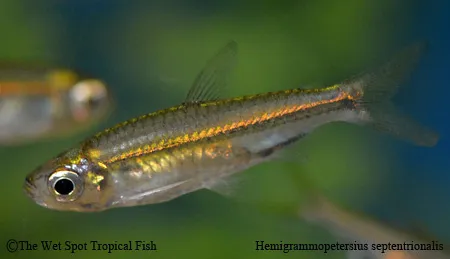 2.8 in (7 cm)21 gal (80 L)73–82°F (23–28°C)
Nigerian yellow line tetra
Rhabdalestes septentrionalis
2.8 in (7 cm) · 21 gal (80 L)
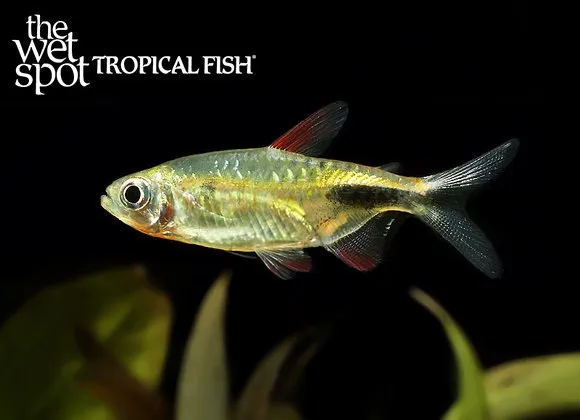 2.4 in (6 cm)24 gal (90 L)73–81°F (23–27°C)
Copper Congo tetra
Hemigrammopetersius pulcher
2.4 in (6 cm) · 24 gal (90 L)
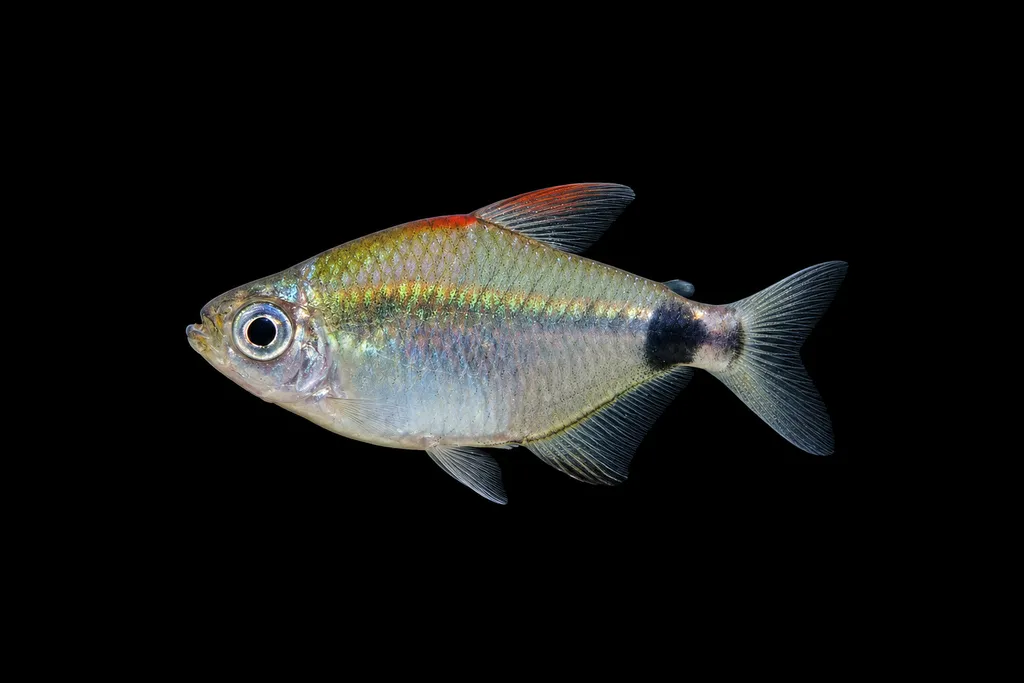 3.1 in (8 cm)22 gal (85 L)72–77°F (22–25°C)
African moon tetra
Bathyaethiops caudomaculatus
3.1 in (8 cm) · 22 gal (85 L)
 3.1 in (8 cm)24 gal (90 L)73–82°F (23–28°C)
Congo tetra
Phenacogrammus interruptus
3.1 in (8 cm) · 24 gal (90 L)