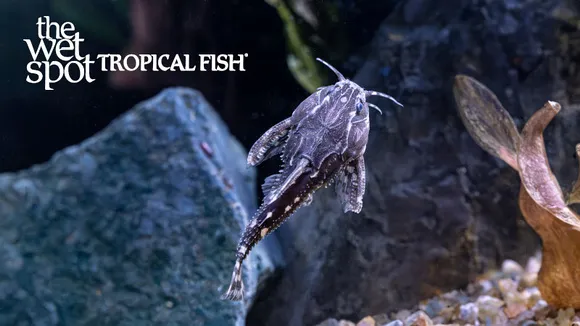
Painted talking catfish
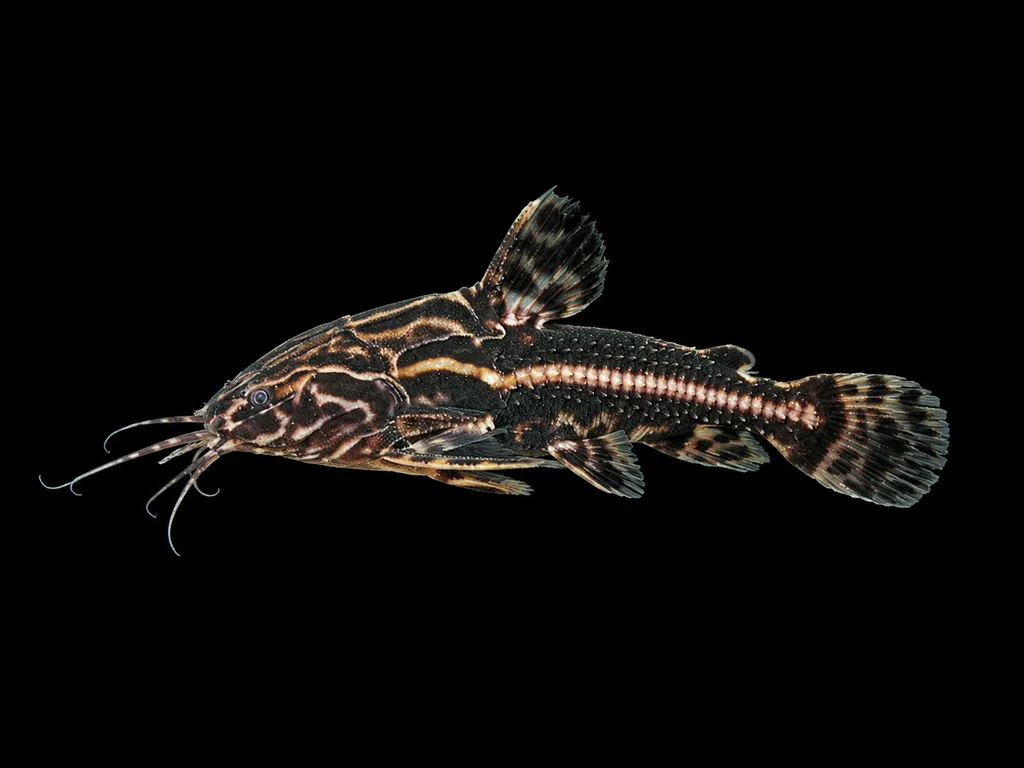
Acanthodoras cataphractus
Also known as Chocolate talking catfish
FreshwaterFish
Care at a glance
- Temperature
- 73–82°F
- 23–28°C
- pH
- 6.0–7.5
- Adult size
- 4.5 in
- 11.5 cm
- Minimum tank
- 30 gal
- 112 L
- Temperament
- Peaceful
- Social behavior
- Social
- Swim level
- Bottom
- Difficulty
- Medium
- Breeding
- No record
- Rarity
- Rare
- Family
- Doradidae
- Origin
- Amazon and coastal Guiana drainages
Overview
The painted talking catfish is a small, stocky, nocturnal doradid that hides through the day and forages along the bottom after dark. It is a step up from the easiest catfish.
Did you know
The painted talking catfish has been on the scientific record since 1758. It was one of the original catfishes Linnaeus named in the founding edition of his Systema Naturae.
Caring for the painted talking catfish
The painted talking catfish suits a tank of at least 30 gal (112 L) with a soft sand base. Add leaf litter or a layer of botanicals, driftwood and caves for plenty of cover. Keep the lighting low so it will come out to feed, since dim light and abundant hiding places bring out its natural behavior.
Keep the water soft and slightly acidic to neutral, with gentle filtration. Aim for 73 to 82°F (23 to 28°C) and a pH of 6.0 to 7.5. Offer sinking pellets, wafers and frozen foods such as bloodworms in the evening.
It is peaceful and sociable, fine singly or in a small group, and community safe with calm fish it cannot eat. Handle it gently, because its stiff spines snag in nets. Breeding is not recorded in aquariums.
Good to know
The painted talking catfish is a thorny catfish of the family Doradidae. Its species name, cataphractus, means clad in armor, after the mailed cavalry of the ancient world. The name nods to the heavy bony plating typical of the family. It protests being handled with an audible creak, made by grinding its locking pectoral spines.
In the wild
Acanthodoras cataphractus is widespread in the Amazon and coastal Guiana drainages. It lives in slow, shaded water among leaf litter and sunken wood.
Weekly picks
Tank mates
The painted talking catfish is a peaceful, social species that keeps to the bottom. These picks share a community profile with it, are safe together in both directions, and overlap on water type, temperature and pH.
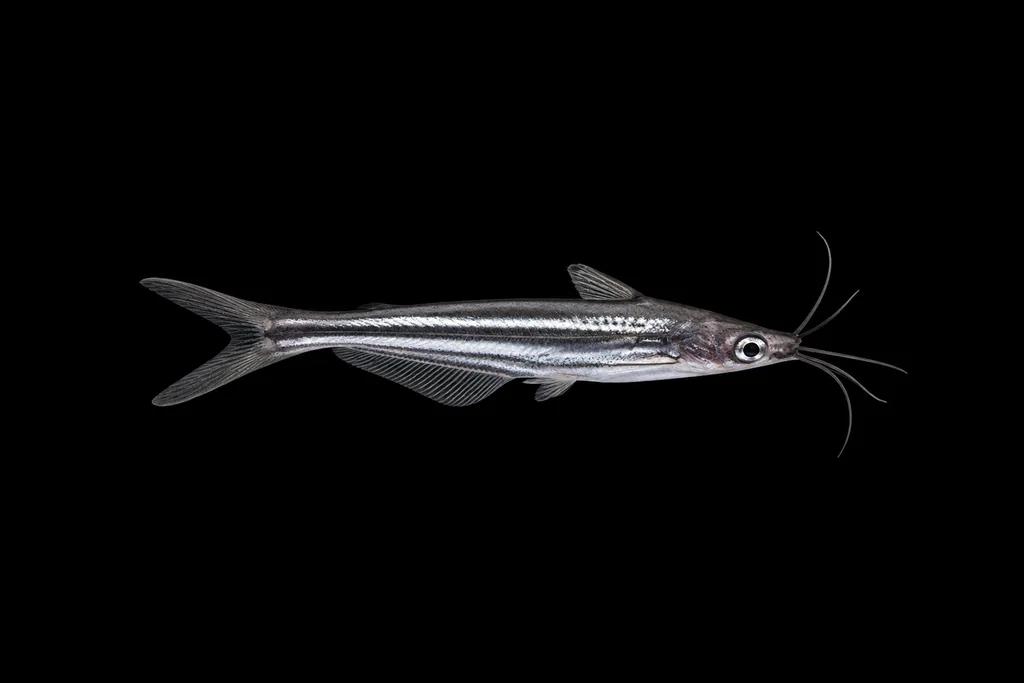
Mini shark cat
Pseudeutropius brachypopterus
Freshwater4.3 in (11 cm) · 30 gal (112 L)73–82°F (23–28°C)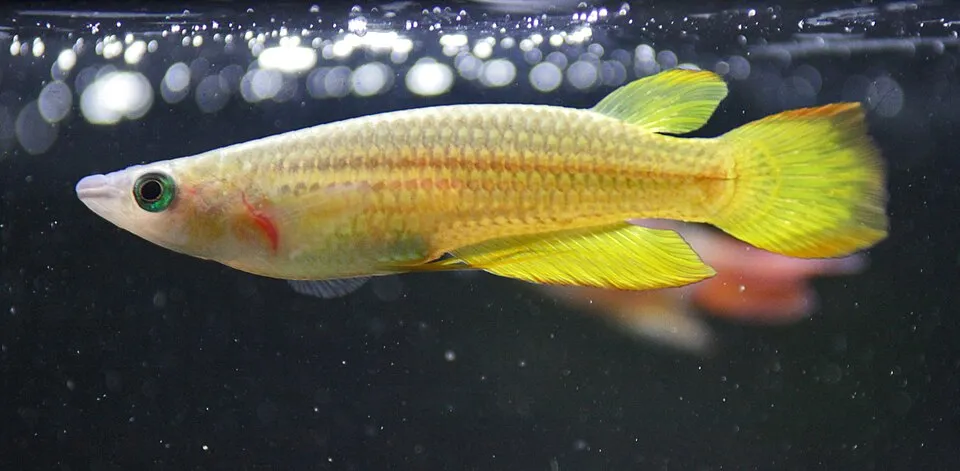
Striped panchax
Aplocheilus lineatus
Freshwater4.3 in (11 cm) · 30 gal (115 L)72–77°F (22–25°C)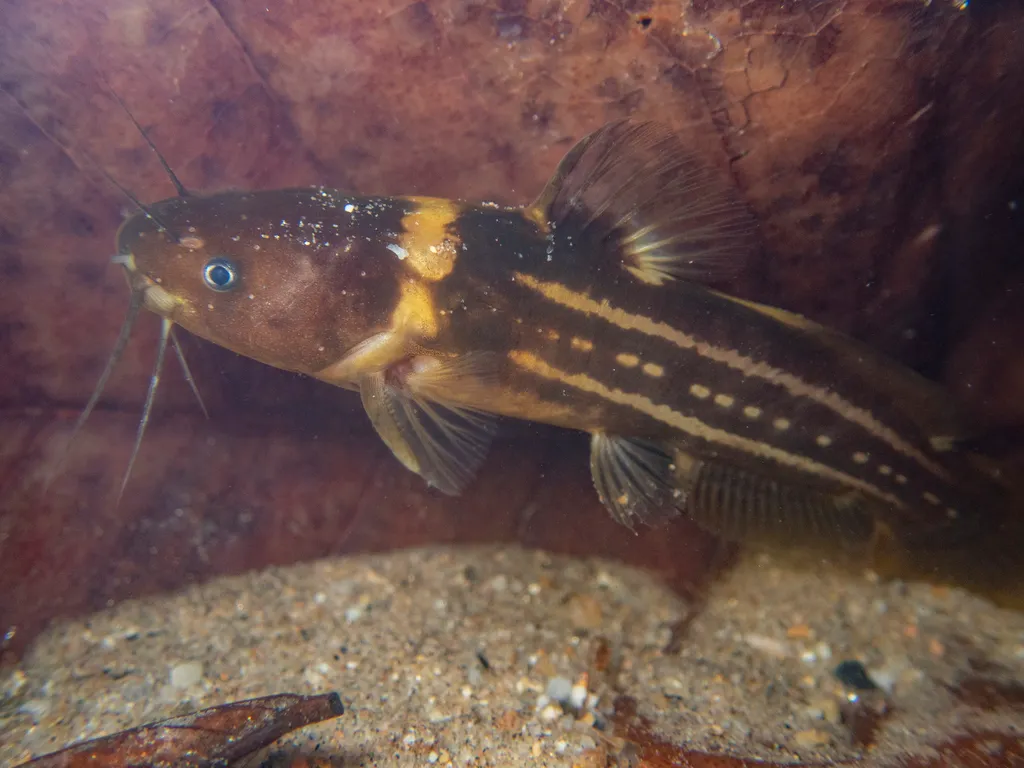
Three-lined bagrid
Tachysurus trilineatus
Freshwater3.1 in (8 cm) · 30 gal (112 L)64–77°F (18–25°C)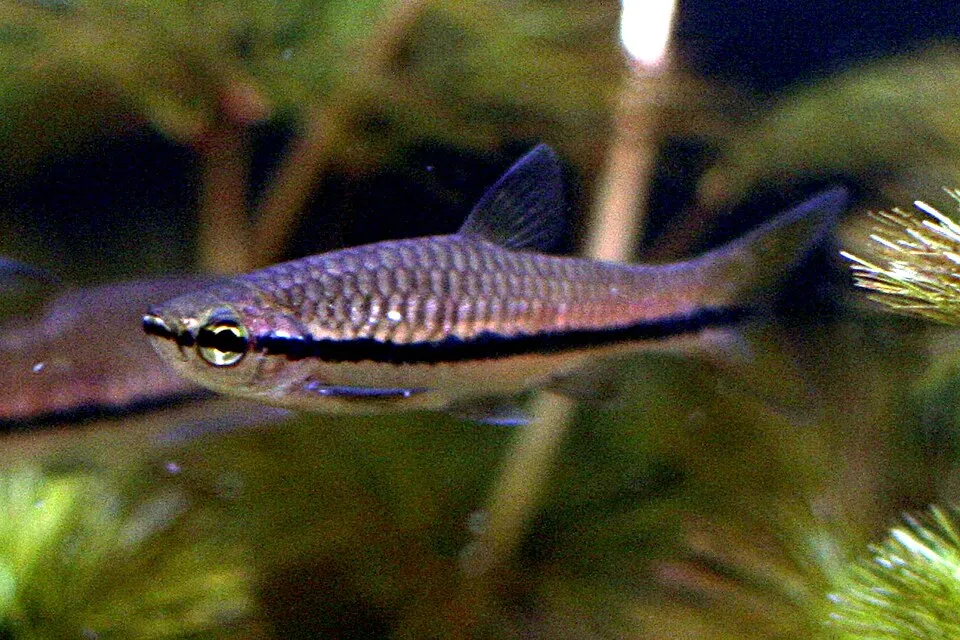
Brilliant rasbora
Rasbora einthovenii
Freshwater3.5 in (9 cm) · 29 gal (110 L)72–82°F (22–28°C)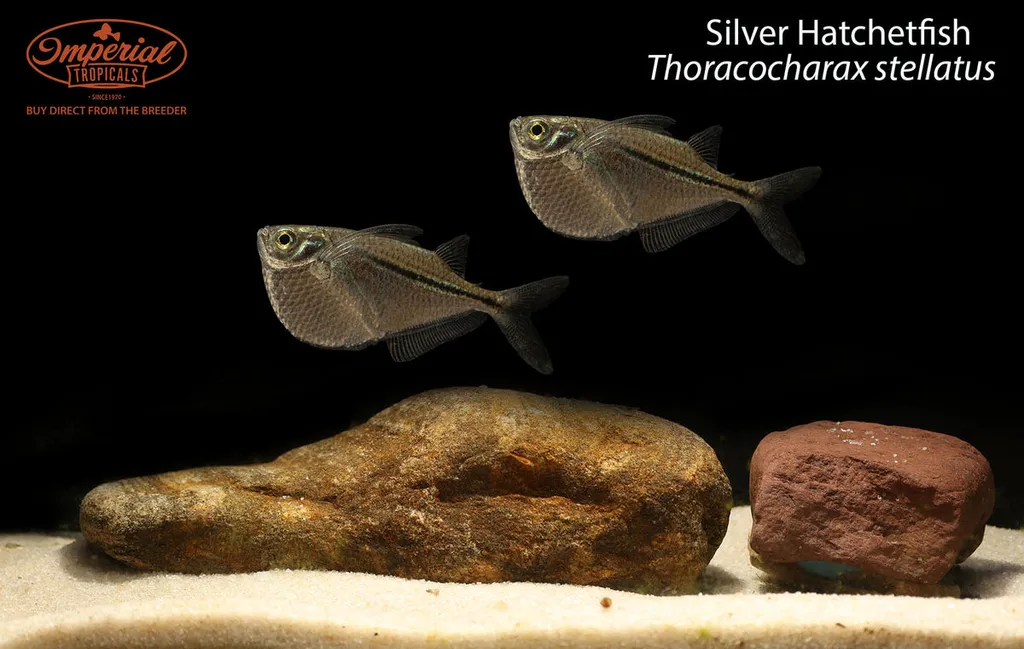
Spotfin hatchetfish
Thoracocharax stellatus
Freshwater3.5 in (9 cm) · 26 gal (100 L)73–82°F (23–28°C)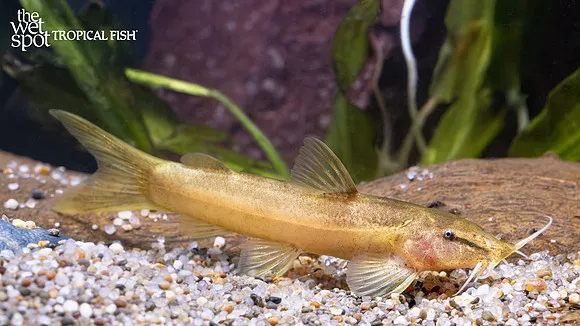
Kuhli cat
Amphilius platychir
Freshwater4.3 in (11 cm) · 30 gal (112 L)68–77°F (20–25°C)
Common questions
What size tank does a painted talking catfish need?
A painted talking catfish needs at least 30 gal (112 L). It spends most of its time in the bottom.
What temperature and pH does a painted talking catfish need?
A painted talking catfish is comfortable at 73–82°F (23–28°C) with a pH of 6.0–7.5.
What does a painted talking catfish eat?
A painted talking catfish eats sinking pellets, wafers and frozen foods such as bloodworms. Offer them in the evening.
How big does a painted talking catfish get?
An adult painted talking catfish reaches about 4.5 in (11.5 cm).
Related species
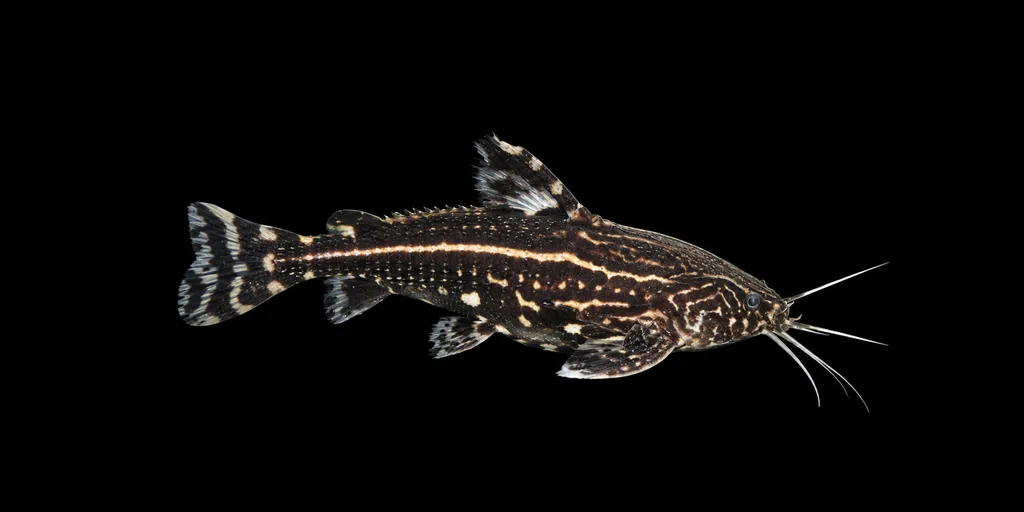 5.9 in (15 cm)26 gal (100 L)72–82°F (22–28°C)
Talking catfish
Acanthodoras spinosissimus
5.9 in (15 cm) · 26 gal (100 L)
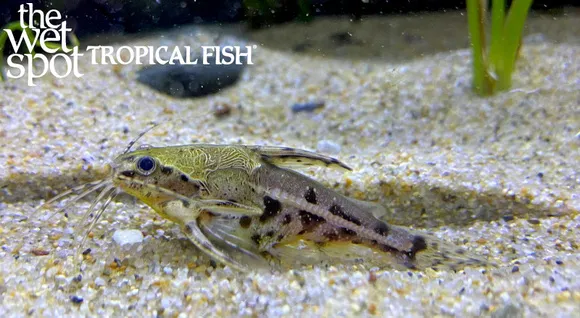 4.3 in (11 cm)30 gal (112 L)73–82°F (23–28°C)
Marbled talking catfish
Amblydoras nauticus
4.3 in (11 cm) · 30 gal (112 L)
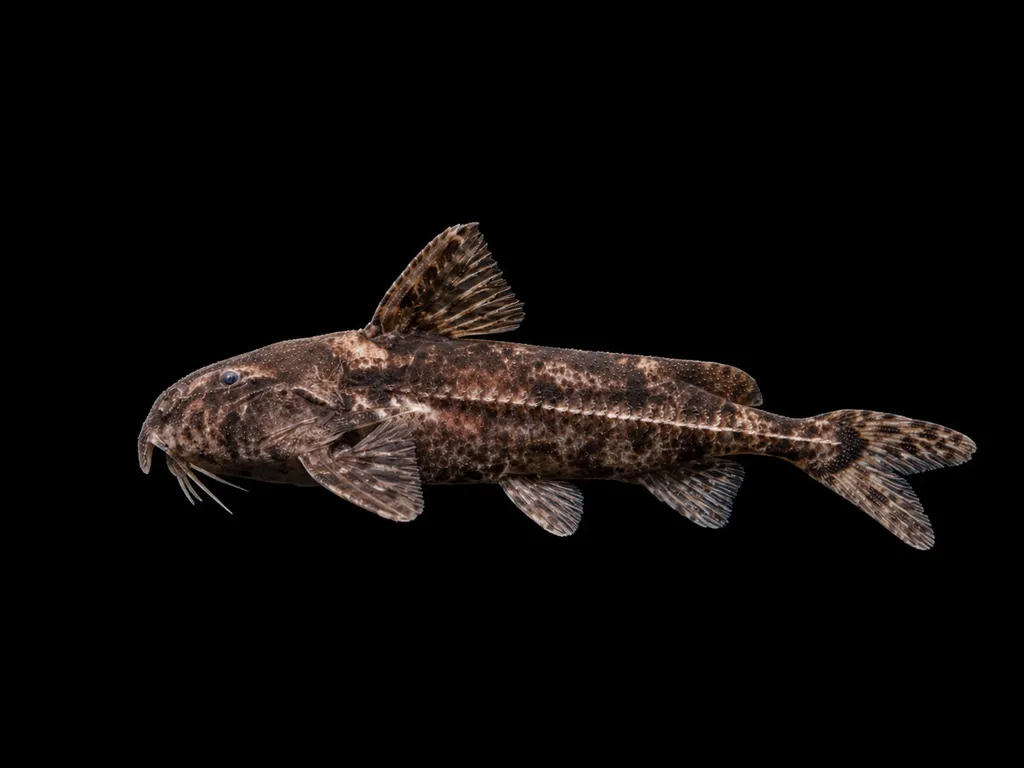 4.1 in (10.5 cm)53 gal (200 L)73–82°F (23–28°C)
Parrot doradid
Rhynchodoras woodsi
4.1 in (10.5 cm) · 53 gal (200 L)
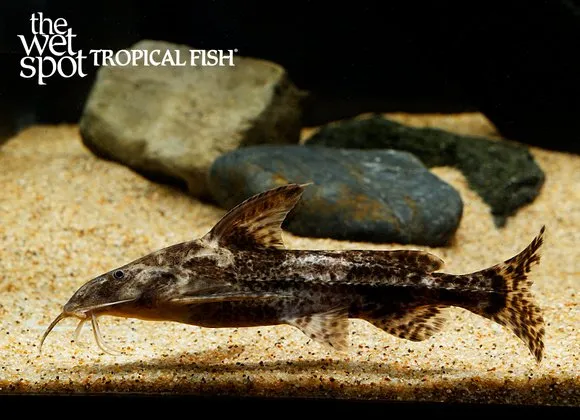 5.9 in (15 cm)70 gal (265 L)73–82°F (23–28°C)
Gallagher's catfish
Rhinodoras gallagheri
5.9 in (15 cm) · 70 gal (265 L)
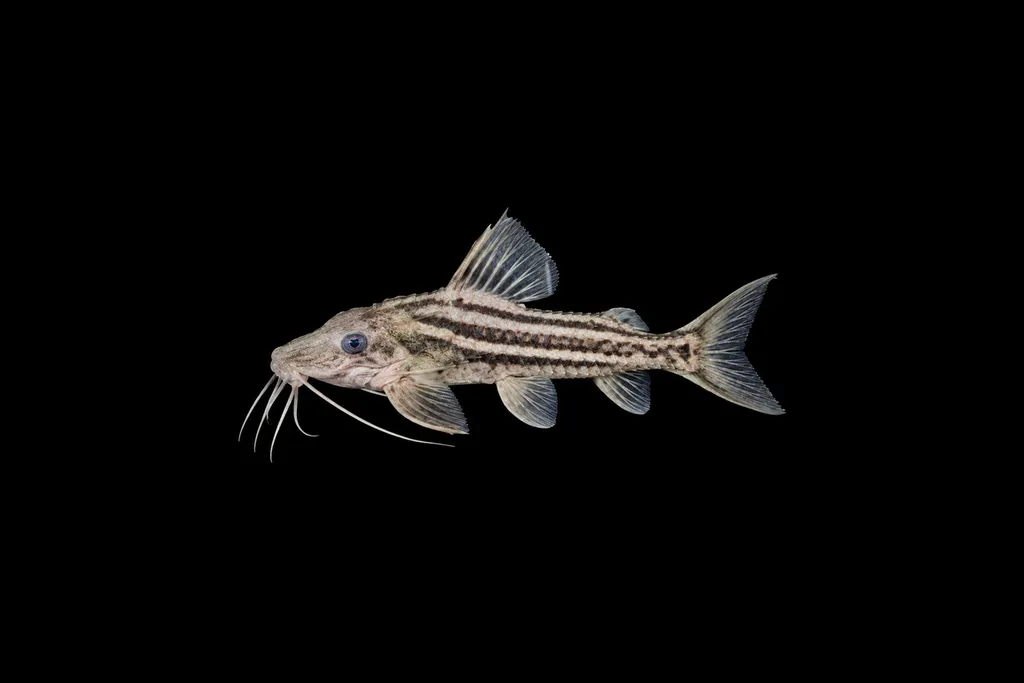 5.9 in (15 cm)53 gal (200 L)73–82°F (23–28°C)
Hancock's talking catfish
Platydoras hancockii
5.9 in (15 cm) · 53 gal (200 L)
 5.9 in (15 cm)40 gal (150 L)73–82°F (23–28°C)
Orinoco spotted raphael
Agamyxis albomaculatus
5.9 in (15 cm) · 40 gal (150 L)