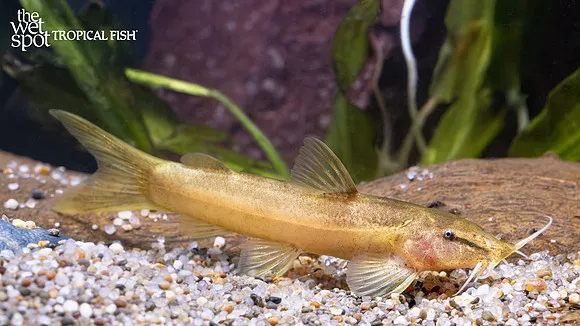
Kuhli cat
Amphilius platychir
Also known as Mountain barbel
FreshwaterFish
Care at a glance
- Temperature
- 68–77°F
- 20–25°C
- pH
- 6.5–7.5
- Adult size
- 4.3 in
- 11 cm
- Minimum tank
- 30 gal
- 112 L
- Temperament
- Peaceful
- Social behavior
- Solitary
- Swim level
- Bottom
- Difficulty
- Medium
- Breeding
- No record
- Rarity
- Rare
- Family
- Amphiliidae
- Origin
- Highland streams of Sierra Leone and Guinea
Overview
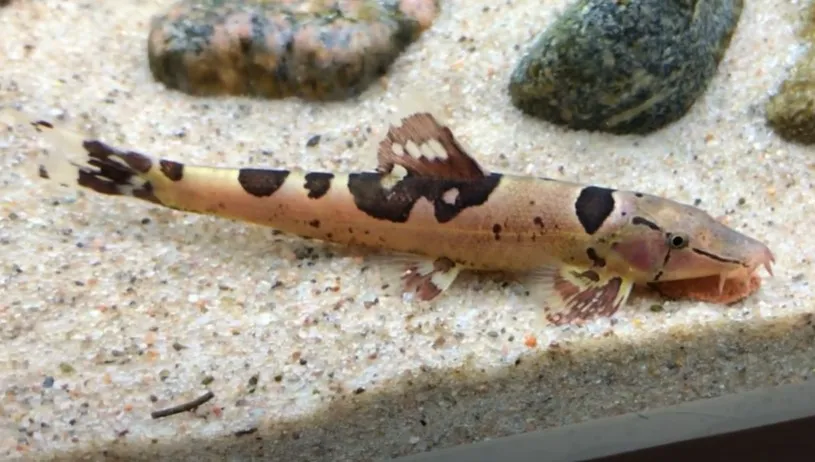
The kuhli cat is a peaceful, bottom-hugging river catfish that lives alone in a fast-flowing tank. It is a fair choice once you have some fishkeeping experience.
Did you know
The kuhli cat is sold in the trade as a kuhli or a loach, but it is really a West African catfish. It has independently evolved the same flattened, rock-gripping shape as the Asian hillstream loaches it imitates.
Caring for the kuhli cat
The kuhli cat is best kept on its own, in a river-style tank of at least 30 gal (112 L). Give it a sand or smooth-gravel floor with round stones, cobbles and driftwood to shelter under. It spends the day pressed against stone and wood and comes out to forage as the light drops.
It needs strong flow and high oxygen more than warmth. Keep the water at 68 to 77°F (20 to 25°C), with a near-neutral pH of 6.5 to 7.5. The rockwork breaks up the current and gives it hiding spots.
Feed sinking foods after dark, such as catfish pellets, frozen bloodworm and chopped prawn. The kuhli cat is peaceful and ignores tank mates it cannot swallow. There is no reliable record of it breeding in aquariums.
Good to know
The kuhli cat, Amphilius platychir, is a loach catfish of the family Amphiliidae, described by Gunther in 1864. Broad, low-set pectoral and pelvic fins let it hold station and creep over rock in fast water. It is also called the mountain barbel.
In the wild
The kuhli cat lives in cool, fast highland streams of Sierra Leone and Guinea in West Africa. It clings to rock in riffles and runs where the water is well oxygenated.
Weekly picks
Tank mates
The kuhli cat is a peaceful, solitary species that keeps to the bottom. These picks share a community profile with it, are safe together in both directions, and overlap on water type, temperature and pH.
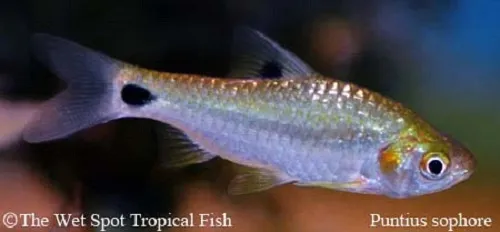
Pool barb
Puntius sophore
Freshwater3.9 in (10 cm) · 29 gal (110 L)68–81°F (20–27°C)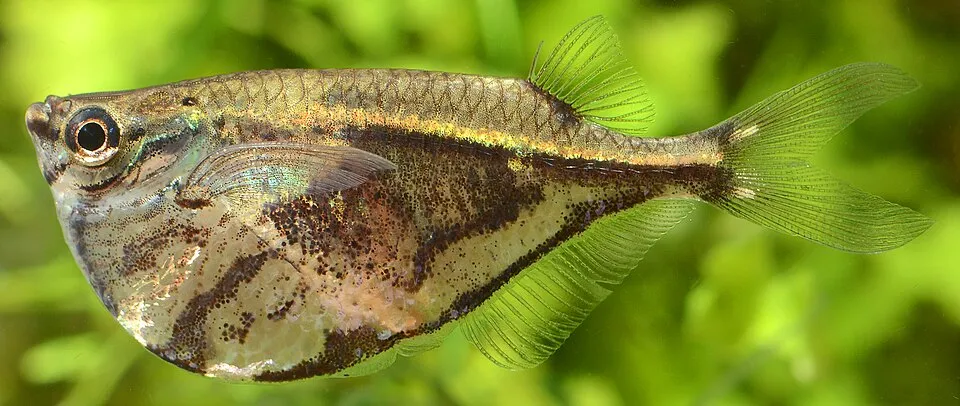
Marbled hatchetfish
Carnegiella strigata
Freshwater1.6 in (4 cm) · 32 gal (120 L)68–82°F (20–28°C)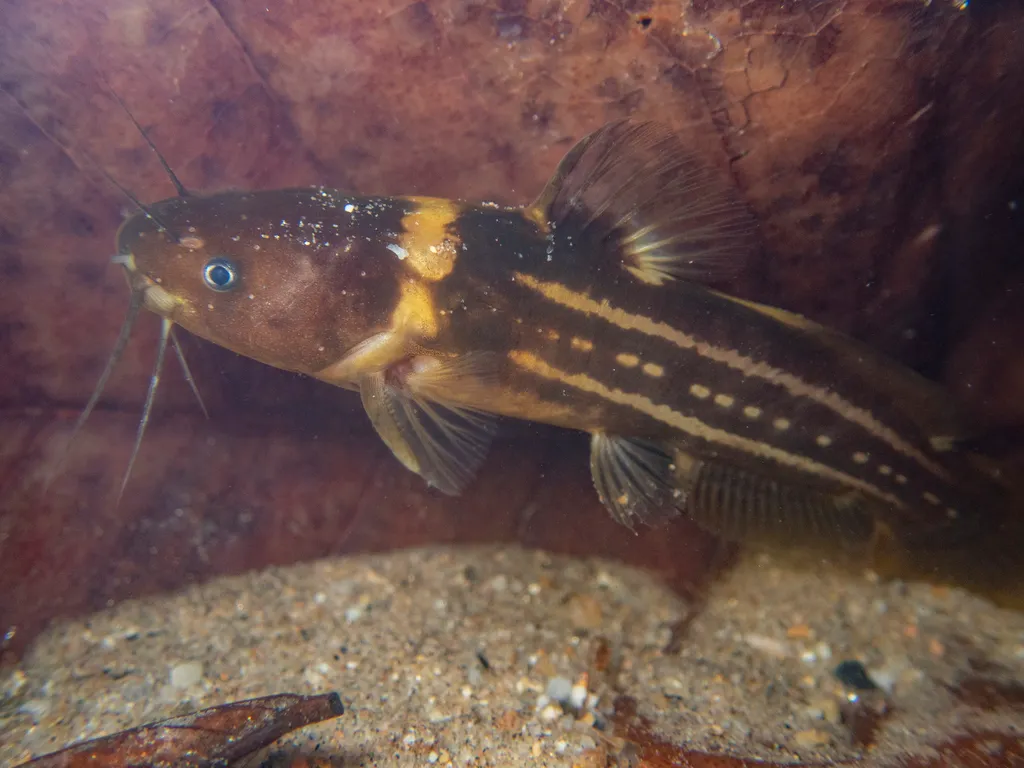
Three-lined bagrid
Tachysurus trilineatus
Freshwater3.1 in (8 cm) · 30 gal (112 L)64–77°F (18–25°C)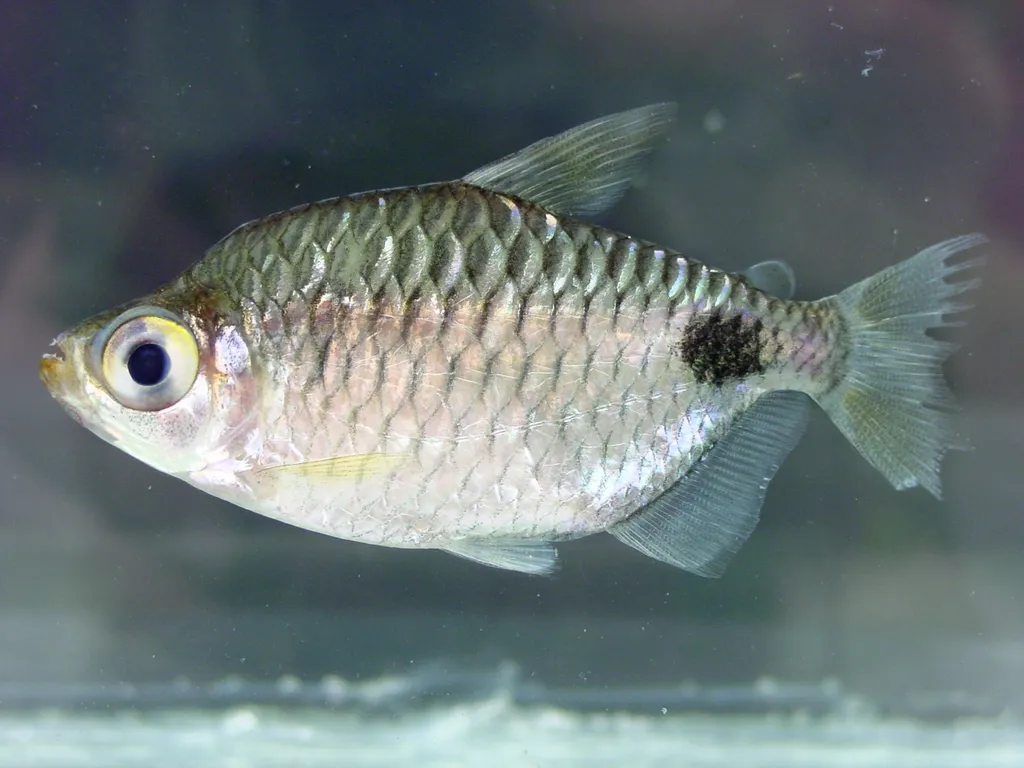
Altus tetra
Brachypetersius altus
Freshwater2.6 in (6.5 cm) · 30 gal (112 L)73–82°F (23–28°C)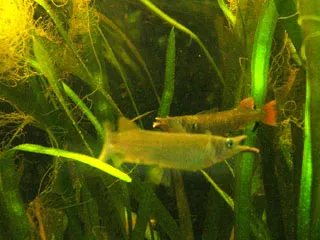
Redfin halfbeak
Nomorhamphus ebrardtii
Freshwater3.5 in (9 cm) · 29 gal (110 L)75–81°F (24–27°C)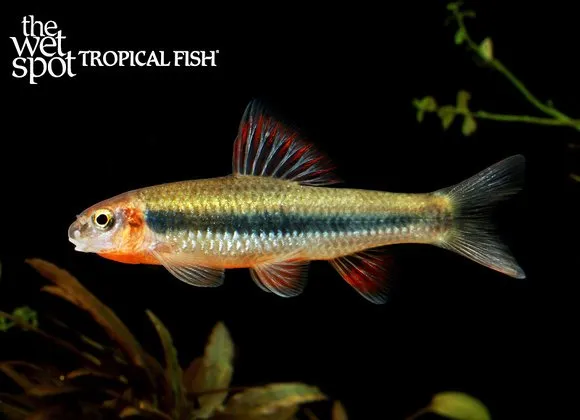
Neon golden-stripe shark
Sarcocheilichthys parvus
Freshwater3.5 in (9 cm) · 30 gal (112 L)61–75°F (16–24°C)
Common questions
What size tank does a kuhli cat need?
A kuhli cat needs at least 30 gal (112 L). It spends most of its time in the bottom.
What temperature and pH does a kuhli cat need?
A kuhli cat is comfortable at 68–77°F (20–25°C) with a pH of 6.5–7.5.
What does a kuhli cat eat?
A kuhli cat eats sinking foods, such as catfish pellets, frozen bloodworm and chopped prawn. Feed it after dark, when it comes out to forage.
How big does a kuhli cat get?
An adult kuhli cat reaches about 4.3 in (11 cm).
Related species
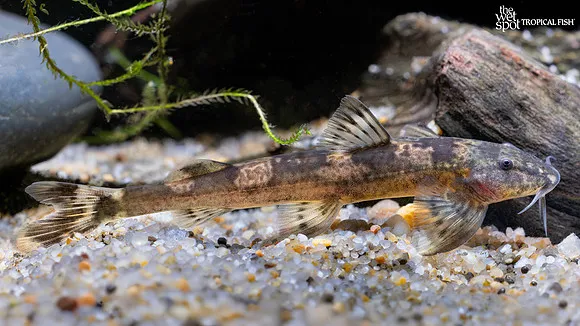 4.7 in (12 cm)30 gal (112 L)70–79°F (21–26°C)
Senegal kuhli cat
Amphilius rheophilus
4.7 in (12 cm) · 30 gal (112 L)
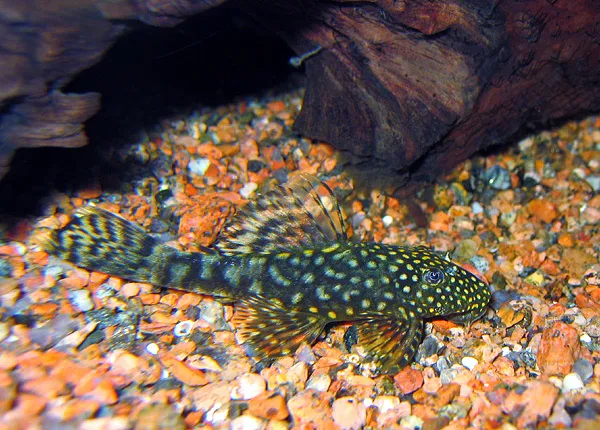 4.3 in (11 cm)18 gal (70 L)77–84°F (25–29°C)
Colombian bristlenose pleco
Ancistrus triradiatus
4.3 in (11 cm) · 18 gal (70 L)
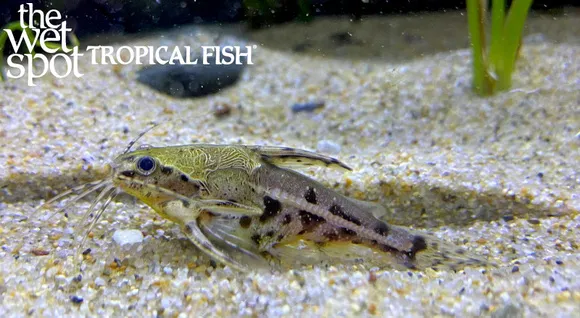 4.3 in (11 cm)30 gal (112 L)73–82°F (23–28°C)
Marbled talking catfish
Amblydoras nauticus
4.3 in (11 cm) · 30 gal (112 L)
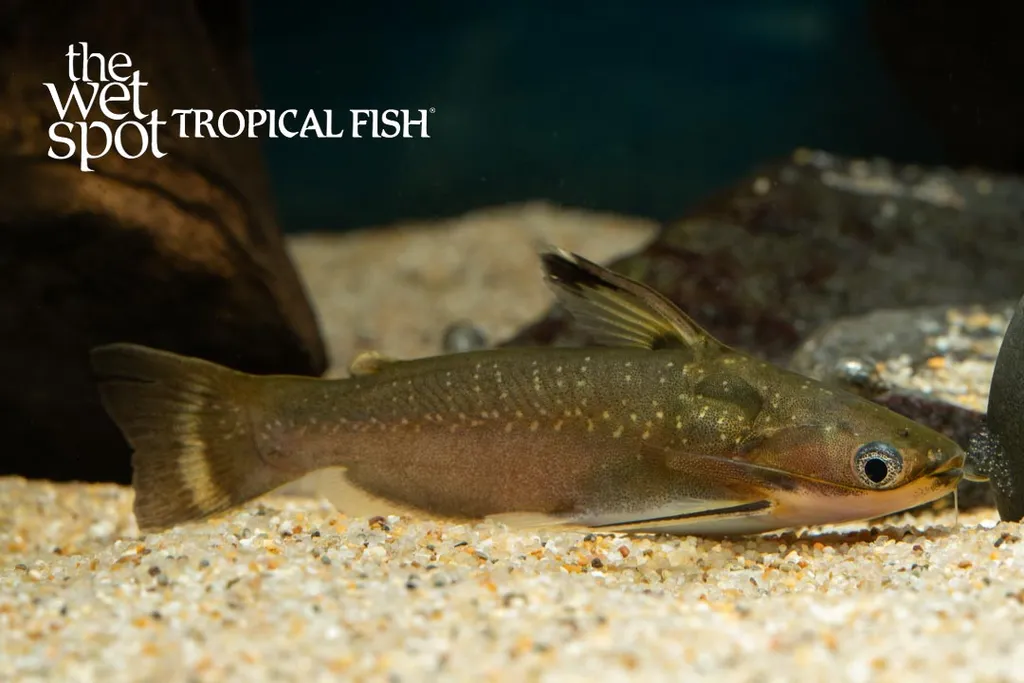 4.3 in (11 cm)20 gal (75 L)72–77°F (22–25°C)
Midnight catfish
Auchenipterichthys coracoideus
4.3 in (11 cm) · 20 gal (75 L)
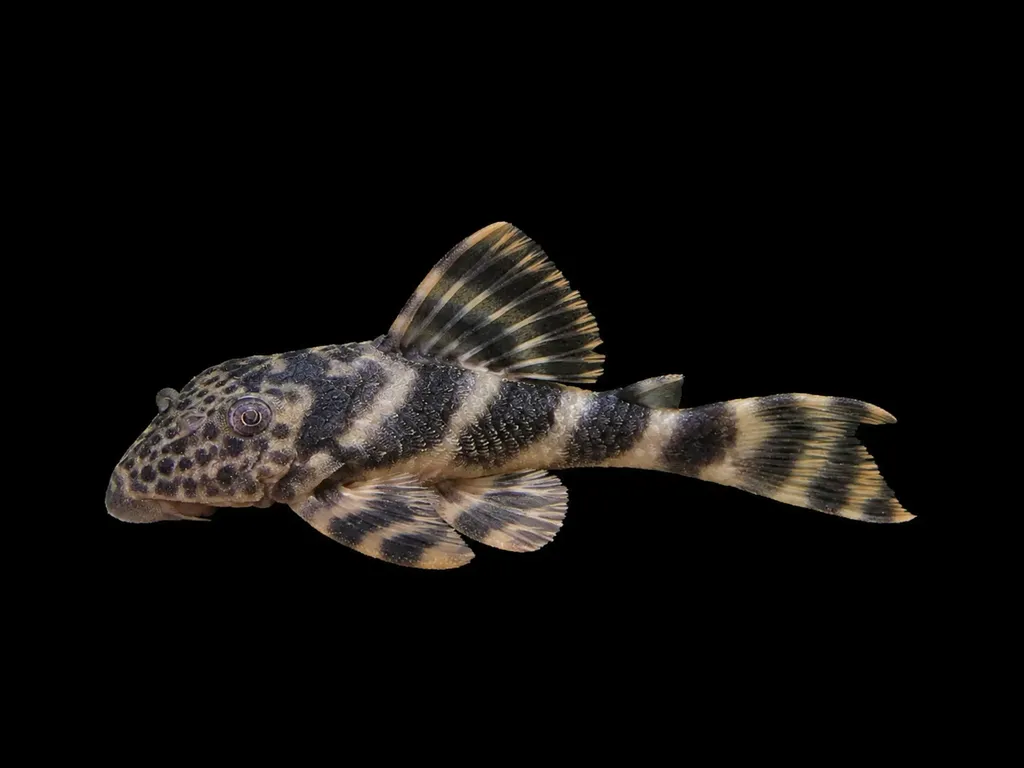 4.3 in (11 cm)29 gal (110 L)77–84°F (25–29°C)
Orinoco dwarf pleco
Peckoltia lineola
4.3 in (11 cm) · 29 gal (110 L)
 4.3 in (11 cm)45 gal (170 L)68–77°F (20–25°C)
Saddle-back loach
Homaloptera orthogoniata
4.3 in (11 cm) · 45 gal (170 L)