Orinoco dwarf pleco
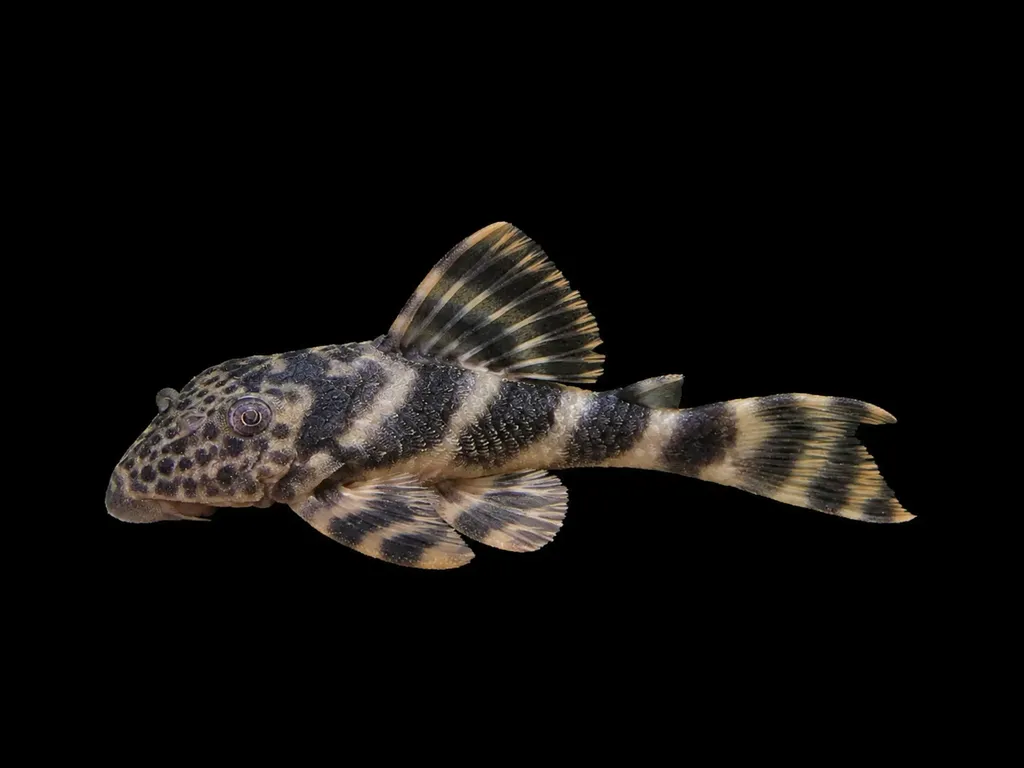
Peckoltia lineola
Also known as L202, Lineola pleco
FreshwaterFish
Care at a glance
- Temperature
- 77–84°F
- 25–29°C
- pH
- 5.5–7.0
- Adult size
- 4.3 in
- 11 cm
- Minimum tank
- 29 gal
- 110 L
- Temperament
- Peaceful
- Social behavior
- Solitary
- Swim level
- Bottom
- Difficulty
- Medium
- Breeding
- Cave spawner · Medium
- Rarity
- Rare
- Family
- Loricariidae
- Origin
- Upper Orinoco, Venezuela
Overview
The Orinoco dwarf pleco is a compact, soft-water pleco for the bottom of a calm community tank. It is a step up from the easiest fish.
Did you know
The species name lineola means small line, but it does not point to the pattern on the Orinoco dwarf pleco's back. The describer named it for fine lines on one of its skull bones, which are easy to miss without a close look.
Caring for the Orinoco dwarf pleco
Give an Orinoco dwarf pleco at least 29 gal (110 L), set up with caves, driftwood and rounded stones. It keeps to the caves and wood and comes out to graze and forage.
Keep the water soft and warm, at 77 to 84°F (25 to 29°C) with a pH of 5.5 to 7.0. Give it a steady but gentle current. This is a riffle fish, and clean, well-oxygenated water keeps it healthy. A varied diet of sinking wafers, pellets and vegetables, with the odd frozen treat, covers its needs.
Keep one to a tank, since it does not need its own kind and males can be territorial in close quarters. It is peaceful toward other fish, so pick small, gentle community fish as tank mates. It spawns in caves, and breeding it is of moderate difficulty.
Good to know
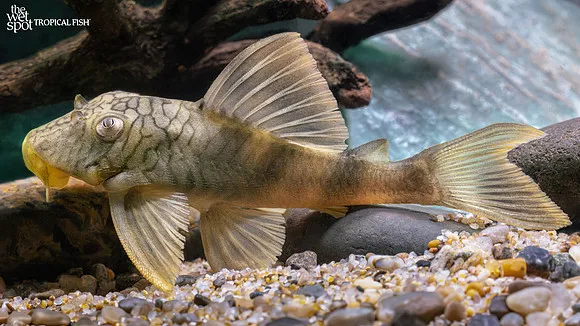
Peckoltia lineola is a small loricariid, marked with fine dark lines and saddles over its back. It is sold as L202. In the wild, the species is listed as Vulnerable.
In the wild
The Orinoco dwarf pleco lives in the Ventuari basin of the upper Orinoco in Venezuela. It is found in rocky riffles with clear, warm, flowing water.
Weekly picks
Tank mates
The Orinoco dwarf pleco is a peaceful, solitary species that keeps to the bottom. These picks share a community profile with it, are safe together in both directions, and overlap on water type, temperature and pH.
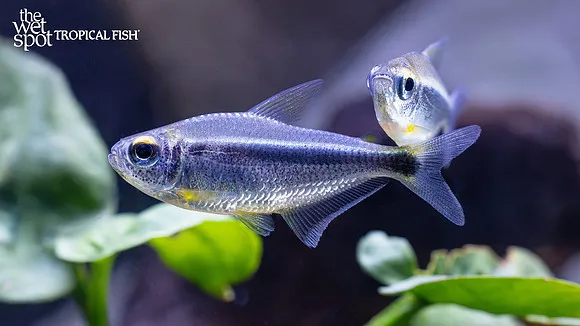
Heiko's tetra
Moenkhausia heikoi
Freshwater3.4 in (8.7 cm) · 29 gal (110 L)75–84°F (24–29°C)
Redfin halfbeak
Nomorhamphus ebrardtii
Freshwater3.5 in (9 cm) · 29 gal (110 L)75–81°F (24–27°C)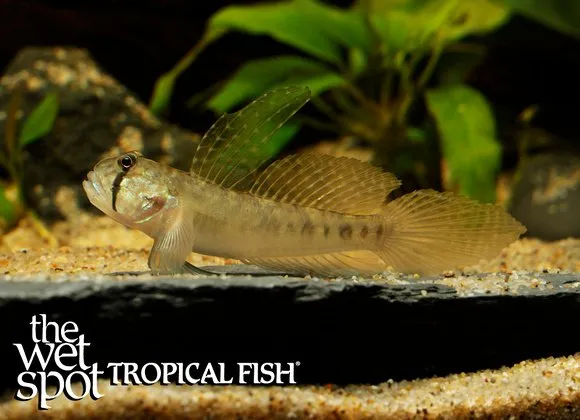
Sharptail goby
Oligolepis acutipennis
Freshwater5.9 in (15 cm) · 29 gal (110 L)75–82°F (24–28°C)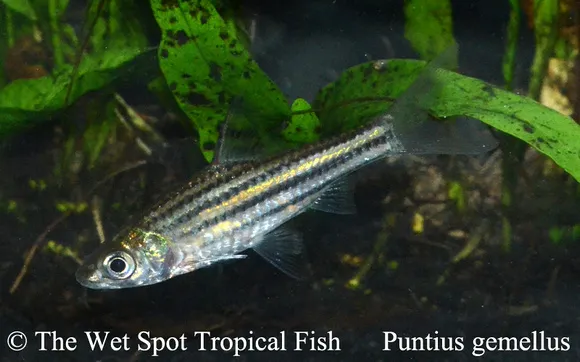
Twin-striped barb
Desmopuntius gemellus
Freshwater3.5 in (9 cm) · 29 gal (110 L)73–82°F (23–28°C)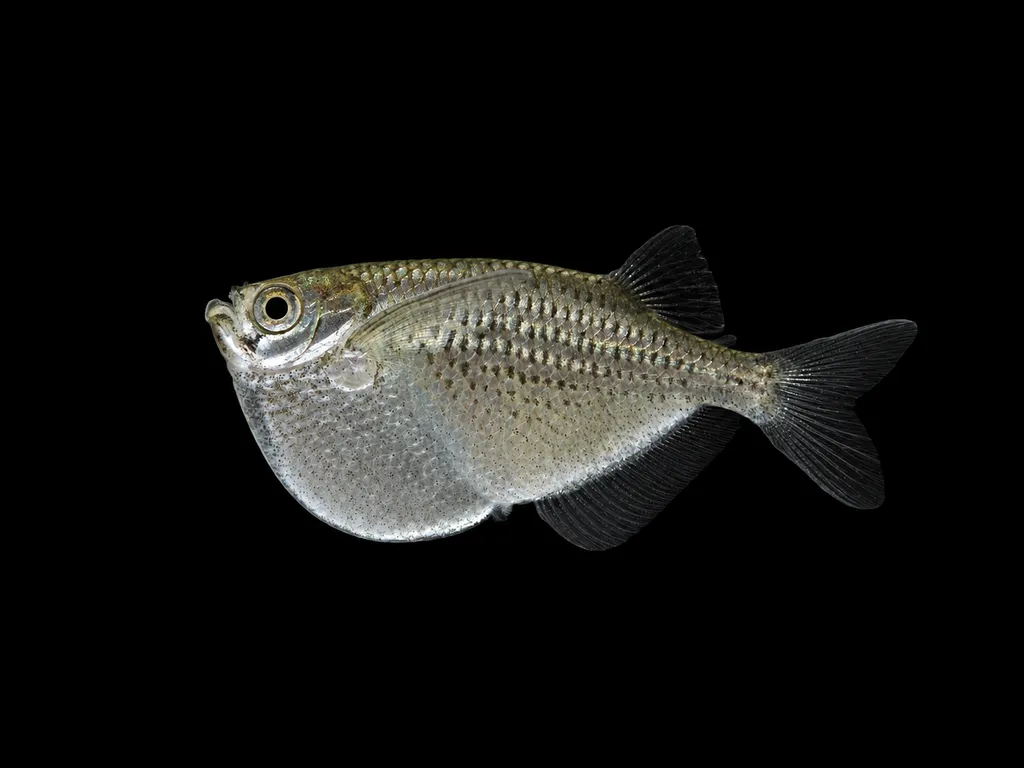
Silver hatchetfish
Gasteropelecus levis
Freshwater1.4 in (3.5 cm) · 30 gal (112 L)73–82°F (23–28°C)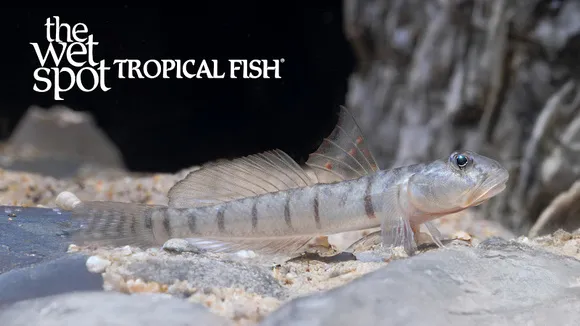
Candy stripe goby
Awaous flavus
Freshwater3.9 in (10 cm) · 29 gal (110 L)75–82°F (24–28°C)
Common questions
What size tank does an Orinoco dwarf pleco need?
An Orinoco dwarf pleco needs at least 29 gal (110 L). It spends most of its time in the bottom.
What temperature and pH does an Orinoco dwarf pleco need?
An Orinoco dwarf pleco is comfortable at 77–84°F (25–29°C) with a pH of 5.5–7.0.
What does an Orinoco dwarf pleco eat?
An Orinoco dwarf pleco eats sinking wafers, pellets and vegetables, plus the odd frozen treat. A varied mix of these foods covers its needs.
How big does an Orinoco dwarf pleco get?
An adult Orinoco dwarf pleco reaches about 4.3 in (11 cm).
How does an Orinoco dwarf pleco breed?
The Orinoco dwarf pleco spawns in caves. Breeding it is of moderate difficulty.
Related species
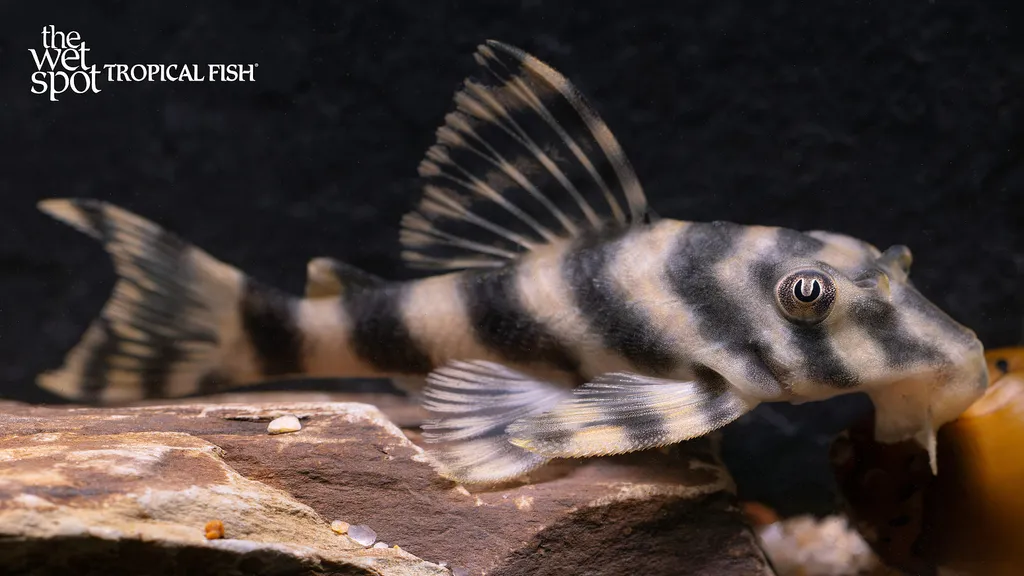 4.7 in (12 cm)30 gal (115 L)77–84°F (25–29°C)
Candy striped pleco (L015)
Peckoltia vittata
4.7 in (12 cm) · 30 gal (115 L)
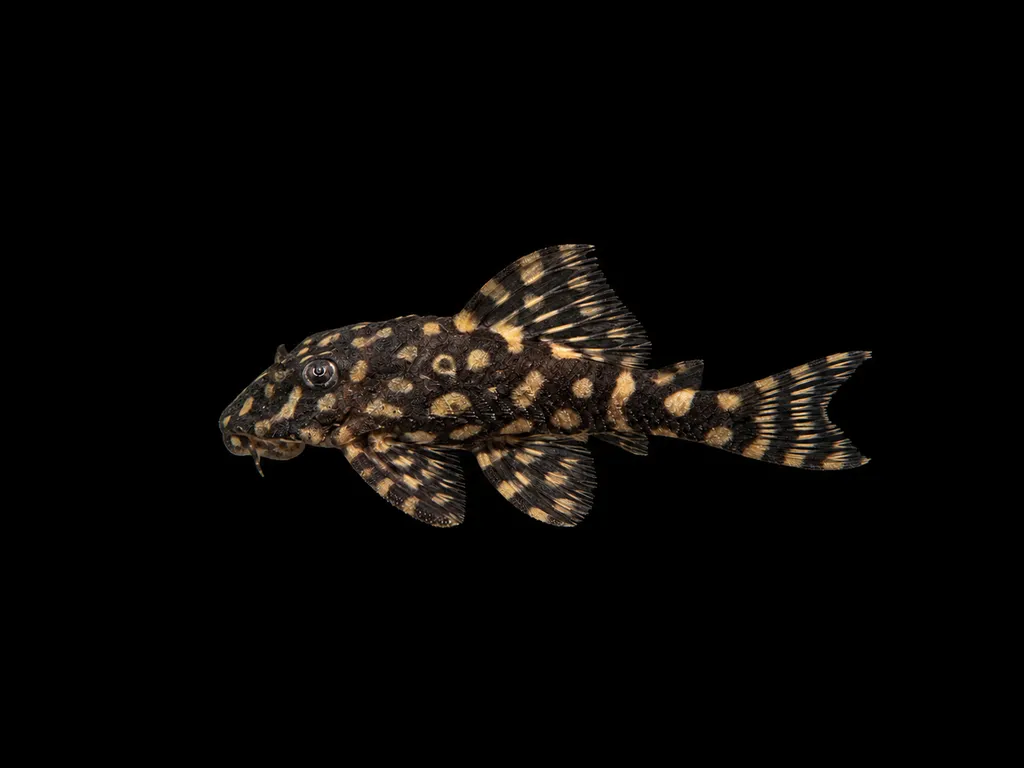 5.1 in (13 cm)42 gal (160 L)77–84°F (25–29°C)
Spotted tiger pleco
Peckoltia brevis
5.1 in (13 cm) · 42 gal (160 L)
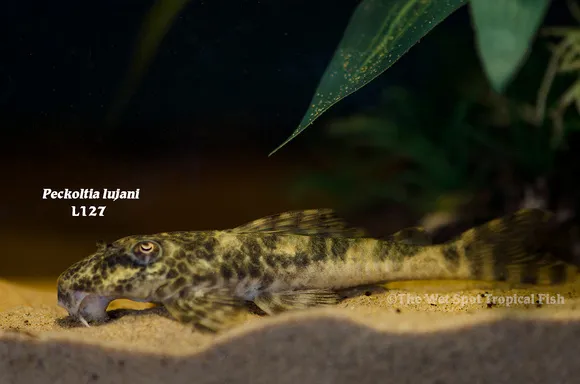 3.5 in (9 cm)29 gal (110 L)77–84°F (25–29°C)
Orinoco peckoltia
Peckoltia lujani
3.5 in (9 cm) · 29 gal (110 L)
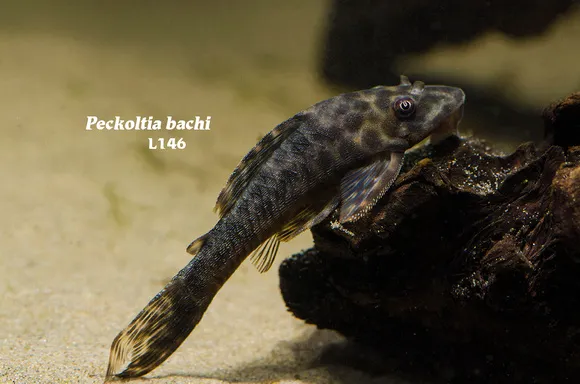 5.5 in (14 cm)53 gal (200 L)77–84°F (25–29°C)
Bola pleco
Peckoltia bachi
5.5 in (14 cm) · 53 gal (200 L)
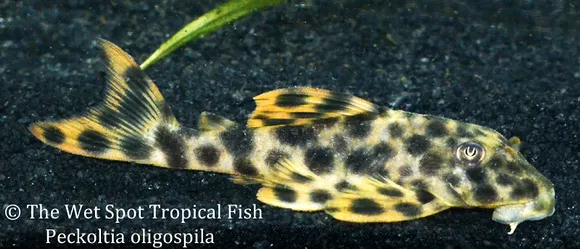 5.9 in (15 cm)42 gal (160 L)77–84°F (25–29°C)
Brown dot peckoltia
Peckoltia oligospila
5.9 in (15 cm) · 42 gal (160 L)
 5.9 in (15 cm)53 gal (200 L)77–84°F (25–29°C)
Imperial coal pleco
Peckoltia pankimpuju
5.9 in (15 cm) · 53 gal (200 L)