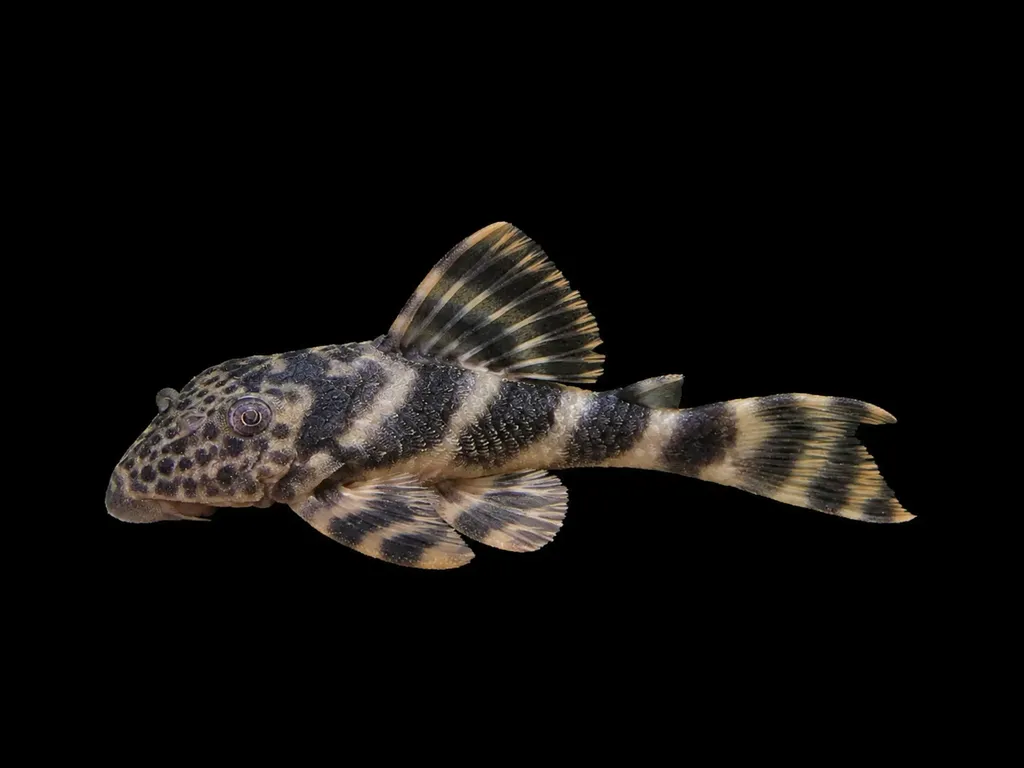
Imperial coal pleco
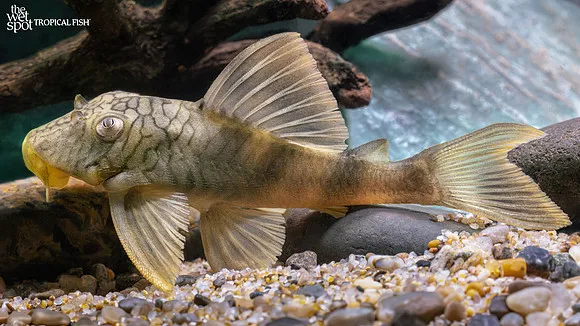
Peckoltia pankimpuju
Also known as L350, Coal pleco
FreshwaterFish
Care at a glance
- Temperature
- 77–84°F
- 25–29°C
- pH
- 6.0–7.4
- Adult size
- 5.9 in
- 15 cm
- Minimum tank
- 53 gal
- 200 L
- Temperament
- Peaceful
- Social behavior
- Solitary
- Swim level
- Bottom
- Diet
- Omnivore
- Difficulty
- Medium
- Breeding
- Egg layer · Medium
- Rarity
- Rare
- Family
- Loricariidae
- Origin
- Marañón basin, Peru
Overview
The imperial coal pleco is a slender, peaceful pleco for a dim, shaded tank. It is best with a little experience.
Did you know
The imperial coal pleco's name, pankimpuju, comes from the Aguaruna language of Peru and means beautiful white. It describes the see-through deepwater form, which has so little pigment that its pink muscle shows through the skin.
Caring for the imperial coal pleco
Give the imperial coal pleco a tank of at least 53 gal (200 L), full of driftwood, with a sand floor. It is most comfortable under subdued lighting with plenty of cover. By day it rests in the shade of wood or a cave. The trailing fins and pale body show best against a dark, shaded layout.
Keep the water warm, soft to neutral and very clean, at 77 to 84°F (25 to 29°C) with a pH of 6.0 to 7.4. Give it gentle, clean flow.
It is an omnivore that takes sinking pellets, wafers, vegetables and frozen foods. It also grazes biofilm from wood and stone.
Keep it singly. It is peaceful and keeps to itself, so pair it only with calm tank mates. It is an egg layer of moderate breeding difficulty.
Good to know
Peckoltia pankimpuju is a loricariid that carries the code L350, and it was described in 2008. It comes in a dark coal-gray form and a ghostly deepwater form that is almost translucent white, with long, trailing tail filaments.
In the wild
The imperial coal pleco lives in the Marañón basin of Peru, in deep, dimly lit river channels.
Weekly picks
Tank mates
The imperial coal pleco is a peaceful, solitary species that keeps to the bottom. These picks share a community profile with it, are safe together in both directions, and overlap on water type, temperature and pH.
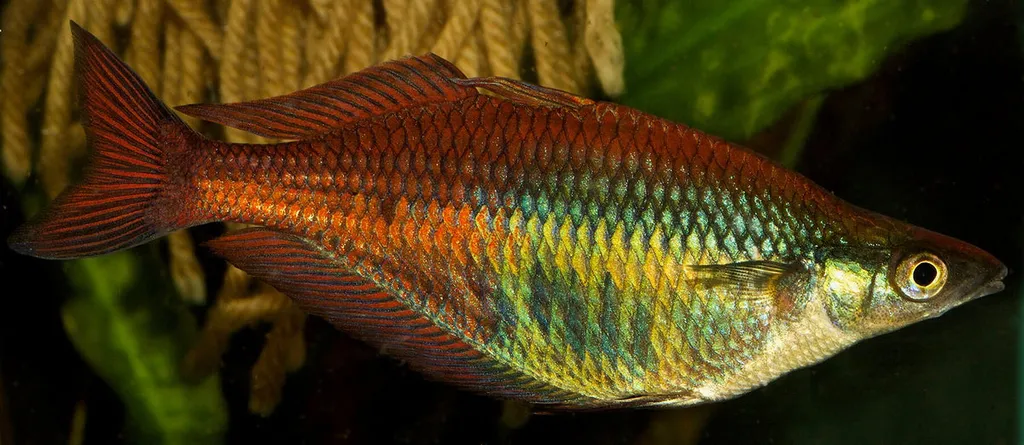
Barred rainbowfish
Chilatherina fasciata
Freshwater4.7 in (12 cm) · 53 gal (200 L)75–86°F (24–30°C)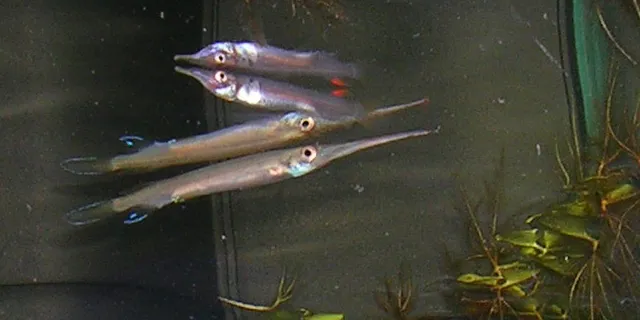
Forest halfbeak
Hemirhamphodon pogonognathus
Freshwater3.5 in (9 cm) · 34 gal (130 L)75–82°F (24–28°C)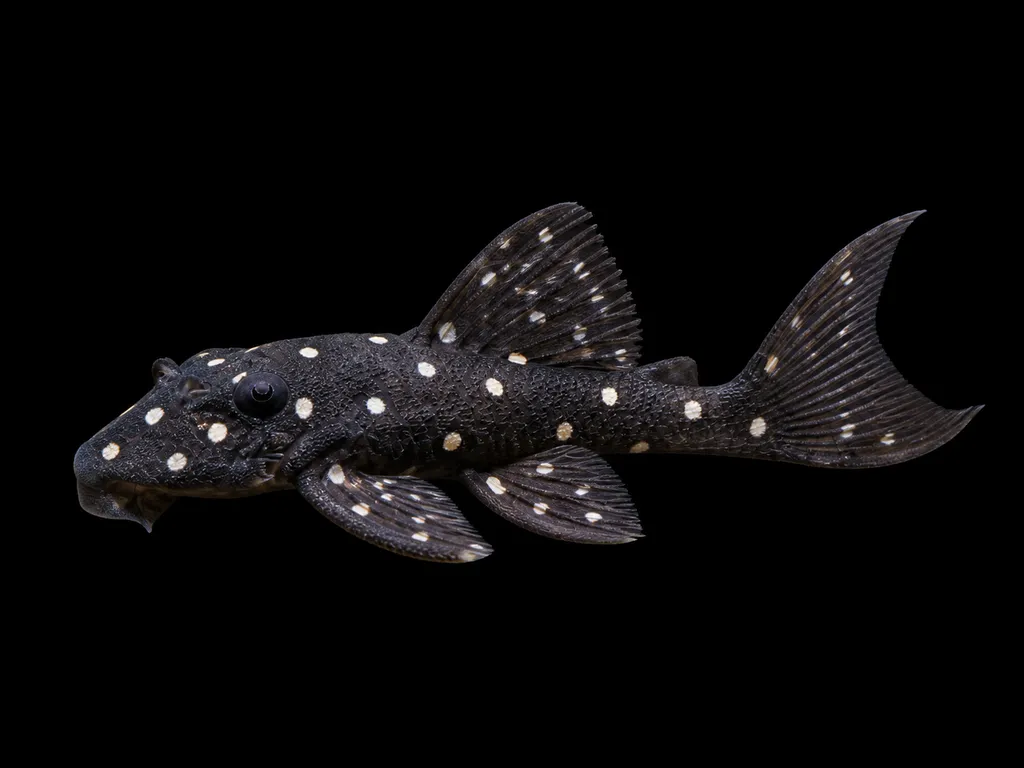
Galaxy panaqolus
Panaqolus albomaculatus
Freshwater5.5 in (14 cm) · 53 gal (200 L)77–84°F (25–29°C)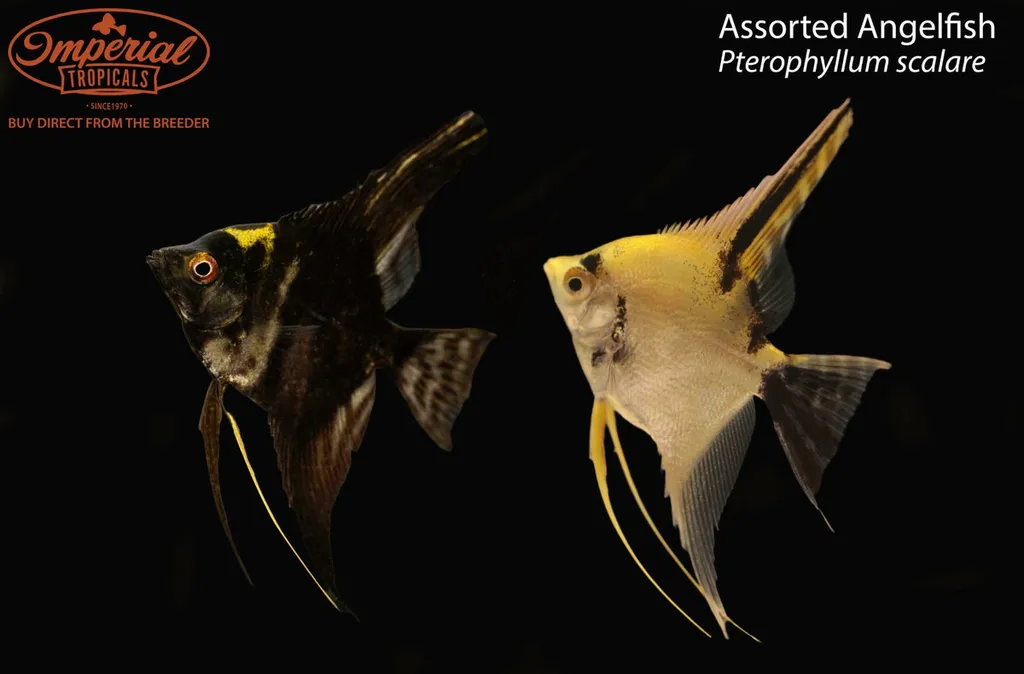
Angelfish
Pterophyllum scalare
Freshwater5.9 in (15 cm) · 53 gal (200 L)75–86°F (24–30°C)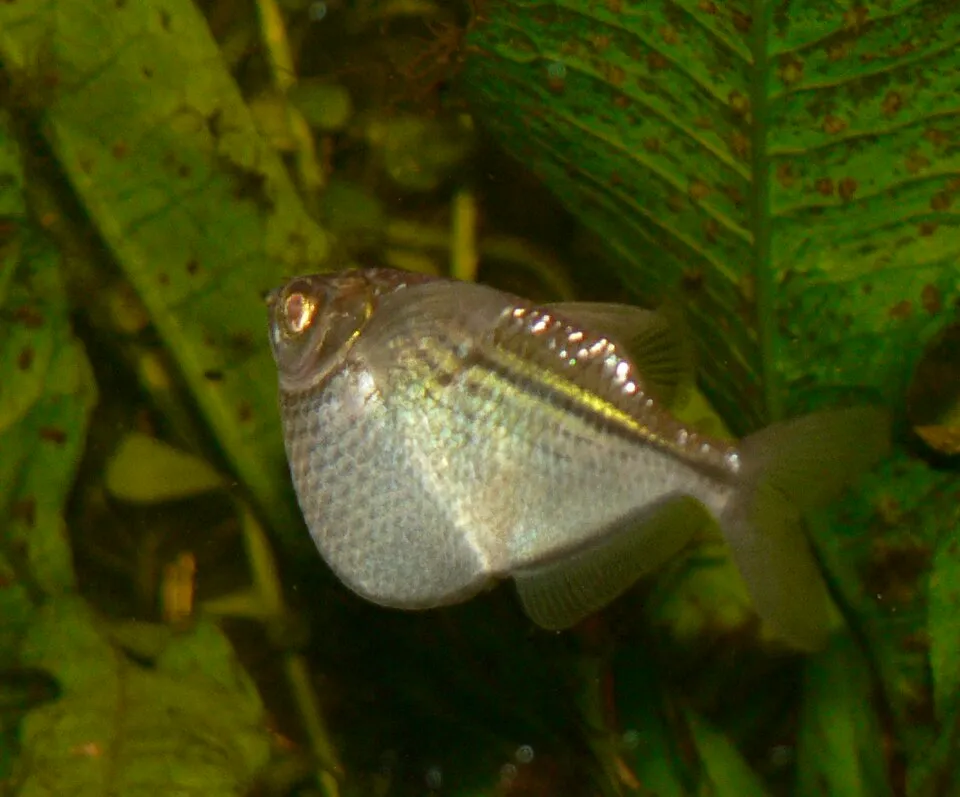
Common hatchetfish
Gasteropelecus sternicla
Freshwater1.6 in (4 cm) · 33 gal (125 L)68–82°F (20–28°C)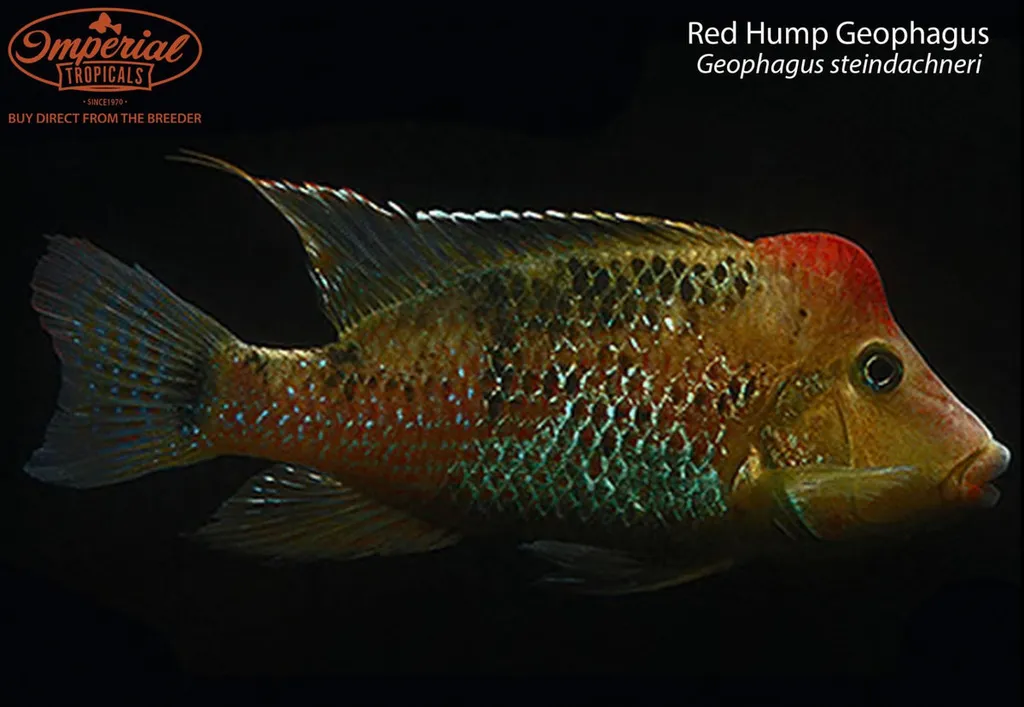
Red hump eartheater
Geophagus steindachneri
Freshwater5.9 in (15 cm) · 53 gal (200 L)72–82°F (22–28°C)
Common questions
What size tank does an imperial coal pleco need?
An imperial coal pleco needs at least 53 gal (200 L). It spends most of its time in the bottom.
What temperature and pH does an imperial coal pleco need?
An imperial coal pleco is comfortable at 77–84°F (25–29°C) with a pH of 6.0–7.4.
What does an imperial coal pleco eat?
An imperial coal pleco is an omnivore that takes sinking pellets, wafers, vegetables and frozen foods. It also grazes biofilm from wood and stone.
How big does an imperial coal pleco get?
An adult imperial coal pleco reaches about 5.9 in (15 cm).
How does an imperial coal pleco breed?
An imperial coal pleco lays eggs. Breeding it is of moderate difficulty.
Related species
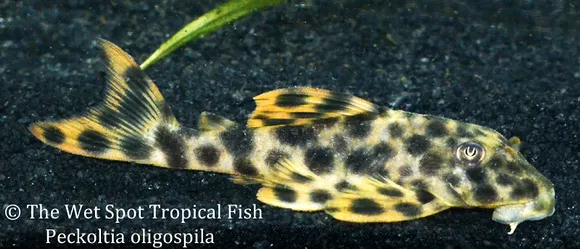 5.9 in (15 cm)42 gal (160 L)77–84°F (25–29°C)
Brown dot peckoltia
Peckoltia oligospila
5.9 in (15 cm) · 42 gal (160 L)
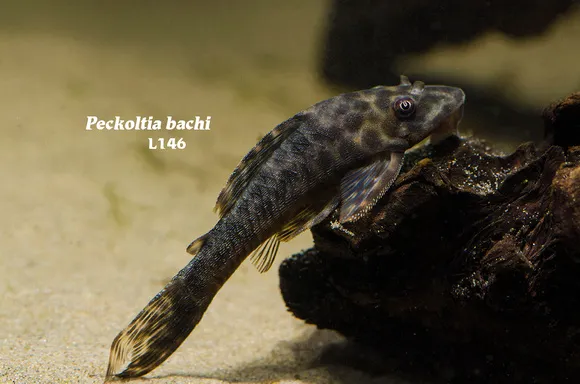 5.5 in (14 cm)53 gal (200 L)77–84°F (25–29°C)
Bola pleco
Peckoltia bachi
5.5 in (14 cm) · 53 gal (200 L)
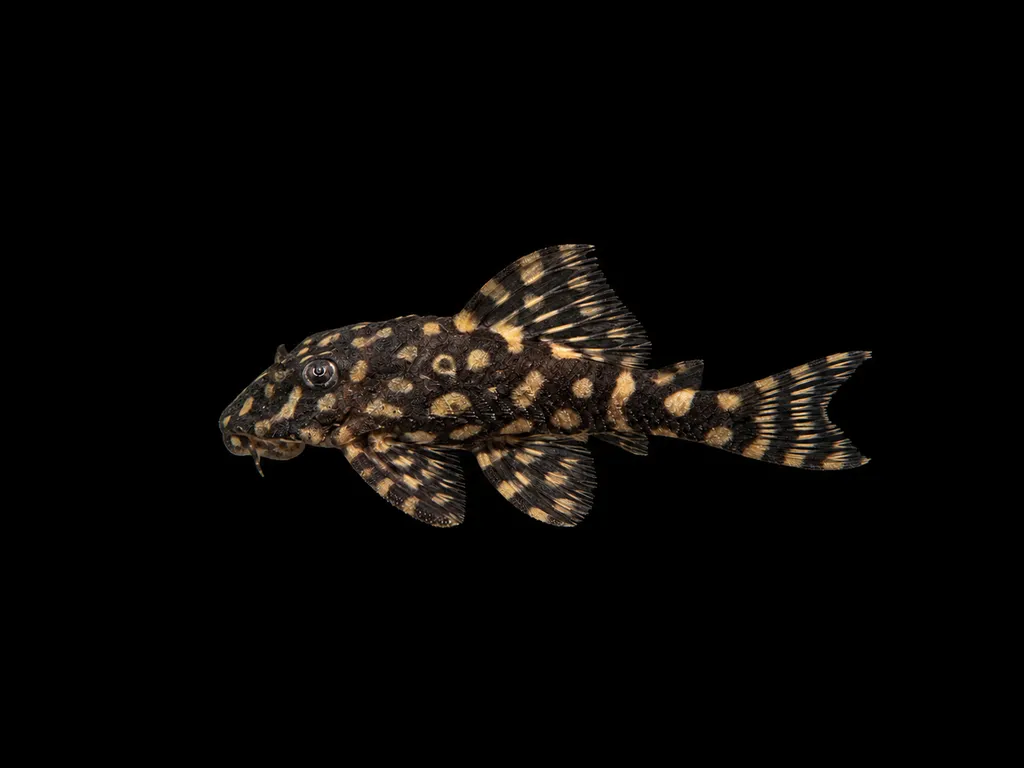 5.1 in (13 cm)42 gal (160 L)77–84°F (25–29°C)
Spotted tiger pleco
Peckoltia brevis
5.1 in (13 cm) · 42 gal (160 L)
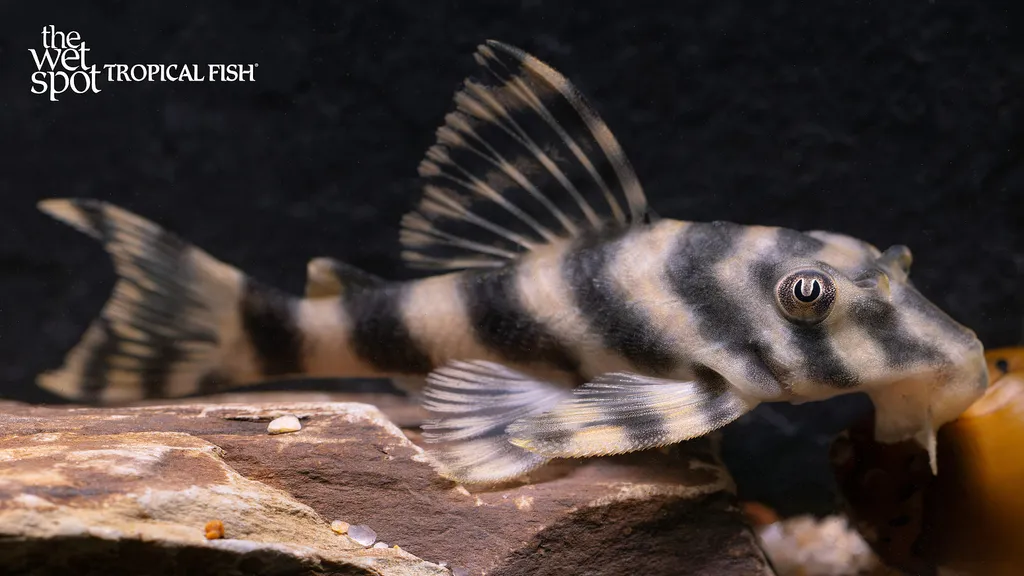 4.7 in (12 cm)30 gal (115 L)77–84°F (25–29°C)
Candy striped pleco (L015)
Peckoltia vittata
4.7 in (12 cm) · 30 gal (115 L)
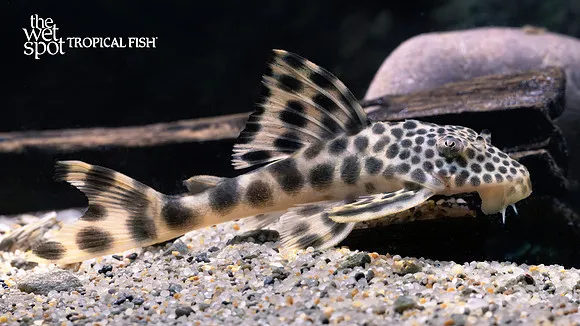 7.9 in (20 cm)66 gal (250 L)77–84°F (25–29°C)
Para pleco
Peckoltia sabaji
7.9 in (20 cm) · 66 gal (250 L)
 4.3 in (11 cm)29 gal (110 L)77–84°F (25–29°C)
Orinoco dwarf pleco
Peckoltia lineola
4.3 in (11 cm) · 29 gal (110 L)