Para pleco
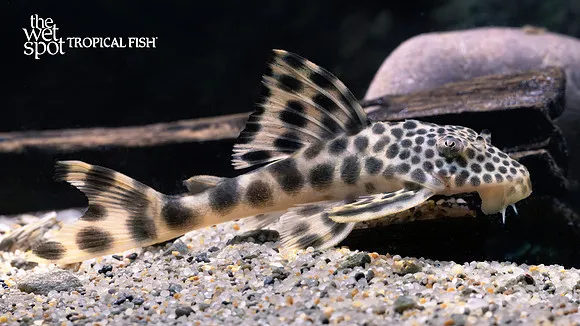
Peckoltia sabaji
Also known as L075, L124, LDA02, Sabaj's peckoltia
FreshwaterFish
Care at a glance
- Temperature
- 77–84°F
- 25–29°C
- pH
- 6.0–7.4
- Adult size
- 7.9 in
- 20 cm
- Minimum tank
- 66 gal
- 250 L
- Temperament
- Peaceful
- Social behavior
- Solitary
- Swim level
- Bottom
- Diet
- Omnivore
- Difficulty
- Medium
- Breeding
- Cave spawner · Medium
- Rarity
- Rare
- Family
- Loricariidae
- Origin
- Guiana Shield and lower Amazon rivers
Overview
The Para pleco is a hardy, good-natured Peckoltia that stays a manageable size. It is best with a little experience.
Did you know
The Para pleco keeps several catalogs busy. It is sold as L075, L124 and LDA02, code names given to fish collected at different points from Guyana down into Brazil. All of them are the same catfish.
Caring for the Para pleco
Give a Para pleco at least 66 gal (250 L) for a single adult. Build its tank around a pile of smooth rounded rocks and driftwood that make caves and shaded gaps, with sand below. It works the bottom by night and shelters in the rockwork and wood.
Keep the water warm, at 77 to 84°F (25 to 29°C), and mildly acidic to neutral at pH 6.0 to 7.4. Use strong filtration to keep the flow brisk and the oxygen high.
Feed it as an omnivore. Offer sinking pellets and wafers, blanched vegetables such as zucchini, and regular frozen foods like bloodworm and chopped prawn.
The Para pleco is solitary by temperament, and adults defend a home stone. Keep one to a tank unless you can offer a large footprint with many caves and visual barriers. It is peaceful toward other fish and settles into most warm communities.
It is a cave spawner, and breeding it is of moderate difficulty. A male occupies a tight cave, and the female deposits her eggs inside. He tends them until the fry can fend for themselves.
Good to know
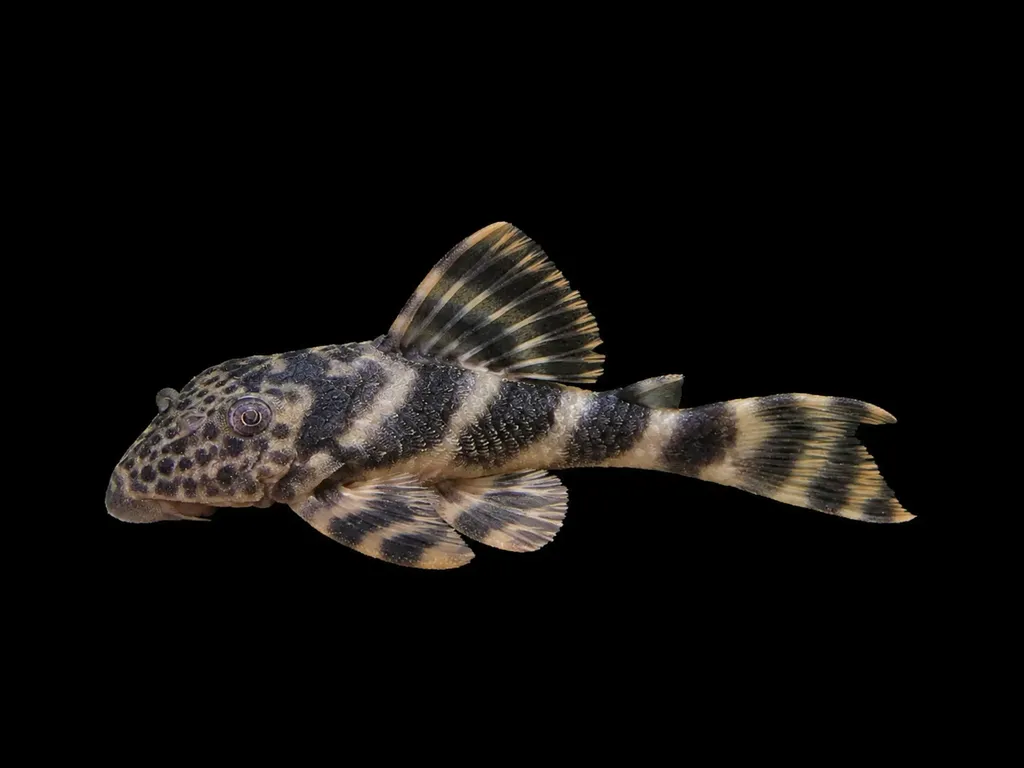
Peckoltia sabaji is a catfish in the family Loricariidae, cream to gold with neat leopard spotting. It is named for the American ichthyologist Mark Sabaj, who has collected widely in South American rivers.
In the wild
The Para pleco lives across the Guiana Shield and lower Amazon. It hides among rocks and crevices in fast, clear, well-oxygenated water over sand and stone.
Weekly picks
Tank mates
The Para pleco is a peaceful, solitary species that keeps to the bottom. These picks share a community profile with it, are safe together in both directions, and overlap on water type, temperature and pH.
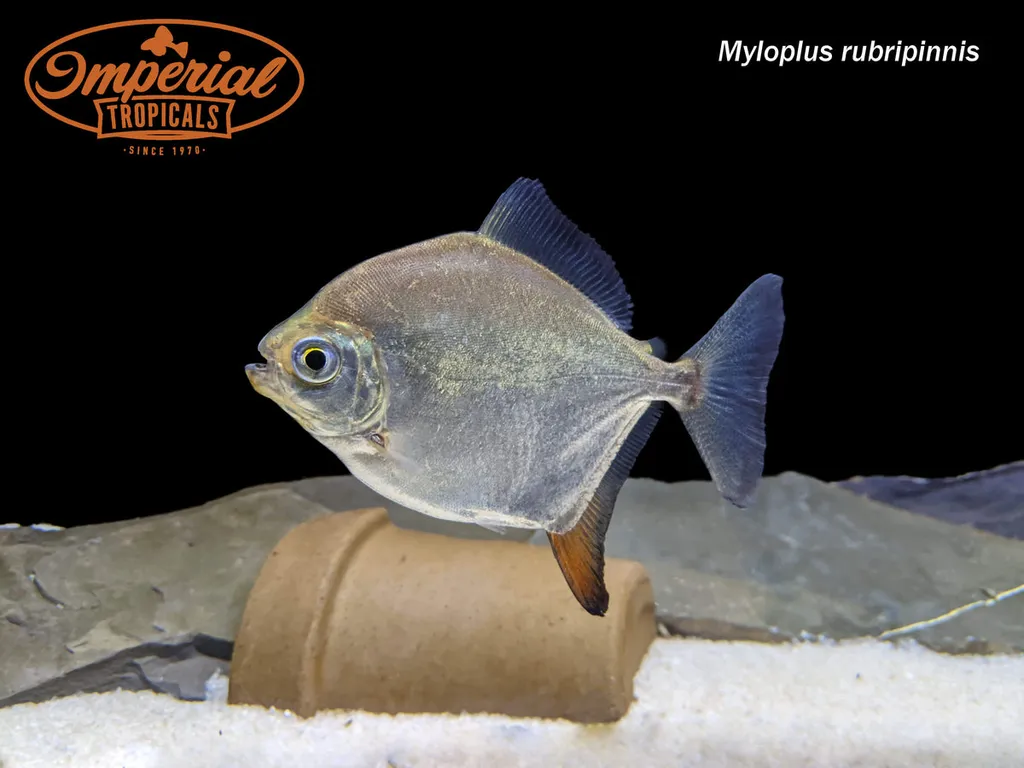
Redhook
Myloplus rubripinnis
Freshwater9.8 in (25 cm) · 70 gal (265 L)73–81°F (23–27°C)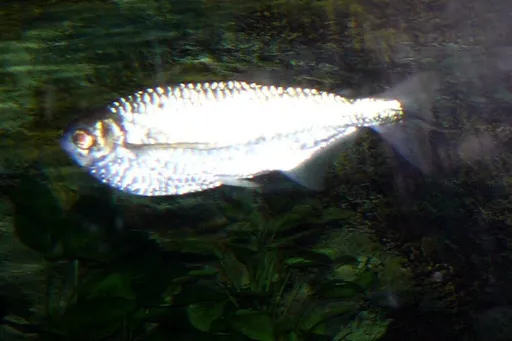
Narrow hatchetfish
Triportheus angulatus
Freshwater9.8 in (25 cm) · 79 gal (300 L)73–82°F (23–28°C)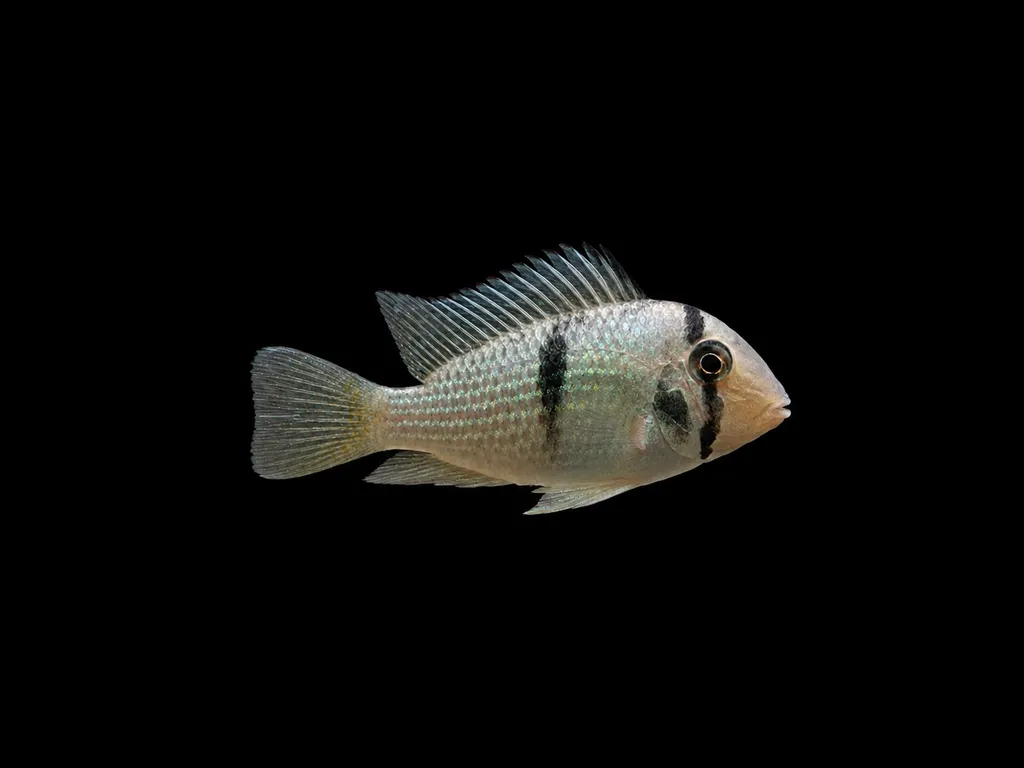
Teardrop guianacara
Guianacara dacrya
Freshwater5.5 in (14 cm) · 66 gal (250 L)77–84°F (25–29°C)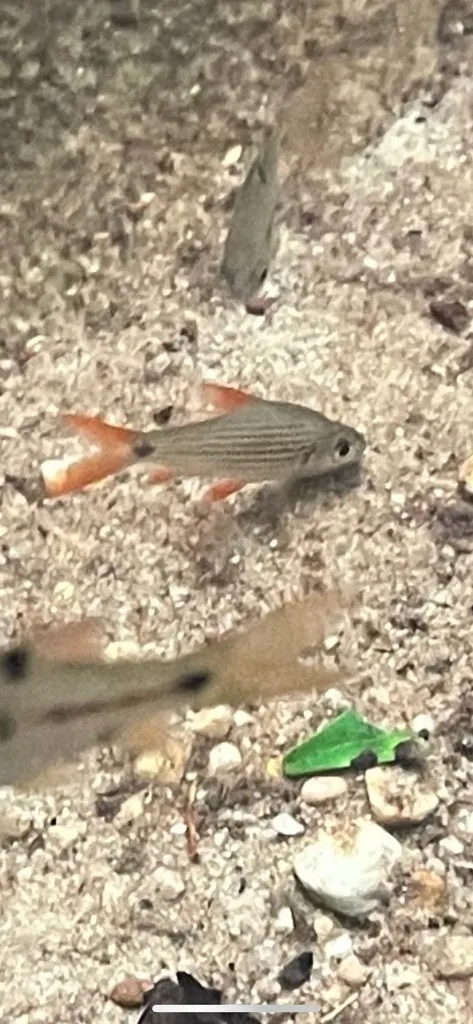
Beardless barb
Cyclocheilichthys apogon
Freshwater7.9 in (20 cm) · 66 gal (250 L)72–82°F (22–28°C)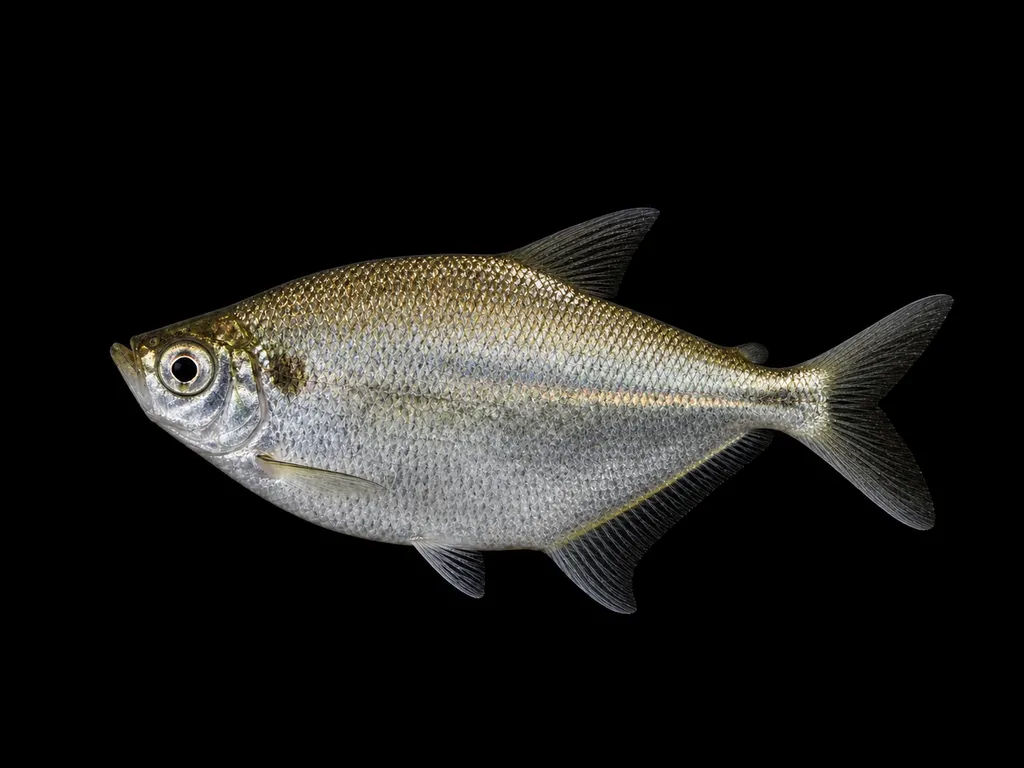
Giant river hatchetfish
Triportheus rotundatus
Freshwater9.8 in (25 cm) · 79 gal (300 L)73–82°F (23–28°C)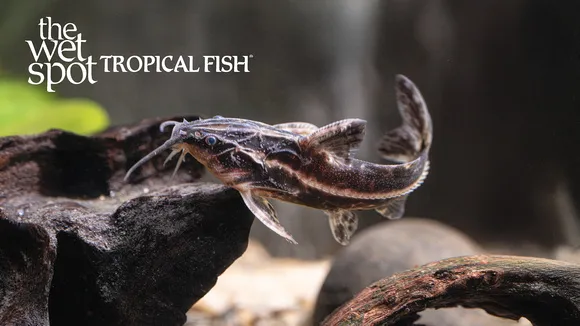
Orinoco talking catfish
Orinocodoras eigenmanni
Freshwater7.9 in (20 cm) · 70 gal (265 L)73–82°F (23–28°C)
Common questions
What size tank does a Para pleco need?
A Para pleco needs at least 66 gal (250 L). It spends most of its time in the bottom.
What temperature and pH does a Para pleco need?
A Para pleco is comfortable at 77–84°F (25–29°C) with a pH of 6.0–7.4.
What does a Para pleco eat?
A Para pleco is an omnivore. It eats sinking pellets and wafers, blanched vegetables such as zucchini, and regular frozen foods like bloodworm and chopped prawn.
How big does a Para pleco get?
An adult Para pleco reaches about 7.9 in (20 cm).
How does a Para pleco breed?
The Para pleco is a cave spawner of moderate difficulty. A male occupies a tight cave, and the female deposits her eggs inside. He tends them until the fry can fend for themselves.
Related species
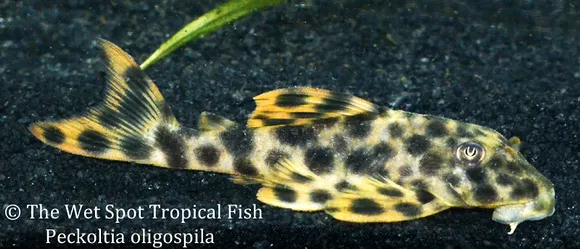 5.9 in (15 cm)42 gal (160 L)77–84°F (25–29°C)
Brown dot peckoltia
Peckoltia oligospila
5.9 in (15 cm) · 42 gal (160 L)
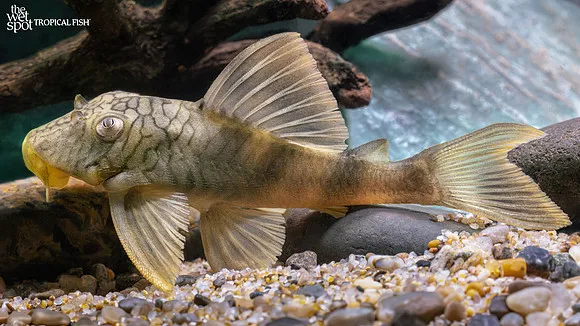 5.9 in (15 cm)53 gal (200 L)77–84°F (25–29°C)
Imperial coal pleco
Peckoltia pankimpuju
5.9 in (15 cm) · 53 gal (200 L)
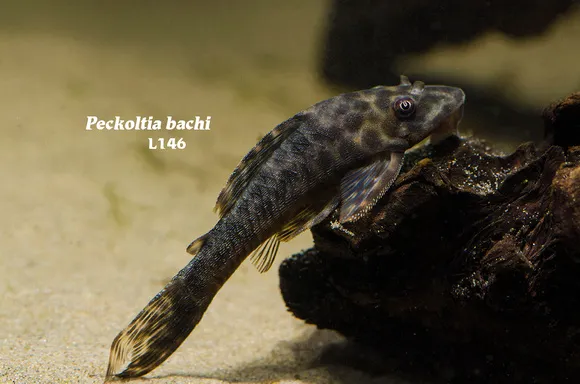 5.5 in (14 cm)53 gal (200 L)77–84°F (25–29°C)
Bola pleco
Peckoltia bachi
5.5 in (14 cm) · 53 gal (200 L)
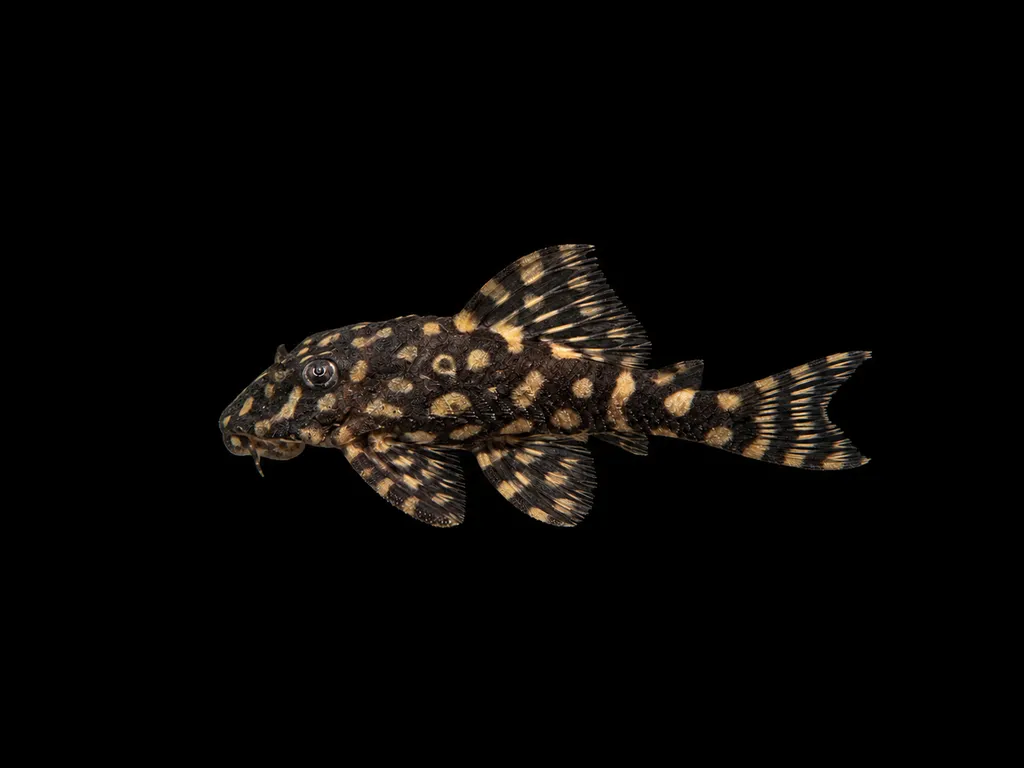 5.1 in (13 cm)42 gal (160 L)77–84°F (25–29°C)
Spotted tiger pleco
Peckoltia brevis
5.1 in (13 cm) · 42 gal (160 L)
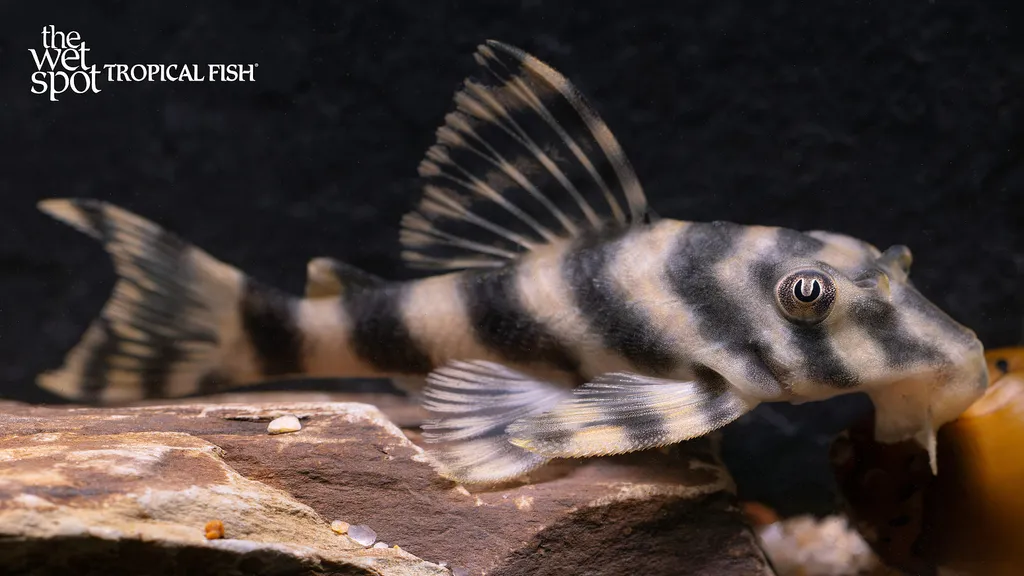 4.7 in (12 cm)30 gal (115 L)77–84°F (25–29°C)
Candy striped pleco (L015)
Peckoltia vittata
4.7 in (12 cm) · 30 gal (115 L)
 4.3 in (11 cm)29 gal (110 L)77–84°F (25–29°C)
Orinoco dwarf pleco
Peckoltia lineola
4.3 in (11 cm) · 29 gal (110 L)