Orinoco talking catfish
Orinocodoras eigenmanni
Also known as Long-nosed raphael
FreshwaterFish
Care at a glance
- Temperature
- 73–82°F
- 23–28°C
- pH
- 6.0–7.5
- Adult size
- 7.9 in
- 20 cm
- Minimum tank
- 70 gal
- 265 L
- Temperament
- Peaceful
- Social behavior
- Social
- Swim level
- Bottom
- Difficulty
- Medium
- Breeding
- No record
- Rarity
- Rare
- Family
- Doradidae
- Origin
- Orinoco basin, Venezuela and Colombia
Overview
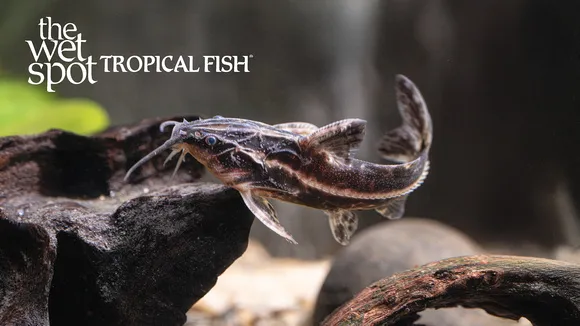
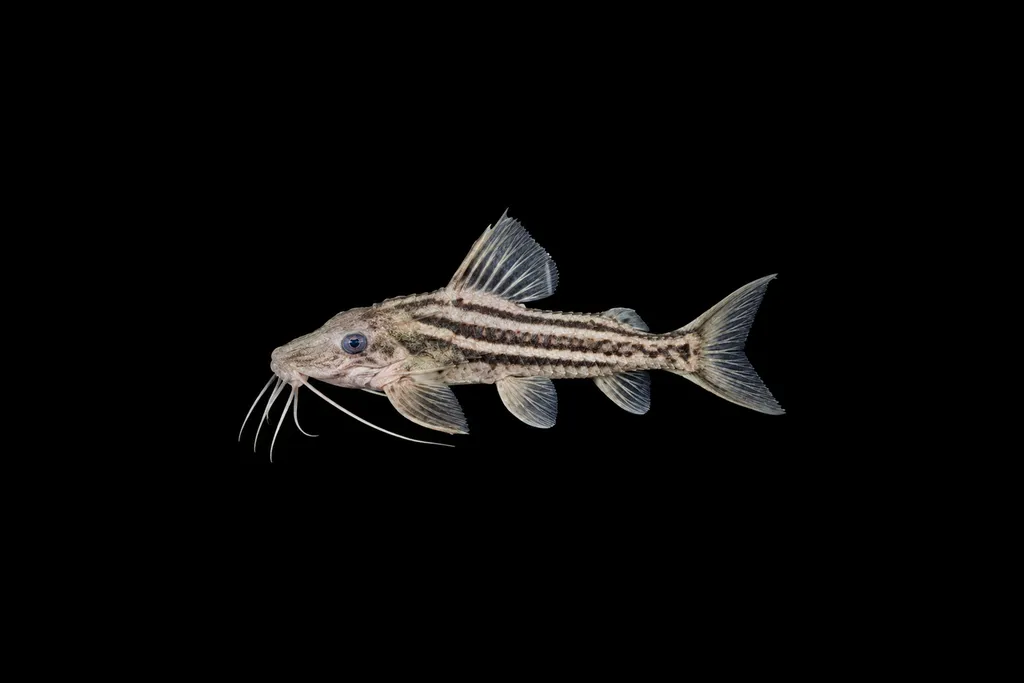
The Orinoco talking catfish is a striped, secretive raphael-like catfish that hides by day and works the bottom for food at night. It is peaceful and a step up from the easiest catfish.
Did you know
The Orinoco talking catfish is the only fish in its entire genus. In a mixed shipment of raphael catfish, the easiest way to pick it out is its longer, more tapered snout.
Caring for the Orinoco talking catfish
Keep the Orinoco talking catfish in a tank of at least 70 gal (265 L), with room for its slow nightly rounds. Lay a soft sand bed that will not wear its barbels. Add driftwood, pipes or caves for daytime cover, and keep the lighting subdued.
Aim for soft to neutral water at 73 to 82°F (23 to 28°C) and a pH of 6.0 to 7.5. Give it gentle flow and regular maintenance, and add blackwater touches such as leaf litter. Feed sinking pellets, wafers and frozen foods once the lights dim.
It is gregarious rather than solitary, so it keeps well alone or in a small group. It will not trouble tank mates too big to swallow. No aquarium breeding has been recorded for it.
Good to know
This thorny catfish looks much like the striped raphael. It was described by George Myers in 1927. It carries the armored scutes and spine-stridulating call of its family, Doradidae.
In the wild
Orinocodoras eigenmanni lives in the Orinoco basin across Venezuela and Colombia, including the slow, wood-filled rivers of the llanos.
Weekly picks
Tank mates
The Orinoco talking catfish is a peaceful, social species that keeps to the bottom. These picks share a community profile with it, are safe together in both directions, and overlap on water type, temperature and pH.
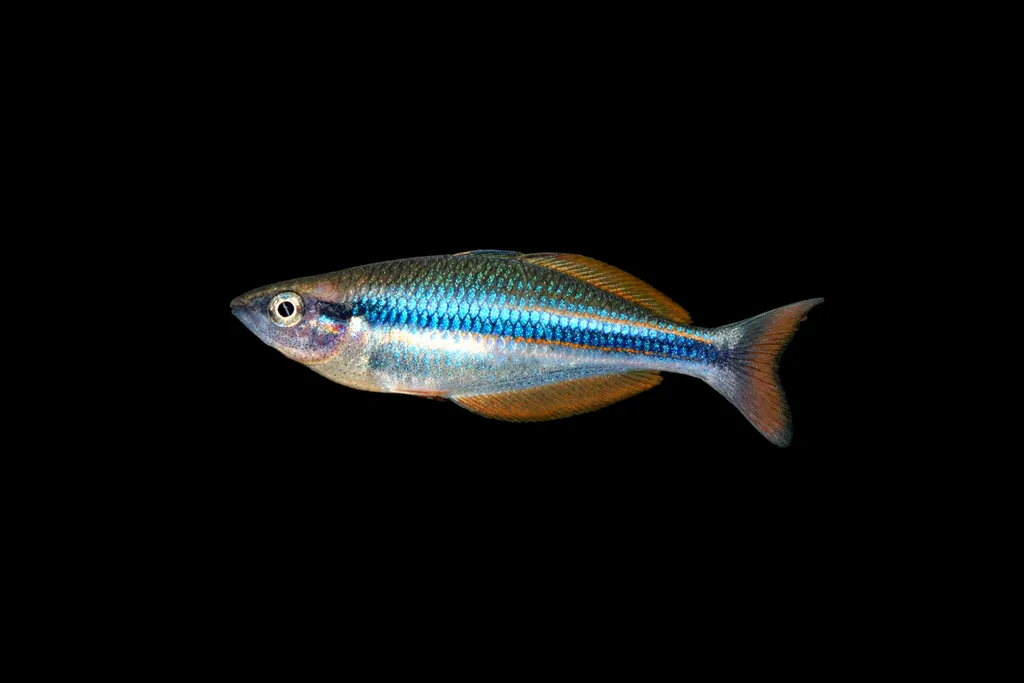
Van Heurn's rainbowfish
Melanotaenia vanheurni
Freshwater7.3 in (18.5 cm) · 66 gal (250 L)73–82°F (23–28°C)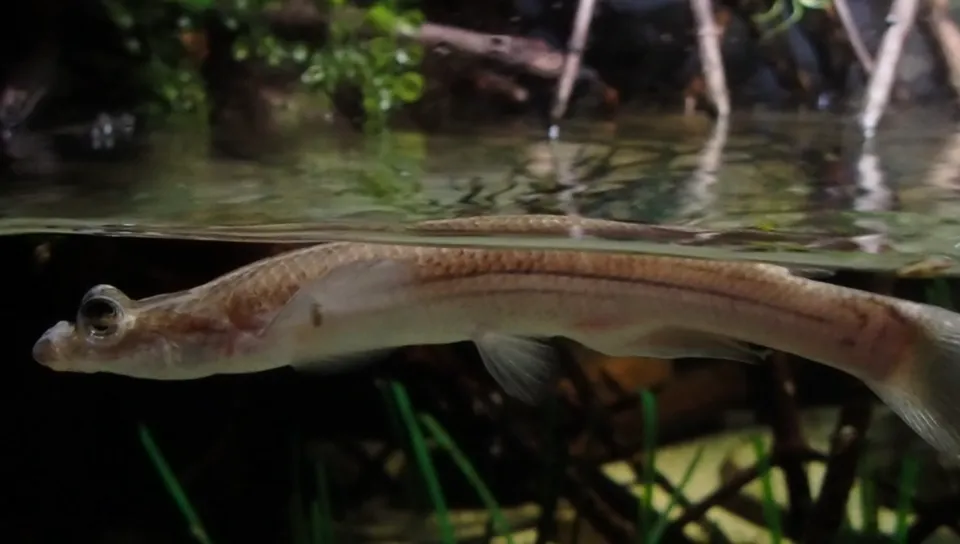
Largescale four-eyed fish
Anableps anableps
FreshwaterBrackish11.8 in (30 cm) · 70 gal (265 L)77–88°F (25–31°C)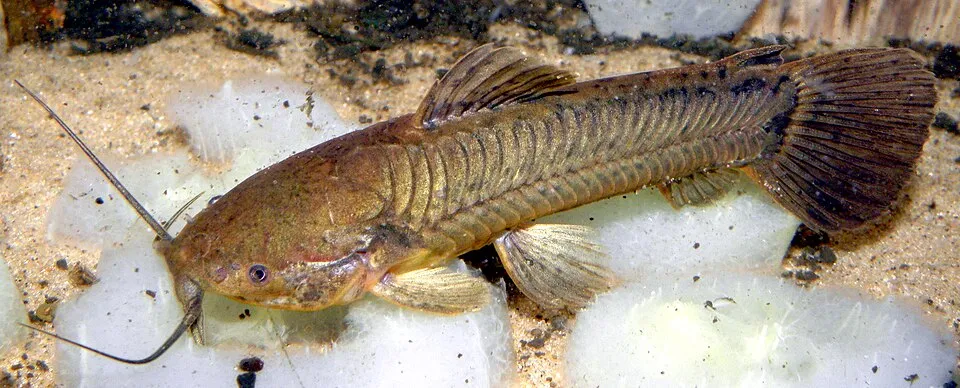
Cascarudo
Callichthys callichthys
Freshwater7.9 in (20 cm) · 63 gal (240 L)66–81°F (19–27°C)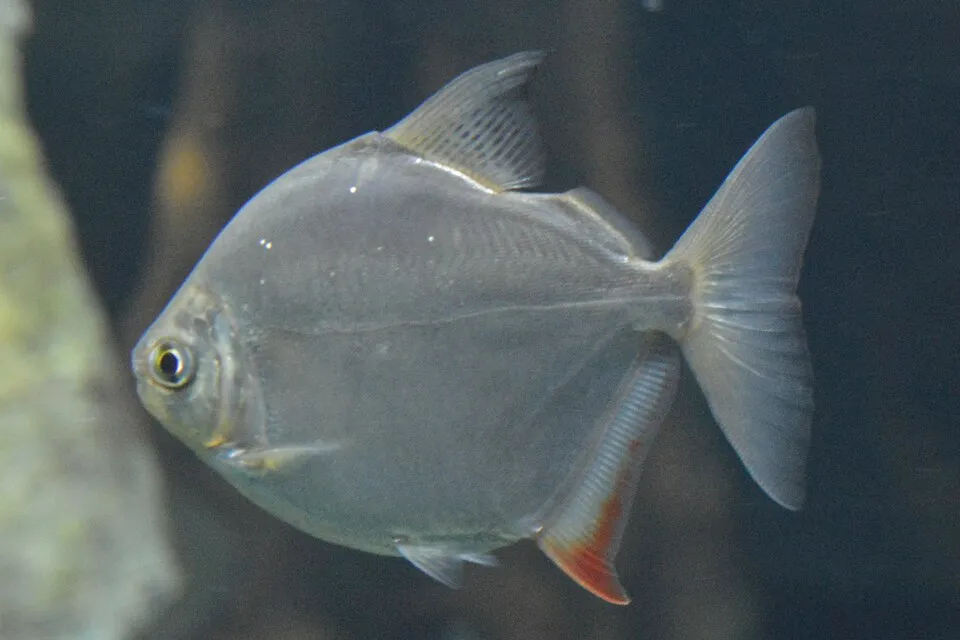
Plain metynnis
Metynnis hypsauchen
Freshwater5.5 in (14 cm) · 70 gal (265 L)75–82°F (24–28°C)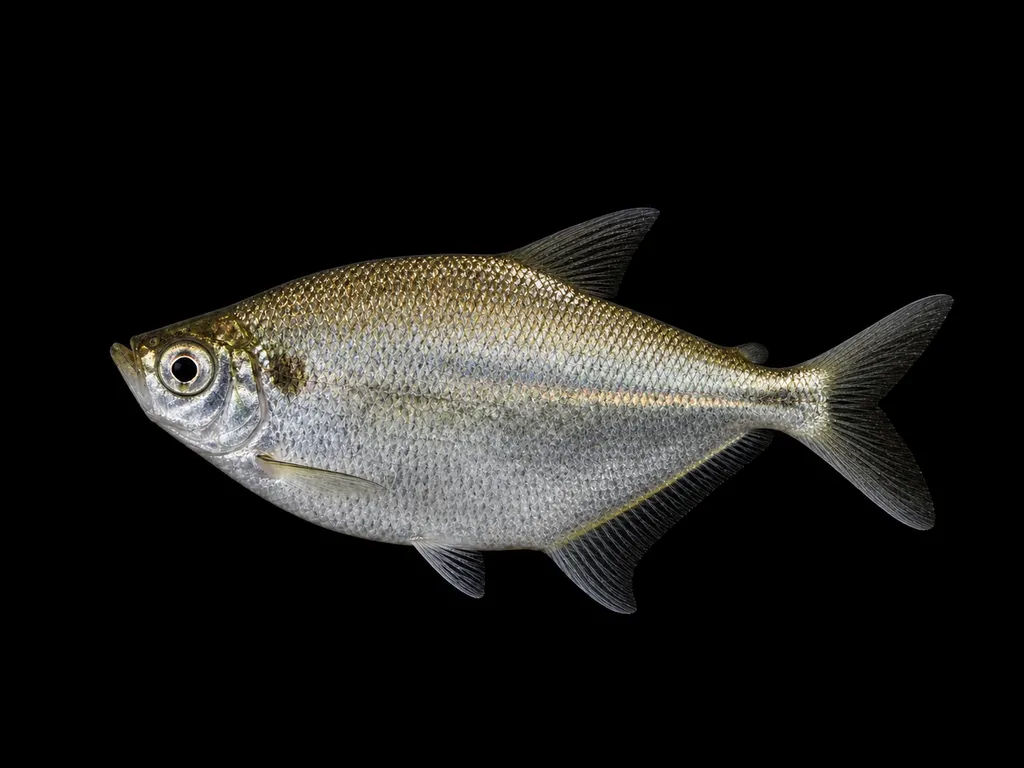
Giant river hatchetfish
Triportheus rotundatus
Freshwater9.8 in (25 cm) · 79 gal (300 L)73–82°F (23–28°C)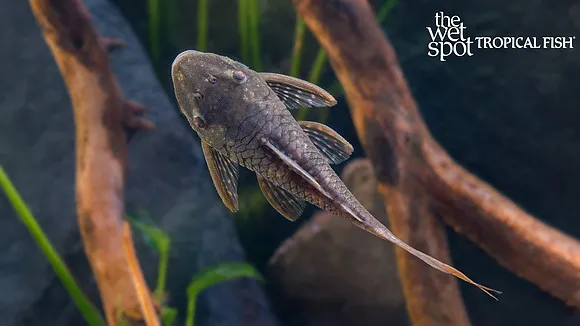
Red tail lasiancistrus
Lasiancistrus heteracanthus
Freshwater7.1 in (18 cm) · 66 gal (250 L)73–81°F (23–27°C)
Common questions
What size tank does an Orinoco talking catfish need?
An Orinoco talking catfish needs at least 70 gal (265 L). It spends most of its time in the bottom.
What temperature and pH does an Orinoco talking catfish need?
An Orinoco talking catfish is comfortable at 73–82°F (23–28°C) with a pH of 6.0–7.5.
What does an Orinoco talking catfish eat?
An Orinoco talking catfish eats sinking pellets, wafers and frozen foods. Feed it once the lights dim.
How big does an Orinoco talking catfish get?
An adult Orinoco talking catfish reaches about 7.9 in (20 cm).
Related species
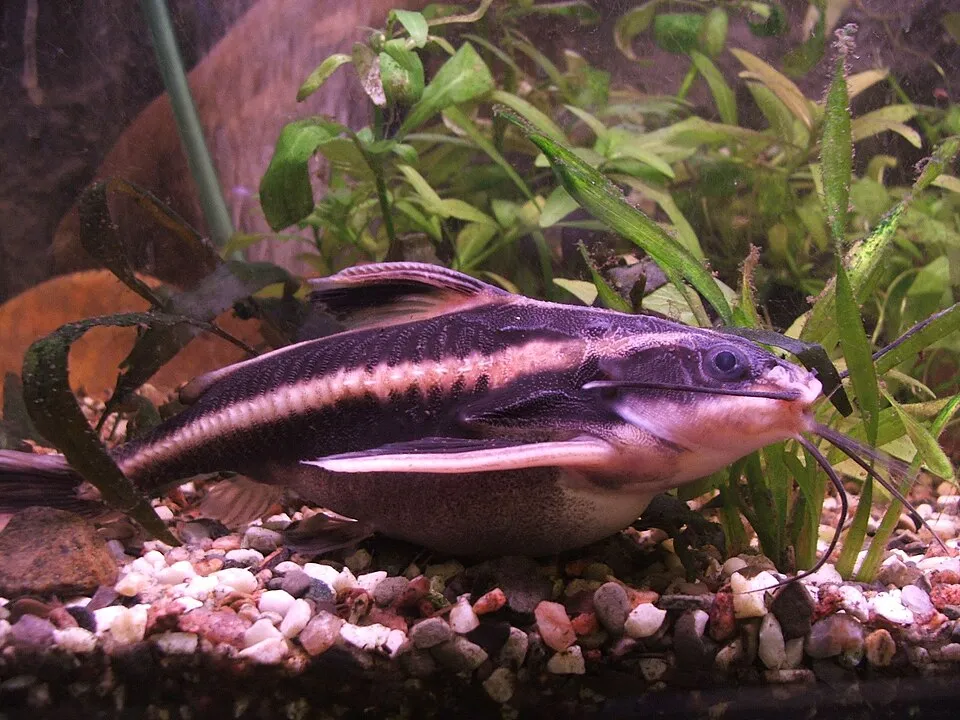 8.7 in (22 cm)29 gal (110 L)75–86°F (24–30°C)
Striped raphael catfish
Platydoras armatulus
8.7 in (22 cm) · 29 gal (110 L)
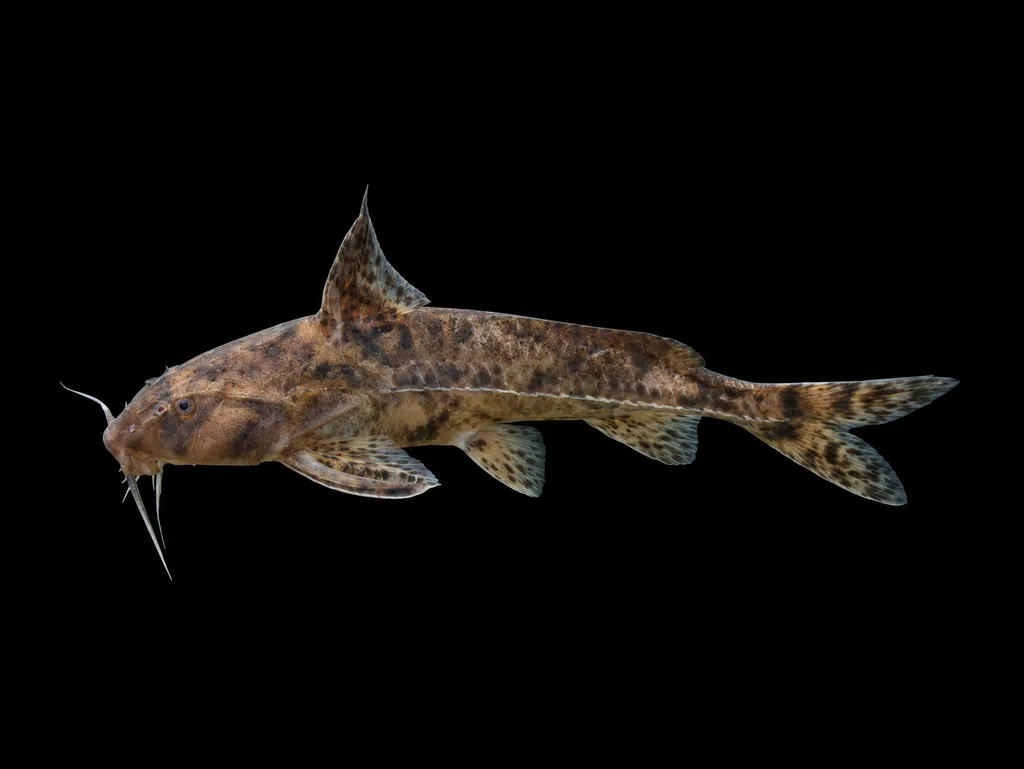 6.7 in (17 cm)79 gal (300 L)73–82°F (23–28°C)
Fog talking catfish
Rhinodoras boehlkei
6.7 in (17 cm) · 79 gal (300 L)
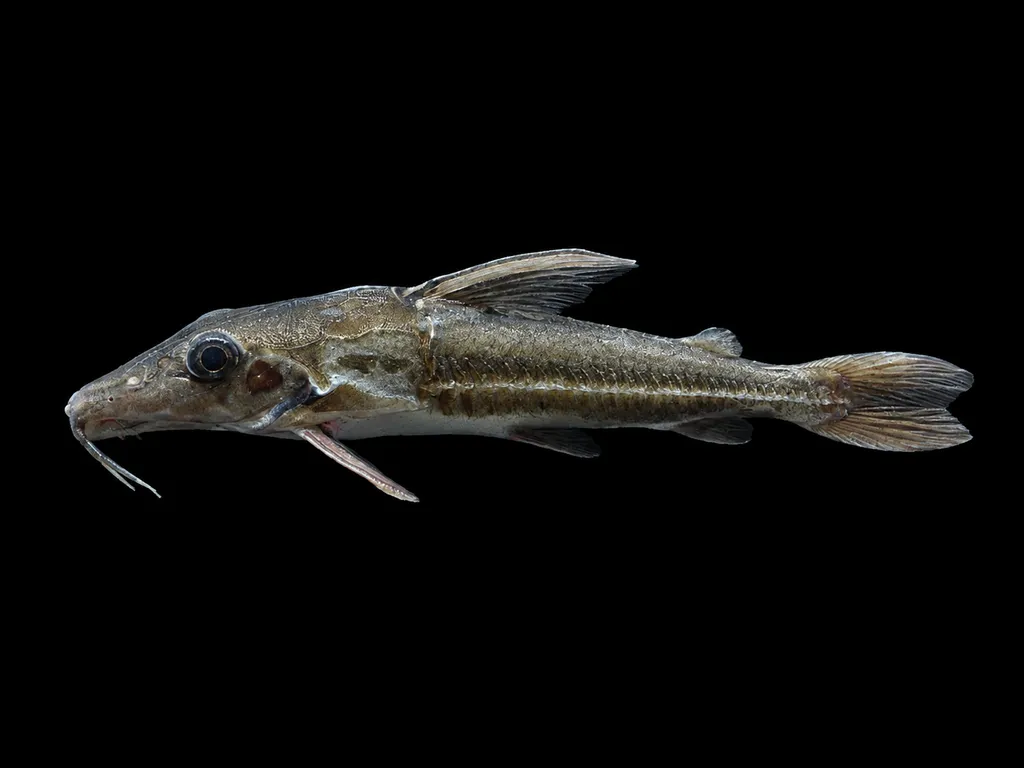 6.3 in (16 cm)53 gal (200 L)73–82°F (23–28°C)
Green turushuki catfish
Hemidoras morrisi
6.3 in (16 cm) · 53 gal (200 L)
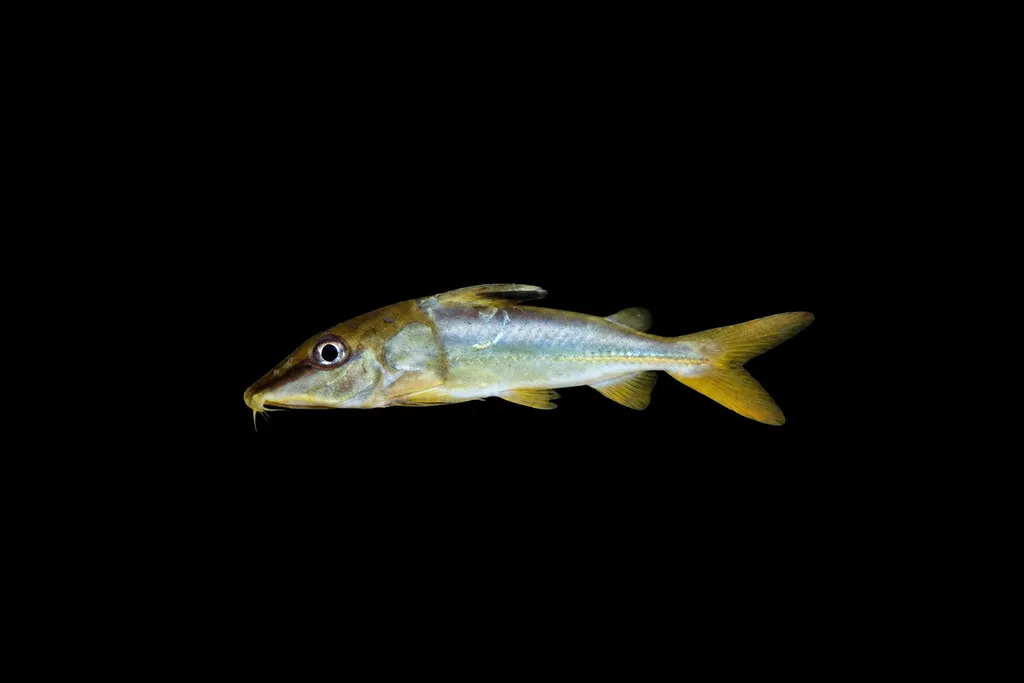 9.8 in (25 cm)106 gal (400 L)73–82°F (23–28°C)
Wilder's mouse catfish
Hassar wilderi
9.8 in (25 cm) · 106 gal (400 L)
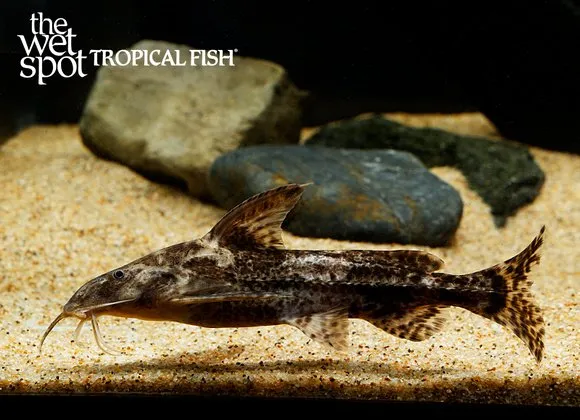 5.9 in (15 cm)70 gal (265 L)73–82°F (23–28°C)
Gallagher's catfish
Rhinodoras gallagheri
5.9 in (15 cm) · 70 gal (265 L)
 5.9 in (15 cm)53 gal (200 L)73–82°F (23–28°C)
Hancock's talking catfish
Platydoras hancockii
5.9 in (15 cm) · 53 gal (200 L)