Striped raphael catfish
Platydoras armatulus
Also known as Humbug Catfish
FreshwaterFish
Care at a glance
- Temperature
- 75–86°F
- 24–30°C
- pH
- 6.0–7.5
- Adult size
- 8.7 in
- 22 cm
- Minimum tank
- 45 gal
- 170 L
- Temperament
- Peaceful
- Social behavior
- Social
- Swim level
- Bottom
- Difficulty
- Medium
- Breeding
- No record
- Rarity
- Common
- Family
- Doradidae
- Origin
- South America
Overview
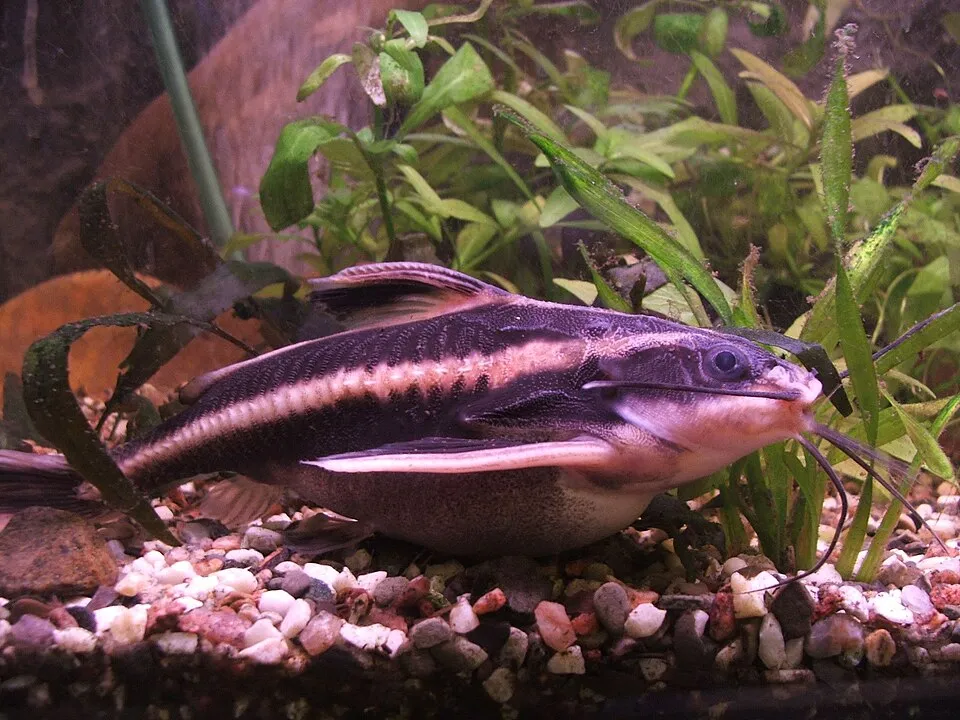
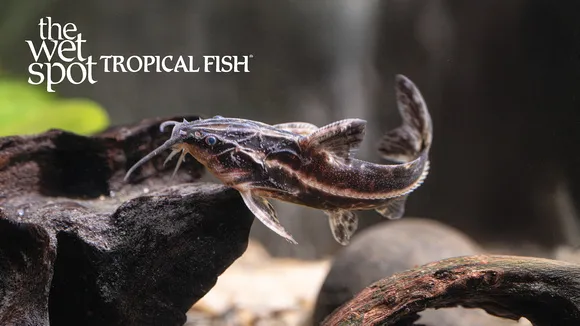
Keep it as a peaceful bottom dweller in a tank of at least 170 liters with secure hiding spots, since it spends the day tucked away and comes out after dark. Water should be soft to neutral, pH 6 to 7.5, at 24 to 30 C. It is an omnivorous scavenger, so feed sinking pellets, frozen foods, and the odd vegetable at night. It won't bother tankmates, but anything small enough to fit in its mouth may get eaten.
In the wild
The striped raphael catfish is a South American species from slow rivers and flooded forest areas with soft bottoms and lots of submerged wood. In the wild it hides among roots and leaf litter by day and forages at night. Give it a sand or fine gravel bottom, plenty of caves and driftwood, and dim or shaded lighting. It likes warm water, mid 20s to around 30 C.
Good to know
This is a thorny catfish in the family Doradidae, named for the row of hooked bony plates along each side. Adults reach about 22 cm. Those side plates and stiff pectoral spines are sharp, so it can tangle badly in a net. It is a long-lived fish, often kept for well over a decade, and there are no consistent records of it spawning in aquariums.
Did you know
It can make an audible croaking or grunting sound, produced by grinding its pectoral spines and by vibrating the swim bladder. You'll often hear it if you ever have to net the fish, and the same spines lock outward, so go slow to avoid getting it snagged.
Weekly picks
Tank mates
Striped raphael catfish is a peaceful, social species that keeps to the bottom. These picks share a community profile with it, are safe together in both directions, and overlap on water type, temperature and pH.
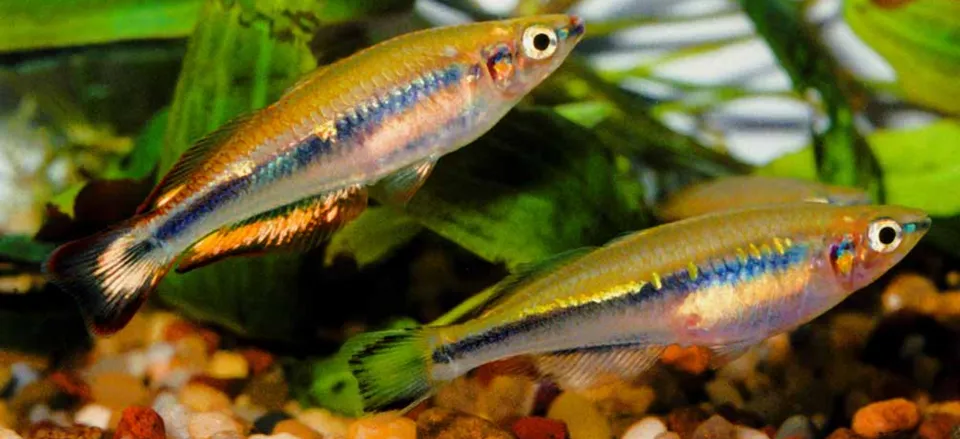
Madagascar rainbowfish
Bedotia madagascariensis
Freshwater3.3 in (8.5 cm) · 45 gal (170 L)73–90°F (23–32°C)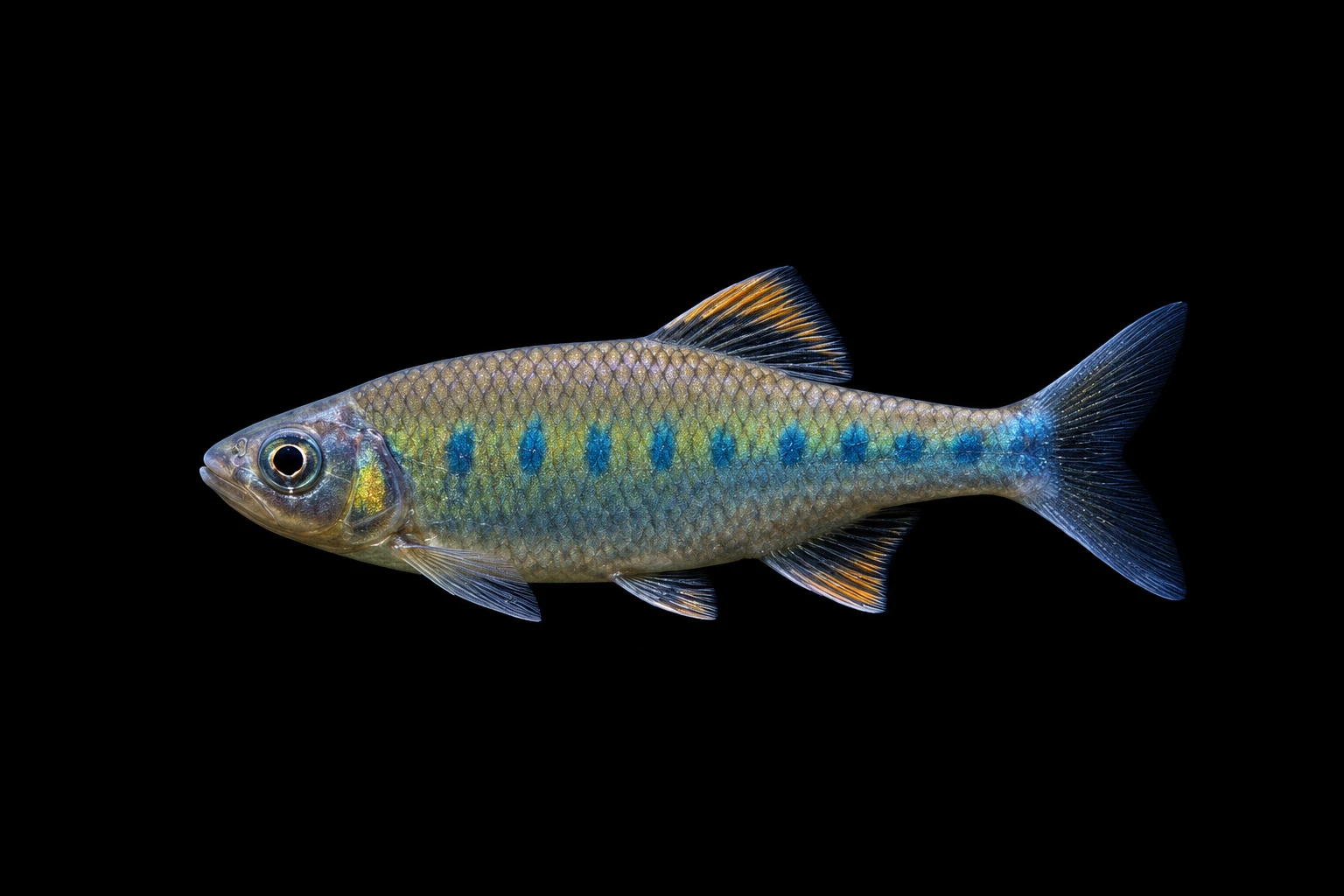
Blue spotted hill trout
Barilius bakeri
Freshwater5.1 in (13 cm) · 53 gal (200 L)64–79°F (18–26°C)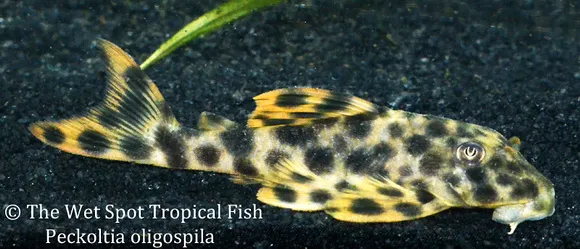
Brown dot peckoltia
Peckoltia oligospila
Freshwater5.9 in (15 cm) · 42 gal (160 L)77–84°F (25–29°C)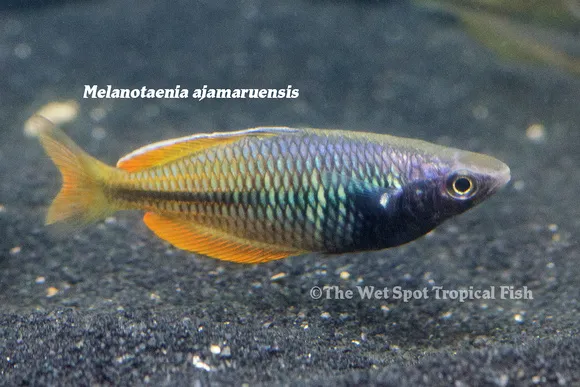
Ajamaru Lakes rainbowfish
Melanotaenia ajamaruensis
Freshwater4.3 in (11 cm) · 42 gal (160 L)75–84°F (24–29°C)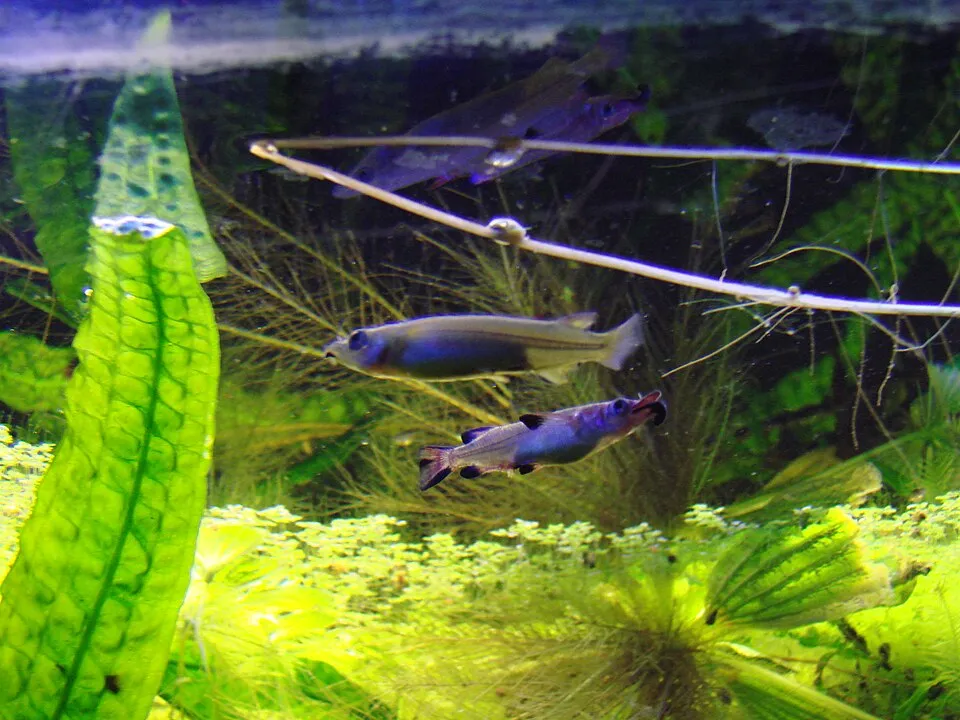
Celebes halfbeak
Nomorhamphus liemi
Freshwater3.5 in (9 cm) · 40 gal (150 L)68–77°F (20–25°C)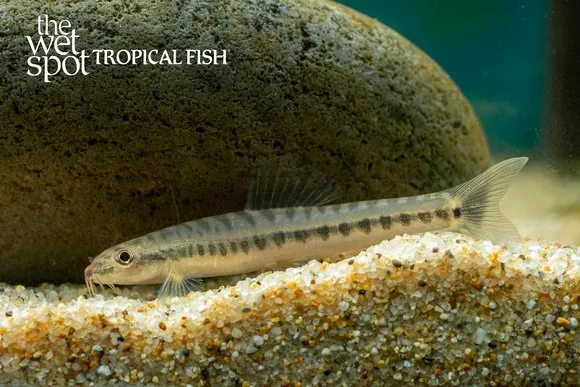
Arrow loach
Nemacheilus masyae
Freshwater6.3 in (16 cm) · 42 gal (160 L)72–81°F (22–27°C)
Common questions
What size tank does a Striped raphael catfish need?
A Striped raphael catfish needs at least 45 gal (170 L). It spends most of its time in the bottom.
What temperature and pH does a Striped raphael catfish need?
A Striped raphael catfish is comfortable at 75–86°F (24–30°C) with a pH of 6.0–7.5.
How big does a Striped raphael catfish get?
An adult Striped raphael catfish reaches about 8.7 in (22 cm).
Related species
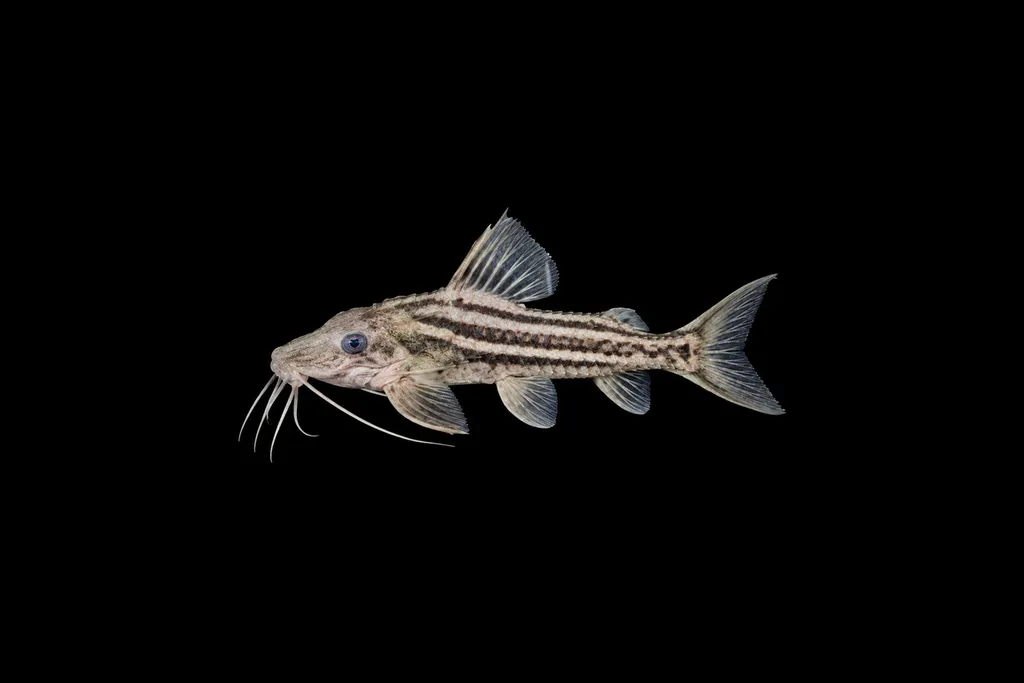 5.9 in (15 cm)53 gal (200 L)73–82°F (23–28°C)
Hancock's talking catfish
Platydoras hancockii
5.9 in (15 cm) · 53 gal (200 L)
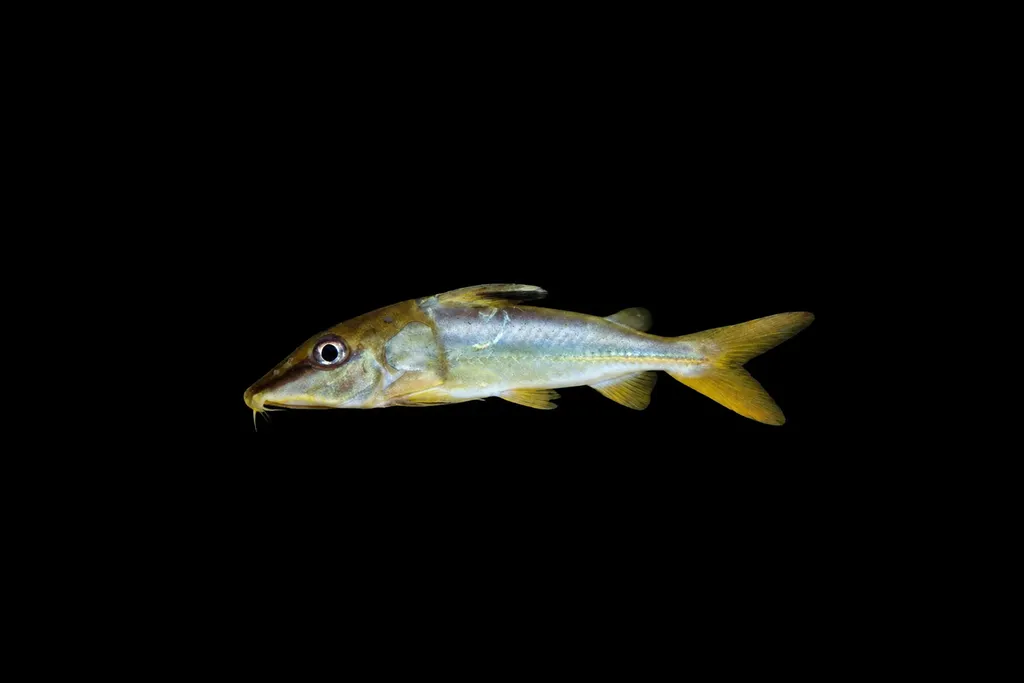
 7.9 in (20 cm)70 gal (265 L)73–82°F (23–28°C)
Orinoco talking catfish
Orinocodoras eigenmanni
7.9 in (20 cm) · 70 gal (265 L)
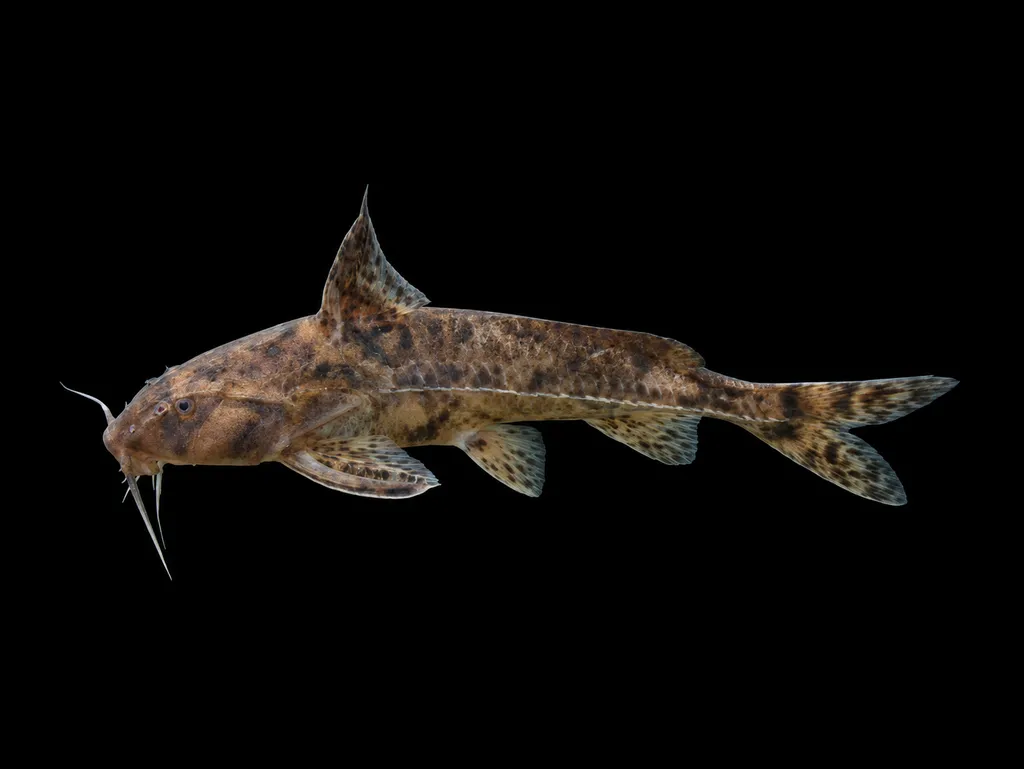
 9.8 in (25 cm)106 gal (400 L)73–82°F (23–28°C)
Wilder's mouse catfish
Hassar wilderi
9.8 in (25 cm) · 106 gal (400 L)
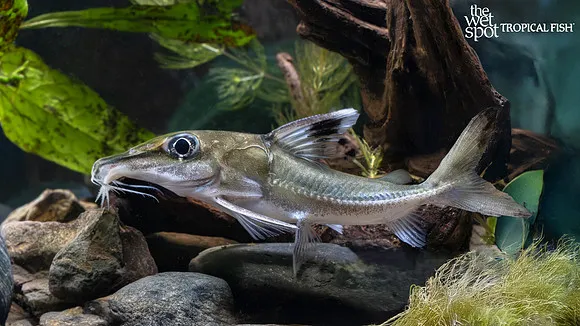
 6.7 in (17 cm)79 gal (300 L)73–82°F (23–28°C)
Fog talking catfish
Rhinodoras boehlkei
6.7 in (17 cm) · 79 gal (300 L)
 11.8 in (30 cm)106 gal (400 L)73–82°F (23–28°C)
Black-top mouse catfish
Hassar orestis
11.8 in (30 cm) · 106 gal (400 L)
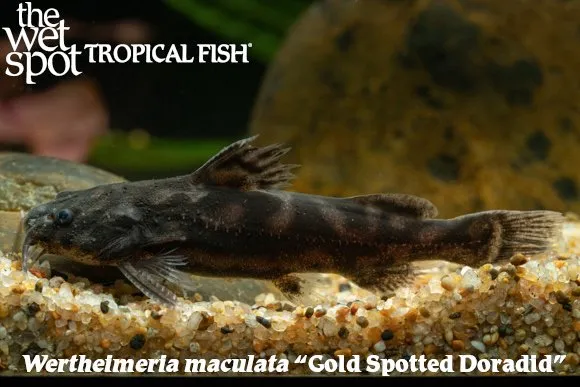 11.8 in (30 cm)106 gal (400 L)68–79°F (20–26°C)
Gold-spotted doradid
Wertheimeria maculata
11.8 in (30 cm) · 106 gal (400 L)