Gold-spotted doradid
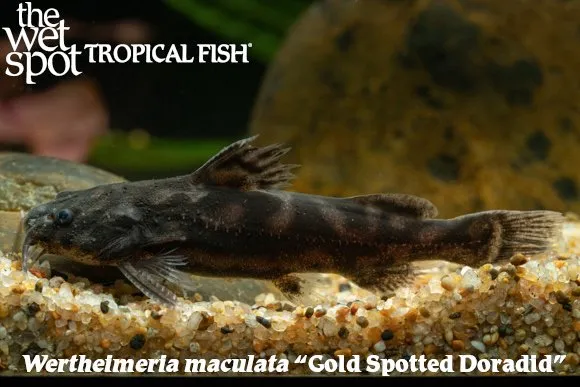
Wertheimeria maculata
Also known as Wertheimer's catfish
FreshwaterFish
Care at a glance
- Temperature
- 68–79°F
- 20–26°C
- pH
- 6.0–7.5
- Adult size
- 11.8 in
- 30 cm
- Minimum tank
- 106 gal
- 400 L
- Temperament
- Peaceful
- Social behavior
- Social
- Swim level
- Bottom
- Difficulty
- Medium
- Breeding
- No record
- Rarity
- Rare
- Family
- Doradidae
- Origin
- Jequitinhonha and Pardo rivers, eastern Brazil
Overview
The gold-spotted doradid is a large, calm, slow-growing armored catfish for a spacious, cool-leaning community tank. It suits keepers who have a little experience.
Did you know
The gold-spotted doradid's lineage branched off before the rest of the thorny catfish family spread and diversified. Keeping one is a little like housing a living fossil.
Caring for the gold-spotted doradid
Give the gold-spotted doradid a tank of at least 106 gal (400 L). Lay a soft, open bed of sand or fine gravel for it to forage across. Add sturdy driftwood for cover and a shaded retreat.
Run the tank on the cooler side, at 68 to 79°F (20 to 26°C). Keep the water soft to neutral at a pH of 6.0 to 7.5, flowing and well oxygenated. The current should be gentle but present.
Feed sinking pellets, wafers, mussel and earthworm. Remember that it does most of its eating after dark.
The gold-spotted doradid is peaceful and gregarious, comfortable on its own or with a few of its kind. It ignores tank mates it cannot swallow, but small fish and shrimp are fair game at night. Its breeding is not recorded in aquariums.
Good to know
Wertheimeria maculata is the sole species in its genus and one of the most ancient lineages in the family Doradidae. Studies place it, with its relative Kalyptodoras, as the sister group to all other thorny catfishes, set apart in its own subfamily Wertheimerinae. It carries the usual doradid armor and spine-stridulating sound.
In the wild
Wertheimeria maculata is found only in two small rivers of eastern Brazil, the Jequitinhonha and the Pardo. These coastal drainages sit entirely outside the Amazon system and run cooler than most catfish rivers.
Weekly picks
Tank mates
The gold-spotted doradid is a peaceful, social species that keeps to the bottom. These picks share a community profile with it, are safe together in both directions, and overlap on water type, temperature and pH.
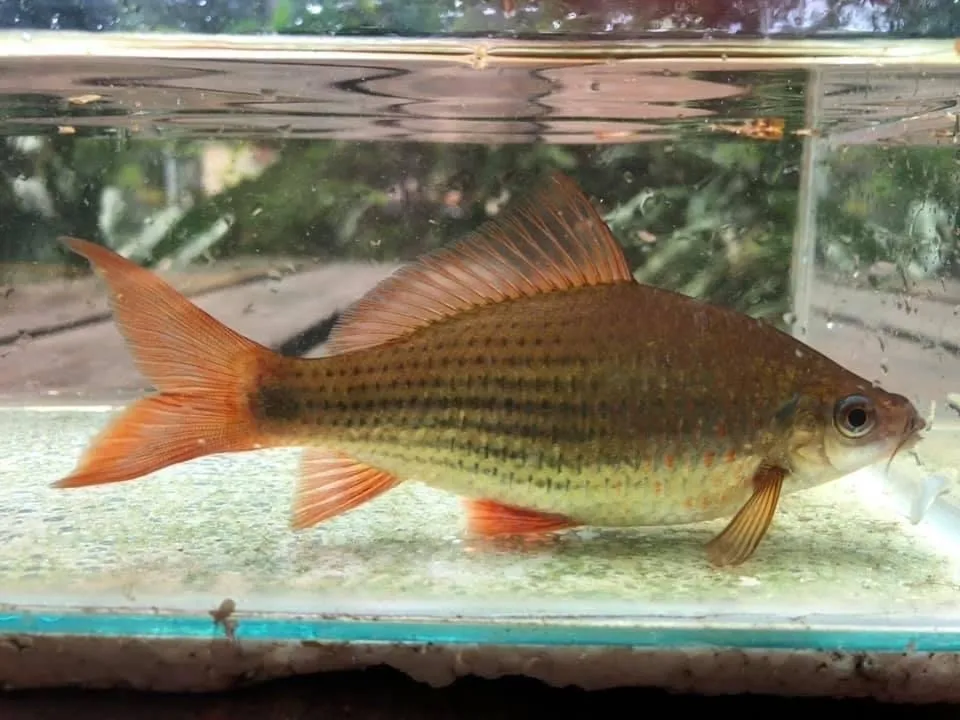
Hard-lipped barb
Osteochilus vittatus
Freshwater11.8 in (30 cm) · 106 gal (400 L)72–82°F (22–28°C)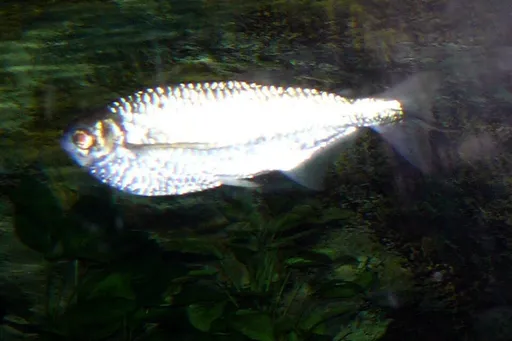
Narrow hatchetfish
Triportheus angulatus
Freshwater9.8 in (25 cm) · 79 gal (300 L)73–82°F (23–28°C)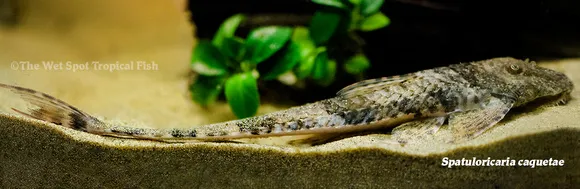
Caquetá whiptail
Spatuloricaria caquetae
Freshwater13.8 in (35 cm) · 106 gal (400 L)75–82°F (24–28°C)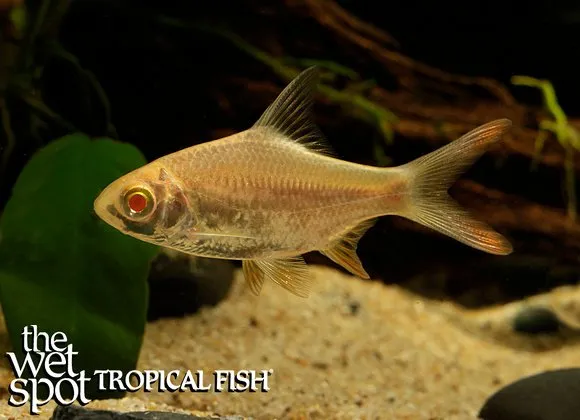
Red-tailed tinfoil barb
Barbonymus altus
Freshwater9.8 in (25 cm) · 106 gal (400 L)72–82°F (22–28°C)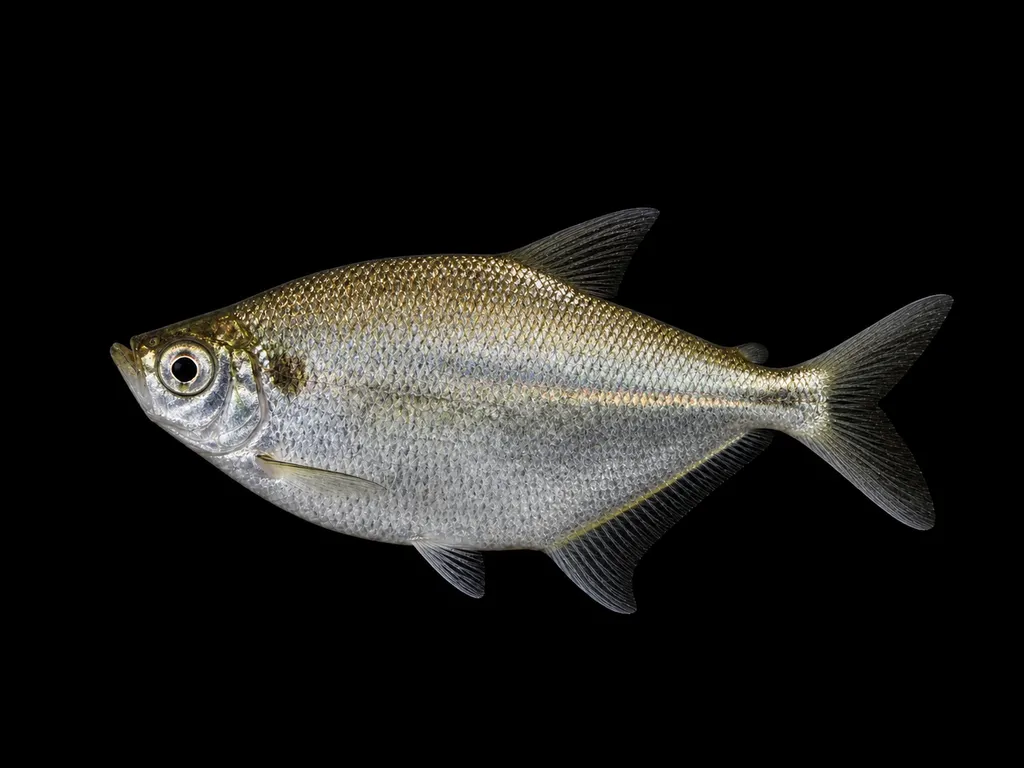
Giant river hatchetfish
Triportheus rotundatus
Freshwater9.8 in (25 cm) · 79 gal (300 L)73–82°F (23–28°C)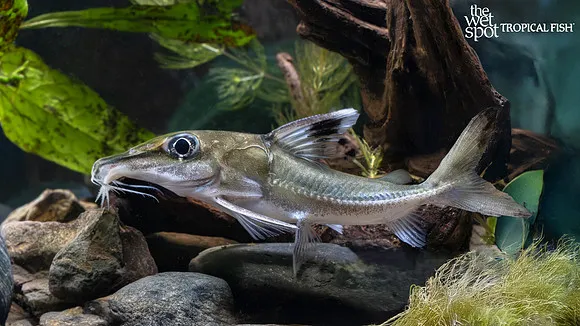
Black-top mouse catfish
Hassar orestis
Freshwater11.8 in (30 cm) · 106 gal (400 L)73–82°F (23–28°C)
Common questions
What size tank does a gold-spotted doradid need?
A gold-spotted doradid needs at least 106 gal (400 L). It spends most of its time in the bottom.
What temperature and pH does a gold-spotted doradid need?
A gold-spotted doradid is comfortable at 68–79°F (20–26°C) with a pH of 6.0–7.5.
What does a gold-spotted doradid eat?
A gold-spotted doradid eats sinking pellets, wafers, mussel and earthworm. It does most of its eating after dark.
How big does a gold-spotted doradid get?
An adult gold-spotted doradid reaches about 11.8 in (30 cm).
Related species
- 11.8 in (30 cm)106 gal (400 L)73–82°F (23–28°C)
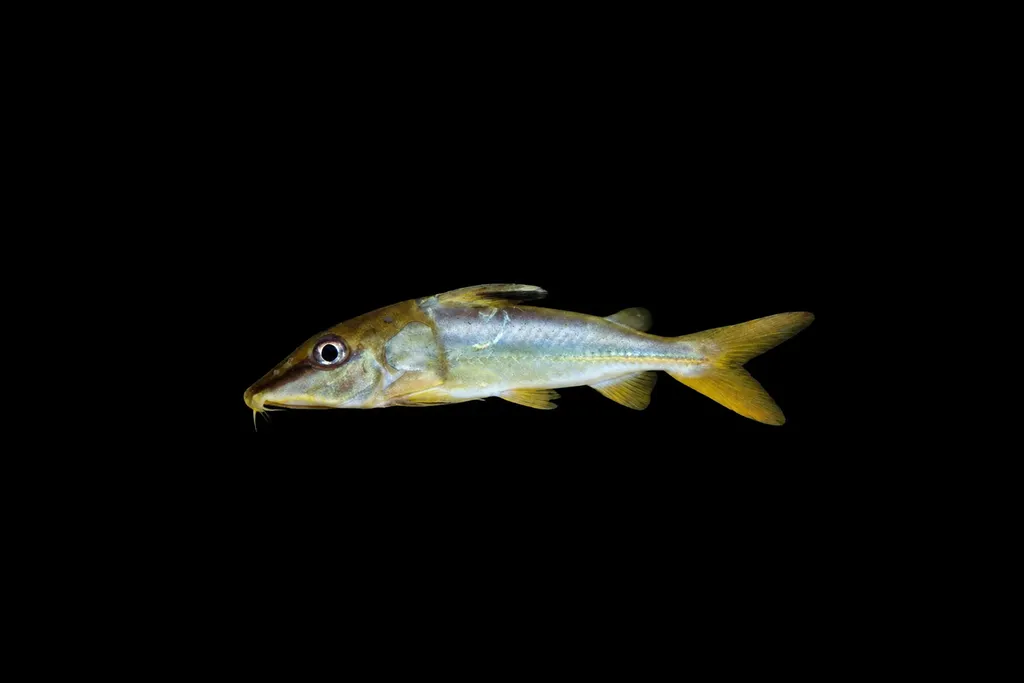
Black-top mouse catfish
Hassar orestis
11.8 in (30 cm) · 106 gal (400 L)
 9.8 in (25 cm)106 gal (400 L)73–82°F (23–28°C)
Wilder's mouse catfish
Hassar wilderi
9.8 in (25 cm) · 106 gal (400 L)
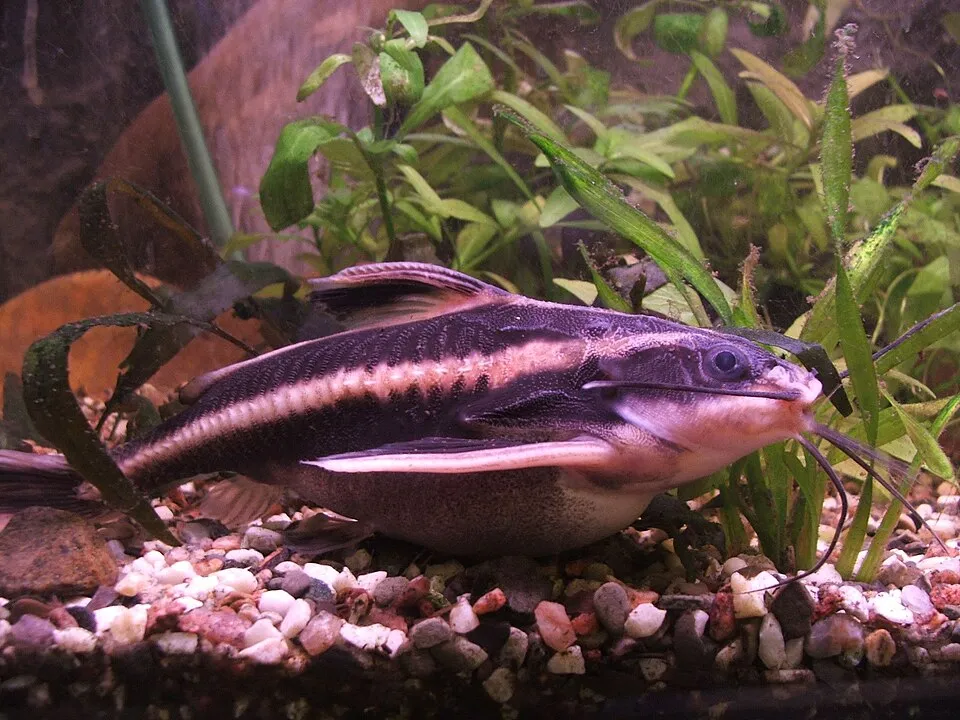 8.7 in (22 cm)29 gal (110 L)75–86°F (24–30°C)
Striped raphael catfish
Platydoras armatulus
8.7 in (22 cm) · 29 gal (110 L)
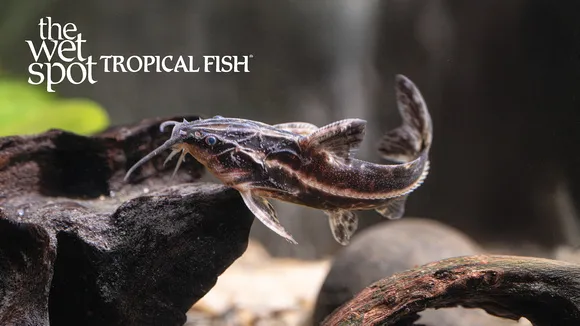 7.9 in (20 cm)70 gal (265 L)73–82°F (23–28°C)
Orinoco talking catfish
Orinocodoras eigenmanni
7.9 in (20 cm) · 70 gal (265 L)
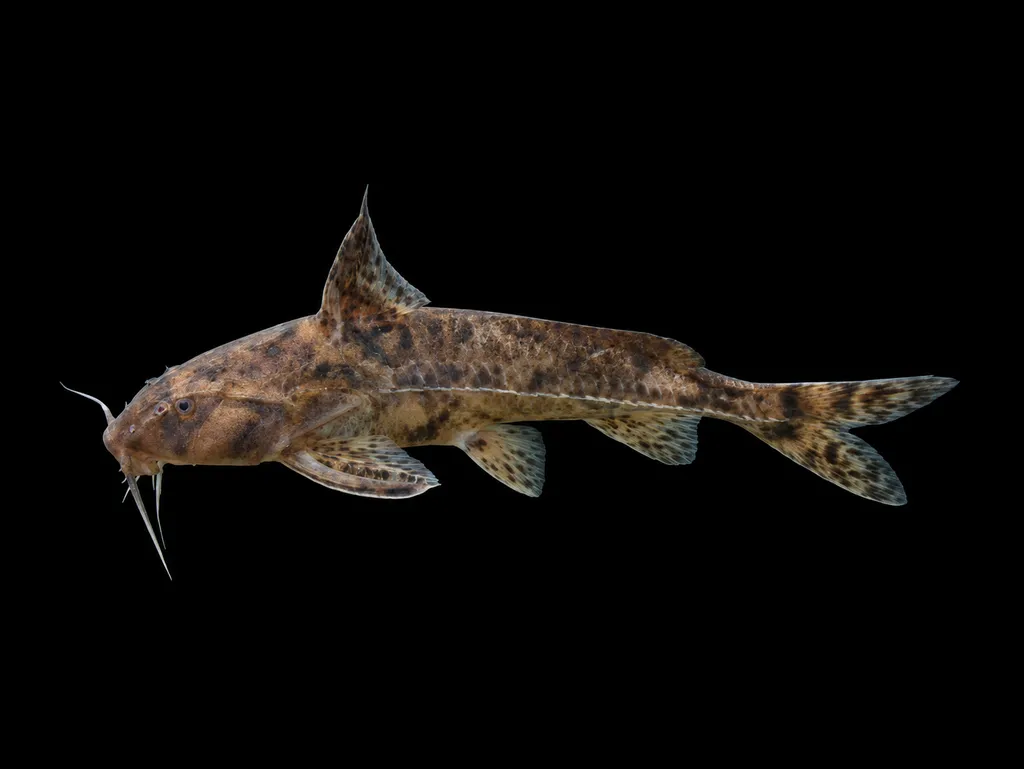 6.7 in (17 cm)79 gal (300 L)73–82°F (23–28°C)
Fog talking catfish
Rhinodoras boehlkei
6.7 in (17 cm) · 79 gal (300 L)
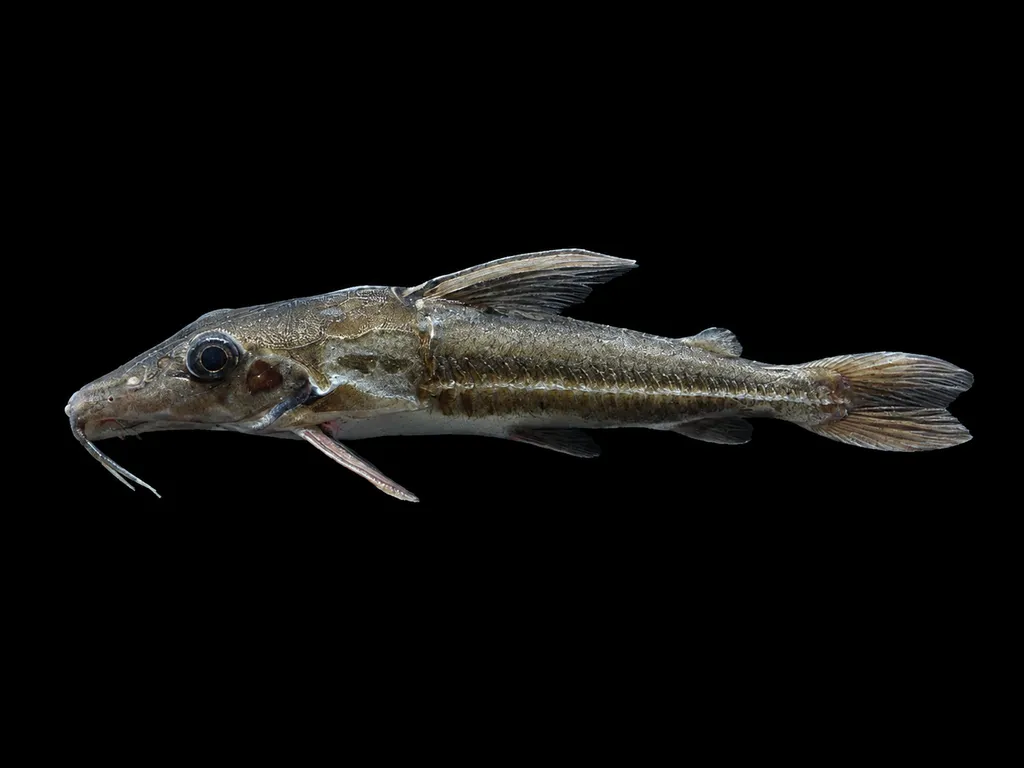 6.3 in (16 cm)53 gal (200 L)73–82°F (23–28°C)
Green turushuki catfish
Hemidoras morrisi
6.3 in (16 cm) · 53 gal (200 L)