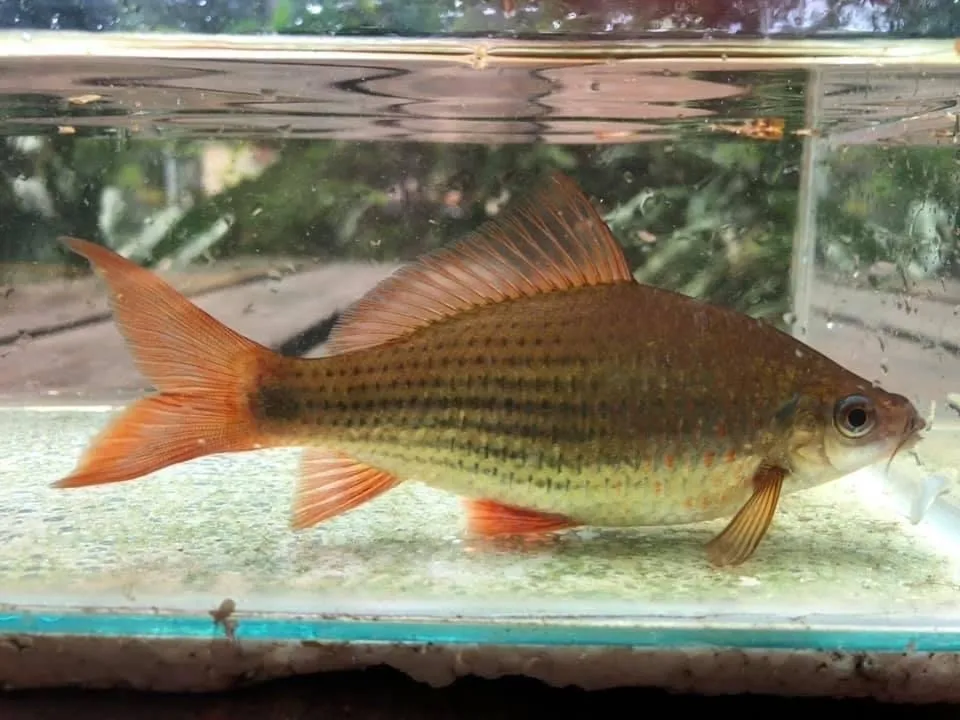
Hard-lipped barb
Osteochilus vittatus
Also known as Osteochilus hasseltii, Bonylip barb
FreshwaterFish
Care at a glance
- Temperature
- 72–82°F
- 22–28°C
- pH
- 6.0–7.5
- Adult size
- 11.8 in
- 30 cm
- Minimum tank
- 106 gal
- 400 L
- Temperament
- Peaceful
- Social behavior
- Schooling
- Swim level
- Middle
- Diet
- Omnivore
- Difficulty
- Medium
- Breeding
- No record
- Rarity
- Rare
- Family
- Cyprinidae
- Origin
- Mekong through Sundaland
Overview
The hard-lipped barb is a big, peaceful grazer of plants and algae that swims in the middle water. It suits a jumbo community of other large, calm fish, and it is best kept by someone with a little experience.
Did you know
In some waters, the hard-lipped barb is stocked on purpose to help graze down blooms of planktonic algae.
Caring for the hard-lipped barb
A tank of 106 gal (400 L) is a sensible minimum for a small group of hard-lipped barbs. Give them room to work the surfaces all day, with open water, a soft bed, driftwood and hardy or robust plants.
Keep the water warm, at 72 to 82°F (22 to 28°C) with a pH of 6.0 to 7.5. A group of large grazers is messy, so give them strong filtration and current.
The hard-lipped barb rasps biofilm from wood, rock and leaves. Feed it a green-leaning diet of algae wafers, blanched vegetables and quality flake and pellets, with the odd frozen meaty food.
Hard-lipped barbs shoal, so keep several together. They are gentle and will not trouble tank mates they cannot eat. They are not bred in home aquariums.
Good to know
The hard-lipped barb, Osteochilus vittatus, is a member of the carp family, Cyprinidae. For years it was traded as Osteochilus hasseltii, a name now treated as invalid. The genus name means bony lip, for the hardened, ridged lips it uses to scrape algae and detritus from surfaces. It is an important food fish across its range.
In the wild
The hard-lipped barb is widespread across Southeast Asia, from the Mekong through the rivers and floodplains of Sundaland. It forms shoals there in flowing and still waters alike.
Weekly picks
Tank mates
The hard-lipped barb is a peaceful, schooling species that keeps to the middle. These picks share a community profile with it, are safe together in both directions, and overlap on water type, temperature and pH.
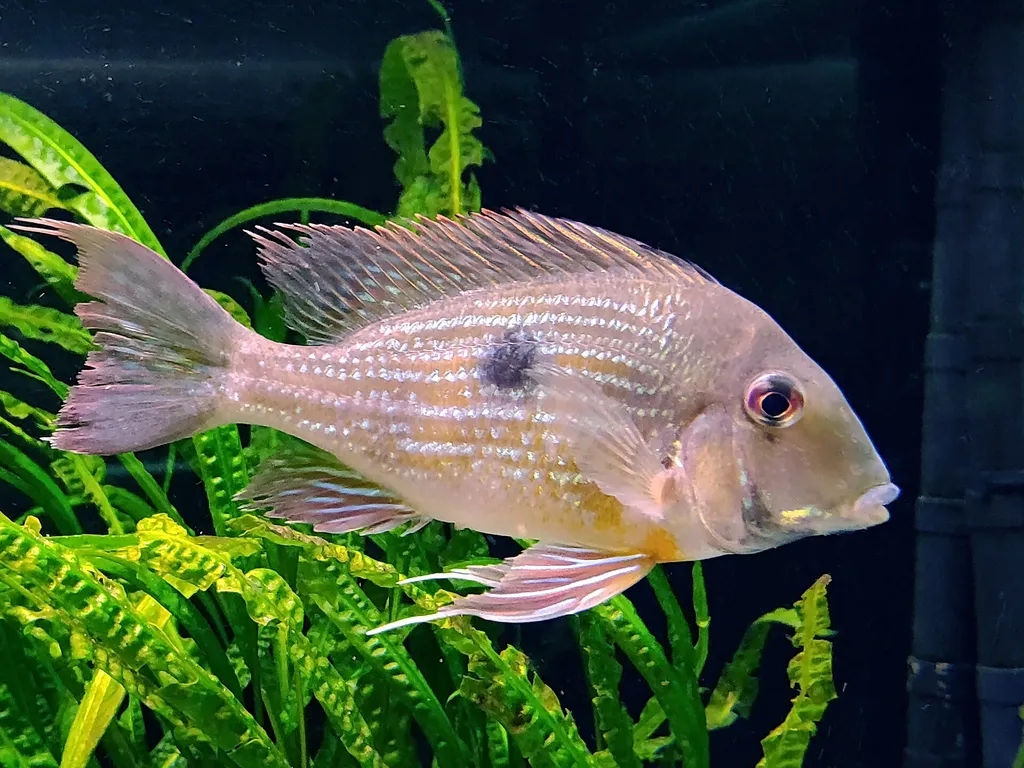
Brachybranchus eartheater
Geophagus brachybranchus
Freshwater6.7 in (17 cm) · 106 gal (400 L)77–84°F (25–29°C)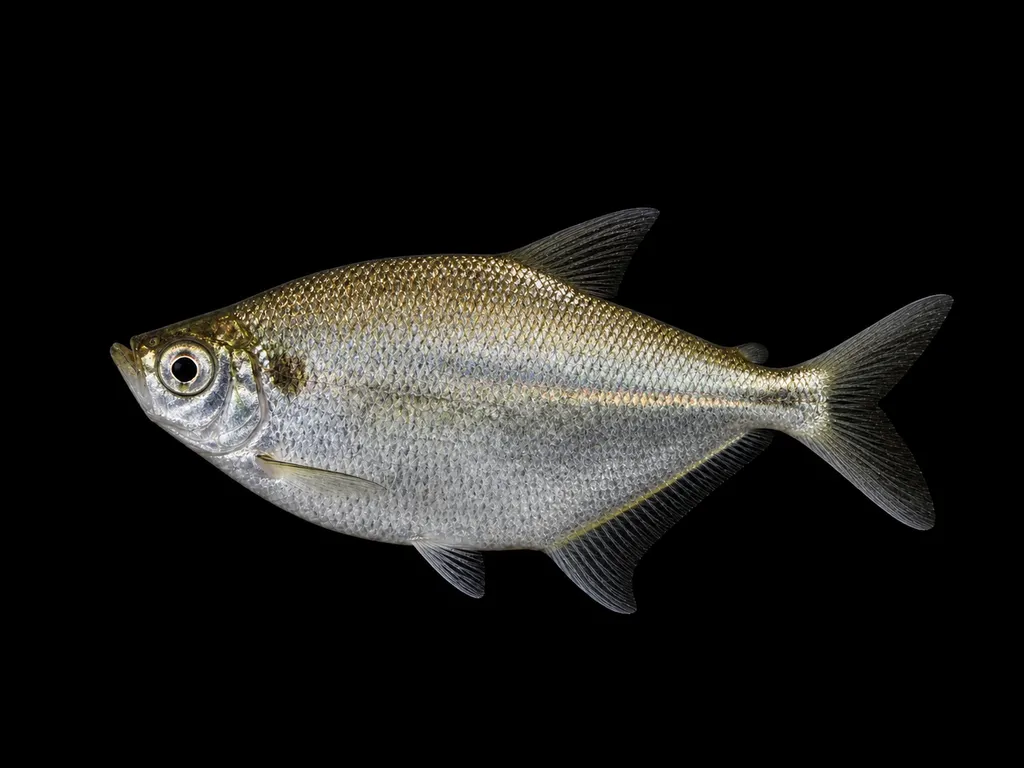
Giant river hatchetfish
Triportheus rotundatus
Freshwater9.8 in (25 cm) · 79 gal (300 L)73–82°F (23–28°C)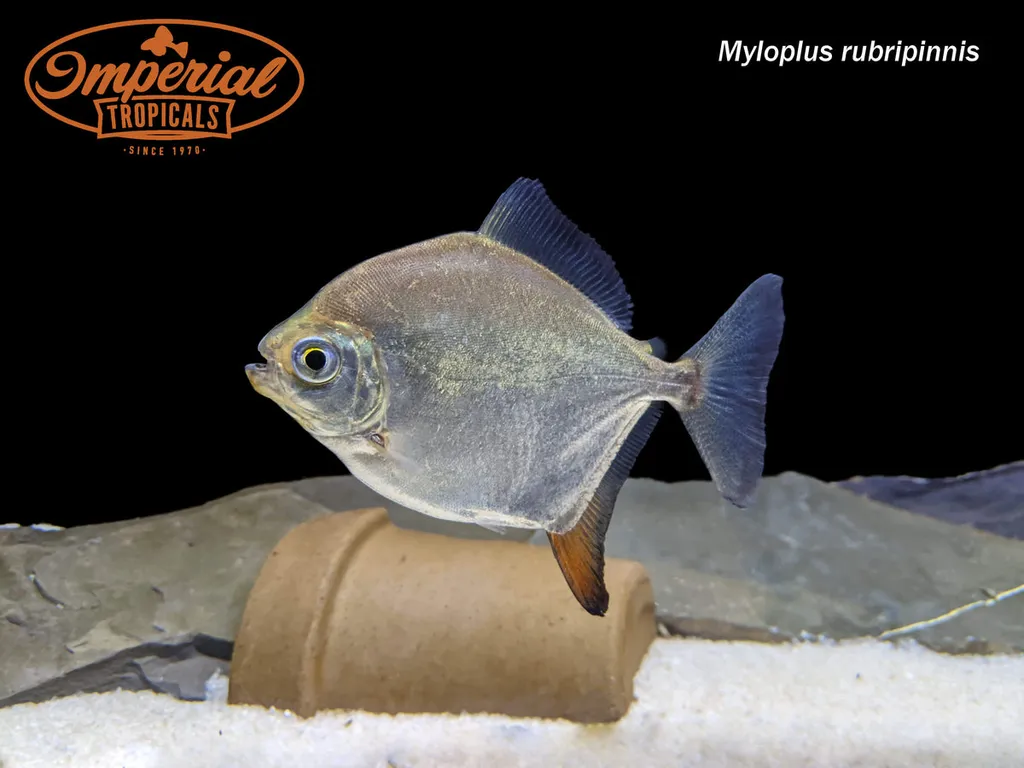
Redhook
Myloplus rubripinnis
Freshwater9.8 in (25 cm) · 70 gal (265 L)73–81°F (23–27°C)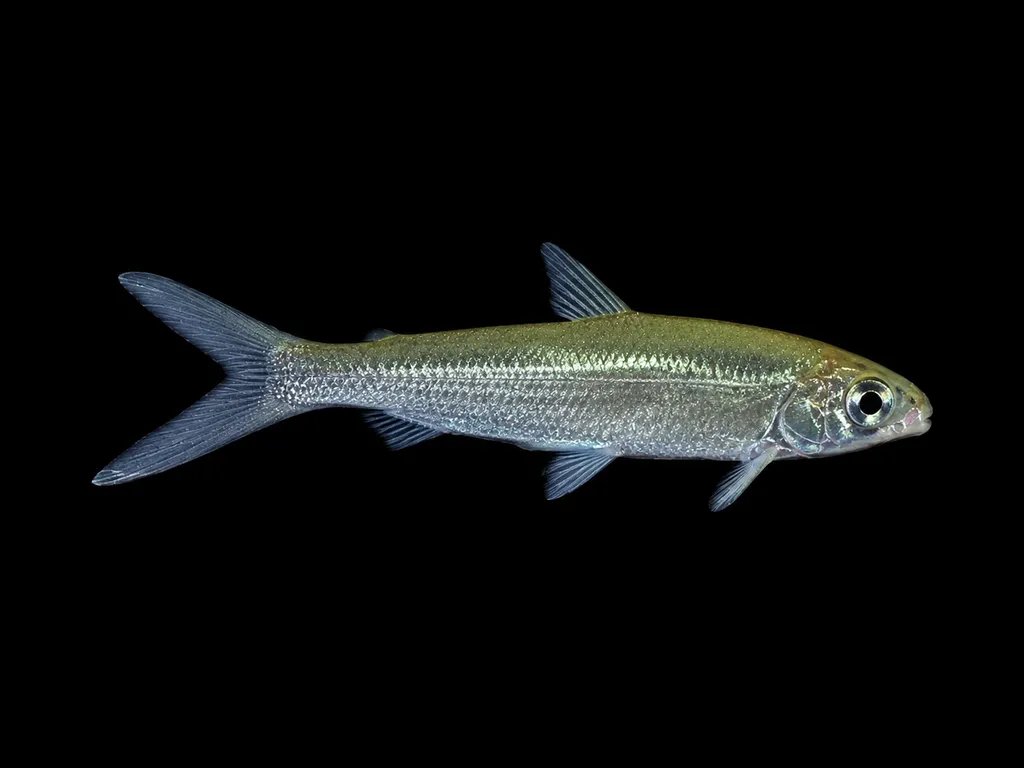
Fowler's hemiodus
Bivibranchia fowleri
Freshwater7.5 in (19 cm) · 106 gal (400 L)75–84°F (24–29°C)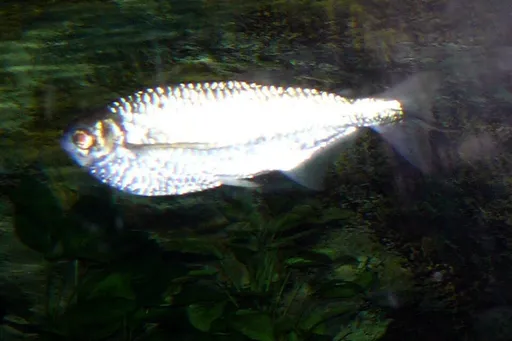
Narrow hatchetfish
Triportheus angulatus
Freshwater9.8 in (25 cm) · 79 gal (300 L)73–82°F (23–28°C)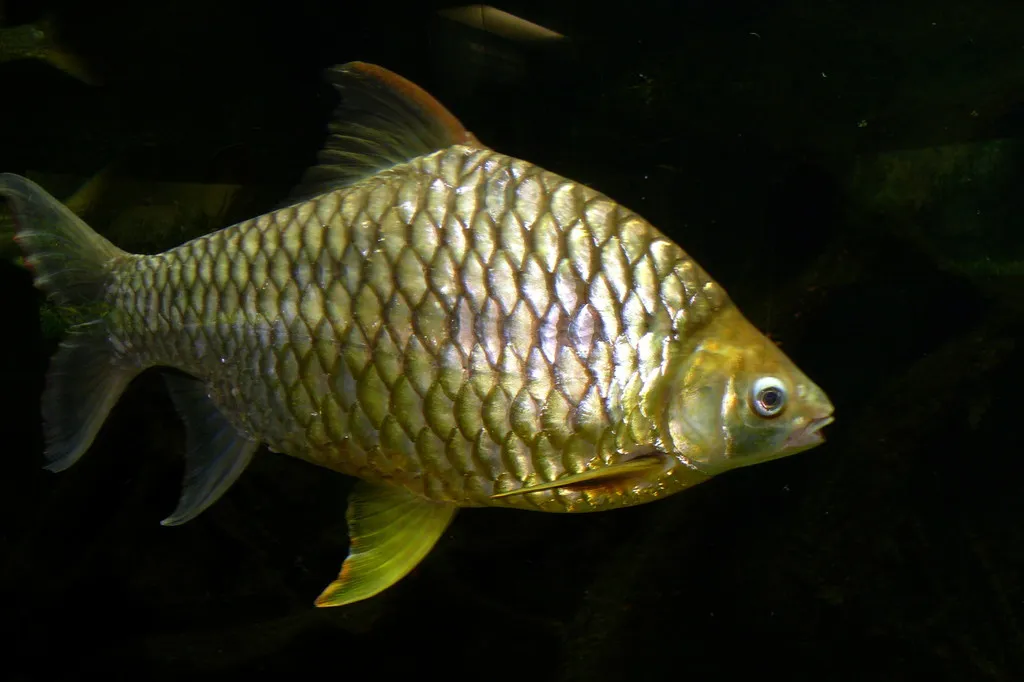
Lemon-fin barb
Hypsibarbus wetmorei
Freshwater9.8 in (25 cm) · 106 gal (400 L)72–82°F (22–28°C)
Common questions
What size tank does a hard-lipped barb need?
A hard-lipped barb needs at least 106 gal (400 L). It spends most of its time in the middle.
What temperature and pH does a hard-lipped barb need?
A hard-lipped barb is comfortable at 72–82°F (22–28°C) with a pH of 6.0–7.5.
What does a hard-lipped barb eat?
A hard-lipped barb rasps biofilm from wood, rock and leaves. Feed it algae wafers, blanched vegetables, quality flake and pellets, and the odd frozen meaty food.
How big does a hard-lipped barb get?
An adult hard-lipped barb reaches about 11.8 in (30 cm).
Does a hard-lipped barb need a group?
Yes. A hard-lipped barb is a schooling species and should be kept in a group, not singly.
Related species
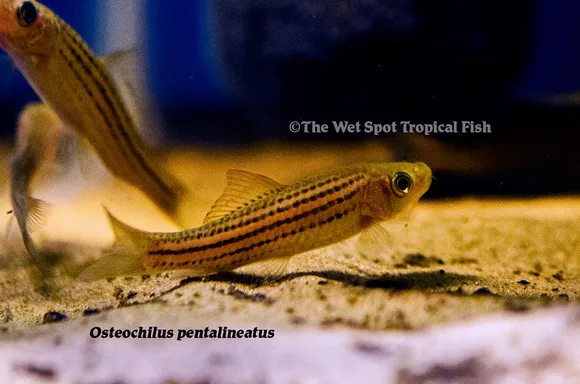 2.2 in (5.6 cm)53 gal (200 L)73–82°F (23–28°C)
Fiveline bonylip barb
Osteochilus pentalineatus
2.2 in (5.6 cm) · 53 gal (200 L)
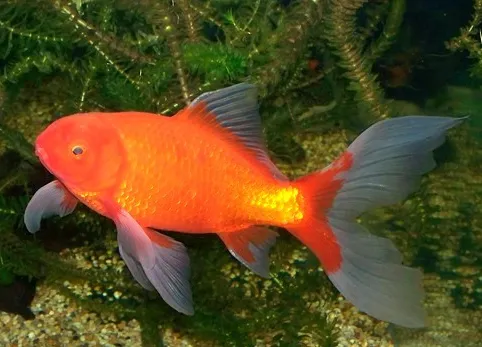 11.8 in (30 cm)50 gal (190 L)39–75°F (4–24°C)
Comet
Carassius auratus
11.8 in (30 cm) · 50 gal (190 L)
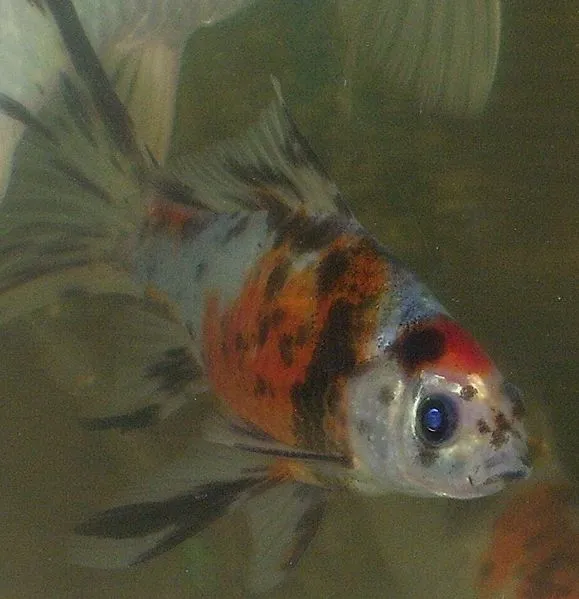 11.8 in (30 cm)50 gal (190 L)39–75°F (4–24°C)
Shubunkin
Carassius auratus
11.8 in (30 cm) · 50 gal (190 L)
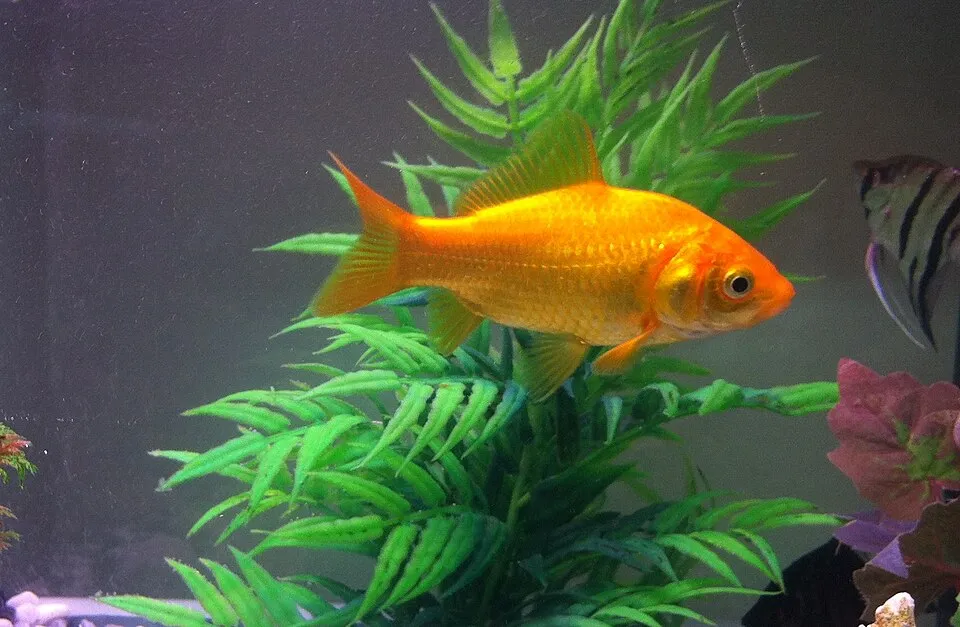 9.8 in (25 cm)50 gal (190 L)39–75°F (4–24°C)
Common goldfish
Carassius auratus
9.8 in (25 cm) · 50 gal (190 L)
- 9.8 in (25 cm)106 gal (400 L)72–82°F (22–28°C)
Lemon-fin barb
Hypsibarbus wetmorei
9.8 in (25 cm) · 106 gal (400 L)
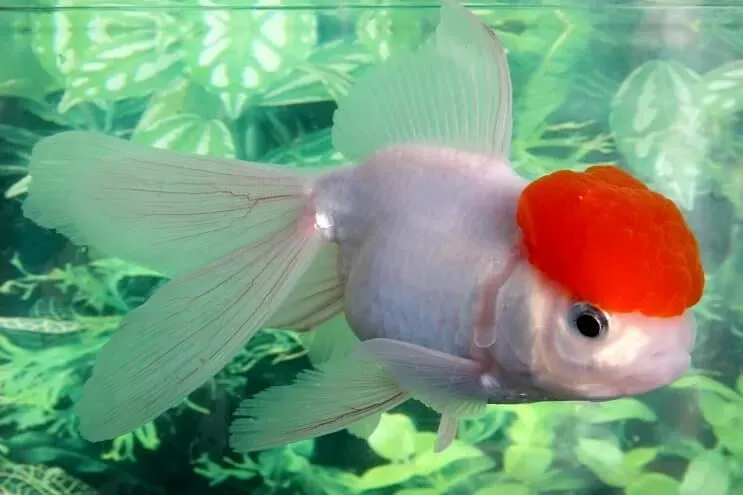 9.8 in (25 cm)30 gal (114 L)61–73°F (16–23°C)
Oranda
Carassius auratus
9.8 in (25 cm) · 30 gal (114 L)