Variety of Goldfish
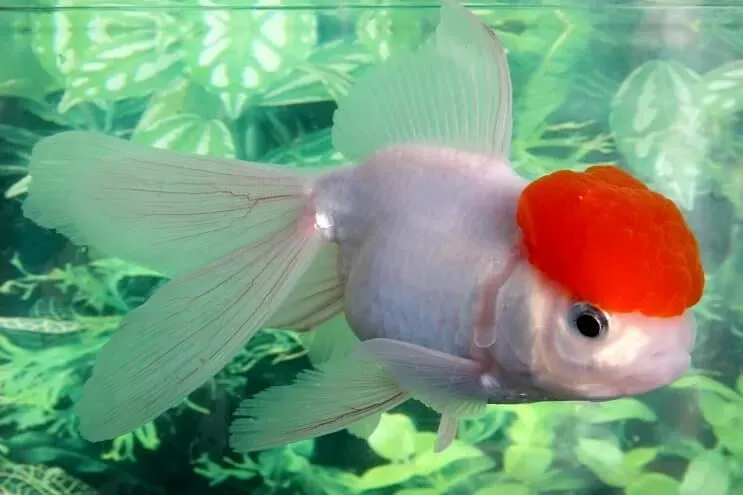
Oranda
Carassius auratus
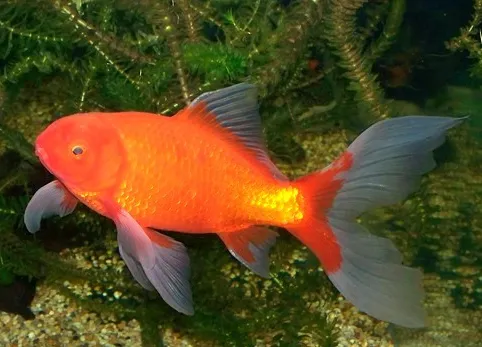
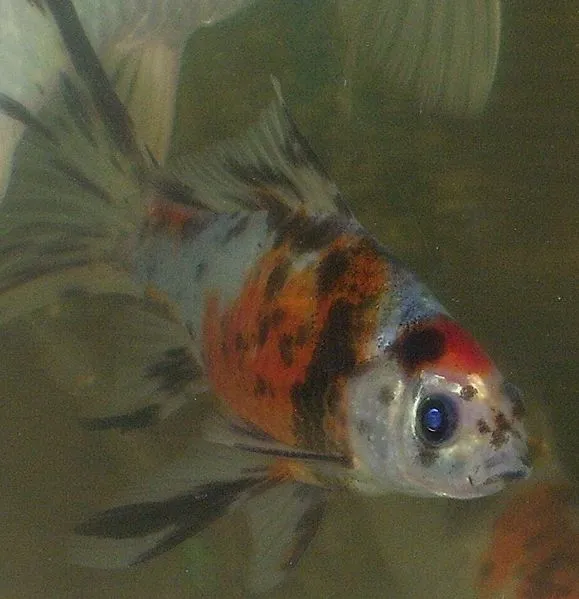
One of 12 varieties of Carassius auratus · See all varieties →
Also known as Oranda goldfish, Redcap oranda, Dutch lionhead
FreshwaterFish
Varieties · Carassius auratus
See all 12 →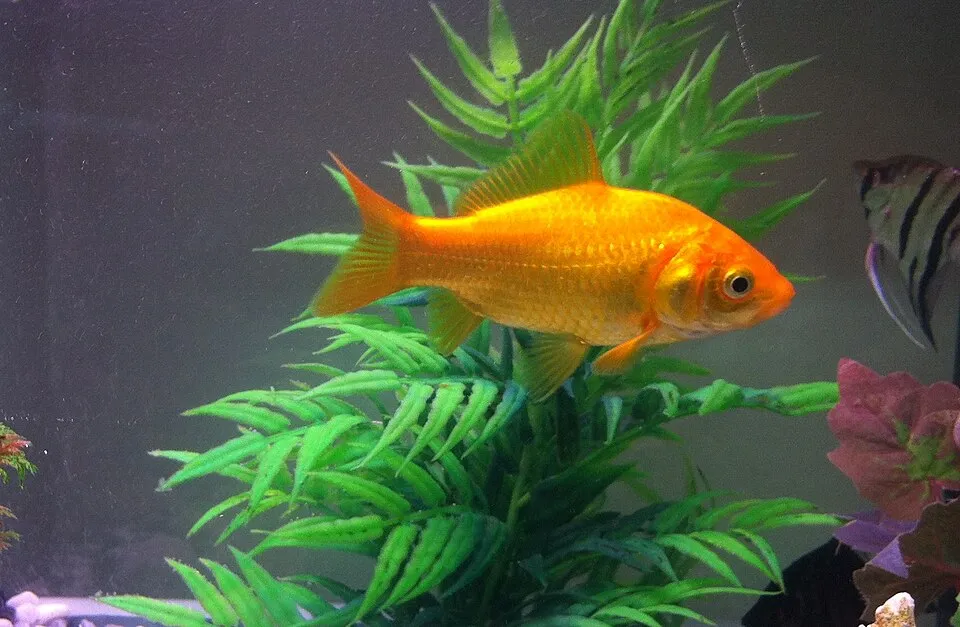
Care at a glance
- Temperature
- 61–73°F
- 16–23°C
- pH
- 6.5–8.0
- Adult size
- 9.8 in
- 25 cm
- Minimum tank
- 30 gal
- 114 L
- Temperament
- Peaceful
- Social behavior
- Social
- Tankmates
- With caution
- Swim level
- Middle
- Difficulty
- Medium
- Breeding
- Medium
- Rarity
- Very common
- Family
- Cyprinidae
- Origin
- A selectively bred fancy form of the domesticated goldfish, developed in China and Japan from wild Carassius auratus that live in slow, weedy freshwater across East Asia.
Overview
Give one oranda at least 114 L and add about 40 L per extra fish, since goldfish are heavy waste producers that need strong filtration and weekly water changes. Water should be 16 to 23 C with a pH of 6.5 to 8.0. House them only with other fancy goldfish, never with fast single tails or tropical fish. Feed a sinking goldfish pellet plus blanched vegetables and occasional frozen foods, and avoid floating flakes that make them gulp air and worsen swim bladder problems.
In the wild
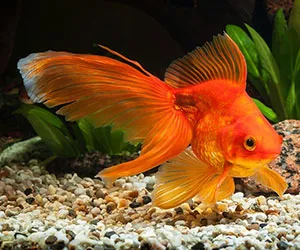
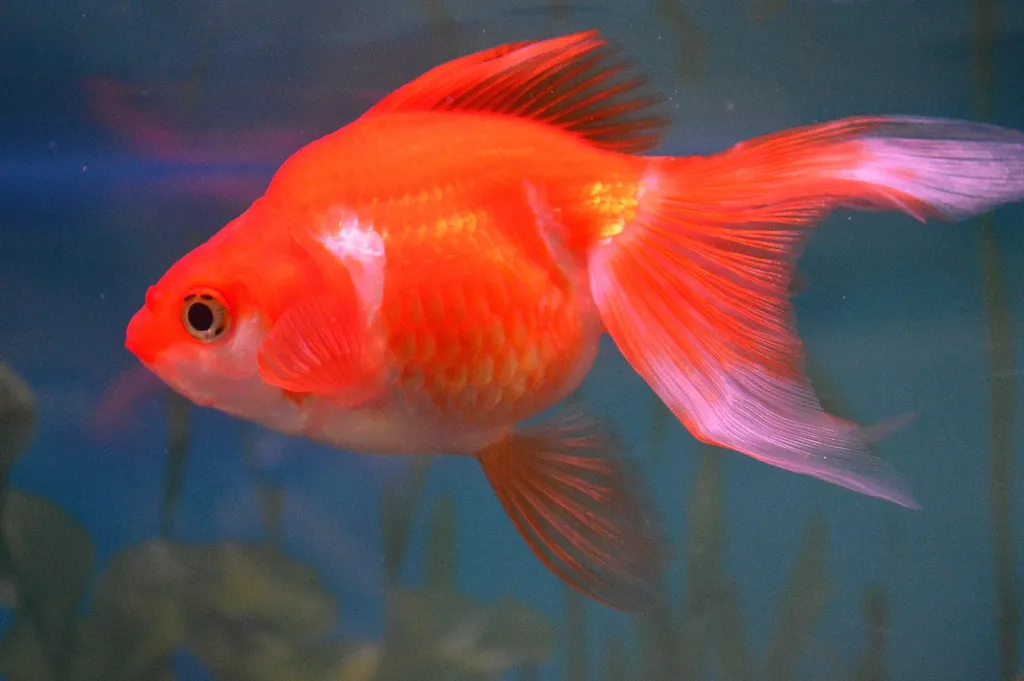
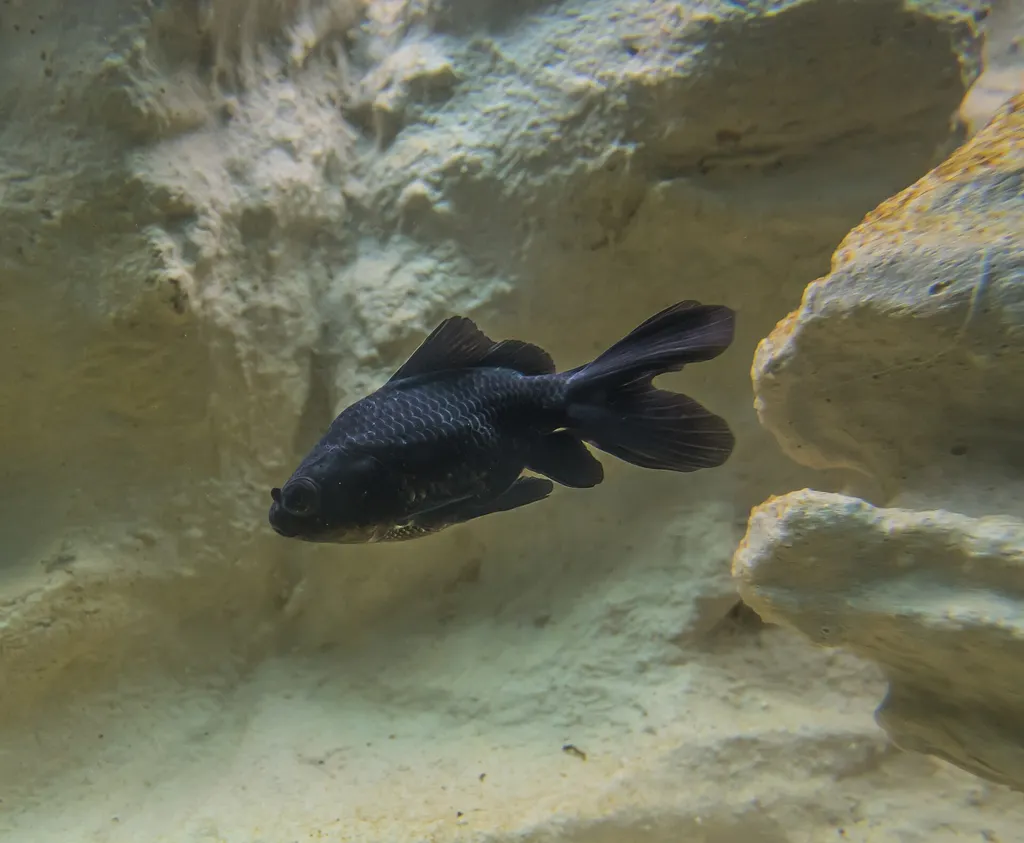
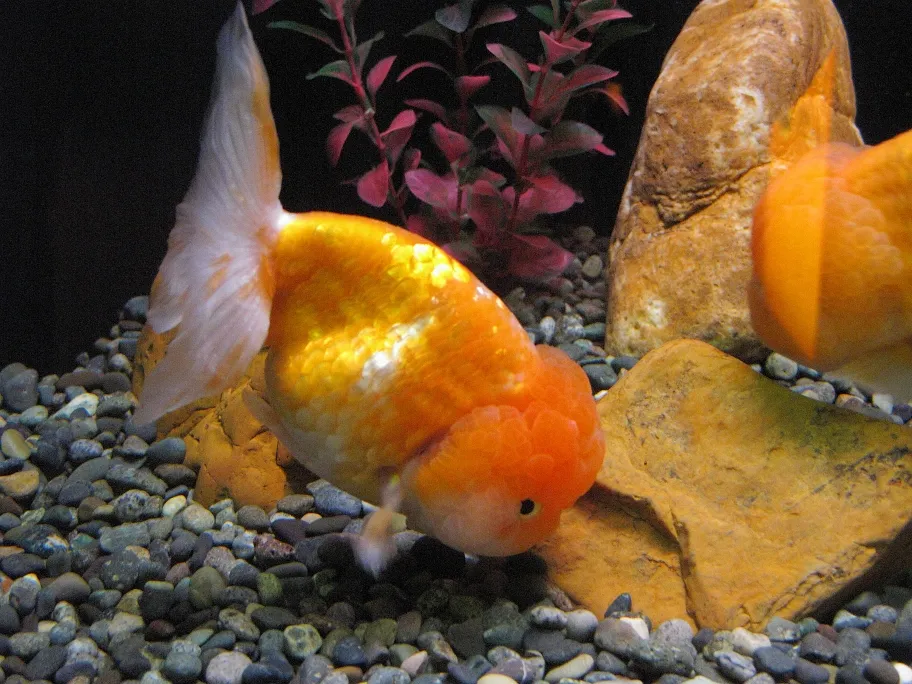
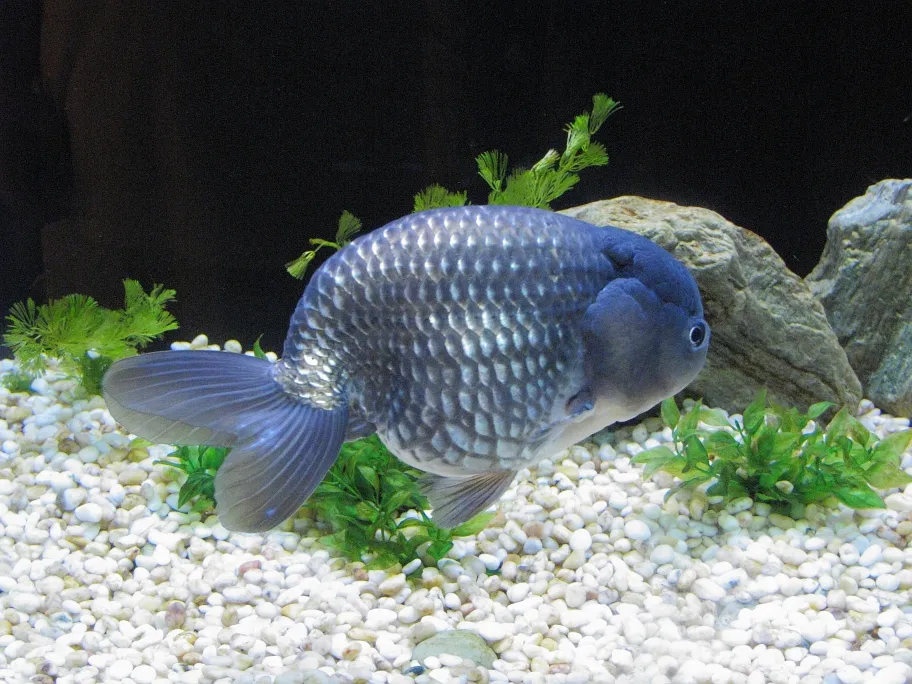
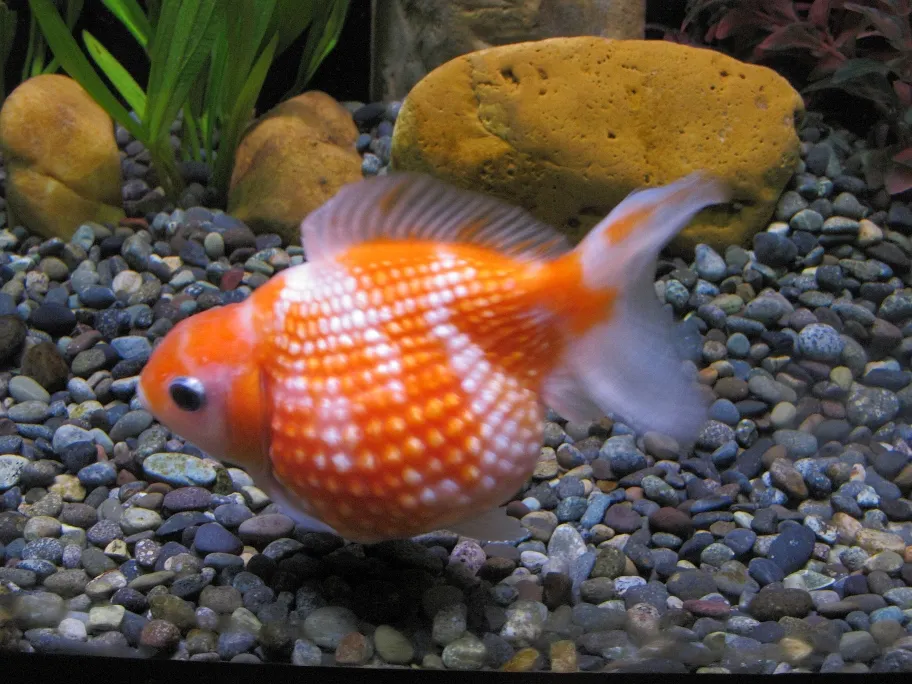
The oranda is a round bodied fancy goldfish topped with a fleshy head growth called a wen that thickens with age. Like all fancy goldfish it has a deep, egg shaped body and a paired, flowing tail, which makes it a slow swimmer that cannot compete with fast fish. It does best in a well filtered tank with plenty of open swimming space and smooth decor. Keep the water cool, between 16 and 23 C, since the round body is prone to swim bladder trouble in cold water.
Good to know
Carassius auratus was domesticated from wild crucian type carp in China over a thousand years ago, and the oranda is one of hundreds of ornamental strains bred from it. The wen is an overgrowth of skin tissue that keeps growing through the fish's life and can partly cover the eyes. Fancy strains breed true only with careful selection, and spawns throw many wild colored, single tailed culls.
Did you know
A well grown oranda can carry a wen so large it has to feel around for food, which is why keepers often drop soaked sinking pellets right in front of it.
Common questions
Is an Oranda a different species from the Goldfish?
No. An Oranda is a variety of the Goldfish, Carassius auratus. It is kept the same way apart from difficulty, adult size, tank size and temperature.
What size tank does an Oranda need?
An Oranda needs at least 30 gal (114 L). It spends most of its time in the middle.
How big does an Oranda get?
An adult Oranda reaches about 9.8 in (25 cm).
Related species
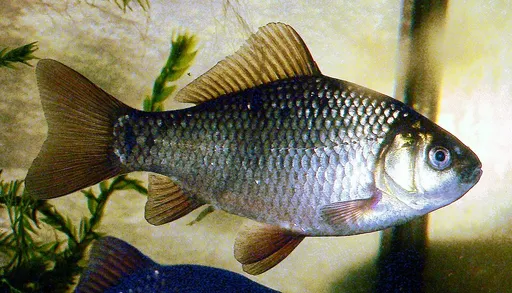 11.8 in (30 cm)119 gal (450 L)39–75°F (4–24°C)
Crucian carp
Carassius carassius
11.8 in (30 cm) · 119 gal (450 L)
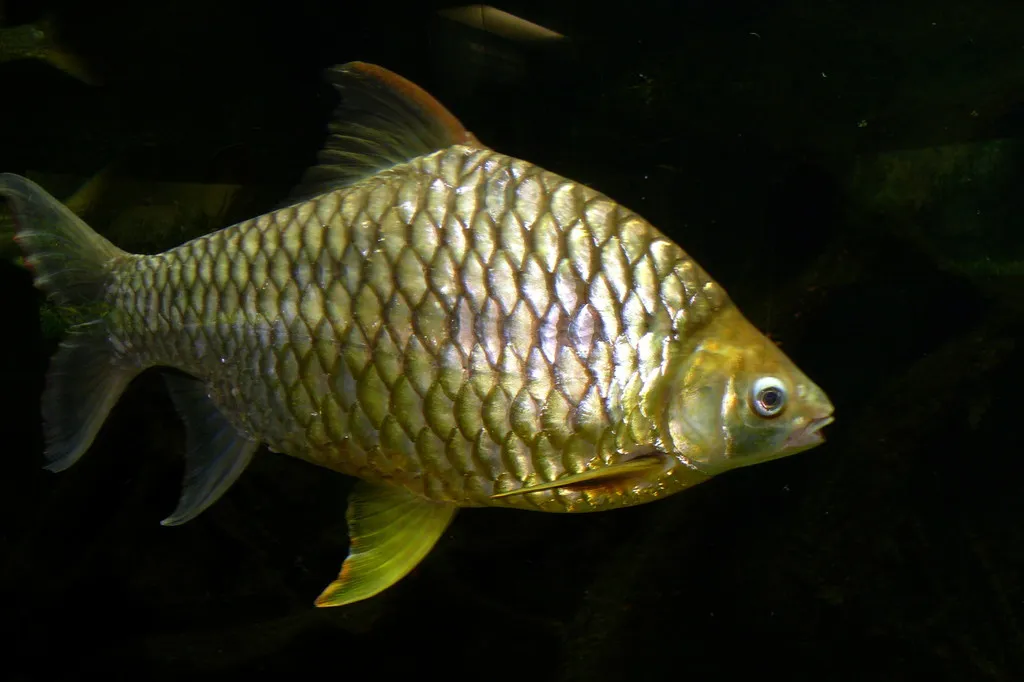 9.8 in (25 cm)106 gal (400 L)72–82°F (22–28°C)
Lemon-fin barb
Hypsibarbus wetmorei
9.8 in (25 cm) · 106 gal (400 L)
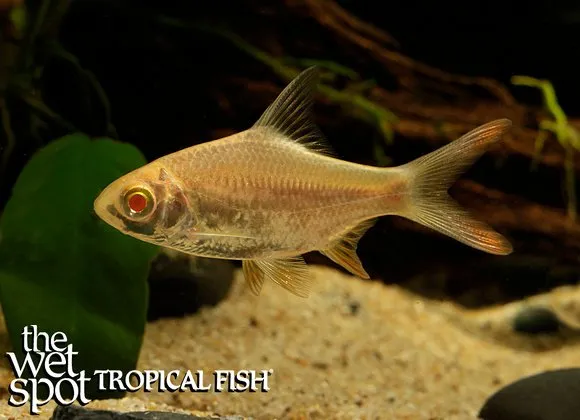 9.8 in (25 cm)106 gal (400 L)72–82°F (22–28°C)
Red-tailed tinfoil barb
Barbonymus altus
9.8 in (25 cm) · 106 gal (400 L)
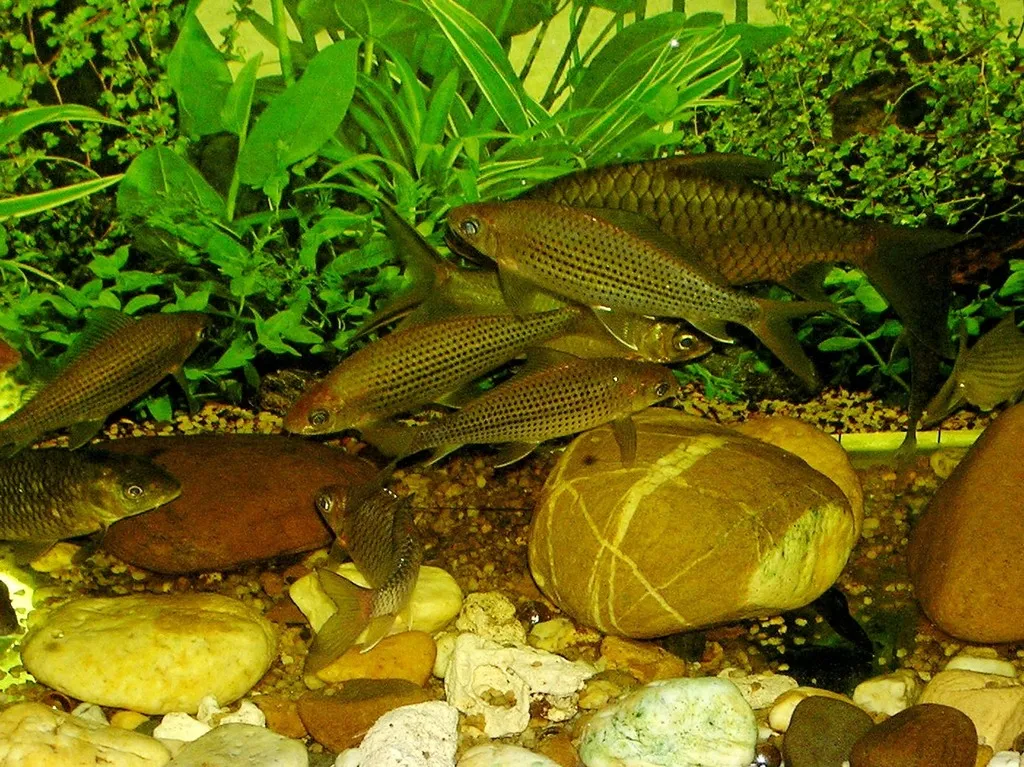 8.7 in (22 cm)66 gal (250 L)72–82°F (22–28°C)
Thinlip sharkminnow barb
Labiobarbus leptocheilus
8.7 in (22 cm) · 66 gal (250 L)
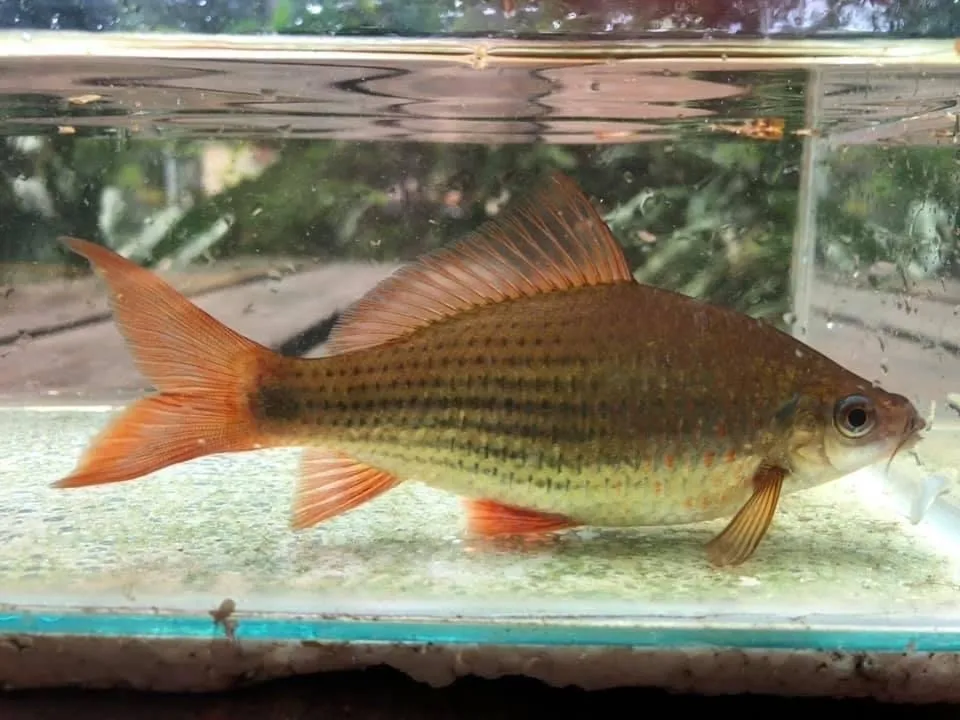 11.8 in (30 cm)106 gal (400 L)72–82°F (22–28°C)
Hard-lipped barb
Osteochilus vittatus
11.8 in (30 cm) · 106 gal (400 L)
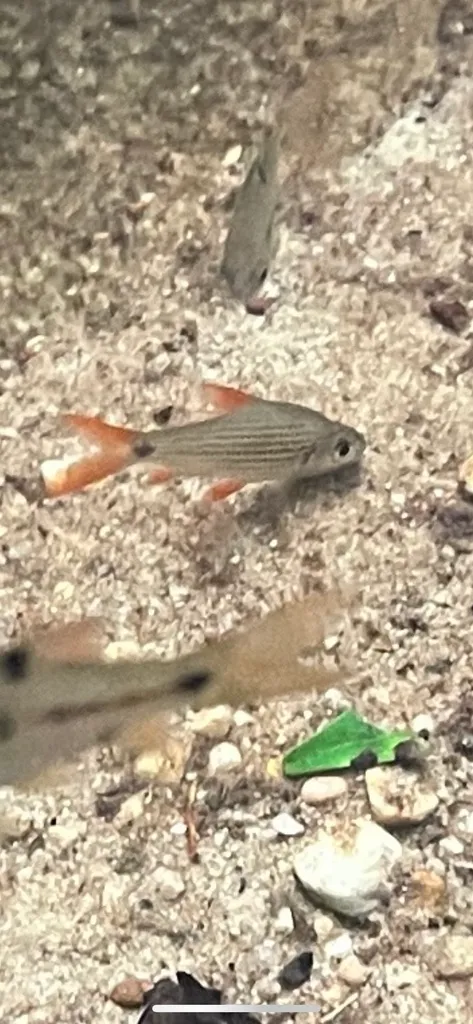 7.9 in (20 cm)66 gal (250 L)72–82°F (22–28°C)
Beardless barb
Cyclocheilichthys apogon
7.9 in (20 cm) · 66 gal (250 L)