Variety of Goldfish
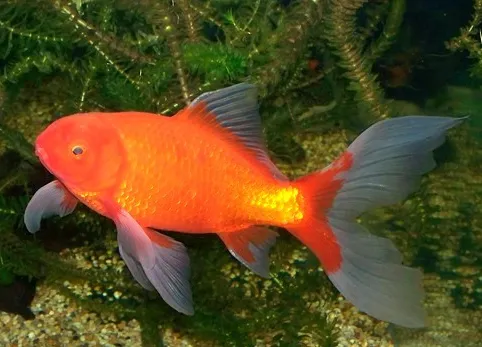
Comet
Carassius auratus
One of 12 varieties of Carassius auratus · See all varieties →
Also known as Comet-tailed goldfish, Sarasa comet
FreshwaterFish
Varieties · Carassius auratus
See all 12 →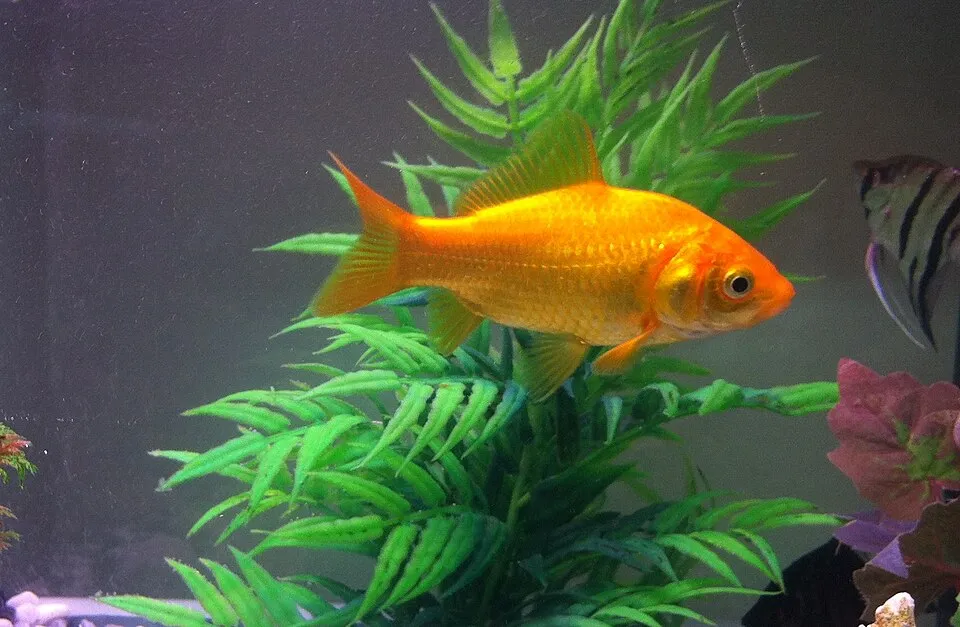
Care at a glance
- Temperature
- 39–75°F
- 4–24°C
- pH
- 6.5–8.0
- Adult size
- 11.8 in
- 30 cm
- Minimum tank
- 50 gal
- 190 L
- Temperament
- Peaceful
- Social behavior
- Social
- Tankmates
- With caution
- Swim level
- Middle
- Difficulty
- Easy
- Breeding
- Medium
- Rarity
- Very common
- Family
- Cyprinidae
- Origin
- A hardy single tailed pond goldfish developed in the United States from common goldfish, a domesticated form of Carassius auratus native to East Asian freshwater.
Overview
Comets grow large and fast, so give them a pond or a tank of at least 190 L, adding much more per fish. They thrive from 4 to 24 C at a pH of 6.5 to 8.0 and need strong filtration for their heavy waste. Keep them with other single tailed goldfish, never with slow fancies. Feed a good goldfish pellet along with vegetables and occasional live or frozen treats.
In the wild
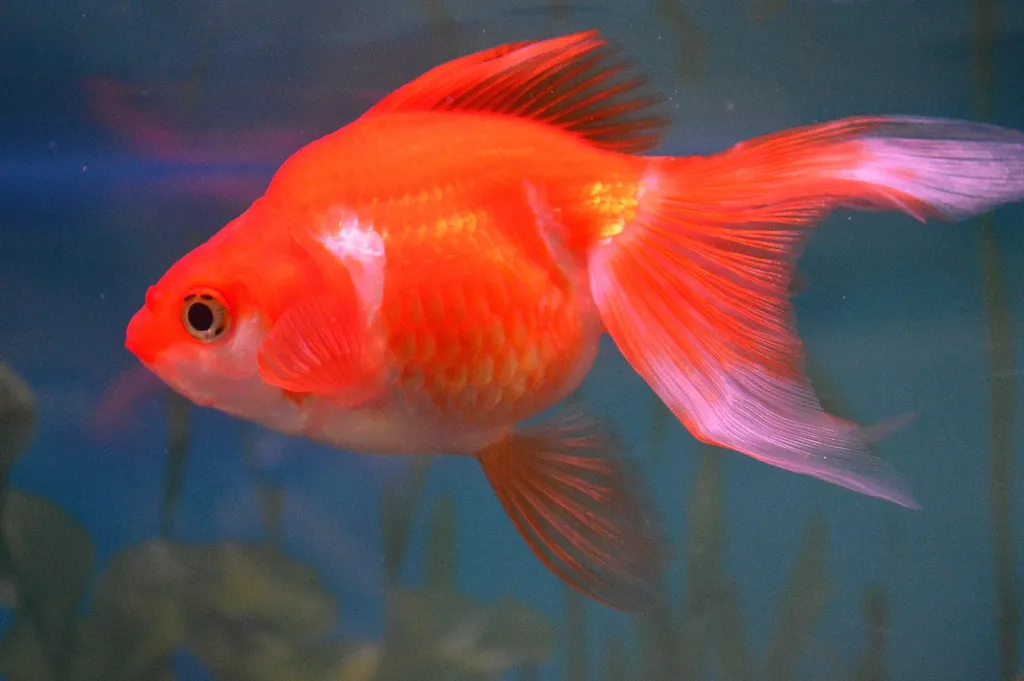
The comet is a slim, single tailed goldfish with a long, deeply forked tail that was developed in the United States. It is fast, active and very hardy, and grows to around 30 cm, so it belongs in a pond or a large tank. Like the common goldfish it tolerates a wide temperature range and can overwinter in an outdoor pond. The popular red and white form is sold as the sarasa comet.
Good to know
The comet was bred in the United States in the 1880s from common goldfish, selected for a longer, flowing single tail. It is the same species as all other goldfish, Carassius auratus, and keeps the wild body's strength and cold tolerance. It is a prolific egg scatterer that spawns readily in ponds each spring.
Did you know
Comet goldfish given pond space and years of growth routinely reach 25 to 30 cm, far larger than the fish most people picture from a fair prize bowl.
Common questions
Is a Comet a different species from the Goldfish?
No. A Comet is a variety of the Goldfish, Carassius auratus. It is kept the same way apart from difficulty, adult size, tank size and temperature.
What size tank does a Comet need?
A Comet needs at least 50 gal (190 L). It spends most of its time in the middle.
How big does a Comet get?
An adult Comet reaches about 11.8 in (30 cm).
Related species
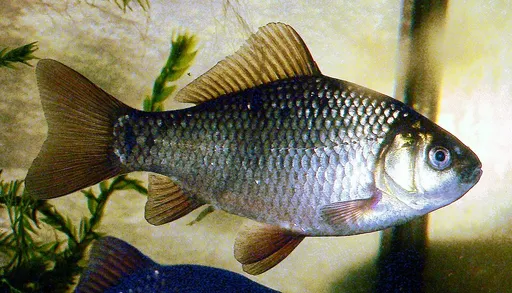 11.8 in (30 cm)119 gal (450 L)39–75°F (4–24°C)
Crucian carp
Carassius carassius
11.8 in (30 cm) · 119 gal (450 L)
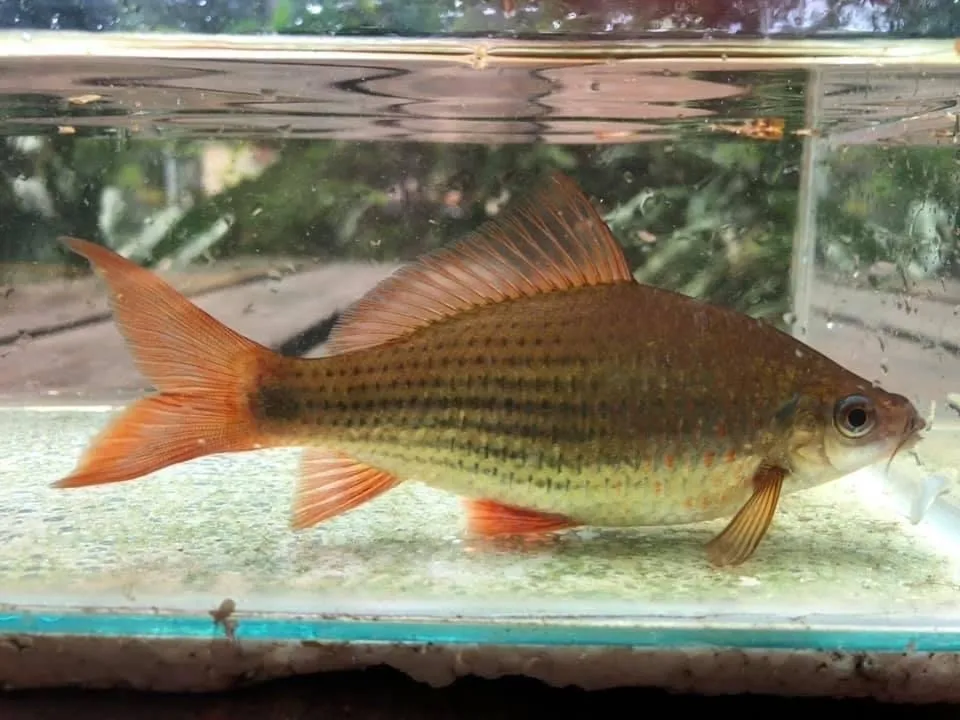 11.8 in (30 cm)106 gal (400 L)72–82°F (22–28°C)
Hard-lipped barb
Osteochilus vittatus
11.8 in (30 cm) · 106 gal (400 L)
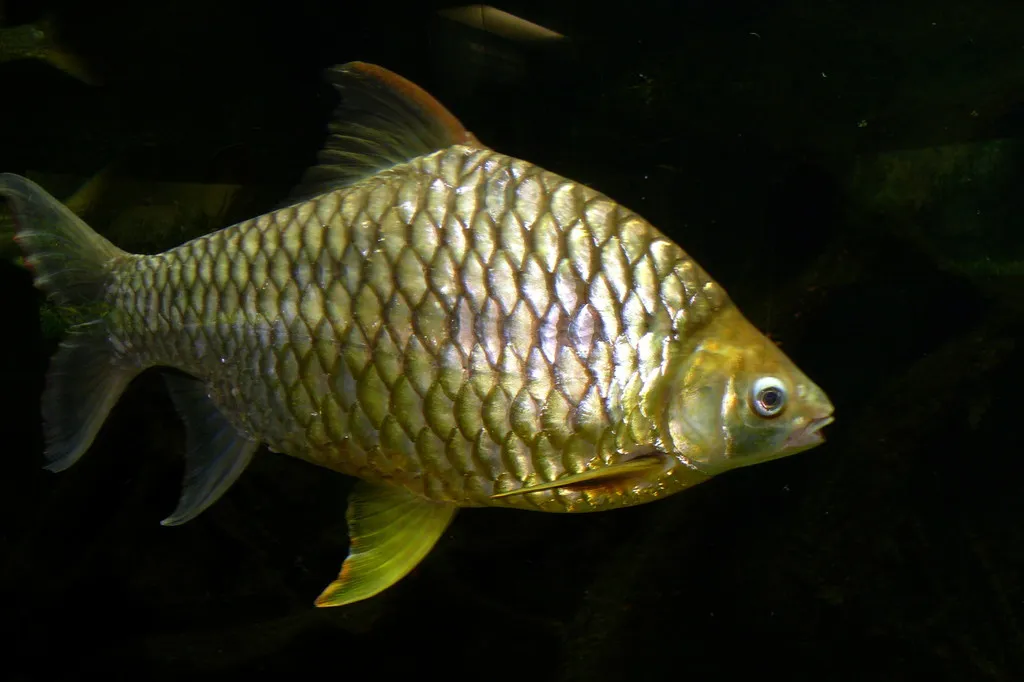 9.8 in (25 cm)106 gal (400 L)72–82°F (22–28°C)
Lemon-fin barb
Hypsibarbus wetmorei
9.8 in (25 cm) · 106 gal (400 L)
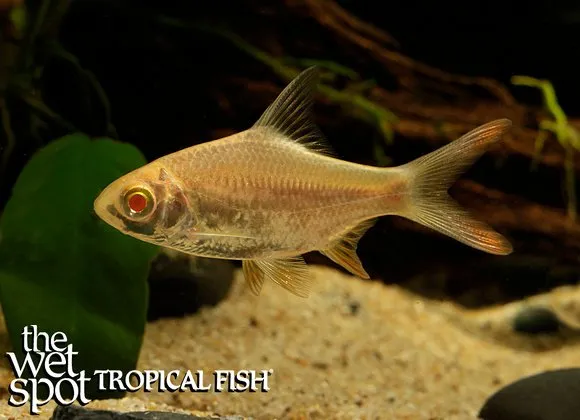 9.8 in (25 cm)106 gal (400 L)72–82°F (22–28°C)
Red-tailed tinfoil barb
Barbonymus altus
9.8 in (25 cm) · 106 gal (400 L)
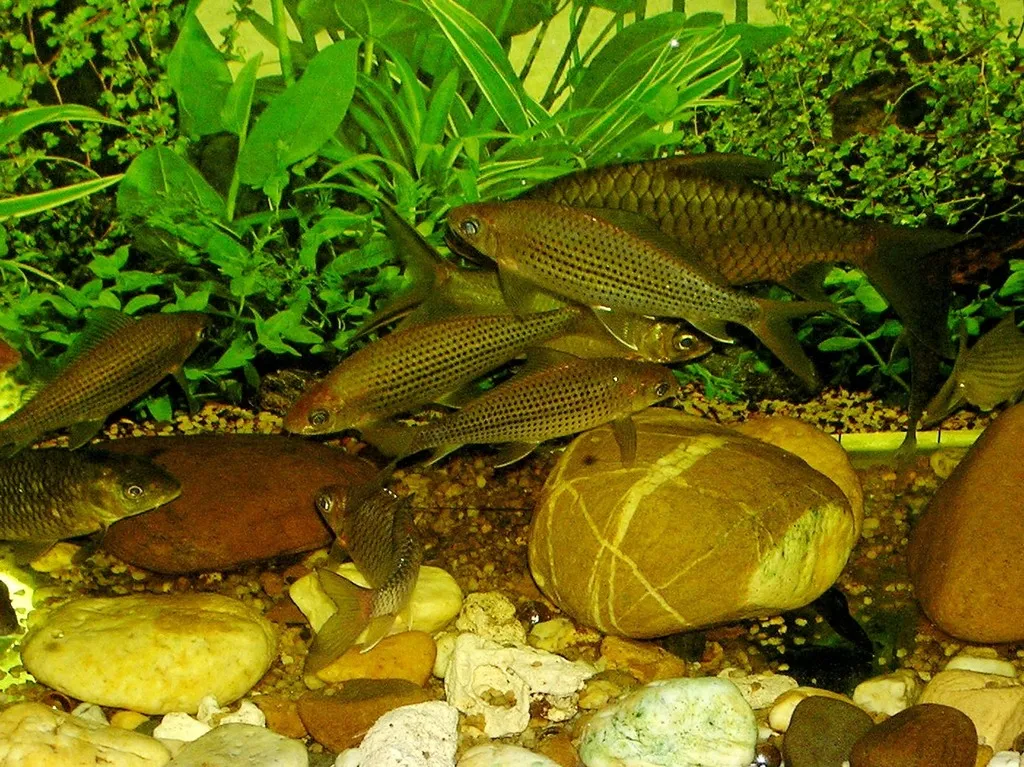 8.7 in (22 cm)66 gal (250 L)72–82°F (22–28°C)
Thinlip sharkminnow barb
Labiobarbus leptocheilus
8.7 in (22 cm) · 66 gal (250 L)
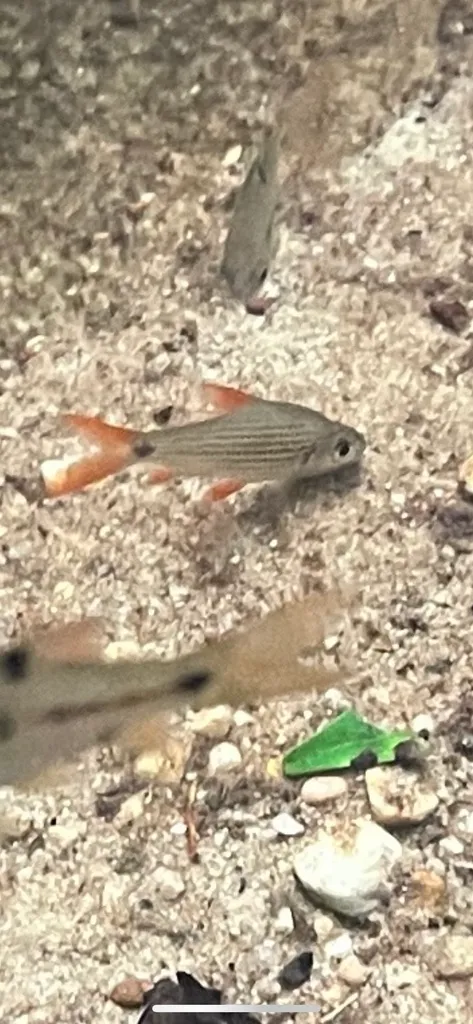 7.9 in (20 cm)66 gal (250 L)72–82°F (22–28°C)
Beardless barb
Cyclocheilichthys apogon
7.9 in (20 cm) · 66 gal (250 L)