Variety of Goldfish
Pearlscale
Carassius auratus
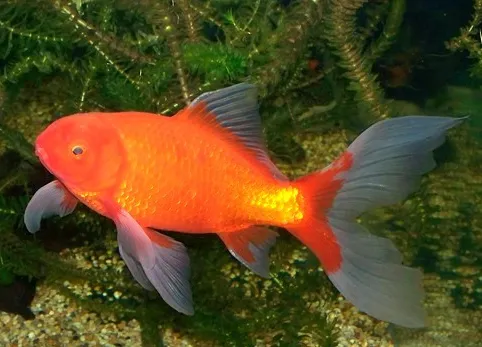
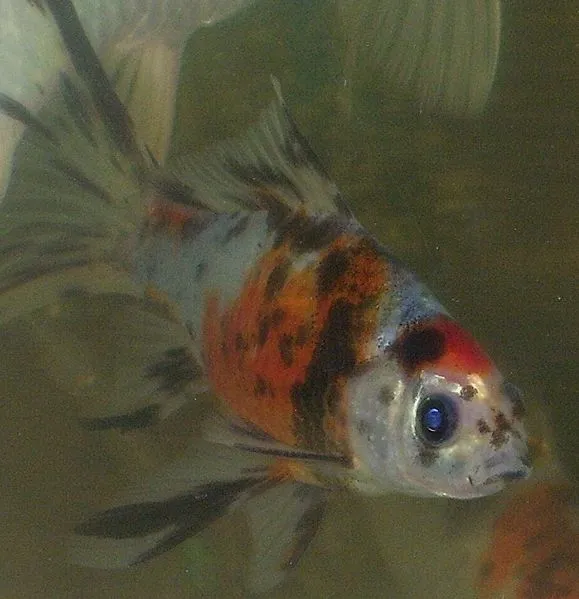
One of 12 varieties of Carassius auratus · See all varieties →
Also known as Ping pong pearlscale, Golfball pearlscale, Chinshurin
FreshwaterFish
Varieties · Carassius auratus
See all 12 →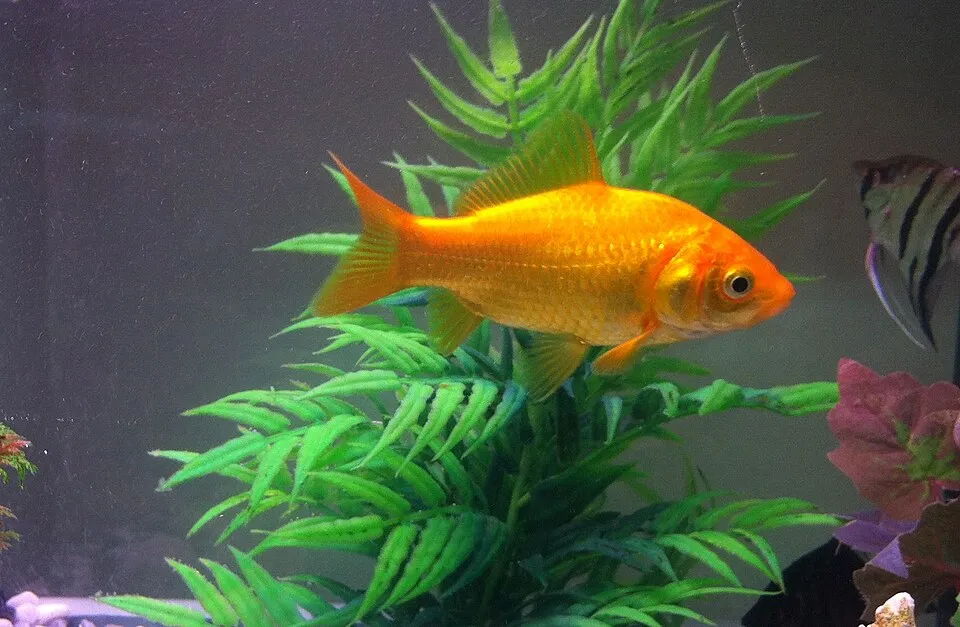
Care at a glance
- Temperature
- 64–75°F
- 18–24°C
- pH
- 6.5–8.0
- Adult size
- 7.1 in
- 18 cm
- Minimum tank
- 25 gal
- 95 L
- Temperament
- Peaceful
- Social behavior
- Social
- Tankmates
- With caution
- Swim level
- Middle
- Difficulty
- Medium
- Breeding
- Medium
- Rarity
- Common
- Family
- Cyprinidae
- Origin
- A round bodied fancy goldfish bred in China from domesticated Carassius auratus, whose wild ancestor lives in slow freshwater across East Asia.
Overview
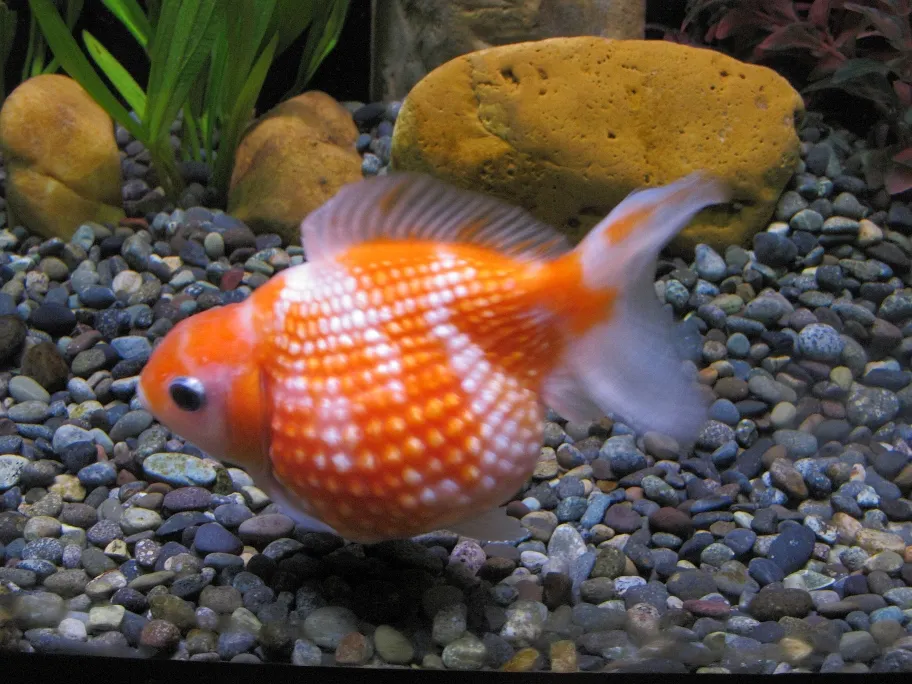
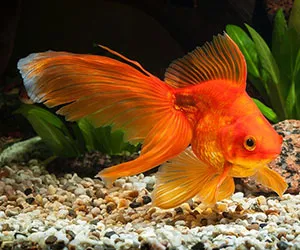
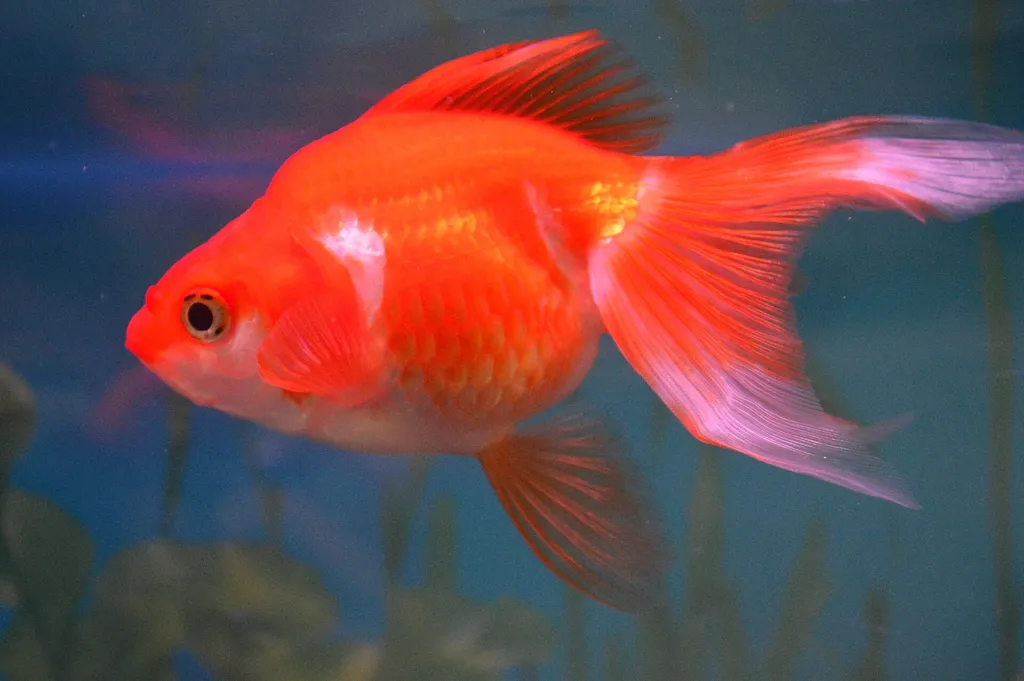
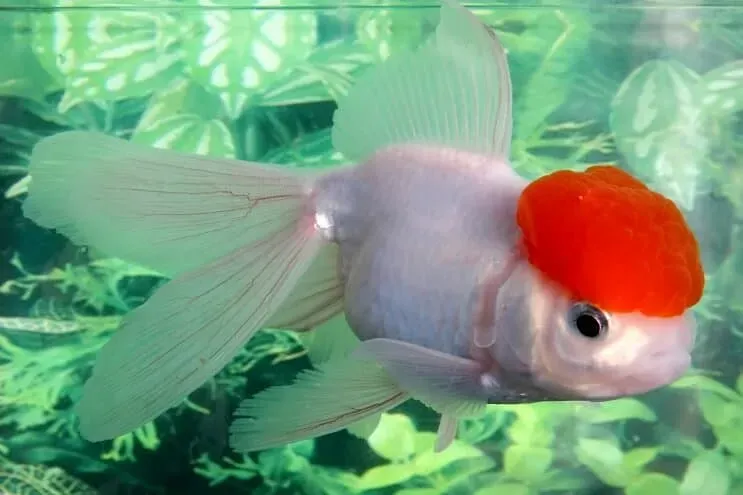
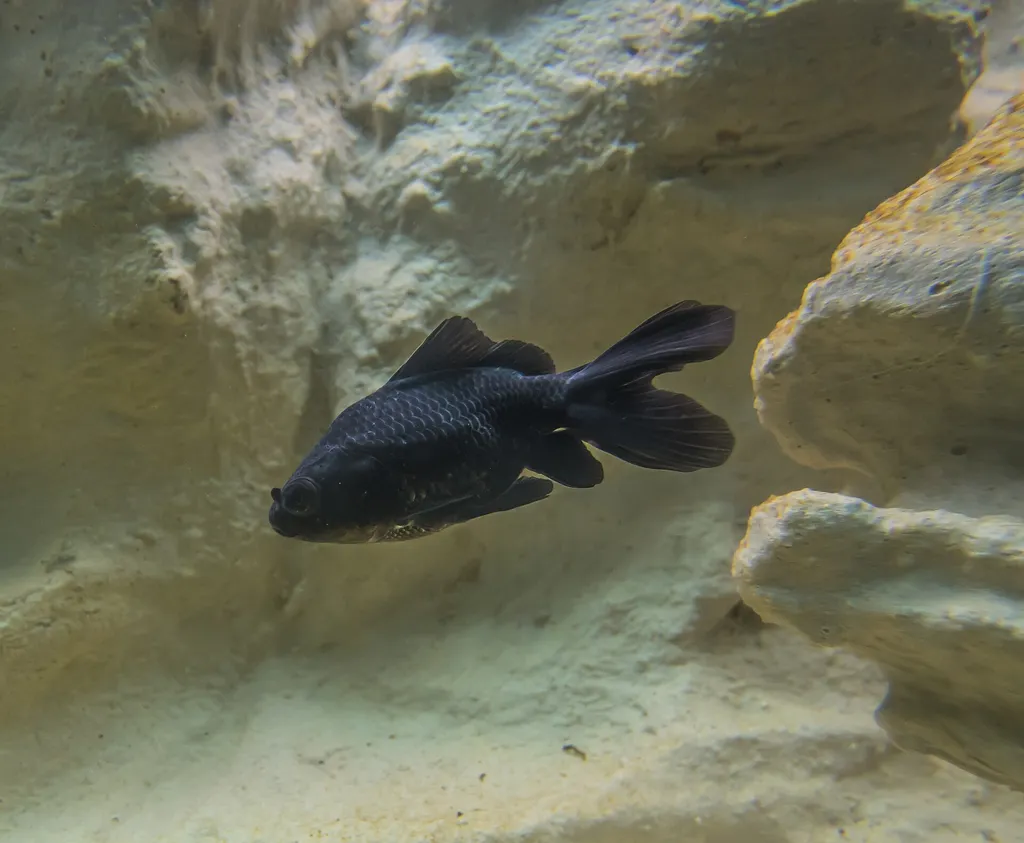
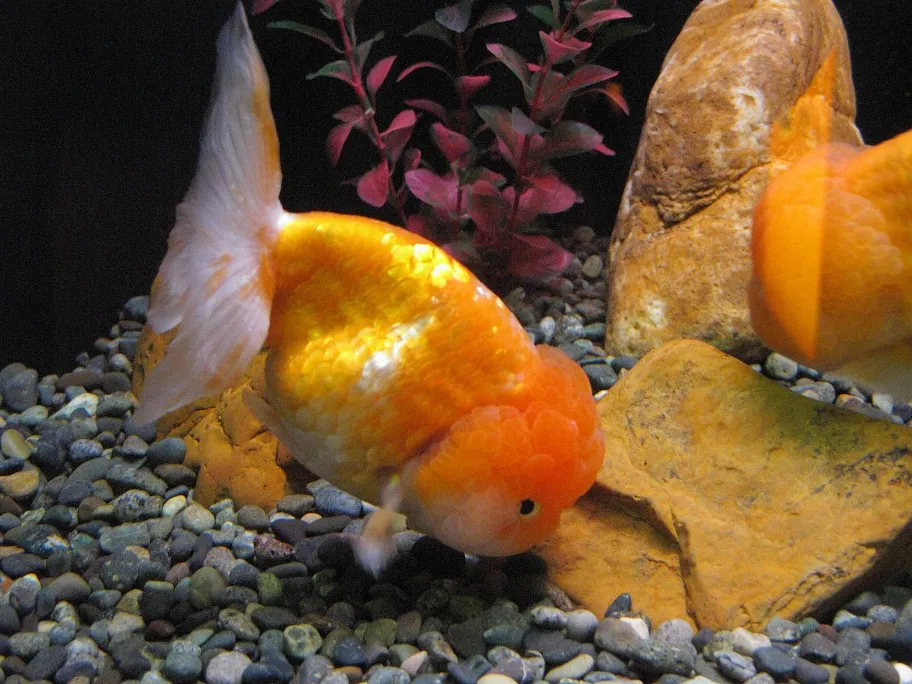
The pearlscale is an almost spherical fancy goldfish with a round belly and beaded scales. It is a slow fish for a calm, stable tank and suits a keeper with some experience.
Did you know
The pearlscale's round body cannot right itself as easily as a flatter goldfish can.
Caring for the pearlscale
Give one pearlscale about 25 gal (95 L), with gentle flow and smooth decor. Keep the water warm and stable, at 64 to 75°F (18 to 24°C) and a pH of 6.5 to 8.0. That is a little warmer than flatter fancies need, since the round body handles cold poorly.
Feed presoaked sinking pellets and blanched peas, and feed carefully. These foods reduce trapped air and constipation, the usual causes of buoyancy trouble. Keeping it off floating food is the single most important thing for its health.
Pearlscales are peaceful and social, and each one wants the company of its own kind. House them with other slow fancy goldfish. They are moderately difficult to breed.
Good to know
The pearlscale's scales each carry a raised dome of calcium carbonate, which gives a pearly, beaded look. The trait is fixed and genetic, and a lost pearl scale grows back plain. The rounded body compresses the internal organs, which is why buoyancy disorders are common. It is a short-bodied strain of Carassius auratus, in the family Cyprinidae, sometimes called the golf ball or ping pong goldfish.
In the wild
The pearlscale was bred in China from the domesticated goldfish. Its wild ancestor lives in slow freshwater across East Asia.
From published sources
Tank mates
Each fish here is named as a tank mate for the pearlscale by at least two published care guides. Every partner here handles cool water. The tank needs about 20 gallons (75 liters) for the first fancy goldfish and 10 gallons (38 liters) for each extra one.
Sources: Practical Fishkeeping, Aquarium Co-Op, Fishkeeping World, Aquarium Source, Tropical Fish Hobbyist.
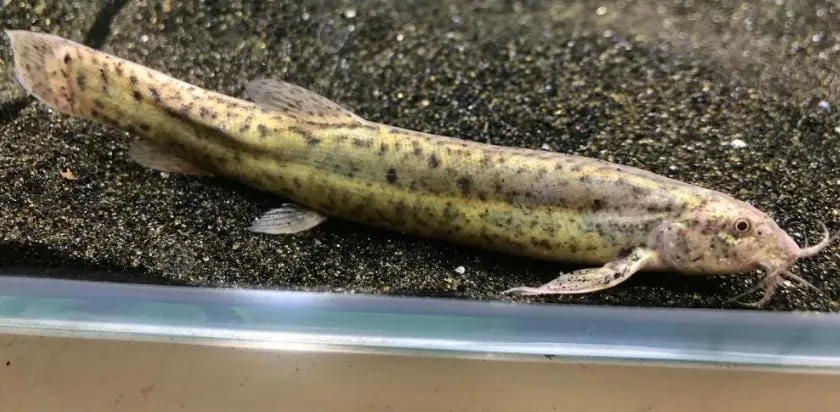
Weather loach
Misgurnus anguillicaudatus
Freshwater11 in (28 cm) · 55 gal (210 L)50–73°F (10–23°C)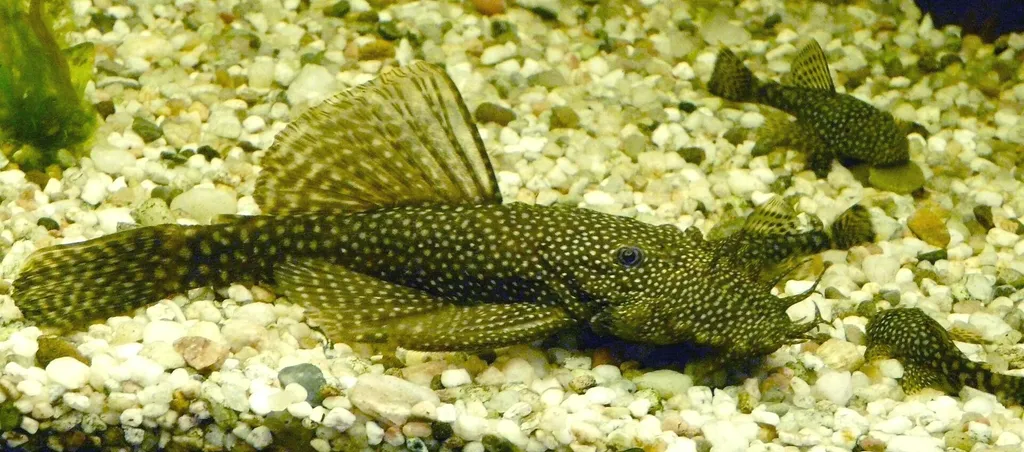
Bristlenose pleco
Ancistrus sp.
Freshwater4.9 in (12.5 cm) · 20 gal (75 L)70–79°F (21–26°C)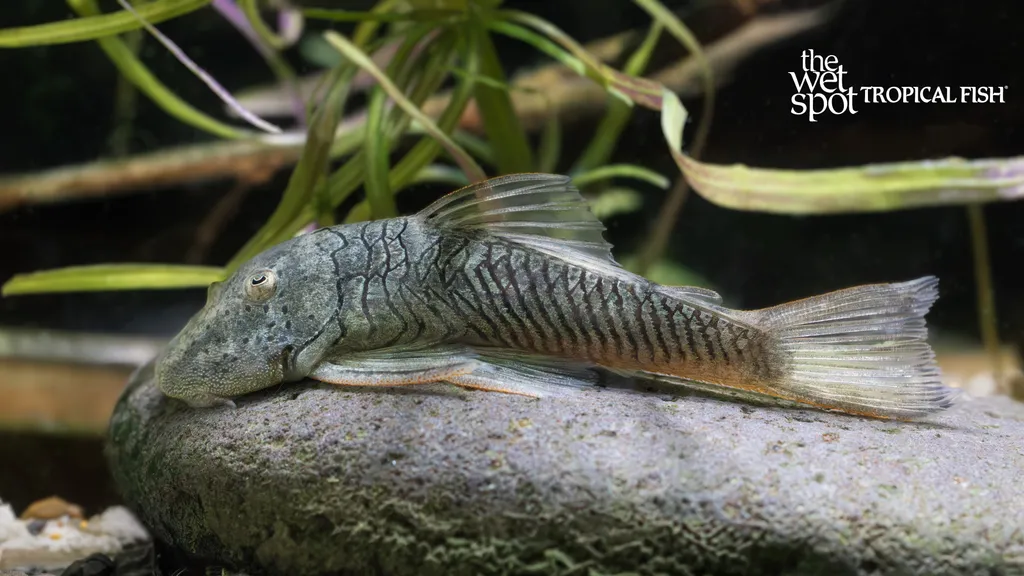
Bulldog pleco
Chaetostoma formosae
Freshwater4.3 in (11 cm) · 40 gal (150 L)68–77°F (20–25°C)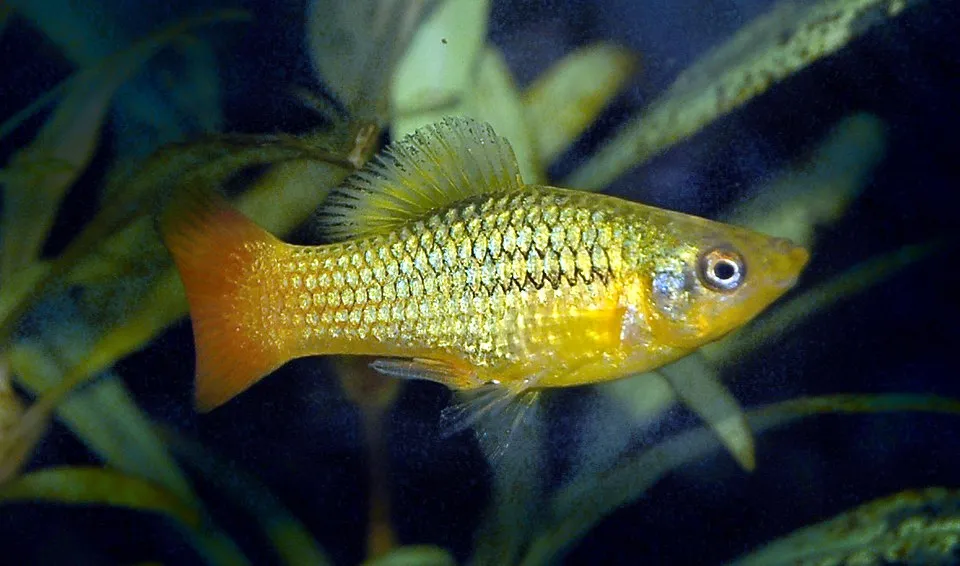
Variable platy
Xiphophorus variatus
Freshwater2.8 in (7 cm) · 15 gal (55 L)68–79°F (20–26°C)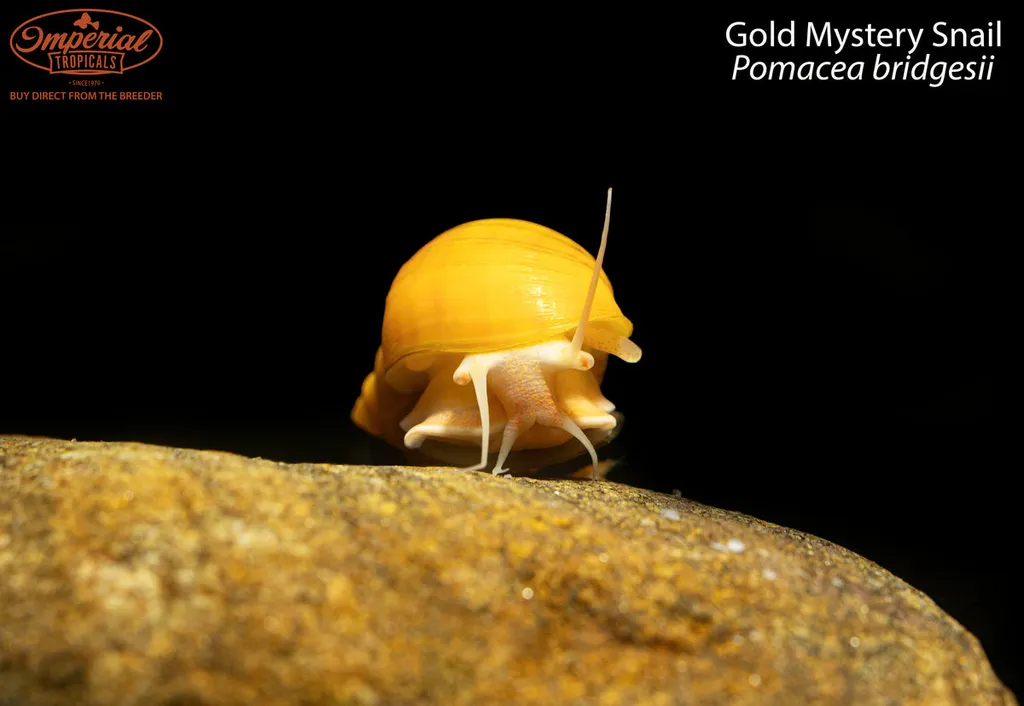
Mystery snail
Pomacea diffusa
Freshwater2 in (5 cm) · 5 gal (19 L)70–79°F (21–26°C)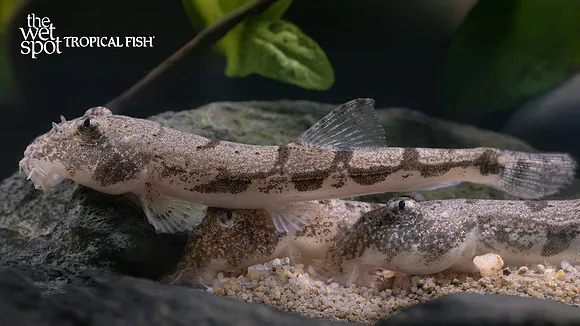
Chinese butterfly loach
Pseudogastromyzon cheni
Freshwater2.4 in (6 cm) · 20 gal (75 L)64–75°F (18–24°C)
Common questions
Is a pearlscale a different species from the goldfish?
No. A pearlscale is a variety of the goldfish, Carassius auratus. It is kept the same way apart from difficulty, adult size, tank size and temperature.
What size tank does a pearlscale need?
A pearlscale needs at least 25 gal (95 L). It spends most of its time in the middle.
What does a pearlscale eat?
A pearlscale eats presoaked sinking pellets and blanched peas. Keeping it off floating food matters more than anything else for its health.
How big does a pearlscale get?
An adult pearlscale reaches about 7.1 in (18 cm).
What fish can live with the pearlscale?
Published care guides name weather loach, bristlenose pleco, bulldog pleco and variable platy, among others. Every partner here handles cool water. The tank needs about 20 gallons (75 liters) for the first fancy goldfish and 10 gallons (38 liters) for each extra one.
Related species
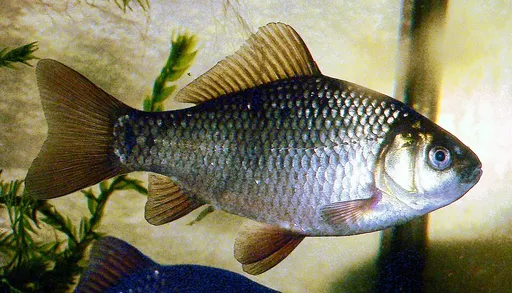 11.8 in (30 cm)119 gal (450 L)39–75°F (4–24°C)
Crucian carp
Carassius carassius
11.8 in (30 cm) · 119 gal (450 L)
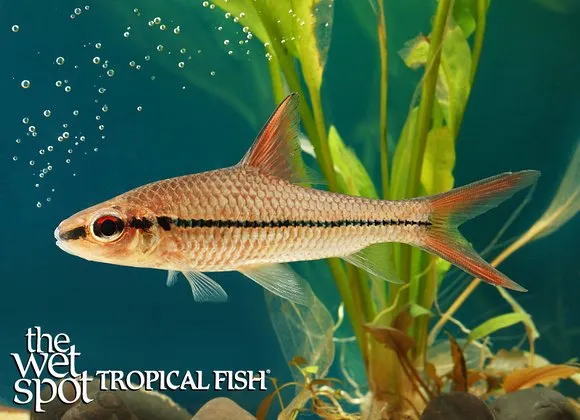 7.1 in (18 cm)53 gal (200 L)73–82°F (23–28°C)
Purple-fin barb
Cyclocheilichthys janthochir
7.1 in (18 cm) · 53 gal (200 L)
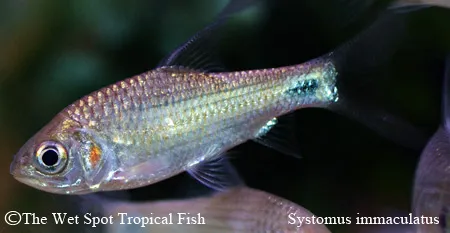 7.5 in (19 cm)66 gal (250 L)72–81°F (22–27°C)
Immaculate barb
Systomus immaculatus
7.5 in (19 cm) · 66 gal (250 L)
 7.9 in (20 cm)66 gal (250 L)72–82°F (22–28°C)
Beardless barb
Cyclocheilichthys apogon
7.9 in (20 cm) · 66 gal (250 L)
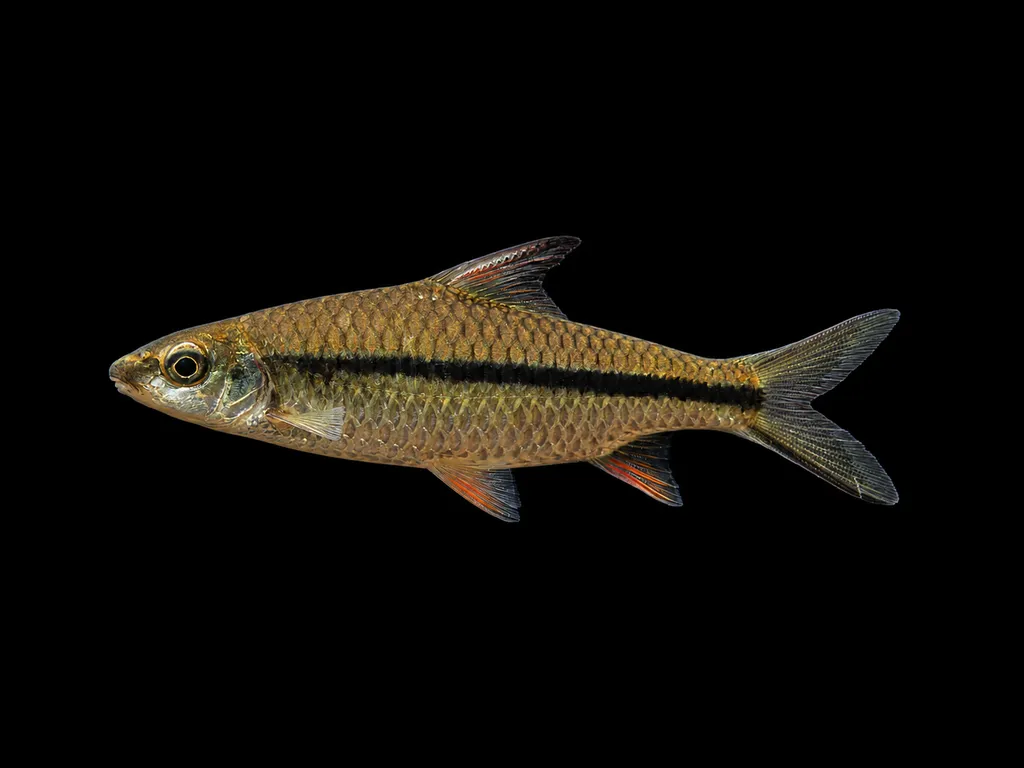 7.9 in (20 cm)66 gal (250 L)64–77°F (18–25°C)
Blackline poropuntius barb
Poropuntius melanogrammus
7.9 in (20 cm) · 66 gal (250 L)
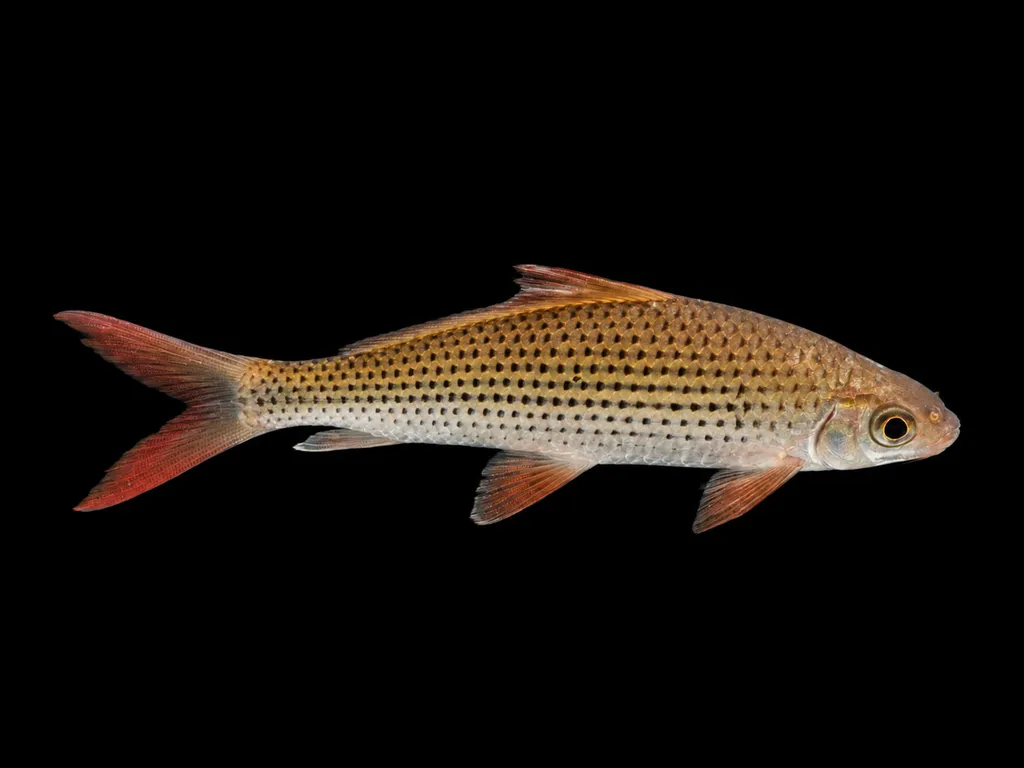 7.9 in (20 cm)66 gal (250 L)73–82°F (23–28°C)
Festive sharkminnow barb
Labiobarbus festivus
7.9 in (20 cm) · 66 gal (250 L)