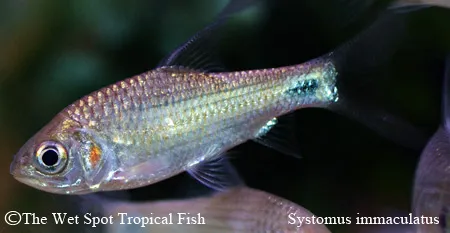
Immaculate barb
Systomus immaculatus
Also known as Spotless systomus, Cute face barb
FreshwaterFish
Care at a glance
- Temperature
- 72–81°F
- 22–27°C
- pH
- 6.0–7.2
- Adult size
- 7.5 in
- 19 cm
- Minimum tank
- 66 gal
- 250 L
- Temperament
- Peaceful
- Social behavior
- Schooling
- Swim level
- Middle
- Diet
- Omnivore
- Difficulty
- Medium
- Breeding
- No record
- Rarity
- Rare
- Family
- Cyprinidae
- Origin
- Assam, northeast India
Overview
The immaculate barb is a peaceful schooling fish that grows into a fairly large, deep-bodied barb. It is a step up from the easiest community fish.
Did you know
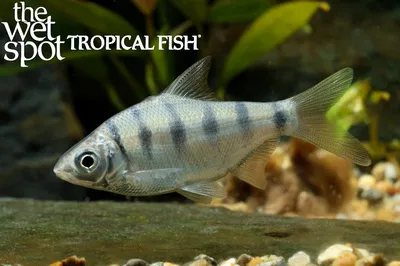
The immaculate barb's name is a quiet joke at its family's expense. In a group famous for spots, stripes and shoulder blotches, its field mark is having no markings at all.
Caring for the immaculate barb
An immaculate barb needs a spacious tank of 66 gal (250 L) or more, well beyond what a small barb would need. Give it length, with open swimming lanes and some planted cover along the edges. A sand or fine gravel bed, smooth stones and driftwood suit it.
Run a steady, well-oxygenated current, and keep the water at 72 to 81°F (22 to 27°C) with a pH of 6.0 to 7.2. It is an omnivore that readily takes sinking pellets, flake and frozen foods.
Keep immaculate barbs in a group of at least six. In a shoal they swim openly through the middle water and stay calm toward their tank mates. Pair them with other active but even-tempered community species, rather than small fish they might unsettle at feeding time. Their breeding is not documented in aquariums.
Good to know
Systomus immaculatus is a barb in the carp family, Cyprinidae, and its species name means spotless. It is one of the larger barbs, not the modest ten-centimeter fish it is sometimes listed as.
In the wild
Records place the immaculate barb in Assam and the wider Brahmaputra drainage of northeast India. It lives in clear, flowing subtropical rivers and streams.
Weekly picks
Tank mates
The immaculate barb is a peaceful, schooling species that keeps to the middle. These picks share a community profile with it, are safe together in both directions, and overlap on water type, temperature and pH.
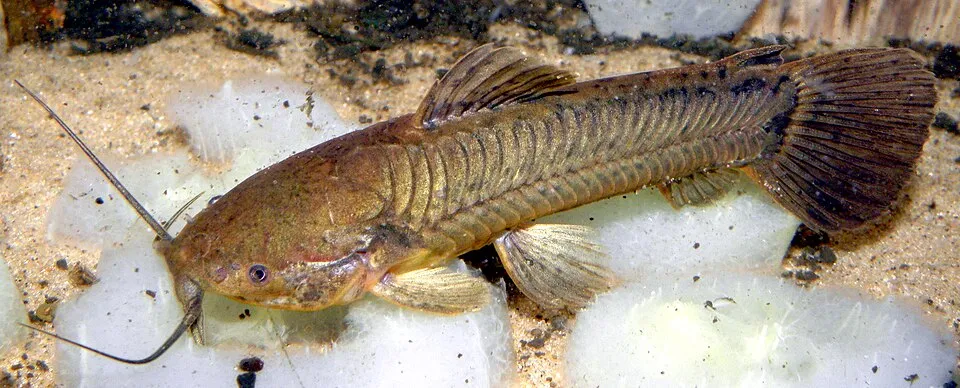
Cascarudo
Callichthys callichthys
Freshwater7.9 in (20 cm) · 63 gal (240 L)66–81°F (19–27°C)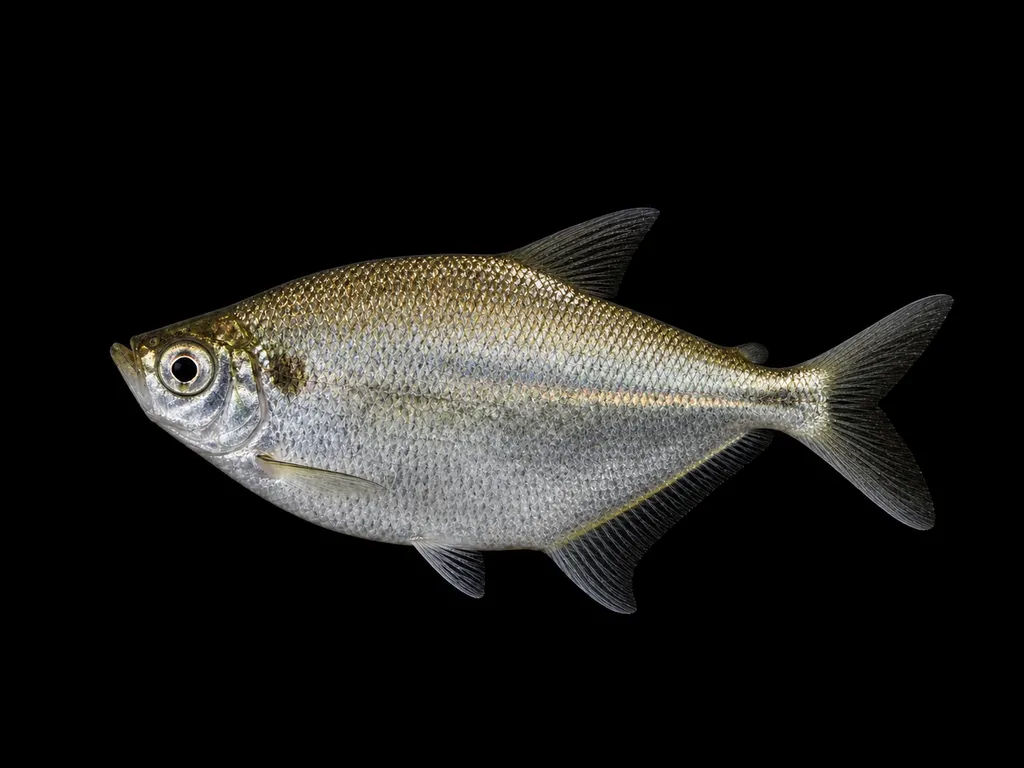
Giant river hatchetfish
Triportheus rotundatus
Freshwater9.8 in (25 cm) · 79 gal (300 L)73–82°F (23–28°C)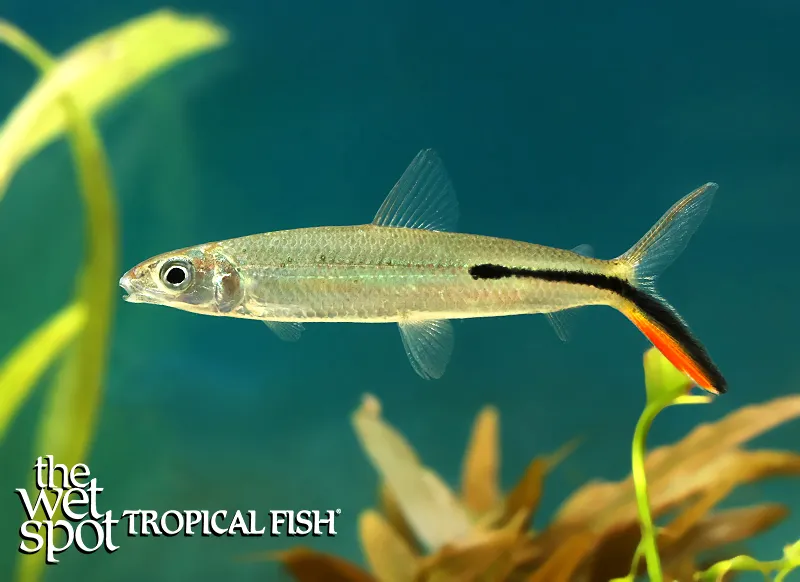
Slender hemiodus
Hemiodus gracilis
Freshwater7.1 in (18 cm) · 66 gal (250 L)73–82°F (23–28°C)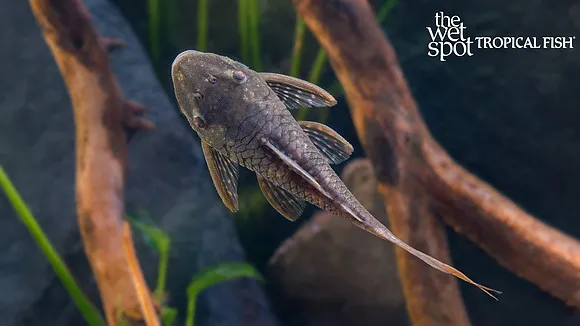
Red tail lasiancistrus
Lasiancistrus heteracanthus
Freshwater7.1 in (18 cm) · 66 gal (250 L)73–81°F (23–27°C)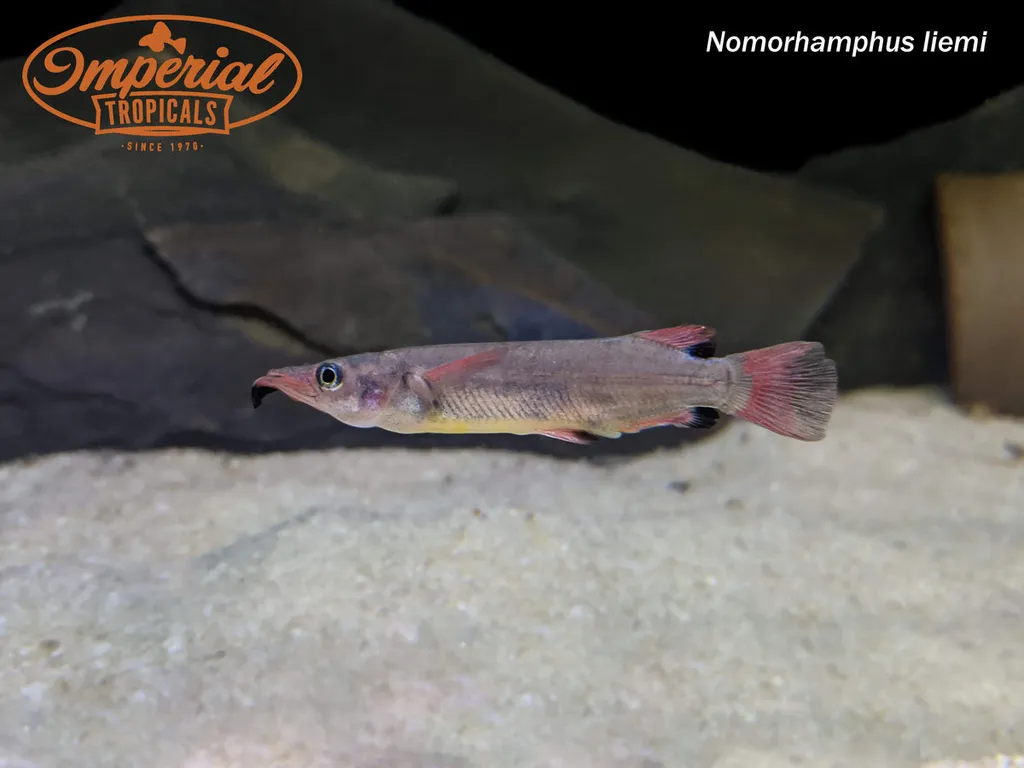
Celebes halfbeak
Nomorhamphus liemi
Freshwater3.5 in (9 cm) · 40 gal (150 L)68–77°F (20–25°C)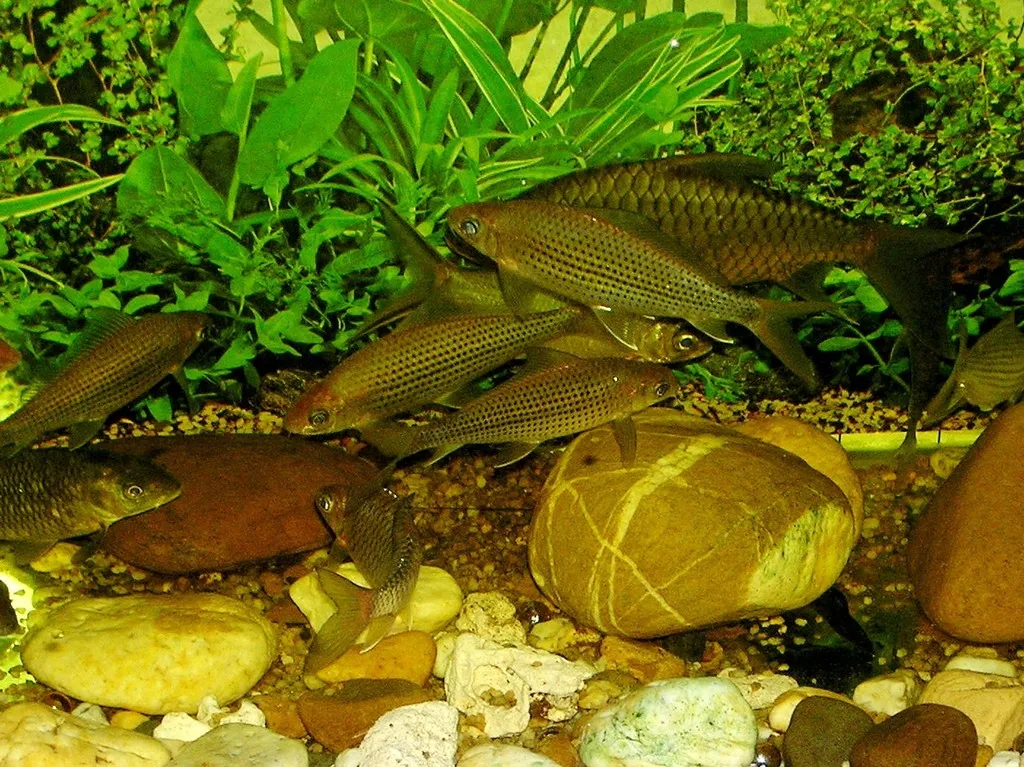
Thinlip sharkminnow barb
Labiobarbus leptocheilus
Freshwater8.7 in (22 cm) · 66 gal (250 L)72–82°F (22–28°C)
Common questions
What size tank does an immaculate barb need?
An immaculate barb needs at least 66 gal (250 L). It spends most of its time in the middle.
What temperature and pH does an immaculate barb need?
An immaculate barb is comfortable at 72–81°F (22–27°C) with a pH of 6.0–7.2.
What does an immaculate barb eat?
An immaculate barb is an omnivore that readily takes sinking pellets, flake and frozen foods.
How big does an immaculate barb get?
An adult immaculate barb reaches about 7.5 in (19 cm).
Does an immaculate barb need a group?
Yes. An immaculate barb is a schooling species and should be kept in a group, not singly.
Related species
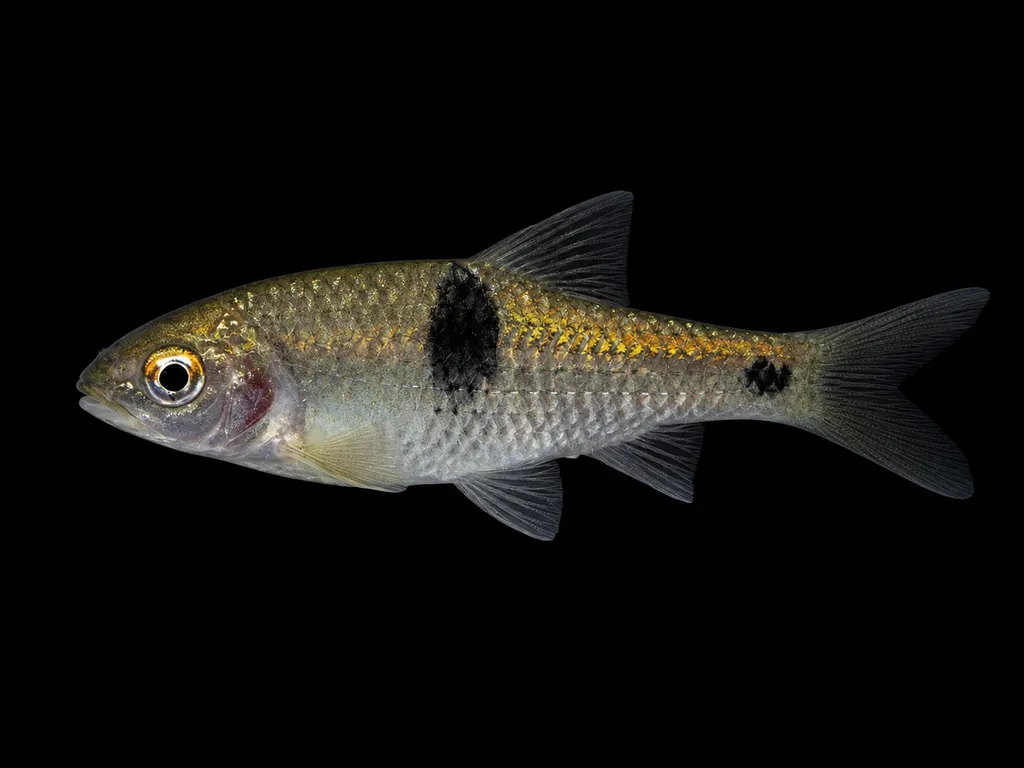 3.9 in (10 cm)29 gal (110 L)72–81°F (22–27°C)
Binduchitra barb
Systomus binduchitra
3.9 in (10 cm) · 29 gal (110 L)
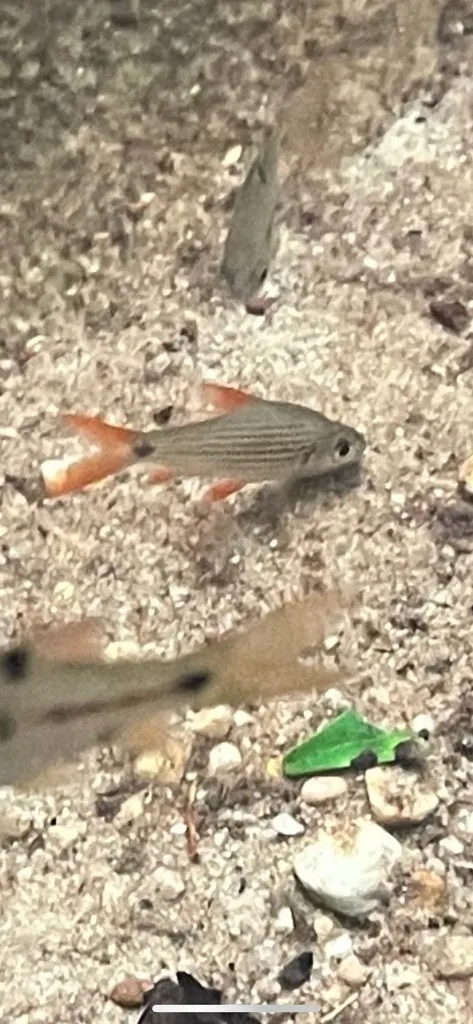 7.9 in (20 cm)66 gal (250 L)72–82°F (22–28°C)
Beardless barb
Cyclocheilichthys apogon
7.9 in (20 cm) · 66 gal (250 L)
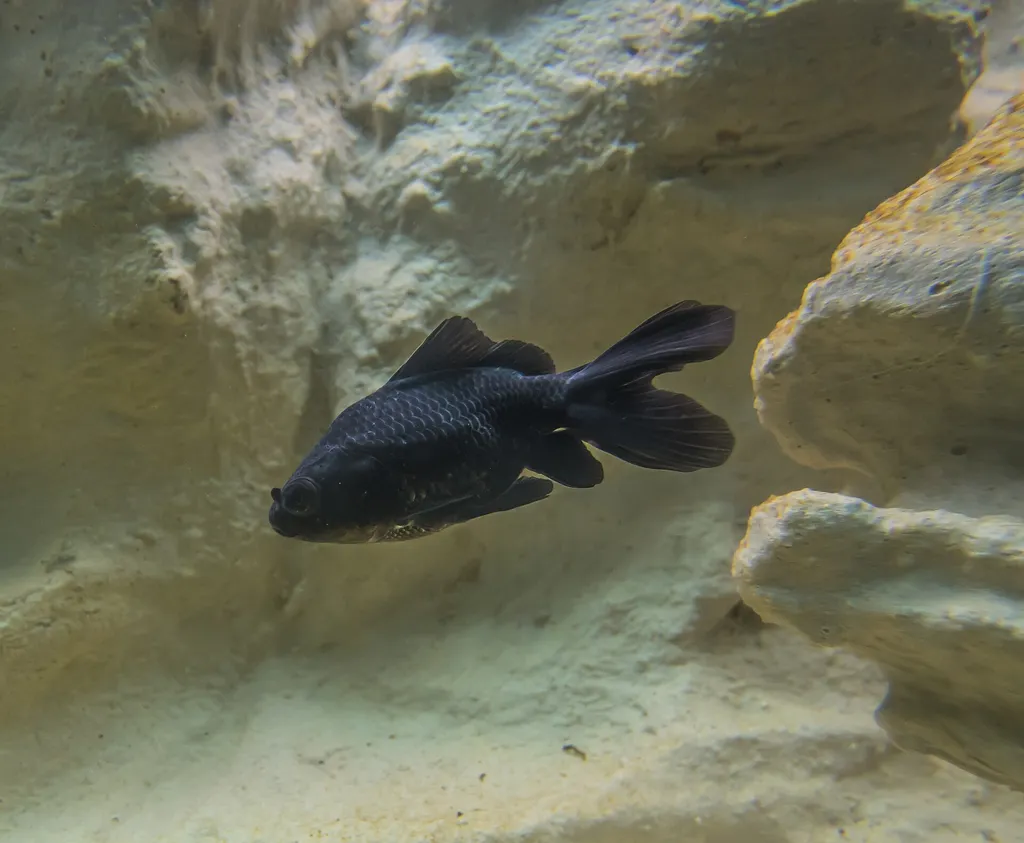 7.9 in (20 cm)25 gal (95 L)61–75°F (16–24°C)
Black moor
Carassius auratus
7.9 in (20 cm) · 25 gal (95 L)
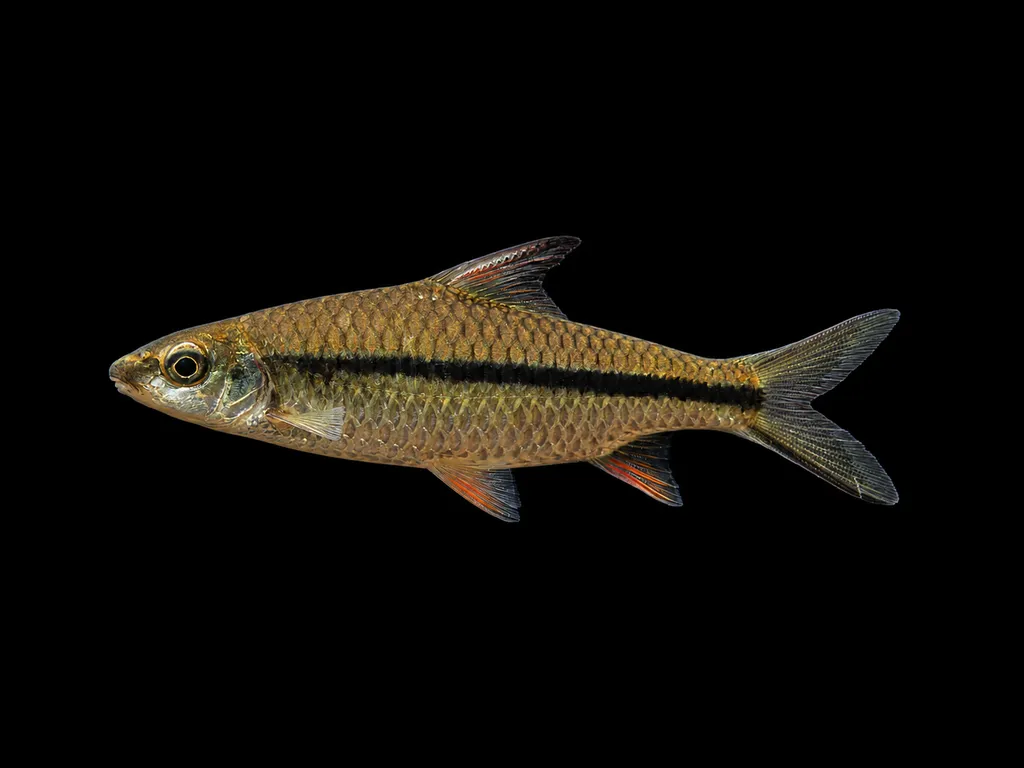 7.9 in (20 cm)66 gal (250 L)64–77°F (18–25°C)
Blackline poropuntius barb
Poropuntius melanogrammus
7.9 in (20 cm) · 66 gal (250 L)
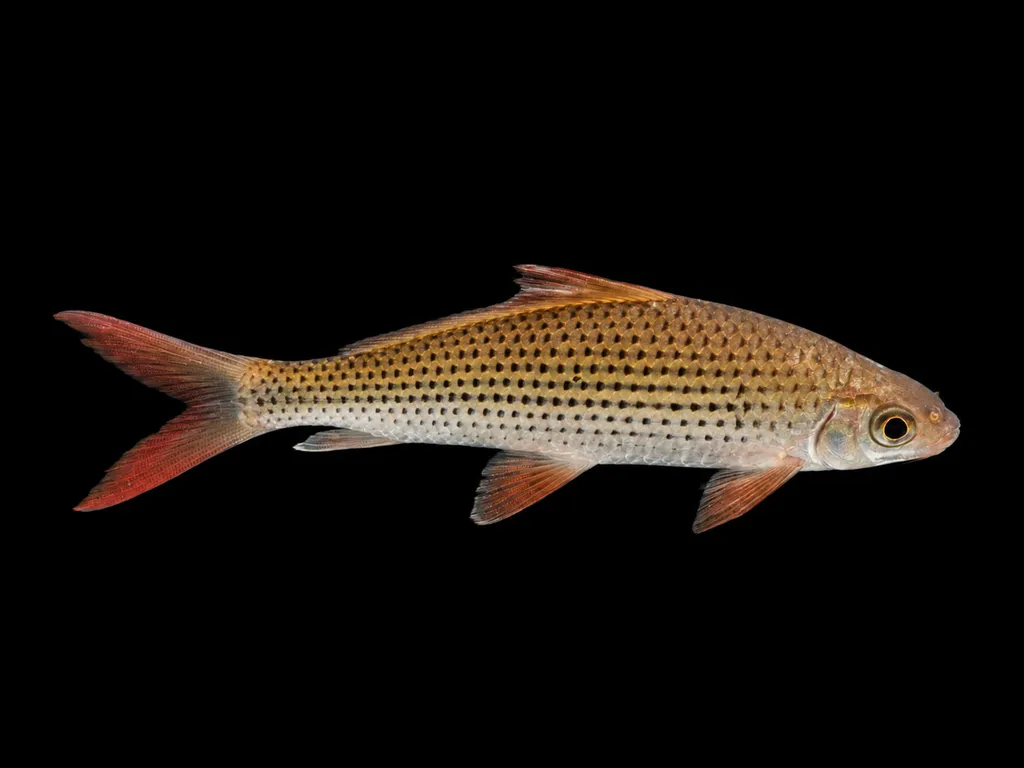 7.9 in (20 cm)66 gal (250 L)73–82°F (23–28°C)
Festive sharkminnow barb
Labiobarbus festivus
7.9 in (20 cm) · 66 gal (250 L)
 7.9 in (20 cm)66 gal (250 L)68–81°F (20–27°C)
Ogilbie's osteobrama
Rohtee ogilbii
7.9 in (20 cm) · 66 gal (250 L)