Redtail loach
Yasuhikotakia modesta
Also known as Red tail loach
FreshwaterFish
Care at a glance
- Temperature
- 73–82°F
- 23–28°C
- pH
- 6.0–7.5
- Adult size
- 9.8 in
- 25 cm
- Minimum tank
- 75 gal
- 285 L
- Temperament
- Mostly peaceful
- Social behavior
- Shoaling
- Swim level
- Bottom
- Difficulty
- Medium
- Breeding
- No record
- Rarity
- Rare
- Family
- Botiidae
- Origin
- Thailand, Laos, Cambodia, Vietnam
Overview
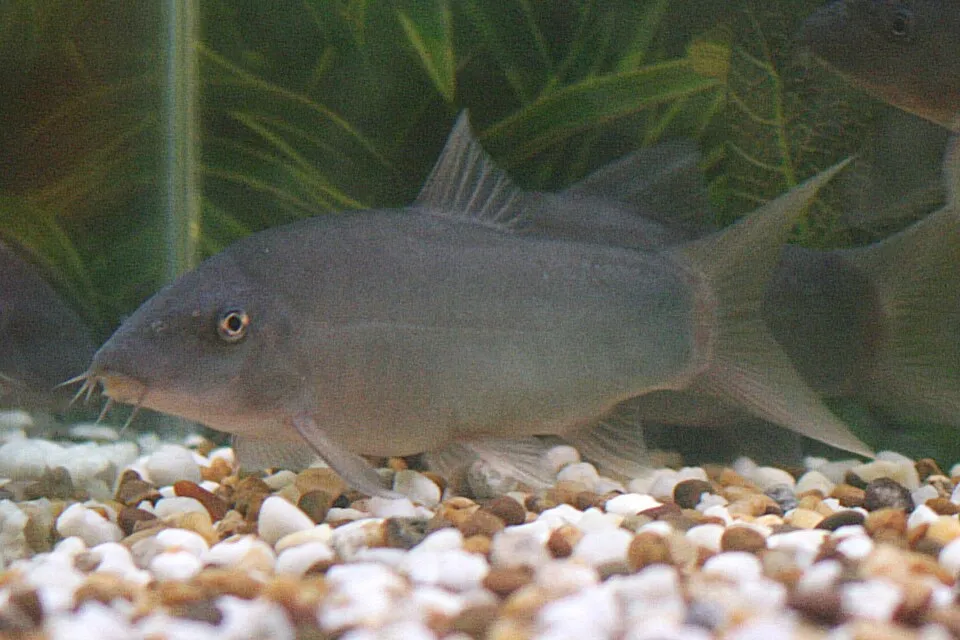
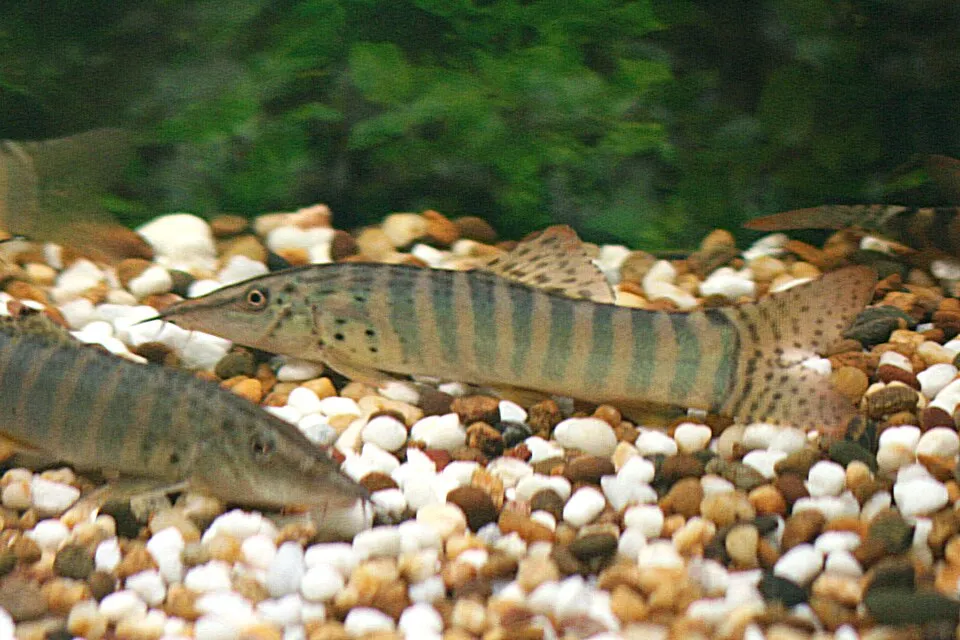
The redtail loach is a large, blue-grey botiid with bright orange-red fins, and it needs a group of five or more to spread out its bold, boisterous nature. It lives on the bottom, digging through sand and combing rockwork for food, and it readily crunches pest snails. It is mostly peaceful but assertive and can bully smaller or slower fish, so pick robust, active tankmates that hold their own. Feed a varied diet of sinking pellets, frozen bloodworms, snails, and the occasional vegetable. This is a big, energetic loach, so give a group a long tank of at least 285 liters with plenty of caves and open floor.
In the wild
Yasuhikotakia modesta ranges through the Mekong and Chao Phraya basins across Thailand, Laos, Cambodia, and Vietnam, moving between main river channels and flooded areas with the seasons. The water is warm at 23 to 28 C and slightly acidic to neutral, around pH 6 to 7.5. A good tank offers a soft sand bed, smooth rocks and driftwood built into caves and tunnels, and moderate to strong, well-oxygenated flow. Shaded hideouts and clean, stable water help this large loach settle and forage confidently rather than skulking out of sight.
Good to know
Yasuhikotakia modesta is a member of Botiidae and grows to about 25 cm, with a plain blue-grey to bronze body set off by bright orange or red fins. As with other botiine loaches it carries a sharp, erectile spine below each eye, used in defense and easily caught in a net. It is an egg-scattering, migratory spawner in the wild, and there is no reliable record of it breeding in home aquaria, so trade fish are wild caught or farmed.
Did you know
Unlike most loaches, the adult redtail loach wears almost no pattern, relying instead on a smooth steel-blue body and bright red-orange fins for its looks. Juveniles can show faint bars that fade away as the fish matures into its plain adult coloring.
Weekly picks
Tank mates
Redtail loach is a mostly peaceful, shoaling species that keeps to the bottom. These picks share a community profile with it, are safe together in both directions, and overlap on water type, temperature and pH.
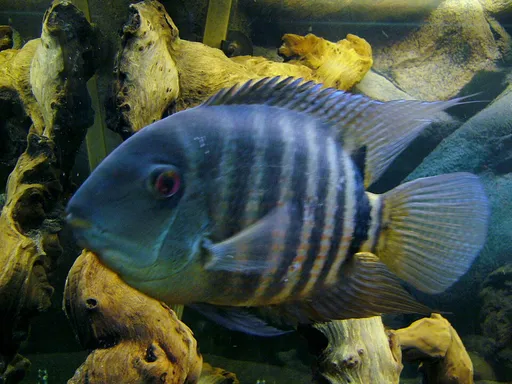
True severum
Heros severus
Freshwater7.9 in (20 cm) · 75 gal (285 L)79–86°F (26–30°C)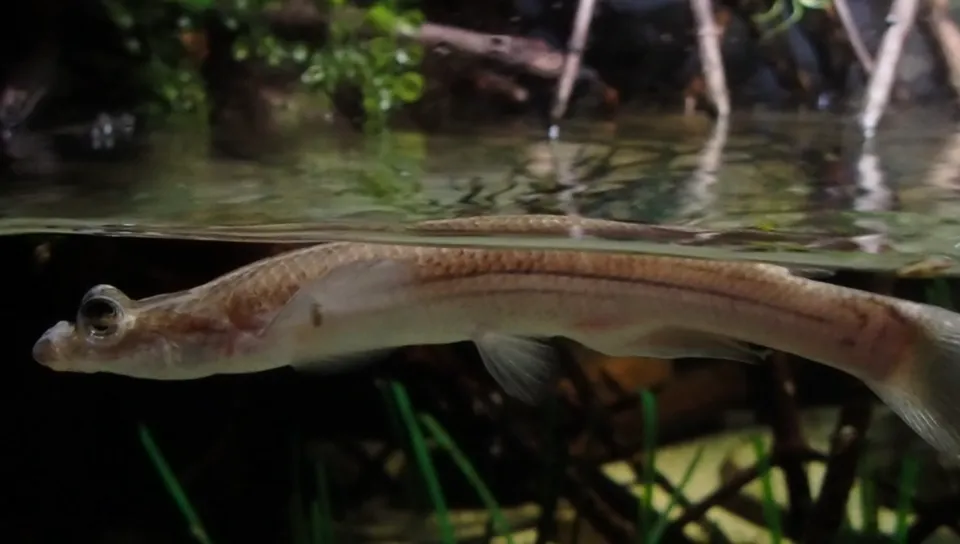
Largescale four-eyed fish
Anableps anableps
FreshwaterBrackish11.8 in (30 cm) · 70 gal (265 L)77–88°F (25–31°C)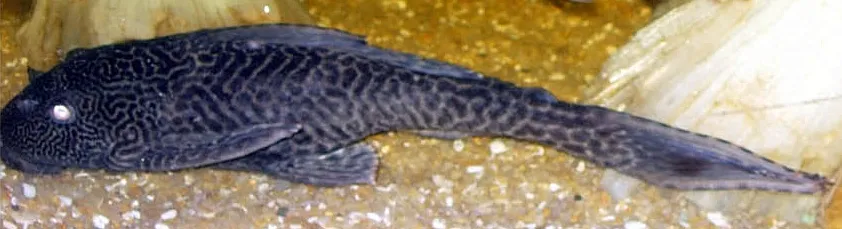
Spotted pleco
Hypostomus punctatus
Freshwater11.8 in (30 cm) · 79 gal (300 L)72–82°F (22–28°C)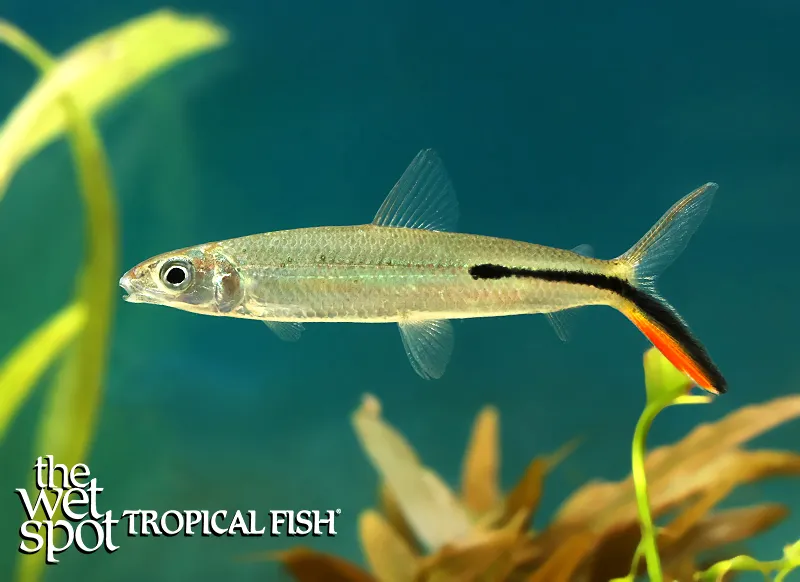
Slender hemiodus
Hemiodus gracilis
Freshwater7.1 in (18 cm) · 66 gal (250 L)73–82°F (23–28°C)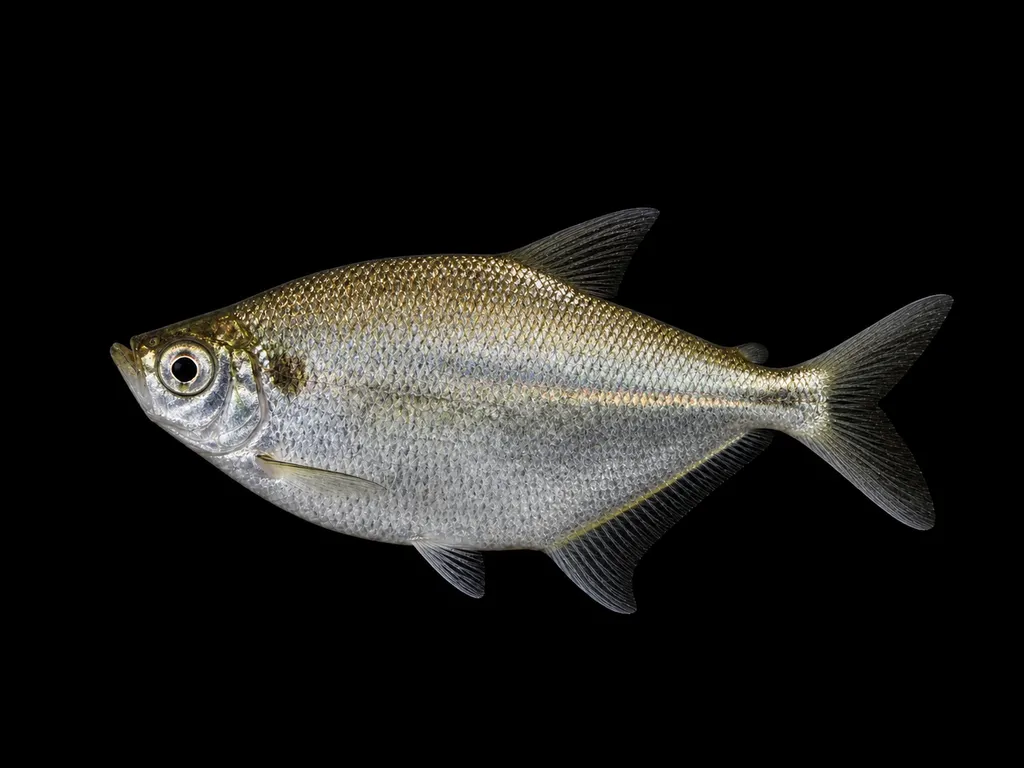
Giant river hatchetfish
Triportheus rotundatus
Freshwater9.8 in (25 cm) · 79 gal (300 L)73–82°F (23–28°C)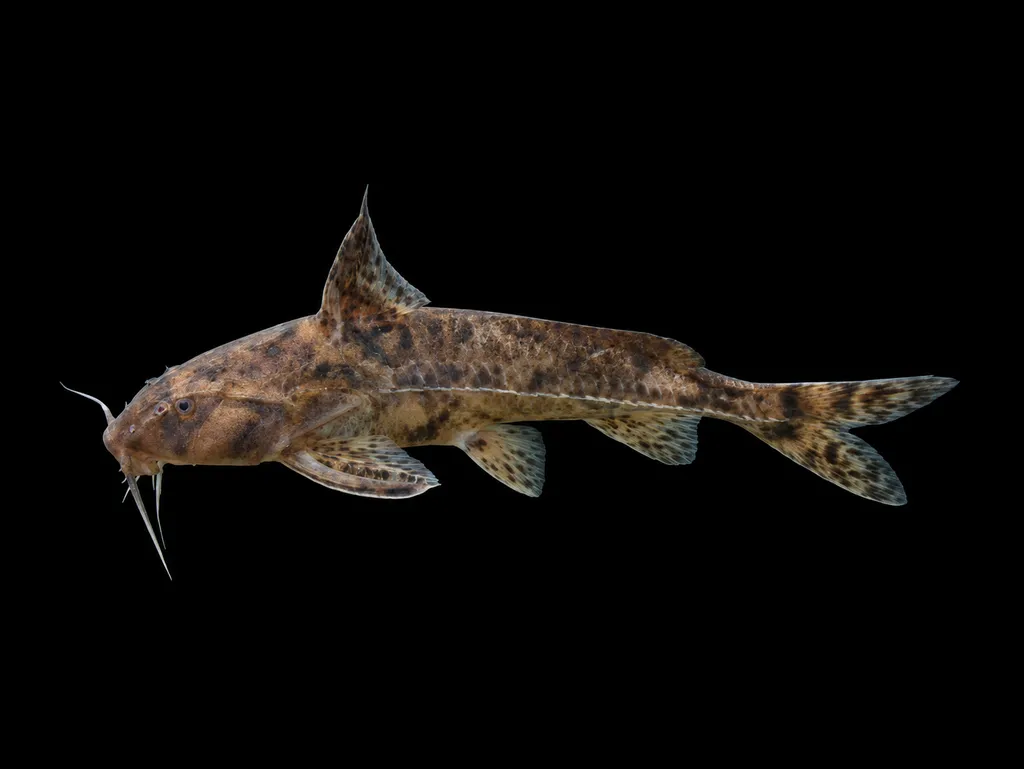
Fog talking catfish
Rhinodoras boehlkei
Freshwater6.7 in (17 cm) · 79 gal (300 L)73–82°F (23–28°C)
Common questions
What size tank does a Redtail loach need?
A Redtail loach needs at least 75 gal (285 L). It spends most of its time in the bottom.
What temperature and pH does a Redtail loach need?
A Redtail loach is comfortable at 73–82°F (23–28°C) with a pH of 6.0–7.5.
How big does a Redtail loach get?
An adult Redtail loach reaches about 9.8 in (25 cm).
Does a Redtail loach need a group?
Yes. A Redtail loach is a shoaling species and should be kept in a group, not singly.
Related species
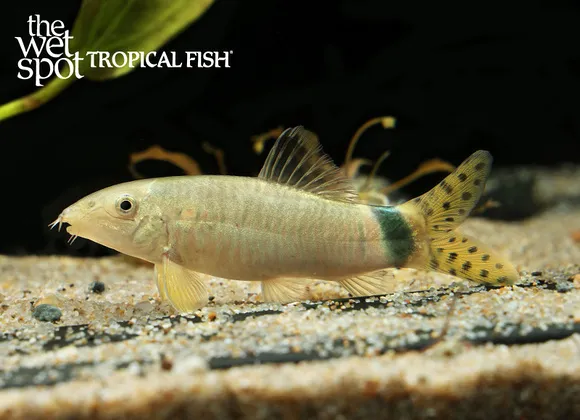 4.7 in (12 cm)42 gal (160 L)73–82°F (23–28°C)
Splendid loach
Yasuhikotakia splendida
4.7 in (12 cm) · 42 gal (160 L)
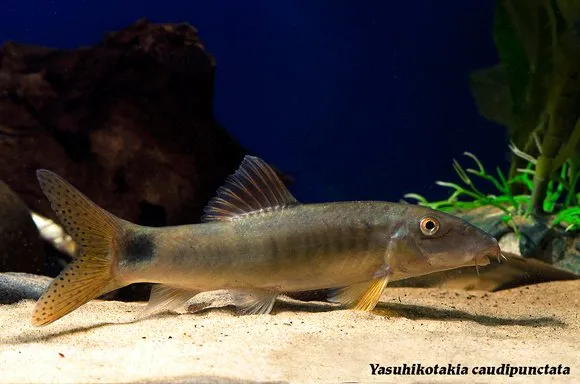 4.3 in (11 cm)37 gal (140 L)73–82°F (23–28°C)
Spottail loach
Yasuhikotakia caudipunctata
4.3 in (11 cm) · 37 gal (140 L)
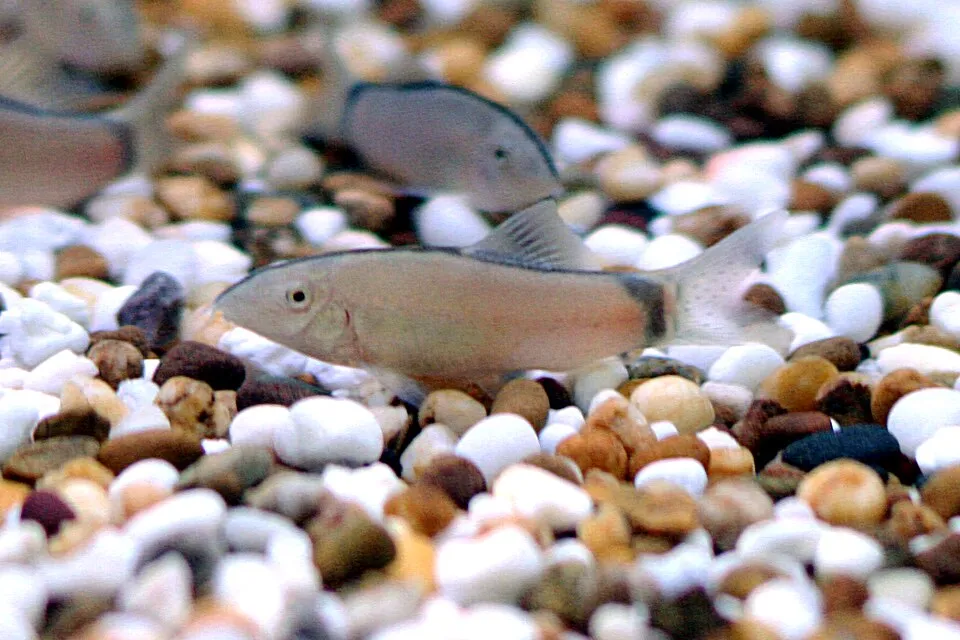 3.3 in (8.5 cm)37 gal (140 L)73–82°F (23–28°C)
Skunk loach
Yasuhikotakia morleti
3.3 in (8.5 cm) · 37 gal (140 L)
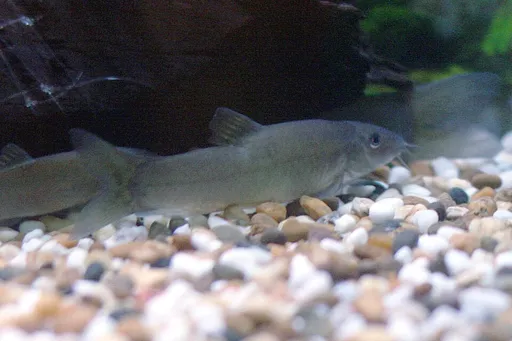 5.9 in (15 cm)53 gal (200 L)75–82°F (24–28°C)
Leconte's loach
Yasuhikotakia lecontei
5.9 in (15 cm) · 53 gal (200 L)
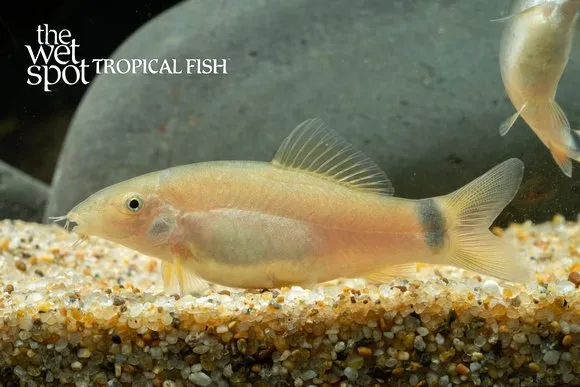 4.3 in (11 cm)53 gal (200 L)73–82°F (23–28°C)
Sun loach
Yasuhikotakia eos
4.3 in (11 cm) · 53 gal (200 L)
 9.4 in (24 cm)50 gal (190 L)70–79°F (21–26°C)
Redfin tiger loach
Syncrossus berdmorei
9.4 in (24 cm) · 50 gal (190 L)