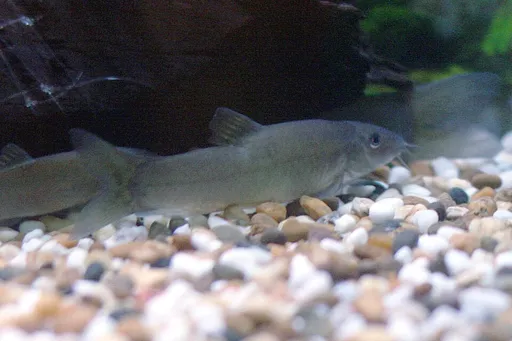
Leconte's loach
Yasuhikotakia lecontei
Also known as Silver loach
FreshwaterFish
Care at a glance
- Temperature
- 75–82°F
- 24–28°C
- pH
- 6.0–7.5
- Adult size
- 5.9 in
- 15 cm
- Minimum tank
- 53 gal
- 200 L
- Temperament
- Aggressive
- Social behavior
- Social
- Tankmates
- With caution
- Swim level
- Bottom
- Difficulty
- Medium
- Breeding
- No record
- Rarity
- Common
- Family
- Botiidae
- Origin
- Mekong and Chao Phraya river basins, Southeast Asia (Thailand, Laos, Cambodia, Vietnam)
Overview
Keep them in a group of at least five or six, with ten or more being better, in a tank of 200 liters or larger at 24 to 28 C and a pH of 6 to 7.5. They are social and hierarchical, and a proper group settles them down. Kept singly or in pairs they turn withdrawn or start bullying, and dominant fish can stress weaker ones off their food. These are active, boisterous bottom dwellers and can be aggressive, so skip slow-moving or long-finned tankmates and pair them instead with quick mid-water cyprinids like Devario, Rasbora, and Danio. They are intolerant of organic waste, so keep the water spotless with 30 to 50 percent weekly changes, and fit a tight lid since they jump.
In the wild
Leconte's loach comes from the Mekong and Chao Phraya river basins of Southeast Asia, across Thailand, Laos, Cambodia, and Vietnam. It lives in flowing, well-oxygenated stretches where it forages along the bottom among roots and rockwork. Give it a long tank of at least 200 liters with soft sand or fine gravel, shady caves and driftwood to hide in, and some current. It is dawn and night active and dislikes bright light, so keep the lighting dim or add floating cover. Hold the water at 24 to 28 C with a pH of 6 to 7.5.
Good to know
This is a bottom-dwelling botiid loach in the family Botiidae, formerly classified as Botia lecontei. Adults reach about 15 cm. It is strictly freshwater, not brackish, and there are no documented breeding records from home aquariums. Newly imported stock is prone to botiid skinny disease, so watch fresh arrivals closely and quarantine them.
Did you know
It goes by several names, including Silver loach and Redfin loach, and the older books list it as Botia lecontei. Like other botiids it has a small spine that folds out below each eye, which can catch in nets and lift the skin of careless handlers, so move them in a container rather than scooping them out.
Common questions
What size tank does a Leconte's loach need?
A Leconte's loach needs at least 53 gal (200 L). It spends most of its time in the bottom.
What temperature and pH does a Leconte's loach need?
A Leconte's loach is comfortable at 75–82°F (24–28°C) with a pH of 6.0–7.5.
How big does a Leconte's loach get?
An adult Leconte's loach reaches about 5.9 in (15 cm).
Related species
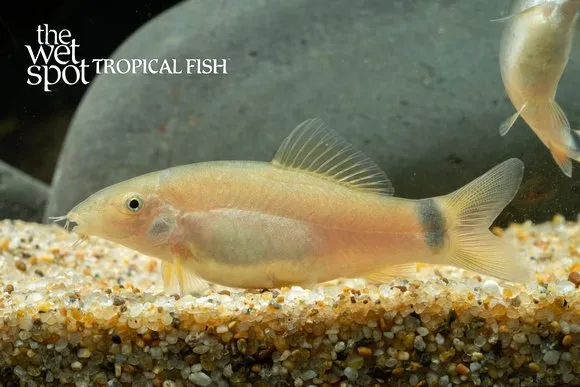 4.3 in (11 cm)53 gal (200 L)73–82°F (23–28°C)
Sun loach
Yasuhikotakia eos
4.3 in (11 cm) · 53 gal (200 L)
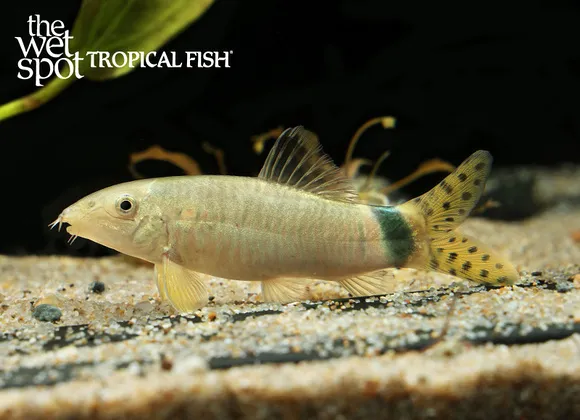 4.7 in (12 cm)42 gal (160 L)73–82°F (23–28°C)
Splendid loach
Yasuhikotakia splendida
4.7 in (12 cm) · 42 gal (160 L)
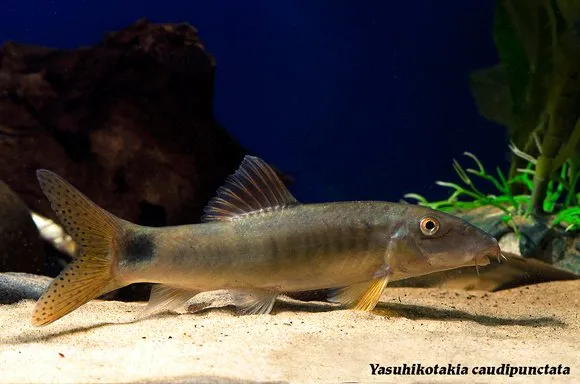 4.3 in (11 cm)37 gal (140 L)73–82°F (23–28°C)
Spottail loach
Yasuhikotakia caudipunctata
4.3 in (11 cm) · 37 gal (140 L)
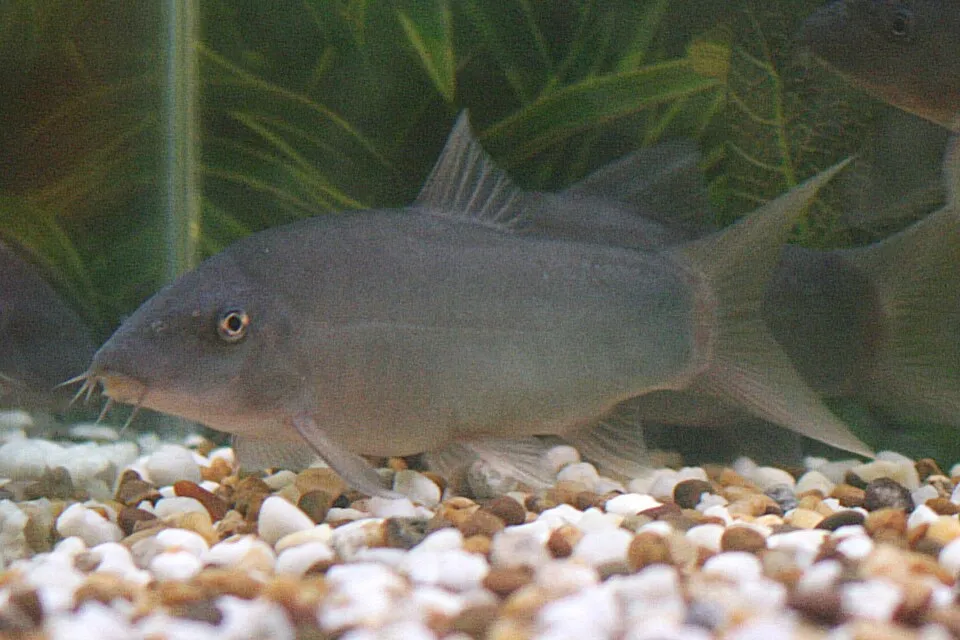 9.8 in (25 cm)75 gal (285 L)73–82°F (23–28°C)
Redtail loach
Yasuhikotakia modesta
9.8 in (25 cm) · 75 gal (285 L)
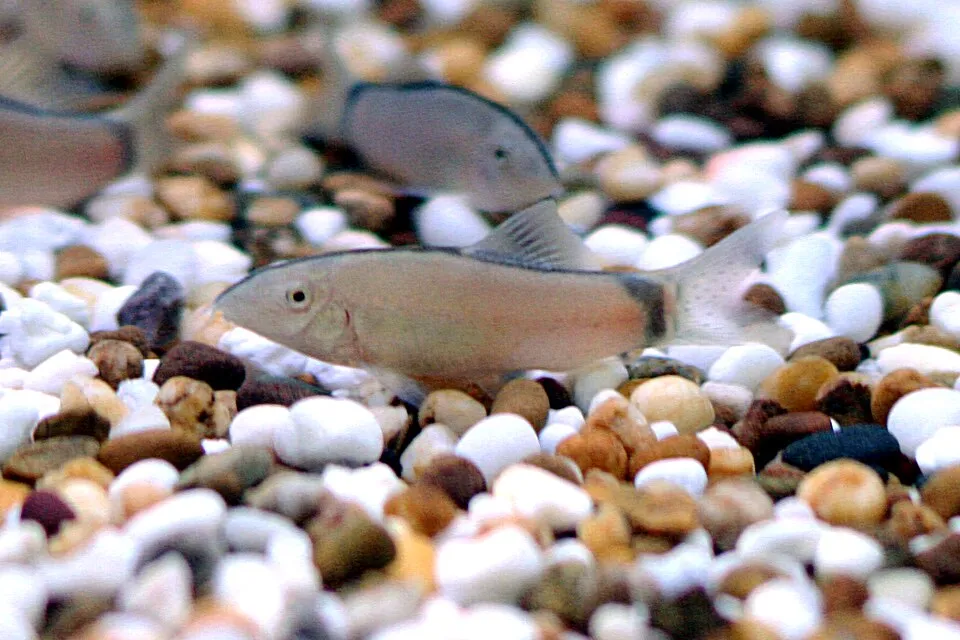 3.3 in (8.5 cm)37 gal (140 L)73–82°F (23–28°C)
Skunk loach
Yasuhikotakia morleti
3.3 in (8.5 cm) · 37 gal (140 L)
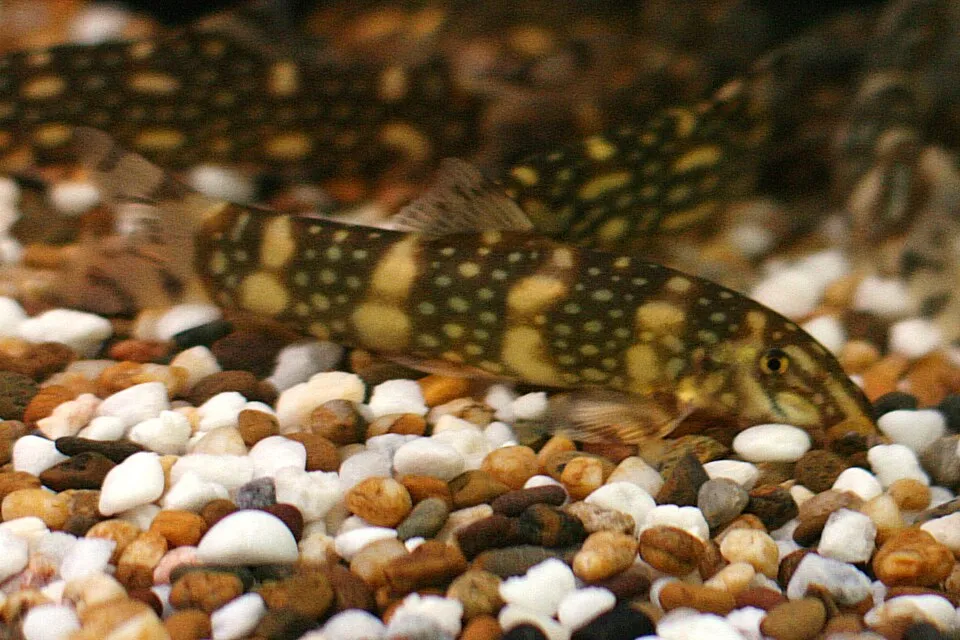 5.9 in (15 cm)42 gal (160 L)72–82°F (22–28°C)
Polka-dot loach
Botia kubotai
5.9 in (15 cm) · 42 gal (160 L)