Splendid loach
Yasuhikotakia splendida
Also known as Jaguar loach
FreshwaterFish
Care at a glance
- Temperature
- 73–82°F
- 23–28°C
- pH
- 6.0–7.5
- Adult size
- 4.7 in
- 12 cm
- Minimum tank
- 42 gal
- 160 L
- Temperament
- Mostly peaceful
- Social behavior
- Shoaling
- Swim level
- Bottom
- Difficulty
- Medium
- Breeding
- No record
- Rarity
- Rare
- Family
- Botiidae
- Origin
- Mekong basin, Laos
Overview
The splendid loach is a restless shoaling botiid that patrols the bottom constantly, with the usual botiid attitude. It needs a little more care than the hardiest community fish.
Did you know
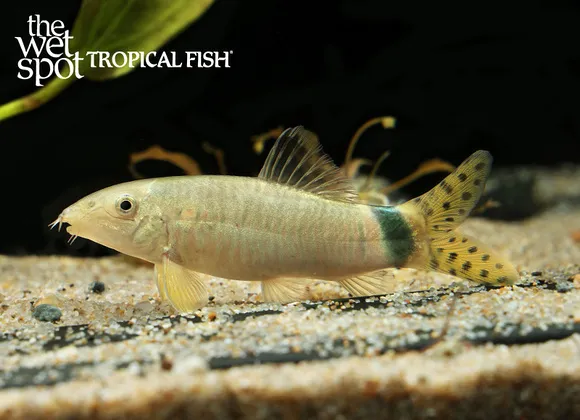
No two adult splendid loaches carry quite the same markings. Keepers of a settled group often learn to tell individuals apart by the exact scrawl of spots each one develops.
Caring for the splendid loach
Keep splendid loaches in a group of at least five. Smaller numbers let a dominant fish harry the rest. A proper shoal keeps squabbles inside the group and brings the fish out into the open. Give each one a cave or crevice of its own among rocks and wood.
A mature, well-filtered tank of 42 gal (160 L) or more is the baseline. Use a soft sand floor for sifting, with rounded rocks and driftwood stacked into hiding places. Run oversized filtration for a brisk, well-oxygenated current.
Keep the water at 73 to 82°F (23 to 28°C) with a pH of 6.0 to 7.5. It reacts badly to any build-up of organic waste, so keep the water spotless with weekly changes.
Feed sinking pellets, wafers, frozen foods and small snails. Fast, sturdy tank mates suit it best, so skip slow or long-finned fish it might nip. There is no reliable record of it breeding in aquaria, and the trade relies on wild and pond-raised stock.
Good to know
Yasuhikotakia splendida was described in 1995, and it is also sold as the jaguar loach. Juveniles wear tidy dark bars that break up with age into a scattered, jaguar-like pattern of spots and broken lines. Young and adult fish can look like different species. It belongs to the family Botiidae.
In the wild
The splendid loach comes from the Xe Pian and related tributaries of the Mekong in southern Laos. These are warm, clear, fast-flowing forest streams.
Weekly picks
Tank mates
The splendid loach is a mostly peaceful, shoaling species that keeps to the bottom. These picks share a community profile with it, are safe together in both directions, and overlap on water type, temperature and pH.
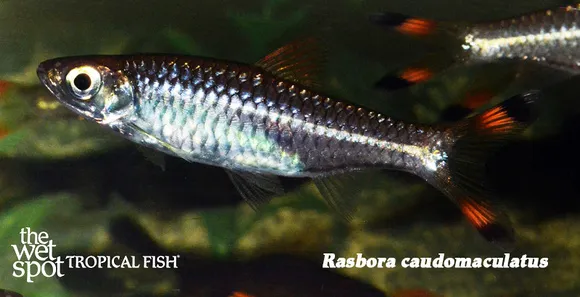
Greater scissortail
Rasbora caudimaculata
Freshwater5.1 in (13 cm) · 53 gal (200 L)68–79°F (20–26°C)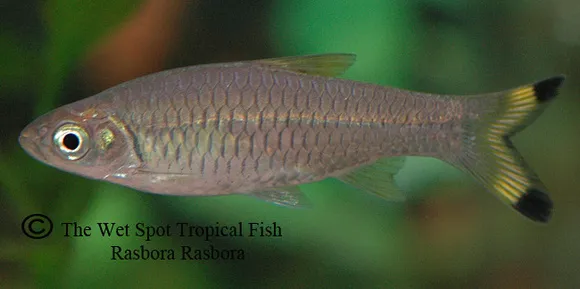
Gangetic scissortail rasbora
Rasbora rasbora
Freshwater5.1 in (13 cm) · 42 gal (160 L)72–81°F (22–27°C)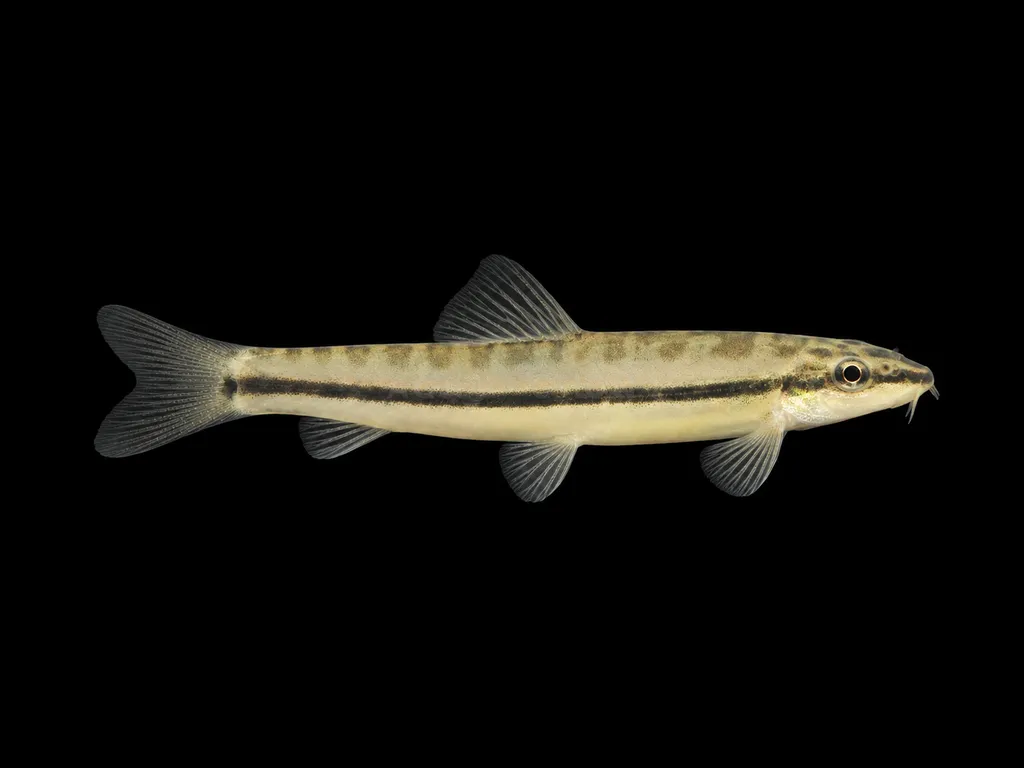
Longstripe loach
Nemacheilus longistriatus
Freshwater5.9 in (15 cm) · 42 gal (160 L)72–81°F (22–27°C)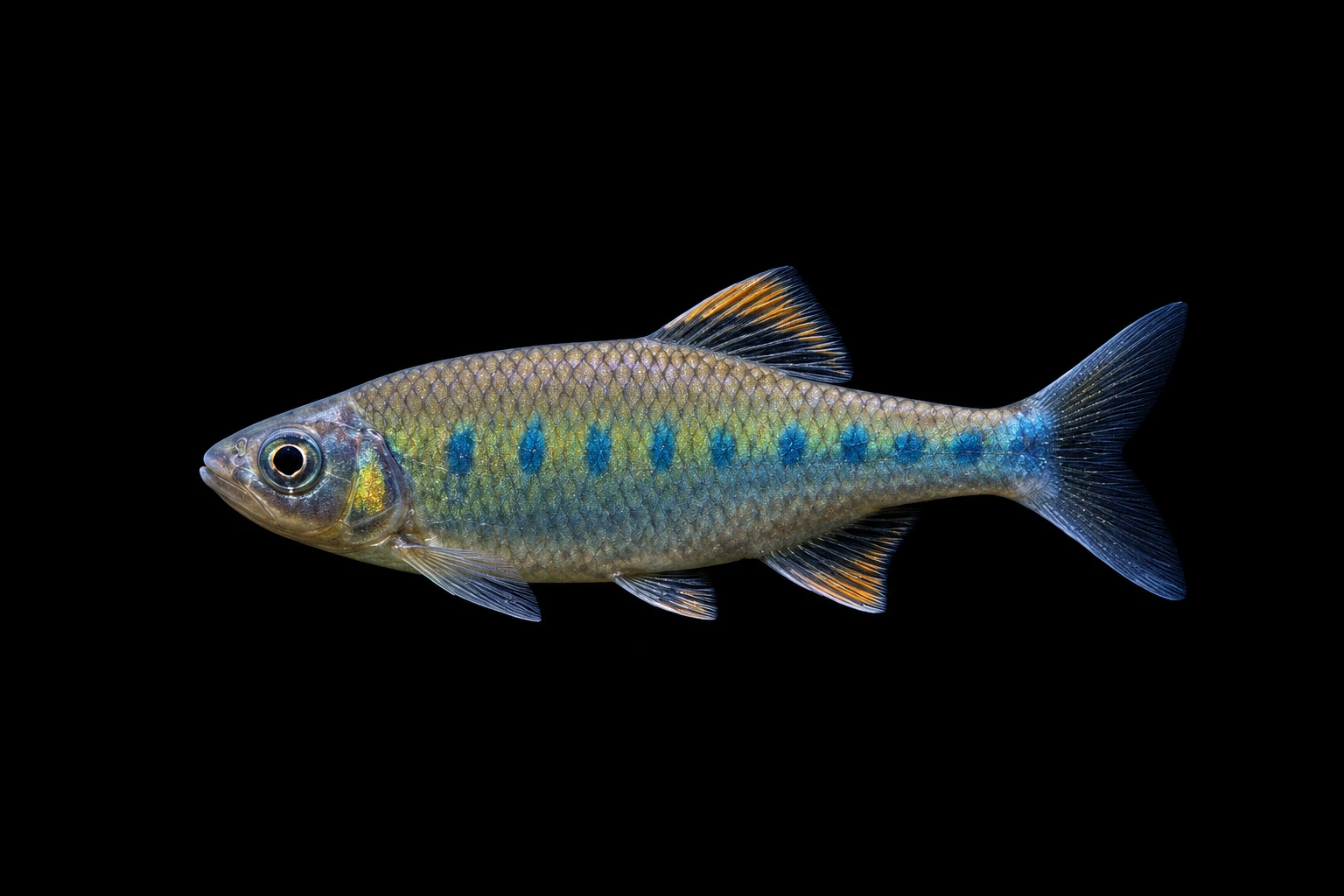
Blue spotted hill trout
Barilius bakeri
Freshwater5.1 in (13 cm) · 53 gal (200 L)64–79°F (18–26°C)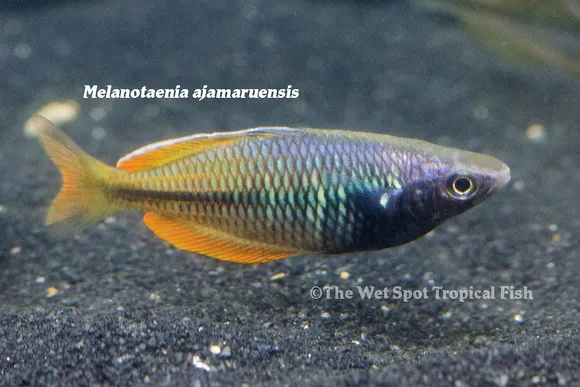
Ajamaru Lakes rainbowfish
Melanotaenia ajamaruensis
Freshwater4.3 in (11 cm) · 42 gal (160 L)75–84°F (24–29°C)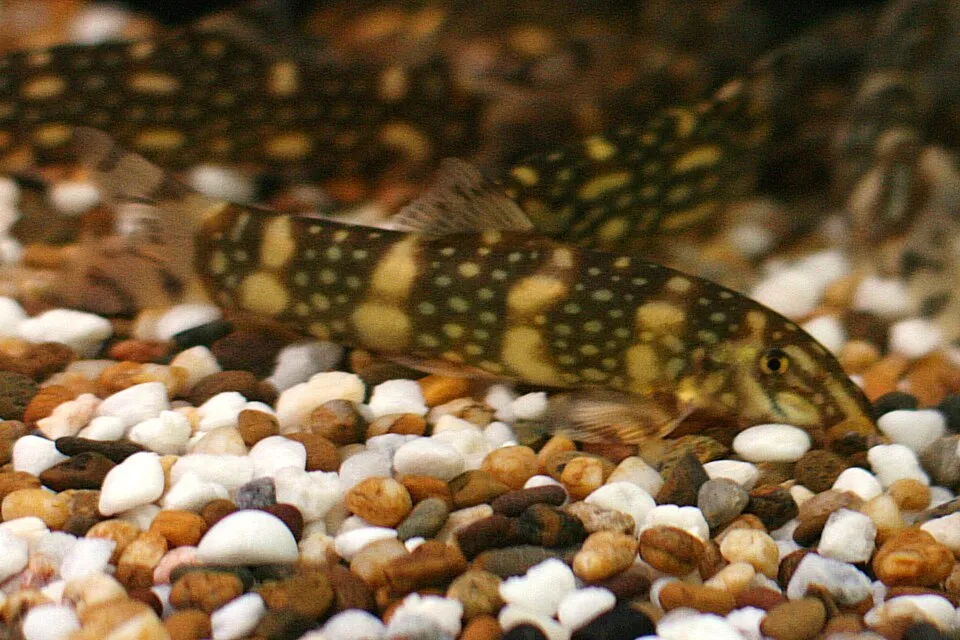
Polka-dot loach
Botia kubotai
Freshwater5.9 in (15 cm) · 42 gal (160 L)72–82°F (22–28°C)
Common questions
What size tank does a splendid loach need?
A splendid loach needs at least 42 gal (160 L). It spends most of its time in the bottom.
What temperature and pH does a splendid loach need?
A splendid loach is comfortable at 73–82°F (23–28°C) with a pH of 6.0–7.5.
What does a splendid loach eat?
A splendid loach eats sinking pellets, wafers, frozen foods and small snails.
How big does a splendid loach get?
An adult splendid loach reaches about 4.7 in (12 cm).
Does a splendid loach need a group?
Yes. A splendid loach is a shoaling species and should be kept in a group, not singly.
How does a splendid loach breed?
The splendid loach has no reliable record of breeding in aquariums. The trade relies on wild and pond-raised stock.
Related species
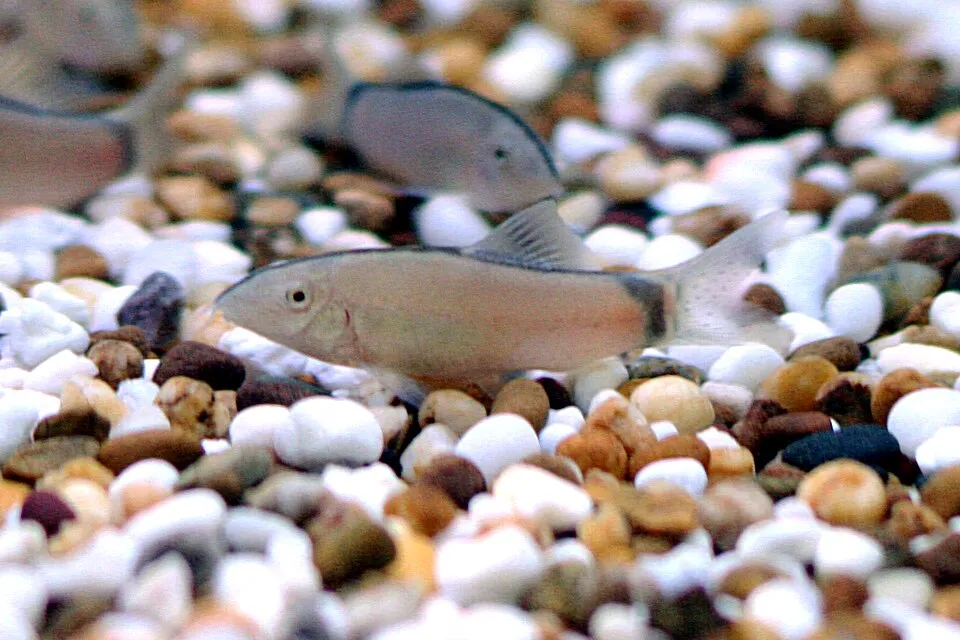
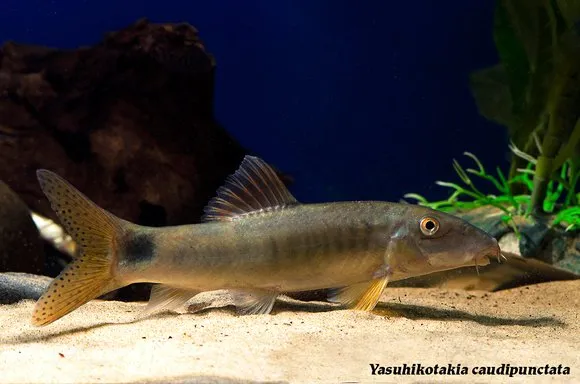 4.3 in (11 cm)37 gal (140 L)73–82°F (23–28°C)
Spottail loach
Yasuhikotakia caudipunctata
4.3 in (11 cm) · 37 gal (140 L)
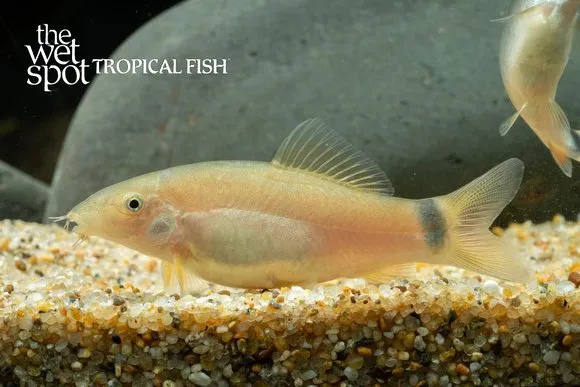
 3.3 in (8.5 cm)37 gal (140 L)73–82°F (23–28°C)
Skunk loach
Yasuhikotakia morleti
3.3 in (8.5 cm) · 37 gal (140 L)
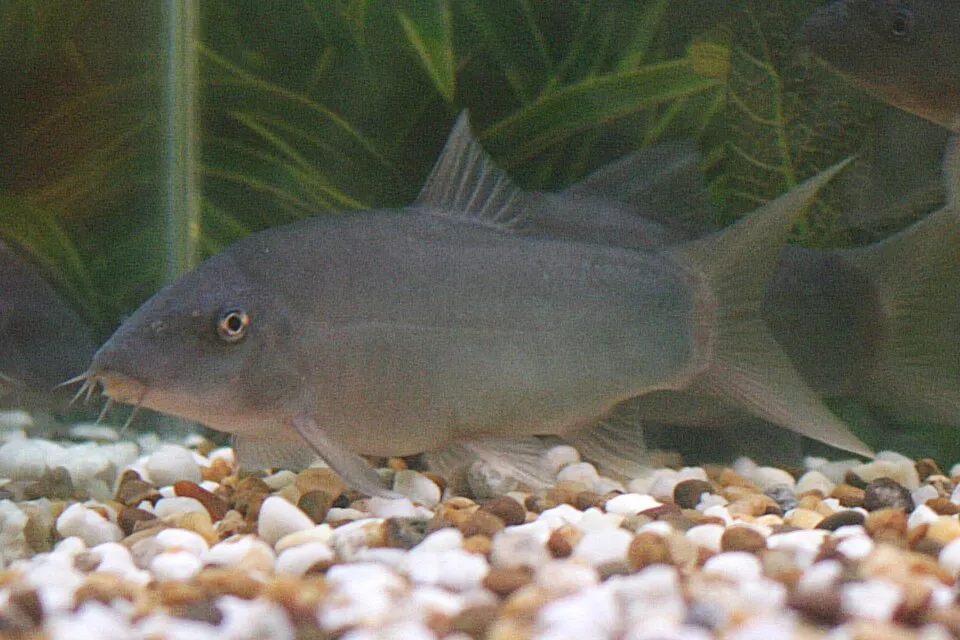
 4.3 in (11 cm)53 gal (200 L)73–82°F (23–28°C)
Sun loach
Yasuhikotakia eos
4.3 in (11 cm) · 53 gal (200 L)
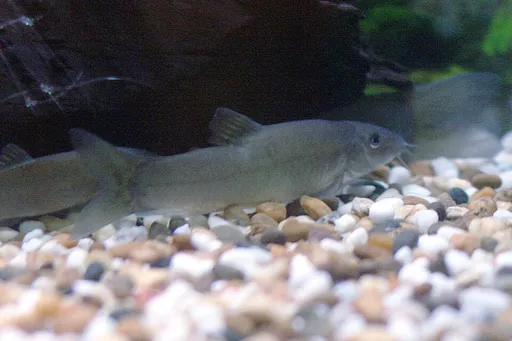
 9.8 in (25 cm)75 gal (285 L)73–82°F (23–28°C)
Redtail loach
Yasuhikotakia modesta
9.8 in (25 cm) · 75 gal (285 L)
 5.9 in (15 cm)53 gal (200 L)75–82°F (24–28°C)
Leconte's loach
Yasuhikotakia lecontei
5.9 in (15 cm) · 53 gal (200 L)
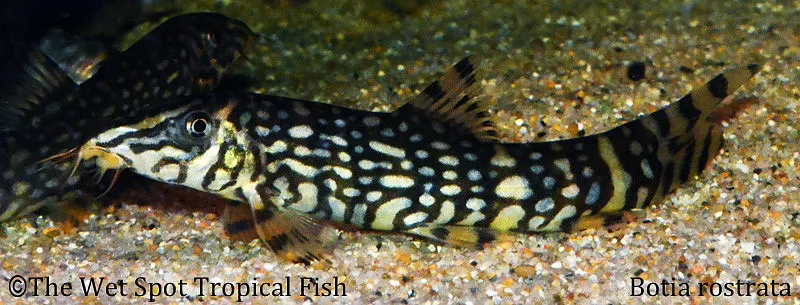 4.7 in (12 cm)42 gal (160 L)66–81°F (19–27°C)
Gangetic loach
Botia rostrata
4.7 in (12 cm) · 42 gal (160 L)