Apollo shark minnow
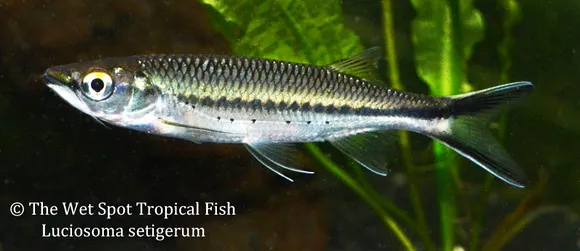
Luciosoma setigerum
Also known as Apollo shark, Long-finned Apollo shark
FreshwaterFish
Care at a glance
- Temperature
- 72–81°F
- 22–27°C
- pH
- 6.0–7.5
- Adult size
- 11.8 in
- 30 cm
- Minimum tank
- 106 gal
- 400 L
- Temperament
- Mostly peaceful
- Social behavior
- Schooling
- Swim level
- Top
- Diet
- Carnivore
- Difficulty
- Medium
- Breeding
- No record
- Rarity
- Rare
- Family
- Danionidae
- Origin
- Malay Peninsula, Borneo and Sumatra
Overview
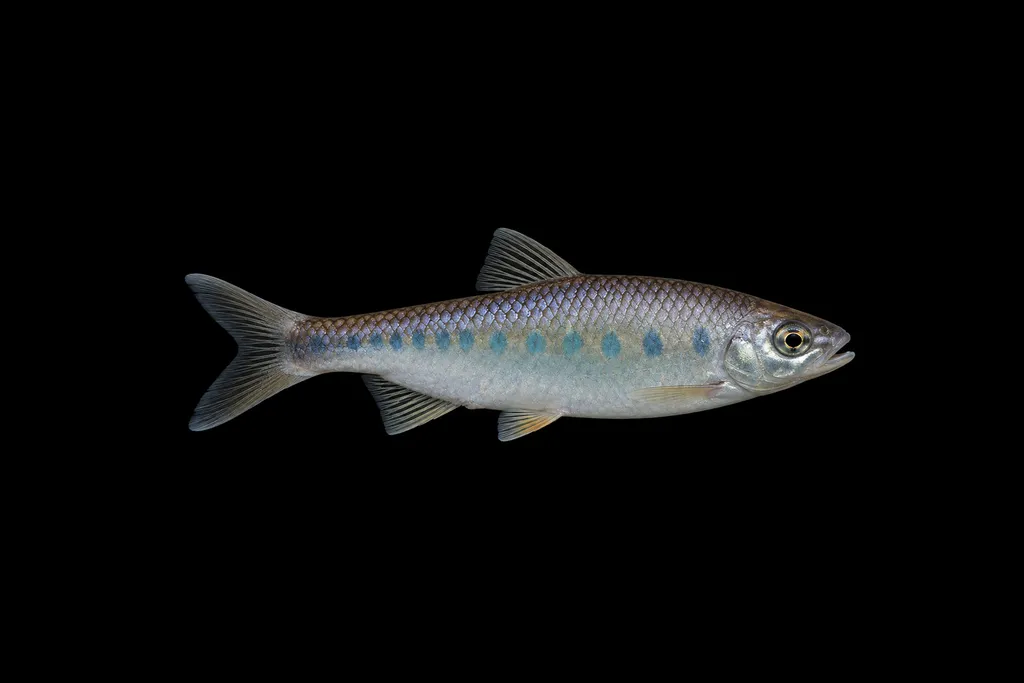
The Apollo shark minnow is a large, fast schooling fish for the surface of a very big tank. It suits a keeper with some experience and a lot of room.
Did you know
The Apollo shark minnow trails a long filament from each pelvic fin. The filaments stream behind it like pennants as it holds station in the current just under the surface.
Caring for the Apollo shark minnow
Plan on a big tank of at least 106 gal (400 L) for the Apollo shark minnow, with two meters of open length. It patrols the top and leaps, so fit a tight lid. Give it strong flow, a dark substrate and floating plants or overhanging cover it can shelter beneath.
Hold the water at 72 to 81°F (22 to 27°C) with a pH of 6.0 to 7.5. Feed floating pellets and meaty frozen foods, and it will also snap at insects at the surface.
Keep a group of five or more, because the pecking order settles in larger groups and no single fish is picked on. The Apollo shark minnow is peaceful toward tank mates too big to swallow. Anything small enough to fit its mouth is treated as food, so pair it only with robust, similar-sized companions. Its breeding has not been recorded in aquariums.
Good to know
Luciosoma setigerum is a slender, pike-shaped predator in the danio family, Danionidae, that hunts insects and small fish at the surface. Valenciennes described it in 1842. The name setigerum means bristle-bearing, after the filaments that give the fish its long-finned look.
In the wild
The Apollo shark minnow cruises the surface of large rivers across the Malay Peninsula, Borneo and Sumatra. The water there is clear to slightly tannin-stained, with a steady current.
Weekly picks
Tank mates
The Apollo shark minnow is a mostly peaceful, schooling species that keeps to the top. These picks share a community profile with it, are safe together in both directions, and overlap on water type, temperature and pH.
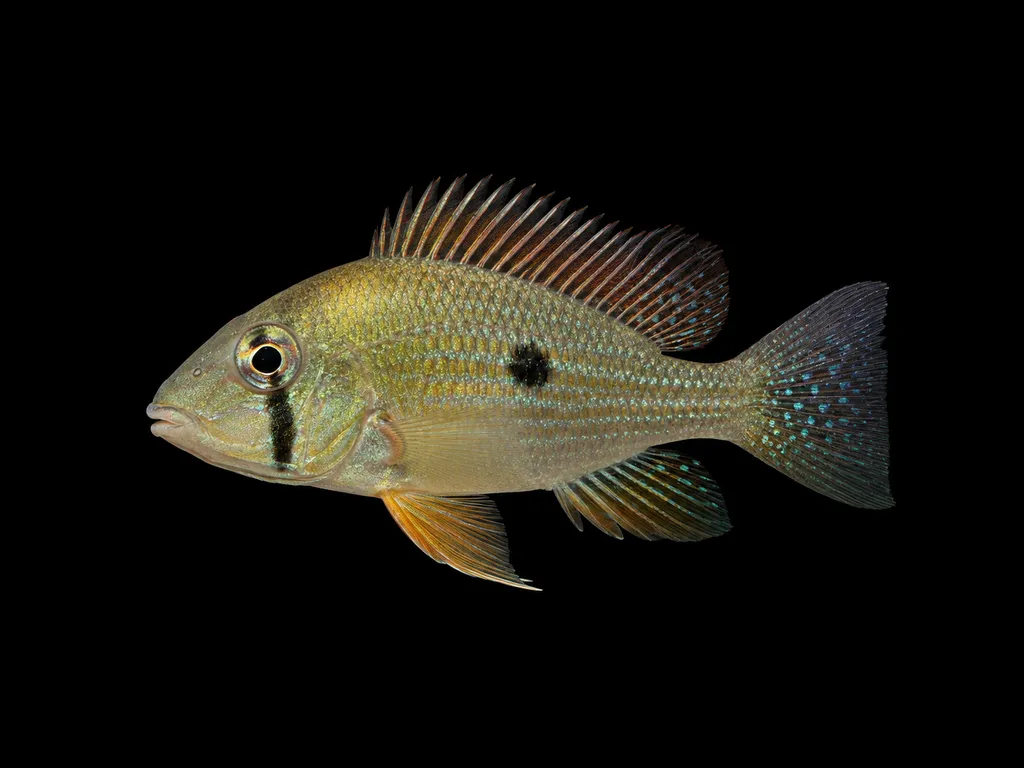
Cheekband eartheater
Geophagus taeniopareius
Freshwater6.7 in (17 cm) · 106 gal (400 L)77–84°F (25–29°C)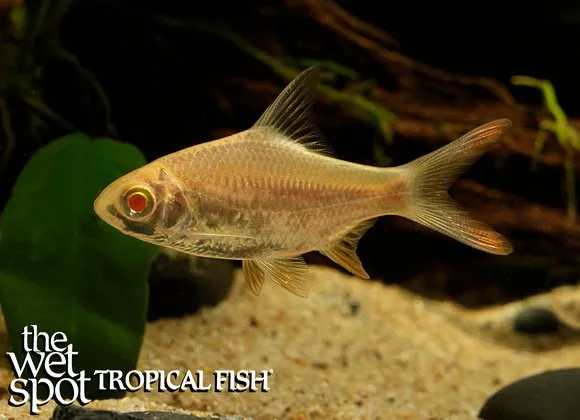
Red-tailed tinfoil barb
Barbonymus altus
Freshwater9.8 in (25 cm) · 106 gal (400 L)72–82°F (22–28°C)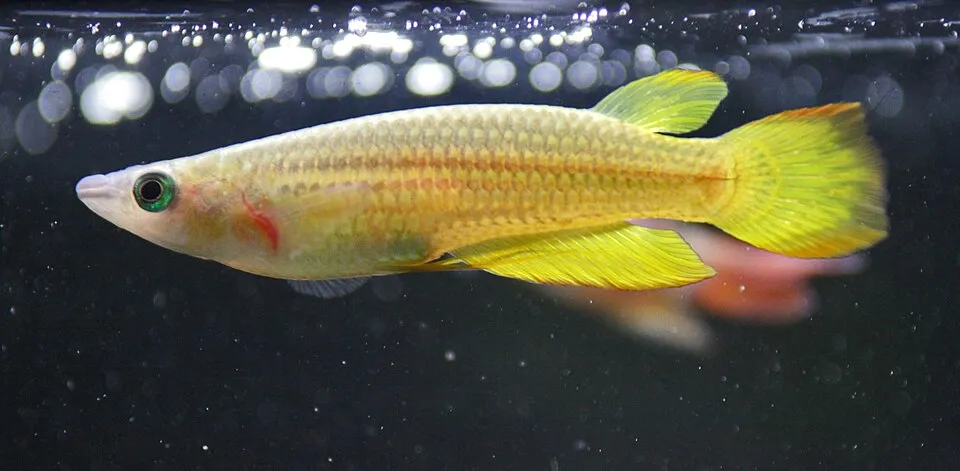
Striped panchax
Aplocheilus lineatus
Freshwater4.3 in (11 cm) · 30 gal (115 L)72–77°F (22–25°C)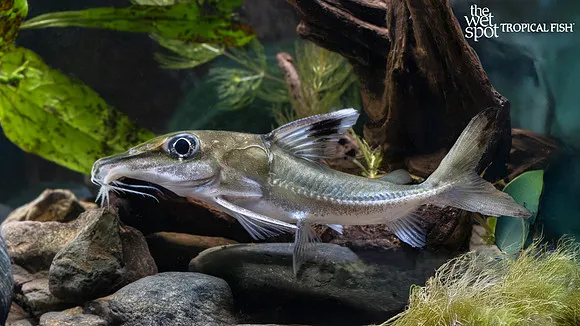
Black-top mouse catfish
Hassar orestis
Freshwater11.8 in (30 cm) · 106 gal (400 L)73–82°F (23–28°C)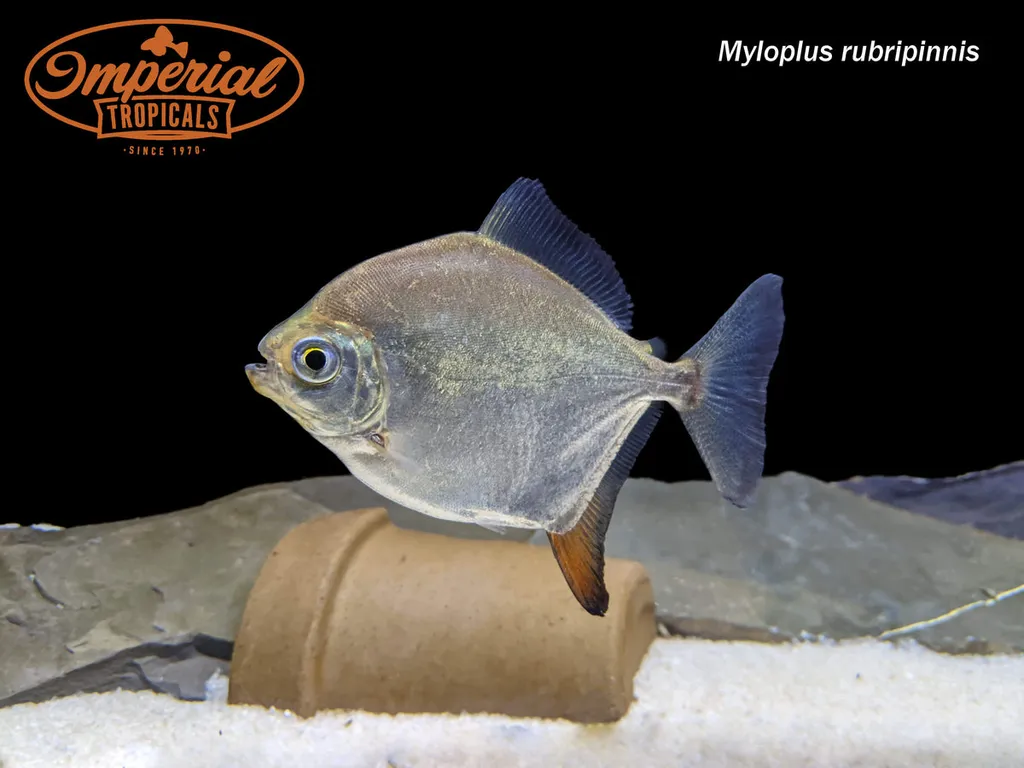
Redhook
Myloplus rubripinnis
Freshwater9.8 in (25 cm) · 70 gal (265 L)73–81°F (23–27°C)
Narrow hatchetfish
Triportheus angulatus
Freshwater9.8 in (25 cm) · 79 gal (300 L)73–82°F (23–28°C)
Common questions
What size tank does an Apollo shark minnow need?
An Apollo shark minnow needs at least 106 gal (400 L). It spends most of its time in the top.
What temperature and pH does an Apollo shark minnow need?
An Apollo shark minnow is comfortable at 72–81°F (22–27°C) with a pH of 6.0–7.5.
What does an Apollo shark minnow eat?
An Apollo shark minnow eats floating pellets and meaty frozen foods. It will also snap at insects at the surface.
How big does an Apollo shark minnow get?
An adult Apollo shark minnow reaches about 11.8 in (30 cm).
Does an Apollo shark minnow need a group?
Yes. An Apollo shark minnow is a schooling species and should be kept in a group, not singly.
Related species
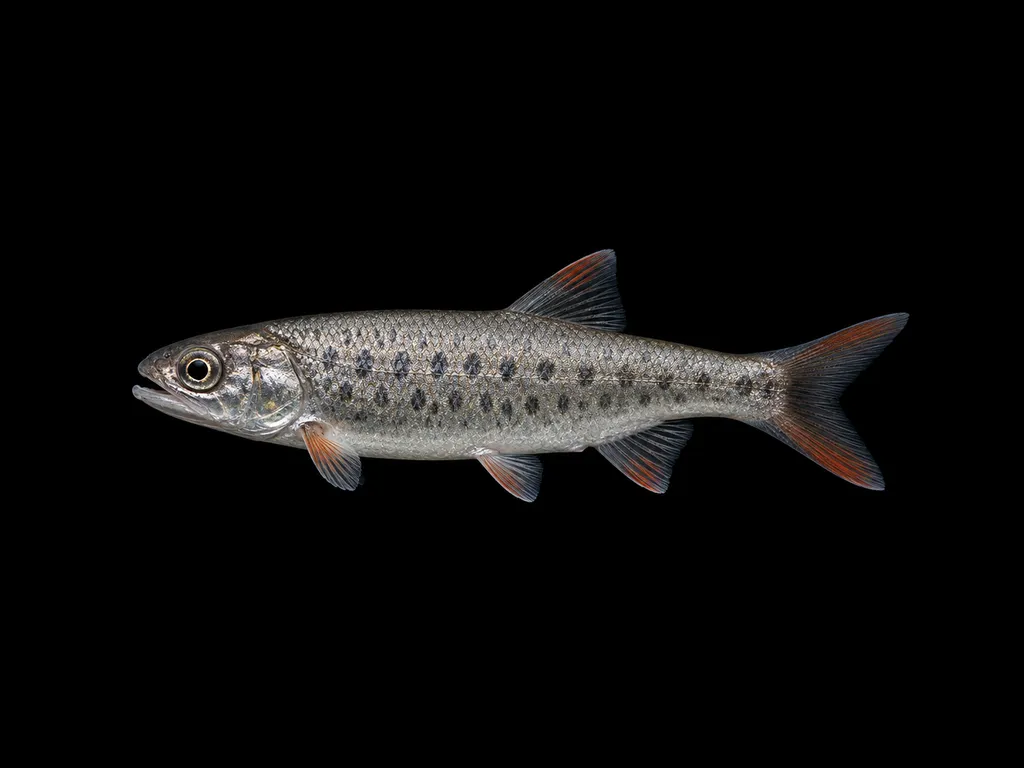 13.8 in (35 cm)159 gal (600 L)64–79°F (18–26°C)
Burmese trout
Raiamas guttatus
13.8 in (35 cm) · 159 gal (600 L)
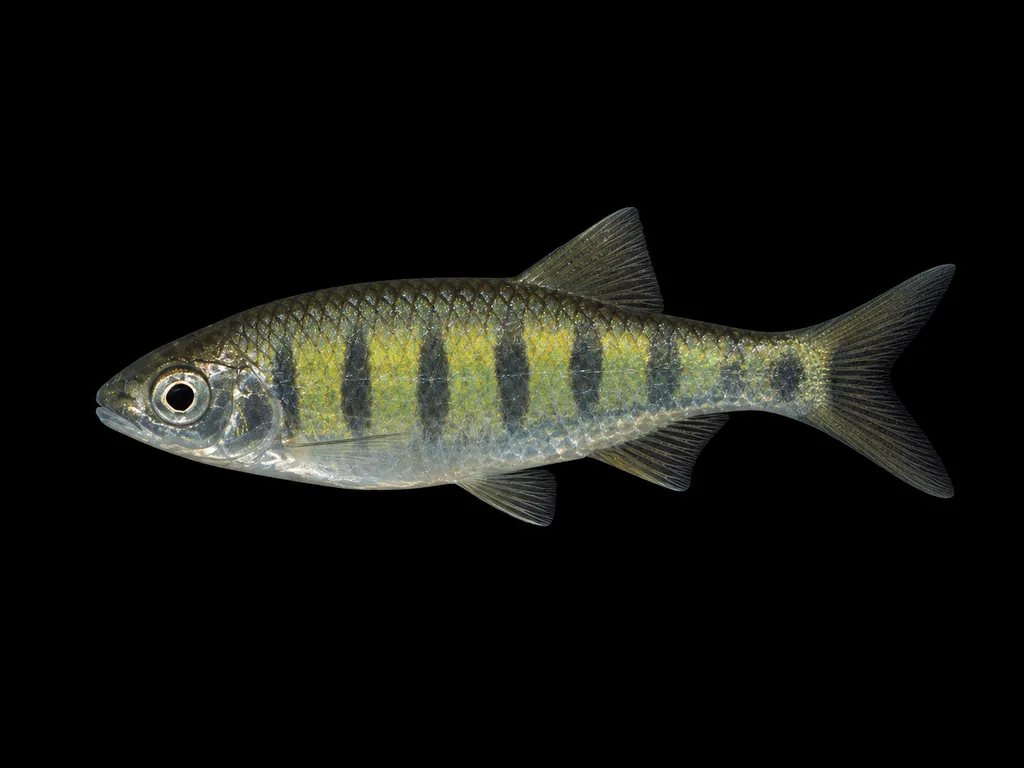 5.9 in (15 cm)53 gal (200 L)64–79°F (18–26°C)
Barna baril
Opsarius barna
5.9 in (15 cm) · 53 gal (200 L)
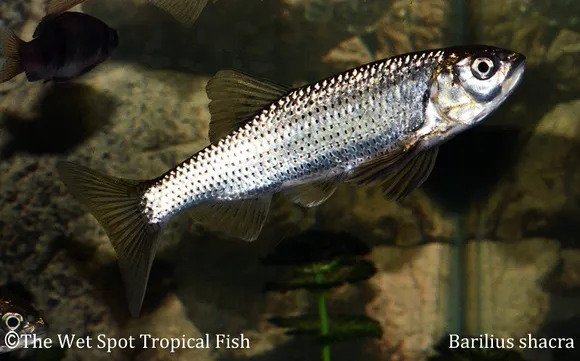 5.5 in (14 cm)53 gal (200 L)64–79°F (18–26°C)
Shacra baril
Opsarius shacra
5.5 in (14 cm) · 53 gal (200 L)
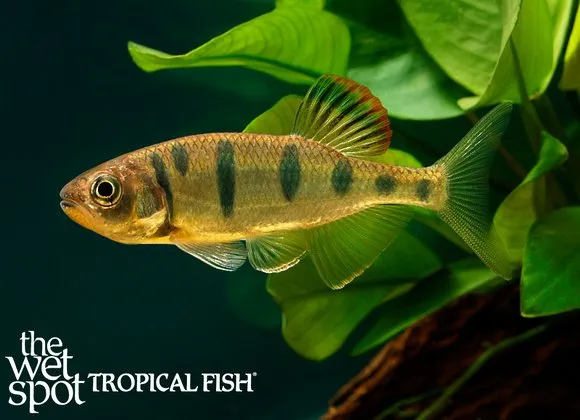 5.1 in (13 cm)53 gal (200 L)72–81°F (22–27°C)
Jeweled baril
Opsarius pulchellus
5.1 in (13 cm) · 53 gal (200 L)
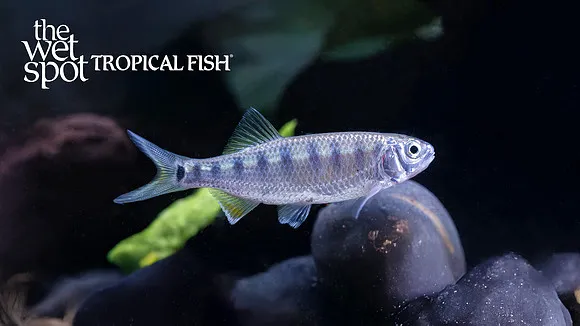 4.3 in (11 cm)42 gal (160 L)72–81°F (22–27°C)
Bernatzik's baril
Opsarius bernatziki
4.3 in (11 cm) · 42 gal (160 L)
 4.3 in (11 cm)42 gal (160 L)68–79°F (20–26°C)
Malabar baril
Opsarius malabaricus
4.3 in (11 cm) · 42 gal (160 L)