Burmese trout
Raiamas guttatus
Also known as Spotted trout barb
FreshwaterFish
Care at a glance
- Temperature
- 64–79°F
- 18–26°C
- pH
- 6.5–7.5
- Adult size
- 13.8 in
- 35 cm
- Minimum tank
- 159 gal
- 600 L
- Temperament
- Aggressive
- Social behavior
- Social
- Tankmates
- With caution
- Swim level
- Middle
- Diet
- Carnivore
- Difficulty
- Difficult
- Breeding
- No record
- Rarity
- Rare
- Family
- Danionidae
- Origin
- India and the Irrawaddy basin, Myanmar
Overview
The Burmese trout is a large, fast, predatory cyprinid for the open midwater of a very big tank. It is not a community fish, and it suits experienced specialist keepers.
Did you know
The Burmese trout is called a trout for its shape and its habits, hanging in fast water to ambush prey. It is actually a carp relative with no trout blood at all. Very different fish have arrived at the same design.
Caring for the Burmese trout
The Burmese trout needs serious space, with a tank of at least 159 gal (600 L) and two meters of length. Give it a long, open swimming channel with strong flow and almost no obstructions to injure a startled fish. It swims hard through open midwater and jumps, so containment and space are the hard parts of keeping it.
Keep the water cool, highly oxygenated and spotless, at 64 to 79°F (18 to 26°C) with a pH of 6.5 to 7.5. Feeding is the easy part, since it takes meaty foods eagerly.
The Burmese trout is aggressive and treats anything it can swallow as food, so its tolerance of tank mates is limited. Keep it only with large, robust species and watch it closely. A species group is the other option, as it is found in groups in the wild, but a group needs enormous volume. Its breeding is not recorded in captivity.
Good to know
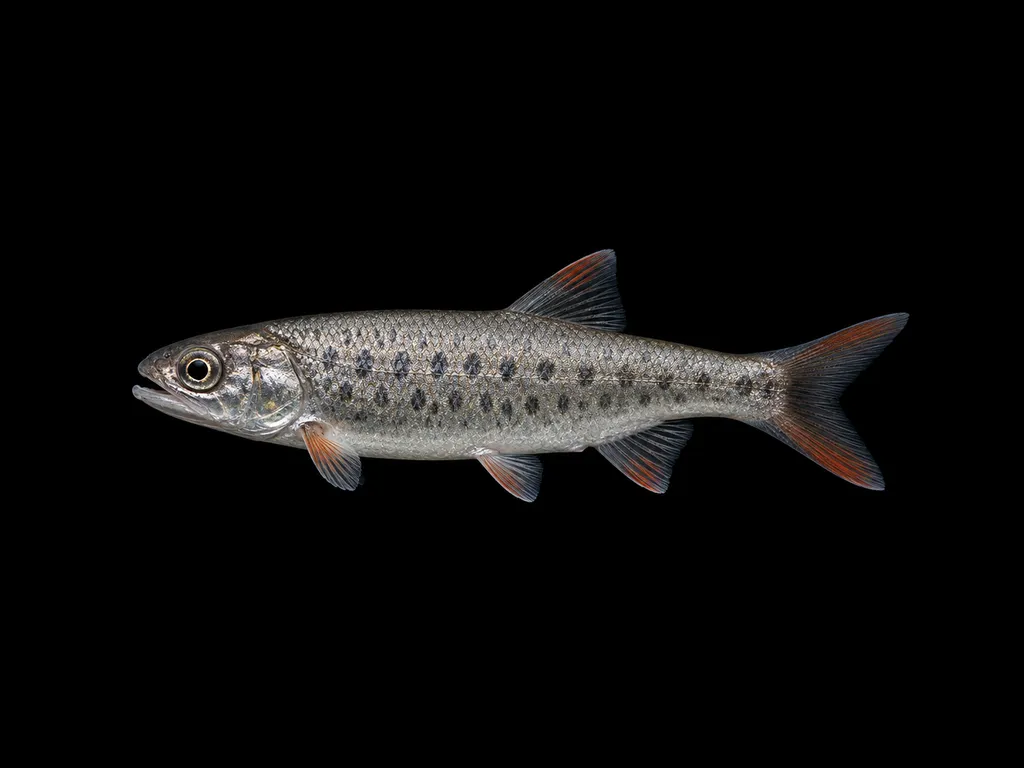
Raiamas guttatus belongs to the danio family, Danionidae. It is silver-sided, with a wolfish, underslung jaw. Day described it in 1870, and the name guttatus means spotted, for the two rows of blue spots along its flanks. It is an open-water predator of insects and fish.
In the wild
The Burmese trout lives in clear, fast rivers and hill streams from India through the Irrawaddy basin of Myanmar. It holds in moderate to swift current over gravel and stone.
Common questions
What size tank does a Burmese trout need?
A Burmese trout needs at least 159 gal (600 L). It spends most of its time in the middle.
What temperature and pH does a Burmese trout need?
A Burmese trout is comfortable at 64–79°F (18–26°C) with a pH of 6.5–7.5.
What does a Burmese trout eat?
A Burmese trout eats meaty foods and takes them eagerly. Feeding is the easy part of keeping one.
How big does a Burmese trout get?
An adult Burmese trout reaches about 13.8 in (35 cm).
Related species
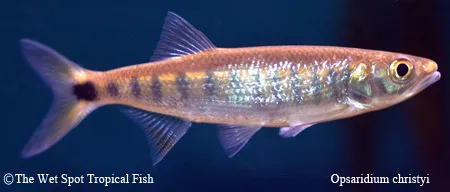 8.3 in (21 cm)106 gal (400 L)72–81°F (22–27°C)
Coppernose barb
Raiamas christyi
8.3 in (21 cm) · 106 gal (400 L)
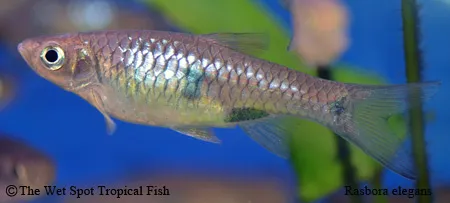 7.9 in (20 cm)53 gal (200 L)72–81°F (22–27°C)
Twospot rasbora
Rasbora elegans
7.9 in (20 cm) · 53 gal (200 L)
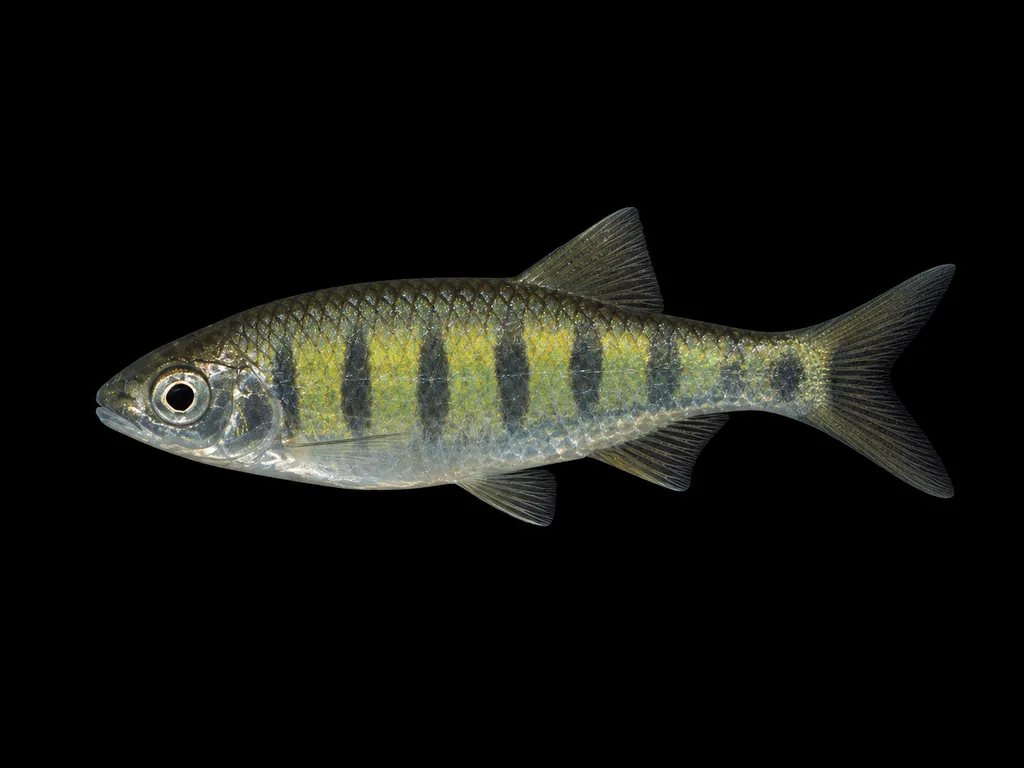 5.9 in (15 cm)53 gal (200 L)64–79°F (18–26°C)
Barna baril
Opsarius barna
5.9 in (15 cm) · 53 gal (200 L)
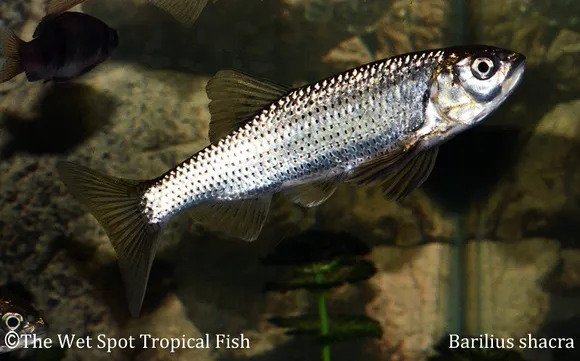 5.5 in (14 cm)53 gal (200 L)64–79°F (18–26°C)
Shacra baril
Opsarius shacra
5.5 in (14 cm) · 53 gal (200 L)
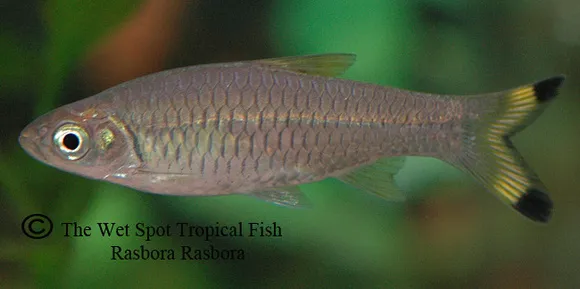 5.1 in (13 cm)42 gal (160 L)72–81°F (22–27°C)
Gangetic scissortail rasbora
Rasbora rasbora
5.1 in (13 cm) · 42 gal (160 L)
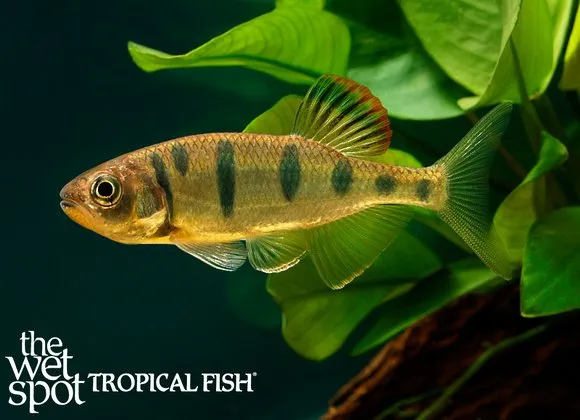 5.1 in (13 cm)53 gal (200 L)72–81°F (22–27°C)
Jeweled baril
Opsarius pulchellus
5.1 in (13 cm) · 53 gal (200 L)